REVIEW · CRETE
Chania Sourdough Bread Class – Olive Oil Tasting
Book on Viator →Operated by Chania Cooking Class · Bookable on Viator
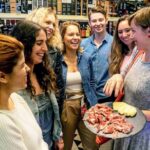
Bread, olives, and farm stories in Chania. This Chania Sourdough Bread Class with Olive Oil Tasting (with Nikos and Alex) is built around hands-on bread work and a very practical olive oil tasting you can actually use at home. You’ll start with a homemade refreshment or Greek coffee, then move from mixing sourdough to choosing mix-ins like olives, sun-dried tomato, and seeds.
I also like the way the family hosts keep it real: olive grove learning, farm harvesting, and a long table meal with everyone sitting together. One thing to plan for is that the experience depends on good weather, since parts of the day run outdoors (including the cooking setup and farm time).
In This Review
- Quick hits from the Chania sourdough + olive oil class
- Why this Chania class feels like a family meal
- Getting started: coffee, cookies, and dough talk
- Your own sourdough loaf: mix-ins, shaping, and rest time
- Olive grove stop: harvesting lessons and herb-oil secrets
- From farm harvest to Cretan salad and sides
- The oven moment: bread comes out and olive oil tasting starts
- What you actually eat: the full menu and pacing
- Price and value: what you get for $108.13
- Logistics that matter: meeting point, pickup, and group size
- Who this fits best in Chania (and who should reconsider)
- Should you book this Chania sourdough and olive oil class?
- FAQ
- How long is the Chania sourdough bread class with olive oil tasting?
- Is pickup available from Chania?
- What language is the class taught in?
- What’s included in the price?
- What food is served during lunch?
- What happens if the weather is bad?
Quick hits from the Chania sourdough + olive oil class
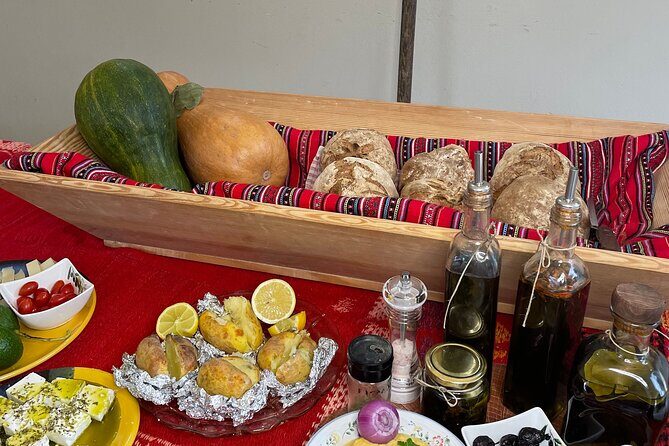
- Hands-on sourdough loaf: you prepare your own bread and pick add-ins like olives and seeds
- Olive grove lesson during the rest: harvesting details and how herbs show up in olive oil
- Olive oil tasting you can compare: multiple olive oil types get tasted alongside your bread
- Farm-harvested lunch: Cretan salad plus fava, ash-roasted potatoes, and pork meat
- Family-run hospitality: Veerna’s Kitchen and Kostas show up in the story of the place
Why this Chania class feels like a family meal
This isn’t a quick “watch-and-leave” cooking stop. It’s a sit-down, hands-on food day where the hosts guide you step-by-step and then feed you what you helped make and learn about.
Chania Cooking Class keeps the group small, with a maximum of 16 people. That matters because you’ll get time with the process, not just a rushed lecture.
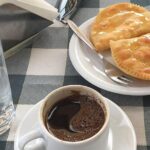
The welcome sets the tone: you arrive and are greeted with a homemade refreshment or Greek coffee, plus cookies. It’s a small detail, but it makes the whole day feel calm instead of industrial.
You can also read our reviews of more food & drink experiences in Crete

Getting started: coffee, cookies, and dough talk
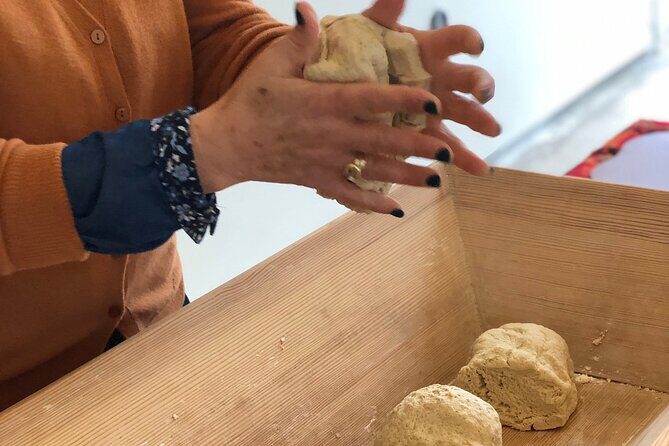
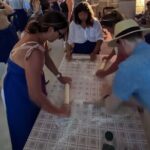
Right away, you get the overview of the sour-dough procedure and what the day is going to look like. Before anyone touches ingredients, the hosts explain the bread-making flow so you know what comes next.
It’s a good setup if you’re nervous about baking. You’re not guessing. You’re following a sequence: ingredients, mixing, shaping, and then the rest period when the dough needs time to work.
Then the practical part begins. You’ll get your station ready and start mixing the dough ingredients that form the base of your loaf.
Your own sourdough loaf: mix-ins, shaping, and rest time
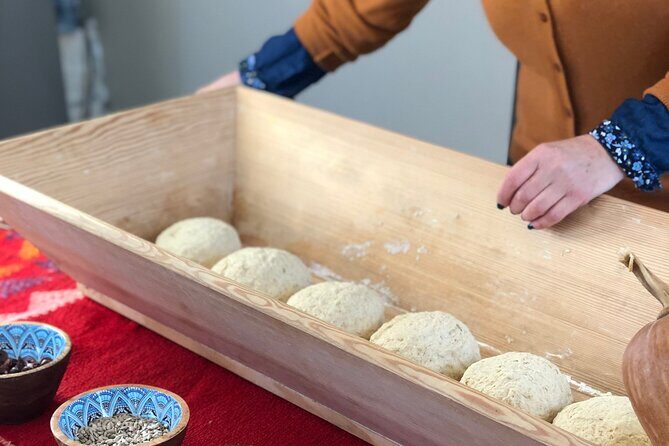
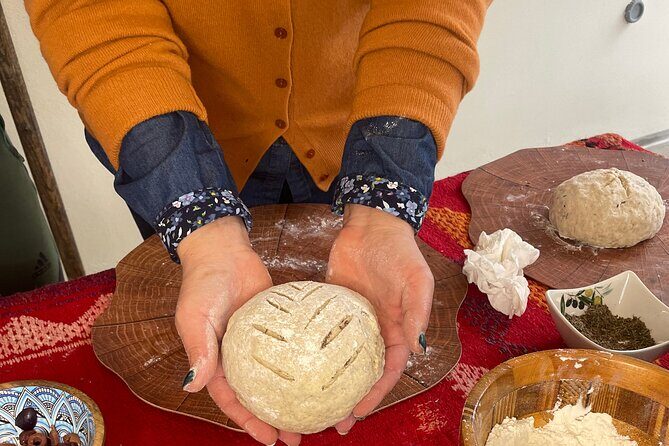
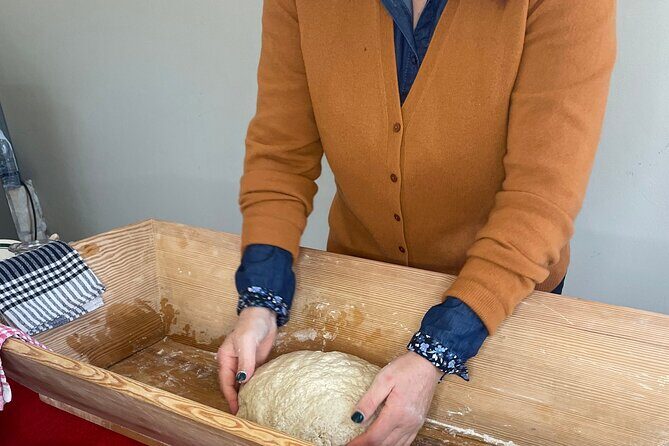
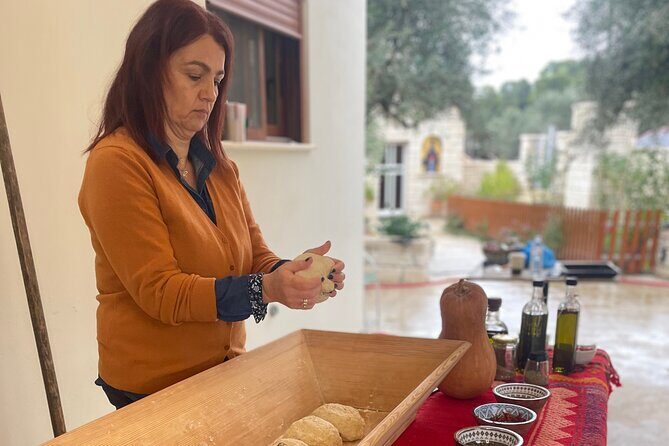
This is the heart of the class. Each person prepares a loaf, and you get to add extras based on what you like—think olives, sun-dried tomatoes, and seeds.
That choice is more than fun. It’s your chance to understand how add-ins affect flavor and balance. Even if you don’t replicate the exact recipe later, you’ll leave knowing how to build your own loaf profile.
After your loaf is prepared, there’s a rest period. That’s where the schedule turns clever: instead of waiting around, you get out and learn about the olive world that connects directly to the olive oil you’ll taste later.
Olive grove stop: harvesting lessons and herb-oil secrets
While your bread rests, you visit an olive grove. You learn about the olive oil harvesting process, and you hear about the practical steps and care that keep the trees producing.
One detail I really like is how the hosts connect the grove work to the oil tasting later. It turns olive oil from something you buy into something you understand—when it’s harvested, why trees are managed the way they are, and how the whole chain works.
You also get taught the secrets of mixing olive oil with herbs. That’s the connection most people miss at home. Here, you taste that idea as part of the day, not as a separate “olive oil side quest.”
From farm harvest to Cretan salad and sides
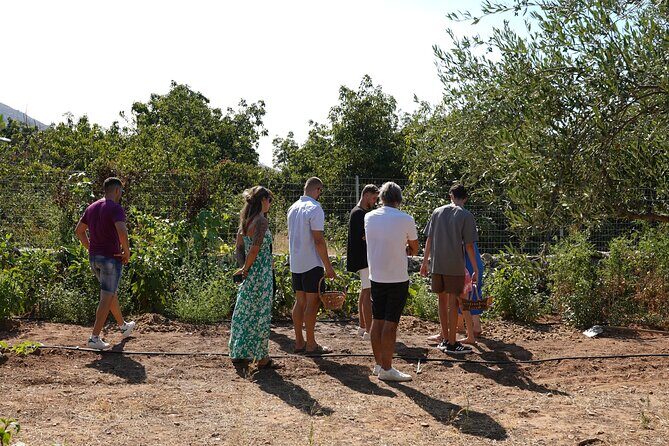
When the loaf story moves to the food story, you head to the farm. You’ll help with harvesting veggies, then prepare a Traditional Cretan Salad as part of the lunch.
The salad recipe you’ll work toward is classic and specific: tomato, cucumber, pepper, olives, rusks, capers, and soft goat cheese. It’s the kind of salad that tastes like a full meal because it has structure—crunch, salt, tang, and herbs—rather than just chopped lettuce.
In addition to salad, you’ll see other side dishes show up on the plan, including Greek fava beans and seasonal appetizers. The main point here is variety: you’re eating Crete in multiple forms, not just one dish.
A few more Crete tours and experiences worth a look
The oven moment: bread comes out and olive oil tasting starts
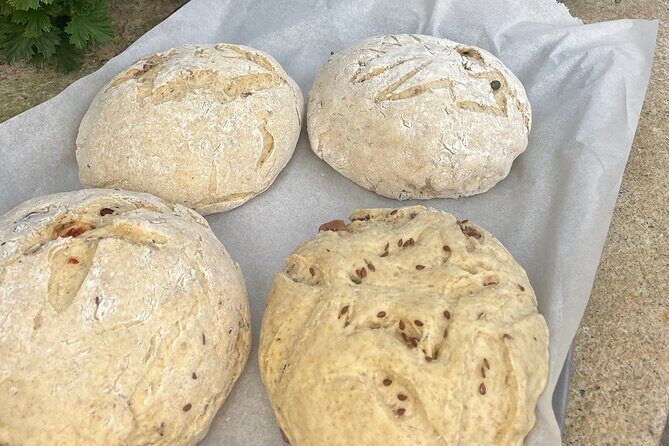
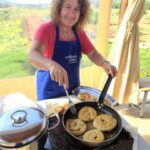
Eventually, it’s time to return and bake. Your loaves go into the oven, and once they’re ready, you get the payoff: bread that smells like it was worth the wait.
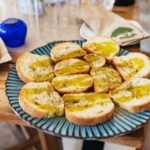
This is also when the tasting part becomes more meaningful. Your loaf isn’t a prop. It’s your own bread, and you combine it with herb-flavoured extra-virgin olive oil.
A highlight from the experience is olive oil tasting across different types. The day is structured so you can compare how the oils feel on bread and how flavors change from one oil to another. It’s not just sipping; it’s tasting in context with your food.
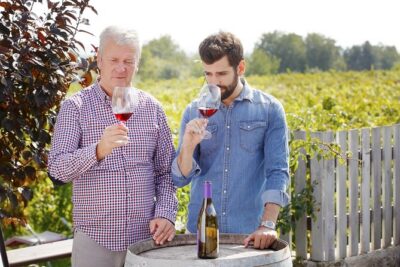
Then the meal stretches out with local wine, plus soda/pop. The hosts keep it relaxed and social, with everyone seated together while you eat, learn, and swap stories.
What you actually eat: the full menu and pacing
The lunch menu is designed so the bread, salad, and sides all hit in a natural rhythm. Here’s the full plan you can expect:
- Cretan salad (tomato, cucumber, pepper, olives, rusks, capers, soft goat cheese)
- Greek fava (served as a starter)
- Your own bread loaf
- Jacket potatoes roasted in the ash
- Pork meat
- Greek yogurt with spoon sweet for dessert
And yes, leave room for dessert. Greek yogurt with spoon sweet is a fitting ending after bread and wine, and it keeps the day from ending on a heavy note.
Pacing-wise, the schedule uses the bread rest as a built-in break. You’re never stuck doing one thing for hours. You bake, learn, eat, and taste in a flow that makes sense for a 4-hour experience.
Price and value: what you get for $108.13
At $108.13 per person for about 4 hours, the best way to judge value is by counting what’s included—not just the class.
You’re paying for:
- a hands-on sourdough loaf you make yourself
- an olive grove learning stop
- farm harvesting tied directly to the lunch components
- lunch, including Cretan salad and fava plus ash-roasted potatoes and pork
- local wine and other drinks (alcoholic beverages and soda/pop)
- olive oil tasting with herb-infused oil used with your bread
- dessert
This adds up to a full meal experience plus meaningful instruction. If you were to buy all the food, drinks, and separate tours individually, it likely wouldn’t stay close to this price point.
Two practical notes before you commit:
1) Pickup has an extra fee depending on your location, and public transportation is listed as not included (you’d pay €10.00 per person if you go that route).
2) Pork is part of the menu, so if you avoid certain foods, confirm options before booking.
Logistics that matter: meeting point, pickup, and group size
The activity starts at Chania Cooking Class in Nerokouros, and it ends back at the same meeting point. You’ll be able to keep your bearings because you aren’t transferring to a different drop-off location.
Pickup is offered for an extra fee based on where you are. The transportation is semi-private, using a 9-seat van and an EV. That also means you might share the ride with other people joining the class.
It’s near public transportation, and the experience provides a mobile ticket. If you’re the kind of person who likes simple arrival plans, this setup is fairly straightforward: show up at the meeting point or request pickup.
Who this fits best in Chania (and who should reconsider)
This class is a great match if you want more than recipes. You’ll learn how bread is made, yes—but you’ll also learn how olive oil fits into daily Cretan food culture through the grove and herb-mixing lessons.
It’s also a solid choice if you like tasting food while it’s explained. The olive oil tasting works best when you can compare oils on bread and when the hosts connect it to harvesting and herb use.
It may not be your best fit if you prefer a strictly indoor, short, tightly scheduled experience. Weather matters here, and part of the day runs outdoors (olive grove and farm time). If you’re traveling with a tight schedule, the 4-hour block is manageable, but plan for that weather dependency.
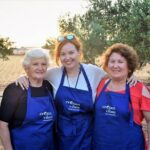
On the plus side, the hosts bring a lot of energy and family feel. Veerna (associated with Veerna’s Kitchen) and Kostas are part of the family story, and that makes the experience feel like being invited into a real working food space.
Should you book this Chania sourdough and olive oil class?
I think you should book if you want a food day that combines practical bread-making, a real olive grove story, and a full lunch with wine and dessert—all in one spot. The value is strong because you leave with more than memories: you leave with an understanding of bread structure and olive oil flavor pairing.
Skip it (or at least ask a lot of questions first) if your schedule is fragile, you can’t handle outdoor weather conditions, or you have dietary needs that require substitutions. The menu does include pork meat, and the class is built around a set flow.
If you like hands-on cooking, olive oil tasting, and eating right after you learn it, this is the kind of experience that makes a trip feel local and satisfying.
FAQ
How long is the Chania sourdough bread class with olive oil tasting?
The class runs about 4 hours.
Is pickup available from Chania?
Pickup is offered, but there is an extra fee based on your location. You need to request it in your booking form.
What language is the class taught in?
The experience is offered in English.
What’s included in the price?
Included are alcoholic beverages, soda/pop, and lunch.
What food is served during lunch?
The menu includes Traditional Cretan Salad, Greek fava, jacket potatoes roasted in the ash, pork meat, and dessert of Greek yogurt with spoon sweet. Your bread loaf is also part of the meal.
What happens if the weather is bad?
The experience requires good weather. If it’s canceled due to poor weather, you’ll be offered a different date or a full refund.
If you want, tell me your travel dates and whether you want pickup, and I’ll help you decide the best timing and what to prioritize for your day in Chania.