REVIEW · CRETE
Cretan Cooking Class at a Farm with Hotel Pickup and Drop-Off
Book on Viator →Operated by TRAVEL AND DO · Bookable on Viator
The best part of this Cretan cooking class is that the lesson begins before anyone picks up a knife. You first enter a working family farm, walk among seasonal vegetables and herbs, see the olive grove and citrus orchard, and learn how food connects to daily life in Crete. Then you cook and eat what you have made.
I like the hotel pickup and drop-off, which removes the usual hassle of finding a rural meeting point. I also like the warm family setting led by Eleni, also referred to as Elena, where you learn about olive trees, home cooking, and family traditions while preparing several dishes. The main consideration is the price, $151.26 per person, which is fair for a five-hour meal, lesson, transport, and farm visit, but high if you only want a quick cooking demonstration.
In This Review
- Key points to know before booking
- From hotel pickup to a Cretan village farm
- Touring the garden, olive grove, and wine cellar
- Cooking at least six traditional dishes
- Sharing the meal with the family
- What the $151.26 price includes
- Who will enjoy this farm cooking class
- Practical details that affect your day
- How this compares with a standard cooking lesson
- Should you book it?
- FAQ
- Where does the cooking class take place?
- What time does the experience start?
- How long does the tour last?
- Is hotel pickup and drop-off included?
- How many recipes will I prepare?
- Can the menu accommodate dietary requirements?
- Is the class conducted in English?
- What can I see on the farm?
- How large can the group be?
- What happens if the weather is poor?
Key points to know before booking
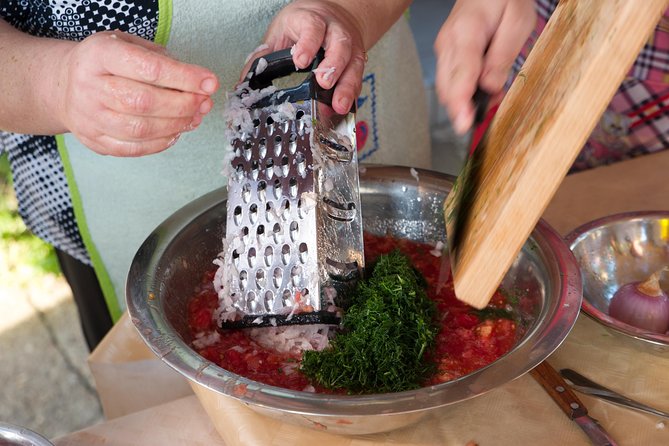
- At least six recipes: The class includes several traditional Cretan dishes, with the menu adjusted for vegetarian, vegan, lactose-free, and other dietary needs.
- A real family farm: You visit the seasonal garden, olive grove, citrus orchard, vineyard, wine cellar, and chicken coop.
- A shared dinner: You sit down with the Cretan family and eat the food prepared during the class, along with homemade wine.
- Hotel transport included: Pickup and return make this easier than arranging your own route to a countryside village.
- Small enough for conversation: The maximum group size is 20 people, and the class is conducted in English.
- A late afternoon outing: The experience starts at 4:30 pm and lasts about five hours, making it an evening meal as well as a cooking lesson.
From hotel pickup to a Cretan village farm
Your afternoon begins with pickup from your hotel at about 4:30 pm. The included transport matters here. This is not a city-center cooking studio with a simple walk from your accommodation. The setting is a local farm in the countryside, so being collected and returned saves you from guessing which rural road or village entrance to use.
The drive also helps shift the pace of the day. You leave the city streets behind and head toward a more domestic side of Crete. Exact drive times are not provided, so you should allow the full five-hour window and avoid scheduling another fixed activity afterward.
On arrival, a Cretan family welcomes you to its home and yard. This is the first point where the experience differs from a standard cooking class. You are not simply handed a printed recipe and shown to a workbench. The farm gives the food a clear setting and lets you see where some of the ingredients begin.
You can also read our reviews of more cooking classes in Crete

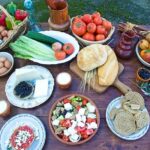
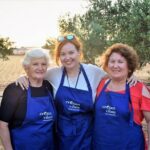
Touring the garden, olive grove, and wine cellar
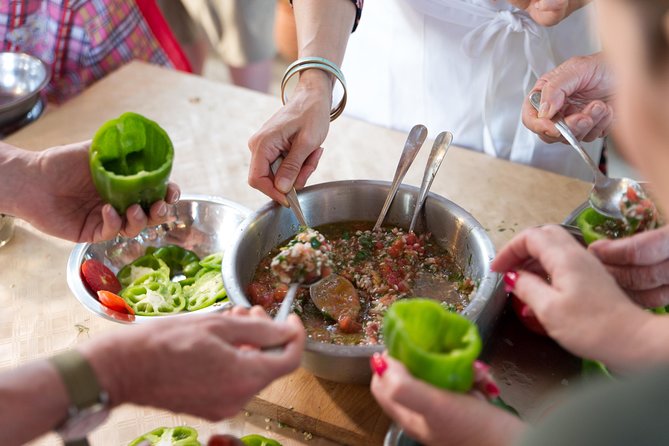
The farm visit includes a seasonal garden with vegetables and aromatic herbs. Since the produce changes with the time of year, you might see different ingredients from one visit to the next. That seasonal element is useful because it explains why Cretan cooking often feels simple: the food begins with what is fresh and close at hand.
You also visit an olive grove, a citrus orchard, a vineyard, and a wine cellar. These are not filler stops. Olive oil, citrus, grapes, and wine are central parts of Cretan food culture, and seeing them together gives you a better sense of the farm’s food supply than a recipe list alone.
The chicken coop is included as well. It adds another small but telling detail about the household and its connection to food. You are seeing a family farm as a place that produces several kinds of ingredients, rather than a staged setting built only for visitors.
The tour is described as slow-paced, and that is important. If you want to rush through a long checklist of sights, this will feel too leisurely. If you prefer time to look around, ask questions, and understand how the meal comes together, the pace is a good match.
Cooking at least six traditional dishes
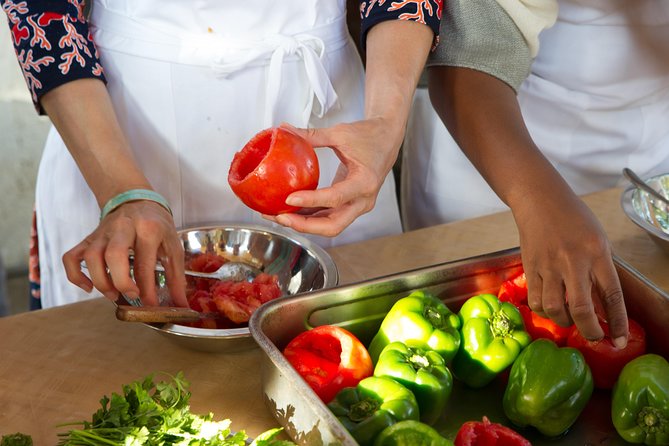
After the farm walk, you begin the hands-on lesson. The information for this experience refers to four or five classic recipes in one place and at least six recipes in the fuller itinerary. Plan for a broad cooking session with at least six different preparations, while understanding that the exact menu can vary.
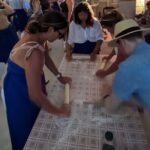
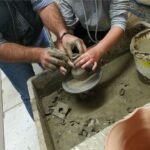
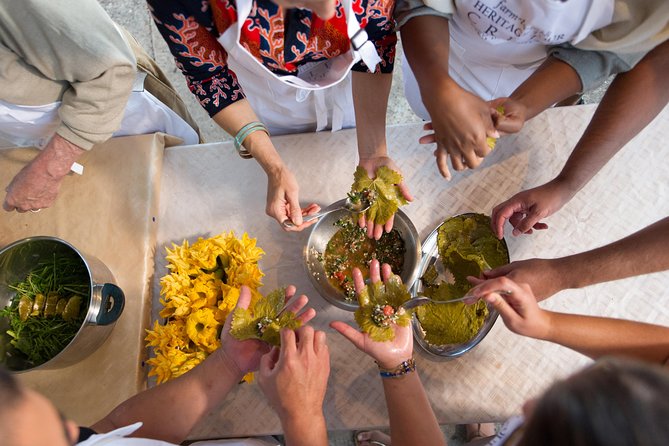
You work under the guidance of the host family, rather than watching a chef do everything while you sit back. That makes the class more useful after you return home. You handle ingredients and equipment during the process, including tools or supplies you may not keep in your own kitchen.
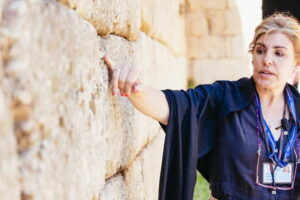
The class is operated in English. Eleni, also named Elena in the available comments, is singled out as the host and cooking instructor. Her role goes beyond giving directions. She shares stories about olive trees and family customs, so the lesson connects recipes with the way food is used in Cretan homes.
The menu is not fixed in a way that ignores your needs. You should tell the operator in advance if you are vegetarian, vegan, lactose intolerant, or have another dietary request. The menu can be amended, but advance notice is the sensible choice. A cooking class built around farm ingredients needs time to plan substitutions.
Sharing the meal with the family
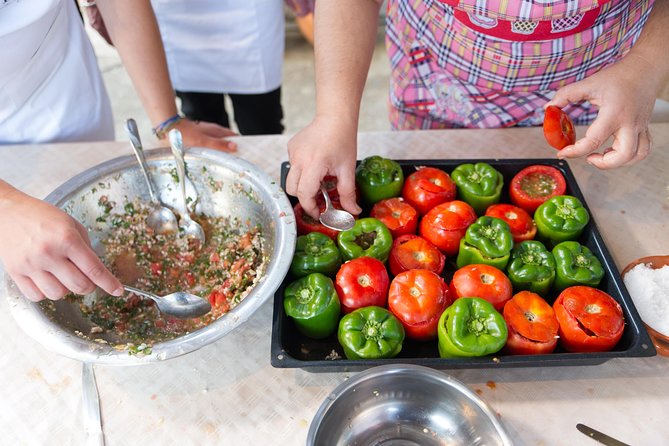
The class ends at the table. You eat the dishes prepared during the lesson with the family, rather than packing up and leaving as soon as the cooking is finished. That shared dinner is one of the strongest reasons to choose this experience over a shorter demonstration.
The meal is served in the Cretan style and includes the family’s homemade wine. Wine is part of the setting, not an obligation, so anyone who does not drink should make that clear to the host. The important point is the transition from student to table companion: you cook together, then sit down together.
This family element has received the strongest praise. The experience has been described as feeling like a group learning and cooking as one family, and the warmth of Elena’s welcome has been highlighted as a major part of the day. Those details suggest that the mood depends as much on personal interaction as on the recipes.
That can be a strength or a limitation. If you want an intimate meal with local hosts and enjoy conversation with people from different countries, you are likely to appreciate it. If you prefer a highly structured class with exact measurements, a formal kitchen, and little social time, this may not be your ideal format.
What the $151.26 price includes
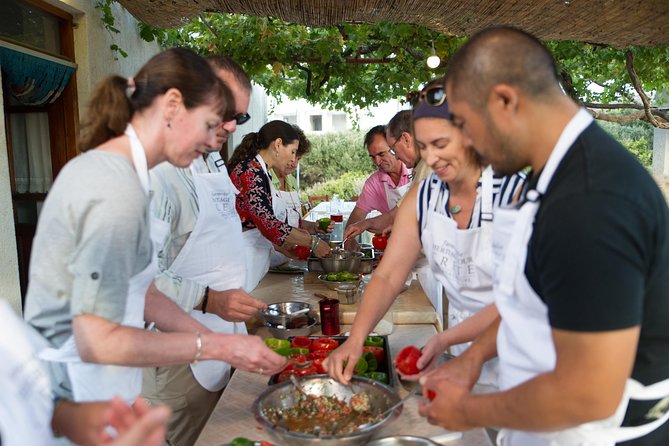
At $151.26 per person, this is not a budget meal. The value comes from the number of parts bundled into the experience: hotel pickup and drop-off, a countryside outing, a farm visit, a hands-on class, multiple recipes, dinner, and homemade wine.
A restaurant meal alone would not give you the farm tour or the instruction. A shorter cooking class might cost less, but it would also remove the family setting and transport. I would judge the price mainly by how much time you want to spend with the hosts, not by the amount of food on the plate.
You also need to account for the five-hour commitment. This is an evening experience, not a quick activity to fit between major sightseeing stops. The late start and shared dinner make it a good choice for a day when you want to slow down, but a poor match for a packed schedule.
The maximum group size is 20 people. That is not a private class, and the atmosphere may vary depending on the group. Still, a 20-person limit keeps it smaller than a large bus-style food event and leaves room for a social, shared setting.
A few more Crete tours and experiences worth a look

Who will enjoy this farm cooking class
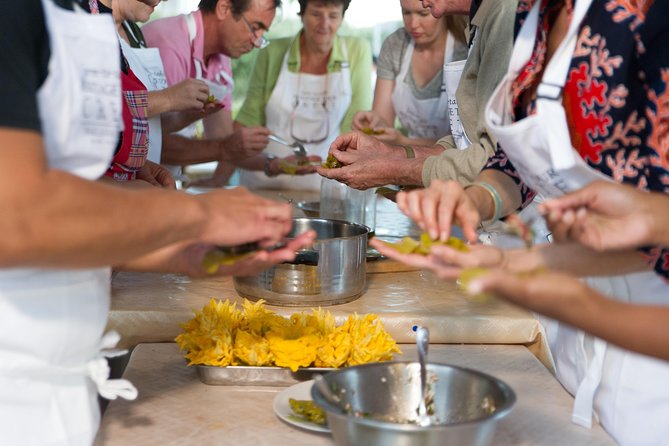
I would recommend this experience most strongly to people who want food tied to place. You learn about produce in the garden, olive trees in the grove, wine in the cellar, and family customs at the table. The cooking is the main activity, but the farm and the hosts give it meaning.
It also suits couples, families, and solo participants who enjoy meeting people. The class is conducted in English, and the group includes people from different countries. You should be comfortable sharing a meal and working alongside others rather than expecting a private lesson.
Food lovers will get the most from the hands-on format. You are not only tasting Cretan food, you are preparing several recipes with ingredients and equipment that may differ from what you have at home.
This is less suitable if you have a short stay and want to spend every hour visiting famous archaeological sites or beaches. It is also worth thinking carefully about dietary needs. Adjustments are available, but you should communicate them before the day rather than hoping the host can change the meal at the last minute.
Practical details that affect your day
The start time is 4:30 pm, and the total duration is approximately five hours. Since pickup and return are included, you should provide accurate hotel details when booking and keep your evening open until the experience is finished.
Booking ahead is wise. This activity is commonly reserved about 45 days in advance, which indicates that popular dates can fill well before your trip. Confirmation is normally sent at booking, although reservations made within two days of the date may take up to 48 hours to confirm and remain subject to availability.
The experience depends on good weather because part of the visit takes place outdoors. If poor weather forces a cancellation, you can choose another date or receive a full refund. The same choice applies if the minimum number of participants is not reached.
Free cancellation is available until 24 hours before the start time. Cancel at least a full day ahead for a refund. Changes or cancellations made within 24 hours are not accepted for a refund, so do not leave this decision until the afternoon of the tour.
How this compares with a standard cooking lesson
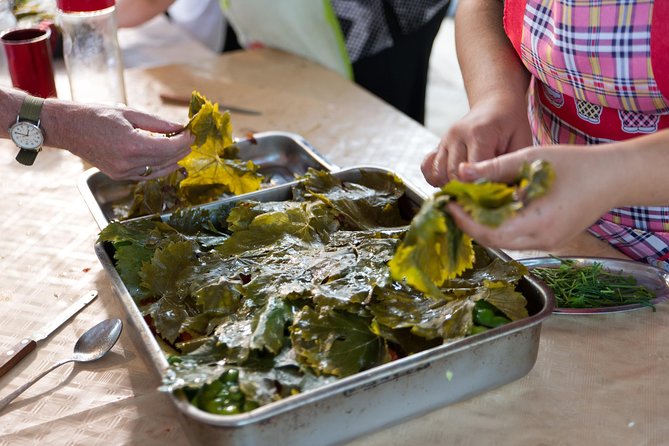
A typical urban cooking class often focuses on technique, a set menu, and a finished meal. This experience adds a farm tour and a personal look at how a Cretan household grows and uses food.
The difference is especially clear in the olive grove, garden, and wine cellar. You gain context for the ingredients before they appear on the table. That does not automatically make the cooking instruction more advanced, but it does make the day more connected to local life.
The trade-off is control. A formal school may offer a predictable schedule and a polished kitchen. Here, the charm comes from the family home, the slower rhythm, and the chance to talk about traditions. The experience is best judged as a cultural meal with cooking, not as a professional culinary course.
Should you book it?
Book this class if you want an evening of cooking, conversation, and farm life rather than a quick food activity. The included transport, several recipes, family dinner, and homemade wine give the $151.26 price a solid basis, especially if you value the personal side of travel.
I would skip it if your priority is low cost, a private lesson, or a tightly timed schedule. For everyone else, the combination of a working farm, hands-on preparation, and a welcoming host family offers a memorable way to understand Cretan food beyond a restaurant menu. Tell the operator about dietary needs early, reserve well ahead, and leave the rest of the evening free.
FAQ
Where does the cooking class take place?
It takes place at a typical village farm in Crete, where a local Cretan family welcomes you to its house and yard.
What time does the experience start?
The stated start time is 4:30 pm.
How long does the tour last?
The experience lasts approximately five hours.
Is hotel pickup and drop-off included?
Yes. Hotel pickup and drop-off are included, so you do not need to find a separate meeting point.
How many recipes will I prepare?
The class is described as teaching four or five classic Greek recipes in one description and at least six different recipes in the detailed itinerary. You should expect several preparations, with the exact menu subject to change.
Can the menu accommodate dietary requirements?
Yes. The menu can be amended for vegetarian, vegan, lactose-intolerant, and other special dietary needs. You should provide this information in advance.
Is the class conducted in English?
Yes. The experience is operated in English by local Cretans.
What can I see on the farm?
The visit includes a seasonal garden, aromatic herbs, an olive grove, a citrus orchard, a vineyard, a wine cellar, and a chicken coop.
How large can the group be?
The maximum group size is 20 participants.
What happens if the weather is poor?
The experience requires good weather. If it is canceled because of poor weather, you can choose a different date or receive a full refund.