REVIEW · DELPHI
Delphi: Easy Hike on Ancient Path through the Olive Groves
Book on GetYourGuide →Operated by Delphian Paths · Bookable on GetYourGuide
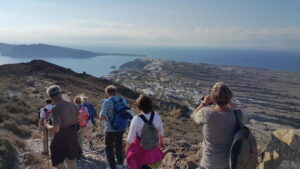
Long before Delphi became a major archaeological site, people used paths like this one to reach the sanctuary and seek answers from Apollo’s Oracle. Today, you follow an ancient downhill route from Delphi through olive groves to Chriso, with views stretching across the Delphian Valley toward the sea.
I like two things right away: the walk runs downhill, with no uphill sections, and the return to Delphi is handled for you. I also like the local flavor. Costas, who grew up in the area and teaches history, brings stories about old customs, myths, urban legends, and olive farming instead of giving you a dry list of dates.
The main thing to consider is the footing. This is an easy walk, but it is still an outdoor path. Wear sneakers, not flip-flops, and take water, a hat, and sunscreen, especially in summer.
In This Review
- Key points to know before you book
- From Delphi’s V Hotel to the old path
- Olive groves and the Delphian Valley
- Chriso and the living side of Delphi
- A hike that uses games instead of a lecture
- How hard is the downhill walk?
- What the $35 price buys you
- Who will enjoy this most?
- Timing your walk in a Delphi visit
- A practical packing list
- My verdict: book it for the countryside, not just the exercise
- FAQ
- Where does the walk begin?
- Where does the route go?
- Is the route uphill?
- How long does the experience last?
- Is transport back to Delphi included?
- What languages are available?
- What should I wear and bring?
- Are games included?
- What does the tour cost?
- Can I cancel the booking?
Key points to know before you book
- The route runs downhill from Delphi to Chriso, making it far easier on the legs than a climb back toward town.
- The walk can last from 90 minutes to three hours, depending on the option and pace available when you book.
- Local guides lead the experience in English or Greek, with Costas specifically praised for his history stories and upbeat style.
- Games, quizzes, and small challenges add a playful touch for families, couples, and solo visitors.
- Olive groves, mountain peaks, valley views, and the coastline provide the setting, not just the archaeological site.
- Transport back to Delphi is included, so you do not need to arrange your own ride from the end point.
From Delphi’s V Hotel to the old path
Meet on the right side of the V Hotel Delphi, at the junction of Friderikis and Filellinon Street. This is a useful central meeting point in Delphi, but check the exact location before setting out so you are not hunting for it at the last minute.
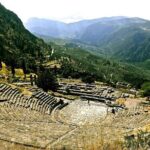
The walk begins in Delphi and then heads away from the familiar archaeological core. That change matters. The sanctuary gives you columns, terraces, and carved stone. This route gives you the setting that made Delphi such a powerful place: steep mountain country, open valley views, olive trees, and a route linking inland communities with the coast.
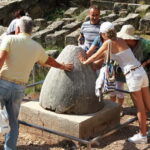
You will be walking with a local guide rather than simply following a marked trail on your own. The guide explains how the area has changed over the centuries, while also bringing in local tales and stories that may not appear on a standard archaeological tour.
The route was used by ancient warriors, kings, and emperors making their way to Delphi for advice from the Oracle. That does not mean you are walking through a preserved ceremonial walkway with every ancient stone intact. It means the path connects you with the wider world around the sanctuary, where daily life, farming, travel, and religious pilgrimage all met.
You can also read our reviews of more hiking tours in Delphi
Olive groves and the Delphian Valley
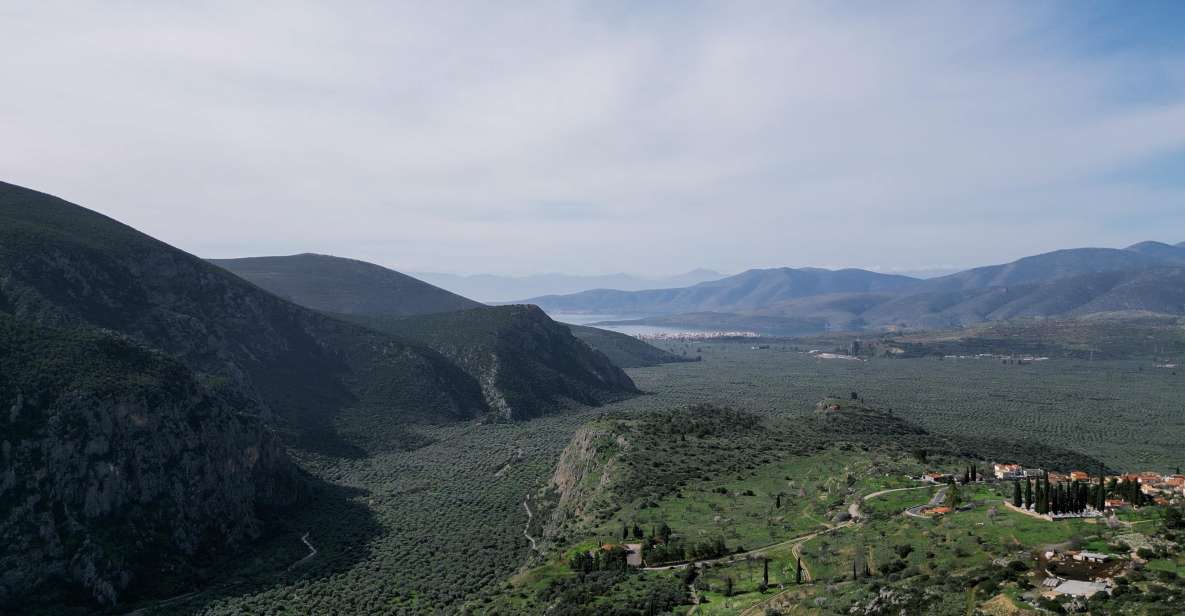
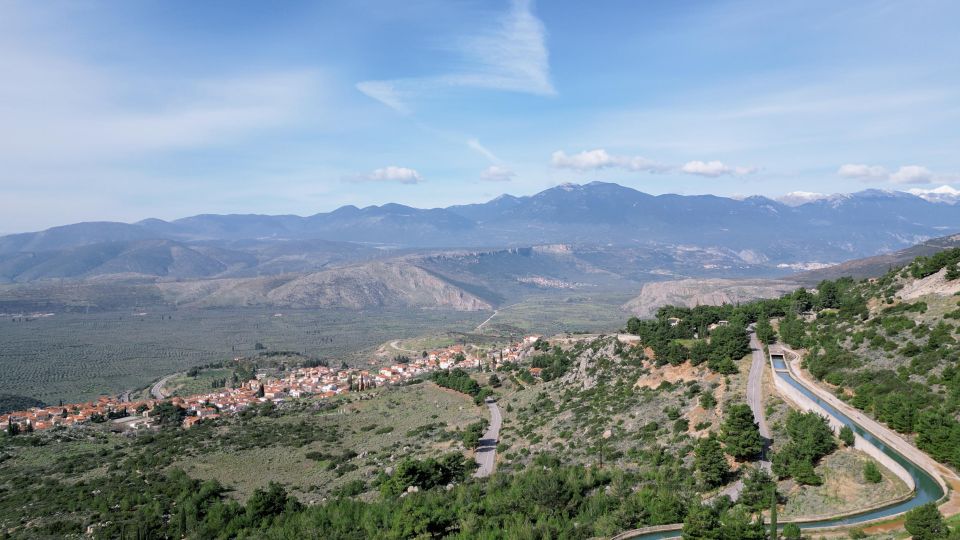
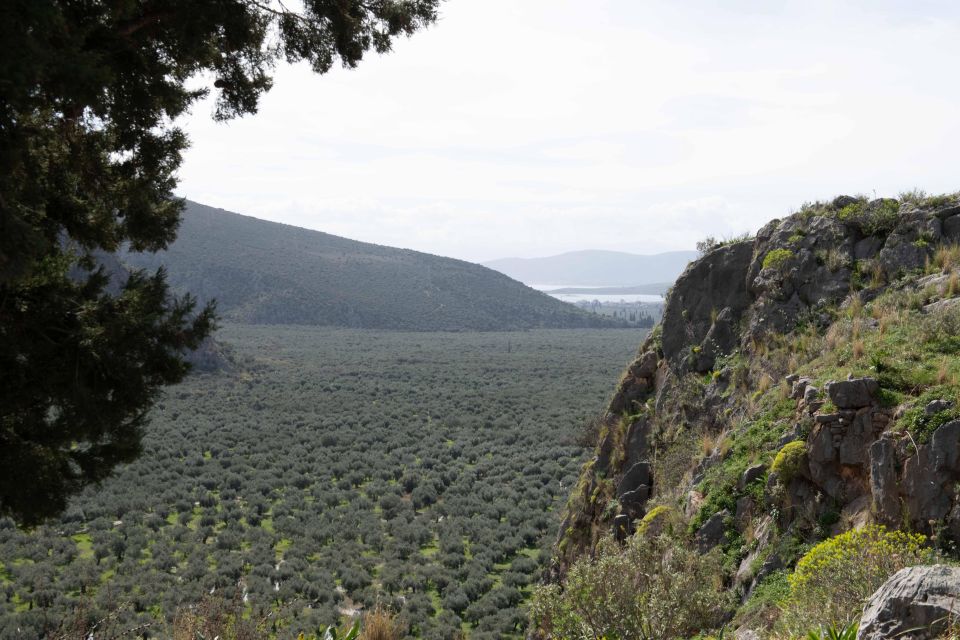
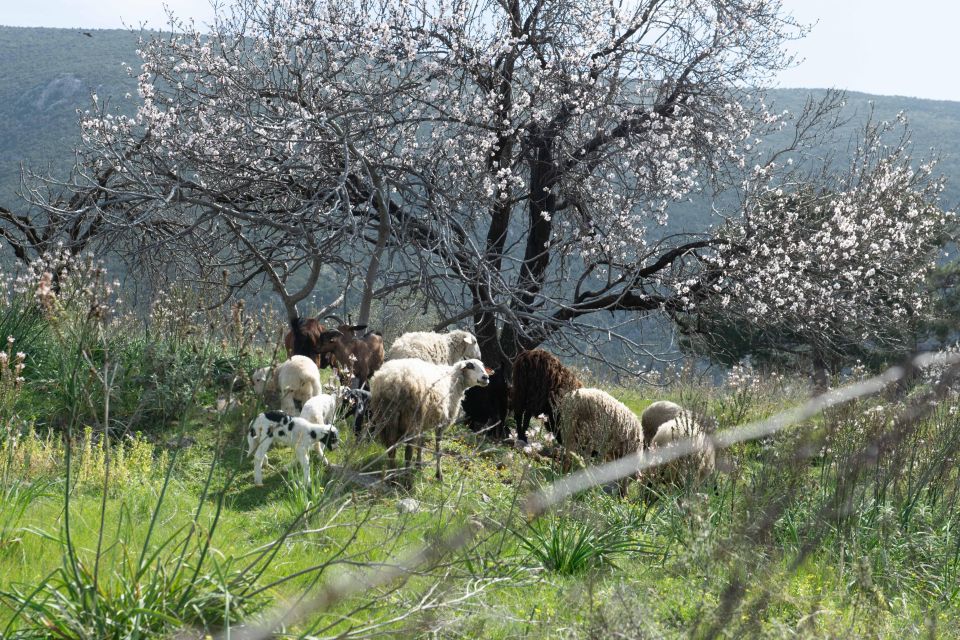
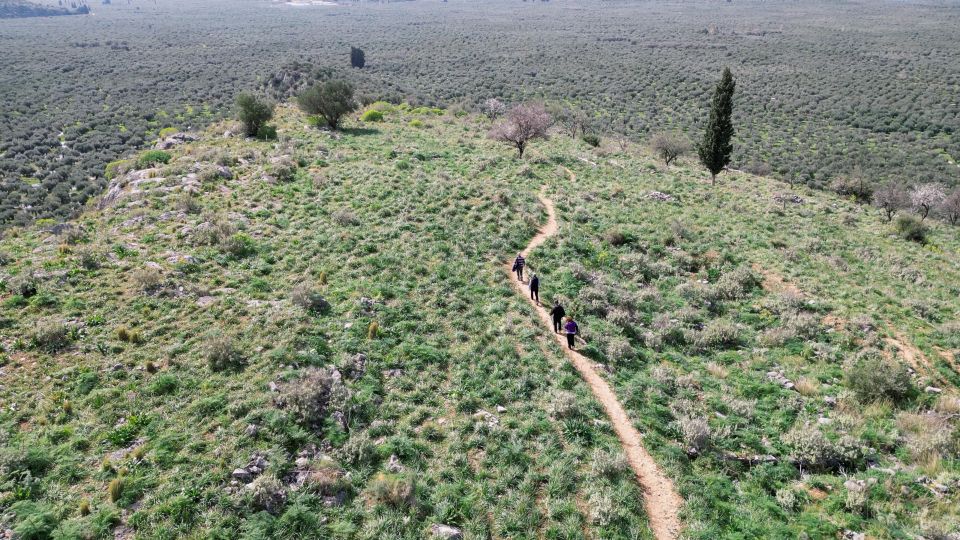
The olive groves are the heart of the walk. You move through perennial trees as the path drops toward Chriso and the coastline of Aggali. The trees provide a strong sense of place, since olive farming is not just scenery here. It is part of the local economy, food culture, and family life.
Your guide also explains the practical side of olive farming. This makes the walk more useful than a simple photo stop. You learn to look at the groves as working land, not just a pretty backdrop.
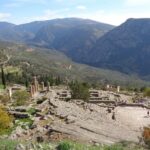
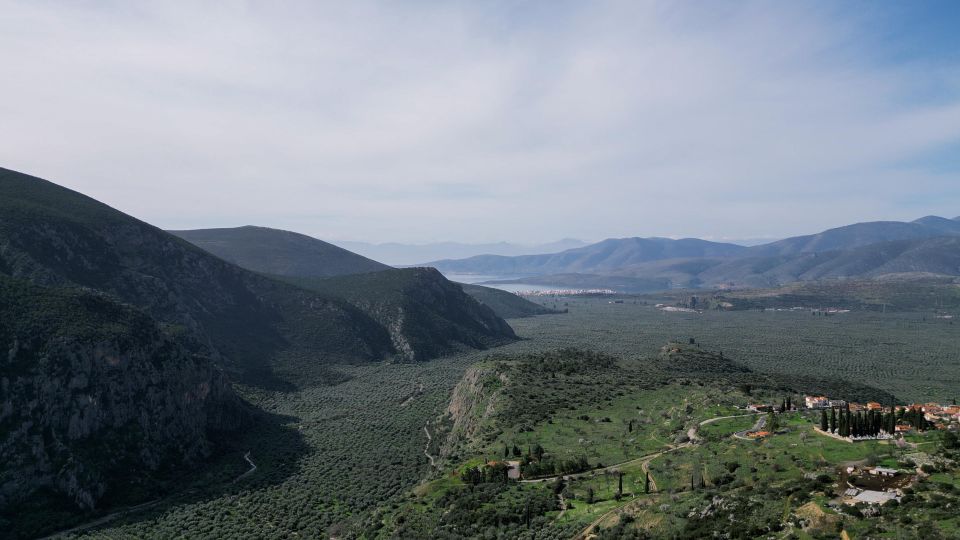
The views change as you go. From the higher sections, you can look across the Delphian Valley and toward mountain peaks. Later, the route opens toward the sea. The combination of mountain, olive valley, and coastline is one of the best reasons to choose this outing over another town-based activity.
Bring your camera, but do not plan to spend the whole walk looking through it. The path, the trees, and the changing views reward you more when you pause and listen. The guide can also adjust the pace and the subjects covered to the interests of the group.
Chriso and the living side of Delphi
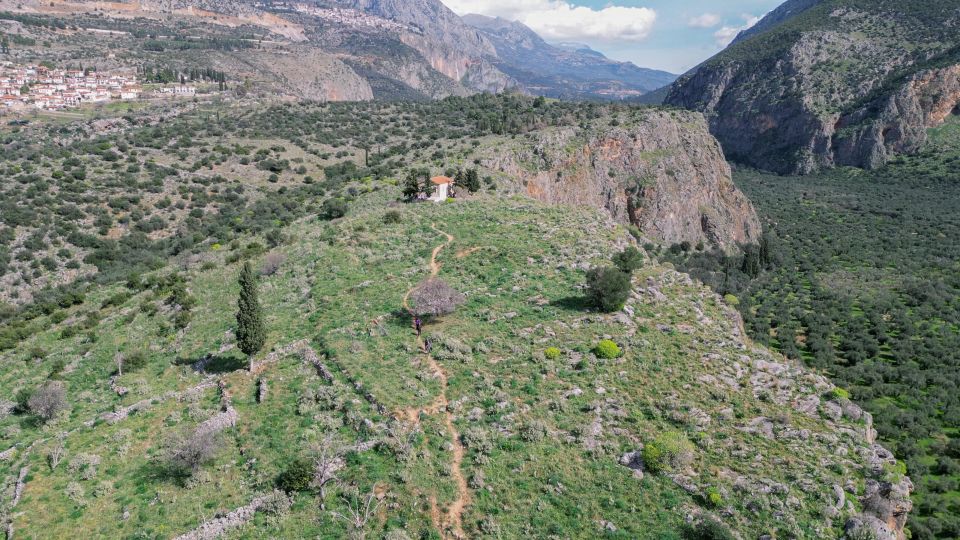
Chriso gives the walk a village destination rather than an abstract endpoint. You are not simply hiking until the guide says the tour is finished. You are moving from Delphi toward a local community and seeing how the area connects beyond the famous sanctuary.
The village setting also helps shift the focus from ancient Greece to modern central Greece. The guide can talk about the area over time, local customs, and stories passed down through the region. Costas is especially well suited to this part of the experience because he grew up nearby and teaches history.
That local connection is important. A standard guide can explain what happened at Delphi. A local guide can also explain how people relate to the place now, which restaurants and sights may be worth your time, and how the surrounding villages fit into the area. One guide also offers practical suggestions for places to visit and eat, so keep a note on your phone if you want more ideas for the rest of your stay.
The route continues toward the coastline of Aggali. The supplied information does not give a fixed list of stops or exact distances, so do not expect a rigid march from one numbered point to another. The experience is built around walking, conversation, views, and activities along the way.
A hike that uses games instead of a lecture
The guides add quizzes, interactive quests, and friendly competition during the walk. That can sound like a small extra, but it changes the mood of the outing. You are asked to pay attention to the surroundings and the stories rather than simply walking behind a guide.
For children, the games can make history easier to follow. A story about Delphi, a local myth, or olive farming becomes something they can respond to instead of another long explanation. Adults who prefer a relaxed afternoon can enjoy the humor and competition without needing to treat the activity like a serious athletic challenge.
The format also suits couples and solo visitors. A private booking may be possible when demand is low. One September afternoon, a couple who were the only people booked still received the walk as a private tour. That is not a guarantee, but it shows that the provider may run the experience for a small group rather than canceling when numbers are low.
The tone appears to be friendly and flexible. Guides can adjust their pace and the subjects they discuss to the group’s interests. If you want more ancient history, ask for it. If you are curious about olive farming or village life, bring that up early.
How hard is the downhill walk?
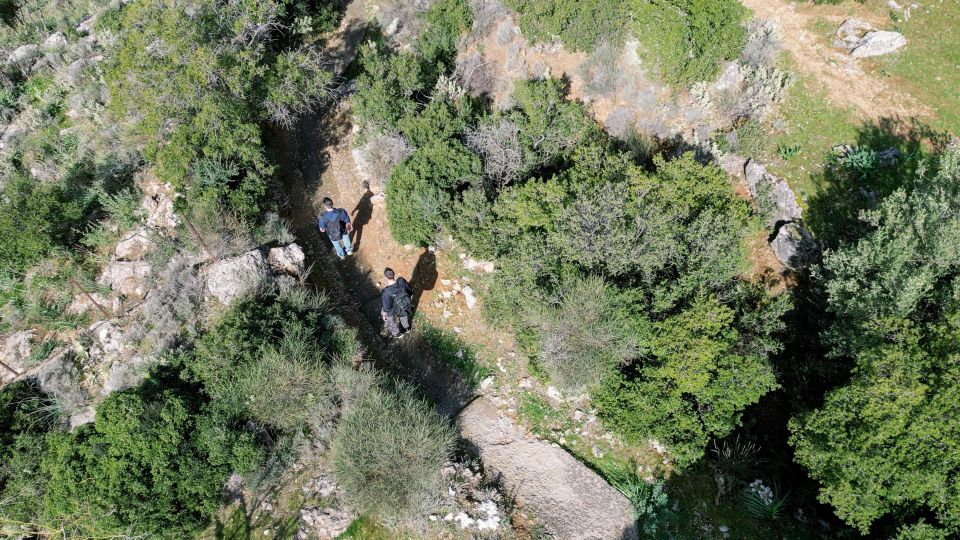
The route is described as easy and downhill, with no uphill sections. That is a major advantage in Delphi, where the terrain can be steep and the summer sun can make even a short climb feel serious.
Still, downhill walking is not effortless. Uneven ground can put pressure on your knees and ankles, especially if you are not used to sloping paths. One useful warning is clear: wear at least sneakers. Flip-flops and slippers are a poor choice.
Take comfortable clothes, water, a sun hat, and sunscreen. July can be hot, though one July outing was described as comfortable rather than exhausting because the route stayed downhill. Conditions vary, so an early or later start may feel easier than walking in the strongest afternoon heat.
The duration ranges from 90 minutes to three hours. That is a wide window, and you should check the available start times and the specific duration when booking. A shorter option may suit you if you have an archaeological visit, bus, or dinner planned. The longer walk is better if you want more time for stories, scenery, and the local setting.
The return transport is included from the end point back to Delphi. This removes the biggest practical problem with a one-way downhill walk. You can leave town on foot without needing to arrange a taxi or retrace the route uphill.
What the $35 price buys you
At $35 per person, this is reasonably priced for a guided outdoor experience in Delphi. You are paying for a local guide, interpretation, games and quizzes, and transport back to town. The value is strongest if you want to see more than the archaeological site and would otherwise need to arrange a taxi, guide, and route on your own.
The transport matters more than it might first appear. A self-guided downhill walk could be inexpensive, but you would need to know where to go and how to get back. Here, the ride solves the return problem and lets you focus on the route.
The price is less compelling if you only want a quick viewpoint or if you dislike organized activities. The games may not suit someone who wants silent walking, and the route is not presented as a strenuous trek. You are paying for interpretation and company, not for a demanding mountain workout.
The free cancellation policy allows a full refund when you cancel at least 24 hours ahead. You can also reserve and pay later, which helps if your Greece itinerary may change. Travel insurance is not included, and all participants should have adequate coverage.
Who will enjoy this most?
Families are a natural fit because the walk avoids uphill sections and includes games. Parents should still make sure children have proper shoes, water, and sun protection. The exact duration also matters, since a three-hour outing may be too long for very young children even if the route is easy.
Couples get a pleasant shared activity with views and conversation, while solo visitors have an easy way to meet a local guide and see the countryside without planning the route alone. The possibility of a small or private group adds appeal if you prefer a quieter outing.
History fans will appreciate the connection between Delphi’s ancient sanctuary and the paths beyond it. You will hear about the Oracle, the region’s past, myths, and local stories, but the activity is not a replacement for a full archaeological tour of the sanctuary.
Food and farming enthusiasts should pay attention to the olive-farming section. It gives the scenery more meaning and helps you understand why these groves remain such a defining part of the area.
This is less suited to anyone with no comfortable walking shoes, anyone seeking a hard hike, or anyone who wants a fully scripted sightseeing tour with a fixed list of monuments. The route is easy, but it is still a walk through the countryside.
Timing your walk in a Delphi visit
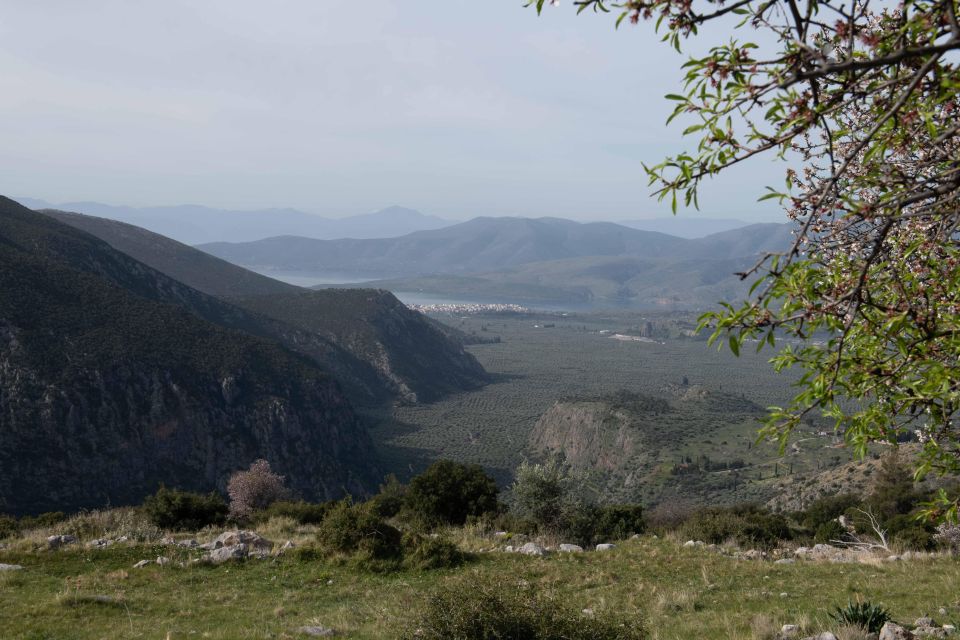
The hike works well as an afternoon activity, particularly if you visit the archaeological site separately. You can spend part of the day among the ruins, then see the valley and olive groves from a different angle.
Do not book it so tightly against another fixed commitment that you cannot allow for the longer three-hour version. Starting times depend on availability, and the duration can vary. If you have a bus departure or ferry connection, leave a generous buffer.
The views are likely to be the main reward, so clear weather will improve the experience. The walk can still provide local stories and history on a less perfect day, but mountain and sea views will naturally be less dramatic if clouds or haze move in.
A practical packing list
Keep your gear simple:
- Sneakers or other comfortable walking shoes
- Water
- Sunscreen
- A sun hat
- Comfortable clothes
- Travel insurance
A small bag is enough. You do not need special hiking equipment based on the information provided. Avoid footwear with little grip, even though the route is easy.
Bring a phone or camera, but also leave room for notes. Guides may suggest other sights and restaurants in the area, and those tips can be useful after the walk.
My verdict: book it for the countryside, not just the exercise
I would book this if I wanted to understand Delphi beyond the sanctuary. The valley, olive groves, and sea views give you a fuller sense of the region, while the guide’s local stories keep the walk tied to real life rather than only ancient dates.
The best match is a family, couple, or solo visitor who wants a gentle route, local conversation, and a little playfulness. Costas is a strong guide to hope for, with his local roots and history background, though the tour may use other English or Greek-speaking guides.
Skip it if you want a challenging hike, a silent nature walk, or a strict archaeological tour. For $35, though, the included return ride and local guiding make this a sensible way to spend 90 minutes to three hours around Delphi. Wear sneakers, carry water, and choose the longer option if your schedule allows.
FAQ
Where does the walk begin?
The meeting point is on the right side of the V Hotel Delphi, at the junction of Friderikis and Filellinon Street.
Where does the route go?
The walk starts in Delphi and continues downhill through the Delphian Valley to the village of Chriso, then toward the coastline of Aggali through olive groves.
Is the route uphill?
The route is described as downhill, with no uphill sections.
How long does the experience last?
The activity lasts from 90 minutes to three hours. Check the available duration and start time when booking.
Is transport back to Delphi included?
Yes. Transport from the end point back to Delphi is included.
What languages are available?
The live tour guide service is available in English and Greek.
What should I wear and bring?
Bring comfortable shoes, comfortable clothes, water, a sun hat, and sunscreen. Sneakers are recommended instead of slippers or flip-flops.
Are games included?
Yes. The guides include games, quizzes, interactive quests, and friendly challenges during the walk.
What does the tour cost?
The listed price is $35 per person.
Can I cancel the booking?
You can cancel up to 24 hours in advance for a full refund. Reserve now and pay later is also available.