REVIEW · ATHENS
From Athens: Half-Day Ancient Corinth Tour
Book on GetYourGuide →Operated by G.O.TOURS · Bookable on GetYourGuide
On a tight schedule, Corinth still feels big. In just 5 hours, you get a smart tour of Corinth Canal, Ancient Corinth’s main ruins, and a quick stop tied to St. Paul’s arrival at the Port of Cenchreae. I especially like the way the guide ties each stop to the story of the city, so the place makes sense fast. I also appreciate the smooth, air-conditioned coach ride that keeps the day moving.
The main catch is pacing. The canal stop can be short, and if traffic adds delay, you may feel a bit rushed—especially if you’re hoping to linger at every viewpoint and ruin.
In This Review
- Key Highlights Worth Your Time
- Corinth in Five Hours: What You’ll Actually See
- Price and Value: Is $89 a Smart Use of Time?
- Getting There From Athens: Coach Ride and Pickup Tips
- Corinth Canal: A Quick Shot of Two Seas
- Ancient Corinth: Agora and the Temple of Apollo Ruins
- St. Paul’s Port of Cenchreae: Where the Journey Touches the Land
- How the Guide and Drivers Make (or Break) This Tour
- Who This Tour Fits Best (and Who Might Want More Time)
- Practical Pacing: Make the Day Feel Longer
- Should You Book the Athens to Corinth Half-Day Tour?
- FAQ
- FAQ
- How long is the Athens to Corinth half-day tour?
- What stops are included on the tour?
- Where is the meeting point in Athens?
- Do I get hotel pickup?
- Is the tour guided in English?
- Are entrance fees included?
- How is transportation handled?
- What time do I get back to Athens?
- What’s the cancellation policy?
- Can I reserve now and pay later?
Key Highlights Worth Your Time
- Corinth Canal quick hit: See the link between the Aegean Sea and the Ionian Sea during a short photo stop
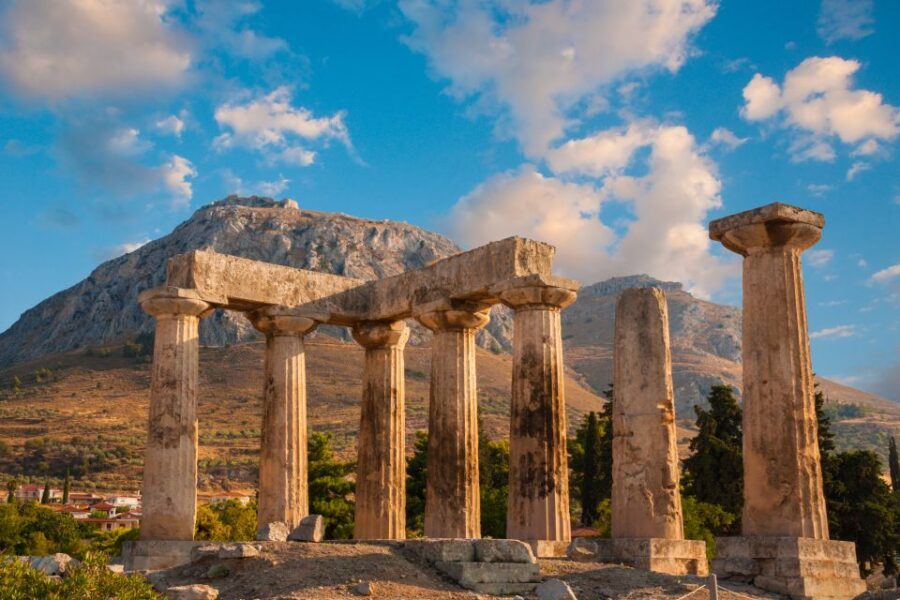
- Ancient Corinth’s core sites: Agora marketplace area plus the Temple of Apollo ruins
- St. Paul’s landing area: A stop at the ancient Port of Cenchreae, associated with his disembarkation
- Guide-led context: Explanations that connect what you see to why it mattered
- Comfort-focused transport: Luxury air-conditioned coach with professional drivers
Corinth in Five Hours: What You’ll Actually See
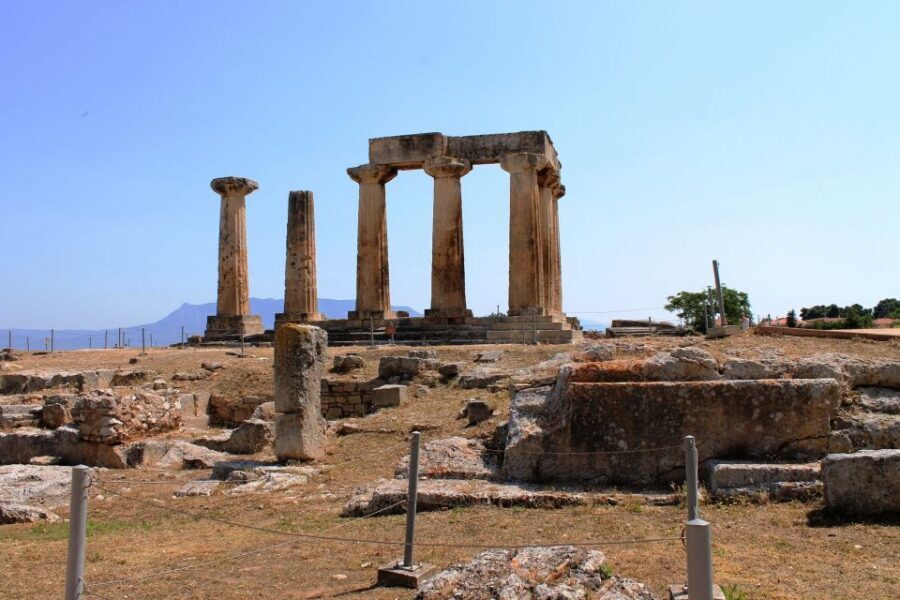
This half-day tour is built for people who want Corinth without losing a whole day. You leave Athens by coach, drive southwest to the Corinth Canal, then continue to the ancient town of Corinth. After seeing the main ruins—especially the Agora area and the Temple of Apollo—you finish with a stop at the ancient Port of Cenchreae, connected to St. Paul.
You don’t come for one monument. You come for the idea that Corinth sat at the crossroads of sea routes and land travel. The stops are short, yes, but the guide’s job is to help you connect the dots quickly: where ships came in, where people traded, and where religious life took shape.
If you like “greatest hits” sightseeing, this format works well. If you’re the type who loves to sit and read slowly for an hour, you’ll probably want the full-day version instead (or plan a solo return later).
A few more Athens tours and experiences worth a look



Price and Value: Is $89 a Smart Use of Time?
At $89 per person for a 5-hour coach tour, the value depends on two things: what you’d do otherwise, and how much you trust a good guide.
This price includes the basics that add up fast when you DIY—entrance fees plus transport by a luxury air-conditioned coach. You also get a professional, live English guide. That matters because Corinth’s ruins can look “scattered” if you don’t know what you’re looking at. With the right explanations, you can understand why the Agora and Temple of Apollo were central to the city’s power and everyday life.
Could you rent a car and go at your own pace? Sure. But you’d be spending time figuring out logistics, parking, and entry timing—and you’d likely miss the bigger connections a guide can point out in a short visit. For many visitors, $89 feels like paying for efficiency and clarity.
My practical takeaway: this tour is a solid buy if you want structure. If you prefer total freedom and you already know the sites well, you might feel the cost doesn’t match the time you spend inside each location.
Getting There From Athens: Coach Ride and Pickup Tips
You start in the Athens area and meet at Leoforos Vasilis Amalias and Souri Street. The good news is you may not need to use that meeting point at all—a free pick-up service is provided from most hotels in Athens.
Either way, it helps to plan how you’ll handle timing. This tour runs about 5 hours total, so you’ll want to be ready early. One of the most common pain points with any departure-based tour is simply finding the exact meeting spot on time. If you’re not sure whether your pickup is included, confirm your pickup details ahead of the day so you’re not standing around guessing.
Once you’re on the coach, the ride is straightforward: you drive out of Athens toward the Corinth region and stop at the canal on the way.
Corinth Canal: A Quick Shot of Two Seas
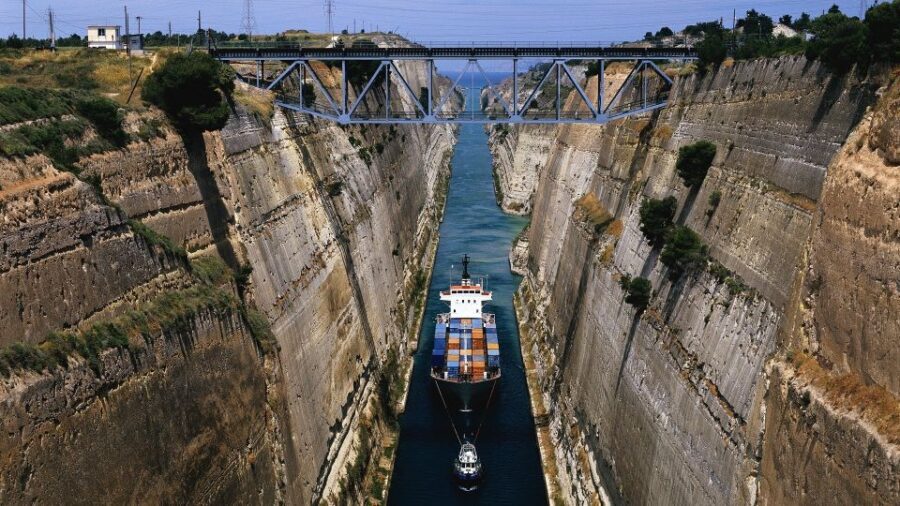
The Corinth Canal is the kind of sight you understand immediately. A narrow cut through the isthmus connects the Aegean Sea with the Ionian Sea. In real life, it’s a mix of engineering spectacle and sharp water views.
Expect a short stop. For some departures, people have noted it can be around 20 minutes. That’s long enough to get your bearings, snap a few photos, and take in the scale from the viewing area—but it’s not long enough for a slow, meandering “take your time” visit.
If you want the best shot, treat this like a photo-and-look stop:
- Have your camera ready before the coach pulls up
- Do a quick orientation scan first, then take your key photos
- If you’re sensitive to heat or sun, bring something small (hat, sunglasses)
The upside of a short stop is that you don’t lose momentum. Corinth still gets the time it deserves.
Ancient Corinth: Agora and the Temple of Apollo Ruins
After the canal, you head to the ancient town of Corinth—one of Greece’s most important historical crossroads. Here’s where the tour shifts from scenery to “why this place mattered.”
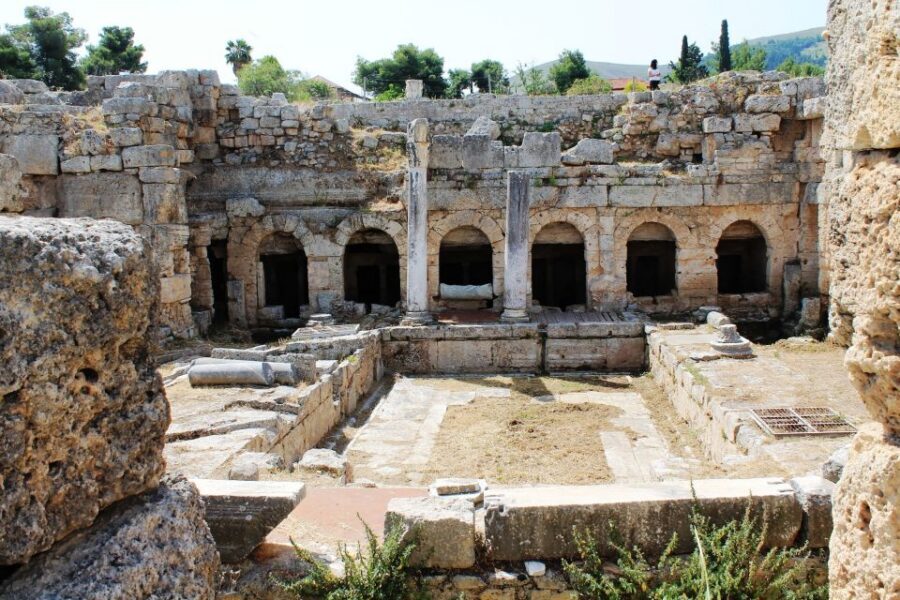
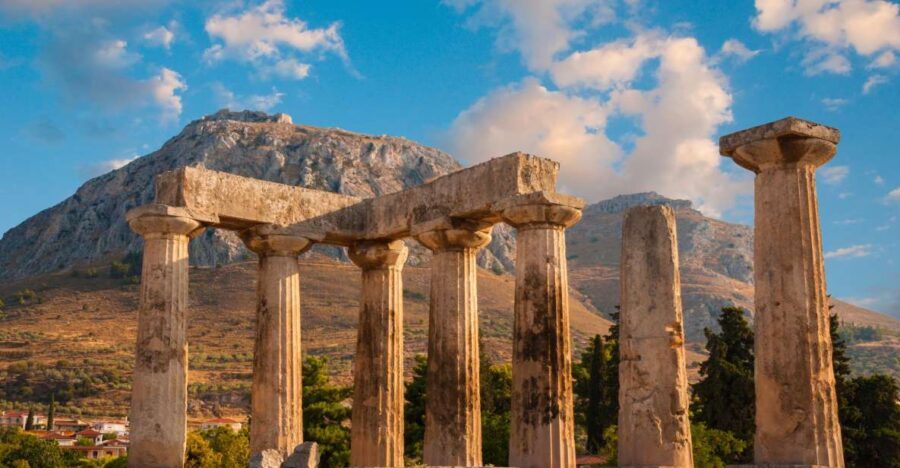
You’ll see the Agora, which is the marketplace area. Think of it as the city’s social and economic engine. Even if the ruins are incomplete, the shape of the place and the guide’s explanation helps you imagine daily life: people gathering, trading, and moving through the urban center.
Then comes the Temple of Apollo. This is a major clue to Corinth’s status. A temple on this scale signals investment, organization, and long-term devotion. The ruins are the leftover frame; the guide’s narration is what brings the whole building mindset back—what such a site meant to the city and how it fit into Corinth’s identity.
A useful way to approach this portion: don’t just look at stones. Look for relationships—where open areas would have been for crowds, where the important religious space sat relative to the rest of town, and how that connects to the idea of Corinth as a hub.
Is it deep like a multi-hour museum visit? No. But for a half-day, it’s a strong, focused slice of the city’s “center of gravity.”
- All Day Cruise -3 Islands to Agistri,Moni, Aegina with lunch and drinks included
★ 5.0 · 4,958 reviews




St. Paul’s Port of Cenchreae: Where the Journey Touches the Land
The last historical stop ties Corinth to early Christian tradition. You’ll visit the site of the ancient Port of Cenchreae, where St. Paul is associated with disembarking.
This part of the tour tends to land differently than the ruins of the Agora and temple. With a religious history connection, you’re not just learning architecture—you’re learning movement: ships arriving, travelers transferring from sea routes to land journeys, and new ideas spreading along the same corridors that connected trade and travel.
Expect a short stop. That means the goal isn’t to “study” the site like a dedicated pilgrimage. It’s more like a final historical button: here’s the sea-side side of Corinth’s story, and here’s how it connects to St. Paul’s travels.
If you’re traveling with faith-based interest, you may want to take a moment here to slow down for 60 seconds—just enough to absorb the meaning before you’re back on the coach.
How the Guide and Drivers Make (or Break) This Tour
The best part of this experience is the people running it. In the feedback for this tour, guides get praised for holding attention and keeping the information flowing in a way that feels clear and relevant. The overall impression is that the guide doesn’t just recite facts; they connect what you see to the bigger story of Corinth.
Driver quality matters too, because you’re dealing with real roads and real timing. When traffic goes sideways, the day can feel compressed. That’s why it’s comforting that the tour leans on professional drivers—smooth transport reduces the stress of getting from stop to stop.
One timing note to keep in mind: traffic can make the schedule feel rushed, and that can shrink your “wandering time,” especially at the canal. If you’re the type who likes to linger, mentally prep for a guided pace rather than a free-form one.
Who This Tour Fits Best (and Who Might Want More Time)
This half-day format is ideal if:
- You want a structured trip from Athens that covers Corinth’s main anchors
- You prefer coach sightseeing that minimizes planning stress
- You like your history organized into a clear story, not scattered facts
- You’re curious about St. Paul’s journeys, not just temples and markets
It may be less ideal if:
- You’re hoping to spend long periods at each site
- You’re very detail-oriented and want time to read everything slowly
- You dislike any chance of being rushed by traffic
If you’re already planning a second day in the Peloponnese, you might use this tour as your “first look,” then return later on your own for deeper time at the Agora and the Temple of Apollo area.
Practical Pacing: Make the Day Feel Longer
Half-day tours succeed or fail on how you handle the short windows. Here are a few practical moves that help you get more satisfaction out of limited time:
- Wear comfortable shoes. Ruins and uneven ground are common, and you’ll likely move between areas quickly.
- Bring water. You’re outside for parts of the day, and stops can be short.
- Take photos quickly at the canal. Then switch to looking—counting how the canal’s narrow strip frames the water can be more satisfying than a dozen pictures.
- At Ancient Corinth, listen first, then look. If you hear what the guide is pointing out, you’ll “see” more in the same minutes.
Your goal isn’t to do everything perfectly. It’s to walk away with a clear understanding of Corinth’s role—sea gateway, city center, and the route connected to St. Paul.
Should You Book the Athens to Corinth Half-Day Tour?
Yes, I’d book it if you want a high-clarity Corinth experience without the heavy planning. For $89, you’re paying for guided context, entrance access, and transport that keeps the day efficient. The guide quality is a major plus, and the core stops hit the city’s main themes: movement, marketplace life, religious presence, and a port connection linked to St. Paul.
Skip it or plan differently if you’re strongly sensitive to schedule pressure or you know you’ll want longer time at each site. In that case, consider a full-day option so the canal doesn’t feel like a blur and the ruins get the time they deserve.
FAQ
FAQ
How long is the Athens to Corinth half-day tour?
It runs for 5 hours.
What stops are included on the tour?
You’ll see the Corinth Canal, the ancient town of Corinth (including the Agora and Temple of Apollo), and a stop at the site of the ancient Port of Cenchreae.
Where is the meeting point in Athens?
The meeting point is Leoforos Vasilis Amalias and Souri Street.
Do I get hotel pickup?
You’ll be provided with a free pick-up service from most hotels in Athens.
Is the tour guided in English?
Yes, there is a live tour guide in English.
Are entrance fees included?
Yes, entrance fees are included.
How is transportation handled?
You travel by luxury air-conditioned coach.
What time do I get back to Athens?
You return by the same route, and if you’re staying near the coast, transfers back to your hotel are around 15:00.
What’s the cancellation policy?
You can cancel up to 24 hours in advance for a full refund.
Can I reserve now and pay later?
Yes, you can reserve now & pay later.