REVIEW · THESSALONIKI
From Thessaloniki: Private Trip to Philippi and Kavala
Book on GetYourGuide →Operated by iGoHellas · Bookable on GetYourGuide
Philippi gives this day trip its strongest sense of purpose. You walk through a Roman forum, an ancient theater, early Christian churches, and the cell linked with Apostle Paul, then shift gears in Kavala, a port city shaped by Byzantine, Ottoman, Jewish, and Greek communities. The mix of archaeology and daily city life is what makes the route worthwhile.
I like the easy hotel pickup and the private format, which give you more control than a large bus excursion. I also like the contrast between the quiet ruins of Philippi and Kavala’s harbor, castle, tobacco warehouses, and restaurants. The main consideration is that Philippi is listed as a self-guided visit, so you may want to request a licensed guide or multilingual escort if you want detailed interpretation on site.
In This Review
- Key points at a glance
- Why this route works from Thessaloniki
- The Lion of Amphipolis, a brief but memorable first stop
- Philippi, where Roman and Christian stories meet
- The Roman Forum and ancient theater
- Basilicas and the Octagon Church
- The cell associated with Apostle Paul
- Kavala, from tobacco warehouses to the harbor
- How to use your three hours in Kavala
- The private transport and driver experience
- Is $226 per person good value?
- Who should book this day trip?
- Should you book it?
- FAQ
- How long is the trip from Thessaloniki?
- What destinations are included?
- Is pickup included from my Thessaloniki hotel?
- Where do cruise ship passengers meet the driver?
- How long is the stop at the Lion of Amphipolis?
- How much time is provided in Philippi?
- How much time is provided in Kavala?
- Is lunch included?
- Are entrance fees included?
- What languages does the driver speak?
Key points at a glance
- A short stop at the Lion of Amphipolis lets you see one of Macedonia’s most striking ancient monuments without taking much time from the main visits.
- Philippi is a UNESCO World Heritage Site with a theater, Roman Forum, basilicas, an Octagon Church, and the cell associated with Apostle Paul.
- Kavala gives you three hours for lunch, shopping, harbor views, and a look at its Ottoman and Byzantine character.
- Private pickup and drop-off are included from Thessaloniki hotels and Airbnbs, with a nearby meeting point if a property cannot be reached by car.
- Drivers such as Ioannis and George have been praised for safe driving, punctuality, site knowledge, and help translating old Greek plaques.
- The $226 per-person price makes the most sense for couples, families, or small groups who value a private schedule and door-to-door service.
Why this route works from Thessaloniki
East Macedonia gives you a useful change of pace from Thessaloniki. In one day, you move from a major modern city to a monumental site from antiquity, then to a coastal city where layers of history remain part of ordinary street life.
The route is also well balanced. Philippi supplies the serious archaeological interest, while Kavala gives you time to eat, walk, shop, and simply enjoy being somewhere different. You are not spending eight hours at ruins, and you are not treating ancient sites as quick photo stops.
The day lasts about eight hours, including transport and sightseeing. That is a full outing, but the schedule gives the biggest share of free time to Kavala, where you have three hours for lunch and exploration. If your main goal is a slow archaeological study, this may feel brief. If you want two major stops without changing hotels, it is a practical choice.
Because this is a private group, you are not tied to the pace of strangers. The driver speaks English and Greek, and the schedule may be customized. That flexibility matters most if you want more time in Kavala, need a shorter walking day, or prefer to move through Philippi at your own speed.
You can also read our reviews of more private tours in Thessaloniki


The Lion of Amphipolis, a brief but memorable first stop
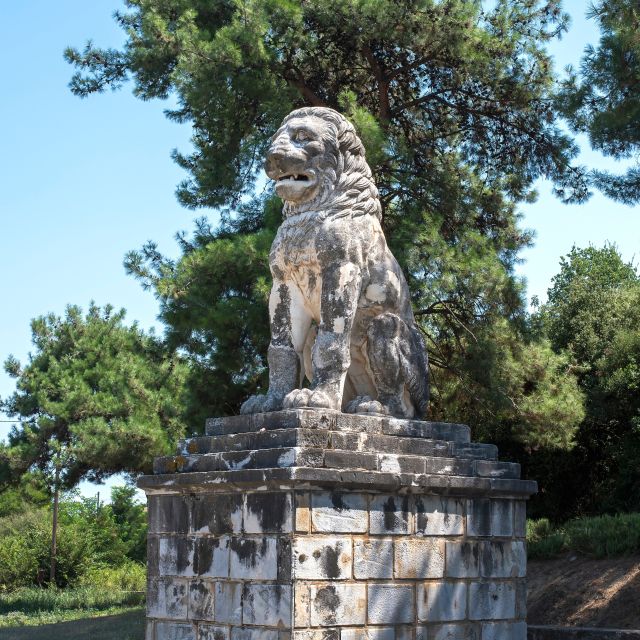
The Lion of Amphipolis is the opening landmark. The visit is planned as a 10-minute photo stop, so set your expectations accordingly. This is not a guided monument visit or a long walk around the surrounding area.
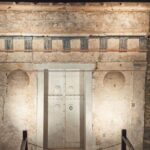
The lion originally stood on top of the Great Tomb at Amphipolis. At some point, it was moved several kilometers away to its current location. That detail gives the stop more interest than a simple roadside photograph: you are seeing a monument whose setting changed over time, while the tomb site itself is elsewhere.
I would use these few minutes to take a clear look at the sculpture and listen to any background your driver can provide. If ancient funerary monuments interest you, the stop may leave you wishing for more time. Still, its short length protects the rest of the day from being swallowed by a single landmark.
This is also a good moment to get your camera ready and make a quick comfort stop if needed. The schedule moves on promptly toward Philippi.
Philippi, where Roman and Christian stories meet
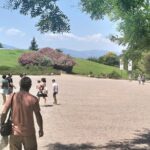
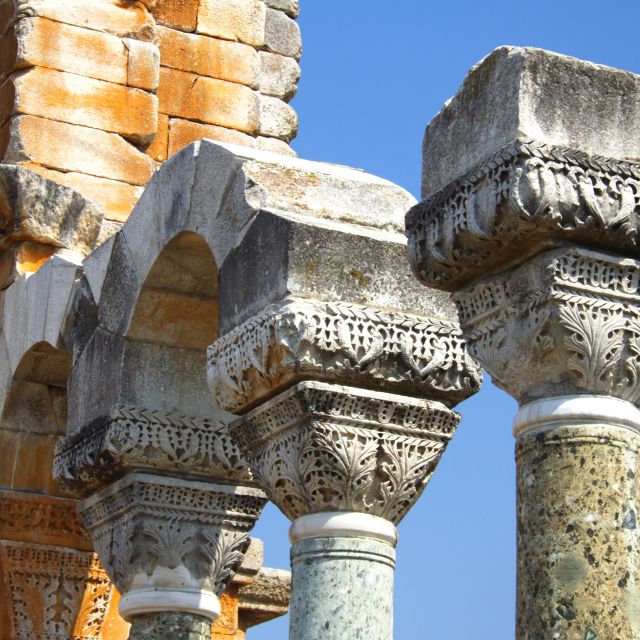
Philippi is the heart of the excursion. The ancient city was founded by Philip II, the father of Alexander the Great, and its remains bring together Macedonian, Roman, and early Christian periods.
You have about one hour for a self-guided visit. That is enough to see the main areas, but not enough for a slow study of every ruin or inscription. Wear sensible shoes and keep your visit focused on the main sequence of landmarks.
The Roman Forum and ancient theater
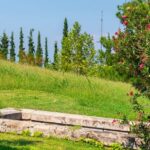
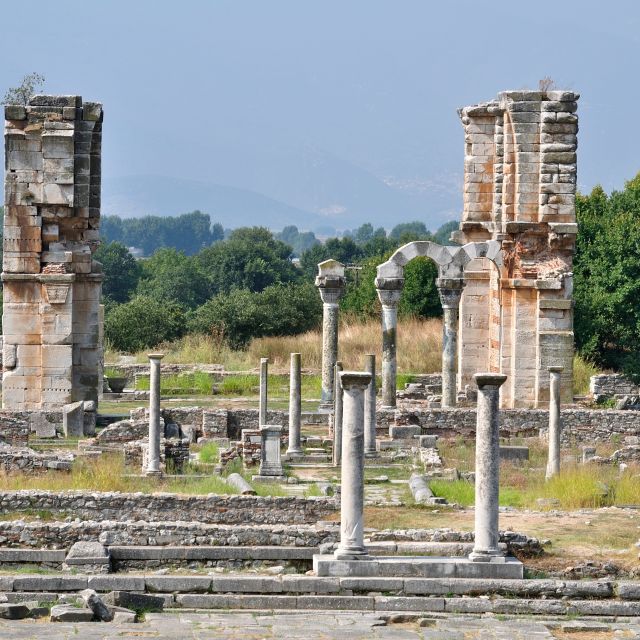
The Roman Forum helps you picture Philippi as a working city rather than a collection of scattered stones. Public, commercial, and civic life once centered here, and the open remains give you a sense of the city’s scale.
The ancient theater adds another layer. Its presence points to the cultural life of the settlement, not only its political importance. You will want to pause here, even if you are moving quickly, because a theater is easier to imagine than foundations whose original purpose is less clear.
Basilicas and the Octagon Church
The basilicas show how Philippi changed as Christianity took root. The Octagon Church is described as the first Christian church in Europe, making it a key stop for anyone interested in early Christian history.
The remains are not presented as a polished reconstruction. You need to use the visible foundations and your own imagination. That can be rewarding, but a licensed guide would help you understand what each area once did and how the buildings fit together.
The tour includes only a self-guided visit by default. A multilingual escort or licensed tour guide can be requested, but it is not included in the base price. I would consider adding one if Philippi is your main reason for booking, especially if you want more than photographs and broad historical context.





The cell associated with Apostle Paul
The visit also includes the cell where Apostle Paul was imprisoned. This is the stop that gives the site a personal connection for many people. Instead of viewing Philippi only through kings, emperors, and stonework, you can connect it with the early spread of Christianity and Paul’s time in the city.
The exact amount of time you spend at each feature depends on your pace and the driver’s schedule. Since the total site visit is about one hour, it helps to decide in advance which areas matter most to you. If Paul’s route is your priority, say so at pickup.
Kavala, from tobacco warehouses to the harbor
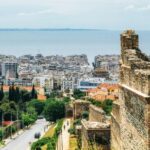
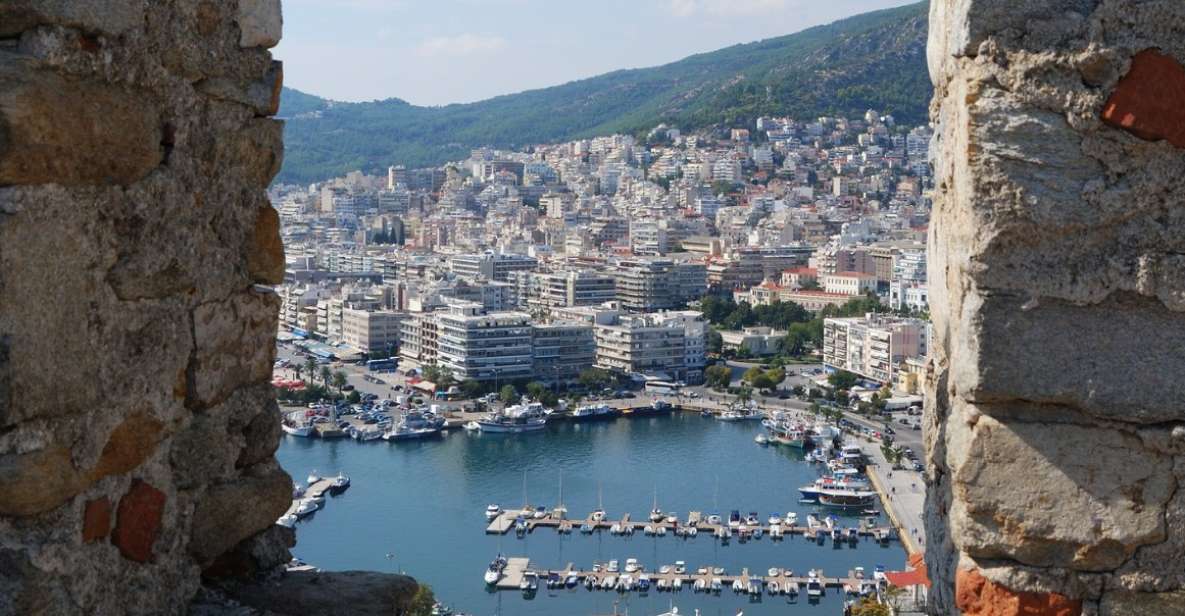
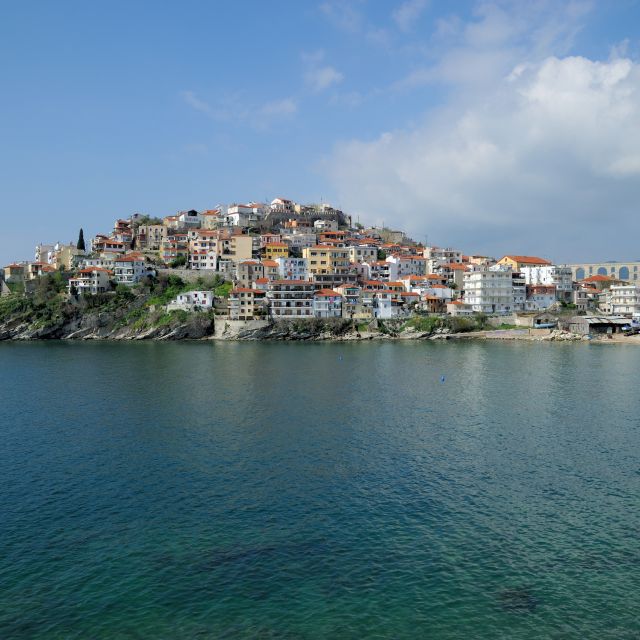
After Philippi, the day turns from archaeology to urban scenery in Kavala. You have three hours here for lunch, free time, shopping, and sightseeing. This is the most relaxed part of the excursion, and it gives the trip a welcome change of rhythm.
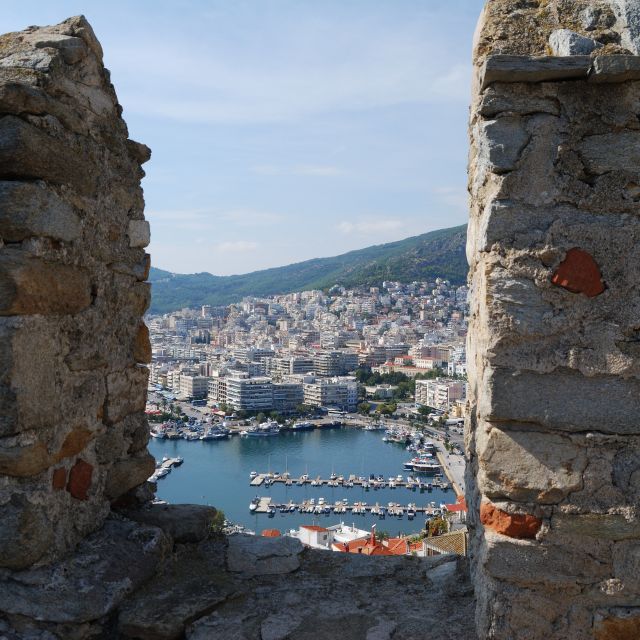
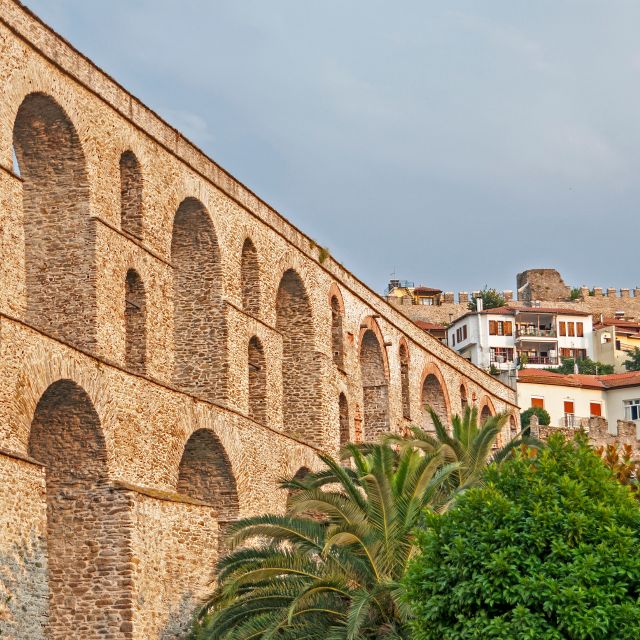
Kavala’s identity comes from many communities and eras. Byzantines, Ottomans, Jews, merchants, tobacco workers, refugees, and intellectuals all shaped the city. You can see traces of that past in its tobacco warehouses and elegant neoclassical buildings.
The warehouses are especially useful for understanding Kavala’s former prosperity. They are not just old facades. They recall the tobacco trade and the workers who made it part of the city’s economy. The neoclassical buildings add a different note, reflecting a period of commercial confidence and urban growth.
The city’s castle provides a strong visual reference during your walk. You may have lunch under its gaze, or choose a table around the port. The supplied schedule does not fix one restaurant, so you have room to choose according to your appetite, budget, and preferred setting.
I like this arrangement because lunch is not treated as an afterthought at a highway stop. You eat in the city itself, with time to notice how people use the waterfront and central streets. The tradeoff is that your meal comes out of the three-hour Kavala window, so a long lunch will leave less time for shopping or sightseeing.
How to use your three hours in Kavala
You will need to set your own priorities. Three hours can cover a meal, a walk, and some shopping, but it is not a full city tour.
If you want atmosphere, spend time around the harbor and central streets. If you are interested in architecture, look for the tobacco warehouses and neoclassical buildings. If the castle is your main target, mention it early so you and the driver can keep the timing clear.
The best plan is to avoid trying to see everything. Have lunch first if you need a proper break after Philippi, then walk with a specific aim. Or take a short harbor walk before eating so you can choose a restaurant with a setting you like.
Kavala is also where the private format pays off. A large group may have to follow a fixed restaurant or meeting time. Here, you can discuss how to use the available hours, within the overall return schedule to Thessaloniki.
The private transport and driver experience
Pickup is included from hotels and Airbnbs throughout Thessaloniki. If a property sits on a street where cars cannot go because of restrictions, pickup takes place at a nearby location within a short walking distance.
Cruise ship passengers meet at the exit of the cruise port terminal. The driver holds a name board, which is a useful detail when you have just stepped off a ship and do not know the area.
The driver speaks English and Greek. The experience does not automatically include a licensed guide, so the driver’s role is mainly transport with basic site assistance unless you request an additional escort. That distinction matters. You can receive useful explanations, but you should not assume the same depth as a dedicated archaeology guide.
Ioannis and George are named as drivers connected with especially strong feedback. Ioannis was praised for safe driving, friendliness, and the ability to adjust the tour. George was noted for punctual pickup, entertaining conversation, site information, and translating old Greek plaques.
Those details are valuable because a long private day depends heavily on the person behind the wheel. Safe driving and punctuality are not decorative extras on an eight-hour trip. They affect how relaxed you feel, how much time remains at each stop, and how smoothly you get back to Thessaloniki.
A bottle of water and a mobile phone charger are included. Basic travel insurance is also included. One useful personal tip is to bring a hat. A compact battery-operated fan was also suggested for warm conditions, which is sensible since archaeological sites can offer limited shade.
Is $226 per person good value?
At $226 per person, this is not the cheapest way to see Philippi and Kavala. You also pay entrance fees on site, and lunch and refreshments are separate. A licensed guide or multilingual escort costs extra if you request one.
The price becomes easier to justify when you use the parts that are included: hotel or Airbnb pickup, return transport, an English-speaking driver, a private group, water, a charger, and a flexible schedule. You are also covering a long eastbound day without arranging separate transport or working out the route yourself.
For one person, the price may feel high because private transport costs are not shared. For a couple, family, or small group, the per-person value improves. It is also more attractive if you care about door-to-door service and want to combine two destinations that would be awkward to handle independently in one day.
I would compare the base price with your priorities. If you want a low-cost visit and are comfortable with a fixed group schedule, another option may suit you better. If you want a private day, direct pickup, and the ability to shape your time in Kavala, the cost is easier to defend.
Who should book this day trip?
I would recommend it to visitors staying in Thessaloniki who want to see more of northern Greece without packing overnight bags. It suits history fans, people interested in Apostle Paul’s route, and anyone who likes combining ruins with a real working city.
It also works well for families or small groups who need a private pace. You can discuss stops with the driver instead of following a large tour group.
I would be more cautious if you want a fully guided archaeological experience. Philippi is self-guided unless you arrange a licensed guide, and one hour is a tight window for a detailed visit. Likewise, people who dislike a long day with several hours on the road should look closely at the eight-hour duration.
Bring a hat, water is supplied, and plan to pay separately for admission and food. If you want the most from Philippi, request an escort in advance and tell the operator that the site is a priority.
Should you book it?
Book this trip if you want Philippi and Kavala in one private day, with pickup and return from Thessaloniki and enough free time in Kavala for lunch and a walk. The strongest parts are the contrast between the ancient site and the port city, plus the personal service associated with drivers such as Ioannis and George.
Skip it if your budget is tight, you want every entrance and meal included, or you need a long, expert-led archaeological tour. For everyone else, the route offers a smart look at East Macedonia, provided you understand that Philippi is a focused self-guided visit rather than a full lecture on ancient history.
FAQ
How long is the trip from Thessaloniki?
The experience lasts eight hours, including the journey and scheduled visits.
What destinations are included?
The route includes the Lion of Amphipolis, the Archaeological Site of Philippi, and Kavala.
Is pickup included from my Thessaloniki hotel?
Yes. Pickup and drop-off are included from hotels and Airbnbs in Thessaloniki.
Where do cruise ship passengers meet the driver?
Cruise ship passengers meet the driver at the exit of the cruise port terminal. The driver holds a name board with the travelers’ name.
How long is the stop at the Lion of Amphipolis?
The Lion of Amphipolis stop is scheduled as a 10-minute photo stop.
How much time is provided in Philippi?
The archaeological site visit lasts about one hour and is self-guided unless you request an escort or licensed guide.
How much time is provided in Kavala?
You have three hours in Kavala for lunch, free time, shopping, and sightseeing.
Is lunch included?
No. Lunch and refreshments are not included in the price.
Are entrance fees included?
No. Entrance fees are paid separately and can be purchased on the spot.
What languages does the driver speak?
The driver speaks English and Greek. A multilingual escort or licensed guide can be requested separately.