REVIEW · HERAKLION
Full Day Knossos Palace Zeus Cave Lassithi Plateau from Elounda
Book on Viator →Operated by Compass Transfer & Travel services · Bookable on Viator
Knossos is only the opening act on this full-day drive from Elounda. You move from Minoan ruins to a mountain village, a working monastery, family-run crafts, a myth-themed park, and the broad fields of Lassithi Plateau. It is a big day, but it gives you a useful look at Crete beyond the beach resorts.
I like the private vehicle for up to 10 people, since your group can keep the pace comfortable and make small changes along the way. I also like the mix of major sights and ordinary Cretan life, especially the ceramic studio, olive-oil tasting, and lunch in a village setting. The main drawback is that the schedule is full, and Dikteon Cave is currently closed, so you see only its entrance.
In This Review
- Key points to know before booking
- From Elounda to the world of Knossos
- Krasi and the quiet side of Crete
- Vidiani Monastery and the Lassithi foothills
- Making pottery and tasting Cretan staples
- Mythology Park and the closed Zeus Cave
- Lunch on Lassithi Plateau
- How Crete makes olive oil
- A private tour that adjusts to real life
- What to pack and how to pace the day
- Who should book this Crete day trip?
- FAQ
- How long does the tour last?
- Where does pickup take place?
- Is this a private tour?
- Is the Knossos admission ticket included?
- Is Dikteon Cave open?
- How much does the Greek Mythology Thematic Park cost?
- Is lunch included?
- Should you book it?
Key points to know before booking
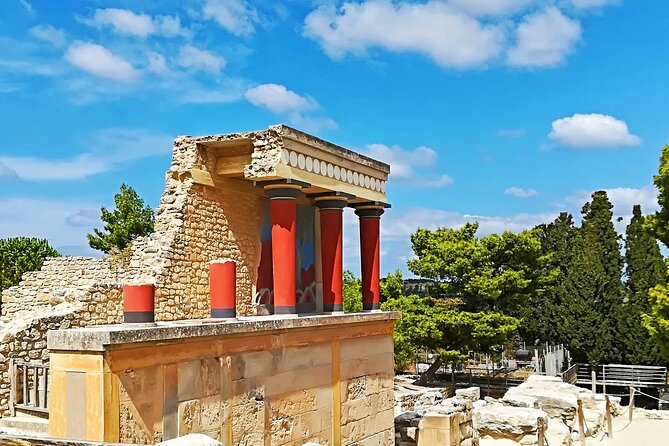
- Knossos begins the day with two hours at Crete’s best-known archaeological site, but your admission ticket costs extra.
- The Zeus Cave visit is now limited to the entrance, with a roughly 10-minute walk from the nearby mythology park.
- Your private group can include up to 10 people, making the $946.34 group price more sensible when shared.
- George and Lina are a strong driver-guide team, with special care for families and children.
- Local food, ceramics, raki, herbs, and olive oil give the tour a more personal feel than a simple sightseeing loop.
- The route lasts about seven to eight hours, so wear practical shoes and expect a full day on the road.
From Elounda to the world of Knossos
Pickup takes place just outside your hotel reception. Cruise passengers meet the driver outside the main harbor building, and the driver carries a sign with your name. The vehicle is air-conditioned, includes WiFi and bottled water, and private transport means you do not spend the day waiting for an unrelated group.
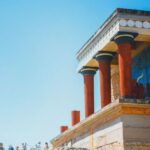
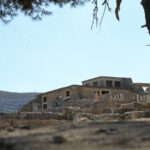
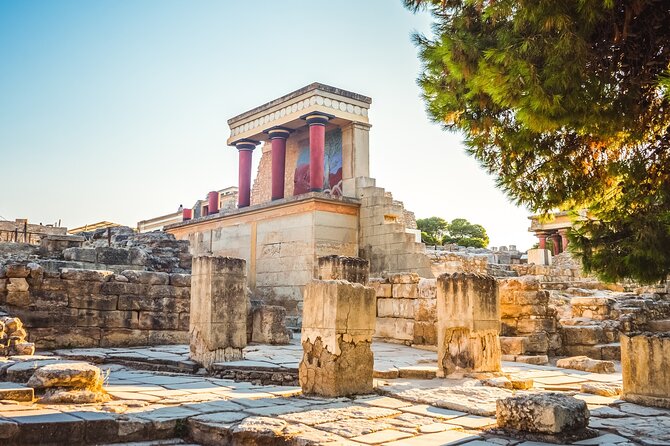
The first major stop is Knossos Archaeological Site, about two hours from the schedule. Knossos was the center of the Minoan civilization and is linked with the legendary King Minos. Sir Arthur Evans excavated and interpreted much of the site in the early 20th century, bringing its palace, frescoes, storage rooms, courtyards, and winding layout to world attention.
You should allow time to look closely at the architecture rather than treating Knossos as a quick photo stop. The site helps explain how Minoan society worked, from ceremonial spaces to signs of daily life. Its maze-like plan also helps explain why later Greek stories connected the place with the Minotaur’s labyrinth.
Your Knossos admission is not included. The full adult ticket is €20, with reduced and free categories based on age and European Union status. Ask your guide about the correct ticket before you arrive, especially if children or older adults are in your party. The tour’s private format can also help with timing at the entrance, though the ticket itself remains your responsibility.
Knossos can feel busy and exposed. Two hours is enough for a solid visit, but not for every corner of the archaeological area at a slow pace. Comfortable shoes, sun protection, and water are sensible choices.
A few more Heraklion tours and experiences worth a look


Krasi and the quiet side of Crete
After Knossos, the route turns toward Krasi, a small mountain village in the foothills of Mount Dikti. The scheduled stop is 30 minutes, so think of it as a brief pause rather than a long village walk.
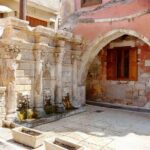
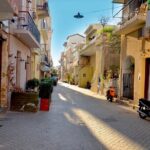
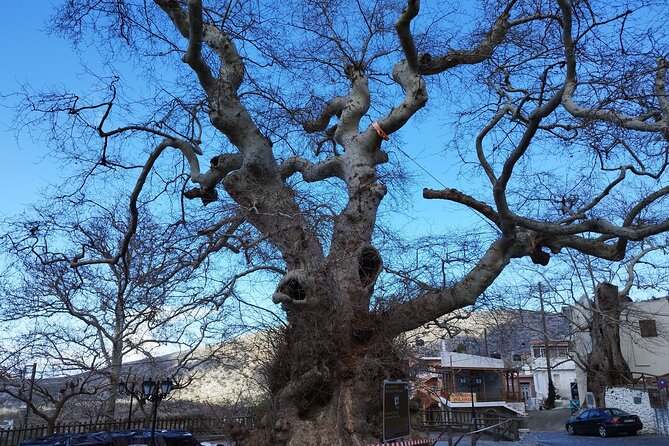
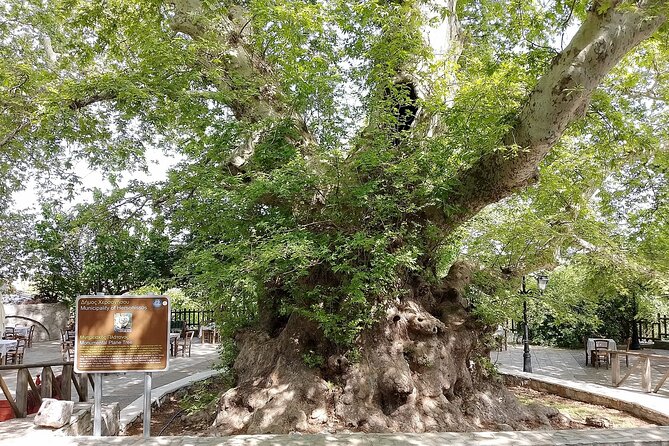
Krasi is known for its traditional houses, narrow lanes, and village square. The square has a large plane tree and the Lion’s Fountain, a stone fountain with a lion-head spout. The spring water is fresh and cool, offering a simple pleasure after the open ground at Knossos.
This stop matters because it gives you a glimpse of Cretan village life without adding a major museum or formal attraction. You can stretch your legs, look around the square, and enjoy a calmer setting. If you prefer long walks or extended time in each village, 30 minutes may feel short. The benefit is that Krasi fits into a packed day without taking time away from the larger sights.
Vidiani Monastery and the Lassithi foothills
The Vidiani Monastery sits near Kato Metochi at the foot of Mount Louloudaki. The road around Lassithi Plateau runs close to it, so reaching the monastery is easy. The site is dedicated to Zoodochos Pigi, or Life-Giving Spring.
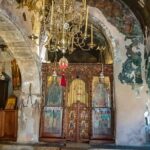
The monastery buildings and monk cells have been restored, and the site operates as a male monastery. Flowers, tall cypress trees, and a small courtyard fountain give it a peaceful feel. There is also a small café under the trees, along with a natural history museum created with the University of Crete.
The monastery and church date mainly from the 19th century, so this is not an ancient ruin. Its appeal comes from the quiet setting, religious use, restored buildings, and small museum. You have about 30 minutes here, which is enough to see the main area without turning the stop into a long religious-site visit.
Dress with ordinary respect at a monastery. The supplied information does not specify a formal dress code, but modest clothing is a sensible choice at any active religious site.
Making pottery and tasting Cretan staples
At Family Pitarokilis, the tour shifts from sightseeing to hands-on local production. You can watch how ceramics are made and create pottery yourself. The stop lasts about an hour, giving it more room than the quick village pause.
You also taste organic extra-virgin olive oil, wine, raki, and natural aromatic herbs. This is one of the more useful parts of the day because you see how a family operation connects craft, food, and local tradition. Ceramics are not just decorative here, and olive oil is not merely a souvenir sample. Both are tied to everyday Cretan culture.
Raki is a traditional Cretan drink, so ask about the tasting before you accept a generous pour. Families with children can focus on the pottery and nonalcoholic tastes. The private setup also makes it easier to spend your time where your group is most interested rather than moving along with a large crowd.
Mythology Park and the closed Zeus Cave
The Greek Mythology Thematic Park offers an accessible way to connect the area’s stories with the places around you. It is designed around Greek gods, heroes, and mythical creatures, and the admission fee includes an audio tour.
Admission costs €8 for visitors aged 10 and older, €4 for children aged 4 to 10, and nothing for children under 4. This is separate from the Knossos ticket. The park is scheduled for one hour, which can be helpful if your children need a change from ruins and churches.
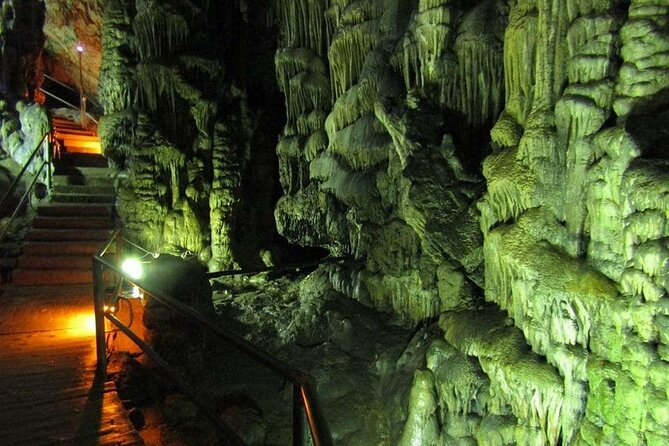
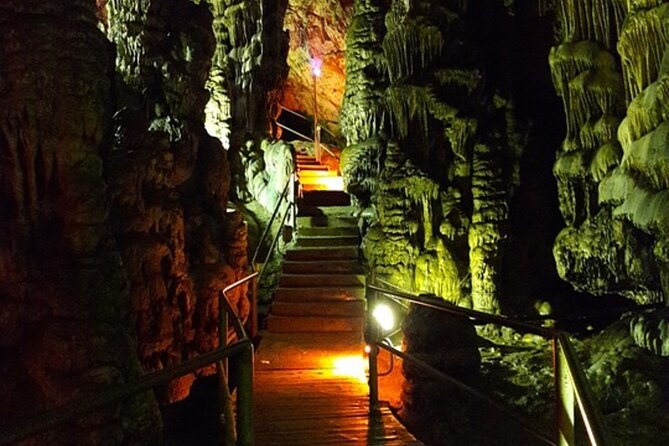
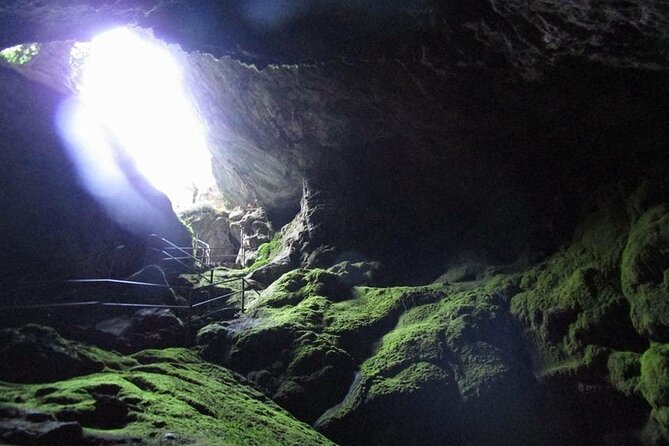
The nearby Dikteon Cave, also called Psychro Cave or the Cave of Zeus, is currently closed for maintenance. You can walk roughly 10 minutes to see the entrance, but you cannot explore the cave interior during this tour as currently described.
That change is important. The cave has major mythological importance because it is traditionally considered the birthplace of Zeus. The story says Rhea hid there to protect the infant Zeus from Cronus, who had been swallowing his children. Stalactites and stalagmites, along with archaeological offerings, gave the cave both natural drama and religious importance.
If you are booking mainly to walk through the Cave of Zeus, wait until it reopens or confirm its status before paying. If you are interested in the mythology park, mountain scenery, and the story connected to the cave entrance, the stop can still be worthwhile. The tour places the park and cave together, so you do not lose much time traveling between them.


Lunch on Lassithi Plateau
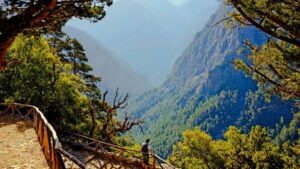
The Lassithi Plateau is a high plain surrounded by the Dikti Mountains. Its fields, villages, fruit trees, and historic irrigation windmills create a very different setting from coastal Crete. The white-sailed windmills are the best-known image of the area, though the plateau is also important for farming.
The scheduled time here is about 90 minutes, including lunch with traditional food and drinks. The meal is optional, so you should ask about the cost before ordering. A village lunch can be a fine use of the midday break because it keeps the experience tied to local food rather than turning the tour into a rushed drive-through.
The plateau is known for apples, pears, and other fruit. The agricultural setting helps explain why this high plain has long mattered to nearby communities. You can enjoy views across the fields, take a short walk, and eat without trying to combine lunch with a major archaeological visit.
A full 90 minutes is useful, but the overall day remains busy. If your group wants a long meal with several courses, you may need to discuss the timing with your guide. Lina is described as willing to adjust the day, and the private format gives you more control than a fixed coach schedule.
How Crete makes olive oil
The final listed stop is Omalia Olive Press, where olive production is explained through a traditional four-generation factory. You learn about the olive and harvesting methods from earlier times through today, then taste Cretan olive oil and hear about its different products.
This 30-minute stop is short but well chosen. Olive oil is central to Cretan food and farming, and a working production site gives context that a supermarket shelf cannot. You can compare the tasting with the oil you may have sampled earlier at Family Pitarokilis and decide if you want to take home a bottle or another olive product.
Do not expect a long factory visit. The point is a compact introduction to production and tasting at the end of a day already filled with major stops. For shoppers, it may be one of the most practical parts of the route. For anyone uninterested in food products, it will feel less essential than Knossos or the plateau.
A private tour that adjusts to real life
The tour costs $946.34 per group of up to 10 people, not per person. For a full group, that works out to about $95 per person before extra admission fees and lunch. For two people, the same price is a much larger spend, so the value depends heavily on group size.
You are paying for a private air-conditioned vehicle, pickup and drop-off, a licensed guide, bottled water, onboard WiFi, and liability insurance. You also avoid arranging several separate transfers between Elounda, Heraklion, the mountain villages, and Lassithi Plateau. For a family or larger party, that convenience can justify the cost.
George is the driver most often associated with this experience, while Lina and Elena are named as guides in the supplied details. Lina is described as especially good at explaining Crete, keeping children involved, and adjusting the route. George is described as timely, kind, attentive, and calm with a large group that included two young children.
Those details matter. A long private day is not only about the sights. It is also about whether the driver handles the roads well, whether the guide can change pace, and whether the adults get help when a child becomes tired or ill. The strongest praise centers on George and Lina working together, with the vehicle kept clean and well air-conditioned.
The tour is offered in English. Most people can participate, and service animals are allowed. Since several stops involve walking, uneven archaeological ground, village paths, or a short uphill walk to the cave entrance, you should still consider your group’s comfort before booking.
What to pack and how to pace the day
Wear shoes that can handle archaeological paths and the 10-minute walk to the cave entrance. Bring sun protection, water, and a light layer for the higher plateau, since mountain conditions can feel different from Elounda.
Keep some flexibility in your expectations. The route lists eight stops, and the day lasts about seven to eight hours. You will see a lot, but you will not have unlimited time at each place.
The private format helps. If your group is most interested in Knossos, food, or village scenery, tell the guide early. A stop may be shortened or given more attention, subject to the day’s practical limits. This is especially useful for families, since children may enjoy the mythology park and pottery more than a long archaeological explanation.
Admission costs are easy to overlook. Budget €20 per adult for Knossos, unless a reduced or free category applies, plus the mythology park fee of €8 for ages 10 and older, €4 for ages 4 to 10, and free entry for children under 4. Lunch is optional and not included.
Who should book this Crete day trip?
I would choose this tour if you want one private day covering both famous sights and local culture. It suits families, groups of friends, and cruise passengers who prefer a driver and guide rather than a rental car. It also works well if you are staying in Elounda and want to reach the Heraklion area and Lassithi Plateau without planning the route yourself.
I would think twice if you want a slow archaeological day, a long cave visit, or extended time in every village. Knossos receives two hours, Krasi and Vidiani each receive 30 minutes, and the Cave of Zeus is closed beyond its entrance. The tour’s value comes from variety, not from lingering at one site.
FAQ
How long does the tour last?
The experience lasts approximately seven to eight hours.
Where does pickup take place?
Pickup is just outside your hotel reception. Cruise passengers meet outside the main building at the harbor. The driver waits with a sign bearing your name.
Is this a private tour?
Yes. Only your group participates, and the vehicle can accommodate a group of up to 10 people.
Is the Knossos admission ticket included?
No. The full ticket costs €20, with reduced and free categories based on age and European Union status.
Is Dikteon Cave open?
The cave is closed for maintenance. You can walk about 10 minutes to see the entrance, but the interior is not available during the tour as currently described.
How much does the Greek Mythology Thematic Park cost?
Admission is €8 for people aged 10 and older, €4 for children aged 4 to 10, and free for children under 4. The fee includes an audio tour.
Is lunch included?
No. Lunch is optional and is not included in the tour price. The route allows about 90 minutes on Lassithi Plateau for traditional food and drinks.
Should you book it?
Book this tour if you want a broad, comfortable introduction to central and eastern Crete, especially with a family or group large enough to share the price. The combination of Knossos, mountain villages, pottery, olive oil, mythology, and plateau scenery gives you far more than a single palace visit.
Before booking, confirm that the closed Zeus Cave will not disappoint you and add the separate admission costs to your budget. If those limits suit you, the private transport and flexible guide team make this a practical way to cover a demanding route in one day.