REVIEW · THESSALONIKI
Get a Taste of Thessaloniki – Food tour to local tastes
Book on Viator →Operated by ArkNatura · Bookable on Viator
Thessaloniki reveals itself especially well through food. This four-hour walk links the old food market, Modiano Market, small shops, pastry counters, and a tavern meal, so you get both a taste of the city and a useful introduction to its downtown streets. Sixteen-plus tastings is a serious amount of sampling, not just a token bite or two.
I like the warm start with Greek coffee and bougatsa, and I like the way the tour brings you into contact with shopkeepers who care about their olives, cheeses, spices, and preserves. Guides Hara and Xana are praised for making the walk feel personal and for adjusting explanations to the group. The main consideration is simple: four hours of food and walking can feel substantial, especially if you prefer a light breakfast or have strict dietary needs.
In This Review
- Key points to know before booking
- Why food is the right way to meet Thessaloniki
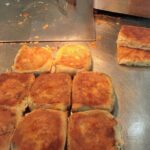
- Starting with coffee and bougatsa
- Walking the old food district and Modiano Market
- Sixteen-plus tastings across local shops
- Meze dishes that belong to Thessaloniki
- The guide matters more than the tasting count
- How the $93.72 price measures up
- Who will enjoy this food walk most
- Practical advice for making the most of it
- Should you book Get a Taste of Thessaloniki?
- FAQ
- How long does the Thessaloniki food tour last?
- What food is included?
- Is lunch included in the price?
- Is alcohol included?
- Where does the tour begin?
- How large is the group?
- Is cancellation allowed?
Key points to know before booking
- Start with bougatsa and Greek coffee: The pastry gives you an immediate taste of Thessaloniki’s eastern Mediterranean food culture.
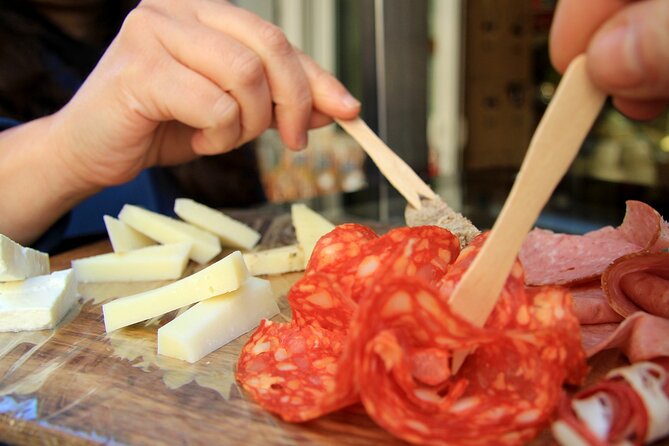
- Sixteen-plus tastings are included: Expect olives, olive oil, cheeses, cold cuts, herbs, spices, honey, preserves, sweets, and a local distilled drink.
- Modiano Market is part of the route: You see both the market’s present-day activity and its place in Thessaloniki’s food story.
- The final meal is proper meze: Soutzoukakia, baked regional cheese, local pies, and other shared dishes turn the tasting walk into lunch.
- Small groups make a difference: The maximum is 14 people, and the experience is designed for personal attention.
- Guides Hara and Xana set a friendly tone: Their approach includes cultural context, questions about daily life, and introductions to proud local food sellers.
Why food is the right way to meet Thessaloniki
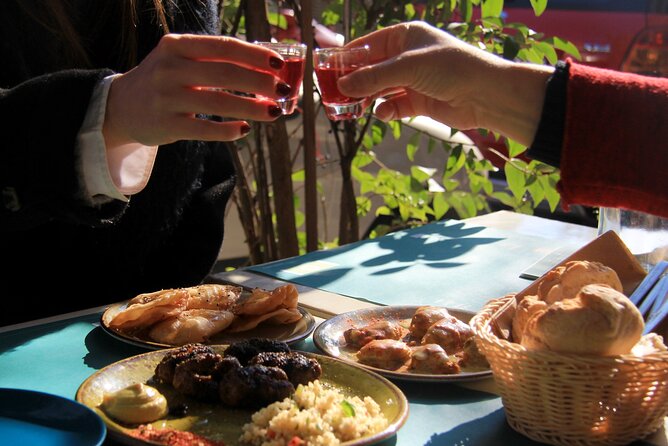
Thessaloniki sits at a crossroads of Greek, Balkan, Jewish, Ottoman, and eastern Mediterranean influences. You do not need a lecture to sense that mix. It appears in the city’s pastries, spice blends, cold cuts, cheeses, market traditions, and meze plates.
This tour uses food as a way to explain the city rather than treating eating as a series of unrelated stops. Your guide connects the flavors to the places where they are sold and to the people behind them. That matters because a jar of preserves or a particular cheese tells you only so much on its own. A short conversation with the person who sells it can make the product, and the city, easier to remember.
I also like the setting. The route begins in a historic downtown area known for local beerhouses, bars, and restaurants, then moves through market streets, selected food shops, and alleyways. You get a compact introduction to central Thessaloniki without spending the whole day on a formal sightseeing circuit.
The tour is conducted in English and lasts about four hours. That is long enough for a meal and many samples, but short enough to fit into a morning or afternoon of sightseeing. Since the price is $93.72 per person, you should think of it as both a guided food experience and a substantial lunch, not as a cheap snack walk.
You can also read our reviews of more food & drink experiences in Thessaloniki


Starting with coffee and bougatsa
The opening pairing is a smart choice. Greek coffee gives you a small, concentrated introduction to local café culture, while bougatsa provides something filling and distinctly associated with northern Greece. The pastry may be sweet or savory in different settings, but the supplied details identify it simply as a welcome bougatsa pastry, so your guide will explain what you are tasting on the day.
Starting this way helps you get your bearings before the shopping stops begin. You are not thrown straight into a long list of unfamiliar foods. Instead, you begin with a familiar ritual and a pastry that gives the group an early point of conversation.
This is also the first sign that the tour is built around more than eating. Guides such as Hara and Xana are noted for answering questions about life in Greece and for adapting the discussion to the interests and restrictions of the group. If you want to understand what you are eating, ask questions early. A small group makes that easier than it would be on a large coach excursion.
Walking the old food district and Modiano Market
From the starting point at Zithos, Katouni 5, the route heads through central Thessaloniki’s historic food areas. You pass places connected with local dining, then move toward older market spaces and selected food shops.
Modiano Market is an important part of the experience. It represents both past and present Thessaloniki, and the tour uses it as a place to talk about the city’s food trade. The details provided do not promise a full market-history lecture, so expect the context to come through your guide’s stories as you walk and taste.
You will also use smaller streets and alleyways rather than staying only on the main roads. This gives the outing a more local feel, though you should wear comfortable shoes. Four hours of standing, walking, and stopping at counters is not difficult for most people, but it is not a sit-down meal with a few optional samples either.
The route also makes a useful first-day activity. You can learn what foods interest you, note shops you might revisit, and get familiar with a central part of Thessaloniki. The tour ends in Thessaloniki rather than returning to a separate outlying location, so you can continue exploring downtown afterward.
Sixteen-plus tastings across local shops
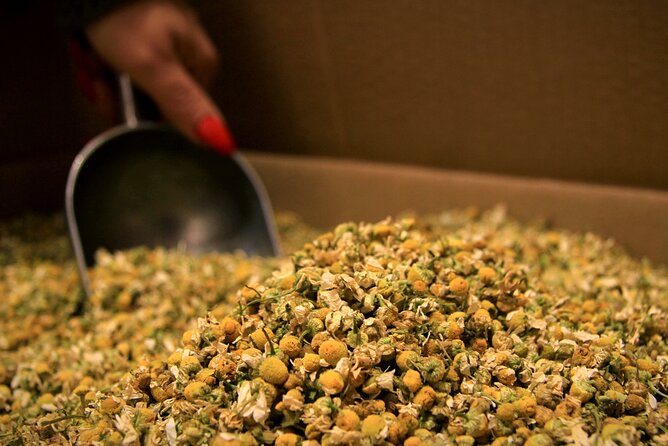
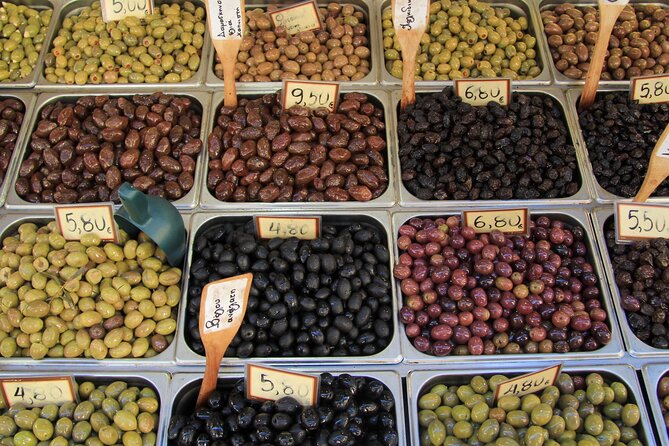
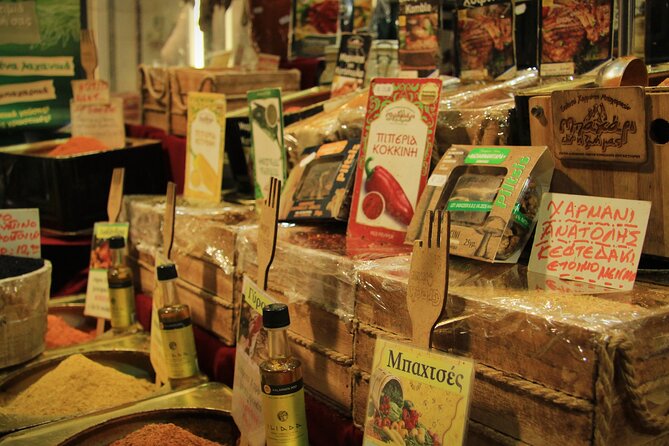
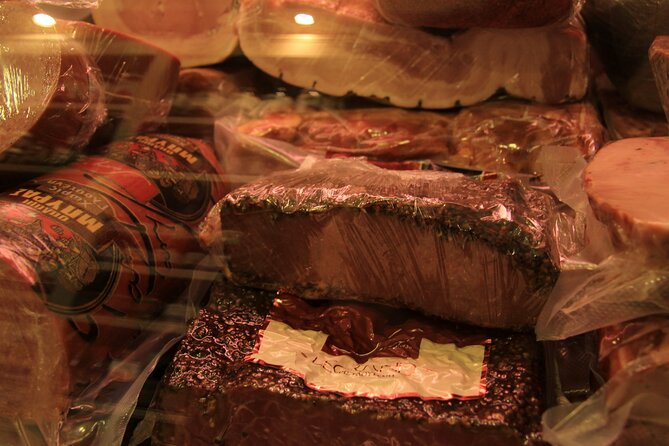
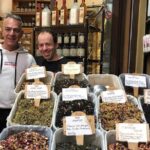
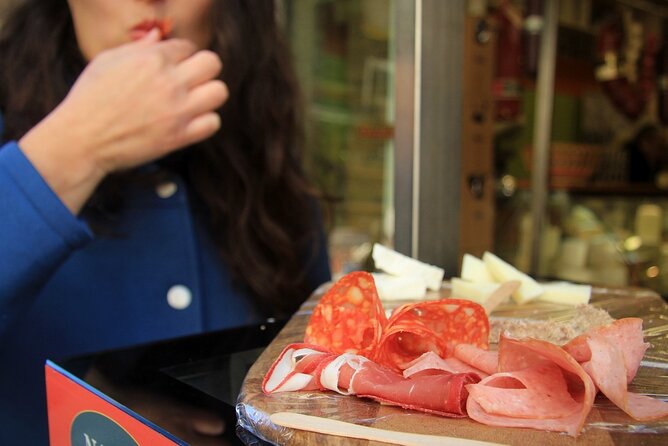
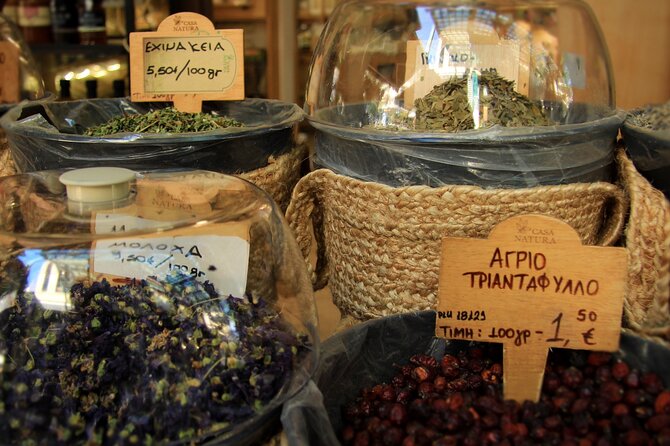
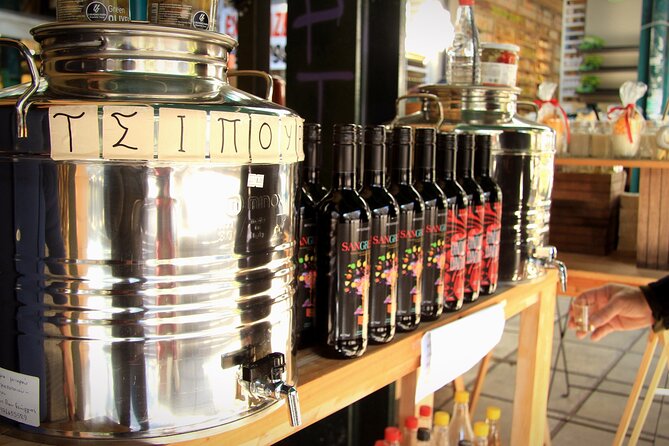
The tasting list is broad enough to show how varied Greek food can be. You may sample several olive varieties, compare olive oils, try artisan cheeses and cold cuts, and smell or taste Greek spice blends and herbs. The route also includes a distilled local drink, homemade sweets, honey, and preserves.
The olive and olive-oil portion sounds particularly useful. Many visitors know Greek olive oil in a general way, but comparing several varieties can help you notice differences in flavor and texture. The same is true of olives. This is the kind of tasting that can improve what you buy later, especially if you want to take edible souvenirs home.
The shop visits also give the food a human setting. You are not simply handed plates by a guide. You visit retail stores and interact with people who are proud of their products. That contact is one of the strongest reasons to choose this experience over a standard restaurant meal.
A practical point: the exact sequence and quantities can vary. Sixteen-plus tastings does not mean sixteen full servings. Most food walks use small portions, but the combined total can still be filling once you add coffee, pastry, and lunch. Pace yourself at the early shops, especially if you are joining later in the day.
Alcohol is included only as tasting portions. The tour does not include alcoholic beverages beyond those samples, so do not book it expecting a separate wine or beer session. Personal purchases from the shops are also your responsibility, and the price does not cover them.
Meze dishes that belong to Thessaloniki
The sitting meal is the final stop, and it is included in the price. You receive selected meze dishes at a tavern, with local specialties that distinguish Thessaloniki from other Greek destinations.
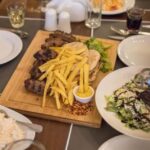
The examples include soutzoukakia meatballs, eastern-style cheese baked in the oven, and local pies. These are more substantial than the earlier shop samples, giving the tour a proper finish. Meze is also a good format for a group because shared plates let you try several dishes without ordering a large individual main course.
I like this structure: coffee and pastry at the start, small tastes through the market district, then a seated meal. It avoids the common problem of a food walk that leaves you full but never gives you a calm place to sit down. Here, the tavern stop gives you time to discuss what you have eaten and ask your guide about Thessaloniki’s food traditions.
The menu is described as selected meze rather than a fixed full menu. That means you should expect the listed local dishes and related specialties, but not assume every item will appear on every departure. If you have dietary restrictions, tell the operator when booking and remind your guide at the start. One group with restrictions received respectful handling, but the available information does not promise a separate menu for every diet.
A few more Thessaloniki tours and experiences worth a look

The guide matters more than the tasting count
A food tour can offer an impressive list of samples and still feel flat if the guide rushes you through them. Here, the human side appears to be a central strength.
Hara is praised for making the experience feel like meeting a friend who lives in Thessaloniki. She is also described as a strong storyteller who can place food in the city’s history and answer questions about local life. Xana is noted for introducing the Lattica area, connecting the group with artisan shop owners, and helping visitors feel part of the city rather than simply watching it.
Those names may not indicate who will lead your departure, so treat them as examples of the provider’s guide team rather than a guarantee. The tour is offered in English, and the small-group format allows the guide to respond to your interests. The maximum group size is 14, which is small enough for questions but not necessarily intimate in the way a private tour would be.
One particularly useful feature is the low-pressure shopping style. The guide takes you into shops and lets you taste their products, but the experience is not built around pushing you to buy. You can purchase olives, spices, cheese, preserves, or sweets if you find something appealing, yet you should not feel obliged to spend more.
How the $93.72 price measures up
At $93.72 per person, this is not the least expensive way to eat in Thessaloniki. You could buy coffee, pastries, meze, and market snacks for less if you planned the stops yourself.
The value comes from the combination. You are paying for a four-hour English-guided walk, more than 16 food tastings, a Greek coffee and bougatsa start, access to selected food shops, cultural explanation, a local distilled-drink tasting, and a seated meze lunch. If you would otherwise book a separate walking tour and restaurant meal, the price becomes easier to justify.
The group discount option may improve the deal for several people traveling together. Since the group is capped at 14, you get more interaction than on a large city tour, though you should not confuse a small group with a private experience.
I would book this early in a Thessaloniki stay if the price fits your budget. It is booked on average 56 days ahead, which suggests that popular dates may fill well before arrival. The free cancellation policy gives you some flexibility: cancel at least 24 hours before the local start time for a full refund. Changes or cancellations inside that window are not accepted for a refund.
Who will enjoy this food walk most
This experience suits you if food is one of your main reasons for visiting Greece and you want context with your lunch. It is also a good choice if you are new to Thessaloniki and want a practical introduction to central streets, markets, specialty shops, and local dishes in one outing.
You will get the most from it if you enjoy trying unfamiliar foods and asking questions. The tour is not only about famous Greek dishes. It includes regional products, shop tastings, oils, olives, spice mixtures, sweets, and local drinks. That makes it useful for curious eaters who want to learn what to look for during the rest of their trip.
It can work well for couples, friends, and families who appreciate a guided food experience. Most people can participate, service animals are allowed, and the route is near public transportation. Still, the amount of walking and food makes it less suitable if you need a very short outing or prefer to control every meal yourself.
You should also consider the language. The tour is offered in English only, so it is best for you if everyone in your group is comfortable following an English explanation while walking and eating.
Practical advice for making the most of it
Arrive ready for food, but do not skip breakfast entirely if you are prone to low energy. The opening coffee and bougatsa are part of the experience, yet the tour then continues through many stops before the tavern meal.
Wear shoes you can walk in for four hours. The route includes downtown streets, market areas, food shops, and alleyways, with repeated stops rather than one continuous stroll. Public transportation is nearby, but the supplied details do not give a specific travel time from your hotel, so allow enough time to reach Zithos, Katouni 5.
Bring room in your luggage if you expect to buy products. Purchases are not included, and the shops may tempt you with oils, olives, spices, honey, preserves, sweets, cheeses, or cold cuts. You do not need to buy anything to enjoy the stops.
Ask about ingredients before tasting if you have allergies or dietary limits. The guide can discuss what is being served, but the supplied information does not promise that every tasting can be replaced. Service animals are allowed, and most participants can take part.
Should you book Get a Taste of Thessaloniki?
I would book it if you want a friendly, food-centered introduction to downtown Thessaloniki and value a guide who explains the city as you eat. The strongest features are the wide range of tastings, the contact with independent food sellers, the Modiano Market stop, and the proper meze meal at the end.
I would skip it if you are looking for a cheap lunch, a private tour, a dedicated alcohol tasting, or a tightly controlled menu. At $93.72, the price makes sense when you count the food, guide, and four hours of local context, but it is more than you would spend by eating on your own.
For most food-focused visitors, this is a well-shaped first or second day activity. You leave with a fuller understanding of what Thessaloniki tastes like, plus a list of foods and shops worth seeking out on your own.
FAQ
How long does the Thessaloniki food tour last?
The experience lasts approximately four hours.
What food is included?
The tour includes Greek coffee, bougatsa, 16-plus food tastings at selected shops, and a seated tavern meal featuring meze dishes such as soutzoukakia meatballs, eastern-style baked cheese, and local pies.
Is lunch included in the price?
Yes. A meal of selected local meze dishes at a tavern is included as the sitting end stop.
Is alcohol included?
Alcoholic beverages are not included as drinks. A distilled local drink is included only as a tasting.
Where does the tour begin?
The meeting point is Zithos, Katouni 5, Thessaloniki 546 25, Greece.
How large is the group?
The experience has a maximum of 14 participants. Group discounts are available.
Is cancellation allowed?
You can cancel for a full refund if you do so at least 24 hours before the experience’s local start time. Cancellations or changes made less than 24 hours ahead are not accepted for a refund.