REVIEW · HERAKLION
Heraklion: Try Scuba Diving For Beginners (1 dive)
Book on GetYourGuide →Operated by Horizon Diving · Bookable on GetYourGuide
One trip, one big leap, and suddenly you’re looking back at the sea. This beginner try-scuba session in Heraklion turns first-timers into confident underwater explorers with short-group coaching and crystal-clear Cretan water.
I especially like the way the instructors teach at your pace in a small group (up to 8), so you get hands-on help without feeling rushed. The other big win is the relaxed safety setup for shallow-water practice, then a guided look at Cretan sea life. One thing to consider: the underwater time is designed for a first lesson, so you may find it shorter than you hoped if you’re hungry for more time under water.
Key reasons to go
- Small group size (max 8) keeps the attention on you, not on the crowd
- Shallow-water training means you learn before you go exploring
- Instructors like Chris and Kris are described as calm, patient, and hands-on
- Clear visibility in the Cretan sea makes the first look underwater feel easy and satisfying
- Hotel pickup and gear rental reduce the stress of getting ready
- Options for multiple languages (English, Greek, German, French) help you feel comfortable
In This Review
- Getting Started at Mononaftis Beach: How the 4–5 Hours Works
- What You Learn First: Beginner Skills That Make Everything Feel Safer
- Gear and Setup: Equipment Rental Done the Practical Way
- The Underwater Part: Clear Cretan Water and Lots of Sea Life
- Instructor Quality and the Small-Group Pace (Max 8)
- Price and Value: Is $116 a Fair Deal?
- Timing, Pace, and a Realistic Note on Underwater Duration
- Who This Is Best For (and Who Should Skip It)
- Practical Prep: What to Bring and What to Avoid
- A Simple Decision Guide: Should You Book It?
- FAQ
- What is the duration of the try scuba experience near Heraklion?
- Where does the session take place?
- How many people are in the group?
- Is prior scuba experience required?
- What equipment is included?
- Are there any language options for instruction?
- Who should not book this activity?
Getting Started at Mononaftis Beach: How the 4–5 Hours Works
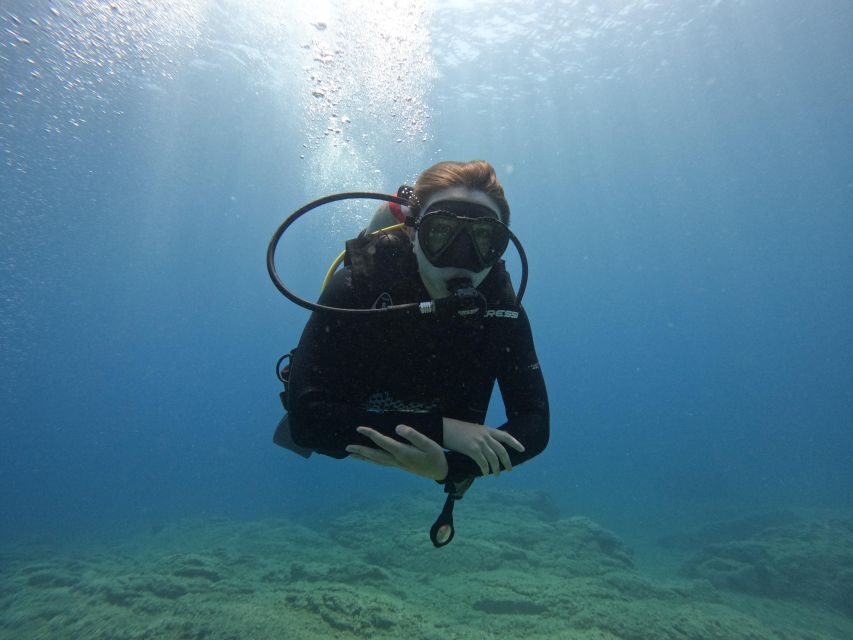
This is a half-day experience, clocking in at about 4 to 5 hours, with the schedule depending on availability. Most of the time is spent getting you ready and making sure your basics feel comfortable—because the goal here is confidence, not speed.
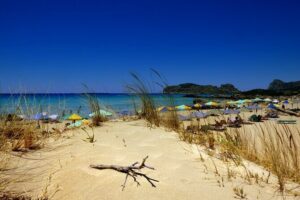
If you’re staying near Heraklion, you’ll get hotel pickup and drop-off in nearby areas. If you’re driving, you can meet directly at Mononaftis Beach, which is useful if you want full control over your morning. Either way, the plan keeps it simple: get you there, get you equipped, then teach you what you need for a safe first underwater session.
You’ll also have a bit of time built in around training. For a beginner, that pace matters. You’re not just learning skills; you’re also learning how your body reacts when breathing underwater, how to clear your mask, and how buoyancy feels in real life.
What You Learn First: Beginner Skills That Make Everything Feel Safer
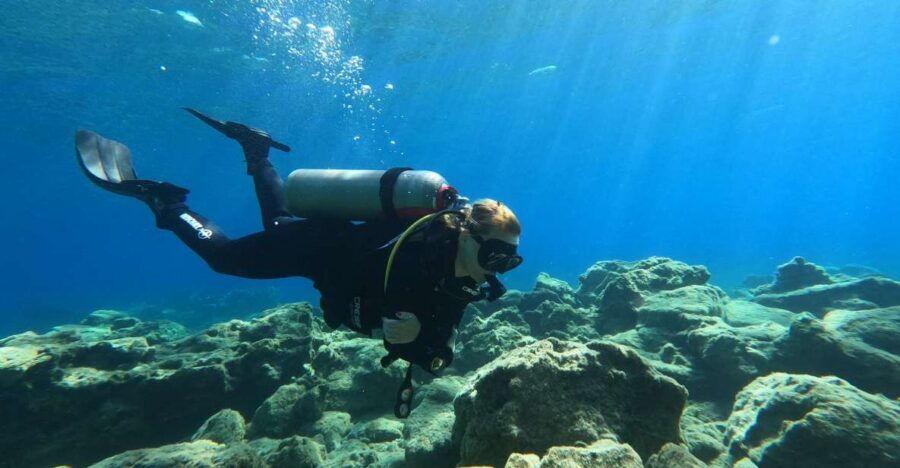
This try scuba program is made for people with no prior experience. That’s a real plus in Crete, because you don’t have to travel with any history, special gear, or confidence from a previous trip. You start in shallow waters and work through the basics before any exploring happens.
The instruction covers core scuba skills in an order that makes sense: you learn the equipment, then practice the movements, then you get a chance to look around while the instructor stays close. For first-timers, that sequence reduces the usual panic. You’re not trying to do everything at once.
Language support also plays a quiet but important role. Instructors can work in English, Greek, German, and French, and you also get an included audio guide in those same languages. In practical terms, it means you can understand the plan even if your scuba vocabulary is zero. And in real situations, it’s comforting to know you can ask questions if something doesn’t land the first time.
If you worry about nerves, you’ll probably appreciate the instructor approach described in the feedback: Chris and Kris are noted for taking time, calming anxiety early, and not letting students feel alone while learning.
You can also read our reviews of more scuba diving tours in Heraklion
Gear and Setup: Equipment Rental Done the Practical Way
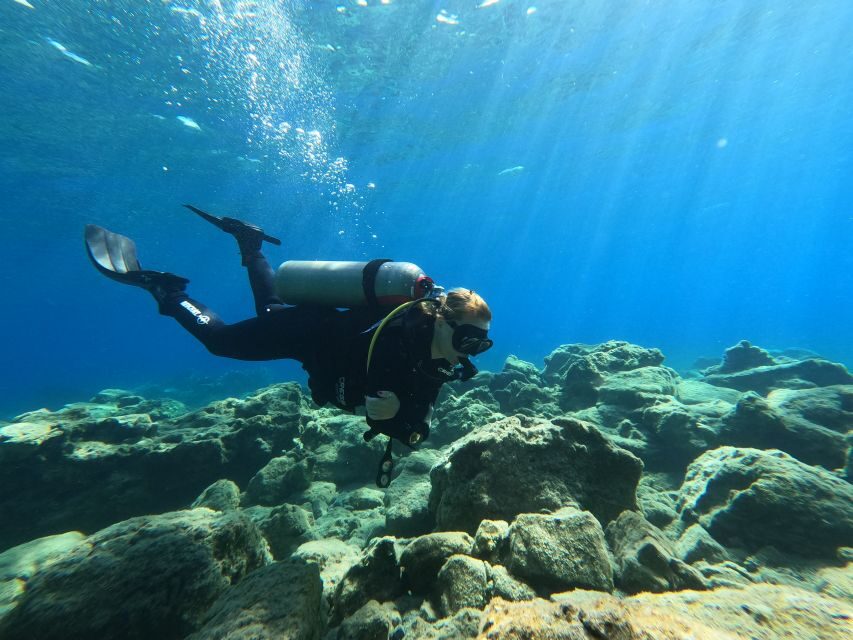
You don’t need to bring scuba equipment. The program includes full diving equipment rental, plus water and a snack. That matters more than it sounds, especially on holiday, because it saves you from tracking down the right gear and then worrying if it fits properly.
What you do need to bring is straightforward:
- Swimwear
- A towel
Everything else is handled. And because the gear is provided, you can focus on the lesson instead of wondering if your mask seal is right or whether your fins feel awkward.
For many beginners, the scariest part isn’t the ocean—it’s the gear. The best beginner courses reduce that anxiety by making setup feel routine. Here, the small-group format supports that. You have room to ask questions while equipment is fitted and checked.
The Underwater Part: Clear Cretan Water and Lots of Sea Life
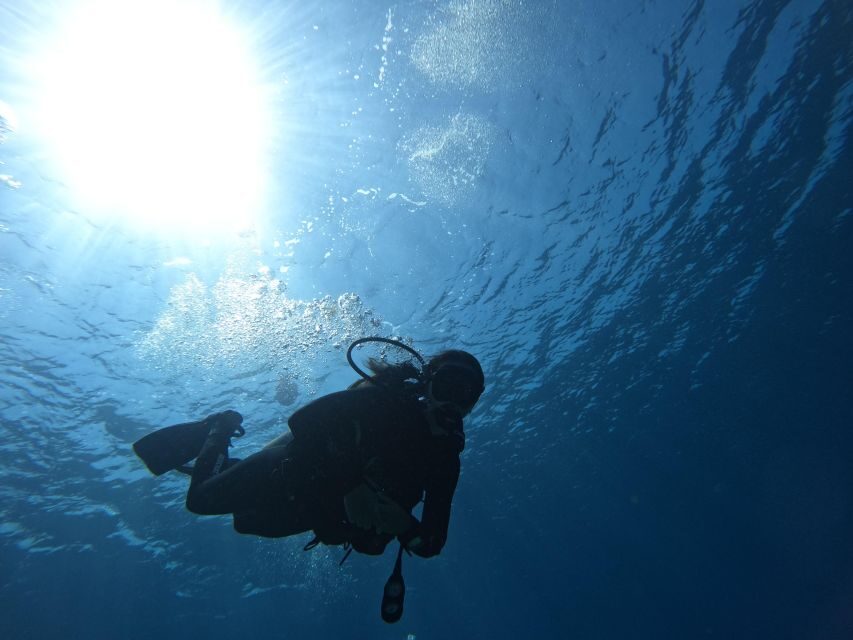
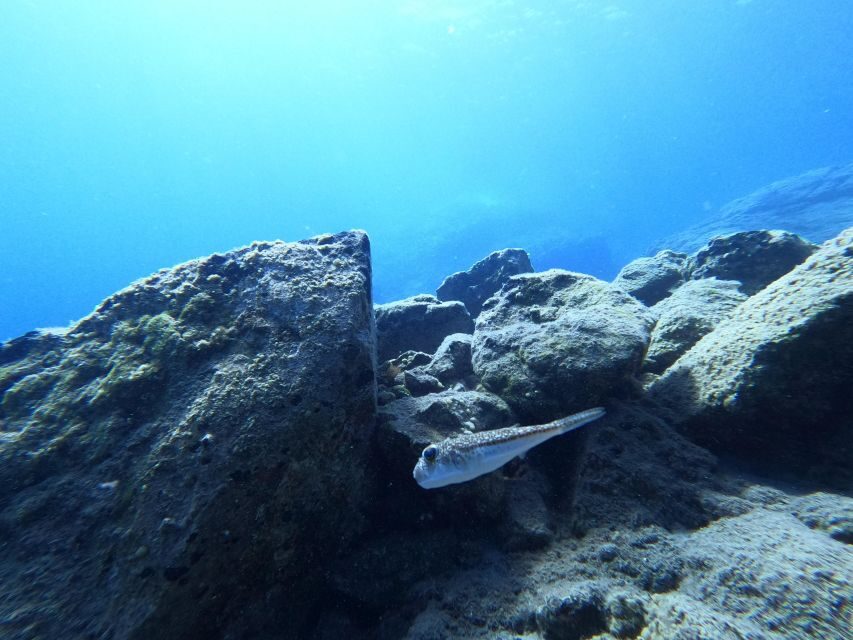
The highlight is the moment you go from learning to looking. The underwater world here is described as crystal clear, with plenty to see for first-timers. You’ll spend time exploring Cretan sea life in a controlled, beginner-friendly environment.
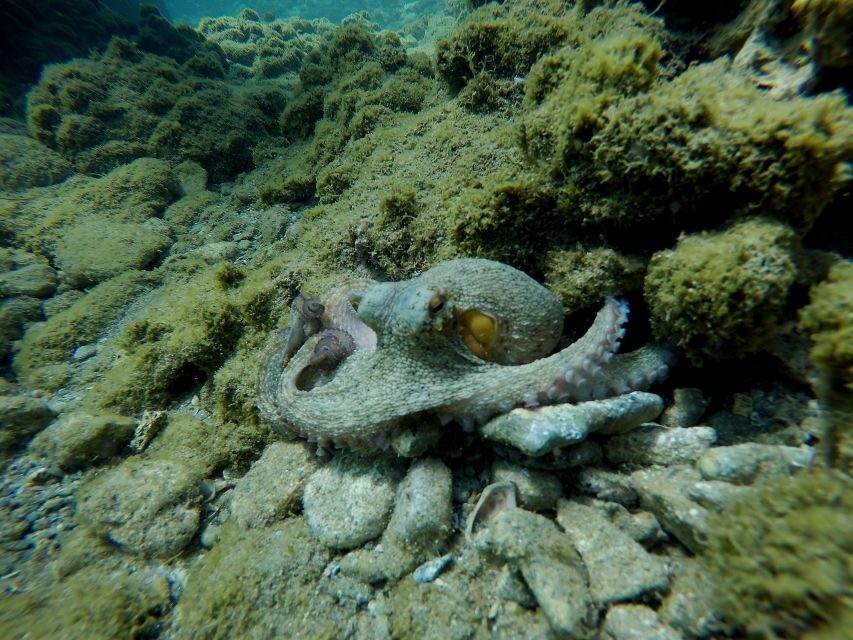
In feedback, people talk about seeing lots of fish and even standout underwater moments like an octopus and an eel-like fish. You shouldn’t book with the expectation of guaranteed sightings, but it’s still encouraging that beginners are reporting surprises—not just boring views.
What makes this especially good for a first session is that you’re guided, so you know what you’re looking at. You’re not left staring at the water trying to figure out what matters. Instead, you get a structure: learn the basics, then experience the fun part while the instructor watches your form and breathing.
One more practical detail: clear water means you can actually enjoy the visuals. In low-visibility conditions, a beginner can feel stressed because everything is harder to see. Here, the conditions described as excellent visibility help keep the experience relaxing.
Instructor Quality and the Small-Group Pace (Max 8)
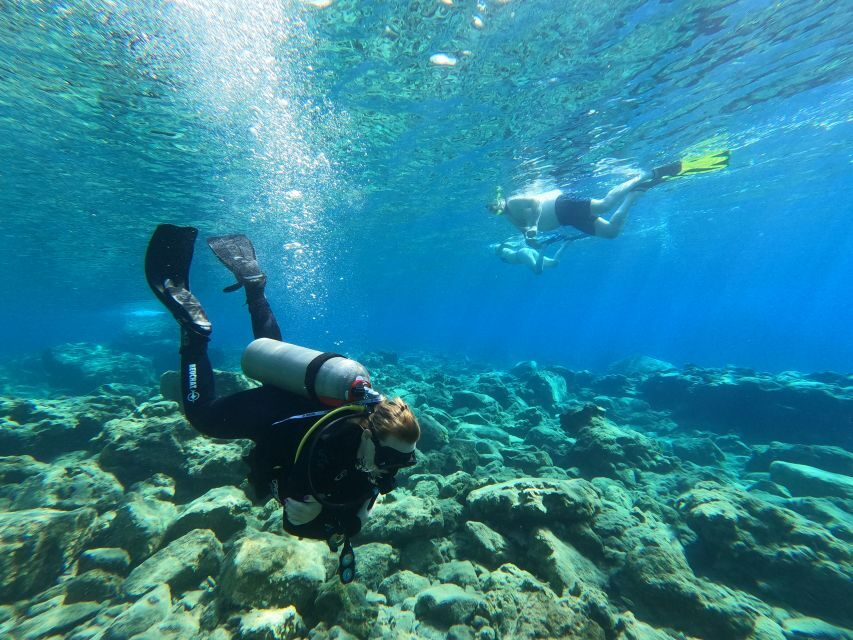
Small groups change the whole feel of a beginner course. With up to 8 participants, instructors can explain, demonstrate, and then help you while you practice. That creates a big advantage: you’re not waiting your turn while the group cycles through your same learning curve.
The best part is that you learn at your own pace. That doesn’t mean the lesson is vague. It means you’re given time to feel comfortable with each step—equipment, skills, then underwater time—before you move on. You’re not pushed through tasks just to keep a schedule.
The feedback also points to instructors who are highly attentive. Names that come up in the feedback include Chris and Kris, and the theme is consistent: patient coaching, human support, and clear instructions. People also note that instructors made time for getting used to the setup and helped reduce fear at the start.
If you’re traveling with family or friends, this format can work well too. Everyone gets attention, and you don’t lose the group dynamic to a crowded, rushed session.
Price and Value: Is $116 a Fair Deal?
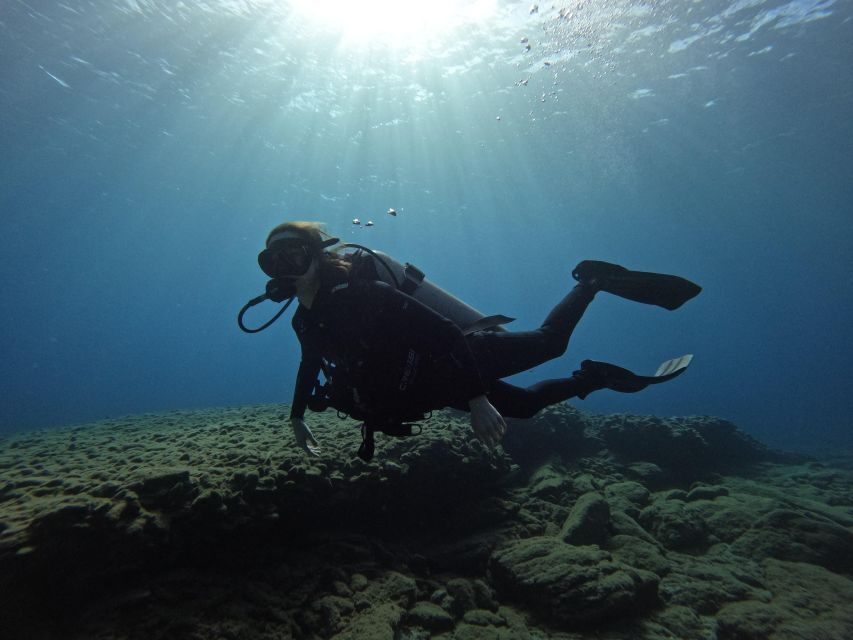
At $116 per person, this isn’t a cheap add-on—but it’s also not trying to be a bargain. The value comes from what’s included and how beginner-focused the format is.
Here’s why the price can make sense:
- Hotel pickup and drop-off in nearby areas removes time and hassle
- Full equipment rental is included (so you don’t pay extra or bring the wrong stuff)
- Professional instructors guide your learning and keep things controlled
- Water and a snack keep you comfortable during the half-day stretch
- Small group size (max 8) helps the instruction quality stay high
What’s not included is a GoPro underwater camera rental, so if you want your own footage, plan for that extra cost. Still, for first-timers, the lesson itself is the main product. You’re paying for safe skill coaching plus real underwater time with guidance.
If you compare this kind of package to assembling everything yourself (transport, gear, certified instruction), the included components are a big part of the fairness.





Timing, Pace, and a Realistic Note on Underwater Duration
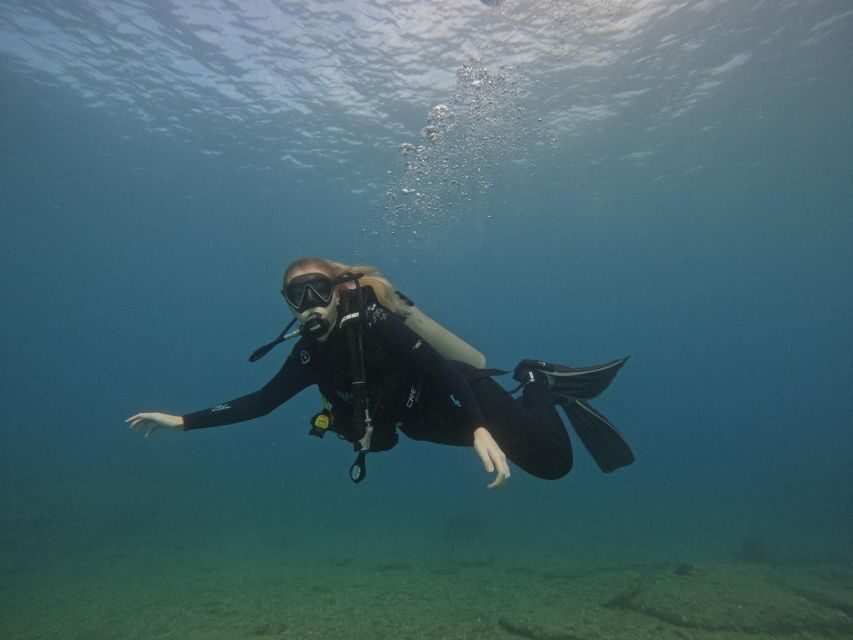
The experience runs 4 to 5 hours, but the exact start time depends on availability. Most of the duration goes toward training, equipment setup, and supervised practice. For some beginners, that’s exactly what you want. It turns a scary thought into a smooth morning.
A possible drawback from the feedback is that some people would have liked a bit more time underwater for the first session. That’s not unusual. Beginner programs are designed to focus on safety and learning first, then give you a taste of the underwater world.
If you’re already comfortable and crave lots of underwater time, this may feel brief. But if your goal is a first taste and solid fundamentals, that shorter, structured format is often the right trade.
Who This Is Best For (and Who Should Skip It)
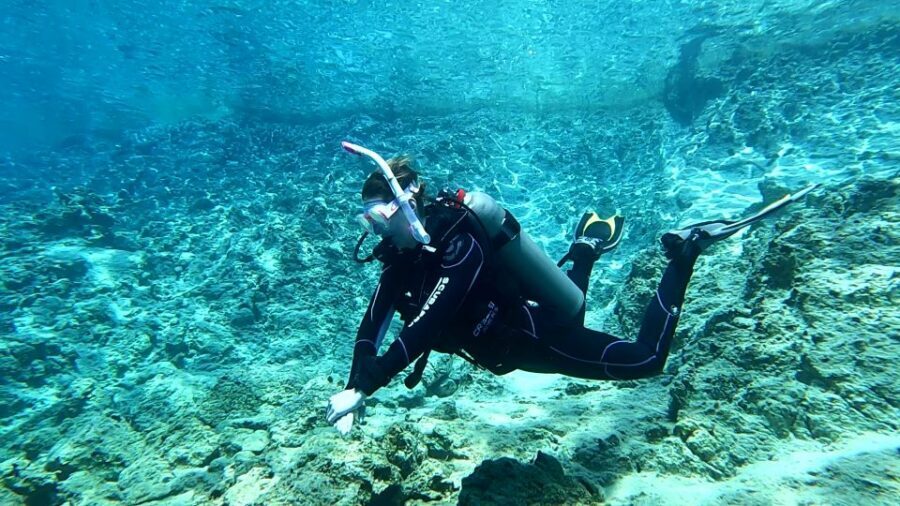
This try scuba course is aimed at whole families in theory—but with clear limits.
It is not suitable for:
- children under 8
- pregnant women
- people with heart problems
It also requires you to complete a medical questionnaire before the program. If you have existing medical conditions, you’ll need doctor confirmation and a signature. That’s not red tape for fun. It’s part of making the course safe for everyone.
If you’re fit and cleared medically, this is well suited for:
- first-timers who want step-by-step coaching
- families and groups who want a small group experience with attention
- travelers who want an active holiday moment without planning gear, lessons, and equipment separately
If you’re unsure about your health fit, ask before booking. Getting that right early avoids stress later.
Practical Prep: What to Bring and What to Avoid
Pack light. You’ll want to show up ready to swim comfortably.
Bring:
- swimwear
- towel
Avoid:
- alcohol and drugs are not allowed
Also plan for the medical questionnaire. If you fill it out carelessly or ignore it, you can lose time and flexibility. Do it early so you’re not scrambling.
For language comfort, note that instructions are offered in English, Greek, German, and French. And the audio guide covers those languages too. If you know you’re more comfortable in one of these, it can help you relax from the start.
A Simple Decision Guide: Should You Book It?
Book it if:
- you want your first scuba-style underwater experience in a controlled, beginner-friendly way
- you value small group attention and patient coaching
- you like the idea of clear water and sea life without needing prior training
- you’d rather pay for a packaged solution (pickup + gear + instructors) than DIY the logistics
Consider another option if:
- you already know you want long underwater time for a more advanced experience
- you’re in one of the excluded categories (under 8, pregnant, heart problems)
- you’re not ready to complete the medical questionnaire and, when needed, doctor paperwork
If you want an easy, well-supported first encounter with Cretan underwater life, this program is built for that exact moment. It’s not about showing off. It’s about feeling safe, learning quickly, and leaving with photos you can’t stop talking about.
FAQ
What is the duration of the try scuba experience near Heraklion?
The activity lasts about 4 to 5 hours. Starting times depend on availability.
Where does the session take place?
The underwater experience is linked to Mononaftis Beach. Pickup from nearby hotels is available, or you can meet directly at the beach if you drive.
How many people are in the group?
The group is small, limited to 8 participants.
Is prior scuba experience required?
No. This is an entry-level program for beginners with no prior experience required.
What equipment is included?
Full scuba equipment rental is included, along with water and a snack.
Are there any language options for instruction?
Yes. Instructors can work in English, Greek, German, and French. An audio guide is included in those same languages.
Who should not book this activity?
It is not suitable for children under 8, pregnant women, and people with heart problems. You also need to complete a medical questionnaire, and doctor confirmation may be required if you have existing medical conditions.