REVIEW · THESSALONIKI
Olicatessen Greek Honey Tasting in Thessaloniki
Book on GetYourGuide →Operated by Olicatessen · Bookable on GetYourGuide
Greek honey changes dramatically from place to place. At Olicatessen, you may taste six samples made from different plants and regions, then compare a light, flowing honey with one that is darker, thicker, or more strongly scented. It is a small food lesson with a wide view of Greece.
I like the regional variety and the careful, wine-style tasting method. I also like that Olicatessen works directly with small producers, so the tasting gives you a sense of local food traditions rather than just a parade of souvenir jars.
The main consideration is the price: $47 per person for one hour is a serious spend for a short tasting. It makes the most sense if you enjoy food education, want a break from sightseeing, or plan to buy Greek honey with a better idea of what you are choosing.
In This Review
- Key points at a glance
- Six honeys, one very large Greek pantry
- Ellie turns a sweet snack into a useful lesson
- Inside Olicatessen in Ladadika
- How the one-hour tasting works
- What the regional spread adds
- Why the tasting method is worth your time
- The $47 question
- Who will enjoy this most
- A few limits to keep in mind
- Should you book the Olicatessen honey tasting?
- FAQ
- Where does the honey tasting take place?
- How long does the experience last?
- How much does the tasting cost?
- How many honeys will I taste?
- Which languages are available?
- Is water included?
- Can I cancel for a full refund?
- Can I reserve without paying immediately?
Key points at a glance
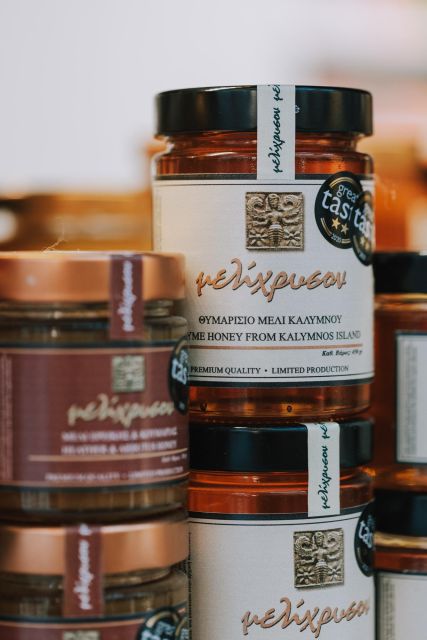
- Six Greek honeys to compare: Taste samples from different parts of Greece, including remote mountain areas and Aegean islands.
- Ellie leads the session: She explains how plants and place affect color, scent, texture, and flavor, in clear Greek or English.
- A tasting, not just a spoonful: Apple slices help refresh your palate between samples, and water is included.
- Easy central location: The session begins and ends at Olicatessen in Thessaloniki’s Ladadika district.
- Small-producer focus: The shop works with producers who make and supply products from across Greece.
- A compact food experience: The one-hour format fits neatly into an afternoon of exploring central Thessaloniki.
Six honeys, one very large Greek pantry
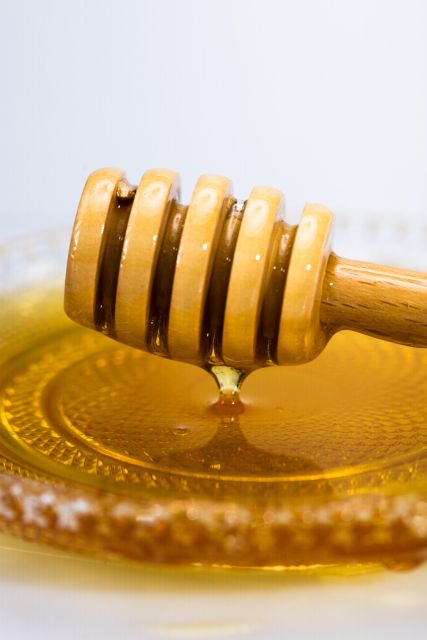
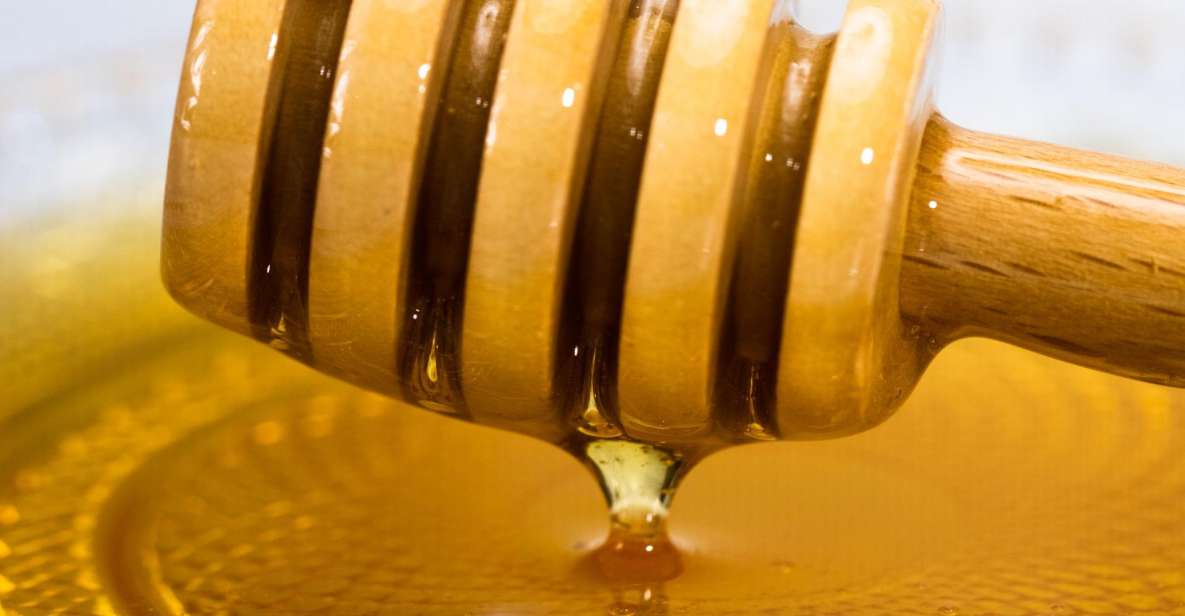
The appeal here is contrast. Greek honey is not one standard product with a national label. Bees gather nectar from different plants, at different elevations, on islands, in forests, and in mountain country. That changes the honey’s shade, body, aroma, and taste.
At Olicatessen, Ellie guides you through a selection from various Greek regions. The exact samples can vary, but the tasting has included six different honeys. That is enough to make the differences clear without turning the hour into a full food course.
You begin with the look of each honey. Color gives you a first clue, though it does not tell the whole story. One sample may appear pale and delicate, while another may be darker and more intense. You then consider its aroma and taste, much as you would with wine or olive oil.
The texture matters, too. Some honey can pour easily, while another feels denser on the tongue. These changes help you understand why buying a jar simply labeled Greek honey can be a bit of a gamble. After this session, you have a better sense of what you like.
You can also read our reviews of more food & drink experiences in Thessaloniki


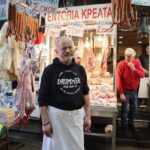
Ellie turns a sweet snack into a useful lesson
The guide makes a real difference here. Ellie leads the tasting and explains the products in Greek and English. Her approach is suited to beginners, so you do not need prior knowledge of honey, food production, or tasting language.
The format is friendly rather than formal. You are not expected to identify every plant or make grand judgments about aroma. Instead, you learn how to slow down and notice what is in front of you.
That teaching is one of the strongest reasons to book. A shop visit lets you sample or buy a product. Ellie’s explanation gives you a way to understand it. You leave better prepared to compare jars in the shop, at a market, or at home.
The session can also work well for solo visitors. One person who attended alone found the setting comfortable, which is useful to know if you are traveling without company. The hour does not depend on having a large group to create energy.
Inside Olicatessen in Ladadika
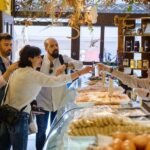
The meeting point is the Olicatessen store in Ladadika, a central district of Thessaloniki. You do not need to travel out to a farm or rural village for this experience. That is both its strength and its limit.
The strength is convenience. You can fit the tasting around a walk through central Thessaloniki, a museum visit, lunch, or an afternoon near the waterfront. Since you start and finish at the same shop, there is no transport time or complicated route.
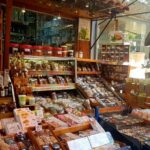
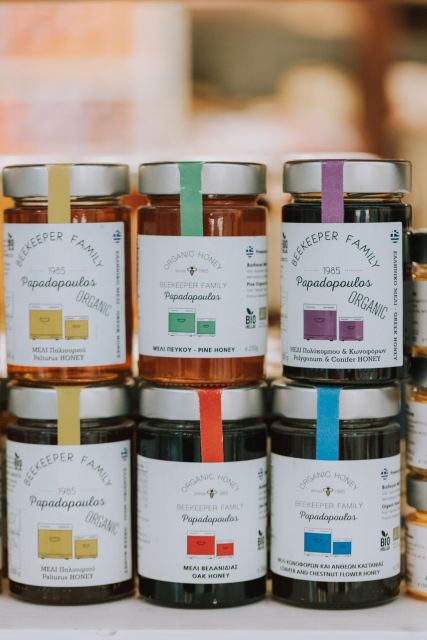
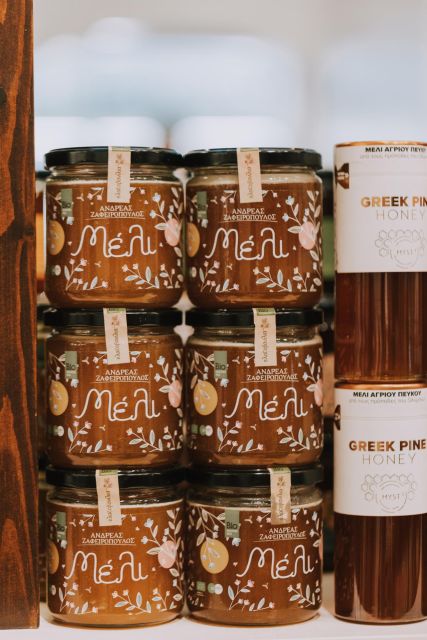
The shop itself carries more than honey. Its shelves include an assortment of Greek food and household products, with items such as salt and soap. The setting is described as neat, pleasant, and easy to find, so you can browse before or after the tasting.
The limit is that you will not see beehives, meet a beekeeper in the countryside, or watch honey being extracted. This is a city-based tasting and producer introduction. If you want hands-on farm activity, this is not that kind of outing.
How the one-hour tasting works
The experience follows a simple path:
- You meet at Olicatessen in Ladadika.
- Ellie introduces the honey selection and its regional background.
- You taste several samples, comparing color, scent, consistency, and flavor.
- Apple slices help clear your palate between honeys.
- Water is available during the session.
- You finish back at the store, where you can continue browsing the products.
The apple is a small but useful detail. Sweet foods can blur together quickly, especially when you taste several samples in a row. A slice of apple gives your mouth a reset, helping you notice the next honey more clearly.
The one-hour length is also practical. It gives you enough time to pay attention without taking over half a day. I would schedule it when you want a focused food activity, not when you are racing between major sights.
Starting times depend on availability, so check the schedule before building your day around it. The provider allows cancellation up to 24 hours before the activity for a full refund, and you can reserve now and pay later. Those policies help if your Thessaloniki plans are still shifting.
What the regional spread adds
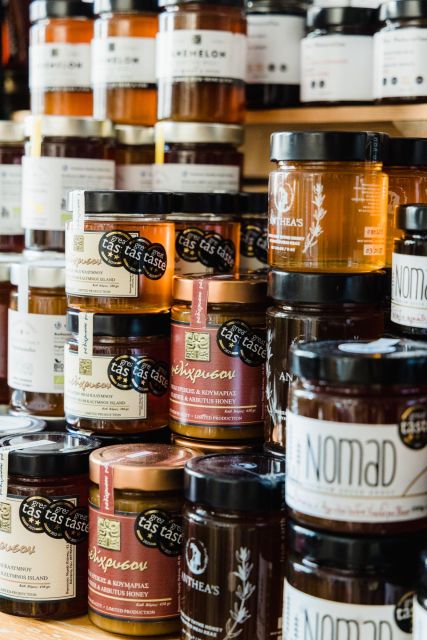
The session’s best idea is its map of Greece through taste. You are not only comparing honey types. You are considering how island plants, mountain vegetation, and local growing conditions shape a food product.
The information provided does not promise a fixed list of floral sources or exact regions for every sitting. That is worth keeping in mind. The samples can change, and the point is the range rather than a guaranteed menu.
You can expect honey from different corners of Greece, including remote mountains and small Aegean islands. The producer network is part of the story. Olicatessen works directly with small makers and presents their products along with their methods and values.
That small-producer link gives the tasting more substance than a generic retail sample. You hear about the people behind the jars and the effort to support more sustainable production. The hour remains light and enjoyable, but it also gives you a clearer connection to Greek food culture.






Why the tasting method is worth your time
Honey is easy to underestimate. Most people taste it as an ingredient in yogurt, pastry, tea, or breakfast. When you try several samples side by side, you notice that it can have a wide range of character.
The wine-style approach helps because it gives you a vocabulary. You can ask yourself:
- Is the honey pale or dark?
- Is the scent mild, floral, earthy, or strong?
- Does it feel thin and flowing or thick and heavy?
- Does the flavor fade quickly or stay with you?
- Which sample would you want on bread, in yogurt, or in cooking?
You do not need to turn the activity into a test. There is no prize for picking the most unusual sample. The point is to identify your own preferences and understand that texture, color, and flavor can vary while the products remain high quality.
This also helps with shopping. If you want to take honey home, you can make a more informed choice instead of selecting the nicest-looking label. The shop’s wider selection gives the lesson a practical finish.
The $47 question
At $47 per person, the tasting is not a casual free sample. You are paying for a guided food experience, a one-hour presentation, several honey samples, and access to a shop connected with small Greek producers.
The value depends on how you travel. If you enjoy food tastings and want something more focused than another sightseeing stop, the price can be reasonable. It is especially useful if you plan to buy Greek honey or other local products and want guidance before spending more money.
The cost may feel high if you only want to taste honey once or if your budget is tight. You can certainly encounter Greek honey in shops and markets for less than the price of this activity. The difference is the explanation, the side-by-side comparison, and the chance to ask questions in a relaxed setting.
I would not book this as a major day trip. I would book it as a compact central-Thessaloniki activity that adds meaning to the food you see elsewhere in Greece.
Who will enjoy this most
This experience suits you if you like tasting your way through a place. It is also a good fit for couples, solo visitors, and anyone who prefers a small indoor activity to another long walk in the heat.
Food-focused travelers will get the most from it, but you do not need to be an expert. The session is designed to be friendly for beginners, and the comparison between samples gives you something concrete to follow.
It can work well during an afternoon break because the meeting point is central and the activity lasts only an hour. It also pairs naturally with the shop’s olive oil tasting. One visitor combined the two experiences and found that both offered different products, textures, and regional flavors.
Families with young children may want to consider the format carefully. The provided information does not specify a minimum age or a children’s program. Since the session involves focused tasting and explanation, it will likely suit older children and adults better than very young kids, but you should confirm age details before booking.
A few limits to keep in mind
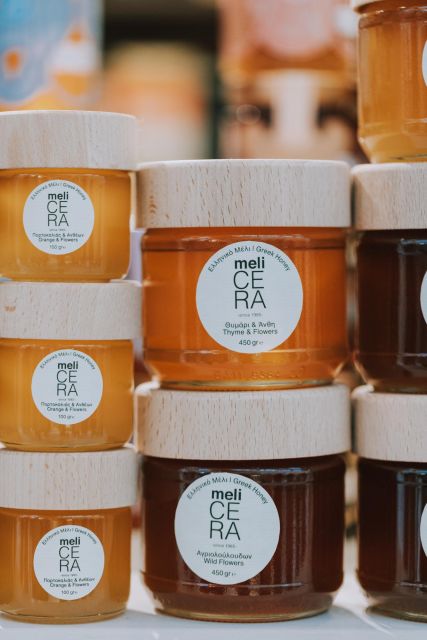
The experience stays inside Olicatessen. You should not expect a countryside visit, a working apiary, or a demonstration of beekeeping. The producers are represented through their honey and their stories, not through an outdoor farm visit.
The exact honey selection can vary. If you have your heart set on one particular regional or floral type, ask about the current samples before booking. The activity promises variety and quality, but not a fixed tasting list.
There is also no meal included. Honey is the focus, with apple slices used to refresh your palate and water provided. Plan lunch or dinner separately.
Finally, one hour passes quickly. You will gain a clear introduction rather than a full course in apiculture or Greek agriculture. For most people, that is the right balance. You get enough detail to make the tasting meaningful without sacrificing a whole afternoon.
Should you book the Olicatessen honey tasting?
Book it if you want a short, central, well-guided food experience with a clear Greek connection. Ellie’s friendly teaching, the six-sample format, the apple palate cleanser, and the range from mountain areas to Aegean islands make this more useful than simply sampling one jar in a shop.
Skip it if you want outdoor activity, a visit to beekeepers, or a low-cost snack stop. At $47, the value comes from the guided comparison and the producer stories, not from the amount of food.
For a food-minded visit to Thessaloniki, I would place this on an open afternoon. It is easy to reach, easy to fit into your plans, and likely to change the way you taste Greek honey for the rest of your trip.
FAQ
Where does the honey tasting take place?
The activity takes place at the Olicatessen store in the Ladadika district, in the central area of Thessaloniki.
How long does the experience last?
The tasting lasts one hour. It begins and ends at the Olicatessen store.
How much does the tasting cost?
The listed price is $47 per person.
How many honeys will I taste?
The tasting includes a variety of Greek honeys. The experience has included six different types from various regions, though the exact selection may vary.
Which languages are available?
The live guide is available in Greek and English.
Is water included?
Yes. Water is included during the tasting, and apple slices are used between samples to refresh your palate.
Can I cancel for a full refund?
Yes. You can cancel up to 24 hours in advance for a full refund.
Can I reserve without paying immediately?
Yes. The reserve now and pay later option lets you hold a place without paying at the time of booking.