REVIEW · CRETE
Tastings of Heraklion city – sightseeing walking tour
Book on GetYourGuide →Operated by Travel Crete - WeGuide travelers · Bookable on GetYourGuide
Heraklion’s best introduction may come on a plate. This two-hour walk pairs the city’s major sights with 12 local food and drink tastings, from Greek coffee and sweet cheese pies to olive oil, cheeses, dakos, souvlaki, wine, and raki. You get a quick lesson in how Cretan food fits daily life, not just a parade of things to sample.
I like the way the tour links eating with places you are already walking past, especially Lions Square, Saint Titos Cathedral, Agios Minas Cathedral, and the Venetian Walls. I also like the small-scale setup: a private group, an English-speaking guide, and three hand-picked food stops. The main drawback is the pace. Two hours is enough for a generous introduction, but not enough for a slow meal or a full tour of Heraklion’s museums and monuments.
In This Review
- Key points at a glance
- Why Food Is the Right Way to Meet Heraklion
- Meeting at Capsis Astoria Hotel
- The Bakery Stop: Coffee, Kalitsounia, and Cretan Sweets
- Herbs, Spices, and Mountain Tea
- Olive Oil, Cheese, and Yogurt with Honey
- Dakos, Souvlaki, Wine, and Raki
- Heraklion’s Sights Between the Bites
- What the Two-Hour Schedule Really Means
- Is $119 a Fair Price?
- Who Will Enjoy This Walk Most?
- Should You Book Tastings of Heraklion?
- FAQ
- Where does the Heraklion food tour begin?
- Where does the tour end?
- How long does the tour last?
- What food and drinks are included?
- Is the tour offered in English?
- Is the tour suitable for wheelchair users?
Key points at a glance
- Three local food stops: Visit a Cretan family bakery, a traditional herb and spice shop, and other hand-picked food stores.
- A full tasting lineup: Expect bougatsa, kalitsounia, cheese, olives, dakos, souvlaki, fruit, coffee, wine, raki, and herbal tea.
- A walking tour of central Heraklion: See Lions Square, Saint Titos Cathedral, Agios Minas Cathedral, the Venetian Walls, and the city center.
- A private English-language experience: You can ask questions and keep the focus on your interests.
- A serious appetite helps: The food comes in many forms, so skip breakfast or keep it very light.
- Not designed for every walker: Large bags, wheelchairs, and significant mobility limitations are not suitable for this tour.
Why Food Is the Right Way to Meet Heraklion
Heraklion can feel like a city of layers. Ancient Crete, Venetian rule, Ottoman influence, modern Greek life, and the island’s rural traditions all appear within a short walk. Food gives you a simple way to connect those layers.
Your guide explains how Cretans eat and how the island’s food culture developed. The focus is not only on ingredients, but also on habits: olive oil as a daily staple, cheese made from goat and sheep milk, herbs used in drinks and cooking, and small sweet or savory foods eaten throughout the day.
This matters because the Mediterranean diet can sound like a list of health claims when you encounter it in a cookbook or hotel brochure. Here, you get to taste the working version. You may try extra virgin olive oil, natural yogurt with honey, local cheeses, fresh fruit, and traditional pastries in the same outing.
The tour also puts food in a local setting. A family bakery serves as a meeting point for residents, while a traditional Cretan shop introduces herbs, spices, and mountain tea. These are ordinary places with a useful connection to daily life. You are not simply looking at historic buildings from the outside. You are seeing what people buy and eat in the middle of the city.
You can also read our reviews of more walking tours in Crete
Meeting at Capsis Astoria Hotel
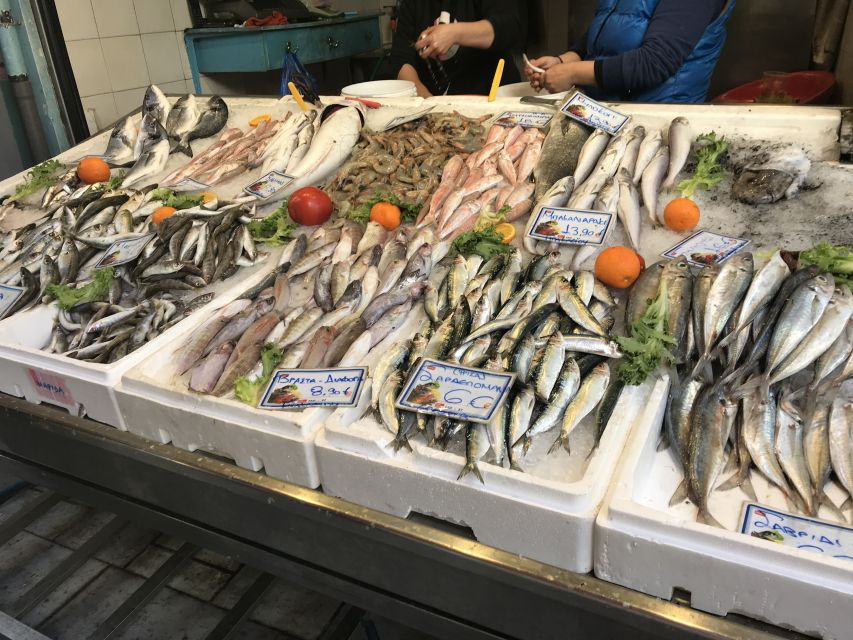
The tour begins at the front door of the Capsis Astoria Hotel on Eleftherias Square, Heraklion’s main square. The Archaeological Museum is nearby, so the meeting point is easy to place on your map and convenient if you are already sightseeing in central Heraklion.
Arrive early. Late arrivals cannot join at a later time, and a two-hour walking tour has little spare time for waiting. The guide will lead you through central Heraklion and return you to the meeting point at the end.
Wear comfortable shoes, since the experience combines walking, standing, eating, and sightseeing. Sunglasses and a sun hat are sensible in Crete’s bright weather. Leave luggage and large bags elsewhere. This is a city walk, not a storage service with food stops attached.
The group is private, which is a useful feature here. Food preferences and questions can take time, and a private format gives you more room to ask what you are tasting. It also suits families or friends who want to move at their own pace within the fixed two-hour schedule.
The Bakery Stop: Coffee, Kalitsounia, and Cretan Sweets
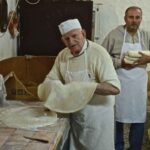
The first major food experience takes place at a Cretan family bakery. Bakeries matter in Greek city life because they are practical daily stops, not special-occasion restaurants. This is where you begin to see how local food works in ordinary routines.
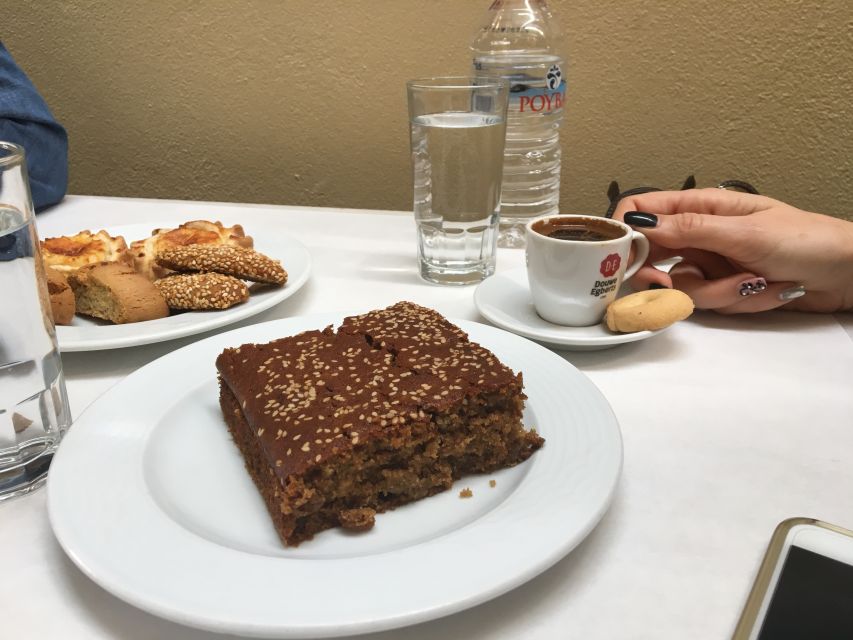
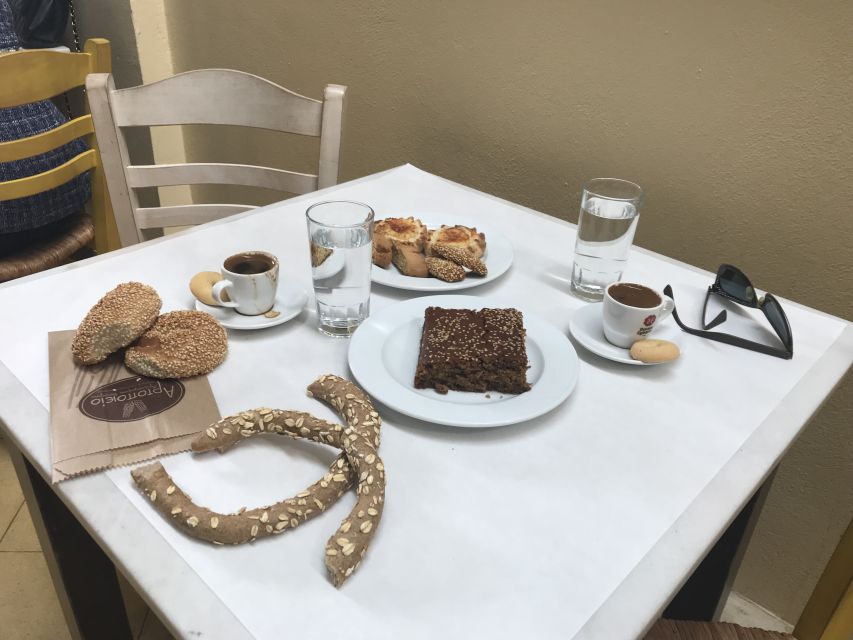
You taste Greek coffee with kalitsounia, the small traditional pies filled with soft cheese. Depending on the tasting selection, you also try raisin pies, cinnamon cookies, or bougatsa. The exact combination can vary, but the point is clear: Cretan sweets are not limited to one style or one filling.
Kalitsounia are especially useful for understanding the island’s food traditions. The soft cheese filling gives them a savory edge beneath the sweetness. Bougatsa offers another style of pastry, usually associated with flaky layers and a creamy filling. Raisins and cinnamon bring familiar pantry ingredients into the mix.
Greek coffee is part of the lesson too. It is served in a small cup and is intended for slow sipping rather than a quick takeaway. You do not need to be a coffee expert to enjoy this stop, but you should expect a traditional preparation rather than a large modern café drink.
This is one reason I would not eat breakfast before the tour. One tasting might be manageable, but pastries, coffee, fruit, cheese, and later savory foods add up. The visitor who arrives hungry will get more from the experience than someone who has just finished a hotel buffet.
Herbs, Spices, and Mountain Tea
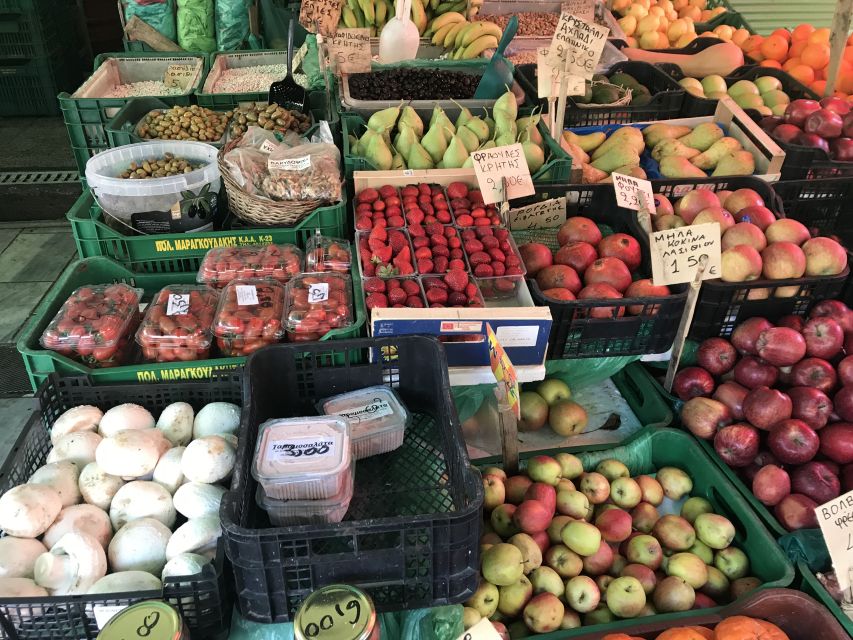
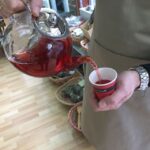
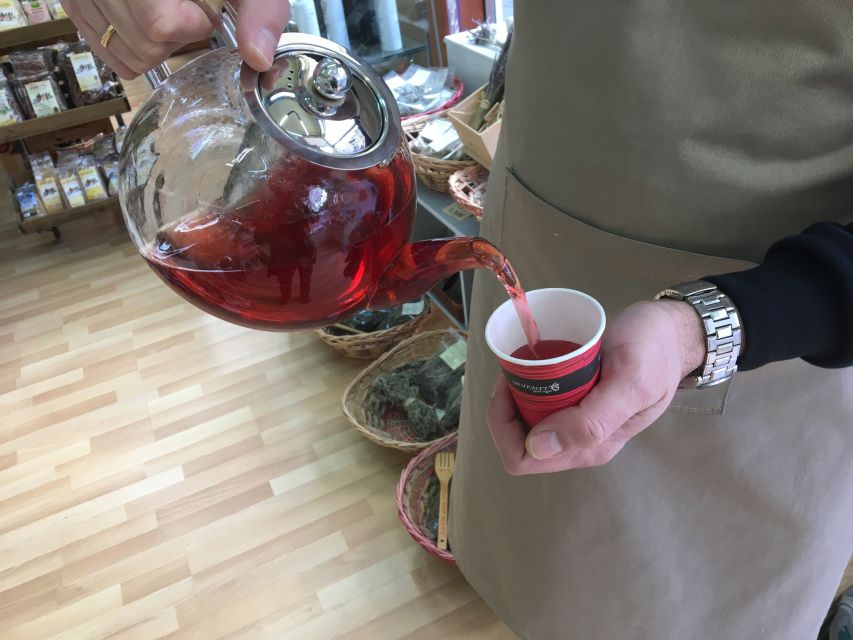
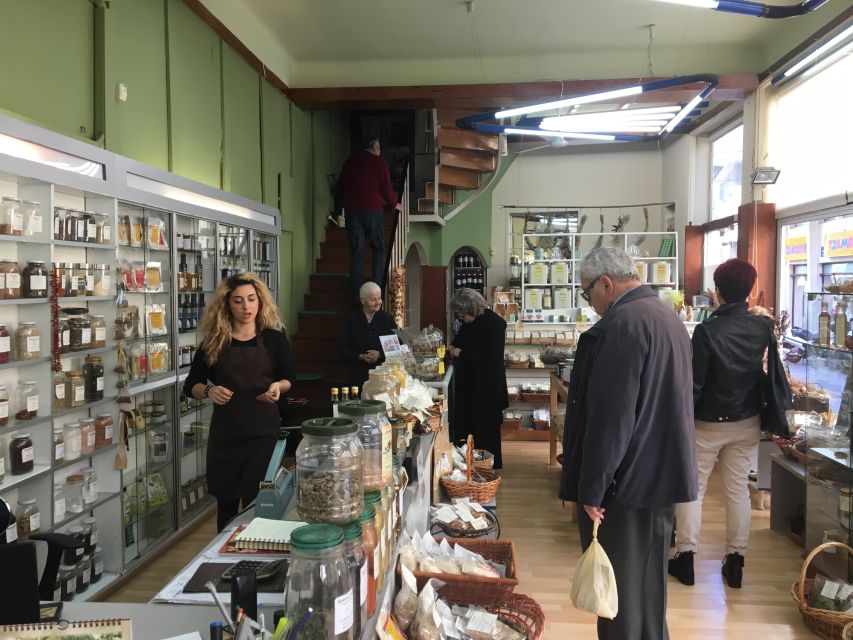
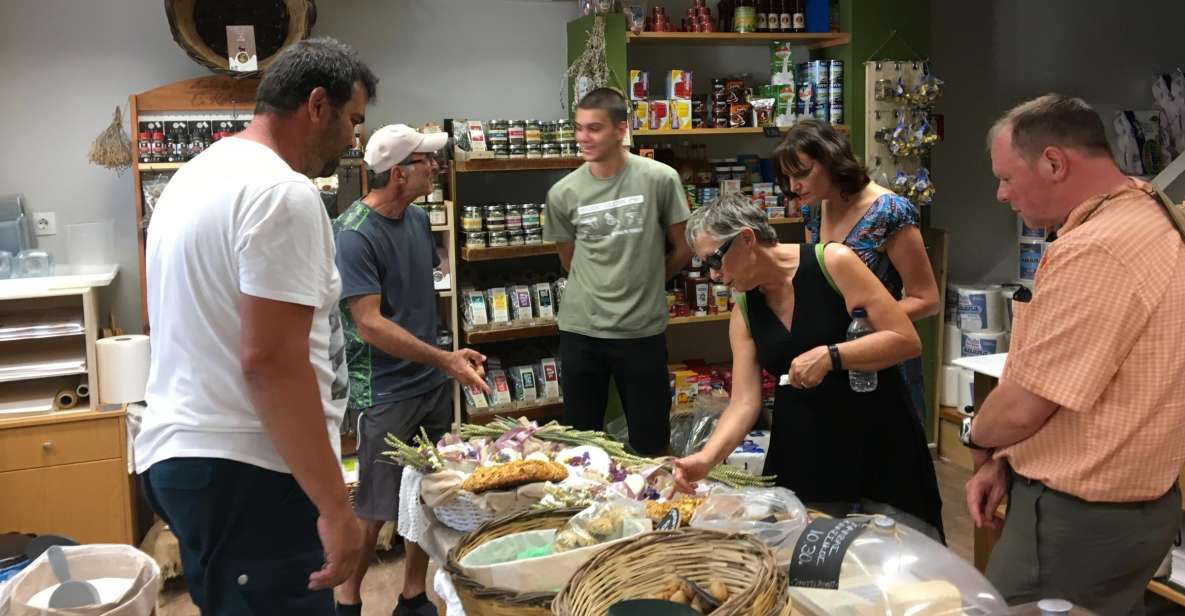
The next stop introduces the plant side of Cretan cooking. At a traditional Cretan shop, you can learn about herbs and spices and taste Cretan mountain tea, a non-alcoholic herbal drink.
The value of this stop is that it broadens the story beyond olive oil and cheese. Herbs are part of the island’s food identity, and a tea tasting gives you a direct way to experience that tradition. It also creates a welcome change of pace after the bakery’s sweet foods.
The mountain tea is not presented as a cocktail or a restaurant course. It is a simple traditional drink, and that simplicity is the point. You can ask your guide how it fits into local habits and how herbs are used in Cretan cooking.
The stop may appeal most to you if you like ingredients with a sense of place. It is less about a large portion and more about learning to notice flavors you might otherwise pass over in a market or shop. If you plan to buy herbs or spices later, this is also the place to ask for help choosing something useful rather than simply attractive in a package.
Olive Oil, Cheese, and Yogurt with Honey
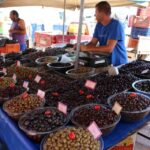
The olive oil tasting gets to the heart of Cretan cooking. You try organic extra virgin olive oil made from varieties of table olives. The experience presents Cretan olive oil as a daily food, not merely a bottle to take home as a souvenir.
Olive oil can taste very different depending on the olive variety, harvest, and handling. You may notice peppery, grassy, fruity, or mild notes, though the guide will provide the context for what is being served. The important lesson is how central the oil is to Cretan meals and how much flavor it can bring to otherwise simple foods.
Cheese follows with several styles on offer: goat and sheep cheeses, Gruyere, Parmesan, soft cheese, and natural yogurt with honey. This is a good chance to compare texture and intensity. A firm aged cheese gives you something very different from a soft cheese or cool yogurt.
The mix also shows that Cretan food is not frozen in the past. Traditional goat and sheep cheeses appear alongside familiar European styles such as Gruyere and Parmesan. That combination reflects the modern side of the local diet, which is one of the stated aims of the tour.
Natural yogurt with honey provides a gentler tasting after the stronger cheeses. Fresh fruit may also be included, giving you a clean, simple contrast. Since this is a tasting walk rather than a sit-down lunch, portions are meant to let you sample several foods instead of filling up on one.
You can also read our reviews of more city tours in Crete
Dakos, Souvlaki, Wine, and Raki
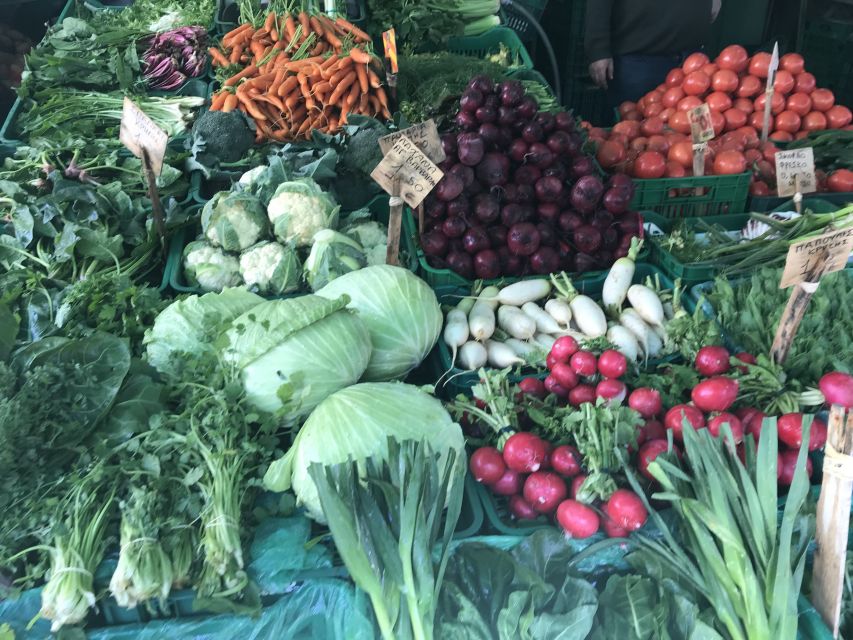
The savory part of the walk brings you closer to the food many people picture when they think of Greece. Dakos is a Cretan specialty built around a crisp barley rusk with toppings, often including tomato, cheese, and olive oil. Its texture is firm, and it makes good use of the island’s basic ingredients.
Souvlaki adds a more familiar street-food note. Tasting it during a walking tour helps you connect the historic center with modern eating habits. You are not only learning about traditional recipes, but also seeing how quick, casual food fits into city life.
Wine and raki complete the tasting list. Raki is a strong local spirit, so treat it as a small taste rather than something to drink quickly. Wine offers a softer way to sample Cretan drinking culture, but alcohol is still part of the experience. If you do not drink, the tour also includes a traditional herbal drink and local refreshments.
The food list is long for two hours. You should think of the 12 tastings as a series of small introductions rather than 12 full servings. That is good news if you want variety, but it means you should not expect a relaxed, multi-course lunch with long pauses between dishes.
Heraklion’s Sights Between the Bites
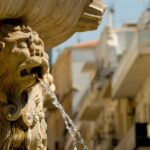
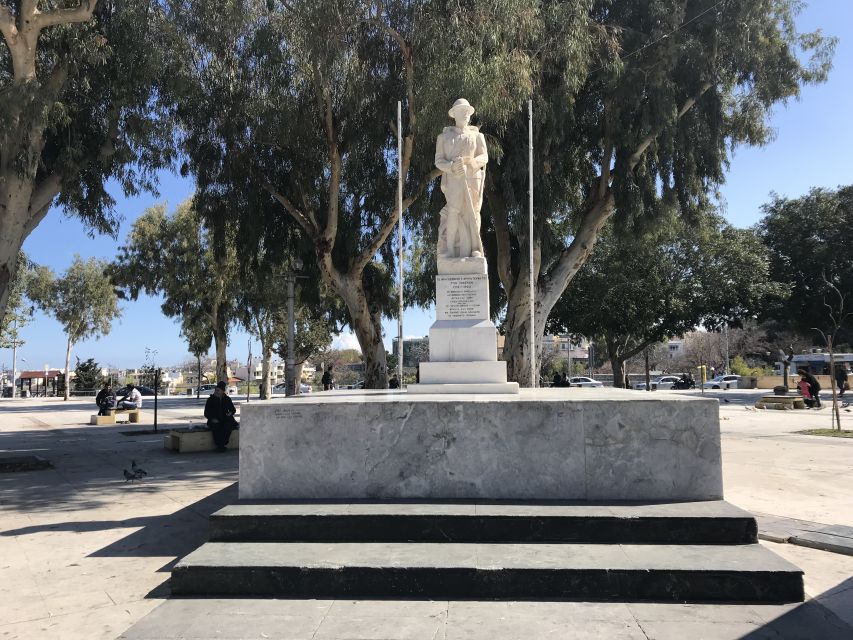
The walking route includes several of central Heraklion’s main points of interest. Lions Square gives you a natural sense of the city’s center and its public life. Saint Titos Cathedral adds an important religious and historical stop, while Agios Minas Cathedral shows another side of Heraklion’s church architecture.
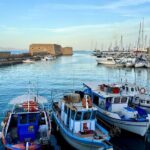
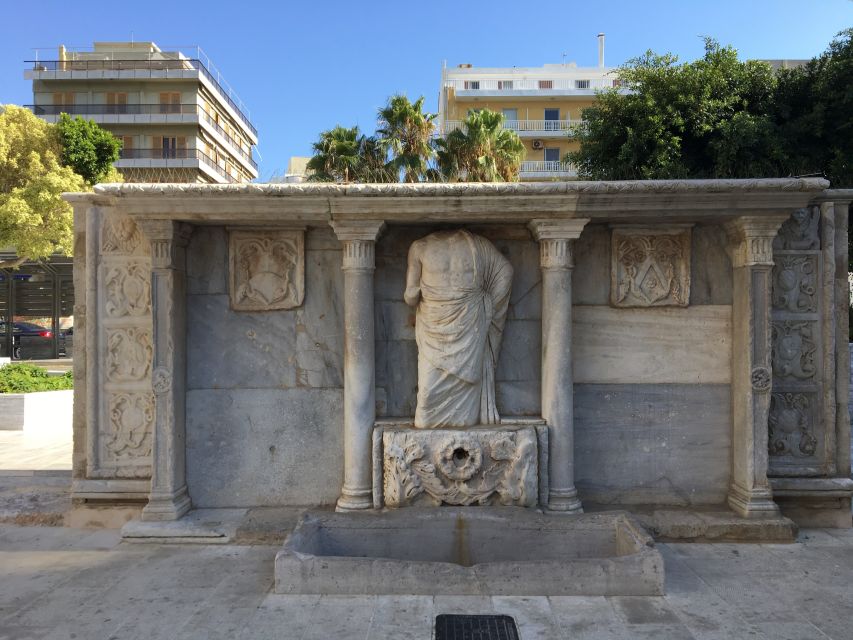
The Venetian Walls remind you that Heraklion was once a heavily defended port city. You may not spend long at each monument, since food remains the main focus, but the guide helps place them within the city’s story.
This balance is useful if you have only a short time in Heraklion. You get an orientation walk and a food introduction at the same time. I would not use this tour as your only visit to the Archaeological Museum or as a replacement for a dedicated monument tour. It is better as a first look, especially on your first day, before exploring the city on your own.
The route stays in the city center, so you should expect an urban walking experience rather than countryside views or a visit to an olive farm. That is a benefit if you are staying in Heraklion and want to avoid arranging transport. It is also a limitation if your main goal is to see rural Crete.
What the Two-Hour Schedule Really Means
Two hours is a compact format. You move between food stops, hear explanations, taste several items, and see major landmarks without giving any single stop a long, leisurely treatment.
That makes the tour easy to fit into a busy day. You can schedule it around a museum visit, ferry plans, or an evening meal. Because it begins and ends at the Capsis Astoria Hotel, the logistics are straightforward.
The tradeoff is that you need to stay with the group and keep an eye on the clock. Food tastings can invite long conversations, but the next stop and the walking route are waiting. If you prefer slow meals, independent browsing, or long photo stops, you may find the pace brisk.
The guide makes a big difference in a format like this. Heraklia was praised for being warm, engaging, and well informed, with one participant describing the experience as similar to walking around with a smart friend. That is the kind of guide you want here: someone who can explain a food, point out a monument, and answer a question without turning the walk into a lecture.
Is $119 a Fair Price?
At $119 per person, this is not a cheap snack crawl. The price makes more sense if you value the private format, the guide’s attention, the number of tastings, and the combination of food with city sightseeing.
You are paying for more than the cost of the ingredients. The experience gives you a structured introduction to Cretan food, an English-speaking guide, access to three selected food stops, and a short orientation to central Heraklion. If you tried to buy every item separately, you would still miss the explanation and the connection between food and place.
The value is strongest for first-time visitors, couples, families, and small private groups who want an organized introduction without committing to a full-day excursion. It is weaker for you if you already know Cretan food well, prefer to choose your own restaurants, or are mainly seeking a large lunch.
Personal expenses are not included, so bring money if you plan to shop after the tastings. Gratuities are optional. The experience offers free cancellation up to 24 hours ahead and reserve-now, pay-later booking, which gives you some flexibility when setting up a Crete schedule.
Who Will Enjoy This Walk Most?
I would choose this tour if you want food to guide your first look at Heraklion. It suits you especially well if you enjoy trying many small portions, asking questions, and learning how local people eat.
It is also a good fit for a short stay. In two hours, you can see important central landmarks, taste a broad selection of food, and leave with a better idea of what to order later. The private format is useful for families and friends who want a more personal experience than a large group tour.
You should think twice if you have limited mobility. The activity is not suitable for wheelchair users or people with mobility impairments, and the tour involves walking and standing. It is also not a good match if you dislike strong spirits, cheese, pastries, or varied textures, although local refreshments and a non-alcoholic herbal drink are included.
Most of all, bring your appetite. The clearest practical advice is to skip breakfast or eat very lightly beforehand. Arrive in comfortable shoes, leave your large bag behind, and give yourself enough time to reach the hotel entrance.
Should You Book Tastings of Heraklion?
Book this walk if you want a food-first introduction to central Heraklion rather than a formal museum tour or a countryside food excursion. The three food stops give you a useful range, and the route connects what you taste with the city’s churches, square, walls, and everyday shops.
I would book it early in your Heraklion stay, then use what you learn to guide later meals and market stops. The price is reasonable for a private two-hour experience with this many tastings, but only if you value the guide and the context as much as the food itself.
Skip it if you want a slow lunch, need step-free access, or already have a detailed food plan. For everyone else, this is a smart way to get your bearings through coffee, pastries, olive oil, cheese, and a small glass of Crete’s famous raki.
FAQ
Where does the Heraklion food tour begin?
It begins at the front door of the Capsis Astoria Hotel on Eleftherias Square, the main square of Heraklion, near the Archaeological Museum.
Where does the tour end?
The activity ends back at the meeting point at the Capsis Astoria Hotel.
How long does the tour last?
The walking and tasting experience lasts two hours. Starting times depend on availability.
What food and drinks are included?
The tastings include bougatsa, Greek coffee, local refreshments, kalitsounia, fresh fruit, several types of cheese, olives, dakos, a traditional non-alcoholic herbal drink, souvlaki, raki, and wine.
Is the tour offered in English?
Yes. The tour includes a live English-speaking guide.
Is the tour suitable for wheelchair users?
No. The activity is not suitable for wheelchair users or people with mobility impairments. Large bags and luggage are also not allowed.