REVIEW · ATHENS
The Acropolis Treasure Hunt: Licensed Guide + Interactive Puzzles
Book on Viator →Operated by Acropolis Treasure Hunt · Bookable on Viator
The Acropolis becomes a game. This licensed treasure hunt turns the site and its surroundings into a hands-on puzzle walk led by Charis, with an iPad and a mystery backpack to guide you. I like that it teaches without lecturing, and I really like how it keeps kids engaged while still giving adults real context. One thing to consider: puzzle hints can arrive early, so older kids who like to struggle might prefer a slower pace.
You get a focused route around the base of the hill, not just a quick look at famous stones. I also like the practical way the experience is paced for families, including attention to heat and breaks, which matters when Athens runs warm. A possible drawback is that the route is outdoors, so you’ll want to plan for sun, shoes, and stamina.
Key Points to Know Before You Go
- Licensed guide with interactive gameplay built into the walk
- Mystery backpack + iPad makes the clues easy to follow
- 2.5 km walking loop through major sights around the Acropolis
- Myth and history riddles tied to real carvings and symbols
- Family-friendly team play that works for different ages
In This Review
- Treasure-Hunt Style Acropolis Learning With Charis
- Meeting Point, Start Time, and What You Actually Get
- How the Game Walk Works on the Ground (Not Just in Your Head)
- Stop-by-Stop: Acropolis Views, Odeon Sounds, and Agora Secrets
- Stop 1: Acropolis
- Stop 2: Herod Atticus Odeon
- Stop 3: Prison of Socrates
- Stop 4: Ancient Agora of Athens
- Stop 5: Roman Agora
- Value and Pricing: Why $60.34 Can Make Sense
- Who This Tour Fits Best (And Who Might Pass)
- Practical Tips to Make It Easier on Your Feet and Heads
- Should You Book the Acropolis Treasure Hunt?
- FAQ
- What language is the tour offered in?
- How long is the Acropolis Treasure Hunt?
- Where do we meet, and what time does it start?
- Do we get any game materials at the start?
- How far will we walk?
- Is this a private tour or a group tour?
- What stops does the route include?
- What happens if the weather is bad?
- Is it easy enough for most travelers?
Treasure-Hunt Style Acropolis Learning With Charis

This is not a standard guided walk where you mostly watch and read. You’re active from the first minute: you collect clues, interpret symbols, solve riddles, and use props that turn the ruins into a puzzle board you can touch. The goal is simple: help you see the Acropolis area with fresh eyes, even if you’ve been to museums before.
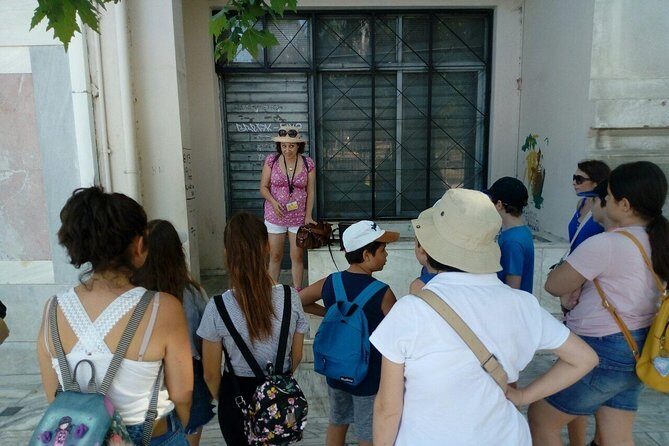
Charis is the heart of it. The best part is the balance: she can make a kid want to participate and still explain what you’re looking at in a way adults will respect. That matters at the Acropolis, where it’s easy to get overwhelmed by scale and information.
For a drawback, keep your expectations realistic. This is a game-driven format, so it won’t replace a long, sit-and-stare deep tour. If you want hours of uninterrupted explanation, you might find the pacing shifts to keep the puzzles moving.
Meeting Point, Start Time, and What You Actually Get
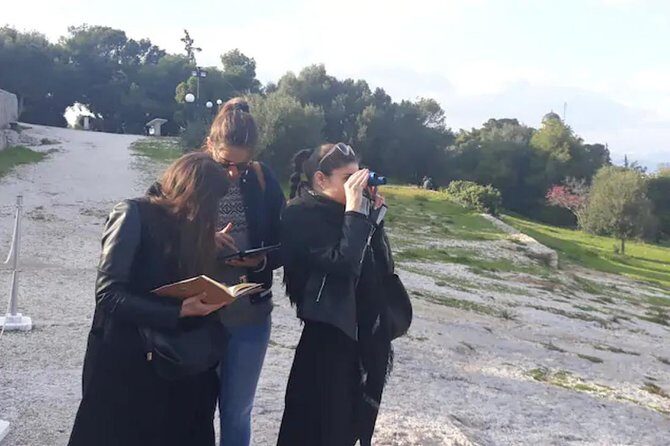
You meet at Makrigianni 10, Athina 117 42, Greece, starting at 10:00 am. The route ties in with the Acropolis Metro area, and Charis hands you your game materials when you arrive.
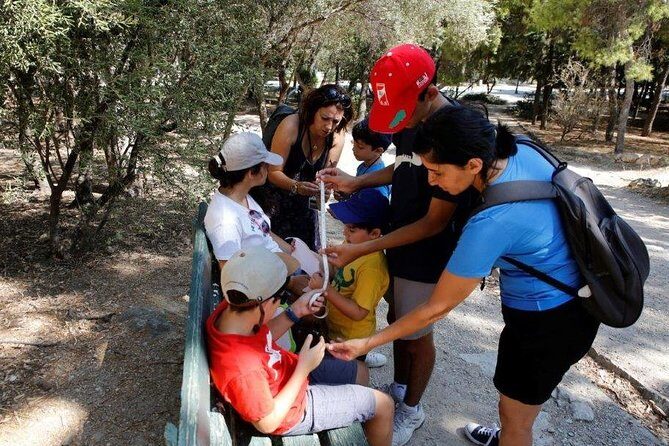
At the start, you receive a mystery backpack filled with clues and props, plus an iPad loaded with the interactive activity. The setup is designed to help everyone jump in quickly, including children, without needing tech skills.
You’ll also want to factor in that this experience is private for your group. That’s a win for families who don’t want to feel like they’re dodging other tour groups, and it’s a win for friend groups and teams that want the interaction to stay focused.
You can also read our reviews of more guided tours in Athens



How the Game Walk Works on the Ground (Not Just in Your Head)
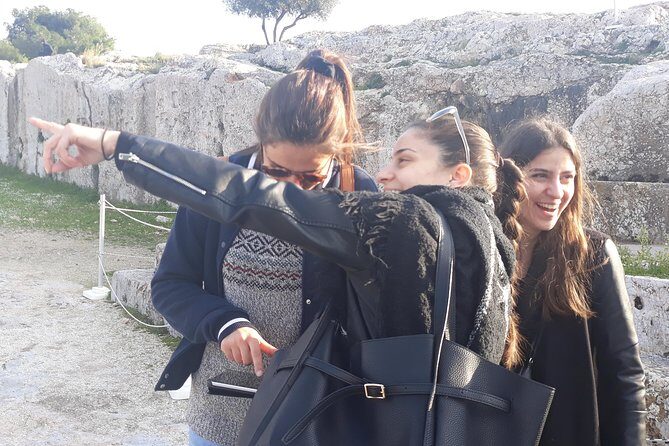
Think of this as an outdoor escape-room feel, but grounded in the actual stones around Athens. You’ll use the iPad to follow tasks, then answer questions using what you see in front of you: carvings, symbols, statues, fragments, and architectural details that you could easily miss while simply sightseeing.
The clues are inspired by Greek myths and history, so the learning comes as you solve, not after you finish. You’ll decode details on monuments that are roughly 2,400 years old, and that age can start to feel real when you’re comparing fragments and matching symbols to a story.
Distance-wise, the walk is about 2.5 km through pedestrian streets around the Acropolis Hill. You’ll be walking more than you would on a strict museum-style tour, but it’s not a marathon. The pacing is built around puzzle checkpoints, which often helps you pause at exactly the right moments.
Stop-by-Stop: Acropolis Views, Odeon Sounds, and Agora Secrets
The stops create a strong arc: big landmark moments first, then the civic and storytelling spaces around the hill. Each location becomes a clue station, so you’re not just passing through.
Stop 1: Acropolis
This is your anchor stop and your orientation point. Here, you’ll focus on what makes the Acropolis special visually and symbolically, using the game tools to look at carvings and marks like a detective would.
What makes this effective is that you don’t rely on signage alone. Instead, you’re asked to notice specific details and connect them to what you’re learning. That’s how the Acropolis stops being a blur of Parthenon photos and starts becoming a place with readable layers.
A consideration: because it’s a puzzle stop, you may spend slightly less time purely observing than you would on a photo-first plan. If you’re traveling with someone who only wants Instagram-style views, this might require some compromise.
Stop 2: Herod Atticus Odeon
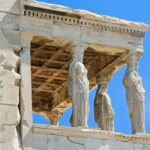
Next comes Herod Atticus Odeon, which is a reminder that this hill wasn’t only sacred—it was also cultural and performance-minded. In the game, the odeon works as a clue station, pushing you to observe architectural rhythm and details that connect to its purpose.
For families, it helps because it’s a change of pace. Instead of another stretch of ruins, you get a distinct structure with a clear “what was this for?” feel. That also makes the myth/history themes easier to hold in your head while solving.
If you’re visiting in heat, this is also a good place to notice where shade exists before you commit to long stretches. The tour is designed to keep you moving, but you’ll still benefit from smart sun timing.

Stop 3: Prison of Socrates
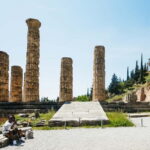
The game then guides you to the Prison of Socrates. This stop is especially good for turning abstract ideas into something you can point to. The clues here encourage you to connect story and place, which is a great mental trick when kids are losing focus.
What I like about this type of stop is that it meets you where you are. Even if you don’t come in with heavy background knowledge, the puzzle structure helps you learn step-by-step, and you’re not left alone with a placard that assumes you already know the reference.
A drawback to keep in mind: the themes can be playful, so if your group wants purely archaeological detail, you might find some portions more story-driven than academic.
Stop 4: Ancient Agora of Athens
Now you shift from iconic monuments to the spaces where people actually lived their public lives. The Ancient Agora of Athens is where the experience feels more “daily life” than “only monuments,” and the game tasks keep it from becoming a lecture about civics.
In practice, this stop helps you understand how the Acropolis area worked as part of a larger city, not just a hill with famous buildings. You’ll be looking for symbols and details as you solve, which tends to create stronger memory than simply walking past.
For kids and teenagers, the Agora portion often keeps momentum because it adds variety. It’s not the same view angle over and over, and the puzzle checkpoints reset attention.
Stop 5: Roman Agora
The Roman Agora brings the final layer, reminding you that Athens kept changing long after the classical era. In the treasure hunt format, this stop becomes an endgame checkpoint: you’re piecing together clues and looking for the “how does this connect?” feeling that ties the whole route together.
This last stop is also a good emotional payoff. After decoding symbols and answering riddles across multiple sites, you end with a clearer sense of the site’s time depth instead of a single-era snapshot.
If you’re sensitive to walking time, this final stretch can feel longer because you’re still actively hunting clues. The fix is simple: wear comfortable shoes and bring water.
Value and Pricing: Why $60.34 Can Make Sense
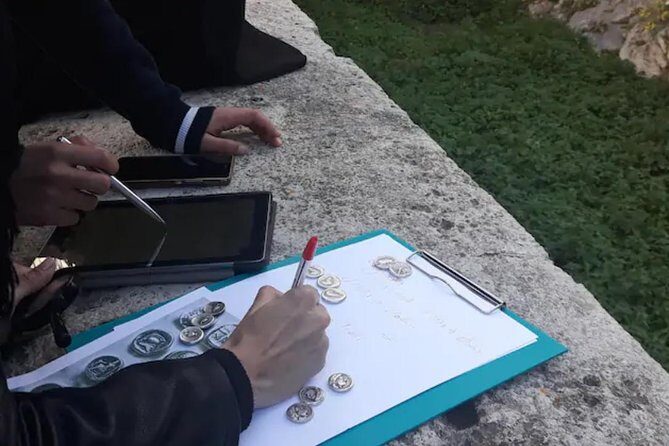
At $60.34 per person, you’re paying for more than a normal guide walk. You’re getting a licensed guide, plus game hardware and props (including an iPad and a mystery backpack), plus an activity structure that pushes you to interact rather than just observe.
This price can feel very fair if your travel style includes keeping kids engaged or if you’re traveling with people who get bored with repetitive sightseeing. It’s also a strong value when you want a guided introduction to the Acropolis area without spending a whole day. The “team play” format means adults don’t have to babysit attention; the game does that work for you.
It can be less of a fit if you prefer silent visits, slow pacing, and long explanations. This experience is active, and the energy level is part of the product.
Who This Tour Fits Best (And Who Might Pass)
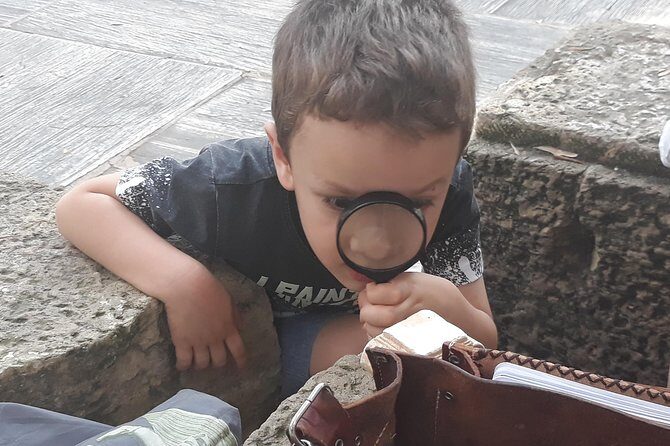
This is a great match for families. One reason is that the game format pulls even shy kids into the activity, with Charis adjusting how she involves different personalities. It also scales well across ages since the structure supports both family collaboration and small-team competition.
It’s also a good choice for couples and friend groups who want something beyond a photo tour. The puzzle element makes you move at a shared pace and talk about what you’re seeing, instead of doing the classic “we’ll meet back at the same spot” rhythm.
For corporate teams, the collaboration angle can work well because you’re solving as a group while learning in the real setting. Still, if your team prefers a quiet cultural walk, this might feel too game-like.
Practical Tips to Make It Easier on Your Feet and Heads
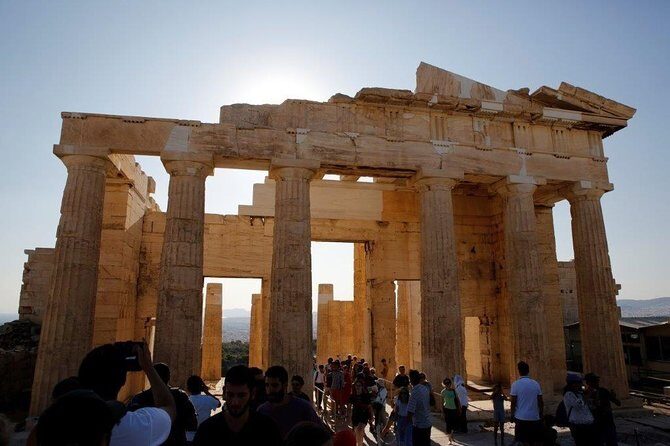
First, plan for sun and heat. There’s no way around the fact that Athens can run warm, and the tour is outdoors. In at least one experience, Charis actively helped by finding water refill opportunities and seeking shade when possible, which is the kind of practical care that makes the difference with kids.
Second, bring water and wear real walking shoes. You’ll cover about 2.5 km, and puzzle stops tend to slow you down in a good way, but your feet still do the work.
Third, decide how you want to play. If you like solving without help, tell your guide you want a little more time before hints. If you want a smooth, family-friendly pace, hints can keep younger kids from getting frustrated.
Finally, expect a follow-up. Charis shares a cool animated video that ties what you viewed to how it may have looked back in its heyday. It’s a smart way to lock in memories after you leave the stones behind.
Should You Book the Acropolis Treasure Hunt?
Book it if you want a family-friendly, interactive way to learn the Acropolis area without turning your day into a classroom. I’d also book it if your group has mixed ages or mixed interests, because the puzzle structure gives everyone a role.
Pass on it if your priority is a slow, narrative-heavy tour with lots of quiet observation time. This experience is designed to get you participating, and you’ll feel that in the pacing.
If you’re on a tight schedule in Athens and you want a guided introduction that actually holds attention, this is one of the easier “yes” decisions. You’ll leave with clearer connections between myths, history, and the places you saw, not just a pile of photos.
FAQ
What language is the tour offered in?
The experience is offered in English.
How long is the Acropolis Treasure Hunt?
It lasts about 2 hours (approx.), with the game-paced walking route running around that timeframe.
Where do we meet, and what time does it start?
You meet at Makrigianni 10, Athina 117 42, Greece. The start time listed is 10:00 am, and the activity ends back at the meeting point.
Do we get any game materials at the start?
Yes. You receive a mystery backpack filled with clues and props, and an iPad loaded with the interactive game.
How far will we walk?
The route includes about 2.5 km through pedestrian streets around the Acropolis Hill.
Is this a private tour or a group tour?
It’s private for your group, meaning only your group participates.
What stops does the route include?
The experience includes stops at the Acropolis, Herod Atticus Odeon, the Prison of Socrates, the Ancient Agora of Athens, and the Roman Agora.
What happens if the weather is bad?
This activity requires good weather. If it’s canceled due to poor weather, you’ll be offered a different date or a full refund.
Is it easy enough for most travelers?
Most travelers can participate, and it’s designed to be manageable for a range of ages and attention styles thanks to the game format and guided support.