REVIEW · THESSALONIKI
Thessaloniki Jewish Heritage: Private Guided Tour
Book on GetYourGuide →Operated by iGoHellas · Bookable on GetYourGuide
Thessaloniki’s Jewish story is unusually central to the city itself. For nearly 500 years, Salonica was known as Madre de Israel, home to Europe’s largest Sephardic Jewish community. This private tour follows that story from worship and daily life to the Holocaust and the community’s careful rebuilding.
I like the way the tour combines working religious sites with the Jewish Museum, rather than treating history as something found only behind glass. I also like the private format: guides such as Constantine, Maria, Lisa, Liza, and Evi have been praised for answering questions and adjusting the pace to the group.
The main drawback is cost. At $235 per person, this is a serious outlay, and attraction entrance fees are extra. You are paying for a private guide, transportation, and a focused subject, so it makes the most sense for families, small groups, and people with a personal connection to Thessaloniki.
In This Review
- Key points to know
- Why Thessaloniki’s Jewish story matters
- Monastirioton Synagogue, the tour’s central religious stop
- The Jewish Museum and the texture of daily life
- Yad Lezikaron Synagogue and a community rebuilt
- The Holocaust Memorial and more than 50,000 names
- Modiano Market and the old Jewish Quarter
- A private vehicle makes the schedule workable
- What the guides add to the experience
- Is $235 per person a fair price?
- Who should book this Thessaloniki tour?
- Should you book it?
- FAQ
- How long does the Thessaloniki Jewish heritage tour last?
- What sites are included in the route?
- Is hotel pickup and drop-off included?
- Is the tour private?
- Are attraction entrance fees included in the price?
- Which languages are available?
- What should I bring?
Key points to know
- The Monastirioton Synagogue is the tour’s key religious stop, with about an hour for its history, design, and place in Jewish Thessaloniki.
- The Jewish Museum gives essential context, including objects and documents about Jewish life before and after the Holocaust.
- The Holocaust Memorial lists more than 50,000 Thessaloniki Jews who were killed, making this a quiet but powerful stop.
- Yad Lezikaron Synagogue was opened in 1984 to honor Holocaust victims and show that Jewish life did not end in 1943.
- Modiano Market connects the past with present-day city life, since the market area once formed part of the Jewish Quarter.
- The private vehicle matters in a four-hour tour, especially when city traffic slows movement and you want to spend your time at the sites.
Why Thessaloniki’s Jewish story matters
Before World War II, Jewish life was not a small side chapter in Thessaloniki. It helped shape the city’s language, commerce, neighborhoods, food, worship, and public life. Sephardic Jews arrived in large numbers after their expulsion from Spain in 1492, and Thessaloniki became a major center of Jewish life for centuries.
The city’s old name, Salonica, appears often in accounts of this period. So does Madre de Israel, or Mother of Israel, a title that reflects the city’s importance to Sephardic Jews across the Mediterranean world.
That prominence makes the Holocaust story especially painful here. More than 50,000 Jews from Thessaloniki were killed. The tour does not treat this as an isolated event in European history. It shows how the destruction altered the identity of the whole city.
I find this local focus valuable. You are not simply learning dates and names. You are looking at the places where people worshiped, worked, shopped, raised families, and built a community that lasted for centuries.
You can also read our reviews of more guided tours in Thessaloniki


Monastirioton Synagogue, the tour’s central religious stop
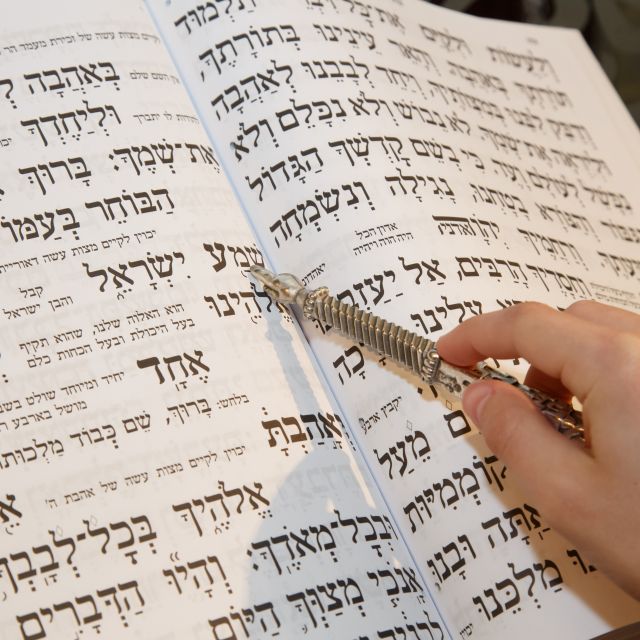
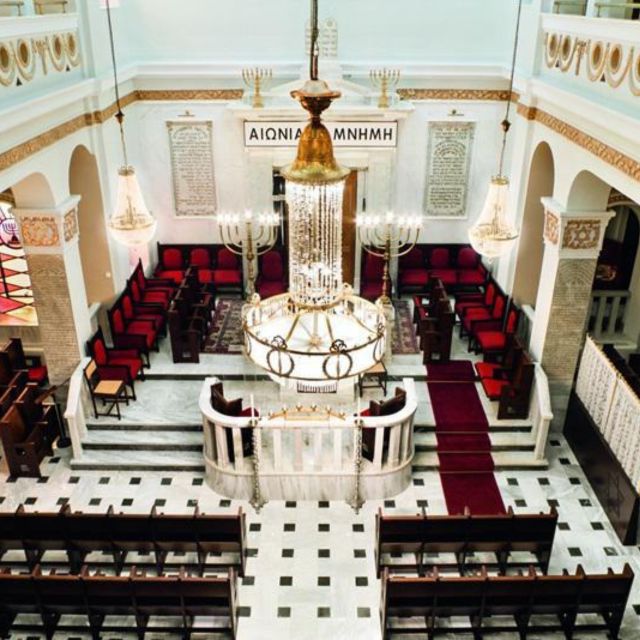
The tour begins with roughly an hour at Monastirioton Synagogue, one of Thessaloniki’s oldest and most important synagogues. This is the point where the history becomes physical. You can consider the building’s architecture, its role in Jewish worship, and the people who once lived and prayed in the surrounding area.
The synagogue is especially important because so much of Thessaloniki’s Jewish population disappeared during the Holocaust. A surviving place of worship carries two meanings at once: it connects you to the older community, and it reminds you how much was lost.
Your guide should help place the synagogue within the city’s wider story. Guides named Constantine, Maria, Lisa, Liza, and Evi have led this experience at different times, so the exact guide will vary. The strongest part of the format is the chance to ask personal questions instead of following a fixed speech meant for a large group.
Allow the full hour here. It would be easy to rush through the building, take a few photographs, and move on. That would miss the point. Ask about the synagogue’s history, its architecture, and the local Jewish population that once surrounded it.
The Jewish Museum and the texture of daily life
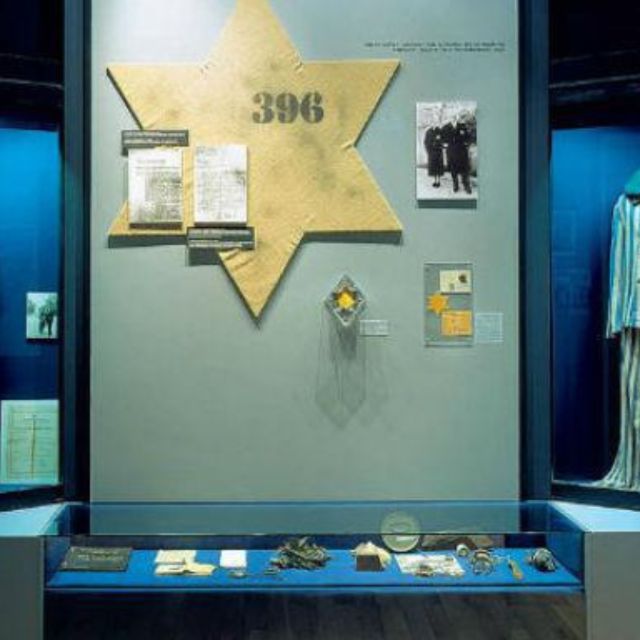
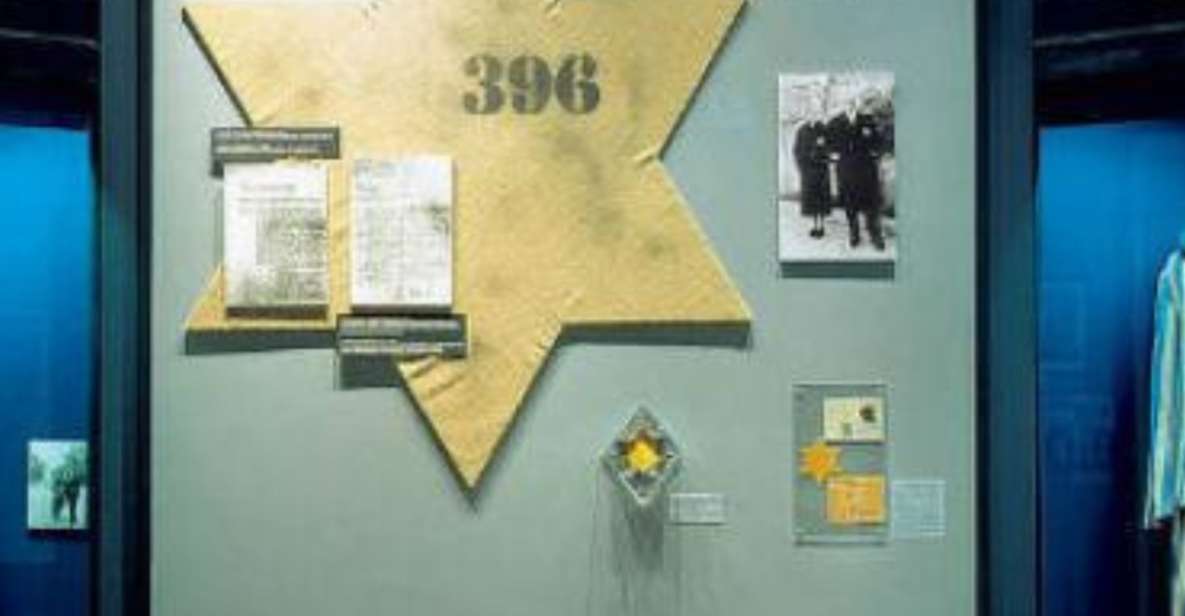
The Jewish Museum of Thessaloniki is scheduled for another hour. This is likely the most useful stop for building a clear picture of Jewish life in the city, since its collection includes artifacts and documents connected with the community.
A museum can sometimes turn history into a list of objects. Here, the guide’s role matters. Ask how the items relate to ordinary life, religious practice, work, family, and the changing political powers that ruled Thessaloniki over time.
One strong feature of this private visit is that you can set the level of detail. If your family has roots in Salonica, you may want to spend more time on names, neighborhoods, and community records. If you are new to the subject, ask your guide to explain the basic timeline before moving into the Holocaust period.
The museum also helps balance the tour’s darker sections. Jewish Thessaloniki was not defined only by its destruction. The artifacts and documents point to a long, active community with its own customs, institutions, and public presence.
A four-hour tour cannot cover every part of that story. Still, an hour here gives you a useful foundation before the memorial sites. I would pay close attention to the guide’s explanation of how the Holocaust affected the city’s Jewish population, since that context makes the later stops more meaningful.
Yad Lezikaron Synagogue and a community rebuilt
The visit to Yad Lezikaron Synagogue lasts about 25 minutes. Opened in 1984, it is dedicated to the memory of Holocaust victims.
This stop is shorter than the Monastirioton Synagogue and museum visits, but its meaning is different. Monastirioton connects you with the older community. Yad Lezikaron speaks to remembrance and survival after mass murder.
The two synagogues together create a useful contrast. You see the depth of Jewish life in Thessaloniki before the war, then the effort to preserve memory and continue religious life afterward. That continuing presence matters. The story is not only about an ending.
Your guide can also help explain the relationship between memory and the present Jewish community. The information provided for this tour emphasizes survivors returning to their homeland, rebuilding the community, and teaching future generations to resist hatred and bigotry.
Because the visit is brief, come ready with questions. A private guide can explain what you are seeing and connect this synagogue with the museum and memorial. Without that explanation, 25 minutes may feel short.
The Holocaust Memorial and more than 50,000 names
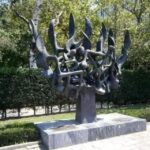
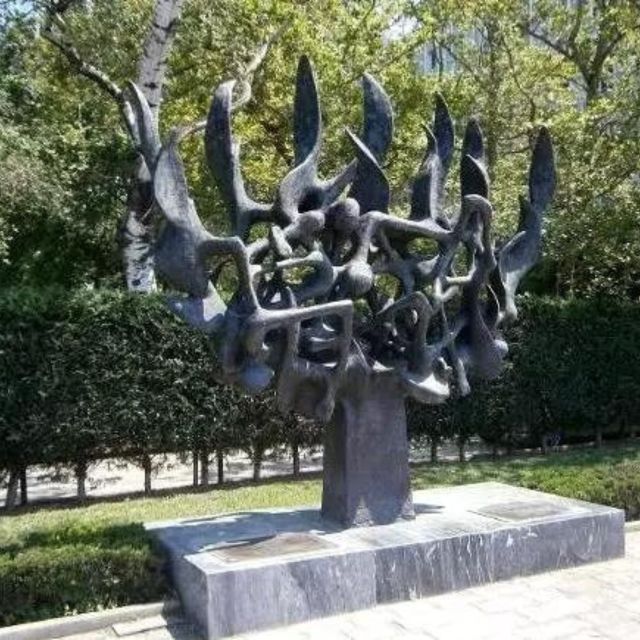
The Holocaust Memorial receives about 20 minutes. It features the names of more than 50,000 Jews from Thessaloniki who perished in the Holocaust.
This is a stop for reflection rather than a long talk. The number is difficult to grasp as an abstract figure. A memorial linked to actual names gives the loss a human scale, even when you cannot read every name during a short visit.
I would expect the guide to provide the historical frame, then give you time to look and think. The tour’s Holocaust focus is direct and serious, but it is not presented as the whole story of Thessaloniki. The memorial follows the museum and the synagogues, so you first learn about a living community before confronting its destruction.
That order is important. It keeps the people of Thessaloniki from becoming only victims in the story. You first see their institutions, culture, and public life. Then you face what happened to them.
If you are traveling with children or younger family members, this is a good point to decide how much detail is right for them. The tour deals openly with mass murder, and the memorial’s purpose is remembrance.
You can also read our reviews of more private tours in Thessaloniki




Modiano Market and the old Jewish Quarter
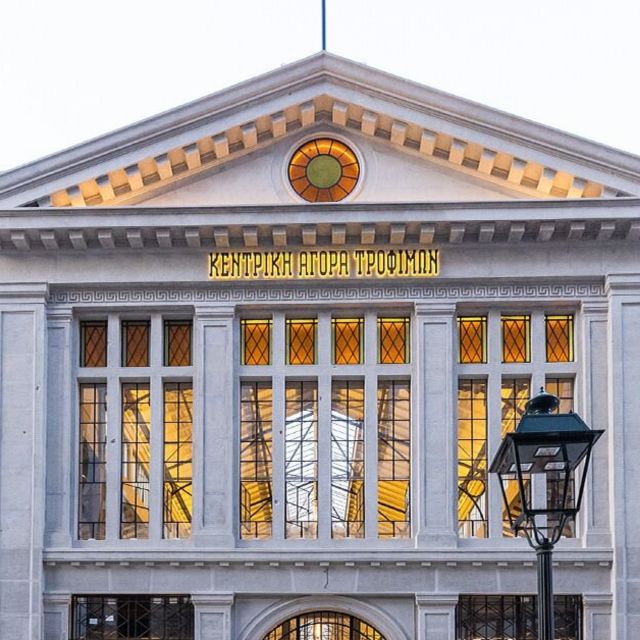
The final major stop is Agora Modiano, with about 30 minutes for shopping and sightseeing. The market was once at the center of Thessaloniki’s Jewish Quarter, so this stop brings the tour back into ordinary city life.
You will not be looking at a preserved Jewish neighborhood in the sense of a complete historic district. Instead, you are walking through an active part of Thessaloniki whose past is easy to overlook without a guide.
That is what makes Modiano useful. Markets tell you something about how a city functions, and this one helps connect Jewish history with commerce and neighborhood life. After several solemn stops, the market also changes the mood. You can see how the city continues to eat, shop, and gather in places linked to an older community.
Thirty minutes is enough for a short walk and some browsing, but not a long shopping session. Keep the time limit in mind. If you want a leisurely meal or a full market visit, plan to return on your own.
The narrow streets and alleys of the former Jewish Quarter add another layer. Your guide can point out how the area once supported a large and active population. Without local context, you might simply see central Thessaloniki streets. With it, the city’s past becomes easier to picture.
A private vehicle makes the schedule workable
The tour lasts four hours and includes pickup and drop-off in Thessaloniki. A private vehicle is used, and previous arrangements have included a clean, comfortable minivan with a driver.
That transport is more than a small convenience. You have five main stops, plus movement through central Thessaloniki. City traffic can be slow, as one delayed group discovered, so a private driver and guide can help adjust the order or pace when needed.
The private format also means you are not waiting for a large group at every corner. If you have a family connection to Thessaloniki, you can ask to spend more time on subjects that matter to you. If you arrive tired or hungry, the guide may be able to adapt, as Evi did for one group that arrived late after a difficult travel day.
Still, flexibility has limits. The tour covers a lot in four hours. The synagogue and museum each receive about an hour, while Yad Lezikaron, the memorial, and Modiano Market are shorter visits. You should think of this as a focused introduction, not an exhaustive study of every Jewish site in the city.
The guide speaks English, and the experience is for a private group. Bring a passport or ID card. Attraction entrance fees are not included and can be bought on the spot, so keep extra money available.
What the guides add to the experience
The guide is the main reason to choose this tour instead of visiting the sites independently. Thessaloniki’s Jewish history includes several periods of rule, shifting populations, religious institutions, and a devastating wartime break. A map and museum labels cannot easily tie all of that together in four hours.
The guides connected with this experience have included Constantine, Dimitres, Maria, Lisa, Liza, and Evi. Their approach may vary, but the service is designed around a private English-speaking guide who can respond to your questions.
Constantine has been singled out for his broad understanding of both Jewish Thessaloniki and the city’s wider past. Maria is known for organizing the route around what the group wanted to see, while Evi showed flexibility when traffic caused a late arrival.
That matters if your interest is personal. A traveler whose grandparents came from Thessaloniki will want a different conversation from someone discovering Sephardic history for the first time. Tell the guide what brought you here, then use the private setting to ask direct questions.
A good guide should also help you avoid a narrow reading of the city. Jewish history is tied to Thessaloniki’s many ruling empires and populations, so the wider city story is part of the value.
Is $235 per person a fair price?
At $235 per person, this is not a bargain-priced sightseeing tour. The price needs to be judged against what you receive: four hours, a private English-speaking licensed guide, hotel pickup and drop-off, and private transportation.
For one person or a couple, the cost may feel high, especially because entrance fees are separate. For a family or small group, the private arrangement can make better financial sense because the price buys a tailored experience rather than a seat on a standard group bus.
The value is strongest if you care about Jewish history, have family roots in Thessaloniki, or want a guide who can connect the sites into one clear story. It is weaker if you mainly want general sightseeing or only have a passing interest in the subject.
I would also consider the time saved. Reaching several locations, managing traffic, and arranging entry on your own can take effort. The tour gathers the major Jewish heritage stops into one morning or afternoon, then returns you to Thessaloniki.
Free cancellation up to 24 hours before departure and the option to reserve now and pay later reduce the financial risk of booking. They do not change the basic fact that this is a premium private tour.
Who should book this Thessaloniki tour?
I would recommend it most strongly to:
- People tracing family roots in Thessaloniki or Salonica
- Visitors with a serious interest in Sephardic Jewish history
- Families who want a private guide and a flexible pace
- First-time visitors who want Jewish heritage placed within the wider city story
- Small groups that can share the cost of private transport and guiding
You should think twice if you want a relaxed market morning, extensive museum time, or a tour focused on architecture alone. The schedule is full, and the Holocaust section is emotionally heavy.
The four-hour length works well for a first look. You visit the main religious, museum, memorial, and neighborhood sites, then return with enough orientation to explore more on your own.
Should you book it?
Book this tour if Thessaloniki’s Jewish past is one of your main reasons for visiting, or if a family connection gives the subject personal weight. The route is well chosen, the private guide format lets you ask real questions, and the combination of synagogues, museum exhibits, memorial space, and the former Jewish Quarter gives you more than a single museum visit.
The $235 price is easier to justify for a group than for a solo visitor. You will also need to budget separately for entrance fees and accept a fairly quick pace at the shorter stops.
For the right visitor, this is a thoughtful and efficient way to understand how Jewish life shaped Thessaloniki, how the Holocaust nearly destroyed that community, and how remembrance continues today.
FAQ
How long does the Thessaloniki Jewish heritage tour last?
The tour lasts four hours, including the visits and transportation around Thessaloniki.
What sites are included in the route?
The route includes Monastirioton Synagogue, the Jewish Museum of Thessaloniki, Yad Lezikaron Synagogue, the Holocaust Memorial, and Agora Modiano, along with the old Jewish Quarter area.
Is hotel pickup and drop-off included?
Yes. Pickup and drop-off in Thessaloniki are included.
Is the tour private?
Yes. This is a private group experience with an official licensed English-speaking guide.
Are attraction entrance fees included in the price?
No. Entrance fees are not included, but they can be purchased at the attractions.
Which languages are available?
The tour is provided in English.
What should I bring?
Bring a passport or ID card.