REVIEW · ATHENS
3-Day Classical Greece Tour: Epidaurus, Mycenae, Nafplion, Olympia, Delphi
Book on Viator →Operated by CHAT Tours · Bookable on Viator
Ancient Greece in three packed days. I like how this route lines up Epidaurus with UNESCO-listed Olympia and the oracle at Delphi, all behind one smooth air-conditioned coach schedule. It is built for people who want the big names of the Peloponnese and central Greece without the stress of driving.
I especially like two things: included entrance tickets at Epidaurus, Mycenae, Olympia, and Delphi, and the fact that you do not have to plan every meal from scratch. You get 2 dinners and 2 breakfasts, plus two nights of hotel stay in either Amalia (First Class) or Illis (Tourist Class).
The one trade-off is time. Coach days can feel long, and the stops are structured, so you will want to move at a tourist pace and keep your expectations realistic. If you want slow, wander-all-day exploring, this style of trip may feel a bit rushed.
In This Review
- Key things to know before you go
- The value behind a $520.23, 3-day coach plan from Athens
- Epidaurus Ancient Theatre: why the setting feels almost scientific
- Mycenae and the Tomb of Agamemnon: royal power in stone and dust
- Epidaurus Archaeological Museum: the small stop that saves you later
- The Corinth Canal quick hit: brief, scenic, and easy
- Olympia Museum and the UNESCO site: how to see it without missing the point
- Delphi Archaeological Museum and the Ancient Town: where symbols turn into geography
- Hotels and included meals: Amalia vs Illis and the real-world difference
- Coach comfort on long days: how to make the bus part work
- Booking details that matter once you are packing
- Who this tour suits best
- Picking the right departure mindset (and getting better photos)
- The guide factor: names that show what kind of experience you may get
- Should you book this 3-day Classical Greece Tour?
Key things to know before you go
- Epidaurus, Olympia, and Delphi all make the short list of Greece archaeology for a reason
- UNESCO Olympia is visited on-site, not just from a photo stop
- Tickets are handled for you at Mycenae, Epidaurus, Olympia, and Delphi
- Your hotel standard is your choice (Amalia First Class or Illis Tourist Class)
- Plan for early departures and traffic since the tour leaves at 8:30 and returns around 19:00 depending on conditions
The value behind a $520.23, 3-day coach plan from Athens
At about $520.23 per person, this is not a bargain if you only count transportation. But when you add the big pieces, the math starts to make sense: you are paying for a professional guide, air-conditioned coach transport, hotel for two nights, 2 breakfasts, 2 dinners, and entrance tickets to four major archaeological stops.
You are also buying back mental energy. Instead of figuring out where to park, which ticket line moves fastest, and how to fit museum time between long drives, the tour keeps the day moving with a set structure. That matters on this route because the sites are far enough apart that you really do need the coach.
There is one more value angle that people sometimes miss: you get context. At Epidaurus, Olympia, and Delphi, the ruins and exhibits can feel like stones unless someone explains what you are looking at. A good guide turns the trip from sightseeing into a real story you can follow while you walk.
A few more Athens tours and experiences worth a look


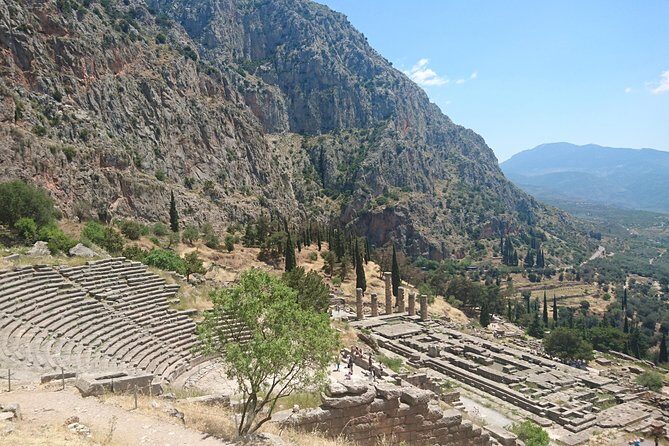
Epidaurus Ancient Theatre: why the setting feels almost scientific
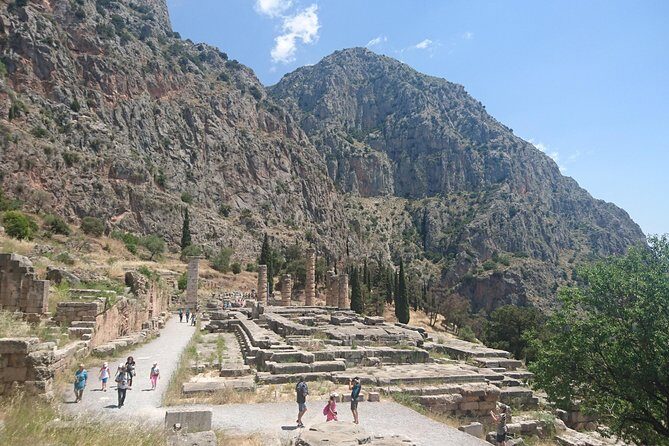
Epidaurus is one of those places where the location does half the job. You arrive at the Ancient Theatre, and it is not just scenic. The site is special because it is famous for how it was designed, and once you stand in the right spaces, you start understanding why the ancients built it this way.
What I like about putting Epidaurus early in the tour is pacing. You get a major “wow” before the driving days stack up. And the timing allows you to take in both the theatre and the surrounding area without feeling like you are only rushing through.
A practical tip: the theatre area can be hot and dry in summer. Even if the group keeps walking time reasonable, bring sun protection and water. You will also want shoes with grip since you are walking on uneven ancient surfaces.
Mycenae and the Tomb of Agamemnon: royal power in stone and dust
Day 1 then shifts gears to Mycenae, where the ruins feel built for authority. This is where you connect the dots between myth and the kind of political power that left a mark on the landscape.
In the time you get there, the most useful approach is to focus on structure: walls, positions, and the way the palace spaces relate to tombs and ceremonial areas. You are not there for a long, slow museum-style day. You are there to grasp the overall layout, then let the guide fill in why that matters.
If you like archaeology that feels grounded—what societies built, where they placed power, and how their stories got packaged into monuments—you will enjoy Mycenae. It is not the biggest site on the trip, but it is a strong anchor.
Epidaurus Archaeological Museum: the small stop that saves you later
After the theatre, the tour adds Epidaurus Archaeological Museum, a small museum stop. This is not filler. Museums at archaeology sites help you do two useful things fast:
- identify what you are looking at in the ruins
- connect objects to the myth and daily life the guide is explaining
Even with a short visit, you leave with a clearer mental map. That makes the rest of the trip easier because you start seeing patterns: how cultures used art, ritual spaces, and storytelling.
If you are the kind of traveler who likes labels and object descriptions, this is a good moment to slow down for 10 to 15 minutes and read what you can.
The Corinth Canal quick hit: brief, scenic, and easy
Between major sites, the tour includes a stop at the Corinth Canal. It is short, and you should treat it like a reset rather than a full experience.
Why it helps: after long stretches of guided walking, you get a place to breathe, take photos, and enjoy the change in scenery. This is the kind of stop that works best if you keep it simple: look, frame a couple of shots, and move on when the group is ready.


Olympia Museum and the UNESCO site: how to see it without missing the point
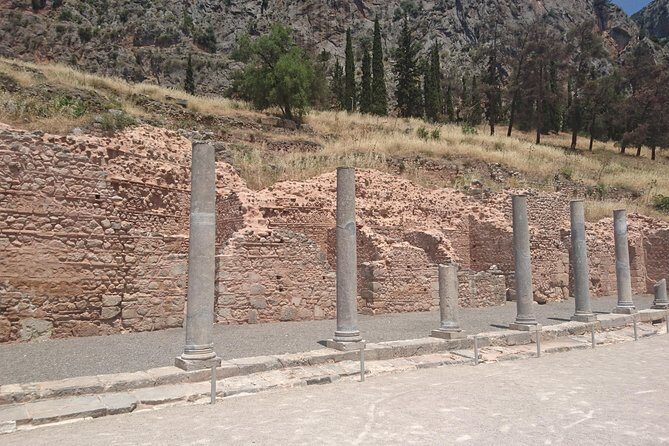
Olympia is the trip’s big UNESCO moment. The order matters too: you first visit the Archaeological Museum of Olympia, then you go to the Archaeological Site of Olympia.
The museum is your setup. It helps you understand what made Olympia special for the ancient Olympic games idea, not just the stadium visuals. Once you have that context, the on-site visit becomes more meaningful because you can connect artifacts, exhibits, and the physical layout.
On the ground, you get a feel for scale and intention. Even if you have read about the games before, seeing the site with a guide helps you spot why certain areas mattered.
Practical note: Olympia involves real walking. If mobility is a concern, it is still often workable because the pace is guided, but you will be on your feet more than on a pure city tour. Plan for sun, bring water, and consider light layers.
Delphi Archaeological Museum and the Ancient Town: where symbols turn into geography
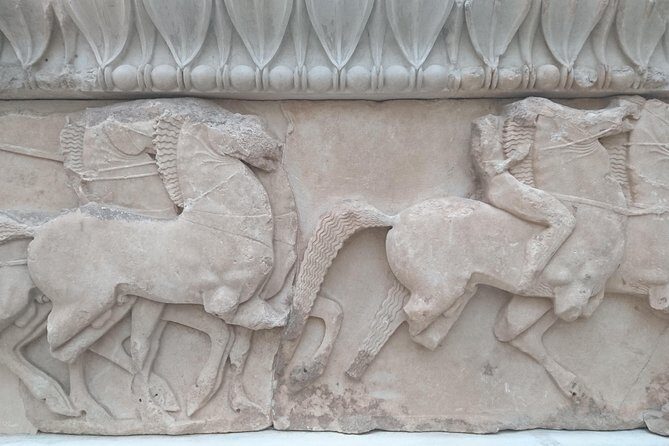
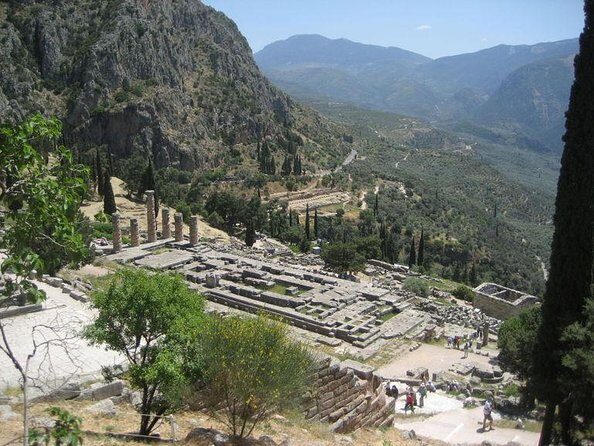
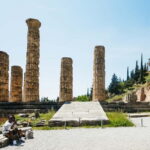
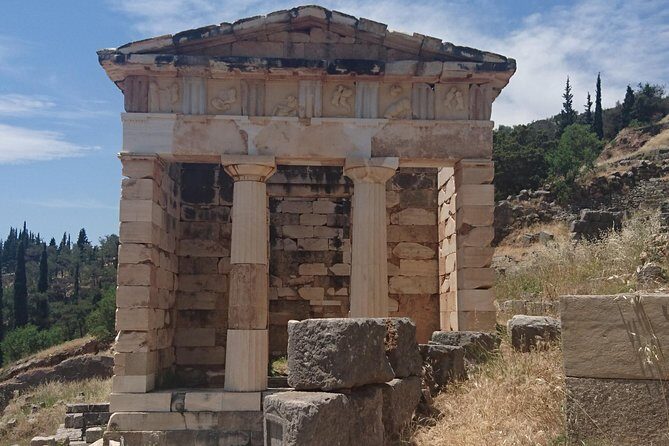
Delphi is where myth meets geography in a way that feels personal. The trip includes the Delphi Archaeological Museum and then Delphi Ancient Town, including the major monuments you can see as you move through the site.
The museum helps because Delphi is not only about big ruins. It is about how a sanctuary functioned and how people used it. Once you know what the museum objects represent, you start looking at the town and archways as more than photo backdrops.
At the Ancient Town stop, focus on relationships. Where are you in relation to the main sacred areas? What views are framed? Which routes would people have taken when they came to consult the oracle?
If you enjoy places that feel like a puzzle, Delphi will reward you. If you prefer only huge monuments, you might want to use the guide time efficiently and avoid losing your energy to slow wandering.
Hotels and included meals: Amalia vs Illis and the real-world difference
You get two nights of accommodation with two hotel standards. First Class is AMALIA hotels, and Tourist Class is ILLIS hotels. That choice affects the feel of your evenings.
From what I’ve gathered about how this tour runs, the Amalia option tends to provide a more polished stay experience, while the Illis option can be more practical than pretty. Either way, you are sleeping in hotels that handle group traffic, so expect buffet-style dining and a schedule built around the coach.
Meals are included but lunch is not. Dinner (2) and Breakfast (2) are covered, which helps you avoid the day-to-day meal planning headache. Still, do yourself a favor: save energy for lunch outside the included plan, and treat lunches as an extra budget item.
One more real-world detail: some people find that site days leave them wanting either earlier dinner or more time to hang out. This itinerary gives you structured time for dinner, but it is not designed for long town strolls every night.
Coach comfort on long days: how to make the bus part work
This is a coach tour with air-conditioned transport, and that is a big deal in Greece summers. The bus ride is also the glue that holds the days together. Expect long stretches where the guide talks and you watch changing scenery.
A few things I’d do to make the ride easier:
- Bring water and a small snack for the road since lunch is not included
- Wear shoes you can stand in for museum stairs and uneven ancient paths
- Keep your one suitcase and carry-on accessible, since you will be loading and unloading at multiple stops
Also, you need to be ready at the start time. The meeting point is Leof. Vasilisis Amalias 10, Athina 105 57, and pickup happens between 07:30 and 08:15, with departure at 8:30 am. If you drift in late, you will feel it. On a route like this, five minutes can turn into a scramble.
Finally, bathroom stops happen during the trip. You will not want to assume every stop allows time for coffee or tea, so treat bathroom breaks as fast logistics.
Booking details that matter once you are packing
A few rules can affect your experience more than you’d think:
- You get a mobile ticket, and your guide will provide entry tickets for the archaeological sites and museums.
- Each traveler is limited to 1 suitcase and 1 carry-on.
- Children aged 5 to 12 must have a passport or ID for the discounted price. Without it, they pay standard entry ticket prices for museums and sites.
- Pickup is offered for selected hotels, but airport/port/private apartment pickup is not available.
- Group size is capped at 40 travelers, which usually keeps the tour feeling organized rather than chaotic.
Language-wise, English is offered, and French is available only on specific dates (otherwise winter season is English only). If French matters to you, check the date list carefully before you lock in plans.
Who this tour suits best
This is a great fit if you want:
- a focused, high-impact route through Epidaurus, Mycenae, Olympia, and Delphi
- guided storytelling while you stand in front of the actual ruins
- hotels and main-site ticketing handled for you
It is also a good choice if you do not want to rent a car or fight Greek parking lots on unfamiliar roads.
This is less ideal if you:
- hate bus rides and prefer slow independent travel
- need long free time at each stop to explore at your own tempo
- get stressed by tight transitions between sites, luggage, and meal schedules
Picking the right departure mindset (and getting better photos)
If you want strong photos, here is the trick: treat each site like a sprint with strategy. Go wide first, then pick one or two angles you care about most.
Also, be realistic about time at each stop. Some days may feel packed, and that can lead to missing details unless you choose what matters to you. If you love theatre architecture, spend your focus at Epidaurus. If you want the “Olympics” concept explained, prioritize the museum and key areas at Olympia. At Delphi, read the signage you can and let the guide’s context steer you.
If you travel with kids or with mobility challenges, the tour can still work because the structure helps. Just remember: you are visiting ancient sites, so uneven ground and sun are part of the deal.
The guide factor: names that show what kind of experience you may get
The quality of your day often comes down to the guide, and this tour has a track record of strong performers. Names that have shown up include Joy, Rose, Xenia, Jordan, Stathe, Domi, and Yiota, with praise for story-driven explanations of mythology and history, plus practical help when a situation comes up.
You should always take with you one mindset: ask questions. If you are curious, you can usually get better answers at the site than just listening on the bus.
Should you book this 3-day Classical Greece Tour?
I’d book it if you want an efficient, guided way to hit Greece’s most famous classical sites from Athens, without the logistics stress of driving. The best part is the combination of major stops, included site tickets, and a guide who connects the myths and historical facts while you’re standing in front of the stone.
I would hesitate if your travel style demands long free time, slow pacing, or minimal coach hours. This trip is built for movement. If you are okay with that trade-off, you will likely come away with the kind of trip where you remember the stories, not just the ruins.