REVIEW · ATHENS
From Athens: 3 Days in Meteora & Delphi with Tours & Hotel
Book on GetYourGuide →Operated by Visit Meteora · Bookable on GetYourGuide
Perched monasteries make this trip feel unreal. I like the way this plan strings together Meteora at sunset with a live English guide, then pivots to Delphi with a museum and archaeological site you can explore at your own pace. One key consideration: you’ll climb lots of steps in Meteora, so it’s not a great fit if mobility is an issue.
Meteora is the star, and you’ll feel it from the first pickup. Between the VIP minibus ride, the Hermit caves focus, and the views over Kalambaka, the timing is built for drama without wasting daylight.
Delphi is the payoff stop, too. You’ll get a self-guided Delphi experience with an audio tour (plus the museum first), so you can move through the ruins on your own terms. The hotel part can vary a lot, so it’s worth checking where you’re staying in Kalambaka before you commit.
In This Review
- Key things I’d keep an eye on
- Meteora at sunset: when the VIP ride pays off
- Day 2 in Meteora: minibus monasteries vs an easy hike
- Option 1: Mini-bus monasteries tour
- Option 2: Hiking tour with monastery visit
- The free afternoon
- Delphi the practical way: museum first, then the ruins
- Thermopylae on the way to Delphi: a history break that makes sense
- Hotel in Kalambaka: why the location can change your evenings
- Price and logistics: is this $341 package good value?
- What to wear and pack for monasteries
- Should you book this Meteora and Delphi tour?
Key things I’d keep an eye on
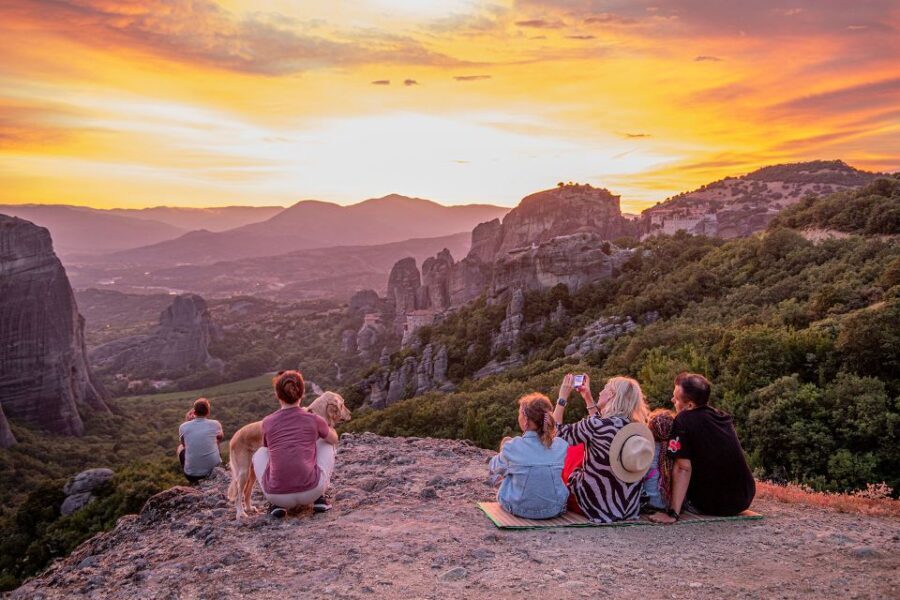
- Meteora sunset logistics: late-afternoon pickup and a guided visit that’s timed for the best light
- Two smart Day 2 choices: mini-bus monasteries tour or an easier hike with monastery visits
- Delphi in two layers: museum overview first, then the UNESCO ruins with an audio guide
- Thermopylae stop built into the drive: a real historical pause before Delphi
- Stair-heavy sites: monastery access has no elevators
- Final return is public bus: can be hot and sometimes uncomfortable in practice
Meteora at sunset: when the VIP ride pays off
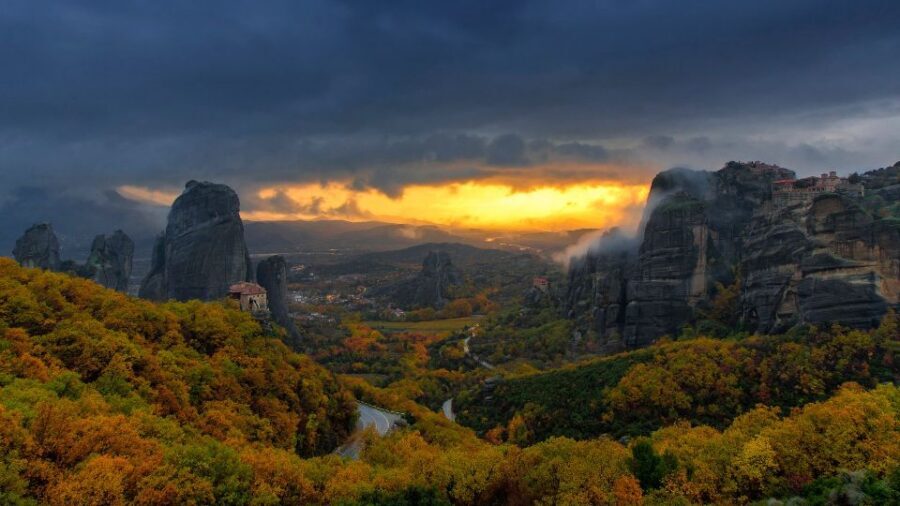
The first day is set up for pure Meteora impact. After you travel from Athens to Kalambaka and get transferred to your hotel (arriving around 12:30 PM), you’re not rushed into the cliffs immediately. Instead, you get a proper late-afternoon pickup for the Meteora Sunset Tour.
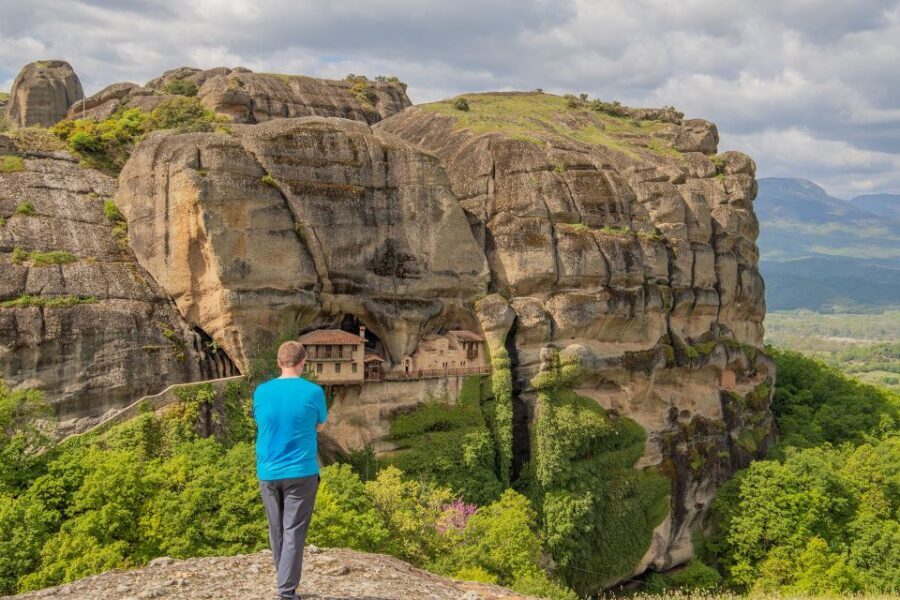
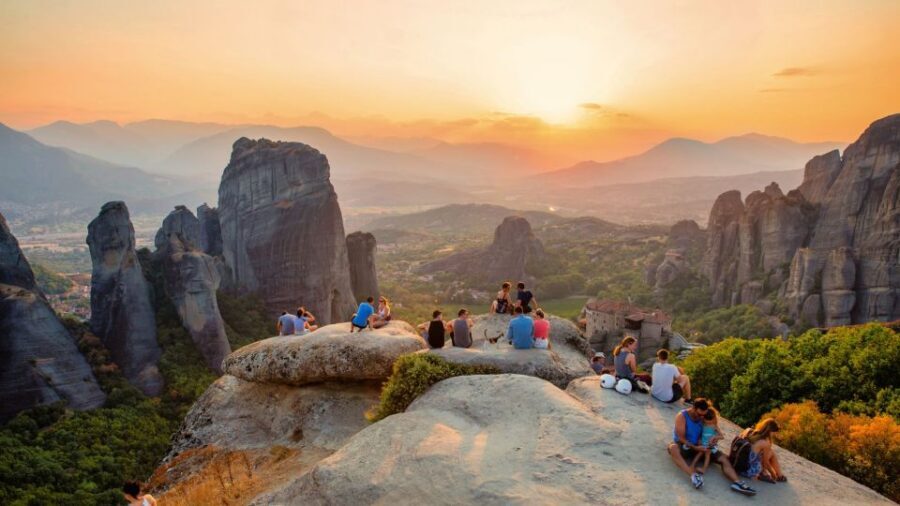
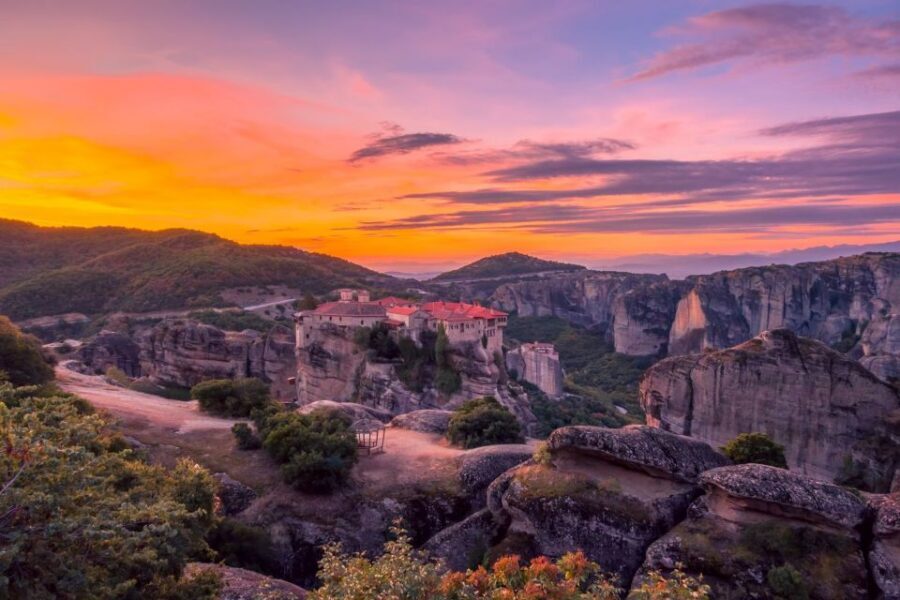
This is where the tour earns its keep. A VIP minibus means you’re not stuck with long, complicated logistics. You go where the viewpoints are, see the monasteries in the soft evening light, and you also get time focused on the Hermit caves area. That mix matters, because Meteora isn’t just postcard scenery. It’s a whole way of life shaped by isolation on rock towers.
Practical tip: bring comfortable shoes even for what’s described as a tour. The monastery experience requires climbing steps, and you’ll be on your feet more than you expect, especially when the group pauses for photos.
A few more Athens tours and experiences worth a look


Day 2 in Meteora: minibus monasteries vs an easy hike
Day 2 is the flexibility day. You choose between two morning options, both designed to show you Meteora’s highlights without turning it into a long endurance contest.
Option 1: Mini-bus monasteries tour
If you want maximum sights with minimum walking, the mini-bus route is the calmer pick. You’ll visit key monasteries and see the main attractions from multiple angles. It’s a good match if you’ve already done a lot of travel that morning and just want your time in Meteora to feel efficient.
Also, a bus-style format tends to help you get your bearings fast. Even if you’ve only seen Meteora in photos, the order of viewpoints and the stop timing help it click.
Option 2: Hiking tour with monastery visit
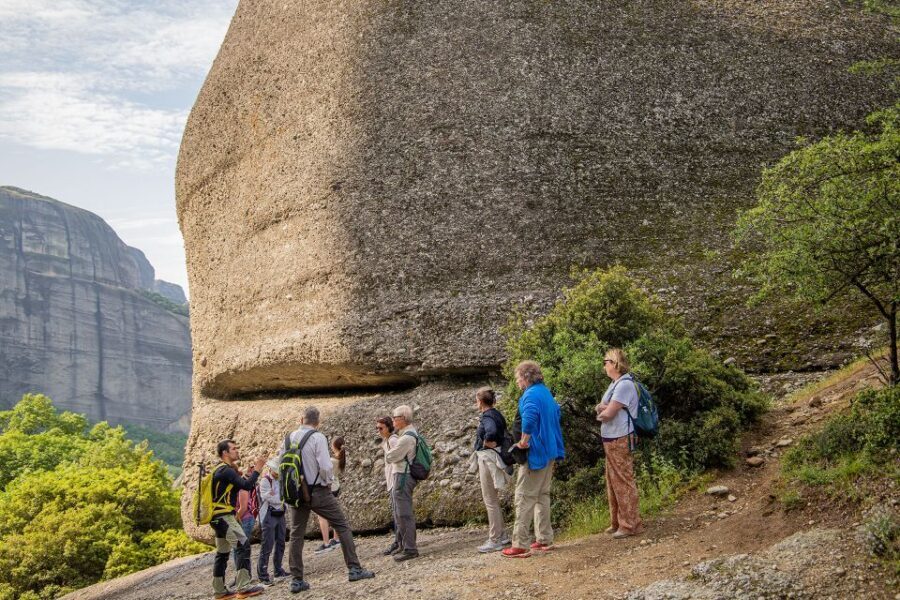
If you prefer fresh air and small detours off the beaten path, the hiking option is a better match. It’s described as an easy hike, and you’ll still get the monastery connection. Expect amazing scenery, plus Byzantine-period monuments during the visit.
One of the nice things about the hike format is how it changes your sense of scale. From down at ground level, the rock towers don’t look as tall. On foot, they do. You also get more chances for overlooks where you can pause without feeling you’re holding up the bus.
What to remember: this tour is still stairs-and-walks territory. The operator warns it’s not suitable for people with mobility impairments, and that makes sense once you factor in monastery access.
The free afternoon
After the morning activity, you’re dropped back at your hotel, with time to explore on your own. This is where you can slow down and choose your own pace—maybe a second viewpoint, a cafe stop, or just time letting Meteora settle in your head.
- All Day Cruise -3 Islands to Agistri,Moni, Aegina with lunch and drinks included
★ 5.0 · 4,958 reviews


Delphi the practical way: museum first, then the ruins
You’ll travel from Meteora to Delphi by express shuttle, with a total drive time of around 3 hours, plus your historical stop at Thermopylae.
Once you arrive in Delphi, your luggage gets handled in a straightforward way: the driver shows you where you can leave it safely at the bus station. Then the plan starts with the Delphi Museum.
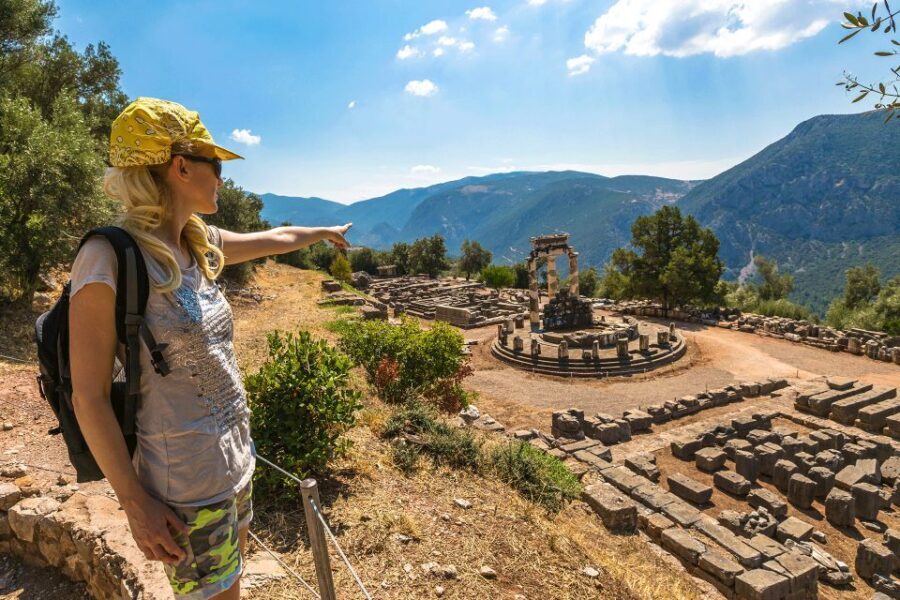
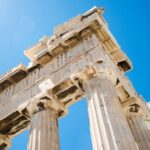
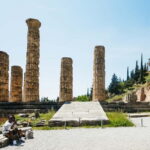
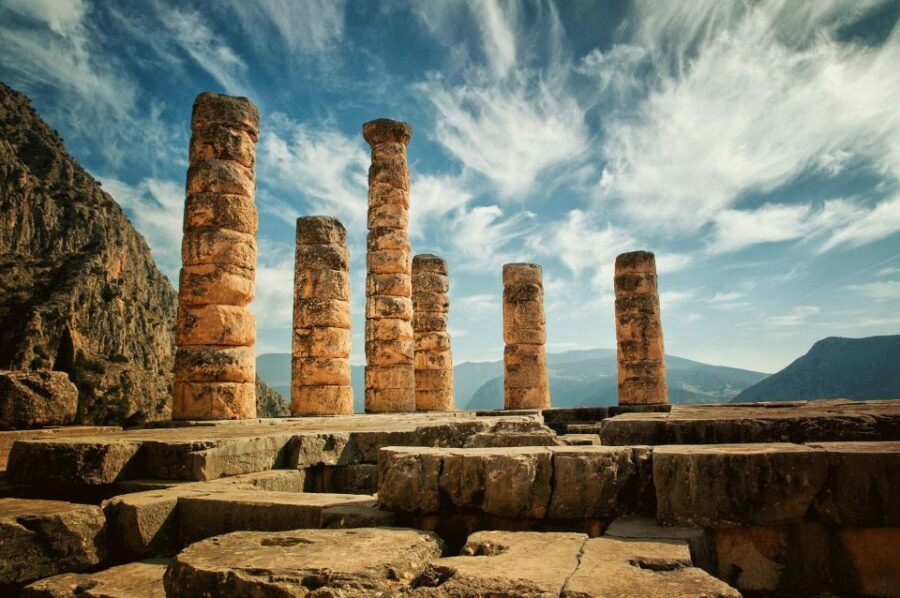
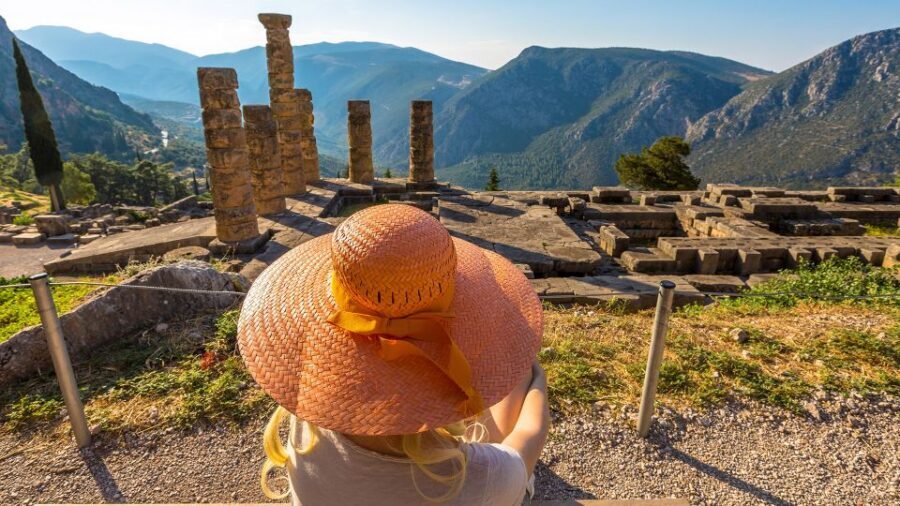
I like this order. The museum gives you context fast—so when you walk into the archaeological site, you know what you’re looking at. You’ll see an impressive collection of ancient artifacts and sculptures, including the famous Charioteer of Delphi.
After that, you do the ruins themselves, again at your own pace using the included audio tour. The highlights listed for the site include:
- Temple of Apollo
- Athenian Treasury
- Theater of Delphi
Practical tip: bring headphones and plan your phone battery. The audio guide is included with English and multiple other languages, and one visitor noted the audio tour was only useful if they had data. If you rely on streaming audio, make sure your phone can handle it.
Thermopylae on the way to Delphi: a history break that makes sense
The stop at Thermopylae is one of those “right place, right time” additions. You’ll visit the battlefield area tied to the 300 Spartans story, and you’ll have time to explore and learn about the site before continuing on to Delphi.
Why it works: it breaks up the travel day and gives you a thread of Greek history before you hit Delphi’s ancient world. It also keeps the drive from feeling like pure transit. Instead, it becomes part of the learning.
Hotel in Kalambaka: why the location can change your evenings
You get 2 nights of hotel with breakfast in the Meteora area, but the experience isn’t the same for every room option.
Some past guests loved hotels with a strong Meteora view, like Alsos House, and also praised boutique stays such as Holy Spirit for location and welcome. Others felt certain hotels were more basic than expected, and there’s a recurring theme: some properties are farther from the center, which makes dinner and wandering less convenient.
So here’s my value-minded advice: before you book, check where your hotel sits in Kalambaka/Kastraki and whether you’ll be able to walk to restaurants. If you’re staying a couple of kilometers out, you’ll either need taxis or a plan to eat in one nearby spot.
Price and logistics: is this $341 package good value?
At $341 per person for 3 days, this tour can be good value if you want guided Meteora time plus transportation handled end to end.
Here’s what’s meaningfully included:
- Hotel in the Meteora area for 2 nights with breakfast
- Meteora Sunset Tour with monastery visit and Hermit caves
- Day 2 morning option (mini-bus monasteries tour or hiking tour)
- Express transfer from Athens to Meteora
- Express shuttle from Meteora to Delphi (with the Thermopylae stop)
- Delphi museum access time plus self-guided audio at Delphi
- Delphi to Athens return by public bus
- Audio guide options in many languages
- Wi‑Fi and USB chargers on the tour bus, plus water and a Meteora map
Not included: monastery and Delphi site entry fees, plus food and drinks unless specified.
Two real-world notes to keep your expectations accurate:
- Transfers can stretch if there’s a disruption. One person described a farmers protest turning a planned 3-hour bus ride into a 6-hour day, squeezing tour timing.
- The final return segment is a public bus, and some guests reported it was hot, stuffy, and uncomfortable, with one mention that there wasn’t air-conditioning.
If you’re the type who wants everything controlled and comfortable, these final-leg factors matter. If you’re fine with “see more, handle some bumps,” the included structure is a big help.
What to wear and pack for monasteries
This is not a loose, dress-for-comfort kind of itinerary. You have to follow the worship-site and selected museum dress code:
- No shorts
- No sleeveless tops
- Knees and shoulders must be covered
Even beyond clothing rules, pack for walking and stairs. Comfortable shoes are a must. If you’re sensitive to heat, carry water even if the tour provides some—Meteora days can feel long once you add steps and waiting time.
Also note: pets aren’t allowed, and this is not designed for people with mobility impairments.
Should you book this Meteora and Delphi tour?
I’d book it if you want a straightforward way to connect Meteora and Delphi in 3 days with guided time where it counts most (sunset and the Day 2 morning) and then self-guided time where you can set your own pace (Delphi ruins).
Skip it or reconsider if:
- You can’t handle stairs well (monastery access is step-heavy with no elevators).
- You’re picky about hotel location and plan to walk out for dinner every night.
- You expect the Delphi-to-Athens return to feel like a premium coach ride. The public bus leg can be tough on hot days.
If you match those profiles, this tour format is a strong way to see two UNESCO sites without turning your trip into a scheduling project.