REVIEW · ATHENS
Acropolis of Athens Historical Tour For History Enthusiasts
Book on Viator →Operated by Athens Historic Experiences · Bookable on Viator
Acropolis stones turn into living stories. I like that a licensed historian or archaeologist (Harris is one name I’ve seen attached to this tour) frames Athens inside the bigger sweep of human civilization, and the earset/headset receivers keep every quote and explanation easy to follow. The only real drawback is practical: you’re climbing and spending time in open-air spots, so good weather matters.
With a small group cap (25 people) and a finish point right in front of the Parthenon, this is long enough for context without turning into a full-day grind. You start near Dionysiou Areopagitou 17 and end at the top of the Acropolis, by the Parthenon itself, after about 2 hours 40 minutes.
In This Review
- Key highlights to know before you go
- A historian’s Acropolis route that actually makes sense
- Meeting point at Dionysiou Areopagitou, ending at the Parthenon
- South Slope opener: the story of human civilization first
- Theatre of Dionysus: where public drama got its start
- Odeon of Herodes Atticus: a 2nd-century memorial
- Temple of Athena Nike: victory as a civic theme
- Propylaea gateway and the view down into Athens
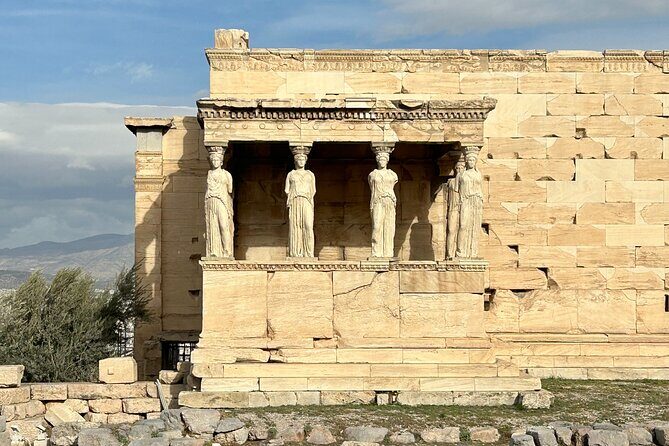
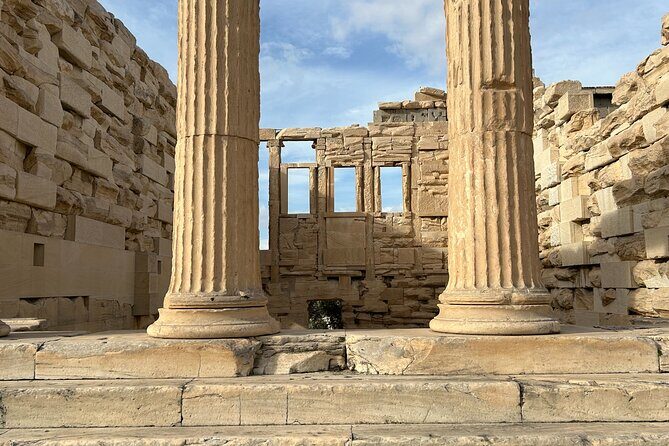
- Erechtheion: myths, legends, and distinctive sculptures
- Parthenon: the democratic state’s technical and symbolic masterpiece
- Why the guide style matters more than the monument list
- Tickets, price, and what you’re really paying for ($36.14)
- Practical expectations for your day on the Acropolis
- Who should book this Acropolis tour
- Should you book this Acropolis Historical Tour for History Enthusiasts?
- FAQ
- How long is the Acropolis Historical Tour?
- What language is the tour offered in?
- Is admission to the Acropolis included in the price?
- What does the tour price include?
- Where does the tour start and end?
- How big is the group?
- Is the tour suitable for most people?
- Is the tour affected by weather?
- Can I cancel and get a full refund?
Key highlights to know before you go
- Historian or archaeologist guide who links ancient Athens to the world you live in now
- Headset listening gear so you don’t miss key points in crowded, windy areas
- Theatre of Dionysus visit tied to the origins of public drama
- Odeon of Herodes Atticus and its memorial story (2nd century AD, for a wife)
- Parthenon focus on both meaning and how Classical design works up close
- Small-group feel (max 25) that makes questions feel normal, not rushed
A historian’s Acropolis route that actually makes sense
The Acropolis can feel like a set of amazing buildings you’re meant to admire from different angles. This tour changes the rhythm. You start with a wider human story, then you climb into Athens and its big ideas—philosophers, playwrights, gods, and the political world that helped shape Western civilization.
What makes it work is the guide style. You’re not just getting what goes where; you’re getting context for why it mattered. In past groups, guides like Harris have been described as funny and thoughtful, mixing history with quick dialogue-style questions and real explanations of what you’re seeing and why it was built.
You can also read our reviews of more historical tours in Athens

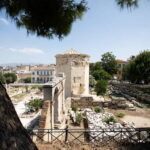
Meeting point at Dionysiou Areopagitou, ending at the Parthenon
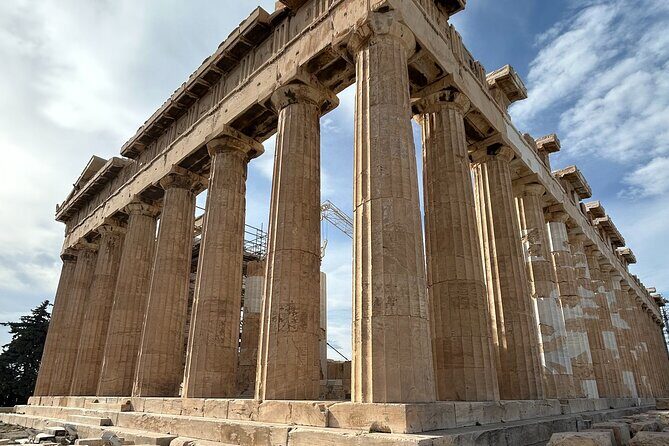
This one is built for efficient movement. You meet at Dionysiou Areopagitou 17, Athina 117 42, and the tour ends in front of the Parthenon temple at the top of the hill.
Why that matters: you don’t waste time retracing steps. Also, you finish where most people wish they’d had better context. By the time you reach the Parthenon, the rest of the complex feels like part of one story, not separate photo stops.
You’ll be in an English-speaking group with a max size of 25 travelers. That size is small enough to hear the guide well (especially with the headsets) and large enough that you won’t feel like you’re stuck waiting forever for one person.
South Slope opener: the story of human civilization first
Before you hit the famous temples, the guide sets the frame at the South Slope. The tour begins with a compact lesson on how human civilization formed, then it places ancient Greece—especially Athens—into that broader pattern.
For me, that’s the smart move. If you walk in cold and start at the Parthenon, you can admire details while still missing the “so what.” Here, you’re given the scaffolding early, so later conversations about democracy, theater, religion, and public life land with more meaning.
This segment is about 40 minutes, and it acts like a mental map. You’ll likely find yourself looking at the later monuments as parts of a system—politics, performance, belief, and community all braided together.
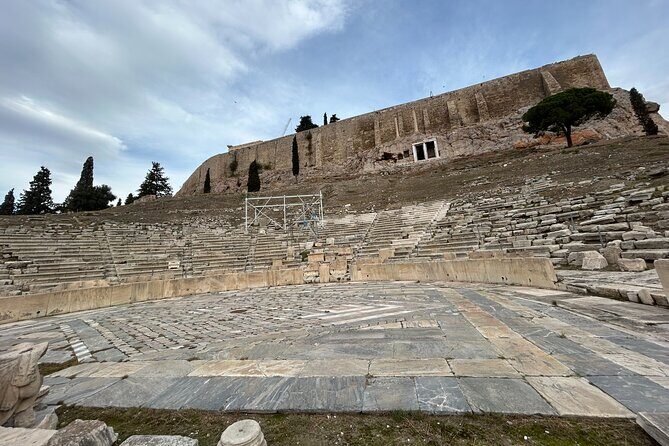
Theatre of Dionysus: where public drama got its start
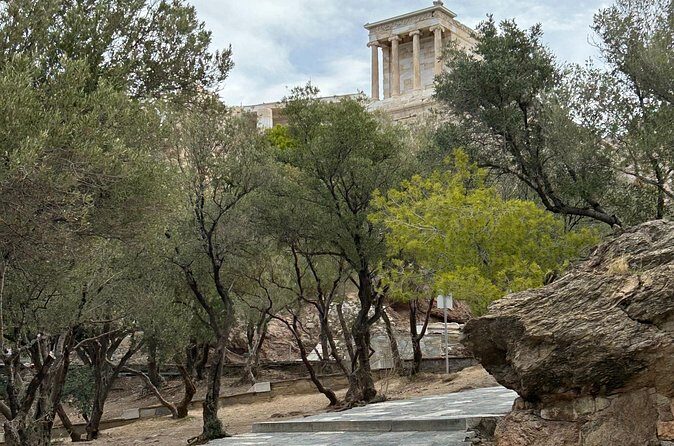
Next you head to the Theatre of Dionysus, often described as the first theatre in human history. The guide connects the space to the birth of theatre as a practice, and to the earliest performances for an Athenian public.
This is where the tour’s “storytelling” side turns into something you can almost feel. The names matter: you’ll hear about tragedies and comedies associated with writers like Sophocles, Euripides, and Aeschylus.
This stop is around 20 minutes, so it’s not a long sit-down. It’s more about learning how to look: what “public” meant in Athens, how drama functioned in civic life, and why this place deserves more time than a quick glance.
If you’re the type who likes origins—where ideas start—this is one of the highest-value moments.
Odeon of Herodes Atticus: a 2nd-century memorial
As you keep moving up, you reach the Odeon of Herodes Atticus. It was built by a benefactor and famous philosopher in the 2nd century AD, in memory of his deceased wife.
This stop adds a different tone to the day. Earlier sites point toward civic religion and public life; this one introduces the idea that major architecture also served personal memory and social status. It’s Athens showing how power, patronage, and emotion could be expressed through stone.
Even with a shorter timing (the tour keeps each segment tight), it’s a useful reminder: you’re not just touring ancient “art.” You’re touring real human motives—belief, grief, ambition, and community.




Temple of Athena Nike: victory as a civic theme
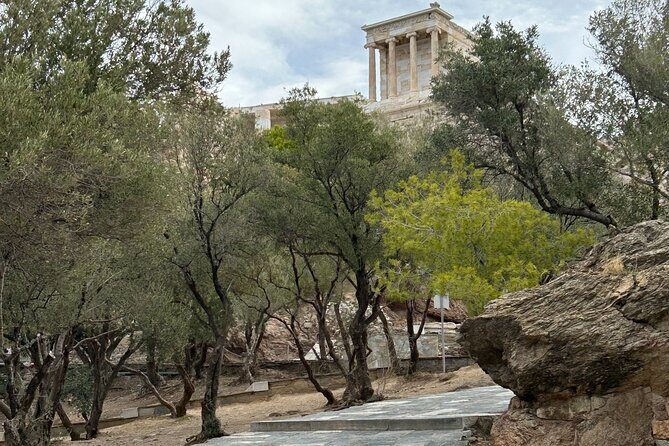
At the main entrance area of the Acropolis sanctuary, you’ll see the Temple of Athena Nike, dedicated to the goddess of victory.
This is a 20-minute stop, and it’s not just about identifying the goddess. It’s about understanding what victory meant to Athens—victory as a political idea, victory as something public, and victory as a story the city wanted to remember.
If you tend to zoom in on details like inscriptions or sculpted features, you’ll appreciate how the guide frames what you’re seeing. If you don’t, you can still follow the logic: this temple isn’t random decoration. It’s a statement about what the city valued.
Propylaea gateway and the view down into Athens
Then comes the Propylaea, the monumental gateway that signals you’re entering the Acropolis sanctuary proper. During this 20-minute segment, you also get a chance to take in surrounding hills and get your bearings before the interior highlights.
The gateway moment is more than a photo break. It’s the transition from “approach” to “inside the sacred zone,” and the view helps you understand why the Acropolis was built where it was.
Practical tip: if you care about photos, try to plan your angles early in this stop. Later, the most famous viewpoints are crowded and time-limited. Here, you get a smoother window to orient yourself.
Erechtheion: myths, legends, and distinctive sculptures
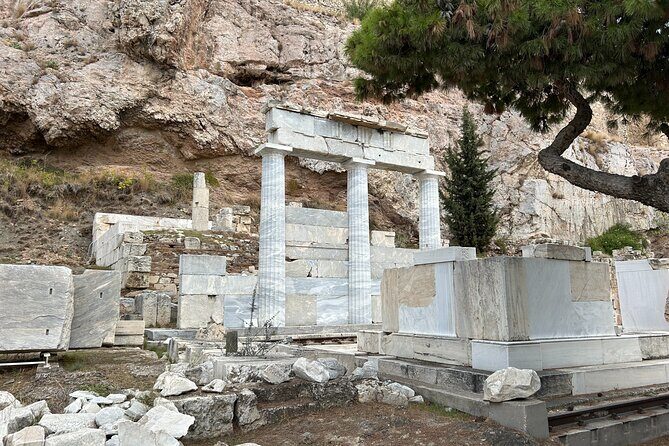
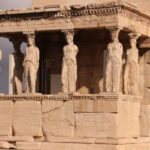
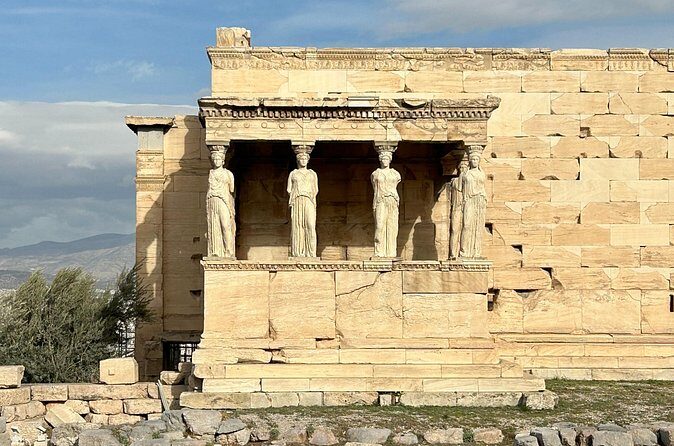
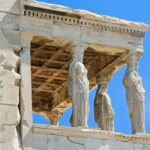
Your next major landmark is the Erechtheion, described as the temple of myths and legends, and known for unique sculptures. This is another 20-minute stop.
What I like about including Erechtheion near the end is that it shifts your brain from “one iconic building” to “a complex with multiple identities.” The Acropolis isn’t one message; it’s a bundle of stories, religious roles, and mythic associations that helped stitch Athens together.
Erechtheion is also a good place to slow down mentally, because the guide can help you connect the sculpture style and placement to the myths being referenced. You’ll likely leave with a better sense of how religion and story worked side-by-side in public architecture.
Parthenon: the democratic state’s technical and symbolic masterpiece
Finally: the Parthenon, often called the jewel in the crown. The guide frames it as a gift to Athens’ patron goddess and highlights it as the masterpiece of Classical-period architecture, plus a major technical achievement connected to the democratic state.
This stop lasts about 30 minutes, which is the right amount of time to do more than admire. Guides in this style often explain the design logic in plain terms—especially why the Parthenon looks perfectly proportioned from a distance even when details look odd at close range. One account highlights how the guide uses an engineering mindset, including how subtle optical refinements help the building read as straight and balanced when you’re farther away.
There’s also a real “best spot” component. In past outings, guides like Harris have been praised for pausing to help with photos and for knowing where to stand for the best views without fighting the crowd.
If you only do one guided stop at the Acropolis, this one is the payoff.
Why the guide style matters more than the monument list
The most repeated theme from names like Harris and Haralampos is not just facts. It’s the ability to turn the site into a conversation.
In one group experience, the guide connected ancient Greek innovations to the modern world and talked about democracy, philosophy, and athletics. In another, the guide kept kids engaged with stories and quiz-like moments. In multiple accounts, the guide’s tone included humor and an educator’s patience—plus the willingness to answer questions instead of rushing people through.
Even logistics can show up in the approach. One account mentions extra care for a wheelchair user by checking weather and elevator status ahead of time. That’s the kind of practical thought that reduces friction and keeps your tour from becoming stressful.
And yes, there are “some surprises” included in the format. Think of it as small moments that break up the seriousness without turning the day into a gimmick.
Tickets, price, and what you’re really paying for ($36.14)
The price is $36.14 per person for a tour of about 2 hours 40 minutes. That’s not just “buy a guide.” You’re paying for interpretation, pacing, and hearing support.
Two big value drivers:
- Headset receivers: this matters on the Acropolis. Wind, crowds, and distance can make standard tours sound like a radio in another room.
- Guide expertise with a historian/archaeologist lens: you’re not walking past stonework; you’re learning how it was used and what it was communicating.
One thing to check: admission/entry fees are included only if you choose the option that covers them. If you’re booking a version without admission, you’ll need to plan for entry cost separately.
Also, this tour is in demand—on average booked about 50 days in advance—so booking early is a smart move if your dates are fixed.
Practical expectations for your day on the Acropolis
This is a climb. You’ll be moving through several key points on the rock, and each stop is timed tightly enough to keep momentum.
Because the experience is weather-dependent, plan your day around it. When conditions aren’t good, the operator offers a different date or a full refund, so you aren’t stuck.
Other practical notes that help you plan:
- The tour is offered in English.
- It’s near public transportation.
- Service animals are allowed.
- Most travelers can participate, and the small group size (max 25) helps keep movement manageable.
Who should book this Acropolis tour
Book it if you want your Acropolis visit to feel like a guided argument for why Athens still matters.
It’s especially a good fit if:
- you love history and want the “why” behind the buildings
- you want a clear storyline from early civilization framing to the Parthenon moment
- you’re traveling as a couple or small group and want everyone to stay interested
- you’re bringing kids and want stories, not just lecture-style facts
If you’re the type who prefers to wander, sit, and read at your own pace without a structured route, you might feel boxed in by the stop timing. But if you want direction and meaning, this tour is built for that.
Should you book this Acropolis Historical Tour for History Enthusiasts?
Yes, I think you should book it if you value interpretation and you don’t want to leave the Acropolis with only memorized names. For $36.14, the combination of an English historian/archaeologist guide and headset listening turns the day into something you can actually connect to ideas—politics, theater, religion, and engineering.
You might skip it only if you expect a casual, unstructured stroll or you’re uncomfortable with outdoor walking on the hill. Otherwise, this is a strong choice for anyone who wants the Acropolis to make sense, not just impress.
FAQ
How long is the Acropolis Historical Tour?
It’s approximately 2 hours 40 minutes.
What language is the tour offered in?
The tour is offered in English.
Is admission to the Acropolis included in the price?
Admission/entry fees are included only if you book the option that includes them. If you choose an option that does not include entry, you’ll pay separately.
What does the tour price include?
You get a licensed English-speaking tour guide (a historian or archaeologist), earset receivers/headset listening devices, and admission fees if you select the option that includes them. Some surprises are also included.
Where does the tour start and end?
It starts at Dionysiou Areopagitou 17, Athina 117 42, Greece, and ends at the Parthenon area in front of the temple at the top of the Acropolis.
How big is the group?
The group is limited to a maximum of 25 travelers.
Is the tour suitable for most people?
The information says most travelers can participate.
Is the tour affected by weather?
Yes. This experience requires good weather, and if it’s canceled due to poor weather you’ll be offered a different date or a full refund.
Can I cancel and get a full refund?
Free cancellation is available. You can cancel up to 24 hours in advance for a full refund.