REVIEW · HERAKLION
Archaeological and Natural Beauties of South Central Crete
Book on GetYourGuide →Operated by Mykonos Excursions · Bookable on GetYourGuide
Minoan ruins, Roman law, and beach swim time in one day. This South Central Crete loop puts you in front of Phaistos and the Gortyn Law Code, then balances heavy history with a real chance to relax at Matala and Zaros.
I particularly like how the day moves from Minoan power (Phaistos) to Roman administration (Gortyn), so your brain keeps snapping into place as the centuries change. And I love the contrast at the end: Zaros feels refreshingly calm, with Byzantine monasteries and spring water tied to everyday life—plus a stop at emerald-green Lake Votomos.
One drawback: it’s an 8.5-hour day with multiple drives, so if you want lots of slow, unstructured time, you may feel the pace.
In This Review
- Key Things to Watch For
- Morning Meet-Up in Heraklion: What Starts at 08:30
- Gortyn: Roman Power and the Gortyn Law Code
- Into the Mesara Valley: Driving Toward Phaistos
- Phaistos Palace: The Minoan Center You Can Actually Contextualize
- Matala: Ancient Port History with Free-Time Swim Reality
- Zaros and Lake Votomos: Byzantine Quiet, Spring Water, and Trout Country
- Price and Value: Is $129 Worth an 8.5-Hour Circuit?
- Who This Tour Is For (and Who Might Want Something Different)
- Should You Book This Tour?
- FAQ
- What time does the tour start, and where do I meet?
- How long is the tour?
- Is pick-up or drop-off included?
- What is included in the price?
- Is lunch included?
- What languages are available for the live tour guide?
- Is the tour suitable for mobility impairments or minors traveling alone?
Key Things to Watch For
- The Gortyn Law Code stop is a standout for anyone who likes how people actually lived, not just how they dressed
- Phaistos isn’t a quick photo stop; it’s one of the most important Minoan centers, and the palace ruins give context
- Matala includes real free time for swimming in clear water, with optional lunch if you want it
- Zaros is about calm details: spring water (now bottled) and Byzantine monasteries, plus walking-friendly natural scenery
- The timing is “just enough” at each site, which works well if you like guided focus
Morning Meet-Up in Heraklion: What Starts at 08:30
Your day begins early. Plan on meeting your guide at the Cretan Spiti Travel terminal at 08:30. The meeting point is across from the entrance of the Heraklion Archaeological Museum, in front of Hari’s Creperie, so it’s easy to spot once you know the landmark.
This start time matters because the route targets the biggest sites first, when the light is often kinder and crowds are usually lower. You’ll also have the comfort of an air-conditioned motorcoach, which helps keep the day pleasant even if the weather warms up quickly.
Tip: wear shoes you can actually move in. You’ll be on uneven ground around archaeological areas, and “pretty sandals” don’t cut it when the day includes walking plus a swim later.
You can also read our reviews of more tours and experiences in Heraklion.

Gortyn: Roman Power and the Gortyn Law Code
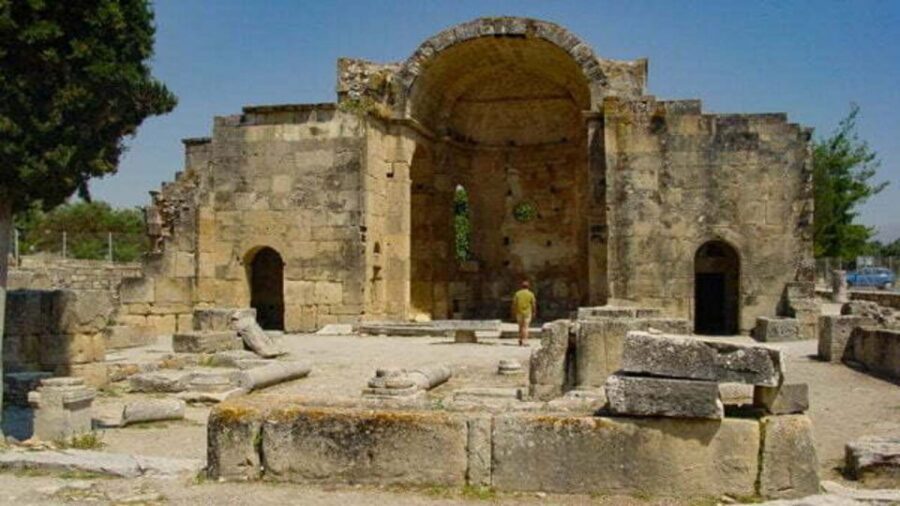
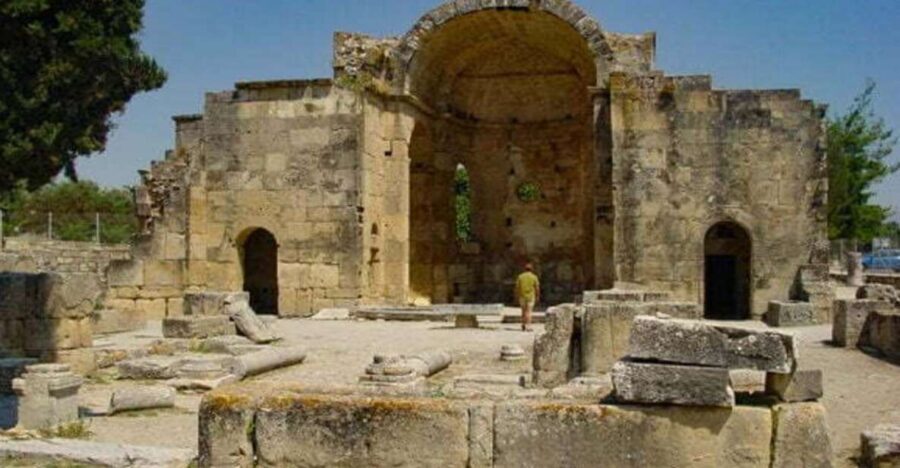
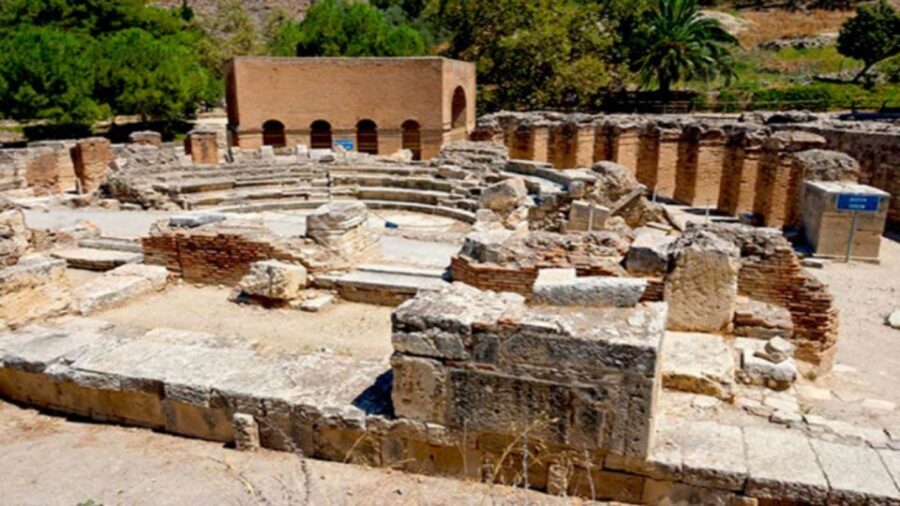
After you get rolling, the first major stop is Gortyna (Gortyn)—the Roman capital of Crete and Cyrenaica. The area was first inhabited around 3200 BC, so you’re looking at layers here, even if the visible remains are Roman-era in feel.
What makes this stop special is the Gortyn Law Code. It’s the kind of artifact that turns ancient life from a story into something concrete. Instead of only thinking about temples and palaces, you start thinking about rules, governance, and how disputes and daily behavior were handled. It also helps you notice that Crete wasn’t “just” Minoan—people kept building on earlier foundations for centuries.
A quick reality check: archaeological stops can vary in how much you can see up close versus from guided vantage points. If you want long, slow wandering, you might feel a bit of time pressure here, but the guided explanation usually helps you get more out of the time you’re given.
Into the Mesara Valley: Driving Toward Phaistos
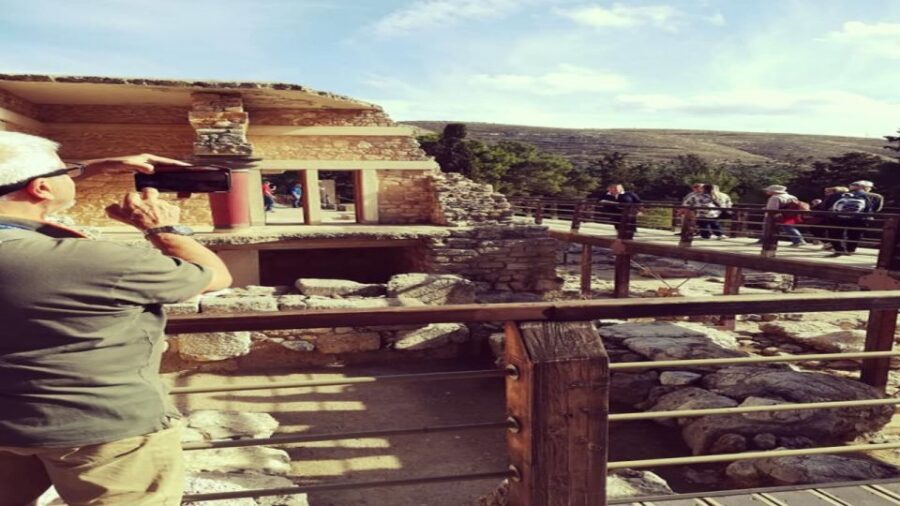
Once you leave Gortyn, you drive through the Mesara valley—one of those parts of Crete where geography quietly does the explaining. Even when you’re still on the bus, your guide’s commentary (and the view from the windows) helps you understand why these settlements made sense where they did.
This is more than just transit. It’s the setup for the next stop: Phaistos. The day has structure, and the drive gives you a mental map so the palace ruins don’t feel like isolated stones.
Practical note: bring water when you can (the tour does not include drinks with the meal). You’re not on a beach all day—you’re moving between historical sites—so staying hydrated is still smart.
Phaistos Palace: The Minoan Center You Can Actually Contextualize
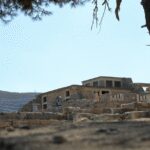
Phaistos is the headline. It’s described as one of the most important centers of Minoan civilization, and it was also the most wealthy and powerful city in southern Crete. When you’re standing in the palace area, you get why: this wasn’t a casual settlement. It was a political and economic hub.
What I like here is that the tour treats Phaistos as more than a monument. A good guide connects the site to what you’ve seen earlier—how earlier communities organized themselves, and how wealth and power show up in the built environment.
You’ll also be able to keep the big theme in your head: Minoans here weren’t just living; they were running a system. Even if you only catch certain details during a guided visit, the palace layout and overall scale tend to do the convincing.
One consideration: depending on your pace and where you stop for viewing, you may want to mentally prepare for short walks and uneven surfaces. Comfortable shoes really do pay off.
Matala: Ancient Port History with Free-Time Swim Reality
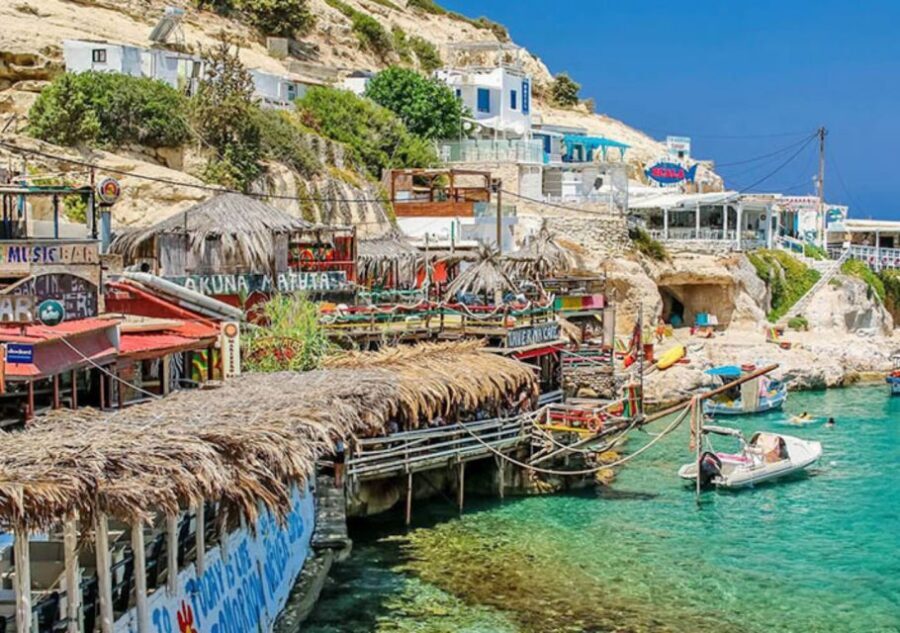
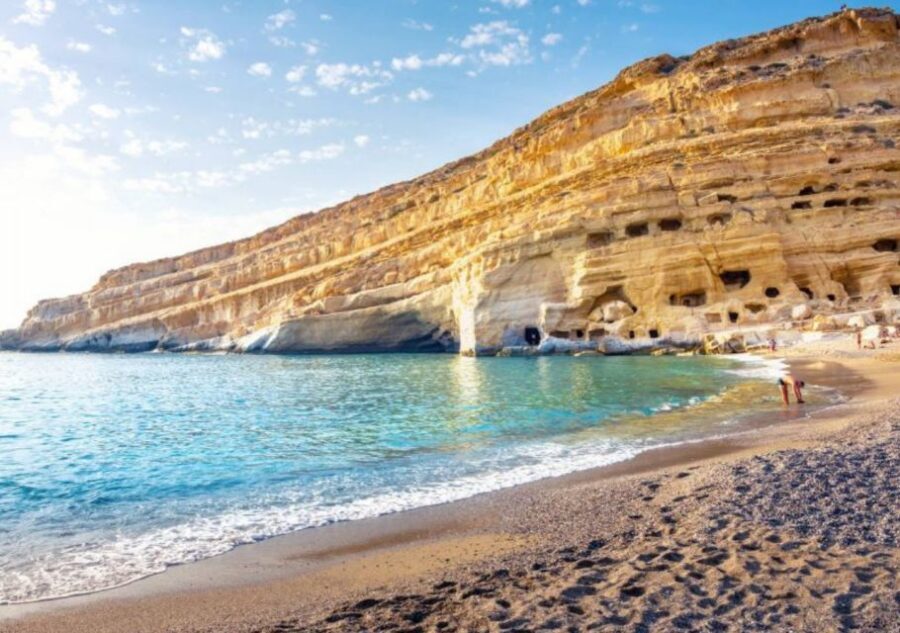
After Phaistos, the tour heads to Mátala, known as the ancient port of Phaistos and Gortys. That little detail changes how you see the place. Matala isn’t only a modern beach town—it has a historical job description, tied to trade and movement.
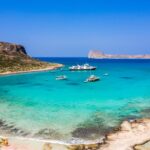
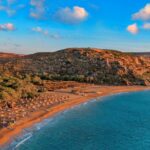
Then comes the best part for many people: free time to swim in the crystal clear waters. This is the moment where the day’s “ruins and rules” energy turns into something physical and relaxing. Even if you don’t swim, the water break is a good reset.
There’s also time for optional lunch. The tour mentions lunch during the day is extra—so if you want a meal with sea views, you can plan to add it, rather than expecting lunch to be included.
My practical advice: if you’re planning to swim, keep your swim stuff simple and easy to manage. You’ll lose time if you spend the free period hunting for essentials.


Zaros and Lake Votomos: Byzantine Quiet, Spring Water, and Trout Country
The final leg takes you to Zaros, a village known for being attractive and refreshingly unspoiled. What makes it stand out from many “scenery” stops is how specific its appeal is: Zaros is famous for its spring water, which is now bottled and sold all over Greece. That’s the kind of detail that makes a place feel lived-in rather than staged for tourists.
Zaros also has fine Byzantine monasteries. This gives the day a second historical layer beyond Minoan and Roman themes. You go from ancient palace power to law and governance, and then into religious life centuries later.
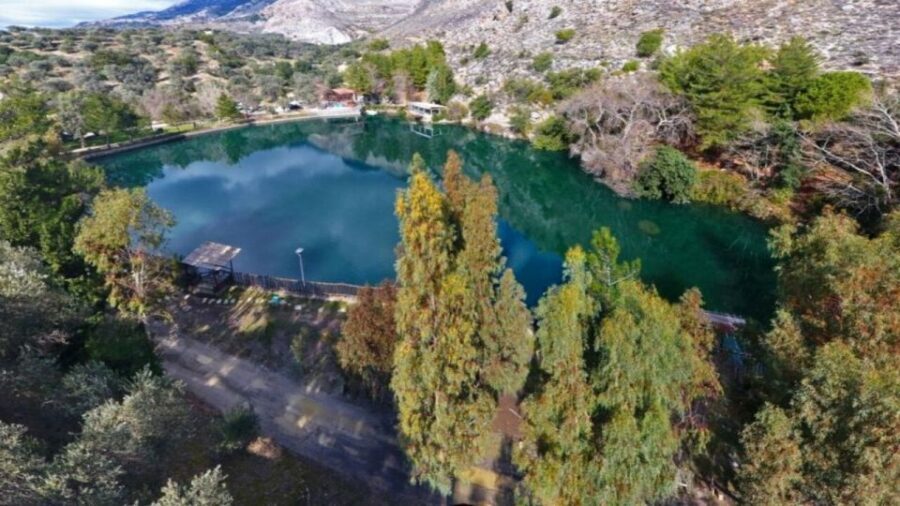
And then there’s the food and water element. The tour includes a visit to emerald-green Lake Votomos, and the area is known for farm-raised trout served in tavernas around town and at the lake. You don’t have to make this your foodie stop, but if you like regional specialties, this is a chance to try something Cretan and practical rather than generic.
Walking note: Zaros is described as an ideal base for walkers. Even if you don’t take a long hike, just having the time to look around makes the end of the day feel less rushed than a pure site-only tour.
By 17:00, you’re back headed to Heraklion, arriving at the terminal of Cretan Spiti Travel at Hari’s Creperie.
Price and Value: Is $129 Worth an 8.5-Hour Circuit?
At $129 per person for an 8.5-hour day, you’re paying for three big things: transportation, a professional guide, and access to a multi-site route that’s hard to combine efficiently on your own.
Here’s the value math in plain terms:
- You’re getting an air-conditioned motorcoach and a guided format across major stops: Gortyn, Phaistos, Matala, and Zaros.
- You’re not paying separately for the guide’s time or VAT and legal taxes (they’re included).
What costs extra:
- Lunch at the Matala restaurant (listed as 20.00 €)
- Drinks/beverages during the meal
- Anything not specified as included
So if you think you’ll want lunch anyway, budget the extra. If you’d rather skip the formal lunch and just focus on swimming and snacks, you can keep costs down. Either way, the core tour value comes from the combination: the Minoan and Roman archaeology plus a true water break at Matala, ending with a calm village and monasteries.
Who This Tour Is For (and Who Might Want Something Different)
This works best for you if:
- you want major archaeology in one day—Gortyn + Phaistos are not small stops
- you like guided explanations that help connect the dots between centuries
- you want a day that includes time outdoors and a swim, not only monuments
It may be a poor fit if:
- you need a fully accessible route. The tour is not suitable for people with mobility impairments, based on the activity notes.
- you dislike structured schedules. This day is paced for multiple stops, so it’s not for slow, open-ended wandering.
Also, the tour notes say unaccompanied minors aren’t allowed, so check your group situation before booking.
Should You Book This Tour?
I’d book it if you want the best of South Central Crete without juggling rental cars, parking headaches, and figuring out logistics between distant sites. The combo of Phaistos plus Gortyn Law Code gives you serious ancient context, while Matala’s swim time and Zaros’s calm village feel prevent the day from becoming one long lecture.
If you’re the type who wants maximum time at fewer places, you might prefer a slower day tour. But if you like a focused route with real breaks, this is a strong value at $129—especially because it ends in a quieter place rather than turning into yet another rush to return.
FAQ
What time does the tour start, and where do I meet?
You meet your guide at the Cretan Spiti Travel terminal at 08:30. The meeting point is across from the entrance of the Heraklion Archaeological Museum, in front of Hari’s Creperie, Heraklion.
How long is the tour?
The duration is 8.5 hours.
Is pick-up or drop-off included?
No. Pick-up and drop-off transfers are not included.
What is included in the price?
The price includes an air-conditioned motorcoach, a professional guide, and VAT and all legal taxes.
Is lunch included?
No. Lunch in a restaurant is not included and is listed as 20.00 €.
What languages are available for the live tour guide?
The live tour guide is available in Spanish, English, French, and Italian.
Is the tour suitable for mobility impairments or minors traveling alone?
No. The tour is not suitable for people with mobility impairments, and unaccompanied minors aren’t allowed.