REVIEW · ATHENS
Athens Acropolis & Museum PRIVATE TOUR with a Local Private Guide
Book on Viator →Operated by Withlocals · Bookable on Viator
The smart idea here is to pair the Acropolis with the streets around it, rather than treating the Parthenon as a lone photo stop. Your private guide first helps you get your bearings around Athens, then leads you uphill to the Theatre of Dionysus, the Herod Atticus Odeon, and the Acropolis itself. Guides named Arianna, Costas, Markella, Markel, and Stefanos have all been praised for clear explanations, good pacing, and a knack for finding better photo spots.
I like the private format, which lets your guide adjust the pace and answer your questions instead of delivering a fixed speech to a large crowd. I also like the mix of major monuments and smaller stops such as the Tower of Winds, Anafiotika, Greek Orthodox churches, Hadrian’s Library, and a traditional market. The main catch is cost: at $191.16 per person, plus 35 EUR in cash for admission, this is a serious spend for three hours.
In This Review
- Key points to know
- Why this private Acropolis route works well
- Starting near Makrigianni and seeing Athens first
- Theatre of Dionysus: where Greek drama began
- Herod Atticus Odeon and the southern Acropolis slope
- Reaching the Acropolis and its main monuments
- Skip-the-line access and what it really saves
- Timing, walking effort, and group comfort
- How the guiding changes the experience
- Who gets the best value from this tour
- Practical details before you pay
- Should you book it?
- FAQ
- How long does the private Acropolis tour last?
- Is admission to the Acropolis included?
- Does the tour include the Acropolis Museum?
- Where does the tour begin?
- Where does the tour end?
- Is hotel pickup included?
- Is this a private tour?
Key points to know
- Private guiding keeps the visit personal: Only your group participates, so you can ask questions and request breaks.
- The route goes beyond the Parthenon: Expect ancient theaters, Hadrian’s Library, the Roman Agora, Anafiotika, and other central Athens sights.
- Skip-the-line access saves valuable time: Entry is arranged for the Acropolis, but your admission ticket is not included.
- The walking is uphill and uneven: Moderate fitness is required, and sturdy shoes matter more than style.
- A guide adds the missing context: Mythology, dates, building use, and Roman additions make the ruins easier to understand.
- Three hours suits a short Athens stay: It works well for a layover or first visit, but it is not a leisurely full-day tour.
Why this private Acropolis route works well
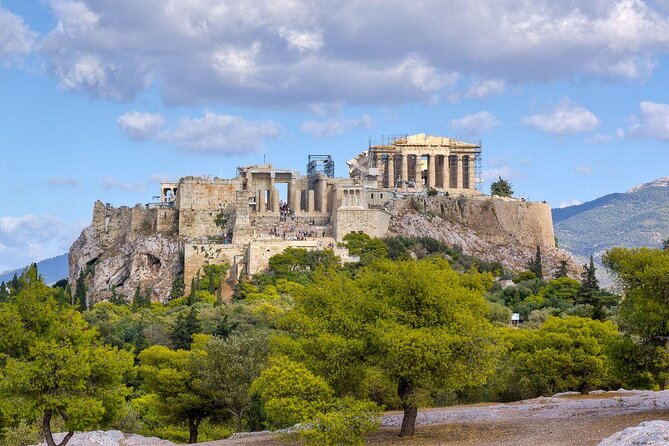
The Acropolis is one of those places that can leave you dazzled but slightly lost. You see marble columns, broken statues, theaters, and broad views over Athens, yet the story can blur into a parade of gods, wars, dates, and rebuilding projects.
A good local guide gives those stones a clear order. This experience begins outside the main attraction, using nearby Athens sights to explain what you are about to see. That is useful because the Acropolis was not an isolated temple complex. It was part of a larger civic and religious center, surrounded by theaters, libraries, markets, shrines, and later Roman buildings.
The private setup also matters. With only your group present, your guide can slow down for a child, repeat a point, stop for photographs, or shorten a discussion when the heat starts to win. Several guides, including Arianna, Costas, Markella, Markel, and Stefanos, are specifically praised for making complicated material understandable without burying people in facts.
That said, your experience depends partly on the guide assigned to you. The named guides have different personalities, but the consistent strengths are strong English, warmth, and solid command of Greek history and mythology.
You can also read our reviews of more guided tours in Athens


Starting near Makrigianni and seeing Athens first
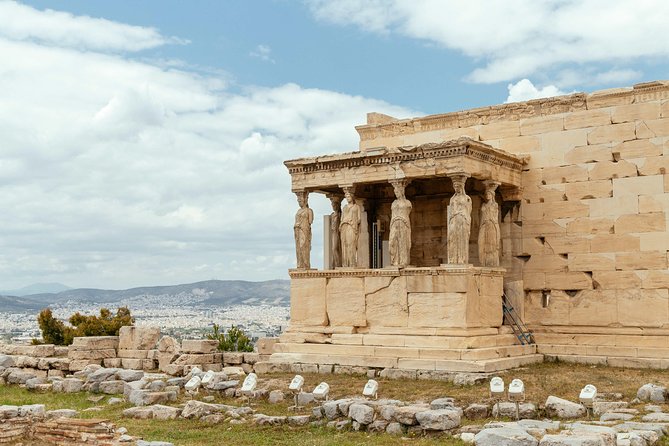
The meeting point is at Makrigianni 9, near the Acropolis and public transportation. The first part lasts about 90 minutes and does not require a separate admission ticket.
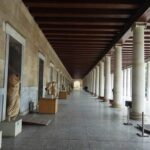
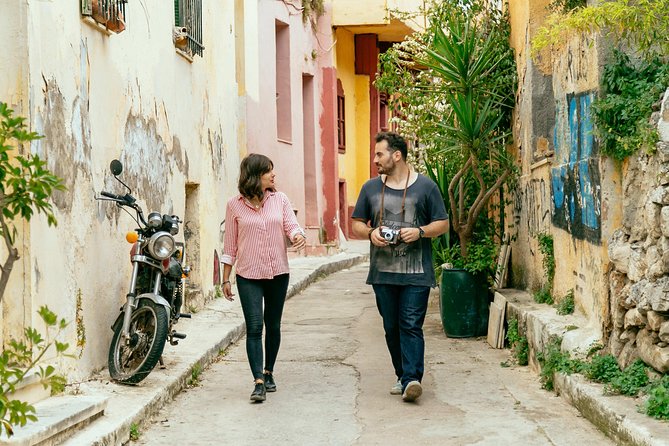
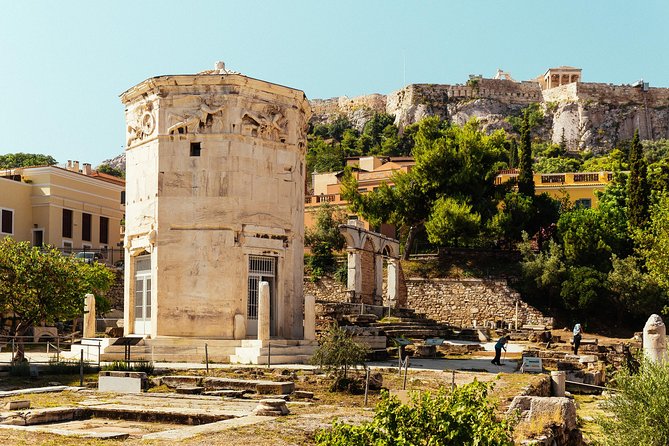
This opening section is more important than it may sound. Instead of rushing straight to the entrance, your guide points out nearby sights and smaller details that help you read the Acropolis properly. The route can include Hadrian’s Library, the Roman Agora, the Tower of Winds, a traditional market, Anafiotika, and Greek Orthodox churches.
Hadrian’s Library shows how Athens continued to matter under Roman rule. The Roman Agora and Tower of Winds add another layer, since the city was not frozen in the fifth century BC. Anafiotika offers a sharp change of mood, with a tiny village-like quarter tucked beneath the Acropolis slopes. The churches provide a reminder that Athens remained a lived-in city long after its classical monuments lost their original purpose.
I like this part because it keeps the tour from becoming a straight climb to one famous ruin. You get a short introduction to modern Athens, Roman Athens, and the everyday city around the monument. You also have a chance to ask your guide what matters most before reaching the ticketed site.
The limitation is time. Ninety minutes can cover several exterior sights, but it cannot provide a full archaeological tour of every location. Your guide will need to make choices, and the exact balance may change with crowd levels, weather, and your group’s interests.
Theatre of Dionysus: where Greek drama began
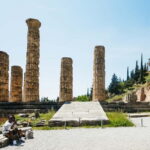
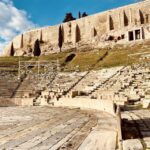
Once inside the Acropolis area, the route includes the Theatre of Dionysus, located on the southern slope. Plan for about 30 minutes here, with admission paid separately.
This theater is one of the most useful early stops because it gives you a physical sense of ancient performance. It is not merely a pile of seats below the Acropolis. It represents the early form of the Greek theater and connects the city’s religious festivals with the plays that later shaped Western drama.
Your guide can help explain why the theater sits on the Acropolis slope and how its setting relates to the sanctuary above. The point is not just to identify the rows of stone. It is to understand how religion, civic life, music, drama, and public gatherings overlapped in ancient Athens.
This is also where a private guide can be more helpful than an audio recording. You can ask questions about the theater’s design, the performances, or the people who attended. Guides have been praised for using mythology and storytelling to make the ruins easier to picture.
Expect uneven ground and an uphill route. The walk is not described as suitable for everyone, and one group found the climb difficult for older members. If you have mobility concerns, tell the guide at the start. One guide was able to adjust the pace and make room for a person with mobility challenges, but this remains a walking tour with slopes and ancient stone underfoot.
Herod Atticus Odeon and the southern Acropolis slope
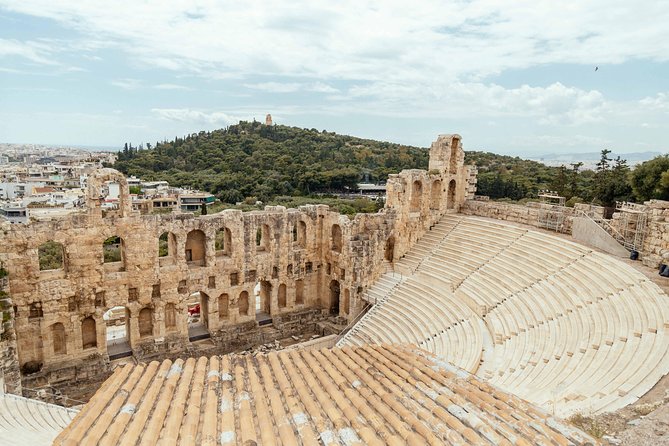
The next listed stop is the Herod Atticus Odeon, a Roman theater built into the southwest slope of the Acropolis. The scheduled time is about 30 minutes, and admission is not included.
The Odeon is a fine contrast to the Theatre of Dionysus. The earlier theater helps you understand classical Athens, while the Odeon shows how the Romans added their own grand structures to the hill. Its curved stone form and steep setting are striking, even when you cannot enter the stage area.
Your guide’s role here is to point out more than the obvious view. The best explanations connect the monument to the wider Acropolis complex and show how the site changed over time. You may also get help finding a better angle for photographs, something several people valued during the walk.
The Odeon can be a quick stop if the route is crowded. Do not expect a long performance-history lecture or an extended visit inside the theater. The value comes from seeing it in relation to the Acropolis and hearing why this Roman structure belongs in the story.
Reaching the Acropolis and its main monuments
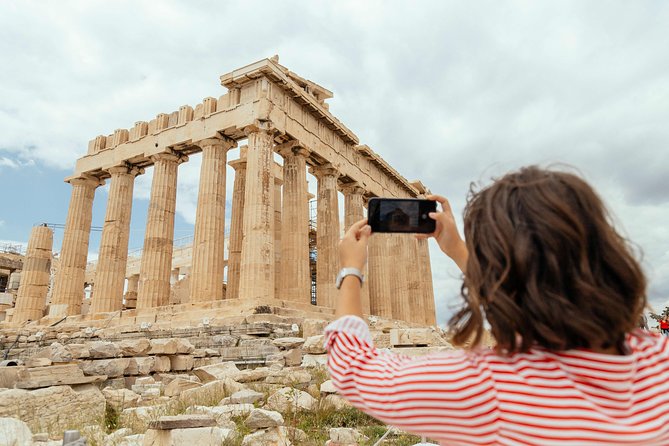
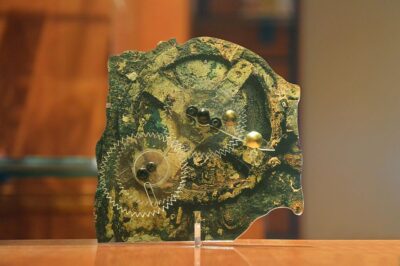
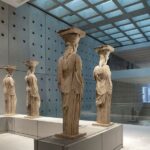
The final portion centers on the Acropolis itself, with about 30 minutes listed for the main stop. The detailed route names the Acropolis, the Theatre of Dionysus, and the Herod Atticus Odeon. The broader description also includes the Acropolis Museum, so confirm the exact museum arrangement and timing when you book.
That point matters. The tour information says Acropolis and museum entrance tickets cost 35 EUR per person and must be paid to the host in cash. Yet the stop-by-stop schedule gives only 30 minutes to the Acropolis and does not list a separate museum visit. The museum may be included in the intended experience, but you should not assume you will receive a long, full museum tour within the three-hour schedule.
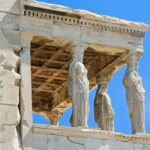
At the Acropolis, your guide focuses on the principal sights and lesser-known details that are easy to miss alone. The Parthenon naturally takes center stage, but the hill includes more than one temple and more than one story. A guide can help you sort out the difference between the buildings, explain the religious purpose of the sanctuary, and connect what remains to the political power of Athens.
The views are part of the reward. From the hill, you can look across the city and understand why this rocky height became Athens’ great symbol. Still, the site is exposed, the walking surface can be rough, and crowds may slow your progress. Wear secure walking shoes. One person specifically warned against sandals, and that is practical advice here.
At the end of the guided portion, you can either remain inside and explore on your own or leave with your guide. Your host can also point out other places to visit in Athens. This makes the tour useful as an orientation walk, especially if this is your first few hours in the city.
You can also read our reviews of more private tours in Athens





Skip-the-line access and what it really saves

The tour provides skip-the-line access to the Acropolis, but you pay the entry fee yourself. The required amount is listed as 35 EUR per person for the Acropolis and museum, paid in cash to the host.
The time savings can be meaningful. Athens is a major stop for cruise passengers and independent visitors, and long waits can eat into a short stay. A private guide also knows how to move around the site without turning the walk into a slow march behind a large flag.
Still, skip-the-line does not mean the hill will be quiet. You will share the Acropolis with other visitors, and narrow paths can become crowded. The advantage is avoiding the ticket line and having someone who knows the route, not having the monuments to yourself.
Because the entrance fee is separate, compare the full cost before booking. At $191.16 per person, plus 35 EUR in cash, the final expense is much higher than the advertised tour price alone. For a family or group, ask about the available group discount. The private format becomes easier to justify when several people share the guide’s time, though each person still pays the admission fee.
Timing, walking effort, and group comfort

The tour lasts about three hours. That is a good length for a first look, a port day, or a layover. One group used it during a short stay and found the timing ideal, while another preferred a 3pm start because cruise crowds had eased and the heat was less intense.
A later start may be pleasant, but timing depends on the season, opening hours, and your onward plans. If you are using this during a layover, build in plenty of time for transport and airport procedures. The tour itself does not include hotel pickup or drop-off.
The walking is vigorous. One group circumnavigated the Acropolis area before climbing to the top, and the route includes slopes, ancient paving, and uneven surfaces. You need a moderate level of fitness. Take water, wear sturdy shoes, and tell your guide if someone needs regular stops.
The private format helps with comfort, but it cannot remove the hill. If anyone in your party has serious mobility limitations, ask detailed questions before paying. The guide may adjust the pace, but the experience remains centered on an ancient site with physical access limits.
How the guiding changes the experience
The strongest reason to book is the live explanation. The Acropolis can be impressive without help, but dates and names quickly pile up. A good guide turns the information into a story you can follow.
Arianna is praised for covering both mythology and the condition of the ruins without rushing. Costas is described as lively and well informed about Greek history. Markella is noted for warmth and extra details, while Stefanos is praised for managing breaks, crowds, and a demanding route. Another guide, Markel, is credited with enthusiasm and clear explanations.
Those details give you a useful picture of the guiding style to expect: conversational, personal, and tailored to the group. The guides also engage with children, help with photographs, and offer suggestions for the rest of your time in Athens.
This is not the right choice if you prefer to wander silently with a guidebook. It is also not a deep archaeological seminar. Three hours allows for a strong introduction, not every temple, inscription, or restoration debate. You are paying for clear orientation, flexible attention, and the chance to ask questions as the ruins appear in front of you.
Who gets the best value from this tour
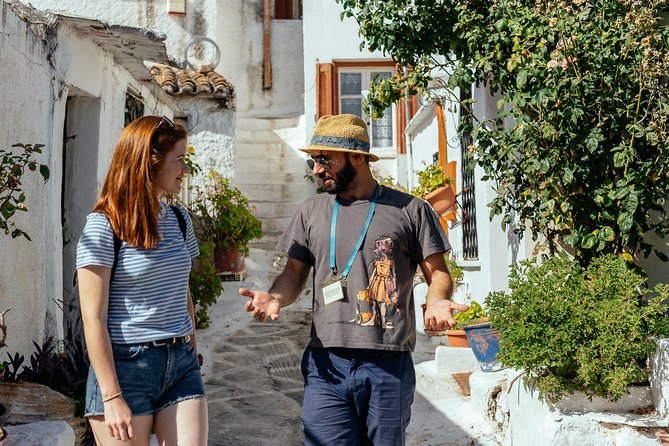
I would consider this tour for four types of visitors:
- First-time Athens visitors: You get the Acropolis plus a useful introduction to nearby Roman and modern sights.
- Short-stay visitors: Three hours covers the essential area without taking an entire day.
- Families: A private guide can adjust explanations and keep children involved.
- Small groups wanting comfort: You avoid the pace and noise of a large group tour.
It is less attractive for repeat visitors who already understand the Acropolis and only want museum time. It may also feel expensive for solo visitors on a tight budget, especially once the 35 EUR entry fee is added.
The carbon-neutral designation is a small plus, but it is not the main reason to choose this experience. The real value comes from the guide and the private arrangement.
Practical details before you pay
Your booking confirmation is issued at the time of reservation. The meeting point is Makrigianni 9, Athens 117 42, and the tour ends at the Acropolis, Athens 105 58. Both points are near public transportation.
Bring cash for the 35 EUR admission charge. Since tickets are not included, do not arrive assuming the advertised tour price covers entry.
Wear proper walking shoes. Sandals may be uncomfortable or unsafe on the slopes and stone surfaces. A moderate fitness level is required, and the route can feel strenuous in warm weather.
The experience is non-refundable and cannot be changed after booking. Check your date, start time, group size, and onward plans carefully before you commit.
Should you book it?
Book this tour if you want the Acropolis explained by a local guide, need to save time, and prefer a private pace. It is especially useful for a first Athens visit, a family group, or a short stop in the city.
Think twice if you mainly want the museum, dislike uphill walking, or are watching every euro. The total cost is high, and the museum schedule should be confirmed because the listed stops focus most clearly on the Acropolis slopes and summit.
For the right group, this is a strong three-hour introduction. You see the famous monuments, hear the myths and history in plain language, and get practical advice for the rest of Athens. Just budget for the separate cash admission and arrive in sensible shoes.
FAQ
How long does the private Acropolis tour last?
The tour lasts approximately three hours.
Is admission to the Acropolis included?
No. Acropolis and museum admission is listed separately at 35 EUR per person and must be paid in cash to the guide.
Does the tour include the Acropolis Museum?
The experience description includes the Acropolis and museum, but the detailed stop schedule focuses on the Acropolis, the Theatre of Dionysus, and the Herod Atticus Odeon. Confirm the exact museum timing when booking.
Where does the tour begin?
The meeting point is Makrigianni 9, Athina 117 42, Greece.
Where does the tour end?
The tour ends at the Acropolis in Athens, postal code 105 58.
Is hotel pickup included?
No. Hotel pickup and drop-off are not included.
Is this a private tour?
Yes. Only your group participates, and the experience includes a private local guide.