REVIEW · ATHENS
Athens: Combo Ticket for Acropolis & 6 ancient sites
Book on Viator →Operated by KeyTickets · Bookable on Viator
The clever part of this Athens pass is that only the Acropolis visit is timed. You choose your entry slot for the Parthenon, then use the same ticket at six other archaeological sites within five days. That gives you room to spread the sightseeing over several days instead of racing through Athens in one hot afternoon.
I like the no-queue convenience and the chance to see more than just the Acropolis. I also like the flexibility: you can visit the Ancient Agora while your energy is high, save Kerameikos for another morning, and fit the Roman Agora or Hadrian’s Library around lunch and shopping. The main caution is ticket reliability and support. A few bookings had QR-code or acceptance problems, and this is not a guided tour.
In This Review
- Key points to know before booking
- How the five-day ticket works in Athens
- The Acropolis and Parthenon: reserve your main event
- Ancient Agora: Athens at street level
- Roman Agora: a compact stop near the Acropolis
- Temple of Olympian Zeus: huge columns and a quick look
- Lyceum of Aristotle: a quieter philosophical stop
- Hadrian’s Library: Roman Athens in the city center
- Kerameikos: pottery, graves, and the city edge
- Audio tours, guides, and what you actually receive
- Timing, queues, and common trouble spots
- Who gets the best value from this pass
- Should you book the Athens archaeological pass?
- FAQ
- What does the combo ticket include?
- Is the Acropolis visit timed?
- How long can I use the ticket?
- Is the Acropolis Museum included?
- Is this a guided tour?
- Are earphones provided?
- Does the ticket include hotel pickup or transportation?
- Who can buy this ticket online?
- Can I cancel or change the booking?
Key points to know before booking

- One timed entry covers the Acropolis: Your chosen time applies only to the Acropolis, not the other six sites.
- Five days of archaeological sightseeing: The clock begins when you activate the pass at the Acropolis.
- Seven major sites are included: The package covers the Acropolis, Ancient Agora, Roman Agora, Temple of Olympian Zeus, Lyceum of Aristotle, Hadrian’s Library, and Kerameikos.
- Optional audio tours add structure: Audio content is available for the Acropolis, Ancient Agora, and the Monastiraki to Kerameikos route if you select that option.
- The Acropolis Museum is not included: You need a separate ticket if you want to visit it.
- Download your QR code in advance: Internet access may not be dependable at the entrance, so keep the ticket ready on your phone.
How the five-day ticket works in Athens

Think of this as an admission pass, not a traditional tour. You receive a pre-booked Acropolis ticket for a date and time you select. Once you enter the Acropolis, the pass is activated, and you can visit the six remaining sites during their regular opening hours over the next five days.
That arrangement matters. The Acropolis can take about three hours, especially if you pause for the views and the monuments on the hill. Adding six more places on the same day would turn ancient Athens into a checklist. I would use the Acropolis on day one, then visit two or three nearby sites at a relaxed pace over the following days.
The pass is intended for visitors over 25. Reduced-price tickets are not available online, so you should check the age and fare rules carefully before paying. The listed price supplied for this experience is $0.00, which may be a placeholder rather than the final amount. Check the current checkout price and compare it with the individual admission costs before booking.
The value improves when you plan to visit most or all seven sites. If you only want the Acropolis, a single Acropolis ticket may be simpler. If you enjoy ancient ruins and intend to visit the Agora, Hadrian’s Library, Zeus’s temple, the Lyceum, and Kerameikos, the combined pass can save money and reduce separate ticket stops.
A few more Athens tours and experiences worth a look


The Acropolis and Parthenon: reserve your main event

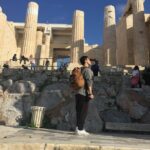
The Acropolis is the reason most people come to Athens, and this ticket gives you a reserved entry time for the hill. At roughly 150 meters above the city, it offers broad views across Athens along with the monuments that shaped the world’s image of ancient Greece.
The Parthenon is the star, but you should not treat the Acropolis as a single building. Your visit also gives you the wider rocky summit and its other ancient structures. Plan on about three hours if you want time to look closely, take in the city views, and avoid feeling pushed along.
The climb is manageable for many people, though the hill is uneven and exposed. The attraction can be busy, even with a timed ticket. The benefit is that you avoid buying an entry ticket at the last moment and, based on the strongest accounts of this experience, you may save significant time at the entrance.
Your time slot applies only here. It does not force you to visit the Ancient Agora or any other site at a particular hour. Arrive with the QR code already downloaded. One especially useful practical lesson is not to depend on a live internet connection while standing at the gate.
If you choose the audio option, the Acropolis self-guided audio tour can give your walk a clearer shape. Remember that earphones are not supplied. The audio has worked well for some bookings and proved unreliable for others, so I would treat it as a useful extra rather than the main reason to buy the pass.
Ancient Agora: Athens at street level
After the Acropolis, the Ancient Agora is the site I would give the most time. The Acropolis shows the ceremonial and symbolic side of Athens. The Agora helps you picture daily civic life, with its public buildings, paths, and gathering spaces.
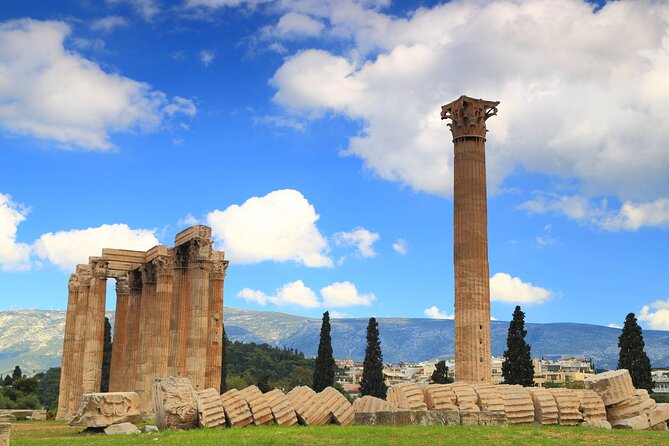
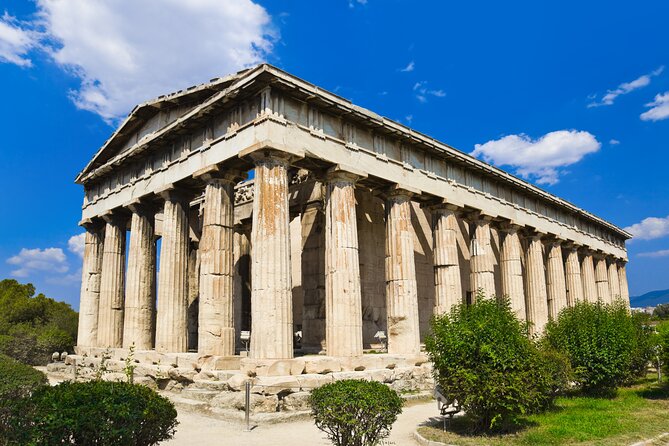
The Temple of Hephaistos is the major prize here. It is described as the best-preserved ancient Greek Doric temple in the world, and its condition makes it easier to understand the form of a classical temple than the more famous but heavily restored or ruined examples elsewhere.
You can also see the Church of the Holy Apostles. Its connection with early Christian Athens adds another layer to the site, and the tradition that St. Paul visited and preached here links the ancient civic center with the later religious life of the city.
Allow about two hours. The Agora is close enough to pair naturally with the Acropolis, but I would avoid squeezing both into a rushed morning. If you select the audio option, the self-guided Agora commentary may help you understand what you are seeing without hiring an escort.
Roman Agora: a compact stop near the Acropolis
The Roman Agora lies north of the Acropolis and once served as a center of public life during the Roman period. It is smaller and quicker to see than the Ancient Agora, making it a useful stop when you want history without another long visit.
The suggested time is about one hour. I would combine it with Hadrian’s Library because both are in the central Athens sightseeing area. This is also a good place to use the pass flexibly: you do not need to spend your main sightseeing day here if the Acropolis has taken more energy than expected.
The Roman Agora is not a substitute for the Ancient Agora. The two sites represent different periods and different public functions. Seeing both gives you a better sense of how Athens continued to matter after the classical age.
Temple of Olympian Zeus: huge columns and a quick look
The Temple of Olympian Zeus sits close to the Acropolis, southeast of the hill, and within walking distance of Syntagma Square and the Parliament building. Its scale is the point. Before the second century AD, it was the largest temple in Greece and had 104 columns.
The listed visit time is only two minutes, which tells you something about the stop: it is an easy, open-air look rather than a full afternoon attraction. You can still appreciate the remaining columns and the size of the original project, but do not expect the same length of visit as at the Acropolis or Ancient Agora.
I would fit this site between other central Athens plans. It works well as a short stop while walking between the Acropolis area and Syntagma. The pass removes the need to handle another admission purchase, though you still need to visit during the site’s opening hours.
- All Day Cruise -3 Islands to Agistri,Moni, Aegina with lunch and drinks included
★ 5.0 · 4,958 reviews




Lyceum of Aristotle: a quieter philosophical stop
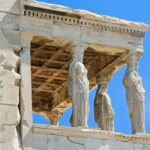
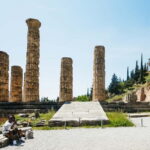
The Archaeological Site of the Lyceum of Aristotle gives the pass a different character. Instead of another grand temple, you see the remains of the school associated with Aristotle, one of the ancient world’s best-known thinkers.
The suggested visit lasts about an hour. I like this stop because it broadens the ancient Athens experience beyond the monuments everyone already knows. It also gives you a reason to explore beyond the immediate Acropolis circuit.
The site may appeal most to people who enjoy ideas, education, and the less obvious corners of classical Athens. It is not likely to deliver the instant visual impact of the Parthenon, so I would place it on a day when you have time for a slower, more thoughtful visit.
Hadrian’s Library: Roman Athens in the city center
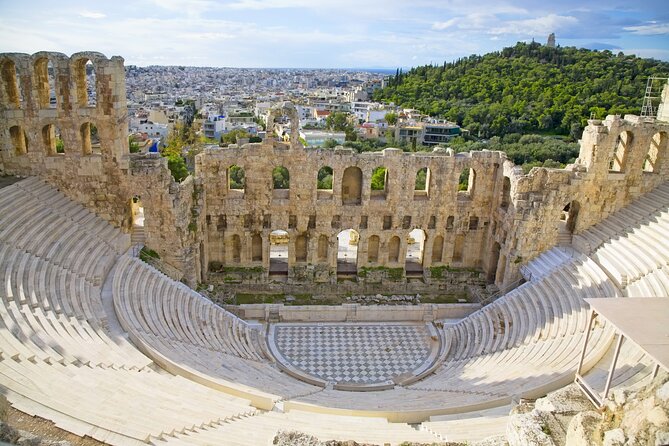
Hadrian’s Library is north of the Acropolis and is often called the One Hundred Column Library. The name points to the large gallery that once surrounded the complex, giving you a sense of how much more than books the site represented.
The suggested visit is about an hour. Its central location makes it easy to combine with the Roman Agora and a walk through the Monastiraki area. That location is one of the pass’s practical strengths: you can see an ancient site without committing to a long transfer across Athens.
This is another place where expectations matter. You are seeing an archaeological site, not a complete ancient library building. The surviving remains require some imagination, but the scale and location help explain how Roman-era public architecture shaped the city.
Kerameikos: pottery, graves, and the city edge
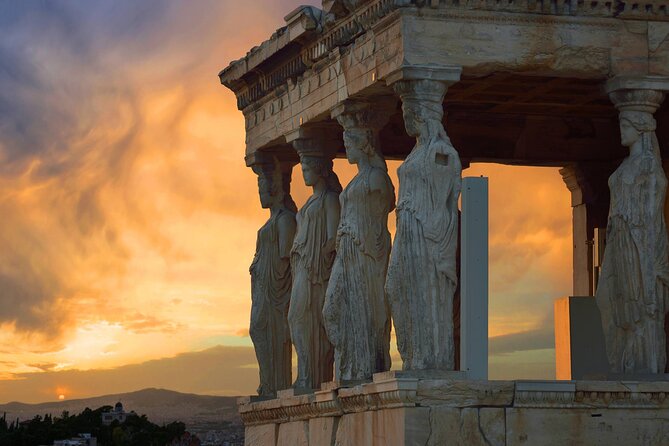
Kerameikos sits on the northwest edge of Athens. The area was known for its potters and vase painters and became the main production center for famous Attic vases.
Allow about an hour. Kerameikos feels different from the hilltop Acropolis and the central civic sites. Its position at the edge of the ancient city gives the visit a more spacious, archaeological character, and its pottery connection adds an everyday craft story to the grand political and religious monuments.
The Monastiraki to Kerameikos self-guided audio tour is available if you select that option. That can be useful for connecting the walk through the modern city with the ancient remains. Again, bring your own earphones, since they are not included.
Kerameikos is a good choice for your second or third day with the pass. It is easy to overlook when your attention is fixed on the Acropolis, yet it may become one of the more memorable stops because it shows a less polished side of ancient Athens.
Audio tours, guides, and what you actually receive
This is a self-guided ticket. There is no guide or escort, and hotel pickup and drop-off are not included. You are responsible for getting to each site and following its opening hours.
The optional audio package covers the Acropolis, Ancient Agora, and the Monastiraki to Kerameikos route. It does not automatically turn the experience into a live guided tour. Some people have found the audio useful and informative, while others have had trouble getting it to work consistently.
I would download every required ticket or QR code before leaving your accommodation and carry wired or charged wireless earphones. If the audio fails, the pass itself still serves its main purpose, which is admission to the sites.
One account praised a guide named Andreas, but that appears to describe a separate guided experience rather than this admission pass. Do not book this product expecting Andreas, Michael, or any other guide to accompany you.
Timing, queues, and common trouble spots
The best feature here is advance planning. A timed Acropolis booking can help you avoid the uncertainty of arriving without a reservation, and several bookings worked smoothly with little or no queueing.
Still, the pass is not foolproof. Some people had tickets rejected at an attraction and had to buy replacements. Another booking had only two of four tickets accepted. Those problems appear to be exceptions, but they are serious enough to plan around.
Before your visit, check that every person in your group has the correct ticket and that the QR codes are clear. Keep the confirmation email available as well. If an issue arises, contact the provider quickly with the booking date and number, since support may need those details to investigate.
The pass is non-refundable and cannot be changed after purchase. That makes accurate date selection especially important. Since the Acropolis time slot activates the five-day period, do not choose the first visit casually if your schedule is tight.
Who gets the best value from this pass
I would recommend it most strongly if you:
- Want to visit at least four or five of the seven sites
- Prefer exploring at your own speed
- Like audio commentary but do not need a live guide
- Want to spread ancient Athens over several days
- Are comfortable managing QR codes, directions, and opening hours
- Are over 25 and not seeking a reduced-price ticket
I would be more cautious if you want a personal guide, hotel transfers, a guaranteed audio experience, or the Acropolis Museum included. The museum is separate, and the pass does not provide an escort to explain the monuments.
Families or groups may like the freedom to split up and meet later, but everyone should have the correct ticket ready. If you are visiting during a very short stay and only plan to see the Acropolis, the seven-site pass may be more than you need.
Should you book the Athens archaeological pass?
Book it if you want a flexible five-day plan built around the Acropolis and intend to see several additional sites. The Ancient Agora, Roman Agora, Temple of Olympian Zeus, Lyceum, Hadrian’s Library, and Kerameikos give you a fuller picture of Athens than the Parthenon alone, and the no-queue benefit can be valuable.
Skip it if you want a guided walk, dependable audio as part of the main product, or a ticket that includes the Acropolis Museum. I would also avoid booking until you have checked the final price, your age category, and the exact Acropolis time slot.
My practical verdict: this is a useful sightseeing tool, not a polished guided tour. Download the QR codes, bring earphones, allow five days for the best value, and keep a little patience in reserve in case an entrance scanner or ticket check causes trouble.
FAQ
What does the combo ticket include?
It includes entry to seven archaeological sites: the Acropolis, Ancient Agora, Roman Agora, Temple of Olympian Zeus, Archaeological Site of the Lyceum of Aristotle, Hadrian’s Library, and Kerameikos.
Is the Acropolis visit timed?
Yes. You choose a date and time for entry to the Acropolis. The selected time applies only to the Acropolis site.
How long can I use the ticket?
You can visit the other six archaeological sites within five days after activating the pass at the Acropolis.
Is the Acropolis Museum included?
No. The Acropolis Museum requires a separate ticket.
Is this a guided tour?
No. The ticket does not include a guide or escort. Optional self-guided audio tours are available for the Acropolis, Ancient Agora, and the Monastiraki to Kerameikos route.
Are earphones provided?
No. Earphones are not included, so bring your own if you select an audio tour.
Does the ticket include hotel pickup or transportation?
No. Hotel pickup and drop-off are not included. The sites are near public transportation, but you arrange your own travel between them.
Who can buy this ticket online?
The information provided specifies that the ticket is for travelers over 25. Reduced-price tickets are not available online.
Can I cancel or change the booking?
No. The experience is non-refundable and cannot be changed or amended after booking.