REVIEW · ATHENS
Athens Museum of Cycladic Art | AdmissionTicket
Book on Viator →Operated by Museum of Cycladic Art · Bookable on Viator
A quiet museum that packs real punch. The Athens Museum of Cycladic Art is one of those stops where you can keep it simple and still come away with fresh context, fast. I like that the admission ticket removes the guesswork, and I really like the setup: free Wi‑Fi plus a QR-based smartphone tour so you can move at your own speed. The main thing to watch is timing—holiday closures can catch people off guard.
This museum focuses on ancient Aegean and Cyprus cultures, with a special emphasis on Cycladic Art from the 3rd millennium BC. It’s modern in the best way too: lots of items on display, with facilities that make a short visit feel complete. One possible drawback: you may need a plan for when the museum is closed for public holidays, since hours can shift.
In This Review
- Key things to know before you go
- Why the Museum of Cycladic Art is an easy win in Athens
- Your admission ticket, Wi‑Fi, and the self-guided smartphone tour
- Inside the collections: what Cycladic art is and why it matters
- A note on how the museum’s collection grew
- How to use the Clio Muse QR tour without losing your momentum
- The one-stop visit flow: what your hour or two will feel like
- What “modern facilities” means in practice
- Café and shop time: a useful buffer, not an afterthought
- Timing and closures: the one practical risk worth planning around
- Price and value: is $14.48 worth it?
- Who this works best for (and who might skip it)
- Should you book the Museum of Cycladic Art ticket?
- FAQ
- How long should I plan to visit the Museum of Cycladic Art?
- Does the admission ticket guarantee entry?
- Is there a smartphone tour available, and is it in English?
- Do I need a guide to understand the museum?
- Can I visit if I’m using public transportation?
- Is free cancellation available?
Key things to know before you go

- Entry is guaranteed with an admission ticket, so you’re not stuck waiting or guessing.
- Free Wi‑Fi + QR smartphone tour helps you do this self-guided, in English, at your pace.
- Permanent collections keep the visit focused on what the museum does best.
- A café and shop mean you can take a break without bailing on the whole visit.
- A practical time window: plan about 1–2 hours for a satisfying pass.
Why the Museum of Cycladic Art is an easy win in Athens
If you only have a short list in Athens, this is a great one to prioritize. The museum’s mission is clear: study and promote ancient cultures of the Aegean and Cyprus, with the Cycladic material front and center. Even if archaeology museums aren’t your usual thing, the way the galleries are laid out makes it easier to connect the dots.
I also appreciate that it’s built around a real collection story. The museum opened in 1986 to house the Nicholas and Dolly Goulandris collection, and it’s grown since through acquisitions and donations. That means what you see isn’t a random warehouse of objects—it’s organized around an overall understanding of the Cycladic world.
One more reason it’s worth your time: the reviews people leave tend to mention the same themes—many artifacts and a modern, well-run experience. So you’re not rolling the dice on whether the museum feels dated or chaotic.
You can also read our reviews of more museum experiences in Athens



Your admission ticket, Wi‑Fi, and the self-guided smartphone tour

This is not a guided tour. It’s an admission ticket plus a self-guided way to learn—so you control the pace. Your ticket is mobile, and the entry ticket aspect matters because it takes planning stress out of the equation. You’re showing up with the right permission already in place.
The other big advantage is the smartphone tour through Clio Muse Tours with a QR code. You’ll also be able to use the provided Wi‑Fi to download it. That combo is practical: Wi‑Fi inside helps you avoid the classic problem where your phone can’t fetch the audio once you’re standing in front of a display.
It’s also offered in English, which keeps the experience straightforward. And since the tour is self-guided, you can spend extra time on the pieces that pull you in, then move on when your attention naturally shifts.
Inside the collections: what Cycladic art is and why it matters
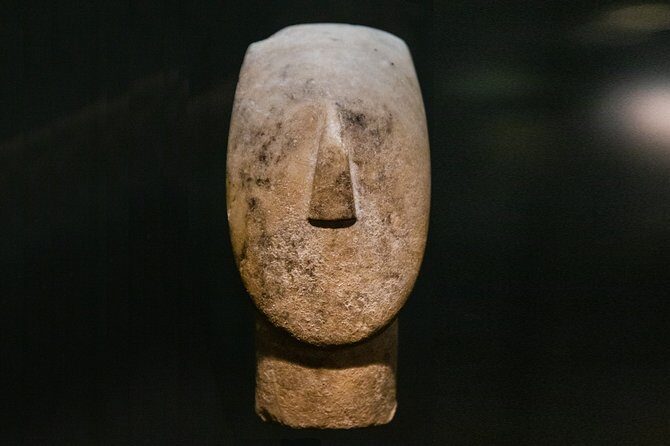
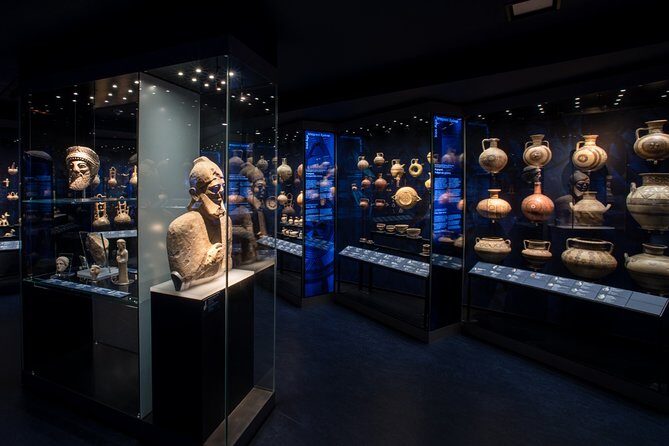
The museum’s main focus is Cycladic Art from the 3rd millennium BC. That date range can sound far away in a calendar sense, but in a museum it’s actually a clear thread. You’re seeing artifacts that help explain how the Cycladic world expressed identity through objects—through style, form, and the way items were made and used.
What I like about this emphasis is that it gives you structure. Instead of wandering through unrelated areas, you get a sense that the museum is trying to answer a small set of big questions about Cycladic culture and its connections across the Aegean and toward Cyprus.
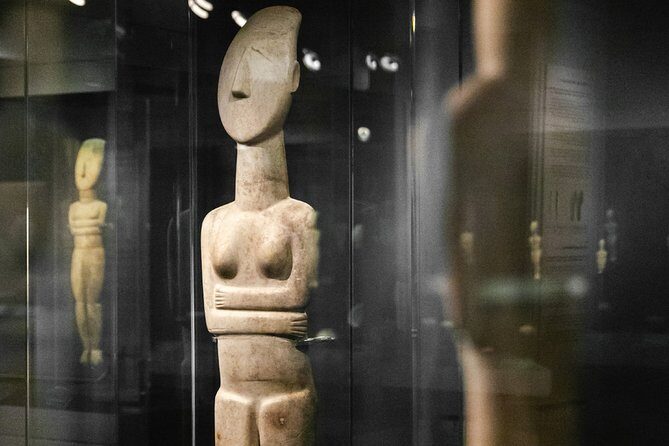
Cycladic artifacts often reward close looking. If you slow down and pay attention to shapes, proportions, and repeated motifs, you start noticing patterns. And because it’s a permanent collections visit, you’re not being pushed through a short highlight list—you can spend time where it clicks for you.
A note on how the museum’s collection grew
Founded in 1986, the museum started with the Goulandris collection and expanded with new acquisitions and donations. That matters because the museum is still building its understanding of the broader Aegean and Cyprus cultural world. You’ll likely feel that growth reflected in the variety of pieces you encounter during your walk.
How to use the Clio Muse QR tour without losing your momentum
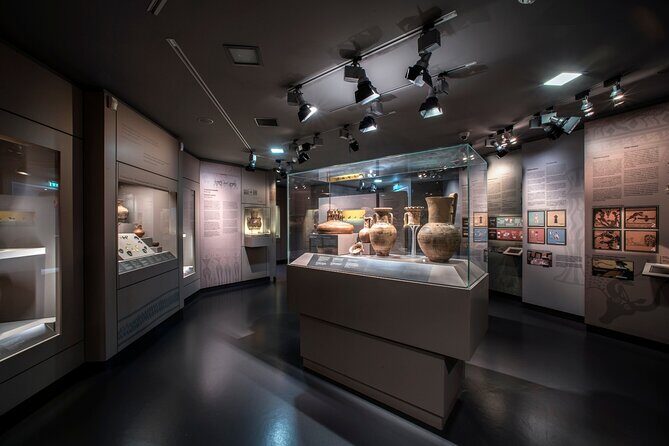
Here’s the trick to making a self-guided museum feel smooth: treat the smartphone tour like a guide you can pause, not like homework you have to finish. With Clio Muse Tours and a QR code, you can bounce between audio and looking.
I’d do it like this:
- Start by downloading the tour on the museum Wi‑Fi before you get deep into galleries.
- Use the audio to get your bearings and pick out what to look for next.
- When you find a display that grabs you, stop the audio and look closely for a minute or two.
The biggest benefit is control. A guided tour can move you along even when you’re still trying to process a display. Here, you decide when to speed up and when to slow down.
Also, English content helps you actually absorb what you’re hearing. If your goal is cultural context—why objects look the way they do—having the explanations in your language is a big deal.
- All Day Cruise -3 Islands to Agistri,Moni, Aegina with lunch and drinks included
★ 5.0 · 4,958 reviews



The one-stop visit flow: what your hour or two will feel like

Your experience is basically centered on one stop: the museum itself. That sounds simple, but it’s a strength. Museums like this work best when you don’t cram your schedule with five different moves right around them.
Expect a straightforward visit length of about 1 to 2 hours. If you’re the type who reads labels carefully and uses the smartphone tour, you’ll land closer to the upper end. If you skim and just let the audio point you toward key ideas, you can keep it short and still enjoy it.
What “modern facilities” means in practice
People tend to like the setup here for a reason. Modern facilities and a lot of items on display reduce friction. You’re not fighting outdated spaces, cramped layouts, or confusing flows while you’re trying to enjoy the objects.
That matters because it keeps the focus where it should be: on the art and artifacts, not on logistics.
Café and shop time: a useful buffer, not an afterthought
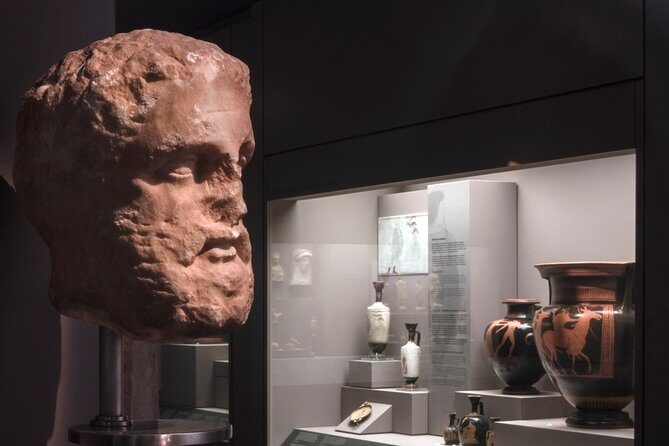
This ticket experience includes access to an onsite café and shop, which is more valuable than it sounds. When a museum visit runs long—or when you just need a break—you don’t have to escape the museum and restart your day.
The café also works as a natural reset. You can check in with your feet and your energy level before continuing. It’s especially handy if you plan to combine this with other Athens sights later.
The shop is useful too, as long as you’re not expecting “must-buy” souvenirs. Think of it as a way to take a reminder home—maybe something small—after you’ve already spent time learning inside.
Timing and closures: the one practical risk worth planning around
The museum is easy to fit into a visit, but I’d plan with one caution: holiday hours can change. One common disappointment is when someone shows up only to find the museum closed during a holiday period like Easter.
So if you’re traveling around major Greek holidays, don’t assume the hours will match what you expect. If your dates are flexible, aim for a normal weekday window. If they aren’t, it’s smart to verify closer to your visit.
Also consider that the experience is often booked in advance (on average about 18 days ahead). If you want a specific time window and travel during peak season, book early so you’re not squeezing your itinerary.
Price and value: is $14.48 worth it?
At $14.48 per person, this ticket sits in a reasonable range for a focused museum visit—especially because you’re not paying extra for the core experience. You’re getting admission to the permanent collections, plus free Wi‑Fi and a smartphone tour option.
Here’s the value logic that matters:
- You’re paying for entry plus a built-in way to learn (QR tour).
- The experience is designed to last 1–2 hours, so it doesn’t demand a half-day.
- You can adjust your pace, so you don’t feel rushed.
If you already enjoy museum context and you like looking at artifacts closely, this is a strong use of your time. If you only like museums that come with a live guide or classroom-level explanations, you might feel slightly under-supported—because the experience includes admission and audio-style learning, not a person walking you through things.
For most people, though, the setup hits a sweet spot: you get enough guidance to understand what you’re seeing, and enough freedom to stop and look.
Who this works best for (and who might skip it)
This is a good fit if:
- You want a self-guided museum experience that still gives you context.
- You like ancient art and want a clear focus on Cycladic culture and related Aegean themes.
- You’d like a visit you can complete in about an hour or two without committing to a long tour schedule.
- You prefer to learn in English with audio support.
It may be less ideal if you need a live guide to ask questions, or if you’re only interested in a very broad, quick “see-and-go” style of museum visit. In that case, you might find the smartphone tour useful but still want a person to fill in the gaps.
Accessibility-wise, the experience states that most travelers can participate, service animals are allowed, and it’s near public transportation. So it’s set up for practical access.
Should you book the Museum of Cycladic Art ticket?
Yes, I’d book it if you want a high-signal museum stop without heavy planning. The guaranteed entry, the free Wi‑Fi, and the QR smartphone tour are the core reasons. They make the visit feel complete even when you’re moving independently.
I’d also lean toward booking if you like museums that reward attention. Cycladic art works best when you spend time looking, not when you rush past. And because you can go at your own pace, you can actually do that.
The only reason I’d hesitate is if your dates fall during a holiday period when closures are possible. If that’s your situation, verify near your travel dates and build in a Plan B.
If you want a solid Athens cultural hit that you can actually finish in a short window, this is a smart choice.
FAQ
How long should I plan to visit the Museum of Cycladic Art?
You should plan for about 1 to 2 hours for the experience.
Does the admission ticket guarantee entry?
Yes. The admission ticket is designed to guarantee your entry at the museum.
Is there a smartphone tour available, and is it in English?
Yes. The experience includes Clio Muse Tours with a QR code, and it is offered in English. The ticket also includes free Wi‑Fi to help you download the smartphone tour.
Do I need a guide to understand the museum?
No. This is a self-guided experience. The ticket does not include a guide.
Can I visit if I’m using public transportation?
The museum is near public transportation, so it should be fairly easy to reach by transit.
Is free cancellation available?
Yes. You can cancel up to 24 hours in advance for a full refund.