REVIEW · GREECE
Athens: Premium Greek Honey Tasting
Book on GetYourGuide →Operated by Brettos Wine & Deli Cellar · Bookable on GetYourGuide
Greek honey is far more varied than the familiar golden jar on a supermarket shelf. In 20 minutes at Brettos Wine & Deli Cellar, you taste five premium honeys from different parts of Greece, including unusual oak and chestnut varieties alongside thyme, pine, and heather.
I like the small group size, limited to 10 people, and the chance to taste honey with cream cheese and crisp sesame bread rather than sampling it in isolation. The main drawback is the short time: this is a focused tasting, not a long food tour or a full meal.
In This Review
- Key points to know
- Why Greek honey deserves its own tasting
- What happens during the 20-minute tasting
- Reading the flavors from pine to chestnut
- The shop setting and the value of shopping afterward
- Why the small group matters
- Price, timing, and practical value
- The best time to fit it into an Athens day
- Who should book this honey tasting?
- Should you book it?
- FAQ
- Where does the Greek honey tasting take place?
- How long does the activity last?
- How many honeys will I taste?
- Which honey flavors may be included?
- Is food included?
- Is hotel transfer included?
- What language is the tasting in?
- How large is the group?
- How much does the tasting cost?
- Can I cancel the booking?
Key points to know
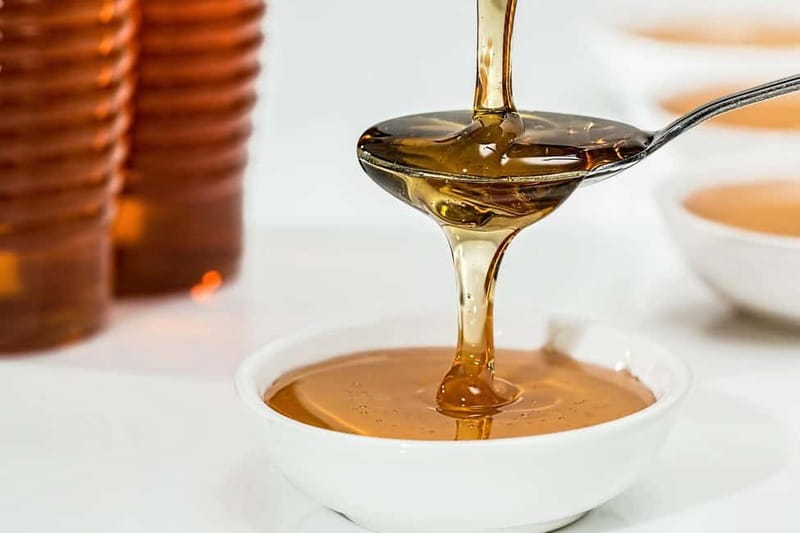
- Five regional honeys: Compare flavors shaped by Greek pine, fir, chestnut, oak, thyme, heather, and wildflowers.
- A compact Athens stop: The tasting lasts about 20 minutes, making it easy to fit into a busy day.
- Useful food pairings: Try selected honeys with cream cheese and crispy sesame bread.
- Small English-speaking group: The group is limited to 10 participants, with instruction in English.
- Good rainy-day plan: It offers a warm indoor break when the weather turns poor.
- Flexible booking: You can cancel up to 24 hours before the activity for a full refund and reserve without paying immediately.
Why Greek honey deserves its own tasting
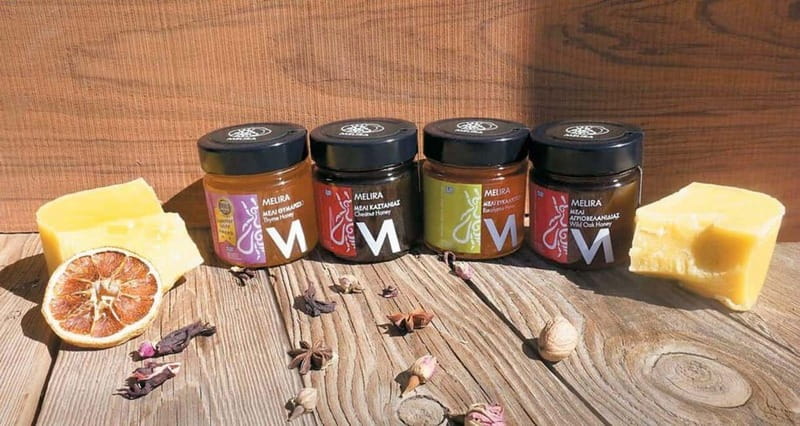
Greek honey gets much of its character from the plants available to bees. Greece has pine forests, fir trees, chestnut trees, thyme, heather, and broad stretches of wildflowers. That gives local producers a wider range of flavors than you might expect from one country.
Honey made from nectar is often called flower honey. Other Greek varieties, especially pine honey, come from secretions associated with trees rather than from flower nectar in the usual sense. You do not need a science lesson to enjoy the difference, but learning where the flavor begins makes the tasting more meaningful.
The session also places Greek honey in a longer food tradition. Greek honey was prized as the finest in the world until the Middle Ages, according to the presentation. Treat that claim as historical context rather than a modern ranking, but it helps explain why honey remains such an important part of Greek food culture.
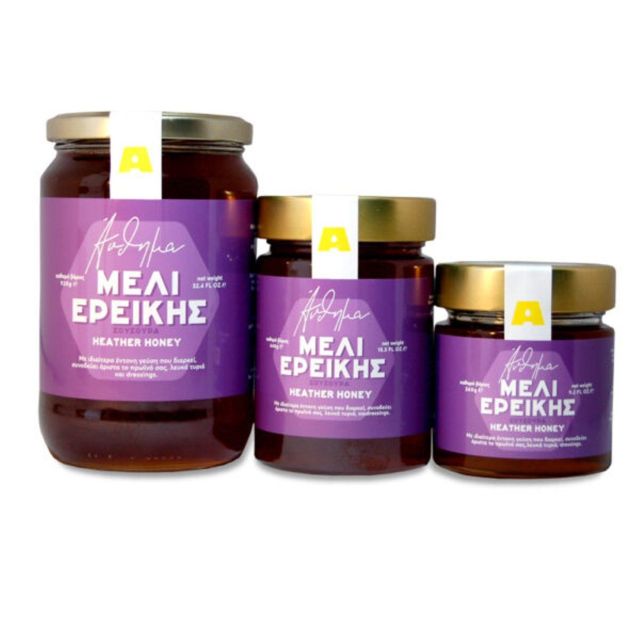
I appreciate that the tasting is not limited to the most familiar thyme honey. The selection can include oak and chestnut honey, which have darker, more distinctive profiles, as well as pine, heather, and thyme. You get a better sense of Greece as a collection of local food regions, not just one national style.
You can also read our reviews of more food & drink experiences in Greece



What happens during the 20-minute tasting
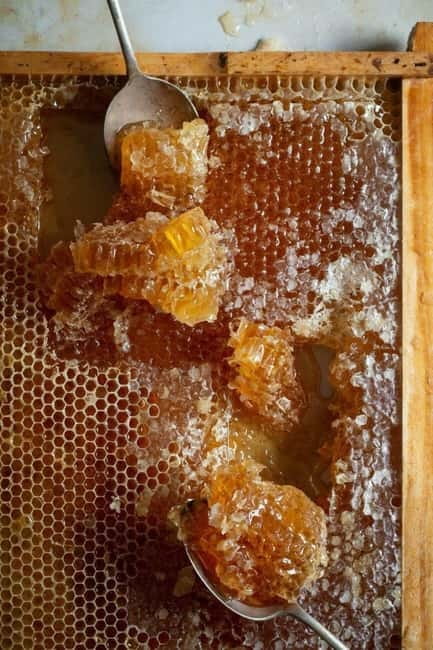
This is a short, structured introduction. You arrive at Brettos Wine & Deli Cellar and taste five Hellenic honeys from different Greek regions. The exact order and labels can vary, but the point is comparison: each sample shows how the source plant and production area affect aroma, color, texture, and finish.
The owner explains the varieties, how honey is produced, and the culinary and medicinal uses associated with them. The format is informal enough for questions, but the 20-minute length means you should expect a brisk presentation rather than a long conversation about every jar.
You may begin with a milder sample and move toward stronger flavors, though the precise sequence is not specified. It is useful to pay attention to more than sweetness. Notice whether a honey tastes resinous, herbal, nutty, woody, floral, or slightly bitter.
Pine honey can offer a darker, more woodland-like taste. Thyme honey is often prized for its herbal character. Chestnut and oak varieties may seem more unusual, with deeper flavors than a light wildflower honey. Heather and fir add still more contrast.
The tasting includes samples with cream cheese and crispy sesame bread. This small pairing matters. A spoonful of honey can taste intensely sweet, but cream cheese softens that sweetness, while sesame bread adds crunch and a savory note. You can see how the same honey changes when used as part of a simple dish.
Do not arrive expecting a sit-down lunch. Food and drinks beyond the included five-honey tasting are not included, and the activity is designed as a sample session. If you want a substantial meal, plan one separately.
Reading the flavors from pine to chestnut
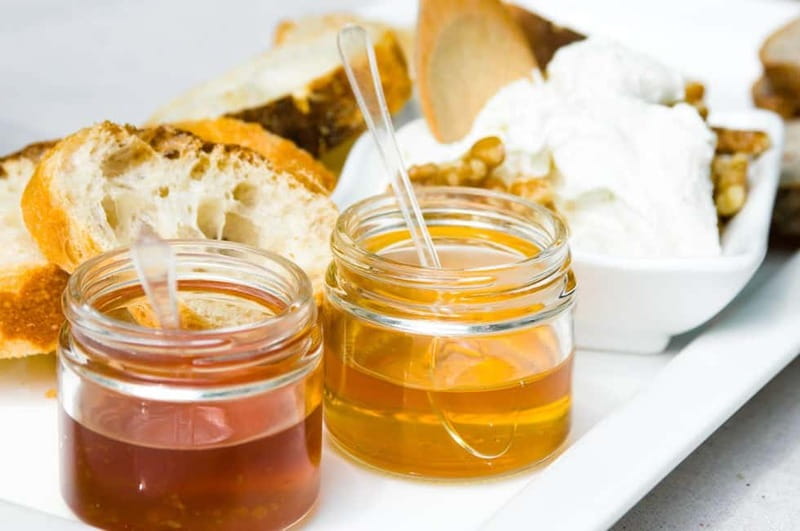
The strongest part of this experience is the chance to compare varieties side by side. In a shop, you might see a shelf of honey jars and pick one based on a label. Here, you can taste several before deciding what suits you.
A basic tasting method helps. Start by smelling a small amount. Then let it sit on your tongue for a moment before swallowing. Ask yourself three simple questions:
- Is the flavor light and floral, or dark and woody?
- Does the sweetness fade quickly or linger?
- Would you use it on toast, with cheese, in yogurt, or in a savory dish?
Thyme honey is a good example of why Greek honey can taste different from standard flower honey. Its herbal side can make it feel sharper and more aromatic. Pine honey may seem fuller and darker, while chestnut and oak can appeal to you if you prefer less sugary flavors.
The tasting also gives you a chance to explore organic honey. The activity highlights organic honey, but the supplied information does not specify that every one of the five samples is certified organic. If certification matters to you, ask which jars carry it before buying.
The same advice applies to medicinal claims. The presenter discusses culinary and medicinal properties, and pine honey is associated with traditional use for colds in the supplied account. Enjoy that as food tradition, not as a substitute for medical care. The value here is learning how Greeks use and talk about honey, not receiving health treatment.
The shop setting and the value of shopping afterward
Because the experience takes place with Brettos Wine & Deli Cellar, you can continue looking at products after the tasting. The supplied information points to shopping as part of the appeal, with honey suitable for taking home or giving as a gift.
That makes the session more useful than a quick sample at a market stall. You can taste unusual varieties, identify your favorites, and then consider a purchase with a better idea of what is inside the jar. Oak or chestnut honey may make a memorable gift for someone who already knows the common types.
Still, shopping is not included as part of the paid activity. The included item is the tasting of five premium Greek honeys. Any jars or other products you buy cost extra.
The shop setting also means this is not a countryside apiary visit. You will not be touring hives or watching honey extraction based on the information provided. If your main interest is beekeeping, farm work, or meeting a beekeeper outdoors, this experience may feel too limited. If you want a quick introduction to Greek honey in central Athens, the setting works well.
Why the small group matters
The group is limited to 10 participants, which is a useful middle ground. It is more personal than a large demonstration, but not so private that the price becomes high.
A small group gives you a better chance to hear the explanation and ask about a flavor you do not recognize. This matters when tasting subtle products. You may want to know why one honey is darker, why another has a woody note, or which variety pairs best with cheese.
Instruction is in English. The information does not name the guide, so you should not book expecting a particular presenter. The experience provider is Brettos Wine & Deli Cellar, and the presentation is led by the shop owner according to the supplied account.
The short format keeps the activity easy to fit into an Athens schedule. You can place it between sightseeing stops, before dinner, or on a rainy evening. On the other hand, 20 minutes leaves little room for delays, long questions, or a relaxed meal. Arrive ready to start at your booked time.





Price, timing, and practical value
At $13.55 per person, the tasting is reasonably priced if you value comparison and a little food education. You are paying for five samples, the explanation of production and regional varieties, and the pairing with cream cheese and sesame bread.
The value is strongest for three kinds of people. First, it suits anyone who wants a small, affordable Athens activity. Second, it works for food-minded visitors who enjoy learning how a familiar ingredient changes by region. Third, it is useful if you are considering honey as a gift and want to taste before buying.
The value is weaker if you measure every activity by how much food you receive. This is not a meal, and the tasting is over quickly. You may leave wanting more, especially if you enjoy the unusual oak or chestnut varieties.
There is no hotel transfer, and drinks or a larger meal are not included. You need to make your own way to the venue in central Athens. The exact meeting details and starting times should be checked when you select a date.
The booking terms add useful flexibility. You can reserve now and pay later, and cancel up to 24 hours in advance for a full refund. That is helpful when your Athens plans are still shifting, though you should check the current availability and cancellation conditions at booking.
The best time to fit it into an Athens day
The 20-minute length makes this easy to place around major sights. You might use it as a short food stop after a museum, before dinner, or during an afternoon when you want something indoors.
It is especially practical on a rainy evening. You get out of the weather, taste something distinctly Greek, and avoid committing half a day to an organized tour. The compact schedule also suits families or companions with different interests, since nobody has to give up a large block of sightseeing time.
The experience is less suited to someone looking for a slow, atmospheric meal. There is no stated hotel pickup, no included drinks, and no promise of a longer food route through Athens. Think of it as a tasting appointment, not a full culinary excursion.
If your schedule is tight, the fixed starting time matters more than the total duration. A 20-minute activity can still disrupt a sightseeing plan if you must cross the city at the wrong hour. Check the location and available start times before booking.
Who should book this honey tasting?
I would recommend it to curious eaters, food shoppers, couples, and solo visitors who want a short activity with a strong Greek connection. You do not need prior knowledge of honey. The five-sample format gives beginners a clear way to compare flavors without feeling lost.
It also suits anyone who prefers small groups. With no more than 10 participants, the setting should feel more manageable than a large food demonstration, and the English instruction makes the explanation accessible to English-speaking visitors.
Families may appreciate the low price and short length, though the supplied information does not give a minimum age or child policy. Ask before booking if you are traveling with children.
Honey enthusiasts will get the most from the unusual selection. If you normally buy only light flower honey, oak, chestnut, pine, and heather can broaden your palate. The pairing with cream cheese and sesame bread also gives you immediate ideas for serving honey at home.
I would skip it if you want a full meal, a farm visit, or a detailed beekeeping lesson. You should also pass if you have no interest in buying food products and prefer sightseeing with no scheduled stops. The tasting is small and specialized by design.
Should you book it?

Book this if you want a quick, inexpensive taste of regional Greece rather than another major monument. The $13.55 price is fair for five premium samples, guided explanation, and simple pairings, especially when you use the session to choose a jar for yourself or as a gift.
Go in with realistic expectations. You will spend about 20 minutes indoors, not an afternoon among beehives. For a rainy evening, a break between sights, or a small food-focused addition to an Athens itinerary, this is an easy choice. If you want more time, more food, or transport included, choose a longer culinary experience instead.
FAQ
Where does the Greek honey tasting take place?
The experience is provided by Brettos Wine & Deli Cellar in central Athens, Greece.
How long does the activity last?
The tasting lasts 20 minutes.
How many honeys will I taste?
You will taste five premium Greek honeys from different regions of Greece.
Which honey flavors may be included?
The experience covers honeys connected with pine, fir, chestnut, oak, thyme, heather, and wildflowers. The exact five samples may vary.
Is food included?
The tasting includes pairings with cream cheese and crispy sesame bread. A larger meal and drinks are not included.
Is hotel transfer included?
No. Hotel transfer is not included.
What language is the tasting in?
The instructor provides the experience in English.
How large is the group?
The activity is limited to 10 participants.
How much does the tasting cost?
The listed price is $13.55 per person.
Can I cancel the booking?
You can cancel up to 24 hours in advance for a full refund. You can also reserve now and pay later, according to the provided booking terms.