REVIEW · ATHENS
Awesome Street Art Tour in Athens with a Local Expert Small-Group
Book on Viator →Bookable on Viator
Street art in Athens hits different. This 3-hour walk turns walls into stories, with an 8-person max and guides like Kalliopi or Thomas who explain the why behind the art. I especially like the artist background stories you get as you move through neighborhoods people usually skip, from Gazi to Kerameikos. One thing to consider: depending on your timing (especially evening), it can get harder to see fine details near the end as light fades.
You also get the practical stuff that makes a city tour actually work: bottled water, a guided route through five neighborhoods, and optional help getting photos so everyone ends up in the frame. The tour starts at Persefonis 41 and finishes in Kerameikos (Giatrakou 9), so you’re left in a lively area instead of getting dumped back at a random street corner.
For the price of $59.28, what you’re really buying is context. The stops have no admission fees, and you’ll get personalized recommendations for food, culture, and alternative Athens ideas—plus photos from the murals you saw. If you’re hoping for a sit-down museum vibe, this is more of a moving street-level education, at a comfortable walking pace.
In This Review
- Key Highlights You’ll Feel on the Walk
- Why This Athens Street Art Walk Works So Well
- The Route: Gazi to Kerameikos Without Repeating Yourself
- Stop 1: Gazi’s Street Art Energy (About 30 Minutes)
- Stop 2: Psirri’s Murals and Local Commentary (About 1 Hour)
- Stop 3: Monastiraki’s Mix of Tourist Flow and Real Walls (About 30 Minutes)
- Stop 4: Omonia Square’s Contrast and Closer Reading (About 30 Minutes)
- Stop 5: Kerameikos Wrap-Up with a Better Sense of Athens (About 30 Minutes)
- Price and Logistics: What $59.28 Buys You
- Morning vs Evening: Choose Based on How You See Details
- How to Get Better Photos (Without Losing the Point)
- Best For Who This Tour Fits
- Should You Book This Athens Street Art Tour?
- FAQ
- How long is the Athens street art tour?
- How many people are in the group?
- What neighborhoods are included in the walk?
- What is included in the price?
- Where does the tour start and end?
- What if weather is bad or I need to cancel?
Key Highlights You’ll Feel on the Walk
- 8 travelers max means real questions, not just a headset lecture
- Neighborhood mix: Gazi, Psirri, Monastiraki, Omonia, and Kerameikos
- No ticket hassle at the street stops, so you spend time looking, not waiting
- Photo support plus mural photos so you can actually keep the memories
- Local recommendations for what to eat, where to wander next, and where to go off the usual route
Why This Athens Street Art Walk Works So Well
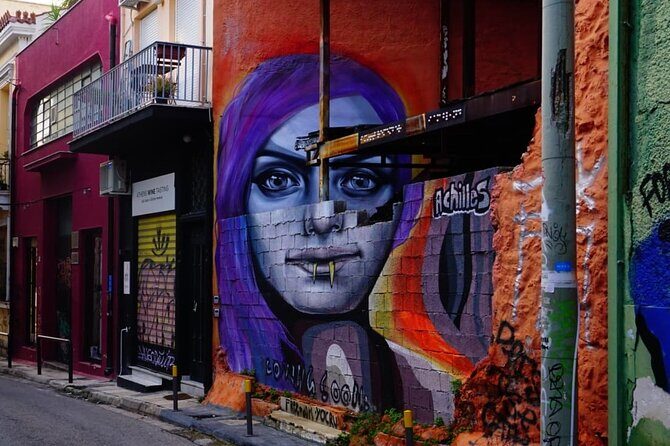
Athens has layers. This tour gives you a quick way to read those layers on foot—street art as political glance, cultural diary, and neighborhood identity, all at once.
The small group matters. With a cap of eight, the guide can slow down, answer your questions, and point out details you’d miss if you were just snapping photos and walking on. You also get a smoother vibe through the streets, because the tour stays flexible and guide-led instead of turning into a line.
I like that the focus stays practical. You’re not just collecting images; you’re learning how to look: style differences, recurring themes, and how artists choose locations. By the end, you’ll have a better sense of what you’re seeing when you notice a tag, a mural, or a stencil on the way to your next meal.
A few more Athens tours and experiences worth a look


The Route: Gazi to Kerameikos Without Repeating Yourself

This is a “loop” style walk across central Athens areas that each feel a little different. You move through places where you’ll see street art side by side with everyday life—shops, courtyards, storefronts, and busy blocks.
Here’s how the timing generally feels: it runs about 3 hours total, and each stop is short enough to keep energy up while still letting the guide explain meaning. The route is also set up to end in Kerameikos, which is convenient if you want to keep exploring after the tour.
One smart detail: water is included, and the guide will help you keep the pace comfortable. On hot days, there’s a planned reset about halfway around the route, so you don’t cook in the sun while trying to pay attention to symbolism.
Stop 1: Gazi’s Street Art Energy (About 30 Minutes)
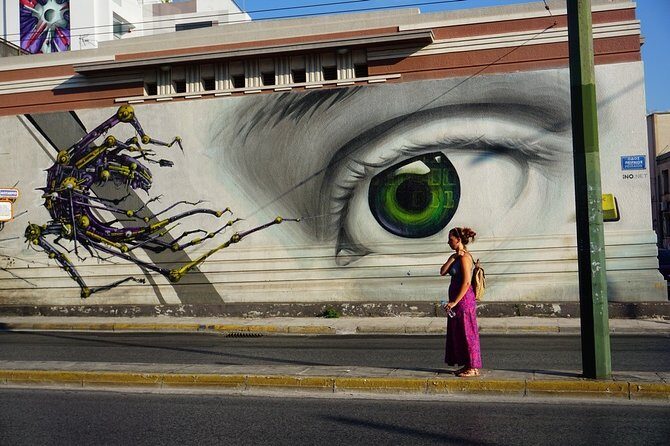
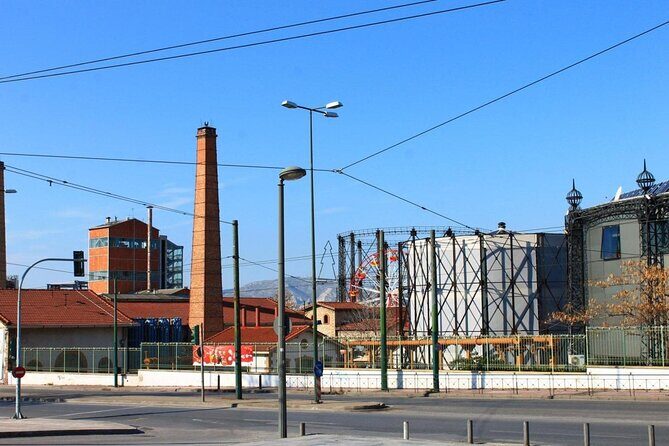
Gazi is where the tour often starts with momentum. In a short block of time, you’re usually introduced to the area’s look and feel—how street art shows up in a place that’s more than just a background.
What to watch for here:
- Contrast between styles: tags versus larger murals versus more designed compositions
- How artists use size and placement to grab attention without needing a gallery wall
- Themes that connect to local identity and current events
Why this stop is worth your time: starting in Gazi sets you up to recognize patterns faster later. If you go in thinking street art is just decoration, the guide’s context helps you see it as a language.
Potential drawback: with only about 30 minutes, you won’t catch everything in the entire neighborhood. Treat it like a strong opening chapter, not a full documentary of Gazi.
Stop 2: Psirri’s Murals and Local Commentary (About 1 Hour)
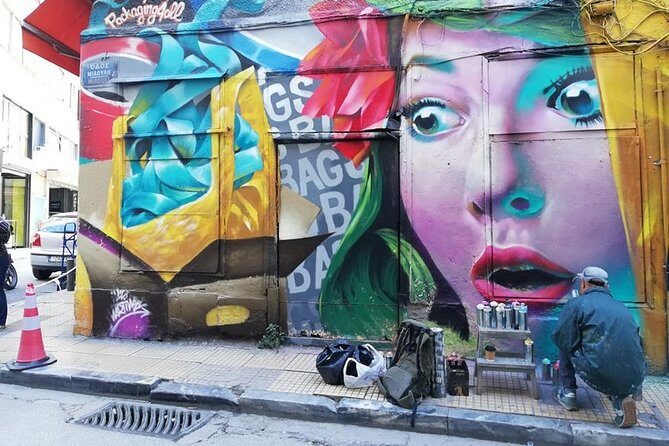
Psirri is where the tour can start to feel like a guided conversation with the city. One hour gives you enough time for the guide to explain multiple works and connect them to the artists behind them.
What I’d focus on during Psirri:
- Artist intent: not just what something depicts, but why it’s shown here
- Symbols: recurring visual clues that tell you the message is bigger than the image
- How street art changes the mood of a block—sometimes subtle, sometimes confrontational
This stop is often the “aha” moment for people who thought they understood street art already. You’ll learn the difference between graffiti writing, murals, and other forms of street expression, and how those categories affect meaning and audience.
One consideration: Psirri is active on the street. If you’re sensitive to noise or crowded sidewalks, you may want to pause for a second when the group stops, and let the guide finish before stepping into photo positions.
Stop 3: Monastiraki’s Mix of Tourist Flow and Real Walls (About 30 Minutes)
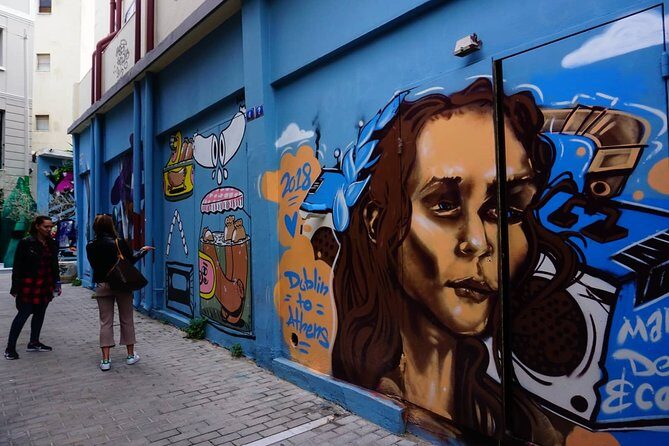
Monastiraki can look like one of those places you’ve seen before—until you start noticing the walls. This half-hour stop helps you separate the tourist rhythm from what locals are actually marking with paint.
During this segment, you’ll likely see:
- Works that pop in the middle of everyday movement
- Pieces that feel like they belong to the neighborhood more than to a specific event
- Details that make a mural worth slowing down for, even if you’re surrounded by fast walkers
Why it’s included: Monastiraki is a useful reality check. You’ll learn how street art can stay visible and meaningful even in high-foot-traffic zones.
Potential drawback: the sidewalks here can be busy, so your best photos might take a little patience. If you care about crisp shots, listen for the guide’s timing on when to stop and where to stand.
- All Day Cruise -3 Islands to Agistri,Moni, Aegina with lunch and drinks included
★ 5.0 · 4,958 reviews




Stop 4: Omonia Square’s Contrast and Closer Reading (About 30 Minutes)
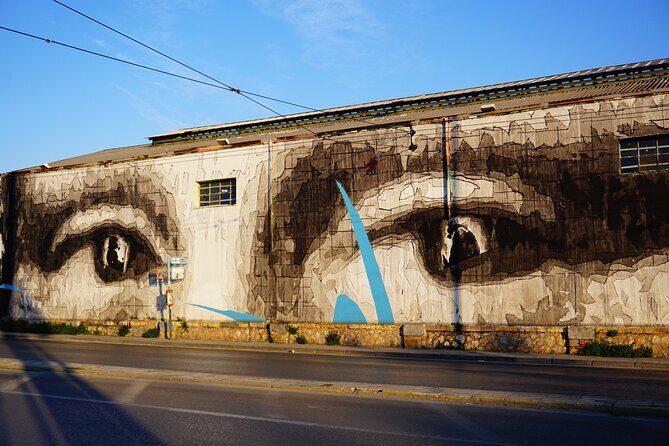
Omonia Square is where the tour often adds contrast. The atmosphere around a major square can change the way you interpret the art—street works here can feel more urgent, more public, and harder to ignore.
What to pay attention to:
- How the art responds to its setting (square life versus side-street life)
- The way messages feel directed at a wider audience
- The guide’s take on technique—how line, color, and layering affect interpretation
This stop also tends to sharpen your “reading skills.” After three earlier stops, you’ll likely start spotting patterns faster: which themes are repeated, what the style signals, and how artists use scale to make the message legible.
One consideration: because it’s a square area, you may deal with more open space and shifting crowds. Stay aware of your footing and the group spacing so you’re not constantly stepping into someone else’s path.
Stop 5: Kerameikos Wrap-Up with a Better Sense of Athens (About 30 Minutes)
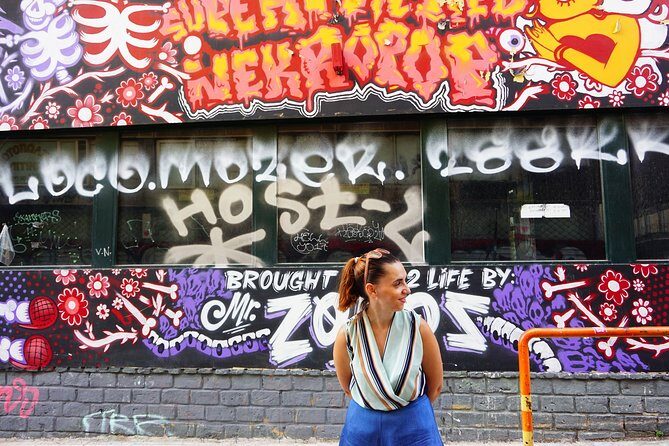
The final stop is in Kerameikos, and it’s a smart ending. You finish in an area where the streets feel connected to Athens beyond the main monuments—so you can keep going with a clearer sense of direction.
This is where the guide can pull together the bigger picture:
- What the route taught you about Athens neighborhoods
- How street art fits into local culture and public conversation
- What to look for next on your own, once the tour route ends
The finish location matters: ending near Giatrakou 9 puts you in reach of more wandering options rather than sending you back across town.
Potential drawback: the last stop is also short (about 30 minutes). If you fall in love with one mural style in the earlier stops, you might feel like you could spend more time here. The fix is easy: ask the guide for one or two follow-up targets in the area before you break off.
Price and Logistics: What $59.28 Buys You

At $59.28 per person, this doesn’t feel like a random add-on. For the price, you get a few things that are hard to replicate on your own:
- A local expert who connects works to artists and meaning
- A route through multiple neighborhoods in about 3 hours
- Bottled water to keep you comfortable
- Photos from the murals you see
- Personalized recommendations for where to eat, culture options, and alternative spots
- Optional photo-taking assistance so your group photos don’t turn into blurry misses
What’s not included is also clear: public transport tickets aren’t part of the tour, and there’s no snack stop built in as an included item (though the guide can suggest places). Gratuities are optional, which you should treat as normal for good guide service.
Is it worth it? If you like street art but want more than names on a wall, yes. This price buys you meaning and momentum—two things that make Athens feel bigger, not harder.
Morning vs Evening: Choose Based on How You See Details
You can pick a morning or evening tour, and that choice matters because street art is all about small choices: line thickness, color layering, and symbolic placement.
Morning tends to make details easier to spot. Evening gives a different mood, but if daylight is low by the end, it can be tougher to see fine work, especially on darker walls or in tighter alleys. If you book evening, plan to rely on the guide’s pointers and consider using your phone light carefully when needed.
If you want maximum comfort and the easiest viewing, mornings are usually your safest bet. If you’re chasing atmosphere and want to pair it with later plans, evening is great—just be prepared for the light to change.
How to Get Better Photos (Without Losing the Point)
One of my favorite parts of this tour format is that photo support is built in. That means you’re not just shoved forward with a quick glance and a go-go-go attitude.
Here’s how to make your photos work with the tour:
- Wait for the guide to finish explaining the work before shooting. You’ll remember the symbolism better.
- Use the guide’s photo-taking assistance if you’re with friends or teens so you don’t constantly rotate who holds the phone.
- Take one wide shot of the wall, then one close-up of the detail the guide points out. Street art stories live in the small stuff.
Also, because you get photos of the murals from the tour, you can take fewer risky shots and spend more time actually looking. That’s a win if you’re walking and trying not to trip over your own camera strap.
Best For Who This Tour Fits
This tour is especially good if:
- You like street art and want the artist side, not just the visuals
- You want a neighborhood-focused way to learn Athens in a short time
- You travel with teens or friends who enjoy sightseeing with a twist
- You want local food and culture recommendations you can actually use
It’s also a strong option for people who don’t want a rigid “museum route.” Street art is messy by design—this tour teaches you how to read that mess instead of trying to clean it up.
If you prefer quiet, lone wandering with no group pacing, you might find a walking tour a bit more structured than you like. In that case, you could still use this as a starting education and then explore at your own pace afterward.
Should You Book This Athens Street Art Tour?
If you’re curious about Athens beyond the postcard spots, this is a smart buy. The small group size, the focus on meaning, and the mix of neighborhoods—from Gazi to Kerameikos—make it feel like you’re getting inside the city’s eyes for a few hours.
Book it if you want:
- A guided route that turns walls into stories
- A guide who can answer questions and connect art to place
- A practical tour with water, photos, and recommendations
I’d pass or reconsider only if you know you struggle with walking time or you’re very sensitive to light fading near the end of evening slots. Otherwise, it’s one of those rare tours that leaves you with both photos and better instincts for what to notice next in Athens.
FAQ
How long is the Athens street art tour?
It runs about 3 hours (approx.).
How many people are in the group?
The tour caps at a maximum of 8 travelers.
What neighborhoods are included in the walk?
You’ll visit Gazi, Psirri, Monastiraki, Omonia Square, and Kerameikos.
What is included in the price?
The tour includes bottled water, guided street art viewing across multiple neighborhoods, artist background and story context, photos of murals, and personalized local recommendations. There’s also optional photo-taking assistance during the tour.
Where does the tour start and end?
It starts at Persefonis 41, Athina 118 54, Greece, and ends at Giatrakou 9, Athina 104 36, Greece in the Kerameikos neighborhood.
What if weather is bad or I need to cancel?
The experience requires good weather. If it’s canceled due to poor weather, you’ll be offered a different date or a full refund. You can cancel up to 24 hours in advance for a full refund.