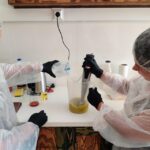
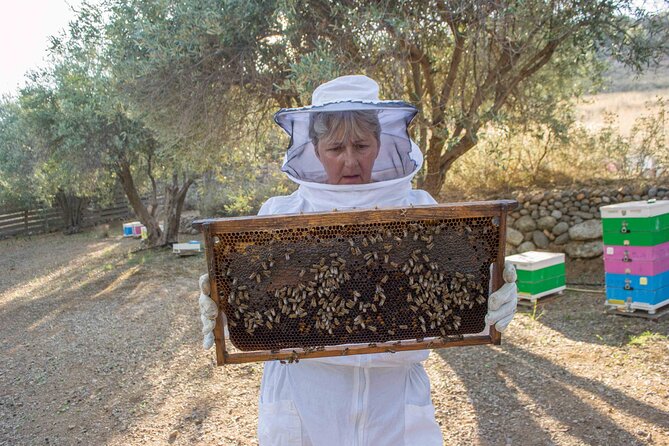
The most memorable part of Beekeeping and Honey Stories in Itea is the close look inside a working hive. After a lesson on bee society and honey production, you put on protective clothing and examine the comb, cells, bees, and, if conditions cooperate, the queen herself.
I like the clear environmental message and the way the guides connect bee biology to daily life. I also like the relaxed setting: Greek coffee, country views, fresh honey, and time to sit rather than rush from one stop to the next. The main consideration is simple: this is an educational beekeeping visit, not a quick honey shop stop, and anyone with a bee-sting allergy should think carefully before booking.
In This Review
- Key points to know
- Why the bees come first in Itea
- The opening lesson: bee society in plain language
- Putting on the beekeeper suit
- Reading the comb inside a working hive
- Honey, fruit, and Greek coffee
- A quiet countryside setting near Itea
- How much value do you get for $30.10?
- Timing, meeting point, and arrival advice
- Who will enjoy this beekeeping visit?
- Should you book Beekeeping and Honey Stories in Itea?
- FAQ
- How long does Beekeeping and Honey Stories in Itea last?
- What is included in the price?
- Is the tour offered in English?
- Do I get to see inside a beehive?
- Is the activity suitable for children?
- What should I know about allergies?
- Can I cancel for a refund?
Key points to know
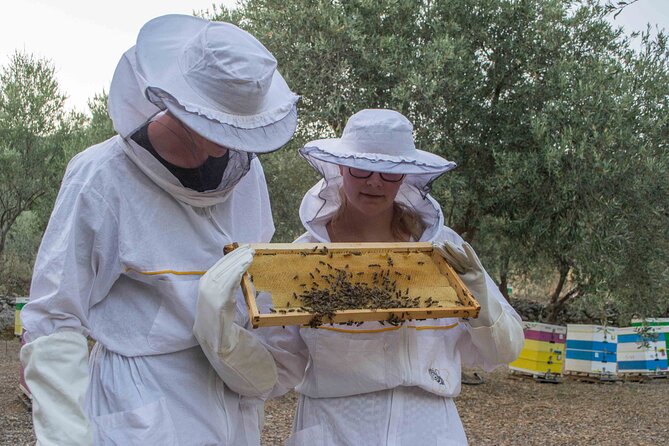
- You inspect a real hive in protective clothing, with a close look at combs, cells, and different types of bees.
- John, Yiannis, and Nick bring strong personal knowledge of bee biology, beekeeping, and the local area.
- Honey tasting goes beyond a single spoonful, with honey, fruit, and other hive products included.
- The two-hour visit mixes learning with downtime, including Greek coffee and a peaceful countryside setting.
- Families with children can take part, with protective equipment supplied and hands-on parts of the visit.
- A steep, narrow approach road may affect arrival, though parking below and help with the uphill ride can be arranged ahead of time.
Why the bees come first in Itea
This visit works because it treats honey as the end of a much larger story. You learn how bees grow, work, communicate, and organize their colony before you taste what they produce. That order matters. By the time you reach the honey table, you understand the work behind each drop.
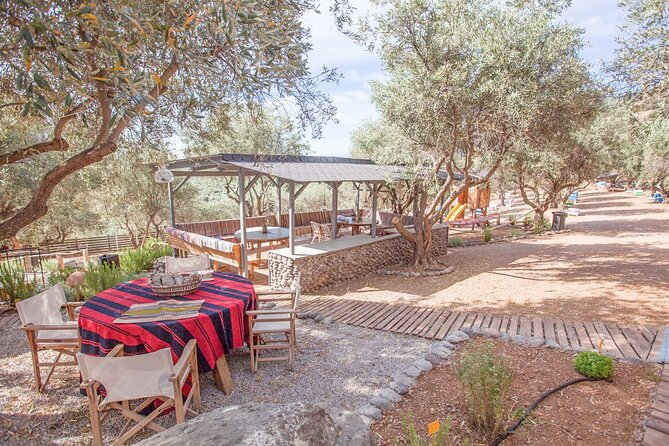
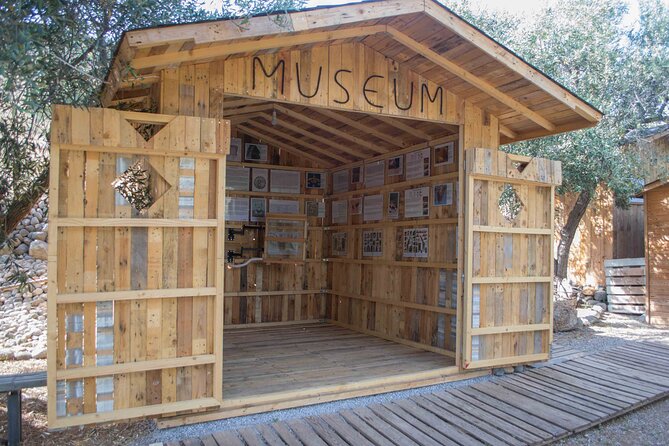
The setting is near Itea, in the countryside around the Delphi area. The apiaries sit in a place designed for learning, with views and room to slow down. The site uses repurposed lumber and has an educational purpose, so it feels more like a small nature center than a standard farm shop.
The guides also make the subject personal. John, Yiannis, and Nick are connected to the area, and the team presents beekeeping as both a livelihood and an environmental responsibility. The central message is clear: healthy bees matter to food production, ecosystems, and human life.
You do not need to arrive with a strong interest in insects. One family came expecting a routine stop and found the presentation far more engaging than expected. That makes this a useful choice for a mixed group, especially if one person loves biology and another would rather sit outdoors with coffee and honey.
You can also read our reviews of more tours and experiences in Greece.

The opening lesson: bee society in plain language
The visit begins with an introduction to the life of the honey bee. Expect a talk about the colony’s structure, the role of the queen, the work done by different bees, and the way bees communicate. The guides also explain how the bees develop and how the hive is organized.
This first section is not filler before the practical part. It gives you the tools to understand what you see later. A comb is not just a sheet of wax. The shape and purpose of its cells tell you about brood, food storage, and the colony’s daily needs.
The presentation has been described as engaging for both adults and children. Families with children aged 11 and 13 found enough detail to keep everyone interested. Younger children may enjoy the visual side of the visit, especially the equipment and the live hive, but the supplied information does not set a minimum age.
John is especially associated with the longer teaching portion, while Yiannis and Nick also guide visits. The tone is serious about bee protection but not gloomy. You leave with practical awareness of the pressures facing bees and a better sense of what people can do to support them.
Putting on the beekeeper suit
After the introductory talk, you put beekeeping equipment over your existing clothing. The gear is supplied as part of the price, so you do not need to bring a veil, suit, or gloves.
The protective clothing changes the feel of the visit. You are not simply watching someone else open a hive from a distance. You get close enough to examine the comb and see how the colony operates, while the equipment creates a controlled barrier between you and the bees.
Still, this is live-animal contact, not a staged display. Bees can sting, and the activity specifically flags bee-sting allergy as a concern. If you have a serious allergy, ask the operator about your situation before booking rather than assuming the suit removes all risk.
The hands-on part can be enjoyable for children, too. The family visit included the chance to hold combs and gently interact with bees under supervision. Treat that as a possibility rather than a guaranteed feature, since the exact handling depends on the hive, weather, and the guides’ judgment on the day.
Reading the comb inside a working hive
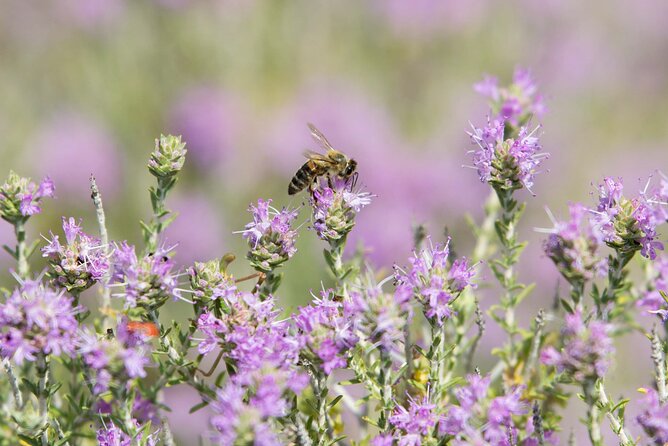
The hive inspection is the heart of the tour. With a guide beside you, you see the comb section by section and learn to distinguish the different parts of the colony. The visit can include a look at the queen, various cells, and different kinds of bees.
This is where the earlier lesson pays off. Instead of seeing a moving mass of insects, you can begin to read the hive’s structure. You might notice the careful geometry of the comb, the contrast between brood areas and honey stores, and the different jobs being carried out around you.
The guides explain how honey is made and how a beekeeper manages the colony. That gives you a more honest picture of the work. Beekeeping is not simply placing boxes in a field and collecting jars later. It depends on watching colony health, understanding bee behavior, and working with the seasons.
The close viewing is exciting, but it may not suit every mood. If you want a quiet food tasting with no insects nearby, choose a different activity. If you are curious about biology or want to understand how honey reaches your breakfast table, this is the section that makes the visit worthwhile.
Honey, fruit, and Greek coffee
Greek coffee is served during the visit, giving you a comfortable pause after the talk or before the hive inspection. Water is also included. These small touches matter because two hours in protective clothing and open countryside can feel longer without a break.
The tasting includes honey and hive products. You may also be served fruit drizzled with honey, a simple combination that lets you notice the flavor without a complicated menu around it. Beeswax balms and other products may be available to try, and the farm shop carries honey and olive-oil products.
There is no pressure to buy. The shop is part of the setting, but buying from it is not included in the ticket price. If you want to take honey home, check the biosecurity and customs rules for your home country before packing it. Rules about bringing food and agricultural products across borders can be stricter than you expect.
The tasting is best understood as part of the lesson. You are not being offered a full meal, and this should not replace lunch. It does, however, make the connection between the bees, the landscape around Itea, and the finished product much easier to grasp.



A quiet countryside setting near Itea
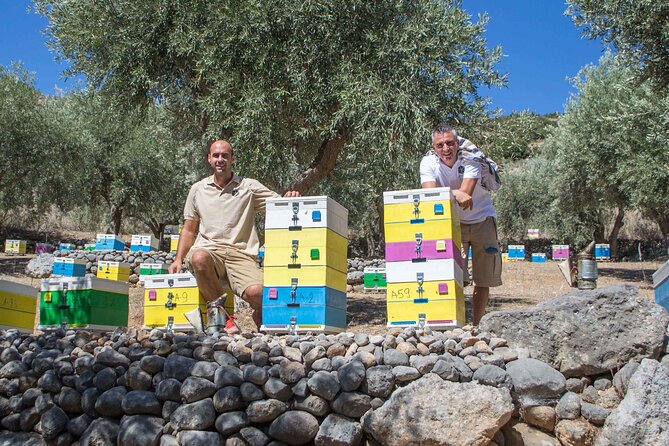
The apiary setting gives the visit a slower rhythm than a museum or city attraction. Once the formal teaching is done, you can enjoy the Greek countryside, sit back, and take in the surroundings.
That pause is useful after the hive inspection. The best educational outings leave room for the information to settle, and this one does not force you straight into a bus or another crowded stop. You get coffee, tasting, views, and time to talk with the guides.
The setting also helps explain why local plants, weather, and seasonal conditions matter to beekeeping. The tour information does not promise a particular flowering season or honey variety, so do not book it expecting a specific flavor profile. The focus is the life of the colony and the craft of keeping bees.
If you are visiting Itea or Delphi, this makes a good change from ruins and churches. It adds a living, working side of the region, with local people explaining a trade tied to food and the environment.
How much value do you get for $30.10?
At $30.10 per person, the price is reasonable if you want a guided activity rather than a tasting alone. The fee covers about two hours, beekeeping equipment, water, Greek coffee, honey and hive-product tasting, and the guides’ time.
The strongest value comes from the access to the hive. A jar of honey costs far less than the tour, but a jar cannot show you the comb, explain the colony, or let you ask questions while standing beside the apiary.
Group discounts may improve the price for families or organized parties. The stated maximum is 45 people, so the activity can accommodate a sizable group. A large group may feel less personal than a visit with only a few people, though the site is clearly used to hosting organized tours.
This is not the cheapest way to buy honey, and it is not meant to be. You are paying for instruction, protective equipment, a supervised encounter with the bees, and a setting where the guides make time for questions. I would choose it for the learning and live access, not just for the food sample.
Timing, meeting point, and arrival advice
The activity lasts about two hours and begins and ends at the meeting point in Itea. The listed location code is 8GC4FC2J+2X8FC2J+2X8 Itea, Greece. Confirm the exact directions with the operator before setting out, especially if you are driving.
The approach includes a short, steep, narrow lane with limited parking. If you arrive by car, do not assume you can turn around or find a large lot at the top. Parking in the larger area below and walking up may be easier.
If walking uphill is difficult, arrange help in advance. Staff have been seen carrying people between the lower parking area and the site, but this should be requested before arrival rather than treated as an automatic service.
The activity is offered in English, and confirmation arrives when you book. Most people can participate, but the bee-sting warning deserves attention. Wear ordinary clothes that can fit beneath the supplied equipment, and choose footwear suited to a countryside approach.
The activity needs good weather. If poor conditions force a cancellation, you receive the option of another date or a full refund. You can also cancel for a full refund up to 24 hours before the start time. Changes or cancellations made within 24 hours are not accepted for a refund.
Who will enjoy this beekeeping visit?
I would recommend it most to:
- Families with school-age children who enjoy hands-on nature activities
- Adults curious about biology, insects, food production, or sustainability
- Couples looking for a slower activity near Itea or Delphi
- People who want to meet local guides and learn about a working rural trade
- Organized groups with time for a two-hour educational stop
The experience may be less suitable if you have a serious bee-sting allergy, dislike being near insects, or want a short tasting with no presentation. It also may not fit a tightly packed schedule, since the visit works best when you allow time to enjoy the setting rather than rush away.
Photography is not specifically described, so ask the guides before taking close pictures around the hives. The same applies to touching comb or bees. Let the staff set the limits, since colony conditions can change.
Should you book Beekeeping and Honey Stories in Itea?
Book it if you want to understand bees, not merely taste honey. The strongest parts are the clear talk by guides such as John, Yiannis, and Nick, the protected look inside a real hive, and the chance to connect bee biology with environmental care.
I especially like that the visit leaves room for Greek coffee, food tasting, and quiet countryside time. It feels useful without becoming a lecture hall. The one real caution is the live-bee setting, along with the steep approach lane and weather dependence.
For a family, nature lover, or curious visitor spending time around Itea and Delphi, this is a smart two-hour addition. If you are only looking for a shop, skip the tour and buy honey elsewhere. If you want to leave with a new respect for the small workers behind it, book ahead, wear sensible clothes, and give the bees your full attention.
FAQ
How long does Beekeeping and Honey Stories in Itea last?
The activity lasts approximately two hours and ends back at the meeting point in Itea.
What is included in the price?
The price includes beekeeping equipment, water, Greek coffee, honey and hive-product tasting, and tour guides.
Is the tour offered in English?
Yes. The activity is offered in English.
Do I get to see inside a beehive?
Yes. The visit includes a close look inside a beehive, including the comb and the colony. Depending on conditions, you may see the queen, different bees, and different types of cells.
Is the activity suitable for children?
Most people can participate, and a family with children aged 11 and 13 took part in the visit. The supplied information does not state a minimum age.
What should I know about allergies?
The activity specifically lists bee-sting allergy as a concern. If you have an allergy, contact the operator before booking and consider carefully whether a live-apiary visit is appropriate for you.
Can I cancel for a refund?
You can cancel up to 24 hours before the start time for a full refund. Cancellations or changes made less than 24 hours before the start time are not refunded or accepted. If poor weather cancels the activity, you are offered another date or a full refund.