REVIEW · CRETE
Cook with Locals | Cretan cooking Class at Archanes Village
Book on Viator →Operated by LocalTrips4U "Experience True Crete" · Bookable on Viator
Cretan cooking makes the most sense when you start with the ingredients, not a lecture. In Ano Archanes, you walk local streets with your teacher, choose produce at a neighborhood shop, then return to an open kitchen to prepare dishes such as stuffed peppers and tomatoes, tzatziki, and zucchini fritters. I like the personal scale, with no more than 12 people, and the way the class connects food to village life. I also like that teachers such as Maria, Natasha, Angelina, and Aggeliki explain each step while keeping the mood relaxed with wine and raki.
The main thing to check is exactly what you will cook. Menus can change, and some sessions prepare three main recipes while adding other dishes made by the host. One person also found the pauses between recipes too long for the price. Confirm the menu, recipe handouts, and pickup details before you commit.
In This Review
- Key points about this Archanes cooking class
- Starting in Ano Archanes, not just at a cooking studio
- Shopping for ingredients with your cooking teacher
- Cooking dakos, gemista, tzatziki, and more
- What you actually eat at the end
- The pace, atmosphere, and possible downtime
- Pickup from Heraklion and the value of the price
- Who will enjoy this class most
- Booking advice for a smoother day
- Should you book the Archanes cooking class?
- FAQ
- Where does the Cretan cooking class start?
- How long does the experience last?
- How many people can join the class?
- Is hotel pickup available?
- Can vegetarians and vegans join?
- What is the cancellation policy?
Key points about this Archanes cooking class
- Local shopping comes first: You visit a grocery store in Archana with the cooking teacher and help select ingredients.
- Small-group instruction: The class has a maximum of 12 people, with individual preparation and cooking areas.
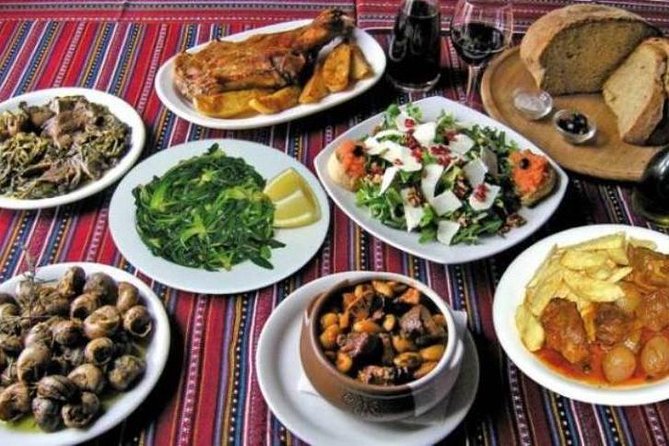
- Cretan dishes are the focus: Expect possible dishes such as dakos, gemista, tzatziki, stuffed vegetables, zucchini fritters, and orange cake.
- Hosts make the difference: Maria, Natasha, Angelina, Aggeliki, and Angelina are named as warm, patient teachers in different sessions.
- Vegetarian-friendly cooking: Vegetarian and vegan participants are welcomed, though you should state your needs when booking.
- Pickup may be available: Hotel collection has worked well for some bookings, but one booking had a late change involving transport, so confirm it in writing.
Starting in Ano Archanes, not just at a cooking studio
The official meeting point is Traditional Cooking Classes, Leof. Kapetanaki 46, Ano Archanes 701 00, Greece. The activity lasts about three and a half hours and ends back at the same meeting point.
Ano Archanes gives the class a useful sense of place. You are not simply dropped into a commercial kitchen and handed a bowl of ingredients. The format takes you into the village, where the teacher introduces local products and helps you choose what will go into the meal.
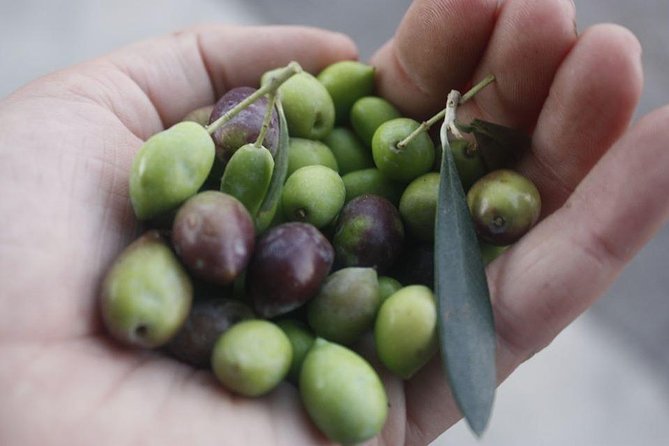
That short shopping stop matters. Cretan food depends on simple ingredients used well: olive oil, seasonal vegetables, herbs, dairy products, and meat when included. Seeing the raw materials before they reach the worktable helps you understand why the finished dishes taste so fresh and direct.
The class takes place in an open kitchen with separate preparation and cooking areas. That setup should make it easier for you to take part rather than watch someone else do all the work. It also suits people who want practical recipes they can repeat at home.
Descriptions of the setting vary by session. The official address is in Ano Archanes, while several accounts describe a covered outdoor kitchen with sea views, a breeze, or waves audible nearby. Since those details may depend on the host or location used that day, ask where your particular class will be held if the setting matters to you.
You can also read our reviews of more cooking classes in Crete

Shopping for ingredients with your cooking teacher
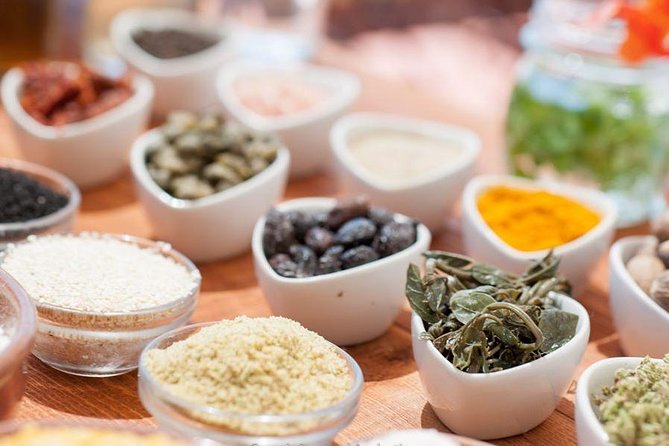
The first practical part of the experience is a walk through the local streets and a visit to a grocery store. Your teacher helps select the raw materials, giving you a closer look at the products used in everyday Cretan cooking.
This is a good feature for people who enjoy food culture but do not need a formal market tour. You are not spending hours touring shops. Instead, the shopping is tied to the meal you are about to prepare, so each ingredient has a clear purpose.
The visit also gives your teacher room to explain local cooking habits, product quality, and small kitchen tricks. The supplied information does not promise a particular store, set menu, or number of items, so do not expect the same shopping list every day.
I would pay attention to how the class handles fresh ingredients. One point raised about a past session involved making a Greek salad separately because of a food-sharing policy for raw ingredients. That does not ruin the experience, but it is worth knowing that not every dish on a sample menu will necessarily be prepared communally.
Cooking dakos, gemista, tzatziki, and more
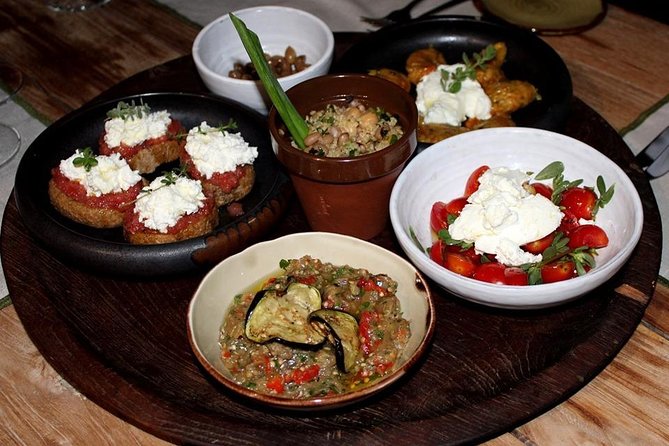
Once the ingredients are gathered, the class moves to preparation. The recipes associated with the experience include dakos, gemista, tzatziki, and other traditional vegetable dishes. Specific sessions have included stuffed peppers and tomatoes, zucchini fritters, and orange cake served as dessert.
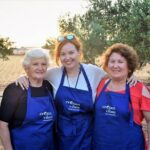
The teachers use a step-by-step method. Maria is repeatedly described as patient and clear, while Natasha is praised for her warm manner and careful help. Angelina is described as lively and encouraging, and Aggeliki is noted for keeping a good pace and explaining instructions clearly.
That variation in host is important. This is not a class with one fixed personality or one guaranteed teacher. The cooking style may change from day to day, but the strongest pattern is personal instruction rather than a large demonstration.
You should get your hands into the food. Participants have prepared mixtures, stuffed vegetables, sauces, and fritters, rather than merely watching a chef work. That makes the class useful for beginners, especially if you are not confident with Greek recipes.
The recipes are generally practical rather than restaurant-style projects. Tzatziki is a good example. It uses familiar ingredients, needs little specialist equipment, and can be made again at home. One participant had already recreated it after returning home, which is exactly the kind of souvenir a cooking class should provide.
What you actually eat at the end
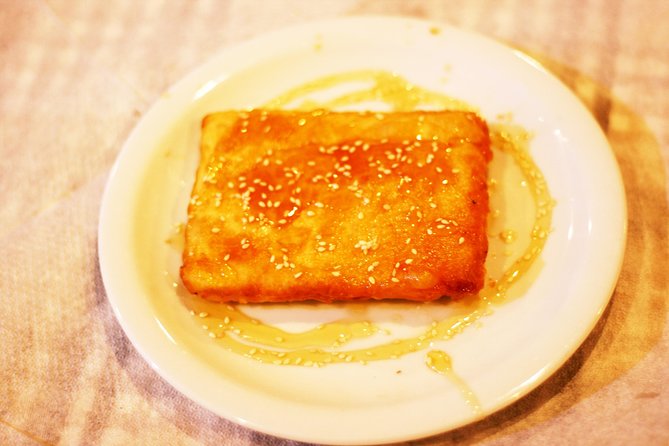
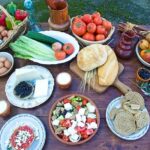
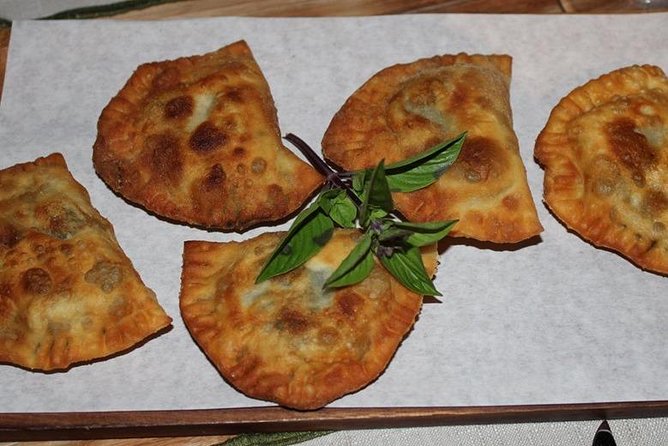
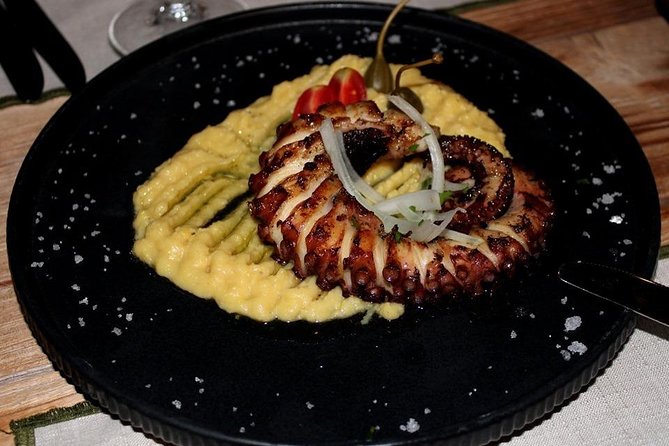
The meal is a major part of the value. After the cooking, you sit down with the group and eat the food prepared during the class. Wine and raki may accompany the meal, and hosts may add traditional dishes prepared in advance.
Expect a generous spread rather than a small tasting plate. Several accounts describe more food than the group could finish, including enough tzatziki to take back to a hotel in one case. That makes the $81.98 price easier to justify if you treat the class as both an activity and lunch.
Still, do not assume that every item on the table was made by you. The number of dishes can be confusing. One session involved preparing three recipes while serving six dishes, with some food made by the host. Another explanation indicated that several delicacies were prepared by participants and dessert was supplied by the cook.
If your main goal is to learn a large number of recipes, ask for the exact plan before booking. If your priority is a relaxed meal with hands-on cooking, the difference will matter less.
The food itself receives strong praise, especially the tzatziki, stuffed vegetables, zucchini fritters, and orange cake. Vegetarian diners appear well served, and one account specifically describes the class as suitable for a vegan. Tell the provider about dietary needs in advance, since the exact menu can vary.
The pace, atmosphere, and possible downtime
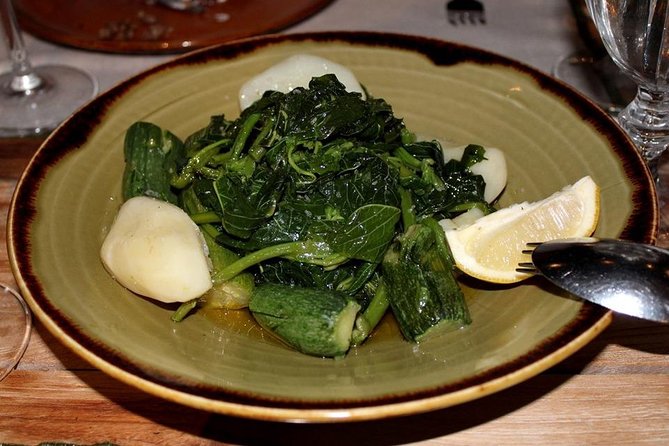
The class is designed to be social. You cook alongside a small mix of people, then share the meal and conversation. Past groups have included families, couples, students, and people from several countries, which can make the table feel like a small international dinner.
The outdoor or open-air setting adds to that easygoing mood when the weather cooperates. A covered patio, shade, breeze, and views have been part of some sessions. A few accounts even describe cooking with the sound of waves nearby. Again, confirm the location because the stated meeting point is in Ano Archanes.
The relaxed pace is a strength if you want time for wine, scenery, and conversation. Aggeliki, for example, is described as allowing breaks between tasks. You are not rushed from one station to the next, and beginners have time to follow the instructions.
The same rhythm can feel slow if you expect a tightly packed lesson. One participant found too much waiting between dishes and felt the experience was expensive for preparing only three vegetable dishes. If you prefer constant activity, ask how much hands-on time is planned and how many recipes the group will prepare.
There may also be ordinary outdoor distractions. One account noted stray cats around the cooking area. That is not unusual in a village setting, but it is a reminder that this is a home-style experience, not a polished culinary school with controlled conditions.
A few more Crete tours and experiences worth a look






Pickup from Heraklion and the value of the price
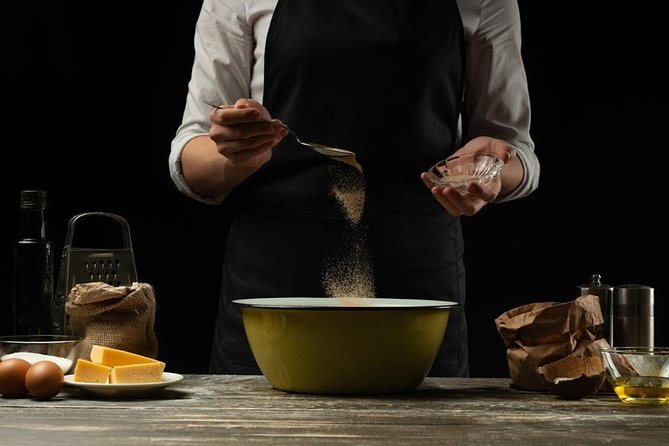
At $81.98 per person, this class is not the cheapest way to eat Greek food. You can order a Cretan meal for far less. The value comes from the combination of instruction, ingredient shopping, a substantial meal, drinks, and a personal introduction to local cooking.
The three-and-a-half-hour duration is long enough to make the class a real half-day activity. For a first visit to Crete, that can be more memorable than another standard restaurant lunch. You leave with recipes, food knowledge, and a better sense of how local dishes are assembled.
Pickup is offered, and several accounts describe friendly, punctual, and comfortable hotel transport. That is especially useful if you are staying in Heraklion and do not want to arrange your own route to Ano Archanes.
Do not assume pickup is always included in the same way. One booking was told the night before that the expected transfer was not included, and the class also had only one person signed up. Confirm the collection point, added cost if any, and minimum participation arrangements before the cancellation deadline.
The class can be cancelled if participation is too low, according to the provider’s response to one booking problem. If this experience is tied to a tight travel schedule, avoid placing it on your final day in Crete.
Who will enjoy this class most
I would recommend it most strongly to you if you like food, conversation, and a relaxed pace. It suits couples, families, solo visitors comfortable joining a small group, and anyone who wants a practical activity in place of a standard sightseeing stop.
It is also a good choice for beginner cooks. The teachers explain each stage clearly, and the dishes are traditional without requiring advanced technique. If you want to take Cretan flavors home, focus on the recipes you can repeat easily, especially tzatziki and vegetable dishes.
Vegetarians and vegans should consider it, but should contact the provider before the day. The class has accommodated plant-based diners, yet the actual menu is not fixed in the information provided.
I would be more cautious if you want a formal culinary course, a guaranteed six-recipe lesson, or a fast pace with no pauses. This is a social village cooking experience. The meal and atmosphere are as important as the technical instruction.
Booking advice for a smoother day
Book at least a few weeks ahead if possible. The experience is booked an average of 39 days in advance, so leaving it until the last minute may reduce your choice of dates.
At booking, ask four direct questions:
- Which host will lead the class?
- Which dishes will participants prepare themselves?
- How many recipes will be sent afterward?
- Is hotel pickup confirmed, and is it included in the price?
That last question is particularly important. The experience offers a mobile ticket and confirmation at booking, but transport details deserve a separate check.
Wear clothes suitable for food preparation and an outdoor setting. The information does not specify a dress code or equipment list, so practical, comfortable clothing is the sensible choice.
Free cancellation is available if you cancel at least 24 hours before the local start time. Changes or cancellations inside that 24-hour window are not refunded, and poor weather may lead to another date or a full refund. Since some classes use an outdoor or covered outdoor space, check the forecast before setting out.
Should you book the Archanes cooking class?
Book it if you want to cook simple Cretan food with a local teacher, eat a generous meal, and spend an easygoing half-day away from the usual sightseeing circuit. The best parts are the ingredient shopping, personal instruction, welcoming hosts such as Maria and Natasha, and the chance to recreate dishes at home.
Think twice if your idea of a cooking class means nonstop work and a guaranteed list of six recipes. The menu can vary, and the pauses may feel long. Confirm the dishes, location, host, and pickup before paying.
At $81.98, I see this as a good-value cultural meal rather than a bargain cooking lesson. For food-minded visitors who value local contact over a packed schedule, it is a worthwhile addition to a Crete trip.
FAQ
Where does the Cretan cooking class start?
The official meeting point is Traditional Cooking Classes, Leof. Kapetanaki 46, Ano Archanes 701 00, Greece. The activity ends back at the meeting point.
How long does the experience last?
The class lasts approximately 3 hours and 30 minutes.
How many people can join the class?
The activity has a maximum of 12 participants.
Is hotel pickup available?
Pickup is offered, and some bookings have included hotel collection. Confirm your pickup location and transport arrangements before the class, since transport details may vary.
Can vegetarians and vegans join?
Yes. Vegetarian participants are welcomed, and the class has been described as suitable for vegan diners. Contact the provider ahead of time with your dietary requirements.
What is the cancellation policy?
You can cancel at least 24 hours before the local start time for a full refund. Cancellations or changes made less than 24 hours before the start are not refunded. If poor weather causes the class to be cancelled, you will be offered another date or a full refund.