REVIEW · CRETE
Heraklion Cultural Tasting Walking Tour – Cretan Delicacies
Book on Viator →Operated by Business Management Services L.P. · Bookable on Viator
Heraklion’s food story begins in ordinary places: a family bakery, a spice shop, and tables set with olive oil, olives, cheese, and raki. This two-hour tasting walk gives you a useful introduction to Cretan eating without taking half a day from your sightseeing.
I like the mix of local history and hands-on tastings, especially the chance to try kalitsounia, mountain tea, several Cretan products, and Greek coffee in places used by local people. I also like the small maximum group of 12, which should make questions and conversation easier.
The main consideration is the price, $127.03 per person. That is a serious charge for a two-hour tour, so it makes the most sense if you value a guided introduction, several tastings, and the ease of having the food stops arranged for you.
In This Review
- Key points at a glance
- A short walk into Cretan food culture
- First stop: coffee and kalitsounia at a family bakery
- Second stop: mountain tea and Heraklion’s spice trade
- Olive oil and olives, the heart of the tasting
- Cheese, yogurt, and honey on the Cretan table
- Raki and the meaning of Cretan hospitality
- What the two-hour format really gives you
- Price, group size, and overall value
- Who will enjoy this Heraklion food walk
- Practical details before you book
- Should you book the Heraklion Cultural Tasting Walking Tour?
- FAQ
- How long is the Heraklion Cultural Tasting Walking Tour?
- What time does the tour start?
- Where does the tour meet?
- Where does the tour end?
- What foods and drinks are included?
- Is the tour offered in English?
- How many people can join the tour?
- Can I cancel for a refund?
Key points at a glance
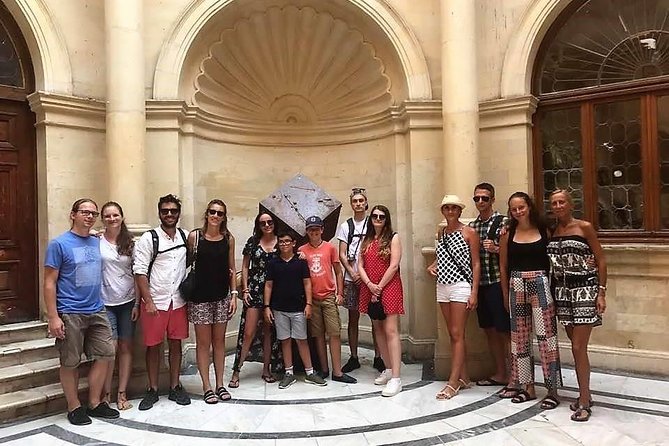
- Start with Greek coffee and bakery treats: Try kalitsounia, raisin pies, and cinnamon cookies at a Cretan family bakery.
- Follow Heraklion’s spice street: Visit a traditional herbs and spices shop and taste Cretan mountain tea.
- Sample core Cretan foods: Compare organic extra virgin olive oil, table olives, goat and sheep cheeses, and yogurt with honey.
- Finish with raki: This traditional spirit is presented as a symbol of Cretan hospitality.
- Keep the schedule compact: The walk lasts about two hours and begins and ends at Capsis Astoria Heraklion.
- Plan for a small English-speaking group: The maximum is 12 people, and dietary needs should be noted when booking.
A short walk into Cretan food culture
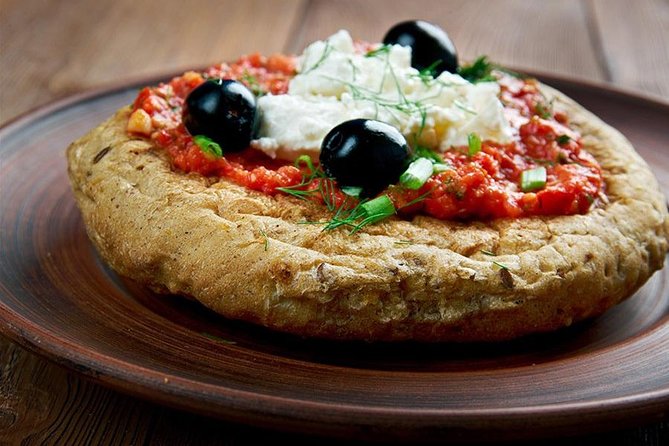
This is not a restaurant crawl built around large meals. It is a tasting lesson with a walking component, designed to show how everyday Cretan foods connect to family life, hospitality, and long-held habits.
That distinction matters. You will sample several items, but you should not book this expecting lunch. The experience includes snacks and alcoholic drinks, while extra food and drinks cost more. If you arrive hungry, the portions may feel more like a series of introductions than a full meal.
The tour begins at 11:30 am outside Capsis Astoria Heraklion on Plateia Eleftherias. Since the meeting point is near public transportation and the activity returns there, it is simple to fit into a day of exploring central Heraklion.
I like that the route uses food to help you read the city. Instead of only looking at monuments, you get a taste of the products that shape daily life in Crete. The pace also gives you some light exercise, though the supplied information does not specify the distance or exact walking route.
You can also read our reviews of more walking tours in Crete

First stop: coffee and kalitsounia at a family bakery
The first stop takes you to a Cretan family bakery, described as a daily meeting place for local people. That setting is important. A bakery used by residents can tell you more about normal eating habits than a display made only for tour groups.
Here you try Greek coffee with several sweet bites. The main specialty is kalitsounia, traditional pies filled with soft cheese. You also taste raisin pies and cinnamon cookies.
Kalitsounia are especially useful for understanding the Cretan table because they can sit between snack, breakfast treat, and dessert. The soft cheese filling gives them a different character from the syrupy pastries many people associate with Greek food. The raisin pies and cinnamon cookies add a second comparison, letting you notice how fruit and spice appear in local baking.
The coffee is part of the lesson, not just a drink to wash down the sweets. Greek coffee is served in a small cup and is meant to be enjoyed slowly. Your guide can place it in the wider setting of Greek food customs and social life, with the tour’s main focus on culinary history.
If you do not have much of a sweet tooth, this stop could be the least exciting part of the walk. Still, it gives you an early taste of Cretan hospitality and makes a practical introduction to local flavors. I would avoid filling up before the tour, since the bakery is one of the more distinctive stops.
Second stop: mountain tea and Heraklion’s spice trade
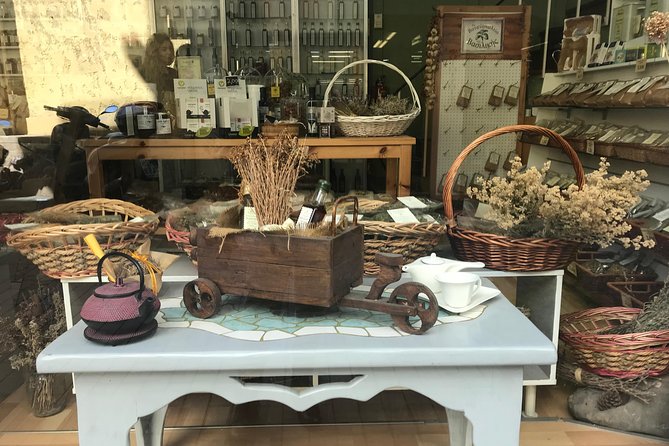
The next stop is a traditional Cretan herbs and spices shop. The tour includes a tasting of Cretan mountain tea, a chance to try an herbal drink rather than another coffee or sweet.
This stop changes the rhythm of the walk. After the bakery, you move into the fragrant world of dried herbs and spices. The experience specifically includes a visit to what is described as the most fragrant spice street in Heraklion, though the exact street name is not provided.
For you, the value here is not simply buying a packet of tea. It is learning how herbs fit into Cretan food culture and the local pantry. A guide can explain the products as you smell and taste them, giving context that a quick shop visit would miss.
Mountain tea also provides a nonalcoholic and less sugary part of the tasting. That helps balance the coffee, pastries, cheese, and raki later in the route. If you have dietary restrictions, this may be one of the easier tastings, but you should still give those requirements when booking.
The shop is a commercial stop, so you may be tempted to buy something. Extra food and drinks are not included, and the tour does not state that purchases are required. Treat shopping as optional and focus on the tasting and explanations unless you already want Cretan herbs to take home.
Olive oil and olives, the heart of the tasting
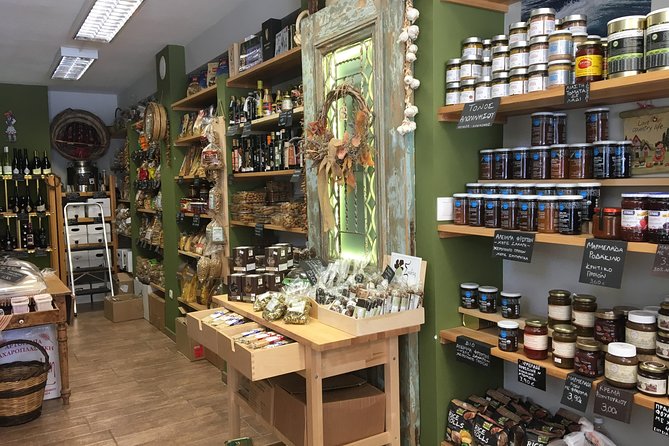
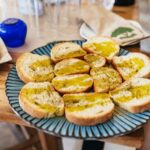
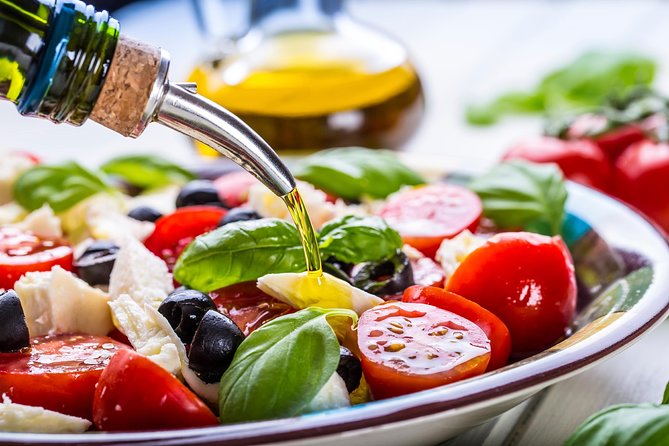
The most important food lesson comes with the organic extra virgin olive oil and different varieties of table olives. The tour presents Cretan olive oil as among the best in the world, but the useful part is the tasting itself. You can compare the oil’s aroma, texture, and flavor instead of treating olive oil as a nameless ingredient on the table.
Cretan cuisine depends heavily on olive oil, so this tasting gives you a better sense of why it matters. You will also see how table olives are treated as a food in their own right, not only as a garnish.
The tour does not list the olive varieties or explain how many oils you taste. That means you should expect a guided sampling rather than a formal technical tasting with a detailed score sheet. Still, a good explanation can help you notice differences that are easy to miss at home.
I especially like this part for anyone who wants to bring Cretan food habits into their own kitchen. After the tour, you may pay closer attention to the oil used with bread, vegetables, and cheese. You might also find it easier to choose a bottle or jar from a market because you will have tasted the products first.
One practical point: olive oil can be filling, particularly when paired with bread or other snacks. Since this is one part of a larger tasting, portions are likely meant to be moderate, but the exact amounts are not stated.
Cheese, yogurt, and honey on the Cretan table
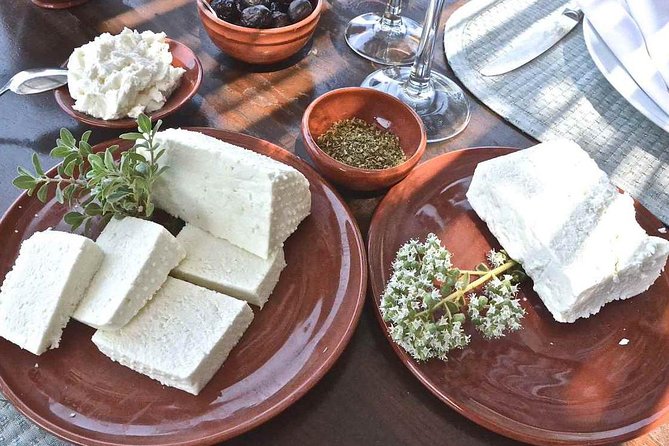
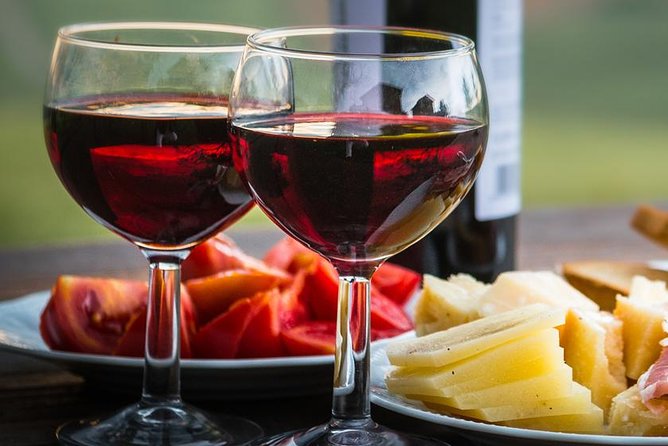
Cretans are described as some of the world’s highest cheese consumers, and the tasting includes several styles of goat and sheep cheese. You can expect gruyere, parmesan, soft cheese, and natural yogurt with honey.
This is a strong section for comparison. The sharper, firmer cheeses should offer a different experience from the soft cheese served in the kalitsounia. The yogurt with honey brings a creamy, sweet finish and shows how a simple combination can work as a snack or dessert.
The emphasis on goat and sheep milk is also useful. These cheeses have a distinct flavor and texture, and they are central to the tasting. If you normally eat mild cow’s milk cheese, this may be one of the more memorable parts of the tour.
I would not assume every item suits every diet. The tour asks you to provide specific dietary requirements at booking, which is important because the tastings include dairy, sweets, and alcohol. The available information does not confirm substitutions, so ask ahead if you need them.
Cheese tastings can also be more substantial than they look. If you plan to eat a large meal soon after the walk, keep that in mind. The tour’s compact length makes it easy to schedule, but the food itself may leave you satisfied for a while.
You can also read our reviews of more food & drink experiences in Crete

Raki and the meaning of Cretan hospitality
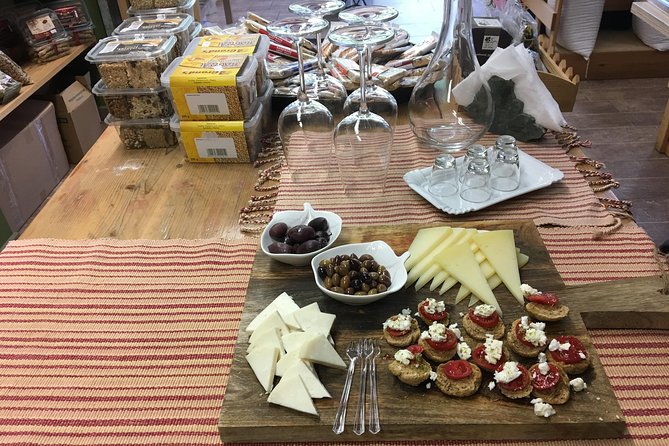
Raki appears near the end as a symbol of Cretan hospitality. This traditional spirit is included with the experience, so the tasting is not limited to food and nonalcoholic drinks.
Raki is often offered as a gesture of welcome, and presenting it in this setting links the drink to social customs rather than treating it as a quick shot. Your guide can explain its place in Cretan life and the way food and drink help create a sense of welcome.
You should plan responsibly. Alcoholic beverages are included, but the tour does not state the amount served or provide a nonalcoholic alternative. If you do not drink, make your preference clear when booking. This is another reason to mention dietary or other requirements before the tour begins.
The inclusion of raki adds character, but it also makes the experience less suitable for someone looking for a completely alcohol-free food walk. For most people who are comfortable with a small traditional tasting, it gives the final stop a distinctly Cretan note.
What the two-hour format really gives you
Two hours is enough for a focused introduction, not a full study of Heraklion cuisine. You visit a bakery, a spice shop, and tasting points for oil, olives, cheese, yogurt, honey, and raki. That is a good amount of variety for a short outing.
I like this format for your first day in Heraklion. It can help you identify foods you want to seek out later, while leaving time for museums, archaeological sites, or a longer meal. It is also less demanding than a full-day food tour.
The tradeoff is that the schedule may feel brisk. Each stop has several products attached to it, and the route includes both walking and explanations. If you want long conversations with shopkeepers or time to browse every shelf, two hours may not be enough.
The group limit of 12 is a real plus. It is not a private tour, but it is small enough to keep the guide from speaking to a huge crowd. A previous booking included praise for the guide’s historical and local cuisine information, so you should expect the commentary to be a central part of the experience, not background noise.
No guide’s name is provided, so you cannot choose a particular host. The tour is offered in English.
Price, group size, and overall value
At $127.03 per person, this is priced well above the cost of buying coffee, pastries, cheese, and olive oil on your own. The price is easier to justify if you want the tastings organized, the products explained, and the route connected to Heraklion’s food culture.
You are paying for guidance and structure as much as for the snacks. The group is capped at 12, and the tour includes Greek coffee, local delicacies, traditional products, snacks, and alcoholic beverages. For a visitor who has only limited time in Crete, that convenience has real value.
Still, I would compare it with your own plans. If you enjoy exploring bakeries and food shops independently, you could likely spend less by buying small portions yourself. You would lose the historical context, the planned sequence, and the ease of having someone introduce the products.
Group discounts are available, though the amount is not specified. If you are traveling with several people, check the final booking price before deciding. The free cancellation policy also gives you some flexibility: cancel at least 24 hours before the 11:30 am start time for a full refund. Changes or cancellations made within 24 hours are not accepted for a refund.
The tour requires good weather and a minimum number of participants. If poor weather or low enrollment causes cancellation, you are offered another date or experience, or a full refund.
Who will enjoy this Heraklion food walk
I would recommend this experience to you if you want a gentle introduction to Cretan food without committing to a long meal. It suits first-time visitors, couples, small groups, and anyone who likes learning the story behind what they eat.
It is also a good match if you want to taste several products before buying them later. Olive oil, olives, mountain tea, cheeses, and sweets are easier to understand after you have sampled them with a guide.
Families may appreciate the short duration, but the tour includes coffee and raki, and the product range is geared toward adult food culture. The information does not specify children’s pricing or a child-focused format, so check before booking with young children.
You should think twice if you want a private experience, a full lunch, or a route centered on major sights rather than food. You should also ask about substitutions if you have allergies, avoid dairy, do not eat sweets, or do not drink alcohol.
Practical details before you book
Meet at Capsis Astoria Heraklion, Plateia Eleftherias, Iraklio 712 02, Greece. The tour starts at 11:30 am and ends back at the same meeting point, which makes planning before or after the walk straightforward.
The experience is near public transportation. Most people can participate, though the tour includes walking and standing at several food stops. The exact walking distance, number of steps, and accessibility details are not provided, so ask the operator if those points matter to you.
Confirmation is sent at booking. Give any dietary requirements at that point, rather than waiting until the morning of the tour. Since tastings include dairy, baked goods, honey, olive oil, and alcohol, advance notice is especially useful.
Bring an appetite, but not one meant for a large meal. The included food is presented as snacks and tastings. Extra food and drinks are not included.
Should you book the Heraklion Cultural Tasting Walking Tour?
Book it if you want a compact, guided way to meet Cretan food through real local staples: bakery sweets, mountain tea, olive oil, olives, goat and sheep cheese, yogurt with honey, and raki. The small group, central meeting point, and strong focus on food history make it more useful than simply stopping at a café on your own.
Skip it if $127.03 feels too high for a two-hour outing or if you prefer to choose your own shops and portions. For the right visitor, the value is in the introduction and the context. You leave with a clearer idea of what to look for on the rest of your trip, and that can make every later meal in Crete more rewarding.
FAQ
How long is the Heraklion Cultural Tasting Walking Tour?
The tour lasts approximately two hours.
What time does the tour start?
It starts at 11:30 am.
Where does the tour meet?
The meeting point is Capsis Astoria Heraklion, Plateia Eleftherias, Iraklio 712 02, Greece.
Where does the tour end?
The activity ends back at the meeting point.
What foods and drinks are included?
Included tastings feature Greek coffee, kalitsounia, raisin pies, cinnamon cookies, Cretan mountain tea, organic extra virgin olive oil, table olives, goat and sheep cheeses, gruyere, parmesan, soft cheese, natural yogurt with honey, and raki.
Is the tour offered in English?
Yes. The experience is offered in English.
How many people can join the tour?
The maximum group size is 12 travelers.
Can I cancel for a refund?
Yes. You can cancel at least 24 hours before the start time for a full refund. Cancellations or changes made less than 24 hours before the start time are not refunded.