REVIEW · ATHENS
Private Guided Tour: Athens, Acropolis and Acropolis Museum
Book on GetYourGuide →Operated by ATHENS WALKING TOURS · Bookable on GetYourGuide
Athens looks complicated until someone shows you the logic. This private 5.5-hour tour pairs a private licensed guide with skip the ticket line, so you can focus on what matters most on the Acropolis and in the museum, not logistics. One key drawback to plan for: you must be ready on time for strict Acropolis entry, and the entrance tickets are not included.
I like that the route blends classic landmarks with smart pacing. You start around Syntagma Square, then work toward the Acropolis with major stops like the House of Parliament and the Change of Guards at the Tomb of the Unknown Soldier, plus shady breaks in the National Garden along the way.
This is a walking-heavy day. Wear comfortable shoes and bring a hat, because you’ll be on your feet for hours across city streets and uphill temple paths.
In This Review
- Key highlights to clock fast
- Meet at Syntagma Square and get oriented quickly
- Parliament, Evzones, and a shady reset before climbing
- Roman Athens stops: Zeus Temple, Hadrian’s Arch, and the walkway to the Acropolis
- South-slope entry to the Acropolis and the Dionysus Theater head start
- Acropolis monuments: Parthenon focus plus the key supporting cast
- Views over Athens: Mars hill, the Agora, and Hephaestus
- Time to explore, take photos, and grab a snack on your schedule
- Acropolis Museum: glass floors, natural light, and about 4,000 artifacts
- Value and price: is $318 worth it here?
- Practical tips that keep the day from going sideways
- Who should book this private Acropolis + Museum tour
- Should you book this Athens, Acropolis and Acropolis Museum tour?
- FAQ
- Where is the meeting point?
- What’s the duration of the tour?
- Is the tour private?
- Is the tour in English?
- Are entrance tickets included?
- Can I skip the ticket line?
- What should I bring?
- Is the Acropolis entry flexible if we are late?
- Is this tour suitable for wheelchairs or strollers?
Key highlights to clock fast
- Syntagma Square start with an opening look at classical-period finds from nearby excavations
- Parliament + Evzones moment at the Tomb of the Unknown Soldier, with a chance to watch the guard changing
- Acropolis head start via the south slope, including the Dionysus Theater to reduce crowd pressure
- Full Monument sweep: Parthenon, Propylaea, Erechtheion, Athena Nike, plus a few important extras along the route
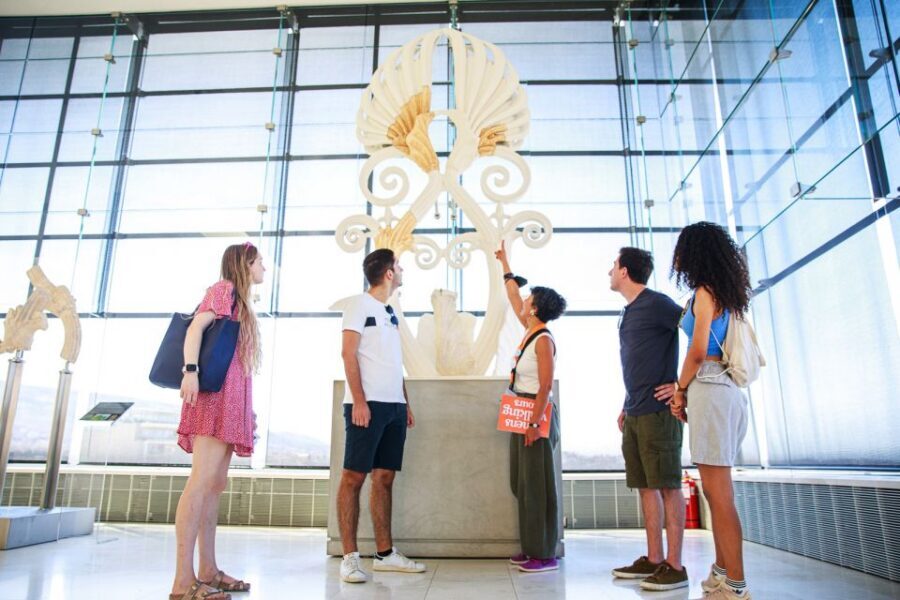
- Acropolis Museum designed by Bernard Tschumi, with excavations visible under glass floors and about 4,000 artifacts
Meet at Syntagma Square and get oriented quickly
Your guide meets you in the heart of Athens at Syntagma metro station, one level down. Look for an orange Athens Walking Tours sign inside, positioned by the ticket validating machines under the big central hanging clock.
This matters more than it sounds. Starting in the center lets you build your bearings early, so the Acropolis stops don’t feel like random rocks. Before you head into the major landmarks, you’ll get a quick introduction with archaeological finds dating from classical times that were discovered during excavations in the area. It’s a nice way to reset your brain from modern Athens back to the ancient city layout.
You can also read our reviews of more guided tours in Athens


Parliament, Evzones, and a shady reset before climbing
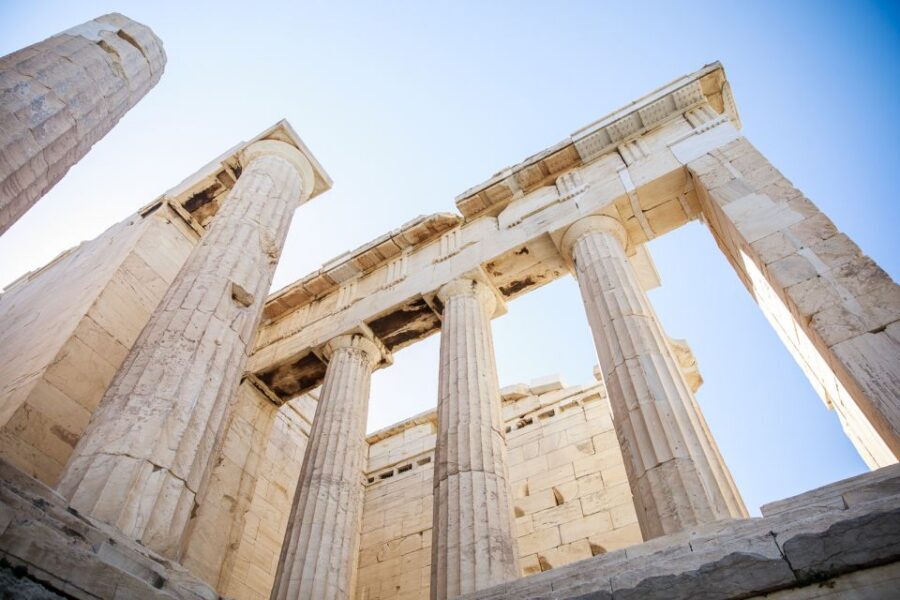
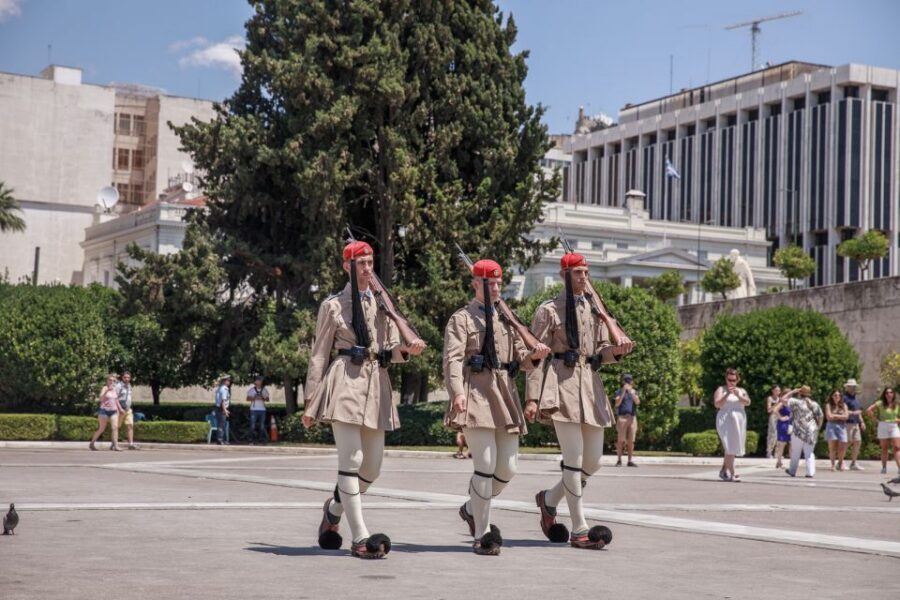
The tour then moves to the House of Parliament area and the Tomb of the Unknown Soldier, where you can catch the changing of the guards by the Evzones. Even if you’re not a flag-and-ceremony person, this stop gives you a sense of Athens as a living capital, not just an open-air museum.
From there, the walk turns practical: you’ll pass through the cool, shaded National Garden (including the former Queen Amalia’s Garden). This is the kind of detail that makes a long day survivable in warm weather. You also get a close look at neoclassical architecture at Zappeion Hall, which helps connect the dots between ancient Greece and the later “we’re inheriting the classics” era.
You’ll also hear how Athens connects to modern identity, including the first modern Olympic Games and prominent figures from Athens’ more recent history. That context helps when you’re later standing under temple columns that feel impossibly old.
Roman Athens stops: Zeus Temple, Hadrian’s Arch, and the walkway to the Acropolis
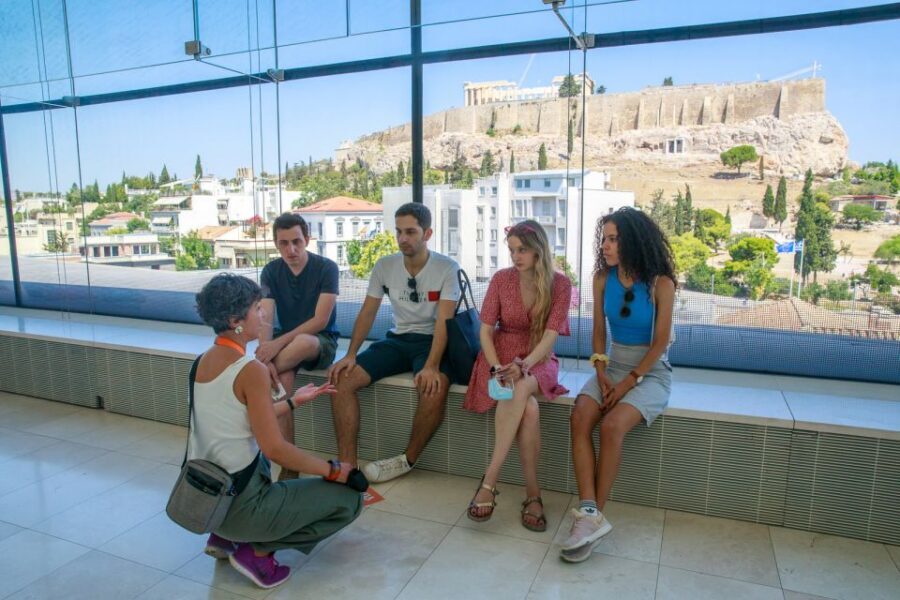
Next you’ll hit major Roman-era pieces: the Temple of Zeus and Hadrian’s Arch. These aren’t just pretty ruins. They show how the ancient city kept evolving, with emperors and new building programs shaping the skyline.
Then you’ll walk along Dionysiou Areopagitou, a beautiful pedestrian route that carries you toward the Acropolis. When the tour reaches the correct point, you enter the Acropolis grounds from a side entrance. That small routing choice can make a big difference in how the day feels, especially during busy periods.
South-slope entry to the Acropolis and the Dionysus Theater head start
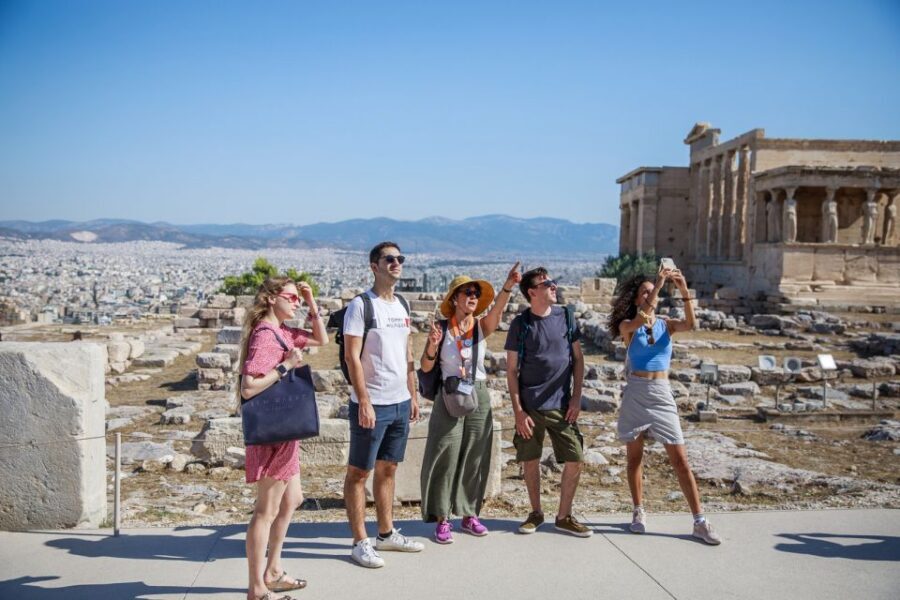
Here’s one of the smartest parts of this tour: you continue up by entering the Acropolis from the south slope. The goal is to avoid the worst crowd crush, and the route you follow supports that.
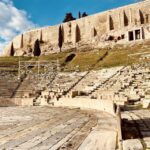
Before you go “big” on the main monuments, you visit the Dionysus Theater, described as the first theater of antiquity. Standing in that area gives you a feel for how Greek culture worked on multiple levels, with performance, civic life, and religion all sharing space. It’s also a useful mental warm-up: you’re seeing stone that was built for gatherings, not only temples for worship.
As you move along, the guide points out key landmarks on the way—like Philopappos hill monument and the Odeon of Herodes Atticus—so you understand the Acropolis as an interconnected system of views, stages, and sacred spaces, not a checklist.
Acropolis monuments: Parthenon focus plus the key supporting cast
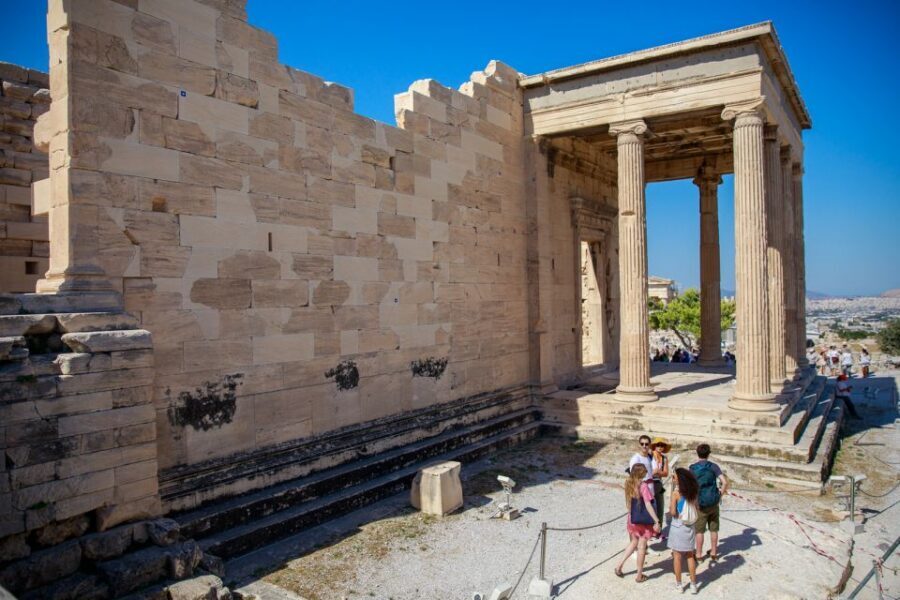
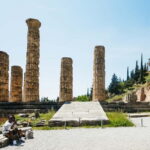
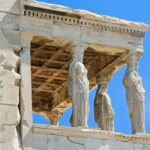
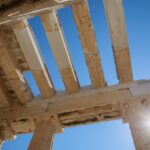
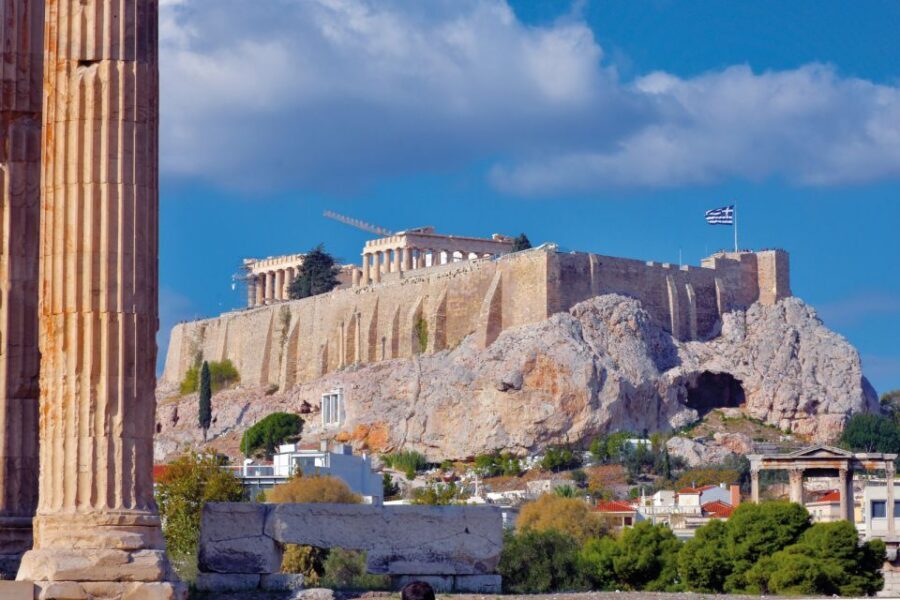
At the heart of the day is the monumental lineup. You’ll visit the Temple of Athena Nike, the Propylaea gateway, the Erechtheion, the Parthenon, and you’ll also see additional important features on the UNESCO-listed route, including mention of the Agrippa monument and other stops along the way such as the Nike Temple.
What I like about the way this tour is set up is that you’re not left staring at architecture with no framework. Your guide explains the construction and history as you go, so the monuments feel like purposeful designs rather than random stone blocks. You’ll also get help noticing details that most people miss, like why specific sections look the way they do and how the site fits into the ancient city.
The Parthenon is, of course, the centerpiece. But the tour approach is better than just rushing to the biggest photo spot. The guide connects what you’re seeing to how the Athenians built, planned, and displayed power through religion and public life. You’ll also get a strong sense of viewpoint geography as you move—so the Acropolis feels positioned over the city instead of sitting isolated on a hill.
You can also read our reviews of more private tours in Athens





Views over Athens: Mars hill, the Agora, and Hephaestus

One of the payoffs of the Acropolis isn’t just what’s directly in front of you. It’s the view alignment.
From the heights, you’ll get a unique look at Mars hill, the Ancient Agora, and the Temple of Hephaestus. This is where Athens clicks for many first-timers: you start to grasp how all these major ancient sites relate in real space. It also makes your photos more meaningful, because you can connect buildings you’ve already heard about to buildings you’re actually looking at.
Time to explore, take photos, and grab a snack on your schedule
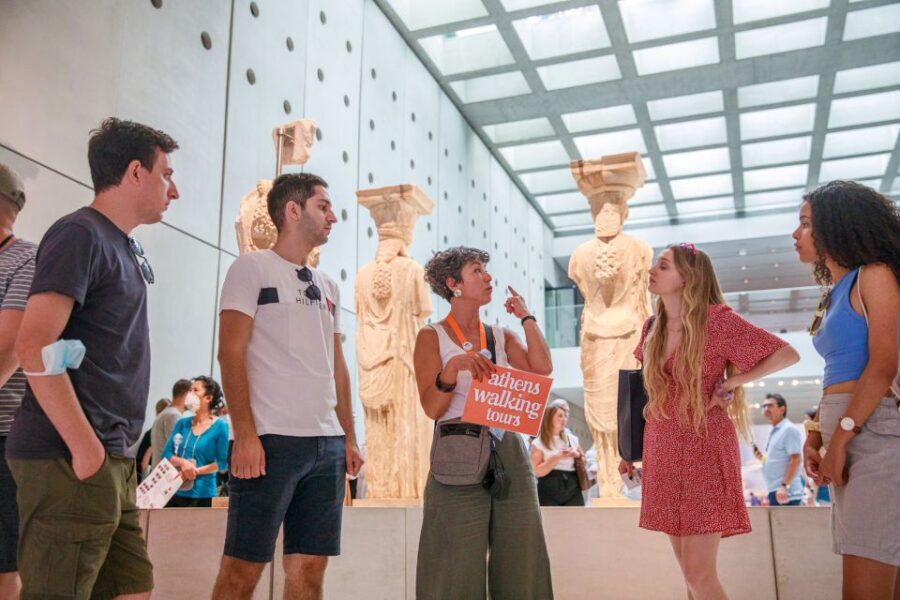
After the main Acropolis tour portion, you get time to explore and take pictures. This is important because the guide’s job is storytelling and navigation, but your job is enjoyment. Slow down for the angles you like, step into the shade when you can, and take your time with the view lines.
There’s also a short break for a snack or a drink, which can be a lifesaver in a long, warm day. Food and beverages are not included, but having this built-in pause means you’re not forced to choose between hydration and history.
Acropolis Museum: glass floors, natural light, and about 4,000 artifacts
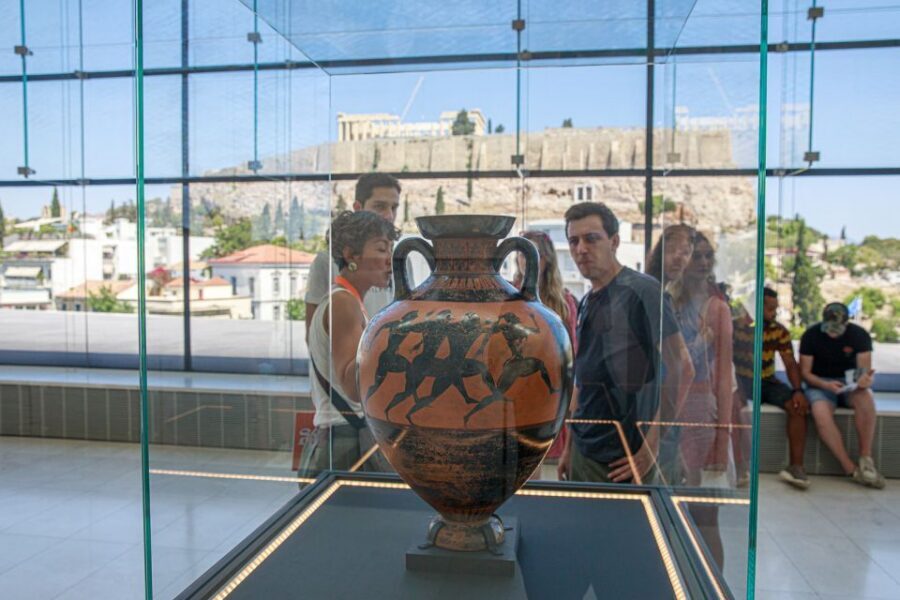
Then you head to the Acropolis Museum. This is the part many people underestimate, then later wish they’d booked earlier in their trip.
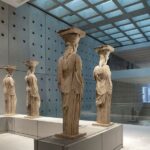
The museum was designed by Swiss architect Bernard Tschumi in cooperation with Greek architect Michalis Photiadis. Its big feature is that the design incorporates excavations visible under stunning glass floors. In plain terms: the building doesn’t just store artifacts, it visually reconnects you with the ground beneath the Acropolis.
Inside, the displays are arranged to give the masterpieces prominence through good natural lighting, an excellent exhibition layout, and easy visitor access. You’ll see about 4,000 artifacts, which is a lot, but the guided flow helps you avoid getting lost in a sea of stone.
What’s valuable here is that the museum turns the outdoor monuments into something you can interpret. Instead of only noticing what remains, you also see what was preserved, studied, and curated from the same cultural world you just walked through.
Value and price: is $318 worth it here?
At $318 per person for a 5.5-hour private experience, this tour isn’t bargain-bin cheap. It also isn’t just paying for someone to walk beside you.
You’re paying for:
- A local licensed guide who can explain what you’re seeing in a way that makes the monuments coherent
- Private pacing, so you can ask questions and move at a realistic speed
- Acropolis crowd strategy, including an entry approach designed to help you get the best experience despite security lines and visitor volume
- A full pairing of the Acropolis + Acropolis Museum, which works better together than separately
One thing that changes the real total: entrance tickets are not included. You’ll need to buy them separately, using the provided process and matching ticket categories (Adult/Student, etc.). The tour fee covers the guide service and the experience flow, but tickets are your responsibility.
If you want a sense of the guide quality, the strongest marks in the guide lineup include names like Annie, Margarita, Efie, Dafni, Panagiota, Tina, and Dimitrious—often praised for energy, pace, and making the day work for different ages and walking styles. That pattern matters because on the Acropolis, pacing is everything.
Practical tips that keep the day from going sideways
This tour runs rain or shine, and it involves extensive walking. It’s not suitable for wheelchairs, mobility impairments, or baby strollers, and you can’t bring luggage or large bags. Electric wheelchairs are also not allowed.
On timing: the Acropolis has strict entry times, and the tour guide can’t wait for latecomers. If you miss your entry window, you may lose your chance at that booked slot. Plan to arrive early at the meeting point so you’re not stressed later.
Also expect airport-style security. In peak season, waits can reach 30+ minutes. This is exactly where skipping the ticket line helps, but it doesn’t remove security checks.
What to bring is refreshingly basic:
- Comfortable shoes
- Hat
- Weather-appropriate clothing
- Cash
And if you’re trying to manage hot-weather pacing, it helps to know that water refill is available at stations in the city area. Build hydration into your breaks so you don’t wait until you feel awful.
Who should book this private Acropolis + Museum tour
This is a strong fit if you:
- Want the Acropolis to feel like a story, not a timed photo session
- Are visiting Athens for the first time and want the most important monuments connected to their meaning
- Like private guiding because it lets you adjust pace for kids, teens, or slower walkers
- Plan to spend real time inside the Acropolis Museum, not just peeking at it
It’s less ideal if:
- You need stroller access or wheelchair access
- You’re short on time and hate walking uphill
- You want a flexible, slow meander with no timing pressure at all
One advantage of a private guide is the way the day can adapt to your interests. Some past guides were praised for adjusting explanations for teens, while others focused on making the day easier for families who needed extra time for photos.
Should you book this Athens, Acropolis and Acropolis Museum tour?
Yes, if you want a structured, private way to see two of Athens’ biggest draws in one smooth day, and you’re comfortable with a lot of walking. The best part isn’t only the sites. It’s the way the route sets you up to understand them, especially with that south-slope entry and the early stop at the Dionysus Theater.
Skip it if you can’t handle strict entry timing or if your group’s mobility needs make long stretches uphill unrealistic. In that case, you’ll likely burn energy on logistics instead of enjoying the monuments.
FAQ
Where is the meeting point?
You meet your guide in Syntagma metro station, one level down, by the ticket validating machines underneath the big central hanging clock. Look for an orange Athens Walking Tours sign.
What’s the duration of the tour?
The tour lasts 5.5 hours.
Is the tour private?
Yes. This is a private group tour.
Is the tour in English?
Yes, the live tour guide is English.
Are entrance tickets included?
No. Entrance tickets are not included, and you must purchase them separately.
Can I skip the ticket line?
The tour includes skip the ticket line.
What should I bring?
Bring comfortable shoes, cash, a hat, and weather-appropriate clothing.
Is the Acropolis entry flexible if we are late?
No. Acropolis entry times are strict. The guide can’t wait for latecomers, and there are no refunds if you miss entry due to being late.
Is this tour suitable for wheelchairs or strollers?
No. It’s not suitable for wheelchairs, mobility impairments, or baby strollers. Luggage or large bags are also not allowed.