The most interesting part of this Athens tour is its link between ancient Greek food ideas and modern city eating. You are not simply handed a plate of olives or cheese. Your guide explains how food connected to health, social life, and philosophy, then takes you to places where those traditions still make sense today.
I like the private format, since your group can ask questions, adjust the pace, and request itinerary changes. I also like the stop at the central food market, where you see products arriving from across Greece rather than only sampling polished dishes in tourist cafés. The main consideration is the price, $314.68 per person, which is a serious outlay for four hours, especially since archaeological entry fees and hotel drop-off are not included.
In This Review
- Key points to know before booking
- Ancient Greek ideas begin at Syntagma Square
- Coffee, sweets, and the first taste of Athens
- Athens’ central market puts food on display
- Specialty shops bring the history closer to your plate
- What the private format changes
- Is four hours enough for a real food experience?
- Guide personality can make or break the route
- What is included, and what will cost extra
- Practical details to settle before the morning
- Who should book this Athens food walk?
- Should you book the Private Ancient Greek Flavors Food Tour?
- FAQ
- Where does the tour start?
- What time does the tour begin?
- Where does the tour end?
- How long does the experience last?
- Is hotel pickup available?
- Is the central food market visited every day?
- Can I cancel for a full refund?
Key points to know before booking
- Ancient food with modern context: Your guide links Greek ingredients and eating habits to nutrition, society, and philosophy.
- Central market access: The route includes Athens’ main food market when it is open, along with specialty food shops.
- Private attention: Only your group takes part, making it easier to discuss allergies, dietary needs, and preferred pacing.
- Food-focused local guides: Guide names associated with the experience include Yannis Ninos, George, Panos, and Klea.
- A full four-hour walk: Wear comfortable shoes, bring water, and plan for sun exposure.
- Sunday planning matters: Some parts, especially the central market, may be unavailable on Sundays and public holidays.
Ancient Greek ideas begin at Syntagma Square
You meet at Syntagma Square at 9:00 a.m., with hotel pickup available for hotels within walking distance of the tour area. This is a useful starting point because it puts you in central Athens and close to public transportation, but you should not expect a private vehicle to collect you from anywhere in the city.
The tour lasts about four hours and ends back at the meeting point. That makes it easy to pair with an afternoon museum visit, a nap, or another walk through central Athens. It also means you need to arrive ready for a sustained walk. Comfortable shoes, a hat, sunscreen, and a water bottle are specifically recommended.
Your food-wise Insider begins by setting out the ideas behind ancient Greek eating. The focus is not on pretending that every modern dish has survived unchanged for thousands of years. Instead, you learn how ancient Athenians thought about nourishment, moderation, ingredients, and the social role of meals.
That framing gives the tastings more purpose. A local beverage, a sweet, or a savory bite becomes part of a wider discussion. You can ask why certain ingredients mattered, how food fit into daily life, and how old habits still appear in Greek cooking.
You can also read our reviews of more food & drink experiences in Athens



Coffee, sweets, and the first taste of Athens
The experience can begin at a local coffee shop, with coffee and sweet treats. This is a smart opening because it eases you into the tour rather than starting with a large meal. You get your bearings, meet your guide properly, and begin with flavors that are familiar enough to make the conversation comfortable.
The exact food selection can change, so do not book this expecting a fixed tasting menu. The tour promises samples of local beverages and delicacies, with the route shaped by shop availability, dietary needs, and the guide’s judgment.
This is also where the private format has real value. Guides associated with the experience include Klea, Yannis Ninos, George, and Panos. Their backgrounds vary in the available accounts, with Yannis described as a chef and George also leading food and cooking experiences. You may receive a guide with strong culinary expertise, but a particular guide cannot be guaranteed from the information provided.
The guide style matters on a food walk. You want someone who can explain what you are eating without turning every bite into a lecture. The available guide notes point to a friendly, personal approach, with room for questions and attention to comfort. One guide also added street art to the route, a useful reminder that the walk is about Athens as a living city, not only its food.
Athens’ central market puts food on display
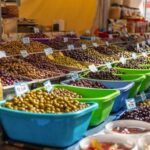
The central food market is the tour’s most distinctive stop. Local vendors display products from around Greece, giving you a chance to see the scale and variety of Greek food in one place. This is not the same as entering a restaurant and receiving a finished dish. You see ingredients, vendors, and the daily business of buying food.
Your guide helps explain how to assess products, how different ingredients are used, and which flavors connect to older Greek cooking. You might taste items selected from the market or nearby shops, but the exact samples are not listed in advance. That uncertainty is normal for a working market, where availability changes from day to day.
The market also gives the ancient-food theme a practical anchor. Ancient Greek cuisine was based on available ingredients, local production, preserved foods, grains, fruit, herbs, and other everyday staples. Walking through a food market lets you consider food as part of trade and daily life, rather than as a museum subject.
There is one important catch. The central market may not be available on Sundays and public holidays. The tour can still include other food stops on those days, as one Sunday route did, but you should expect the plan to change. If the market is a major reason you want to book, choose a weekday or Saturday and confirm the schedule.
Specialty shops bring the history closer to your plate
After or alongside the market, the route visits specialty food stores. These smaller stops can be more useful than a general market if you want to understand particular products in detail. A shopkeeper or guide can focus on selected delicacies, explain how they are served, and point out differences you might miss while shopping alone.
The tour description specifically promises tastes connected with antiquity. That does not mean you will eat a meal recreated exactly from an ancient text. Think of it as an explanation of old flavor patterns and food customs through products you can find in Athens now.
I like this approach because it avoids a common problem with historical food tours. Ancient cuisine can become theatrical, with too much attention on costumes or claims that modern dishes are unchanged. Here, the value comes from comparing past and present. You taste local products, then hear how Greek ideas about diet and social eating developed.
Specialty stores are also a good place to gather practical shopping advice. Your guide can help you identify foods worth taking home and explain what you are seeing. Personal purchases are not included, so budget separately if you want to buy provisions.
What the private format changes
This is a private activity, so only your group participates. That is especially useful on a food tour, where preferences can vary sharply. You can tell the company about allergies and dietary requirements before the tour, and the guide can take those needs into account.
You should still provide complete information at booking. The tour includes tastings, but the precise ingredients and substitutions are not stated. A food allergy is not something to mention casually at the first stop.
A private tour can also change the pace. You may want longer explanations of ancient nutrition, more time at the market, or a faster route if you have another appointment. Changes to the private itinerary can be requested through the company’s inquiry form, but they should be arranged before the day rather than assumed on arrival.
There is a tradeoff. Private tours usually offer better conversation and flexibility, but the per-person cost rises when your group is small. The advertised price is $314.68 per person, and prices vary by group size. That makes this more sensible for a family, couple with a strong food interest, or small group that values personal guiding than for someone seeking the cheapest introduction to Greek food.
A few more Athens tours and experiences worth a look





Is four hours enough for a real food experience?
Four hours gives you time to connect several parts of Athens’ food culture without turning the day into a marathon. You have room for a café stop, market exploration, specialty stores, tastings, and historical discussion. The pace should feel fuller than a short snack walk, though you should not expect a full cooking class or a complete survey of Greek cuisine.
Food quantity is not specified. Some accounts describe generous food and drink tours, but this experience only guarantees samples of local beverages and delicacies. If you are booking it as lunch, ask the operator how substantial the tastings are for your date.
The timing also favors morning. A 9:00 a.m. start gives you a better chance of seeing the food market during its working hours and leaves the rest of the day open. You will need energy, since the route is on foot and includes outdoor exposure.
Athens can be hot, particularly when you are walking on open streets. A hat, sunscreen, and water are not decorative suggestions here. Bring them, and wear shoes you can use comfortably for four hours.
Guide personality can make or break the route
The strongest element of this experience is likely to be the guide. Food markets can be confusing without local direction, and ancient Greek eating can sound abstract without someone who can connect it to what is in front of you.
Yannis Ninos is described as a chef with a strong respect for Greek culture through food. George is associated with market instruction, cooking, and careful attention to comfort. Panos is described as especially familiar with local foods and drinks, while Klea led a Sunday route that included coffee, sweets, and a neighborhood stop.
These details suggest a guide-led experience rather than a simple checklist of tastings. Still, guide assignments can change. Book this because you value expert conversation and local access, not because you are guaranteed one named person.
The best use of your time is to ask questions. Ask what makes a product traditional, how it is normally eaten, whether it is seasonal, and how ancient food customs compare with current habits. A private group gives you the freedom to shape that conversation.
What is included, and what will cost extra
The price includes the four-hour private walking experience, hotel pickup for hotels within walking distance of the tour location, food and beverage samples, the private Insider guide, and taxes.
You pay separately for personal purchases. Archaeological sites are not part of the tour, and there are no archaeological entry or guiding fees included. Hotel drop-off is also not provided, although the tour ends at Syntagma Square, where public transportation is nearby.
That division is worth understanding before you book. This is a culinary and cultural walk, not a combined food and Acropolis tour. If you want to visit an archaeological site afterward, plan that as a separate activity.
At $314.68 per person, the value depends on how much you want private guiding. A shared food tour can cost less, but it may not offer the same flexibility for allergies, questions, or itinerary changes. For a group that wants a tailored route and a guide who can explain food in cultural terms, the cost may be reasonable. For a solo visitor mainly seeking a few inexpensive samples, it is harder to justify.
Practical details to settle before the morning
Confirmation arrives within 48 hours of booking, subject to availability. Since the price changes with group size, check the final amount carefully before you commit.
The tour begins and ends at Syntagma Square. Hotel pickup is limited to hotels within walking distance of the tour location, so ask rather than assume pickup applies to your accommodation.
Most people can participate, and the route is near public transportation. No separate archaeological entry is involved. You should, however, be comfortable walking for four hours and managing the heat with water, sun protection, and sensible clothing.
Free cancellation is available if you cancel at least 24 hours before the local start time. Cancellations or changes made within 24 hours are not accepted for a refund.
Who should book this Athens food walk?
I would point this tour toward anyone who likes food with a story. It suits you if you want to understand why Greek ingredients matter, prefer private guiding, and enjoy markets and specialty shops more than a formal restaurant meal.
It also fits a group with mixed interests. One person can ask about ancient nutrition, another can focus on shopping, and another can follow the guide to street art or neighborhood details. The private setting makes that easier than a large scheduled group.
Families and older walkers should consider the four-hour duration and outdoor pace. The tour is not presented as an archaeological hike, but it is still a walking experience. If your group needs a short route or frequent sitting breaks, ask about adjustments in advance.
Food enthusiasts will get the most from the market and shop visits. History fans should appreciate the social and philosophical context, but anyone wanting a full archaeological tour needs to book that separately.
Should you book the Private Ancient Greek Flavors Food Tour?
Book it if you want private attention, market access, and food explained through ancient Greek ideas. The combination is more thoughtful than a basic sample-and-move-on food walk, and the guide can add local color, shopping advice, and cultural context.
Think twice if the price is your main concern, if you need a guaranteed full meal, or if your only free day is Sunday and the central market is essential. In those cases, confirm the route and tastings before paying.
For a small group with dietary needs, strong interest in Greek culture, and four hours to spend on foot, this is a well-focused Athens experience. Choose a weekday when possible, arrive prepared for sun, and treat the tour as a guided introduction to the city’s food life, not as a substitute for an archaeological visit.
FAQ
Where does the tour start?
The tour starts at Syntagma Square, Plateia Syntagmatos, in Athens.
What time does the tour begin?
The scheduled start time is 9:00 a.m.
Where does the tour end?
The activity ends back at the meeting point at Syntagma Square.
How long does the experience last?
The private walking experience lasts approximately four hours.
Is hotel pickup available?
Hotel pickup is offered for hotels within walking distance of the tour location. Hotel drop-off is not included.
Is the central food market visited every day?
Some parts of the tour may be unavailable on Sundays and public holidays, including the central food market. The route may use other food stops instead.
Can I cancel for a full refund?
Yes. You can receive a full refund if you cancel at least 24 hours before the experience start time. Changes or cancellations made less than 24 hours before the start are not accepted for a refund.