REVIEW · ATHENS
The best of Athens Piraeus Full-Day Private Shore Excursion
Book on Viator →Operated by Athens Shore Excursions · Bookable on Viator
The big draw here is simple: you can see Athens’ essential sights in one carefully packed day without wrestling with port transfers, city traffic, or a large tour group. From the cruise terminal, your driver takes you into the city and links ancient monuments, modern Athens, local neighborhoods, and hilltop views.
I like the private vehicle and flexible itinerary, especially for a group of up to three people. I also like the range of stops, from the Parthenon and Ancient Agora to Plaka, the changing of the Evzones, and Mount Lycabettus. The tradeoff is that this is an ambitious schedule, and entrance tickets plus a licensed guide inside the archaeological sites cost extra.
In This Review
- Key points at a glance
- From Piraeus to the Acropolis
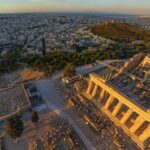
- The Acropolis: four monuments, one demanding visit
- Propylaea
- Temple of Athena Nike
- Parthenon
- Erechtheion
- Syntagma Square and the Evzones
- The National Garden and Athens’ Neoclassical Trilogy
- Plaka: lunch and a change of pace
- The Ancient Agora and the Acropolis Museum
- Olympieion, Kallimarmaro, and Mount Lycabettus
- What $499.74 per group really buys
- What the driver can and cannot do
- Practical details before you book
- Who should choose this Athens shore excursion?
- Should you book it?
- FAQ
- How long is the Athens Piraeus shore excursion?
- Where does pickup take place at Piraeus port?
- Is hotel pickup available?
- How many people can join the private tour?
- Are entrance fees included?
- Does the driver guide visitors inside the Acropolis and museums?
- Is lunch included?
- What information must cruise passengers provide when booking?
- What is the cancellation policy?
Key points at a glance
- Piraeus pickup at Terminal A: Meet your English-speaking driver outside the terminal exit at 28 Akti Xaveriou Street, Port E11.
- The Acropolis takes center stage: Allow time for the Propylaea, Temple of Athena Nike, Parthenon, and Erechtheion.
- More than ancient ruins: The route adds Syntagma Square, the Greek Parliament, Plaka, the Neoclassical Trilogy, and the Panathenaic Stadium.
- Private touring for up to three: The $499.74 price is per group, not per person, and includes transport and port return.
- Tickets are separate: Acropolis, Ancient Agora, Acropolis Museum, and other paid sites are not included.
- A driver, not an archaeological guide: Your driver explains the city and takes you to each site, but cannot accompany you inside without an additional licensed guide.
From Piraeus to the Acropolis
Your day begins at 8:00 a.m. at Piraeus, Greece’s main passenger port. For cruise passengers, the meeting point is Terminal A, outside the terminal exit, where the driver waits with a sign bearing your name. You provide your ship name, docking time, disembarkation time, and reboarding time when booking, which matters on a port day.
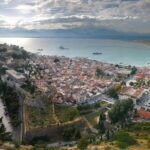
The drive toward Athens follows the coastal road along the Saronic Gulf and the Athens Riviera. This gives you a quick look at the connection between port and capital before the day turns toward ancient Athens. Piraeus is only about 12 kilometers from central Athens, but traffic can affect the timing, so an early start is useful.
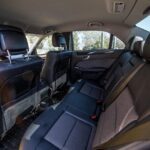
The vehicle is air-conditioned and sized for your party. That may sound like a small detail, but it makes a difference after walking over hot stone at the Acropolis or climbing around the Agora. You return to the same pickup point at the end, a practical arrangement when your ship is waiting in port.
You can also read our reviews of more private tours in Athens


The Acropolis: four monuments, one demanding visit
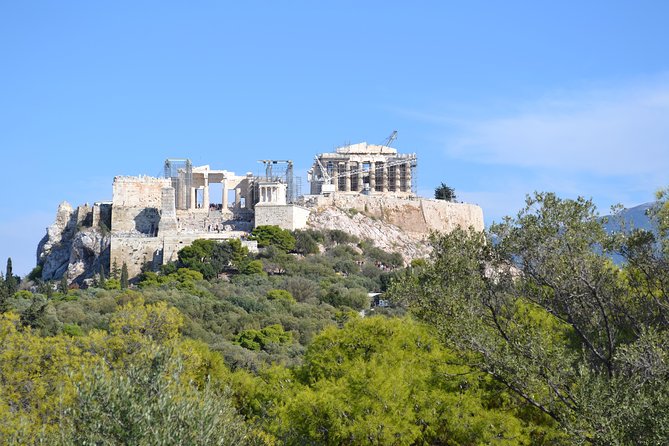
The Acropolis is the heart of the excursion. It is also the part of the day where you need to pay closest attention to timing, footwear, heat, and ticket arrangements. The rocky hill has uneven surfaces and requires a moderate level of fitness.
Your Acropolis visit is organized around four major monuments:
Propylaea
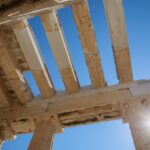
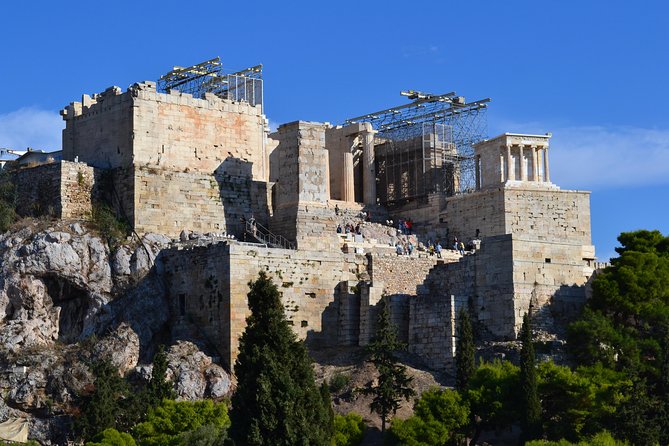
The Propylaea forms the monumental gateway to the sacred hill. Its Pentelic marble entrance replaced earlier gateways and was built during the great Periclean building program in the fifth century BC. The plan was bold but never finished.
You get about 15 minutes here, enough to appreciate the scale and the way the gateway frames the climb ahead. The Propylaea is not merely an entrance in the modern sense. It marked the change from ordinary city space to the protected world of Athena’s sanctuary.
Temple of Athena Nike
At the southeastern edge of the Acropolis, the small Temple of Athena Nike sits on a projecting bastion. The Classical temple was built between 426 and 421 BC and honored Athena as Nike, or Victory.
The idea behind the wingless statue is memorable: Athens wanted victory to remain in the city. The temple is small compared with the Parthenon, but its position gives it an important role near the entrance. The scheduled stop is about 15 minutes.
Parthenon
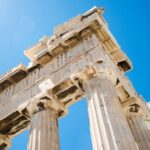
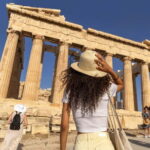
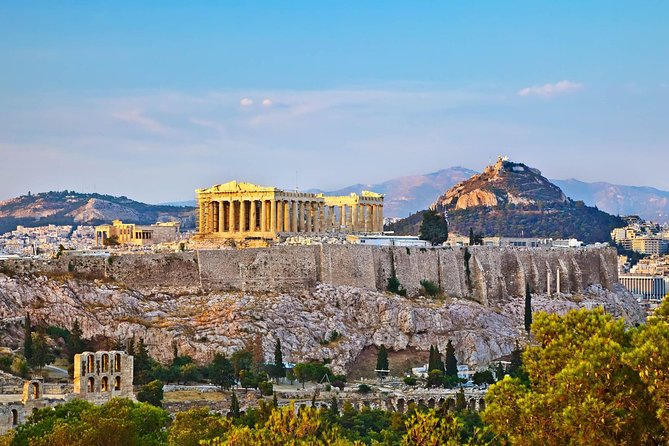
The Parthenon receives the longest Acropolis stop, about 45 minutes, and rightly so. Built between 447 and 438 BC, it was dedicated to Athena Parthenos and formed the centerpiece of Athens’ ambitious fifth-century building program.
Look beyond the familiar outline. The temple was designed by Ictinus and Kallikrates, with Pheidias overseeing the sculpture and the wider artistic plan. Its Doric design includes unusual refinements that make the building appear more balanced than a simple collection of straight lines.
You will not get a quiet, leisurely museum-style visit here. The schedule gives you time to see the monument, take in the city below, and hear the main story from your driver before moving on. If the Parthenon is your main reason for coming to Athens, ask in advance about adding a licensed guide.
A few more Athens tours and experiences worth a look
- All Day Cruise -3 Islands to Agistri,Moni, Aegina with lunch and drinks included
★ 5.0 · 4,958 reviews



Erechtheion
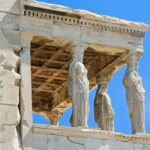
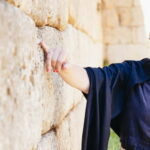
The Erechtheion is a more irregular and mysterious building on the north side of the Acropolis. It was built between 421 and 406 BC and was linked with Athena, Poseidon, the mythical king Erechtheus, and the early legends of Athens.
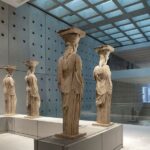
Its best-known feature is the Porch of the Caryatids, where sculpted female figures replace columns. The figures on the building are casts. Five originals are in the Acropolis Museum, while another is in the British Museum, so the museum visit later in the day adds useful context.
The planned stop is about 15 minutes. That is enough for a close look, but not enough for a long examination of the competing myths and architectural details. Again, the driver can explain the setting, but entrance access and interpretation inside require separate arrangements.
Syntagma Square and the Evzones
After the Acropolis, the route moves into the political center of modern Athens. At Syntagma Square, you see the former royal palace, now home to the Hellenic Parliament, and the Tomb of the Unknown Soldier.
The Parliament building was first constructed as a palace for Kings Otto and George I. It became the home of the Greek Parliament roughly a century after construction began. The setting helps connect modern Greek statehood with the older monuments you have just visited.
The Evzones, members of the Presidential Guard, protect the Tomb of the Unknown Soldier. Their uniform includes the fustanella, a pleated garment whose 400 folds represent the years of Ottoman rule. The changing of the guard takes place every hour, so timing matters. The schedule gives you about 15 minutes at the tomb and 20 minutes around Parliament.
You should ask the driver which change fits the day’s route. The tour information confirms the hourly ceremony, but not a guaranteed specific performance time. If this is important to you, build the morning around it rather than hoping to catch it by chance.
The National Garden and Athens’ Neoclassical Trilogy
The National Garden offers a short break from stone, traffic, and formal squares. Behind Parliament and Syntagma Square, this 160,000-square-meter green space contains more than 500 types of plants and trees. Queen Amalia ordered the gardens in 1839, and they opened to the public in 1923 under their present name.
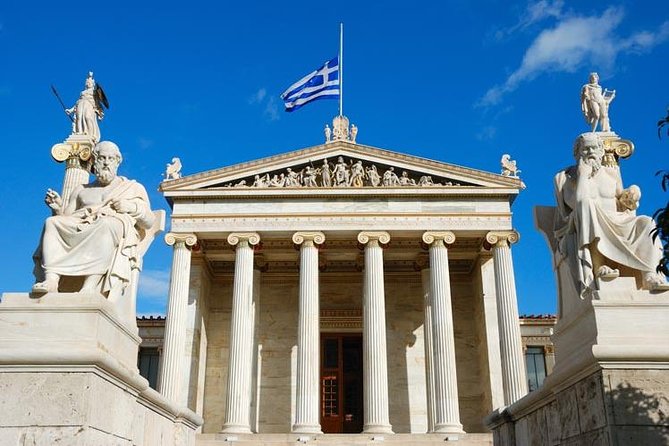
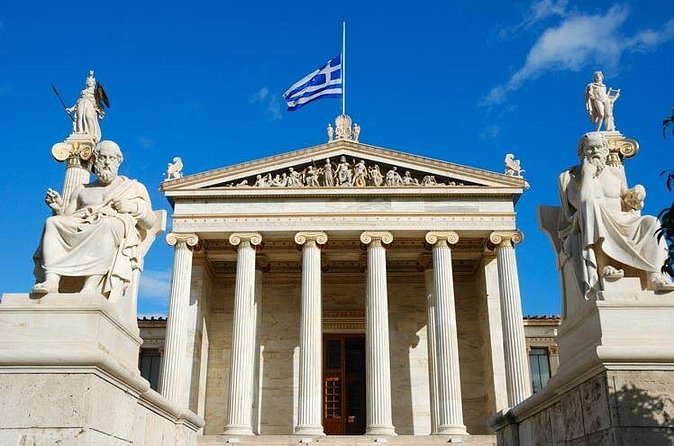
The route then takes in the Academy of Athens, the National and Kapodistrian University of Athens, and the National Library of Greece. Together, these buildings form Athens’ Neoclassical Trilogy.
The Academy stop is about five minutes, as is the university and library. These are primarily exterior viewing stops, useful for seeing the city’s nineteenth-century architectural face. The library, built between 1887 and 1902, holds more than a million books and magazines, along with handwritten codices dating from the ninth to nineteenth centuries.
You will not have time here for extended interiors or collections. Think of this section as a compact city tour that fills in the story of modern Athens between the major archaeological sites.
Plaka: lunch and a change of pace
Plaka is where the day becomes less formal. The neighborhood lies below the northeastern slope of the Acropolis and reaches toward Syntagma Square through narrow streets, small shops, cafés, and family-run tavernas.
You get about 90 minutes for free time and lunch. That is one of the most useful parts of the schedule because it gives you a chance to eat at your own pace rather than follow a fixed restaurant plan. You can also browse for ceramics, jewelry, and clothing, though prices vary and the busiest streets can feel geared toward sightseeing.
Look for Anafiotika, the small whitewashed area tucked into the Acropolis hillside. Its island-style appearance feels striking in the middle of Athens. The neighborhood is popular, so you should treat the free time as a chance to wander, not as a promise of a completely quiet village.
The Ancient Agora and the Acropolis Museum
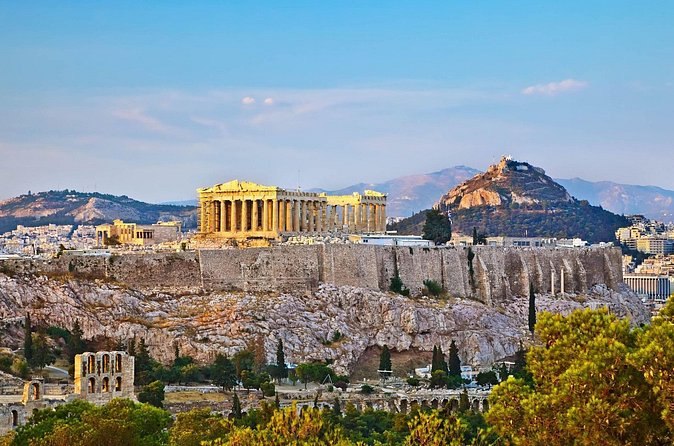
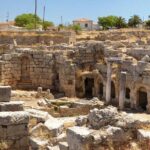
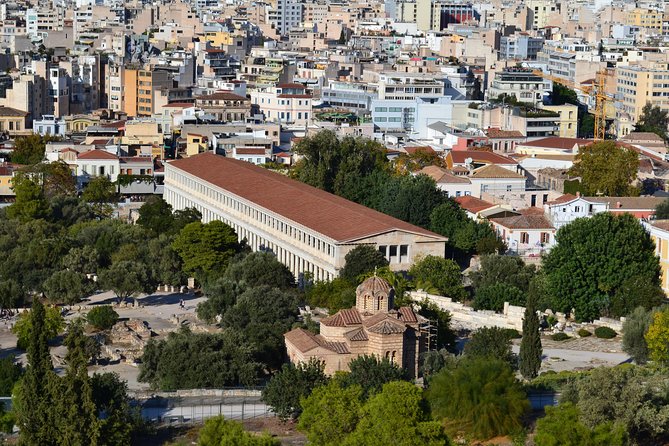
The Ancient Agora was the civic heart of Athens for about 5,000 years, serving at different times as a place for assemblies, commerce, and homes. It lies northwest of the Acropolis, below the Areopagus and near the hill known as the Agoraios Kolonos.
The planned visit lasts about 40 minutes. That allows a useful overview of the excavated area, but the site can reward much longer study. This is where the daily machinery of ancient Athens becomes easier to picture. The Acropolis represents religious and political ambition; the Agora shows the city at work.
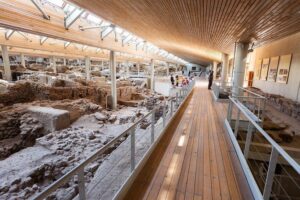
The Acropolis Museum receives about 90 minutes. Built roughly 300 meters from the Acropolis, it houses objects found on the hill and its slopes, ranging from the Greek Bronze Age through Roman and Byzantine periods.
This museum is especially valuable because it helps you read the monuments you have already seen. The Caryatids, sculpture fragments, and other objects make the Acropolis less like a distant ruin and more like a working sanctuary with layers of art and belief.
Both the Agora and museum require separate admission. Your driver can take you to the entrances and explain the setting, but cannot guide you inside as a licensed state guide. If you want detailed interpretation at the Parthenon, Agora, and museum, arrange a licensed guide for an extra fee. Availability is not guaranteed on the day, so request one when booking.
Olympieion, Kallimarmaro, and Mount Lycabettus
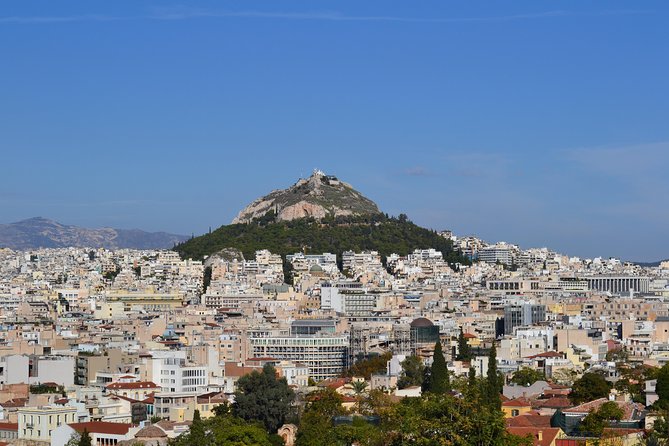
The route continues to the Olympieion, the sanctuary of Olympian Zeus. Its great temple was one of the largest marble temples connected with Zeus, though the listed schedule does not assign a separate timed stop here. Treat it as a photo or viewing point unless your driver confirms otherwise.
At Kallimarmaro, or the Panathenaic Stadium, you see the marble stadium associated with the first modern Olympic Games in 1896. It is built from Pentelic marble, the same broad source of stone used for important monuments around Athens. The scheduled stop is about 15 minutes.
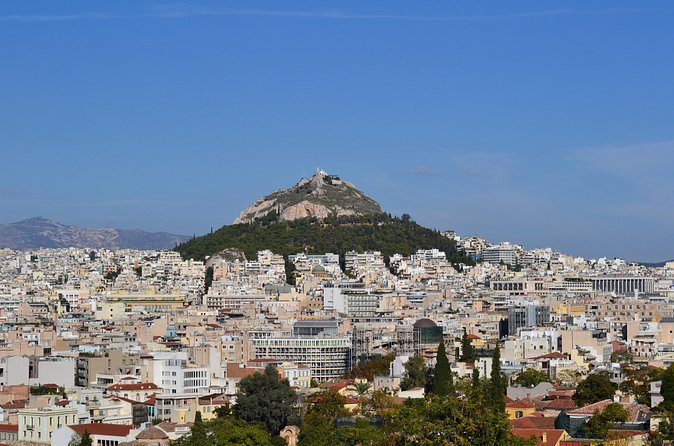
The final major stop is Mount Lycabettus, the highest point in central Athens at 277 meters. The hill has a small chapel of Saint George and views over the capital and coastline. The tour allows about 70 minutes here, making it more than a quick roadside photograph.
You can reach the hill on foot, by funicular, or by car, but the tour information does not state which method is included in your visit. Ask the driver before the day begins, especially if you have mobility concerns or want to reach the summit. Afterward, you return to the original pickup location.
What $499.74 per group really buys
The price is $499.74 for up to three people, or about $166.58 each if you fill all three places. It includes a private air-conditioned vehicle, an English-speaking professional driver, and pickup and return at your Athens hotel or Piraeus port.
That is a reasonable structure for a small group that values time and convenience. A cruise passenger avoids arranging separate transport from Piraeus, and you are not tied to the pace of a large coach. The private format also lets you ask for itinerary changes.
The price does not include archaeological and museum entrance fees, meals, drinks, or a licensed state guide. These costs can change the final total, so calculate them before booking. The operator suggests pre-purchasing admission tickets because availability may be limited. Ticket buying can also be arranged for a small service fee.
The schedule is full enough that you should not assume every stop receives a long visit. The Acropolis, Plaka, Agora, museum, and Lycabettus alone make a substantial day. Traffic, queues, and ship departure time can reduce flexibility.
What the driver can and cannot do
Your driver is an English-speaking professional with good knowledge of Greek culture and history. He can provide background during the drives, point out monuments, manage the route, and take you to each site.
He is not automatically a licensed archaeological guide. He cannot accompany you inside the Acropolis, Ancient Agora, or museums unless you arrange a licensed guide at an additional cost. This distinction matters. A driver-led tour works well if you want orientation and transport. It is less suitable if you want detailed discussion beside every sculpture and building.
One named driver associated with the experience is Michael. The available feedback specifically praises Michael for being accommodating, arriving at the designated times, and creating a strong tour experience. That points to the practical value of reliable timing on a cruise excursion, though driver assignments can vary.
Practical details before you book
The tour is offered in English and is private, with only your group participating. Hotel pickup and drop-off are available in Athens, and Piraeus port pickup and return are included.
Wear shoes suited to uneven ancient paving and expect a moderate level of physical activity. The Acropolis and Lycabettus both involve walking, and the day combines outdoor ruins with city streets and museum interiors.
At booking, provide the cruise ship name, docking time, disembarkation time, and reboarding time. Meet outside Terminal A at the specified port address, not somewhere inside the ship or terminal. Hotel guests should wait at the main entrance and tell the porter or receptionist that the driver is calling.
Free cancellation is available up to 24 hours before the start time for a full refund. Changes or cancellations inside that window are not accepted and are not refunded.
Who should choose this Athens shore excursion?
I would choose this tour if you have one port day and want a broad introduction to Athens without managing transport yourself. It suits a couple, family, or trio that wants a private vehicle, a fixed return to the port, and the option to adjust the sightseeing plan.
It also suits people who prefer a driver-led overview and are comfortable exploring the major sites on their own. The tour gives you excellent coverage, but it does not automatically provide the detailed inside commentary that a licensed guide offers.
I would think twice if your priority is a slow Acropolis visit, long museum time, or a relaxed lunch. The route includes many places, and the eight-hour window is tightly filled. Ask for a clear plan for ticket timing, the hourly guard change, and the exact length of each archaeological visit.
Should you book it?
Book it if coverage and private transport matter most. You will see the Acropolis, modern Athens, Plaka, the Agora, the Acropolis Museum, Kallimarmaro, and Lycabettus in one day, with port pickup and return handled for you.
Before paying, add the cost of entrance tickets and decide if you want a licensed guide. If you fill all three spaces and value a dependable cruise-day schedule, the group price can make good sense. If you want depth over breadth, trim the number of stops and spend the savings on a licensed guide.
FAQ
How long is the Athens Piraeus shore excursion?
The experience lasts approximately eight hours and begins at 8:00 a.m.
Where does pickup take place at Piraeus port?
Cruise passengers meet outside the exit of Terminal A at 28 Akti Xaveriou Street, Port E11. The driver waits with a sign bearing your name.
Is hotel pickup available?
Yes. Pickup and drop-off are available at hotels in Athens. Meet at the main hotel entrance and notify the porter or receptionist.
How many people can join the private tour?
The price covers one private group of up to three people.
Are entrance fees included?
No. Admission fees for archaeological sites and museums are separate. The tour suggests buying tickets in advance because availability may be limited.
Does the driver guide visitors inside the Acropolis and museums?
No. The English-speaking driver provides information until you enter the sites and museums. A licensed state guide can be arranged for an additional cost, subject to availability.
Is lunch included?
No. Food and drinks are not included. The itinerary provides about 90 minutes of free time in Plaka for lunch.
What information must cruise passengers provide when booking?
You must provide your ship name, docking time, disembarkation time, and reboarding time.
What is the cancellation policy?
You can cancel up to 24 hours before the start time for a full refund. Cancellations or changes made less than 24 hours before the start time are not accepted.