REVIEW · ATHENS
Thermopylae The battle of the 300 Spartans & Delphi Day Tour
Book on Viator →Operated by Yomadic.Tours & Transfers · Bookable on Viator
A narrow pass. A legendary last stand. And a very long day that works. This Thermopylae and Delphi tour pairs 300 Spartans history with Hot Gates hot-springs time and then rolls straight into UNESCO Delphi. I especially like the small-group feel and the fact you ride in an A/C, Wi‑Fi vehicle with an English-speaking driver who keeps the story going. The one catch: the hot-springs window is short, and swimming access can be limited for safety.
You’ll cover a lot of ground—Thermopylae, Delphi ruins, museums, and a mountain village stop—and you’ll do it at a pace that feels built for first-timers. Just go in with realistic expectations about tickets, because several key site entries are not included.
In This Review
- Key Things to Know Before You Go
- A Long, Worth-It Route From Athens to the “Hot Gates” and Delphi
- Thermopylae: Where a Narrow Pass Changed the Story of Europe
- Thermopylae Museum: Helpful Context (But It Still Takes Imagination)
- Hot Springs at Thermopylae: Mythful Origins, Modern Spa Reality
- Parnassos Mountain Views and Arachova: A Break for Food and Souvenirs
- Delphi’s Oracle World: Apollo, Pythia, and the Big UNESCO Ruins
- Temple of Apollo: What to Expect When You See the Site
- Delphi Archaeological Museum: Artifacts That Make the Ruins Make Sense
- Tholos of Athena Pronaia: The Circular Photo Stop You’ll Be Glad You Made
- How the Driver Experience Works (and Why Licensed Guides Matter)
- Price and Value Check for a Delphi + Thermopylae Day Trip
- Timing, Comfort, and Practical Tips for the Athens Start
- Should You Book This Thermopylae and Delphi Day Tour?
- FAQ
- How long is the Thermopylae and Delphi day tour?
- Where does pickup and drop-off happen?
- Is the tour private or small-group?
- Is this tour in English?
- What’s included in the vehicle comfort?
- Are entrance fees included?
- Is lunch included?
- Is the Thermopylae hot-springs time included?
- Can a licensed guide go inside the archaeological sites?
- What should I do if I’m prone to car sickness?
- Is weather required for the tour?
Key Things to Know Before You Go
- Small-group setup: Designed for intimate groups (up to 8 total), with pickup and drop-off from Athens hotels or apartments.
- Driver-led storytelling: You get history and mythology commentary during the ride, plus practical guidance for each stop.
- Thermopylae’s “Hot Gates” moments: Monuments, the Thermopylae museum, and a 30-minute soak stop.
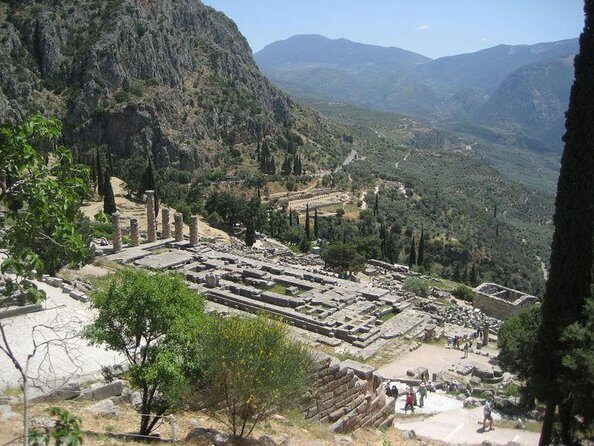
- Delphi is the main event: Expect the oracle sanctuary, Temple of Apollo area, and major ruins, plus museum time.
- Comfort beats stress: A/C, Wi‑Fi, and bottled water make the long drive easier to swallow.
- Site rules matter: Your driver can’t go into archaeological sites as a licensed guide, though you can add a licensed guide for extra cost.
A Long, Worth-It Route From Athens to the “Hot Gates” and Delphi
This is one of those Greece days that looks ambitious on paper—and then surprises you by being manageable. You’re leaving Athens, riding through central Greece’s mountainous roads, and returning the same day. The payoff is that you get two of the country’s biggest stories: the stand at Thermopylae and the oracle world of Delphi.
I like that the tour is built around comfort and timing, not speed-chasing. You get a modern vehicle with A/C and Wi‑Fi, plus bottled water for the road. And because it’s English-speaking driver-led, you’re not just walking into ruins with zero context.
Your main consideration is stamina. It’s a long day with multiple stops, and Delphi in particular involves uphill walking and uneven ground. If you’re sensitive to winding roads, plan for that too—more on that later.
You can also read our reviews of more tours and experiences in Athens.
Thermopylae: Where a Narrow Pass Changed the Story of Europe
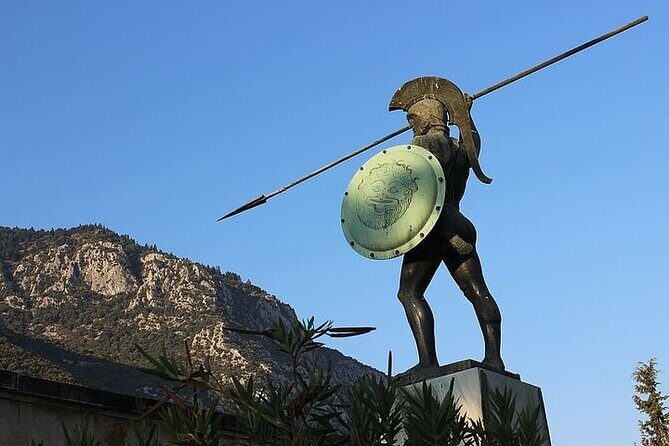
Thermopylae isn’t just a battlefield name. It’s geography. In antiquity, this narrow coastal passage was the only practical route for large armies pushing into southern Greece. That’s why it mattered so much to King Leonidas’s alliance of Greek city-states and why Xerxes’s forces tried to break through.
One of the coolest parts of the day is how the tour frames Thermopylae as a place where myth and history overlap. You’ll hear about the Gates of Fire idea tied to hot sulphur springs and the ancient imagination of entrances to Hades.
The tour then gives you the physical reminders you need to “place” the legend:
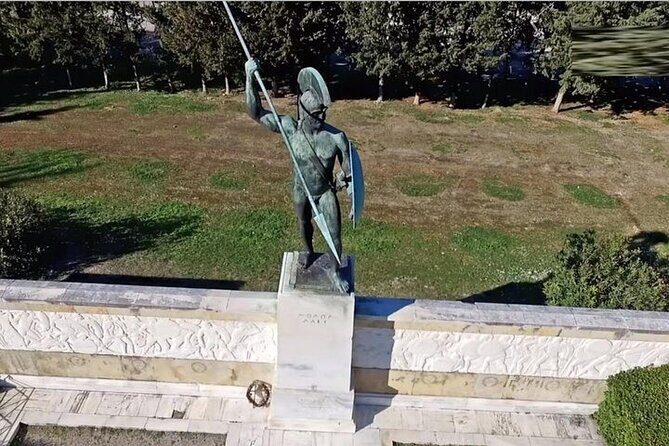
- Monument of King Leonidas: Erected in 1955, made by sculptor Vasos Falireas. The brass Spartan king with spear and shield is the kind of photo stop that also makes the story feel real.
- Battlefield of Thermopylae: Timed as a shorter visit, so you’re not lost in paperwork—you’re there to connect the ground to the narrative.
Practical note: the original battlefield look isn’t what your brain expects. The ground and coastal area have changed over time. If you like history, bring a bit of imagination—and don’t be surprised if the “300” stage is less dramatic than movies.
Thermopylae Museum: Helpful Context (But It Still Takes Imagination)
The Thermopylae Museum stop is short—about 30 minutes—but it’s designed to make the story stick. It focuses on the 480 BC battle and how it mattered far beyond Greece.
Here’s the truth that helps: the museum is where you reset your understanding before you walk the pass. If you’re the kind of person who wants to know why strategies mattered and how the pass worked, you’ll appreciate the museum time more than you might at first.
A small but important practical point: admission is not included for the Thermopylae museum. It’s listed as not included, and you’ll want to budget for it.
Hot Springs at Thermopylae: Mythful Origins, Modern Spa Reality
Then comes the “Hot Gates” experience: Thermopylae hot springs. You get about 30 minutes, and the entry ticket for this stop is listed as included.
The mythology is half the charm. The hot springs are described as created by Hephestus at Athena’s request as a gift for Hercules. In modern times, the spa was built in 1935, and the area is still treated like a recovery destination.
Two details I like from the tour info because they explain what you’re actually stepping into:
- There are 60 pending springs, and 34 recognized so far.
- The modern spa is described as focused on hydrotherapy (balneotherapy) for both specific issues and general well-being.
Now, the expectation-setting part. Some people come expecting a fun swim. Instead, you should treat this as a soak stop—swimming may be prohibited for safety reasons, and you’ll follow what your guide/driver says on arrival. Even with that, the springs can feel like a nice reset after a long drive and a lot of walking.
Parnassos Mountain Views and Arachova: A Break for Food and Souvenirs
Between Thermopylae and Delphi, you’ll pass through scenery around Parnasos mountain and then stop in Arachova. This part is about recovery time. You get about 2 hours 10 minutes for the village—time for shopping and a meal stop.
Arachova is also a good “mental reset” before Delphi. Delphi can hit you with a lot: multiple temples, treasuries, theatres, and viewpoints. Arachova gives you a chance to stretch your legs, pick up a scarf or small souvenir, and eat something that isn’t just quick roadside snacks.
One practical tip: if you’re planning to take photos, this is where your camera will get a breather from ruins and you can focus on village streets and mountain backdrops.
- All Day Cruise -3 Islands to Agistri,Moni, Aegina with lunch and drinks included
★ 5.0 · 4,958 reviews

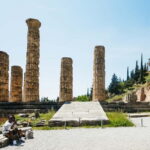

Delphi’s Oracle World: Apollo, Pythia, and the Big UNESCO Ruins
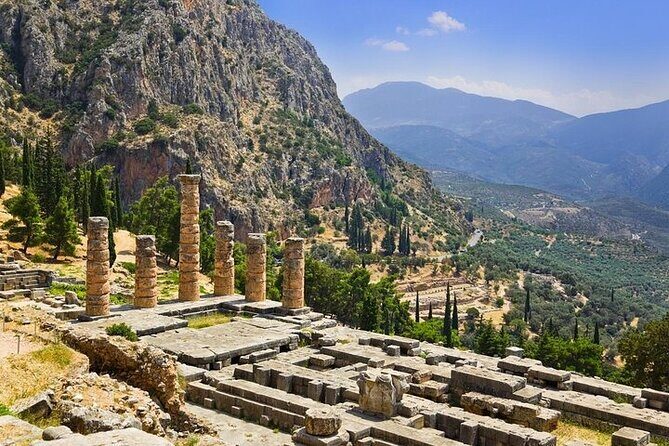
Delphi is why people make the trip. The ancient sanctuary grew rich over time as the home of the oracle (the Pythia), consulted about major decisions across the classical world. The tour also connects Delphi to the idea Greeks held that it was the navel, the center of the world—represented by the Omphalos (described as a stone monument).
You’ll spend time at several major Delphi areas, including:
- Temple of Apollo area: This is the symbolic heart of the sanctuary. The structure partially restored today dates to the 4th century BC (and is described as the third temple built on the same spot).
- Ancient Theater: Built in the 4th century BC, able to host about 4,500 spectators. The theater sits into the hillside and gives views over the sanctuary valley.
- Stadium and upper viewpoints: The tour info and on-the-ground advice you’ll hear while there point you toward going higher than you might at first glance.
If you’re wondering whether the oracle story is “too strange” for real travel—don’t worry. It’s exactly the kind of setting where you can feel the past working on the present. You’re standing inside a cultural machine: music, prophecy, athletics, and ceremony all tied to the sanctuary.
Temple of Apollo: What to Expect When You See the Site
The tour describes the tradition of a sacred chasm beneath the site emitting vapors. The Pythia inhaled those vapors and then delivered prophecy. Some ancient writers described a kind of delirium, while modern scholarship challenges that—arguing that the Pythia likely spoke intelligibly and priests then conveyed the meaning.
You don’t need to become a scholar today. But it helps to know there’s a real interpretive story: the site isn’t just ruins; it’s a place people tried to understand—then systematized.
Delphi Archaeological Museum: Artifacts That Make the Ruins Make Sense
Delphi doesn’t end at the open-air ruins. You’ll also visit the Delphi Archaeological Museum for about 1 hour.
This museum is where the sanctuary becomes physical. The collection is built from excavations at Delphi and includes major sculpture and architectural elements. Key items named in the tour description include:
- Frieze of the Treasury of Sifnias
- Naxian Sphinx (dated to 560 BC)
- Metopes of the Athenian Treasury (including scenes like Theseus and the Minotaur and Heracles themes)
- Omphalos as the center-of-the-earth symbol
- Kleobis and Biton statues
- Statue of Antinoos (connected to Hadrian)
Like most museums, it’s best if you do it after you’ve seen at least some ruins. Your brain will start matching artwork to structures you just walked through.
Admission for the Delphi archaeological museum is not included, and it’s smart to budget for it.
Tholos of Athena Pronaia: The Circular Photo Stop You’ll Be Glad You Made
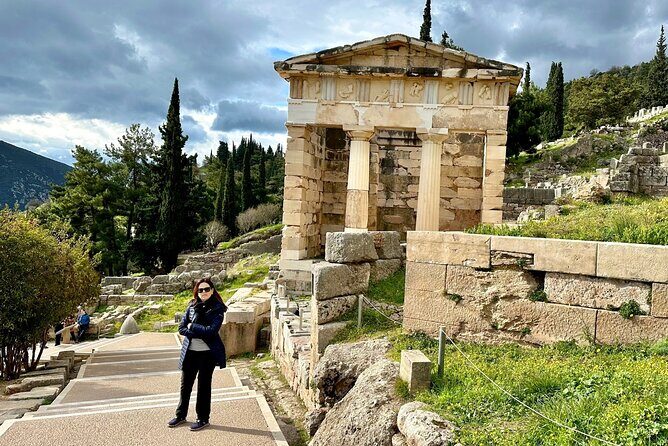
After the main sanctuary and museum time, the tour includes a quick visit to the Tholos of Athena Pronaia. It’s timed at about 15 minutes.
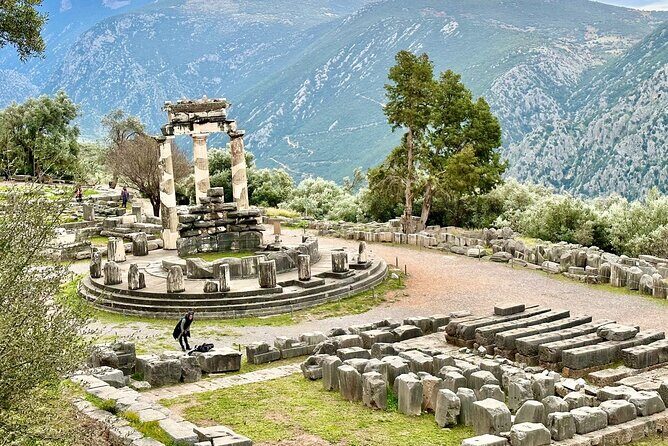
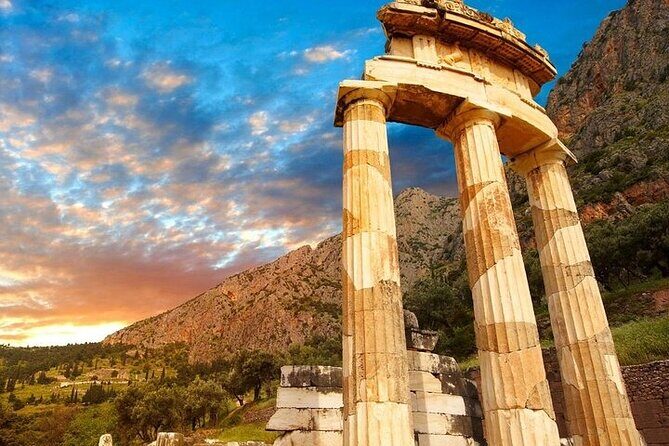
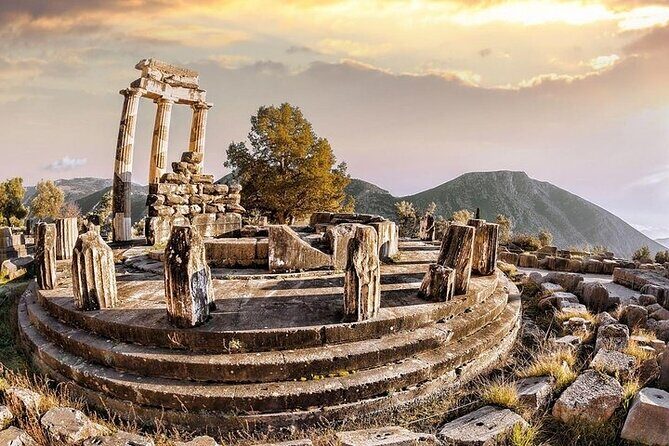
This is one of those places that’s small in time but strong in effect. The Tholos is a circular building dating to 380–360 BC, described as having:
- 20 Doric columns around the exterior
- 10 Corinthian columns inside
- an exterior diameter of 14.76 meters
It’s about 800 meters from the main Delphi ruins, and the tour info notes that three Doric columns have been restored, making it a popular photography target.
This stop also connects to the broader Delphi world—because it sits near other sanctuary structures, including a gymnasium area described as having pools and baths with “magical powers” in ancient tradition.
If you care about architecture, this is a high-value detour. If you just want views and photos, it’s still worth the quick time.
How the Driver Experience Works (and Why Licensed Guides Matter)
The day runs on a simple model: your English-speaking driver provides history and myth context in the vehicle, and helps you with where to go and what to expect at each stop.
One important rule: in Greece, only officially licensed tour guides can accompany guests inside archaeological sites as licensed guides. Your driver may be highly informed, but they can’t act as the licensed guide inside those areas.
Good news: you can arrange a professional licensed guide for inside-site time upon request, for an additional cost (availability-dependent). If you’re traveling with an archaeology-first mindset, it’s worth considering. If you’re more “story + sights + photos,” the driver format may be perfect as-is.
Price and Value Check for a Delphi + Thermopylae Day Trip
At $260.66 per person for about 9 hours 30 minutes, the value here is mostly in two things:
- Effort saved: long-distance driving from Athens, plus pickup and drop-off.
- Comfort included: A/C, Wi‑Fi, bottled water, and fuel/tolls handled.
But you should plan for extra spending. Entrance fees are not included for attractions, and the key ones listed are:
- Delphi archaeological site: €20 per person (listed as not included)
- Thermopylae archaeological site: €6 per person (listed as not included)
Other stops are also labeled “not included,” like the Temple of Apollo and the Leonidas monument, so you may see additional ticket costs depending on exactly which entries you cover on the day.
Lunch isn’t included either. The schedule includes lunch stops, but meal costs are on you. In practice, this means you can choose where and what you eat—often one of the fun parts of a day trip.
Also note tips and gratuities aren’t included and remain your choice.
Finally, expect a tipping-and-ticket mindset rather than a fully bundled “everything included” tour. If you’re okay with that, the base price makes sense.
Timing, Comfort, and Practical Tips for the Athens Start
This is the kind of day that can feel twice as long if you forget small comfort basics.
Here’s what helps:
- Wear comfortable shoes for uneven ground and uphill walking at Delphi.
- Bring water. Even though bottled water is provided for the ride, you’ll want extra during walking time.
- If you get car sick easily, take precautions. One piece of real-world advice included using Dramamine because of winding roads.
- Give yourself a photo buffer. At Delphi, the best views often reward the people who keep climbing a bit instead of stopping as soon as they think they’re done.
Also, the tour pickup timing matters. You’ll be collected from the hotel lobby or apartment entrance (or the port gate), so be ready at the meeting spot. Then you’ll return you to the same pickup area or a point you prefer.
Should You Book This Thermopylae and Delphi Day Tour?
Book it if you want an organized, story-led day that hits both Thermopylae and Delphi without planning logistics yourself. The driver format is a great match for first-timers, and the mix of monuments, ruins, museum time, and hot springs gives the day shape instead of feeling like random stops.
Consider another option if you’re tightly budgeted for add-on tickets, or if you’re hoping for a long, leisurely hot-springs swim session. The soaking time is limited, and swimming access can be restricted.
If you like architecture and symbolism, Delphi is the headline—and the Tholos stop gives you a nice architectural palate cleanser. If you’re more of a battlefield-and-myth person, Thermopylae will scratch that itch, especially if you pair the monuments with the museum context.
In short: if you’re okay with extra site fees and a long day, this is a strong way to see both icons of central Greece.
FAQ
How long is the Thermopylae and Delphi day tour?
It’s about 9 hours 30 minutes, with driving time included from Athens and multiple stops along the way.
Where does pickup and drop-off happen?
Pickup and drop-off are offered from your Athens hotel or apartment, and from the port. Your driver meets you at the hotel lobby, apartment entrance, or the port gate.
Is the tour private or small-group?
It’s a semi-private small-group experience, described as intimate groups of 2 to 4, with a maximum of 8 travelers.
Is this tour in English?
Yes. The driver provides an English-speaking experience and commentary.
What’s included in the vehicle comfort?
You travel in an air-conditioned vehicle with Wi‑Fi, plus bottled water.
Are entrance fees included?
No. Entrance fees for attractions are not included. The Delphi archaeological site is listed at €20 per person, and the Thermopylae archaeological site at €6 per person.
Is lunch included?
Lunch stops are scheduled, but meal costs are not included.
Is the Thermopylae hot-springs time included?
Yes. You get about 30 minutes at the hot springs, and the admission for that stop is listed as included.
Can a licensed guide go inside the archaeological sites?
Your driver is not licensed to accompany you inside sites, but you can request a licensed guide to accompany you inside for an additional cost (availability-dependent).
What should I do if I’m prone to car sickness?
Because the route includes winding roads, it’s wise to plan for motion sickness (for example, using Dramamine if you normally need it).
Is weather required for the tour?
Yes. The experience requires good weather, and if it’s canceled due to poor weather, you’ll be offered a different date or a full refund.