REVIEW · ATHENS
2 Day Private Tour to Amazing Delphi & Meteora
Book on Viator →Operated by Enjoy Greece Tours · Bookable on Viator
This is a big Greek history trip packed into two days: mountain roads to Delphi, sunset country around Meteora, Orthodox monasteries on stone pillars, and the battlefield of Thermopylae. You get a private car and flexible schedule, rather than joining a bus group tied to a fixed route.
I like the freedom to slow down at Delphi or leave Athens early to beat crowds. I also like the personal touch associated with driver George Chantzos, who is praised for safe driving, clear English, historical knowledge, scenic routes, and excellent local restaurant choices.
The tradeoff is time. You will cover a lot of ground, and the first and second days include several hours on the road. At $1,596.95 for a group of up to two, this is a serious expense, and archaeological and monastery admission fees are not included.
In This Review
- Key points before you book
- Why this route works from Athens
- Arachova gives the first taste of mountain Greece
- Delphi connects myth, power, and real ruins
- Lunch near Delphi is part of the appeal
- The road to Meteora is long, so use the flexibility
- Meteora is the emotional high point
- Thermopylae adds a sharp historical finish
- The driver is central to the experience
- Is $1,596.95 good value for two people?
- Who should book this private two-day trip?
- Practical details that affect your decision
- Should you book it?
- FAQ
- What is included in the tour price?
- Are entrance fees included?
- Where can pickup and drop-off take place?
- How many Meteora monasteries will I visit?
- Can I hire a licensed guide?
- What happens if bad weather cancels the tour?
Key points before you book
- Three major historic stops in two days: Delphi, Meteora, and Thermopylae are joined by visits to Arachova and the surrounding countryside.
- A private driver makes the schedule flexible: You can choose when to stop, eat, and spend more time at the sights.
- George Chantzos is the named driver: He is praised for careful driving, strong English, history and culture knowledge, and thoughtful recommendations.
- The overnight stay is in Kalambaka or Kastraki: A three-star hotel, breakfast, and bottled water are included.
- Entry fees are extra: This includes the Delphi archaeological site and museum, Meteora monasteries, and the Thermopylae attraction.
- The route is long but rewarding: This works best for people who prefer seeing major sights efficiently over spending several days in each place.
Why this route works from Athens
Delphi and Meteora are not close to Athens, so fitting both into one short trip requires a vehicle and a brisk pace. Public transport can make the connection awkward, especially if you also want to visit Thermopylae. A private car removes much of that trouble.
You begin with pickup at an Athens hotel, airport, Piraeus or Rafina port, or another agreed location. Hotel pickup in the Athens suburbs costs extra. The same applies to some airport and port arrangements, so confirm the exact pickup cost before paying.
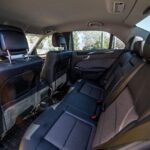
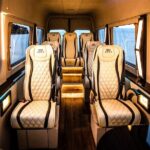
The tour is private, meaning only your own group rides in the air-conditioned vehicle. That matters here. You can stop for photographs, take a longer lunch, or adjust the day without waiting for a full coach.
The included bottled water is a small but useful touch. So is breakfast at the overnight hotel. Still, you should budget separately for lunches, dinner, entrance fees, and any licensed local guide you request.
You can also read our reviews of more private tours in Athens

Arachova gives the first taste of mountain Greece
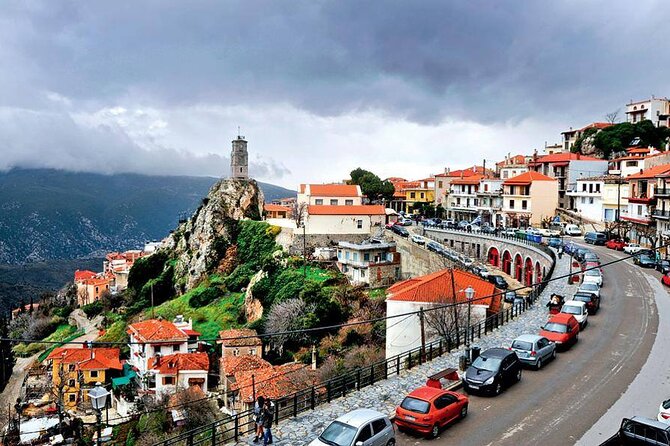
The first scheduled stop is Arachova, a mountain village known as Greece’s fashionable winter resort and ski destination. You get about 20 minutes here, enough for a quick look, a few photographs, and a short walk if the timing allows.
Arachova is less about an extended cultural visit and more about breaking up the drive from Athens. The village sits in dramatic mountain country, with modern tourism facilities and a different feel from the capital. In winter, its ski-center identity is especially important. Outside the ski season, you should treat it as a scenic pause rather than a full sightseeing stop.
The route passes through Livadeia and Thebes, both important ancient cities. The tour description does not give you a formal stop in either place, so you should not expect a guided visit. Your driver can point out the area and explain its place in Greek history as you continue toward Delphi.
Delphi connects myth, power, and real ruins
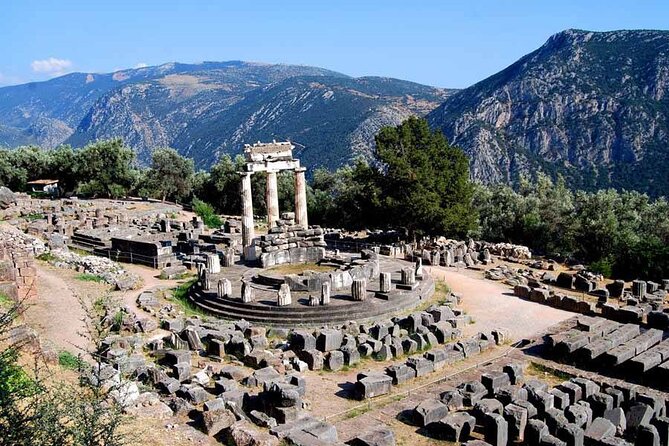
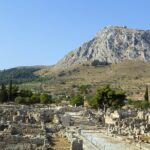
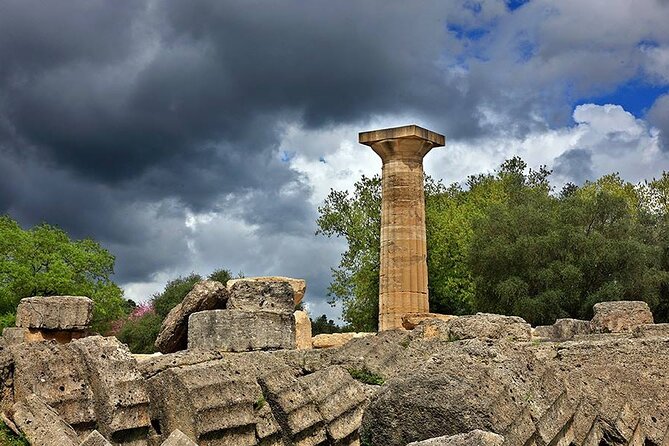
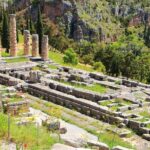
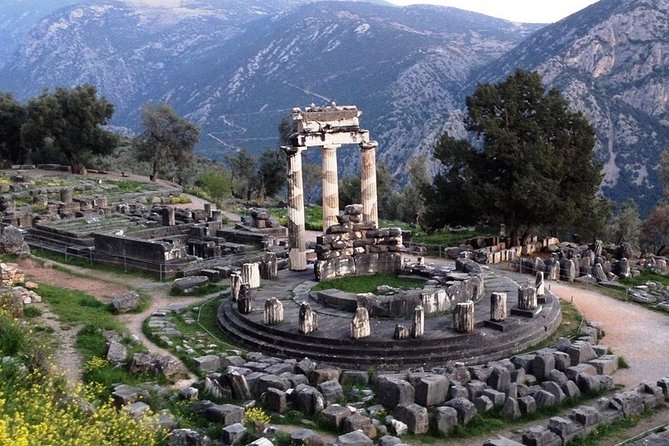
Delphi is the intellectual center of the first day. In ancient Greece, people came to the sanctuary of Apollo to consult Pythia, the priestess who delivered prophecies. Her advice was sought by ordinary people as well as rulers, generals, and kings.
The site was considered the center of the world. The omphalos, or sacred navel stone, refers to that belief. This is not just a set of broken columns. Delphi was a place where religion, politics, money, and military decisions met.
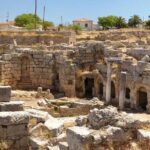
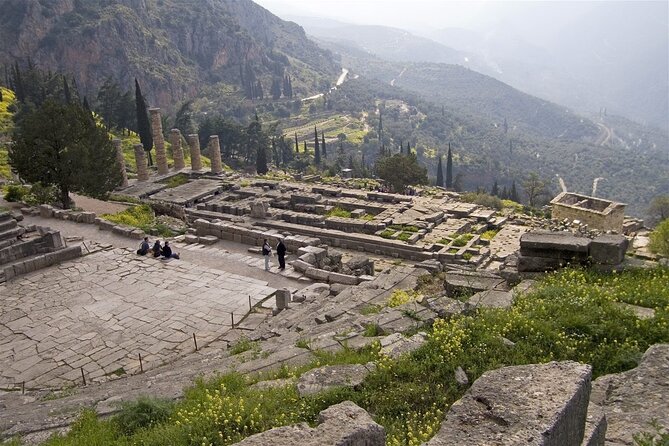
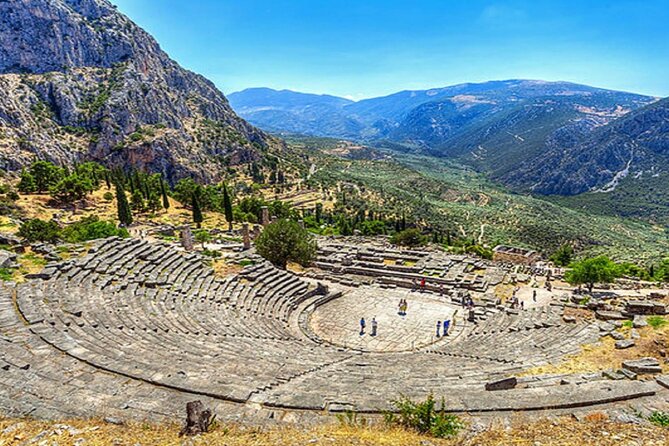
You have about four hours for Delphi’s ancient site and museum. That is a useful amount of time, though not excessive. You can see the ancient theater, the Oracle of Apollo, the omphalos, the Temple of Athena Pronaia, and the Castalian Spring area. The museum adds the objects that make the ruins easier to understand.
Look for the Charioteer of Delphi, one of the most famous surviving Greek statues. The twin brothers and the Sphinx of Naxos are also listed highlights. These works give the museum real weight, especially if you have already seen enough weathered stone for one morning.
The ancient theater is one of the site’s memorable viewpoints, with mountains and the Gulf of Corinth area spreading below. Delphi’s setting does much of the work, but your driver’s explanation can help connect the remains to the people who used them.
A key point: entrance to the archaeological site and museum is not included. The same applies to other paid stops. The driver is not automatically a licensed local guide, so request one in advance if you want formal, detailed interpretation inside the site. That costs extra.
Lunch near Delphi is part of the appeal
Lunch is arranged at a traditional restaurant or taverna, with a choice of Greek dishes. The stated setting offers views toward Mount Parnassus and Itea, making the meal more than a quick roadside stop.
This is one place where a private driver can add real value. George is praised for directing families to local restaurants rather than relying on predictable stops. One family was taken to a seaside restaurant so well regarded that the people at the next table asked how they had found it.
You still pay for lunch yourself, and the final choice depends on the day and your preferences. Tell the driver if you want a long meal, a faster stop, or particular Greek specialties. The private format gives you room to make that choice.
The road to Meteora is long, so use the flexibility
After Delphi, the tour continues to Meteora and ends the first day with free time and an overnight stay in Kalambaka or Kastraki. The listed driving block is about 10 hours, which reflects the full stretch of the day rather than ten straight hours behind the wheel. Even so, this is a demanding road day.
That long transfer is the main drawback of the tour. You will see two of Greece’s finest historic areas, but you will not have the relaxed rhythm of a three or four-day itinerary. If you dislike long drives, consider separating Delphi and Meteora into different trips.
The upside is that the drive links parts of mainland Greece that are difficult to combine without a car. You can watch the scenery change from the Delphi mountains to the broad Thessalian plain and the rock formations around Meteora.
Your overnight hotel is listed as three-star, in Kalambaka or Kastraki, with an upgrade available for an added cost. The exact hotel is not specified, so confirm its name, room arrangements, and location if those details matter to you.
Kastraki is close to the monasteries and has a small-village setting. Kalambaka is the larger base below the rocks. Either location makes sense for this route, but the practical difference is worth checking before departure.
A few more Athens tours and experiences worth a look

Meteora is the emotional high point
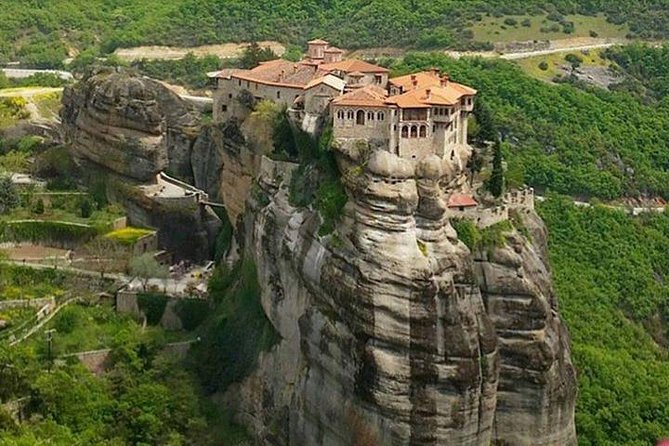
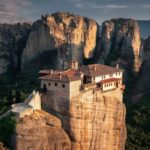
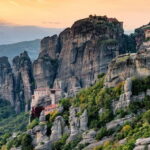
Meteora means middle of the sky or suspended in the air. The name fits. Monasteries sit on towering rock pillars above the plain near the Pineios River and the Pindus Mountains.
Monks began building religious communities here after the 11th century. The monasteries were never abandoned, and monks and nuns still live in some of them. Meteora is important in Orthodox Christianity after Mount Athos, both for its religious role and for the scale of its monastic tradition.
The tour visits up to three monasteries, depending on the day and your wishes. The possible monasteries are Great Meteoron, Varlaam, Roussanou, St. Nicholas, Holy Trinity, and St. Stephen.
Great Meteoron, also called the Monastery of the Transfiguration of the Savior, is the largest and most important complex on the route. Varlaam is another major stop. Roussanou and St. Stephen can offer a different experience, while Holy Trinity is famous for its dramatic position.
You should not assume all six monasteries will be open during your visit. The schedule depends on the day, and this tour promises up to three. That flexibility is helpful, but it also means the final selection may change.
Meteora requires some physical effort. The tour data does not specify the number of steps or access conditions at each monastery, so ask the operator about the planned stops if mobility is a concern. Modest clothing is also appropriate at Orthodox monasteries, although specific clothing rules are not provided here.
Give yourself time to look outward. The views across the plain and toward the rock towers are a central part of the visit, not just a backdrop to the buildings. A private driver can help you avoid rushing from one entrance to the next.
Thermopylae adds a sharp historical finish
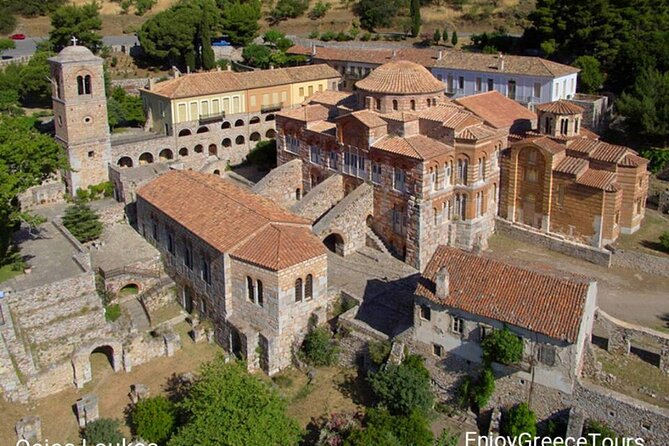
The return journey includes about 30 minutes at Thermopylae, also called the Hot Gates. This is the battlefield linked with King Leonidas and the 300 Spartans who died resisting the Persian army.
Thermopylae works as a short stop because the story is focused and powerful. You can reflect on the battle, see the area associated with the stand, and visit the hot springs. The location connects the heroic story to actual terrain rather than leaving it as a legend in a book.
Admission is not included. The stop is brief, so ask what is open and what can realistically be seen during the scheduled time. It is best understood as a final historical pause on the way back to Athens, not as another major museum visit.
The driver is central to the experience
The quality of this tour depends heavily on the driver. George Chantzos is the named driver connected with the experience, and the strongest praise focuses on him rather than on a large tour operation.
He is described as a safe driver with a comfortable vehicle, good English, and a strong grasp of Greek history and culture. He is also praised for keeping children and adults engaged during long drives, adjusting departure times, and suggesting scenic roads and restaurants.
One especially useful approach is leaving Athens early. A family was able to avoid cruise-ship traffic and long lines by starting ahead of the usual schedule. You should discuss your departure time before the trip, particularly if you are arriving from a cruise ship.
Kostas handles communication and is described as quick to answer questions before, during, and after the trip. That matters when you need to coordinate an airport, hotel, or port pickup. Tasos is also associated with transfer services, though George is the driver most closely tied to the sightseeing experience.
Keep expectations clear. The included service is an English-speaking tour driver, not a licensed guide at every archaeological or religious site. If you want formal guiding at Delphi or Meteora, request a local licensed guide and pay the additional fee.
Is $1,596.95 good value for two people?
The listed price is $1,596.95 per group of up to two. That works out to roughly $798.48 per person before entrance tickets, meals, and optional guiding.
That is expensive compared with a shared coach trip. You are paying for a private vehicle, direct Athens pickup and return, a two-day route, flexibility, driver service, an overnight hotel, breakfast, and bottled water. For a couple with limited time, those benefits can justify the price.
The value improves if you are arriving at a port or airport and need transportation built into the trip. It also improves if you care about choosing restaurants, leaving early, and avoiding a rigid group timetable.
The value is weaker if you are comfortable arranging trains and buses, spending more nights away from Athens, or joining a larger group. The price also needs careful checking for groups larger than two, since the published rate specifically covers up to two people.
The three-star hotel is included, but upgrades cost extra. Entrance tickets are not included, and neither are licensed local guides. Add those costs before comparing this with other tours.
Who should book this private two-day trip?
I would choose this for a couple or small private group that wants to see Delphi and Meteora without spending several days planning transport. It suits families particularly well because the driver can adjust breaks, explain the sights in an accessible way, and guide you toward meals that work for different ages.
It is also a good fit for cruise passengers with limited time in Greece, provided the port schedule leaves enough room for a demanding two-day outing. Early departures can help with road traffic and crowds.
I would hesitate if you want long, unhurried visits at both major sites. Delphi alone deserves a full day for some people, and Meteora rewards slow exploration. This route gives you a strong first look, not an exhaustive study.
The trip is also less suitable if you need a fully guided archaeological experience at every stop. The driver can explain Greek culture and history, but a licensed guide must be requested separately.
Practical details that affect your decision
Confirmation arrives within 48 hours of booking, subject to availability. Most people can participate, and service animals are allowed.
The experience requires good weather. If poor weather causes cancellation, you are offered another date or a full refund. You can cancel for a full refund up to 24 hours before the start time, while changes or cancellations inside that window are not accepted.
Ask these questions before booking:
- Which hotel in Kalambaka or Kastraki is planned?
- Which three Meteora monasteries are likely to be open?
- What are the exact entrance fees?
- Is a licensed guide available at Delphi or Meteora?
- What extra charges apply for your airport, port, or suburban hotel pickup?
- What departure time is best for your travel date?
These questions do not undermine the experience. They help turn a fast, ambitious route into a trip that matches your expectations.
Should you book it?
Book this tour if your priority is efficient private access to Delphi and Meteora with a driver who can shape the day around your group. The combination of flexible timing, local restaurant advice, a comfortable vehicle, and a one-night base in Kalambaka or Kastraki gives you much more control than a standard coach excursion.
Skip it if the price feels too high or if you prefer a slower trip with more nights in central Greece. The long drives are real, and admission fees and optional guides add to the cost.
For a short Greek visit, though, this is a practical way to reach three major historic sites without handling the transport yourself. Just budget honestly, confirm the hotel and monastery schedule, and ask for an early Athens departure.
FAQ
What is included in the tour price?
Private transportation in an air-conditioned vehicle, an English-speaking tour driver, bottled water, one overnight stay in a three-star hotel, and breakfast are included.
Are entrance fees included?
No. Entrance fees for Delphi, the Meteora monasteries, and Thermopylae are not included.
Where can pickup and drop-off take place?
Pickup and drop-off are available at Athens hotels, Athens Airport, Piraeus or Rafina ports, and designated locations. Athens suburban hotels may involve an extra charge.
How many Meteora monasteries will I visit?
You may visit up to three monasteries. The selection depends on the day and your preferences.
Can I hire a licensed guide?
Yes. Local licensed guides are available on request for an additional charge.
What happens if bad weather cancels the tour?
You will be offered a different date or a full refund. Free cancellation is also available when you cancel at least 24 hours before the experience starts.