REVIEW · ATHENS
Acropolis Walking Tour with Professional Guide & Transportation
Book on Viator →Operated by CHAT Tours · Bookable on Viator
Acropolis views start with a simple walk. I love the professional guide who turns scattered stone into a clear story, and I love the whisper devices that make the narration easy to hear. The one downside to plan for: the Acropolis entrance ticket isn’t included, so you’ll still pay separately once you get there.
This is a 3 hours 30 minutes, morning-focused tour starting at 8:30 am. You’ll move between classic Athens areas, including the National Garden zone, the Changing of the Guard at the Tomb of the Unknown Soldier, and the main Acropolis monuments, with an air-conditioned vehicle in the mix. It’s a good fit if you can handle moderate walking and steps.
In This Review
- Key highlights to know before you go
- Where this tour fits in Athens (and where it doesn’t)
- Meeting point and group flow: how you avoid the usual chaos
- National Garden stop: a calm start with a Zeus connection
- Tomb of the Unknown Soldier: the Changing of the Guard moment
- Acropolis: the big-ticket monuments and what to look for
- What you’ll see on the Acropolis
- A realistic expectation about time
- After the Acropolis: Plaka Old Town and Temple of Olympian Zeus
- Price and value: what $54.07 really buys you
- Comfort tips that actually matter on this route
- The guide experience: stories, pacing, and hearing every word
- Transportation inside Athens: when the bus makes sense
- Who should book this Acropolis tour
- FAQ
- Is the Acropolis entrance fee included in the tour price?
- How long is the tour?
- What time does the tour start?
- Is the tour offered in English?
- Does the tour include hotel pickup and drop-off?
- What is the cancellation window for a full refund?
- Should you book this Acropolis Walking Tour?
Key highlights to know before you go

- Whisper devices included so your guide’s explanations don’t get lost in the crowd noise
- Air-conditioned transport included, helpful when Athens heat shows up early
- Acropolis ticket not included (budget €30 and don’t assume it’s covered)
- National Garden + Athens landmarks before you hit the Acropolis viewpoints
- Changing of the Guard at the Tomb of the Unknown Soldier for a memorable, cinematic stop
- Small-group feel with a max of 44 people, so you still need to stay with the group
Where this tour fits in Athens (and where it doesn’t)
This tour is built for travelers who want the “first map of Athens” fast. You start at Leof. Vasilisis Amalias 10, right in the Athens city-center area, and you’re finished at a different location than where you began. That end point matters because it affects what you can do afterward—think about lunch plans nearby or a later museum stop you can reach without stress.
The timing is also key. An 8:30 am start helps you beat some of the day’s heat and crowds. You’re on your feet for a while, and the day includes real walking plus some stony, uneven ground around ancient sites. If you want a strictly low-effort tour with minimal stairs, you might find this one more work than you expected.
You can also read our reviews of more walking tours in Athens



Meeting point and group flow: how you avoid the usual chaos
Good tours have one big secret: the logistics feel calmer than they should. This one includes a professional guide and whisper devices, which usually means fewer “wait, where are we?” moments. The group is capped at 44 travelers, so it’s not a tiny private tour, but it’s also not an endless line.
You’re also close to public transportation, which is helpful if you’re arriving from elsewhere in Athens. One practical note: you’ll need to share a contact phone number upon booking. That’s a small step, but it can save headaches if you or the group gets delayed.
Finally, remember the pace. The tour specifies moderate physical fitness. That doesn’t mean “athlete only,” but it does mean you should expect some uphill walking and steps, especially around the Acropolis area.
National Garden stop: a calm start with a Zeus connection

You begin with a short walk in the National Garden (about 10 minutes), where entry is free. This is a smart warm-up. It’s quieter than the main monuments, and it gives you a little space to get your legs moving before the big sites.
The guide also connects what you see in this area to famous Greek architecture—specifically a Corinthian style Temple of Zeus. Even if you already know the word Corinthian, seeing the style in person helps. Corinthian columns have that ornate look that can feel like decoration from far away; up close, you understand the craftsmanship and why Greek architects used different column styles like visual “language.”
The main drawback here is time. The garden is brief—so if you were hoping for a long stroll or a lot of shade, this isn’t that tour. It’s more like the prelude before the real performance.
Tomb of the Unknown Soldier: the Changing of the Guard moment
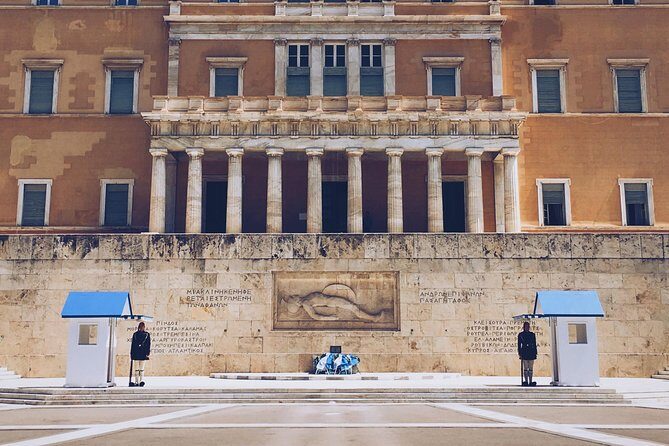
One of the tour highlights is the Changing of the Guard at the Tomb of the Unknown Soldier. This stop is a contrast to ancient ruins. The Acropolis says ancient Greece loud and clear. The guard changing brings a modern ceremonial Athens to the mix.
Why it’s worth it: it’s a clean, easy-to-understand spectacle even if your Greek history knowledge is basic. You don’t need to decipher inscriptions to enjoy it. You just watch the ritual, feel the theater of the moment, and then you go right back to thinking about how Greece uses symbolism across centuries.
A practical consideration: ceremony timing can affect how long you wait. The tour runs a fixed schedule, so come ready to follow your guide’s timing rather than treating it like a flexible hangout.
Acropolis: the big-ticket monuments and what to look for

This is where the tour earns its name. The Acropolis portion runs about 1 hour 30 minutes, and the Acropolis entrance fee is not included (budget €30). That means you should plan to pay at the gate with your group so you don’t slow everyone down.
You can also read our reviews of more guided tours in Athens




What you’ll see on the Acropolis
Your guide will help you recognize major monuments, including:
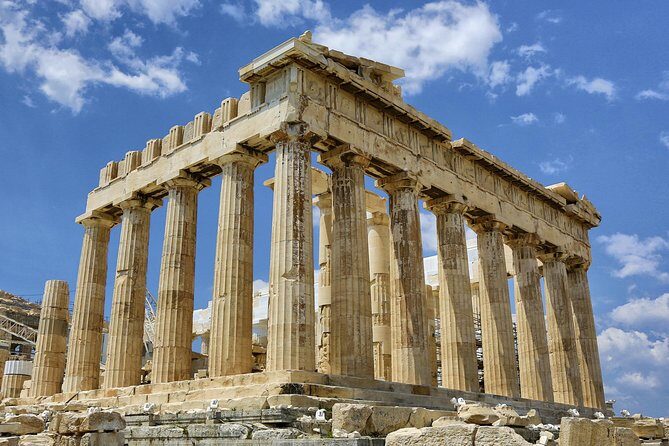
- the Parthenon
- the Erechtheion
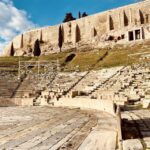
- Dionysus theater
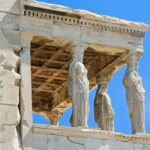
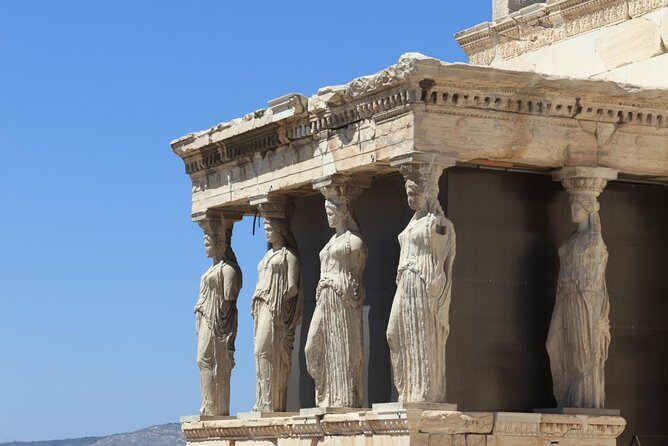
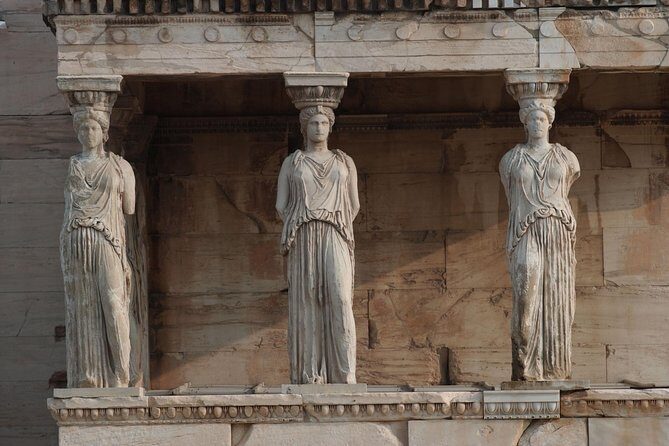
- the Caryatides
If you’re wondering how you’re supposed to get meaning from so many stone ruins, this is the answer: you’re not just looking at random structures. The guide’s job is to put each building in context so you can mentally connect them.
Here’s what helps most in a timed visit like this:
- Parthenon: don’t only look at the exterior. Pay attention to what your guide points out about placement and design, because that makes the building feel “engineered,” not just decorative.
- Erechtheion: look for details and shifts in design. This is the monument that tends to reward slower attention, so if you can, stand where you can actually see the features your guide highlights.
- Caryatides: the women statues are famous, but hearing how they were used visually helps them click. They’re more than a photo spot.
- Dionysus theater: theaters are where Greek culture becomes physical. Even without a performance, the shape tells a story about how people gathered to watch, listen, and debate.
A realistic expectation about time
One hour 30 minutes goes quickly on the Acropolis. You’ll want the guide-led highlights, then you might also wish you had extra minutes for photos, shaded breaks, or just staring. That’s normal.
Also, the tour mentions that entrance isn’t included, so if you arrive without money or with an entry plan that’s unclear, you can lose time. Bring what you need.
After the Acropolis: Plaka Old Town and Temple of Olympian Zeus
The highlights include exploring the Plaka Old Town and seeing the Temple of Olympian Zeus. Your schedule may use the included transport strategically here, depending on crowd levels and how the day is moving.
Plaka matters because it’s where Athens feels like a living city instead of a museum on a hill. The old streets help you connect what you just saw on the Acropolis with everyday life below. Even if you don’t have hours to linger, a quick view of Plaka sets you up for later wandering.
For the Temple of Olympian Zeus, the value is perspective. The Acropolis can make you think Greek monuments always cluster together in one compact “holy zone.” Zeus is a reminder that Athens spread its grandeur across space, not only upward. It’s one more clue that the ancient city was enormous and planned in pieces over time.
A small warning: if your priorities are purely ancient sites, the “city-side” stops might feel lighter than you’d like. But if you want the full sense of Athens, these add up.
Price and value: what $54.07 really buys you
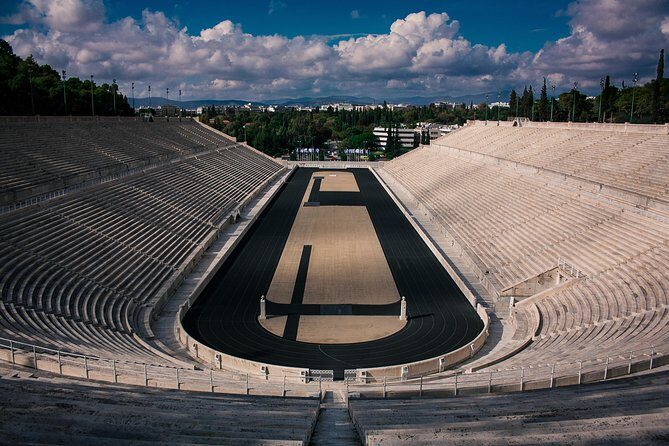
At $54.07 per person, this tour looks like a deal—especially if you value guidance and not just admission lines. But the math matters because the Acropolis ticket isn’t included and costs €30.
So your real budget is closer to:
- Tour price: $54.07
- Acropolis admission: €30 (separate)
Where the value comes from:
- Professional guide for interpretation (you’re paying for understanding, not just movement)
- Whisper devices so you can follow along clearly without needing to crane your neck
- Air-conditioned vehicle included, which can make a long day feel manageable
- A route that covers multiple “signature Athens” stops in one morning
There’s also a practical value point from real-world experience: if you qualify for discounted or free Acropolis entry (for example, the tour mention includes EU students being able to have free entry), your cost drops and the tour becomes even more compelling.
Where value can slip:
- If you assume the Acropolis ticket is bundled, you’ll feel surprised at payment time.
- If your group needs extra help because of slower pacing needs, you’ll want a guide who keeps the plan flexible—quality of guiding can swing your experience.
Comfort tips that actually matter on this route
The tour asks for comfortable clothing and shoes and notes moderate physical fitness. Treat that as a real hint, not a formality.
Here’s what to do before you leave:
- Wear flat, grippy shoes. Marble can be slippery, especially when it’s hot and you’re moving quickly.
- Bring water, even if you think you’ll be fine. This type of walk adds up fast.
- Use sunscreen and consider a hat. One tip that shows up clearly in feedback is to think “sun-ready,” not “city stroll.”
- Plan for a steady walking pace. A few comments in the feedback point to some groups finding the pace fast, especially for elderly travelers.
Also note: this is a morning start, but Athens weather can still turn. If heat hits early, it becomes less about history and more about staying comfortable. That’s where the included air-conditioned vehicle helps.
The guide experience: stories, pacing, and hearing every word
One big reason these tours live or die is communication. This one includes whisper devices, which means your guide’s voice stays clear. That’s especially helpful around the Acropolis, where people crowd in from every angle.
You might also encounter a guide style that’s story-forward. Names like Kosta, Vicky, and Mariana are connected with positive experiences tied to pacing and strong storytelling. Not every guide will have the same voice and timing, but the pattern is that effective guides help you connect each monument to the bigger picture.
Still, pacing is not “one-size-fits-all.” If your group is on the older side or you need more time at each stop for questions, pay attention to how your guide handles gaps and waiting. In some cases, a fast pace can feel frustrating. In other cases, a guide keeps people together well and gives clear instructions about when to regroup.
The good news: the tour is designed to keep you moving with a plan, not wandering alone.
Transportation inside Athens: when the bus makes sense
This tour includes an air-conditioned vehicle. That matters because Athens walking days can swing from pleasant to punishing quickly. The transport segment isn’t a replacement for the walking, but it can reduce the dead time of moving between major points.
You’ll also get logistical support through the guide, and the devices help you stay oriented. That combo usually means less confusion about where you’re going next.
One real-world detail to take seriously: when it gets extremely hot, some operators may adjust the plan to keep you comfortable. One account described an upgrade to an air-conditioned bus in response to heat. So if you’re booking for high-season sun, remember that comfort changes can happen.
Who should book this Acropolis tour
This works best for you if:
- You want an organized route that hits the Acropolis core and major Athens landmarks in one go
- You appreciate a guide who turns monuments into an understandable story
- You value hearing every word via whisper devices
- You’re okay with moderate walking and steps
It might not be your best choice if:
- You need very slow pacing or lots of time for lingering photos
- You expected the Acropolis entrance ticket to be included in the tour price
- You want a totally flexible self-guided day with no need to regroup
FAQ
Is the Acropolis entrance fee included in the tour price?
No. The entrance fee to the Acropolis ticket costs €30 and is not included.
How long is the tour?
The tour is about 3 hours 30 minutes.
What time does the tour start?
The start time is 8:30 am.
Is the tour offered in English?
Yes, it’s offered in English.
Does the tour include hotel pickup and drop-off?
No. Hotel pickup and drop-off are not included.
What is the cancellation window for a full refund?
You can get a full refund if you cancel at least 24 hours in advance of the experience start time.
Should you book this Acropolis Walking Tour?
If you want a solid, guided hit list with hearing-friendly whisper devices and a schedule that mixes classic Athens stops with the Acropolis monuments, I’d book it. The price is fair for what you get, as long as you budget the €30 Acropolis ticket separately.
I’d especially consider it if it’s your first time in Athens and you want the day to feel organized instead of chaotic. Just bring water, wear real shoes, and be ready for steps. If you do that, you’ll walk away with a much clearer picture of why Parthenon-era Athens still shapes what we think of Greece today.