REVIEW · ATHENS
Ancient Olympia full day private tour from Athens
Book on Viator →Operated by My Athens Transfers · Bookable on Viator
Olympia starts long before you arrive. This full-day private route from Athens pairs the Corinth Canal with ancient Olympia’s UNESCO sanctuary, then gives you museum time you can pace yourself.
I love that the whole day is built around door-to-door private transfers. You avoid transit hassles, get onboard Wi-Fi for the long drive, and you’re not stuck figuring out meeting points when the day runs long.
The main consideration is that this is not a licensed guide-walk through the sites. Your driver explains along the way and can answer questions, but you explore the ruins and museums independently, and museum hours can affect what you’re able to see on your exact day.
In This Review
- Key highlights you’ll actually care about
- The real value: saving your energy for the ruins
- Door-to-door transfer: how to plan for a 12-hour day
- Corinth Canal from the high viewpoint: the break that’s worth it
- Entering ancient Olympia: sacred sanctuary and a practical walking plan
- Temple of Zeus, stadium, and the Heraion: the big names in tight time blocks
- Temple of Zeus (quick stop, big payoff)
- Stadium at Olympia (where champions ran)
- Temple of Hera (the flame connection)
- Nymphaeum and the palaestra: the parts that make Olympia feel real
- Nymphaeum: where the crowd got its water
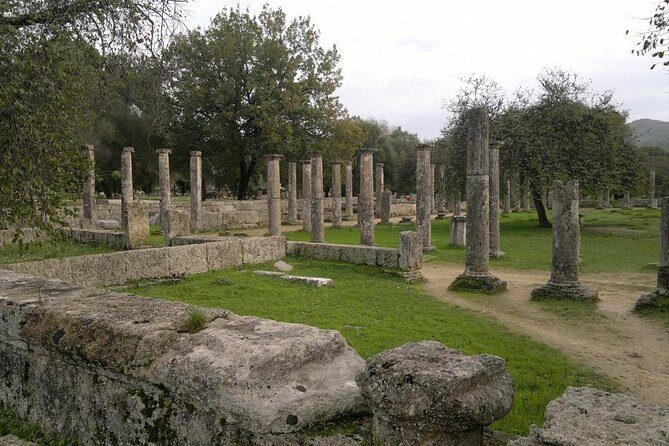
- Palaestra: training grounds for more than wrestling
- Philippeion: a human memorial inside the sacred complex
- Museum strategy: archaeological masterpieces plus Olympic history
- Archaeological Museum of Olympia (where the bronze matters)
- Museum of the Olympic Games (myth and chronology)
- About the third museum stop
- Lunch timing and pacing: how the day stays comfortable
- Price and value: what you’re really paying for
- Who should book this private Olympia day trip
- Should you book this tour?
- FAQ
- Is the tour in English?
- What’s included in the price?
- Are entrance fees to Ancient Olympia and the museums included?
- Do we get a licensed guide inside the archaeological sites?
- Where does pickup happen?
- Can I cancel for free?
Key highlights you’ll actually care about
- Corinth Canal quick hit (20 minutes): look down on steep limestone walls and ships threading the narrow channel.
- Olympia in short, focused segments: Temple of Zeus, stadium, Temple of Hera, plus water and training areas.
- Museum time without babysitting: you visit independently, so you can linger where you care.
- Onboard Wi-Fi and bottled water: helpful for a 12-hour day, especially if you’re using navigation and tickets.
- Lunch included with a Greek traditional option: you’ll eat before the ride back, not after midnight.
- Drivers are not licensed tour guides: they’re there for driving and commentary, and you can add a licensed guide if you want more.
The real value: saving your energy for the ruins
A private day trip like this is all about trade-offs. You pay for comfort and time, and in return you get a calmer experience than a DIY plan that’s constantly changing. With pickup and drop-off arranged from where you’re staying, you can focus on what matters: seeing Olympia.
I also like that the day doesn’t force you into a rigid group schedule. You’re given structured stops, but you’re not trapped following a script line-by-line. That matters at Olympia because it’s a big site, and your feet will tell you where to slow down.
One more practical win: Wi-Fi on board. You can confirm tickets, use offline maps, and stay in touch without roaming drama.
You can also read our reviews of more private tours in Athens

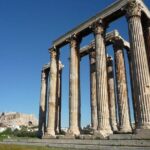

Door-to-door transfer: how to plan for a 12-hour day
This is a long day from Athens, roughly 12 hours total. The drive itself can feel like the commitment, so I’d treat the day like a road trip with a major payoff at the end.
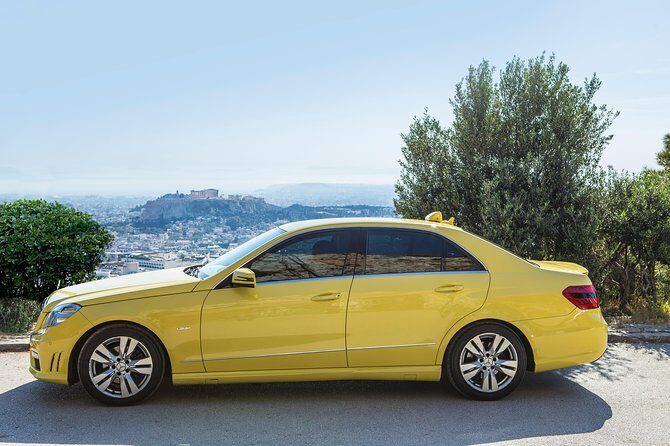
Your driver picks you up and returns you to the same place you started, or to a point you prefer. If you’re in a hotel, they wait in the lobby. If you’re in an apartment, they’ll be at the entrance. For airport or port arrivals, they’ll be holding a sign with your name and track your flight.
A pro move: ask for an early start if you want to reduce road congestion. Some drivers have a track record of getting guests moving early so the day feels smoother, and it also helps with timing once you reach Olympia.
Corinth Canal from the high viewpoint: the break that’s worth it
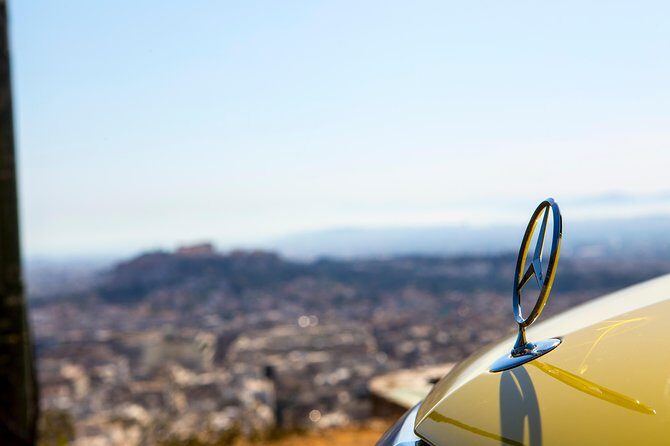
The day’s first stop is Corinth Canal, scheduled for about 20 minutes. The canal connects the Gulf of Corinth with the Saronic Gulf, cutting through the Isthmus of Corinth and splitting the Peloponnese from the mainland.
Here’s why this stop works: you get a viewpoint from above, so you can watch the ships below navigating the narrow channel. The canal is only about 6.4 km long and 21.4 meters wide at its base, and it has no locks—so the engineering story is part physics lesson, part geography show.
It’s a short stop, but it’s a useful one. It breaks up the drive and gives you a quick win photo moment before the heavier history begins.
Entering ancient Olympia: sacred sanctuary and a practical walking plan
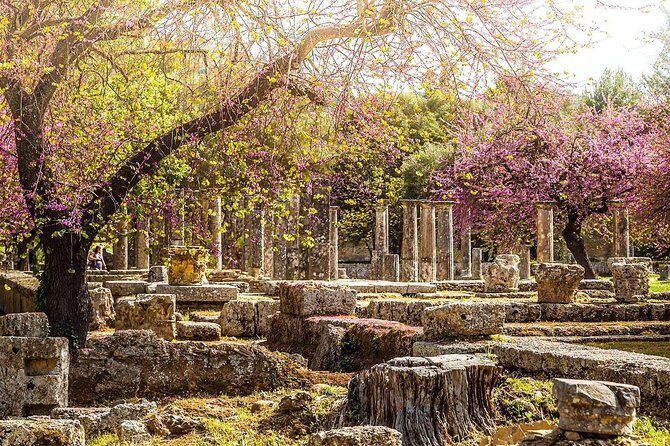
Olympia is more than a stadium and a few columns. In ancient times, it was a sacred place that drew worshipers across the Greek world. Starting in the 8th century BC, the Olympic celebrations became tied to the Sacred Olympic Truce, linked to an agreement involving Spartan leader Lykourgos and King Iphitos of Elis.
By the 5th century BC, Olympia wasn’t just sport. It was also a place where ideas spread, where influential people and thinkers came to trade knowledge.
On this day trip, you’ll typically get your first orientation at Olympia and then move through major landmarks in a pattern that keeps things manageable. Plan on being outdoors for much of the visit, and wear comfortable shoes. Olympia rewards slow looking, but you also don’t want your legs to revolt before the museums.
Temple of Zeus, stadium, and the Heraion: the big names in tight time blocks
The itinerary hits the headline structures early enough that you still have energy for the walking.
A few more Athens tours and experiences worth a look
- All Day Cruise -3 Islands to Agistri,Moni, Aegina with lunch and drinks included
★ 5.0 · 4,958 reviews


Temple of Zeus (quick stop, big payoff)
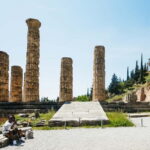
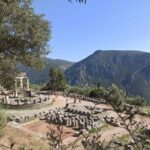
The Temple of Zeus was built in the second quarter of the 5th century BC and is known as the classical Doric model. Even if you only have about 10 minutes here, you can still get the scale and the rhythm of the architecture. Look for how the space changes once you step into the sanctuary area—this is where the site starts to feel monumental.
Stadium at Olympia (where champions ran)
The stadium sits east of the sanctuary of Zeus and is where many of the sporting events took place. You’ll get a short window of time, but it’s enough to understand the layout: track, seating, and the relationship to the rest of the sanctuary.
If you’re picturing Olympic crowds, keep in mind this wasn’t a casual weekend event. The games were a major civic and religious moment, and the stadium was built for it.
Temple of Hera (the flame connection)
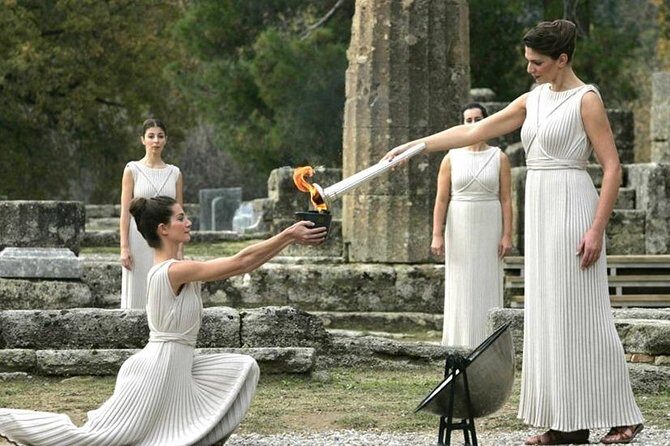
The Temple of Hera, or Heraion, dates to around 590 BC and is the oldest temple at Olympia. It’s also the place associated with the Olympic flame tradition. Even in ruins today, the flame torch is lit here for its modern journey.
This stop is another case where a short visit still works. The ruins give you a sense of endurance, and the story adds a real emotional connection to the present day.
Nymphaeum and the palaestra: the parts that make Olympia feel real
Not everything at Olympia is about temples and winning. Two stops in particular help you understand the everyday mechanics of a huge event.
Nymphaeum: where the crowd got its water
The Nymphaeum was a water-distribution structure built in the mid-2nd century to feed the thousands attending the games in July and August. The system brought water from a distant elevated source into a cistern, then released it in stages through open and closed channels.
A detail that helps you “see” it: some statues held a patera, a small drinking bowl, and the water troughs were set up throughout the site so people could drink as they moved.
Palaestra: training grounds for more than wrestling
The palaestra was the wrestling school. Wrestling was taught and performed there, but it also covered other martial arts like boxing and pancration, described as a free-style hand-to-hand combat method with few limits. That’s why the sport side feels intense and serious, not a light exhibition.
And here’s the practical reality: training wasn’t random. There were rules, umpires, and judges, and contests could be stopped or penalized for serious violations.
If you’ve only ever pictured the Olympics as clean-cut and symbolic, these stops add the gritty context that makes ancient Olympia feel more complete.
Philippeion: a human memorial inside the sacred complex
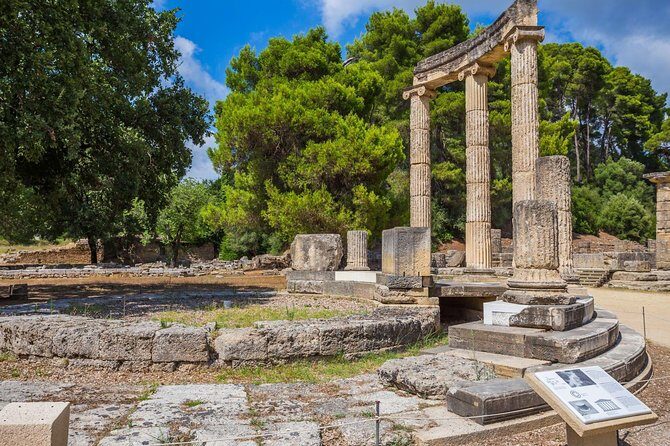
The Philippeion is one of the most interesting structural surprises at Olympia. It’s a circular memorial (a tholos) connected to Philip of Macedon and his family.
What makes it stand out is that it was dedicated to a human—unusual for a sanctuary filled with divine associations. It was built to celebrate Philip’s victory at the Battle of Chaeronea (338 BC), and it originally housed chryselephantine statues using ivory and gold.
Even though your stop is brief (about 20 minutes), the architecture is readable:
- an outer colonnade of Ionic order with 18 columns
- inside, engaged columns in the Corinthian style
- a diameter around 15 meters
- and a carved marble roof with a bronze poppy head on top
This is the place where you start thinking about power, politics, and how sport connected the Greek world.
Museum strategy: archaeological masterpieces plus Olympic history
Olympia is one of those destinations where the site is only half the story. Museums take what you see in stone and explain what it means.
Archaeological Museum of Olympia (where the bronze matters)
The Archaeological Museum of Olympia is scheduled for about 1 hour 30 minutes. It opened in 1882 and is considered Greece’s first major museum outside Athens.
Expect collections from prehistory through Roman rule. The highlights include:
- Hermes and the Infant Dionysus, attributed to Praxiteles
- objects from the Temple of Zeus
- the Nike of Paionios
- and a major bronze collection, noted for its importance in the world
If you like sculpture and how museums help you decode fragments into full stories, this is the museum stop that can change how you feel about what you walked through earlier.
Museum of the Olympic Games (myth and chronology)
The Museum of the Olympic Games is shorter—about 45 minutes—but it packs a clear historical timeline.
You’ll see how the games were linked to Zeus and connected to a mythological origin, traditionally dated to 776 BC. Games were held every four years, and the word Olympiad became a unit of time.
The museum also covers how the games continued under Roman rule, with a last recorded celebration in AD 393 under Emperor Theodosius I. Archaeological evidence suggests some games may have continued after that, and the likely final shutdown is tied to events under Theodosius II.
About the third museum stop
The tour is designed around visiting three on-site museum stops. Entrance fees are not included for Ancient Olympia and for the Archaeological Museum of Olympia plus the Museum of the Olympic Games, which you can purchase on-site. What you can see at the third museum can depend on hours that day, so don’t assume every museum will be open on your schedule.
Lunch timing and pacing: how the day stays comfortable
Lunch is included, with a Greek traditional food option. This matters because a day trip like this can otherwise turn into a snack-and-suffer plan, especially when you’re walking and sweating in a historic complex.
In practice, the best use of lunch is to treat it as a reset. You’ll likely be transitioning from site walking to museum time, and a proper meal keeps you from becoming speed-walking-only by mid-afternoon.
If rain threatens, bring a light layer. One driver (Greg) was praised for handing out ponchos when weather looked uncertain, which is the kind of small comfort that changes how the afternoon feels.
Price and value: what you’re really paying for
At $342.73 per person, this is not a bargain. It’s a private transfer package for a long-distance day, so the value comes from what you avoid:
- driving yourself for hours each way
- parking and route stress
- wrangling multiple transit connections
- losing time to logistics
Entrance fees are extra. You should budget around €20 per person for the sites and museums that require tickets (Ancient Olympia, the Olympia Archaeological Museum, and the Museum of the History of the Olympic Games). Those tickets are sold on-site.
What you do get included:
- pickup and drop-off
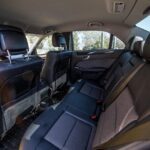
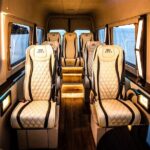
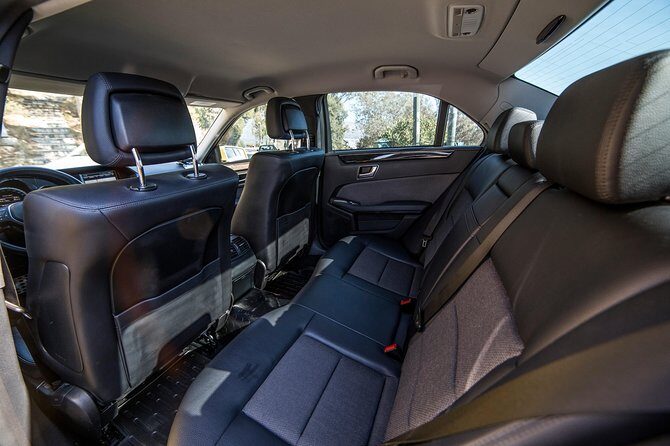
- a private air-conditioned vehicle
- Wi-Fi onboard
- bottled water
- and lunch
So the math works best when you value comfort, predictable timing, and not thinking about transportation. If you’re traveling as a couple or small group and you’d rather not drive, this tour often feels like the easiest way to do Olympia right.
Who should book this private Olympia day trip
This tour fits best if you want a classic Olympia visit without turning it into a logistics project.
I’d strongly consider it if:
- you’re short on time in Athens
- you want door-to-door pickup and a direct route
- you’d rather read the ruins at your own pace than follow a timed script
- you’re okay with learning via driver commentary plus museum interpretation
If you want a guided walk where someone talks you through every monument in a deep, structured way, note the key limitation: the driver is not a licensed site guide and won’t enter the archaeological areas with you. In that case, consider booking a licensed guide add-on if it’s available for your day, so the history explanations match the scale of the site.
Should you book this tour?
Yes, if your priority is a stress-free Athens-to-Olympia day with smart time use and museum access. The private door-to-door setup, Wi-Fi onboard, and included lunch make the long drive feel like part of the plan instead of part of the problem.
I’d book with extra care if you’re hoping for a fully guided, monument-by-monument interpretation on-site. This tour can still be excellent, but it’s structured around independent exploring, with the driver providing helpful context from the sidelines. Also, keep an eye on museum openings for the day you go, since the third museum stop can be affected by hours.
If you go with the right expectations—comfortable transport, lots of freedom at Olympia, and museum time—you’ll come away with that feeling Olympia gives when you finally stand where athletes once competed and flame rituals still begin.
FAQ
Is the tour in English?
Yes. The tour notes that it’s offered in English, and the driver provides commentary in fluent English.
What’s included in the price?
Pickup and drop-off, private air-conditioned transportation, onboard Wi-Fi, bottled water, and lunch are included.
Are entrance fees to Ancient Olympia and the museums included?
No. Entrance fees are not included. You can purchase them on-site for Ancient Olympia and the Olympia Archaeological Museum and the Museum of the History of the Olympic Games (listed as about €20 per person).
Do we get a licensed guide inside the archaeological sites?
No. The drivers are knowledgeable and can explain what you’re seeing, but they are not licensed tour guides and do not enter the archaeological sites with you. A licensed tour guide option may be available for an extra cost.
Where does pickup happen?
Pickup is arranged from your hotel/airport/port or from your apartment entrance. For airports and ports, the driver meets you holding a sign with your name.
Can I cancel for free?
Yes, you can cancel for a full refund up to 24 hours in advance of the experience start time.