REVIEW · ATHENS
Athens: Acropolis Guided Tour in Spanish-Option Tickets
Book on GetYourGuide →Operated by TOP TOURS GREECE · Bookable on GetYourGuide
Acropolis feels different with a guide. A 2-hour Spanish walk through the main stops turns big ruins into clear stories, from theater and medicine to the Parthenon views, all with headphones and a licensed guide.
I like two things a lot: first, the guide keeps the route moving through the complex so you don’t spend your limited time guessing. Second, the walk is full-on site-to-site, including the Theatre of Dionysus, the Asclepius area, and the Parthenon viewpoint.
One thing to consider: this is not a slow stroll. With a packed 2-hour route, you’ll have to accept quick stops for photos and details, and it isn’t suitable for people with mobility impairments.
In This Review
- Key highlights worth caring about
- A 2-hour Acropolis route in Spanish: how it stays focused
- Theatre of Dionysus: where Greek drama starts making sense
- Asclepius and ancient medicine: healing at the edge of worship
- Odeon of Herodes Atticus: when the past is still used
- Propylaea and the way into the sacred core
- Temple of Athena Nike: quick stop, big payoff
- Parthenon time: what 20 minutes should accomplish
- Erechtheion and the Porch of the Caryatids: where the details earn their keep
- Why the guide quality changes everything
- The pace and your photo strategy (so you don’t feel frantic)
- Practical essentials: shoes, sun, and what you can’t bring
- Where the tour starts and how to find it
- Included value: licensed guide, headphones, and the ticket question
- Should you book this Spanish Acropolis guided tour?
- FAQ
- How long is the Acropolis guided tour?
- Is the tour offered in Spanish?
- Where is the meeting point?
- Are entrance tickets included?
- What is included in the price?
- What should I bring?
- What items are not allowed on the tour?
- Is this tour suitable for people with mobility impairments?
Key highlights worth caring about
- Spanish guide, licensed, so you’re not stuck with fragmentary explanations
- Headphones included, which really helps on crowded paths
- The route hits the classics fast: Theatre of Dionysus, Asclepius, Herodes Atticus, Athena Nike, Parthenon
- Ancient medicine comes into focus at the Temple of Asclepius
- Still-performing arts venue energy at the Odeon of Herodes Atticus
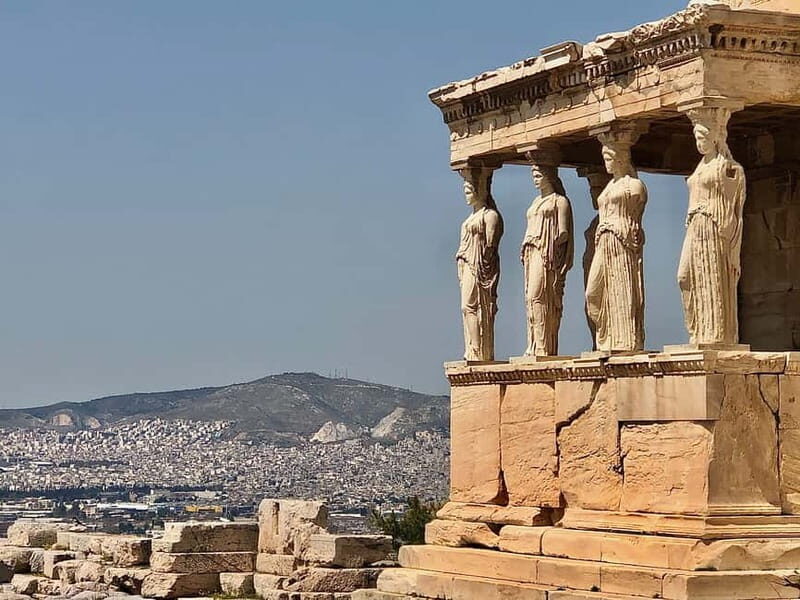
- Caryatids and the Erechtheion area so you see more than just the Parthenon
A 2-hour Acropolis route in Spanish: how it stays focused

The Acropolis is the kind of place where you can easily burn a whole day and still feel like you “just saw rocks.” This tour is built to prevent that. You get a structured walk through the main points, explained in Spanish by a licensed guide, and supported by provided headphones so you can hear clearly even in busy sections.
It also helps that the time is realistic. Two hours won’t cover every corner of the hill, but it does cover the stops that give you the big picture: where Greek theater began, where worship linked to healing, and why the Parthenon still defines Athens’ identity.
A few more Athens tours and experiences worth a look


Theatre of Dionysus: where Greek drama starts making sense

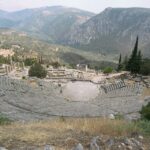
You begin at the Theatre of Dionysus. Even if you know the general idea that Greek drama began here, it’s the kind of place where a good guide helps you connect the dots quickly—why this setting matters and how the Acropolis functioned as more than a view.
In a short visit block, the goal isn’t to memorize every detail. It’s to get your bearings: the theater as a civic and religious space, linked to the gods and to public life. If you’re seeing the Acropolis for the first time, this is a smart opener because it teaches you how to “read” what you’re looking at.
Asclepius and ancient medicine: healing at the edge of worship
Next up is the Asklepieion of Athens, centered on the Temple of Asclepius, the god of medicine. This stop is one of the best value moments on the route because it adds a different angle. You’re not only looking at politics, art, and power—you’re seeing how the Greeks thought about health, care, and the role of the divine.
What I like about this portion is the way it broadens the Acropolis story. The Acropolis can feel like a museum route, but medicine brings it back to something human. You start asking practical questions while you walk: What did people believe healing involved? How did sacred space shape everyday hope?
Odeon of Herodes Atticus: when the past is still used
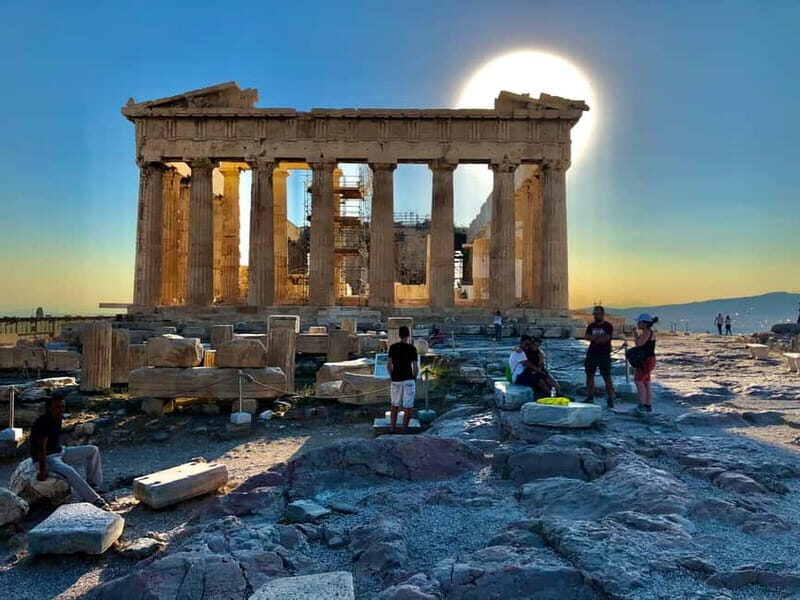
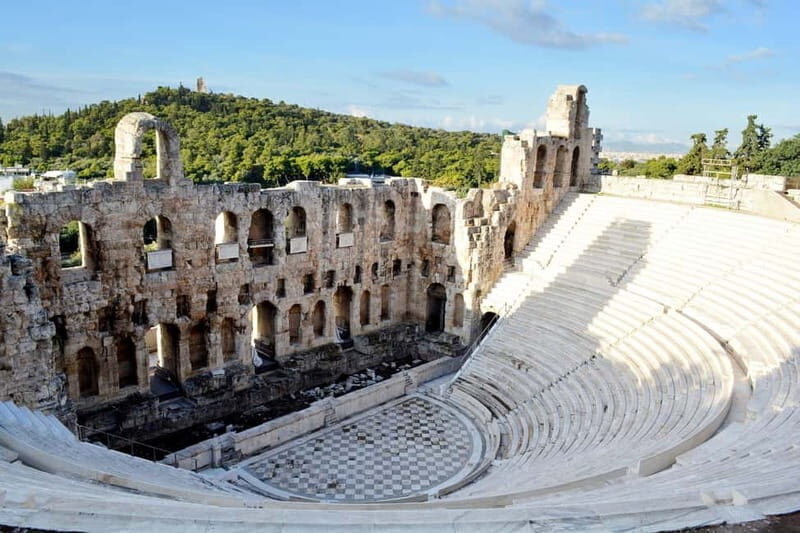
You’ll also visit the Odeon of Herodes Atticus. The best part here is the sense of continuity. The venue is described as still used for Athens’ most important concerts and performances, which means you’re not just looking at ruins—you’re looking at a stage that still has a job.
In plain terms: when a place still hosts events, it’s easier to imagine the original experience. You can look at the structure and think about sound, crowds, and attention, rather than treating it like a static pile of stone.
Propylaea and the way into the sacred core
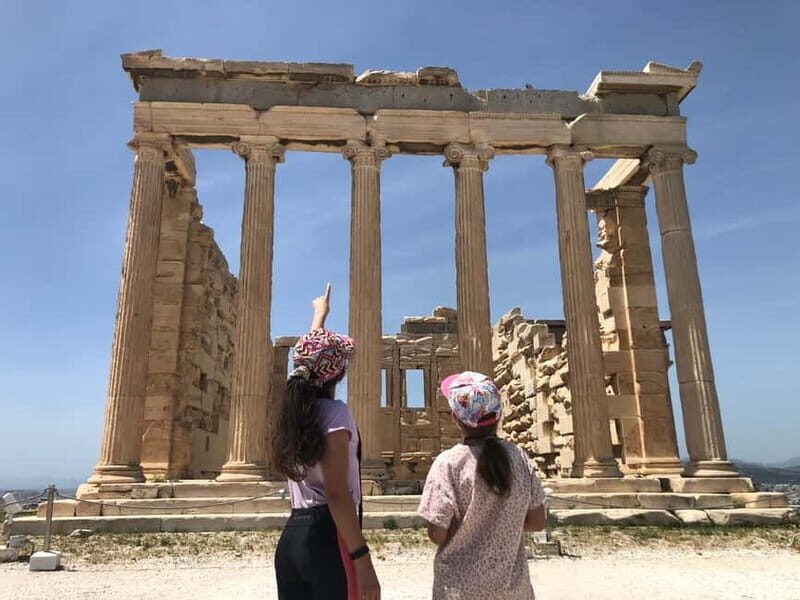
From there, you head toward the Propylaea area. Think of Propylaea as the monumental gateway that sets the tone as you move deeper into the Acropolis space. A guide’s explanation matters here because gateways aren’t just entrances—they’re statements.
You’ll be taught what the space represents and how the site is organized. In a tour with limited time, these “transition” stops are important. They help you understand why the next structures are where they are, and why the route feels intentional instead of random.
You can also read our reviews of more guided tours in Athens



Temple of Athena Nike: quick stop, big payoff
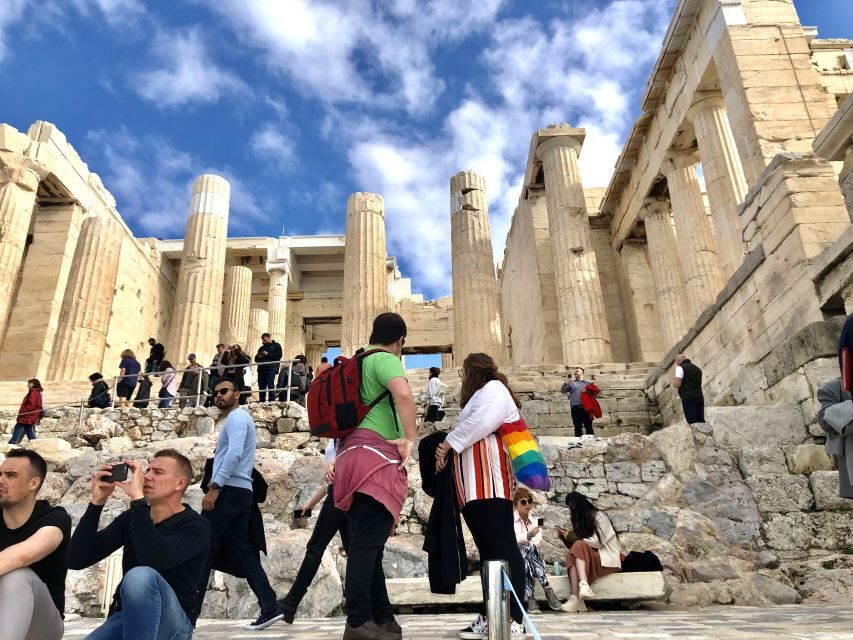
Then comes the Temple of Athena Nike. This is one of those moments where the stop is short on paper, but the payoff is noticeable because it connects directly to the look and feel of the complex’s religious focus.
After this, you get ready for the main event: the Parthenon area and the wide view over Athens. If you’re coming on a clear day, this is when the hill starts to feel like a viewpoint tour too—not only a ruins tour.
Parthenon time: what 20 minutes should accomplish
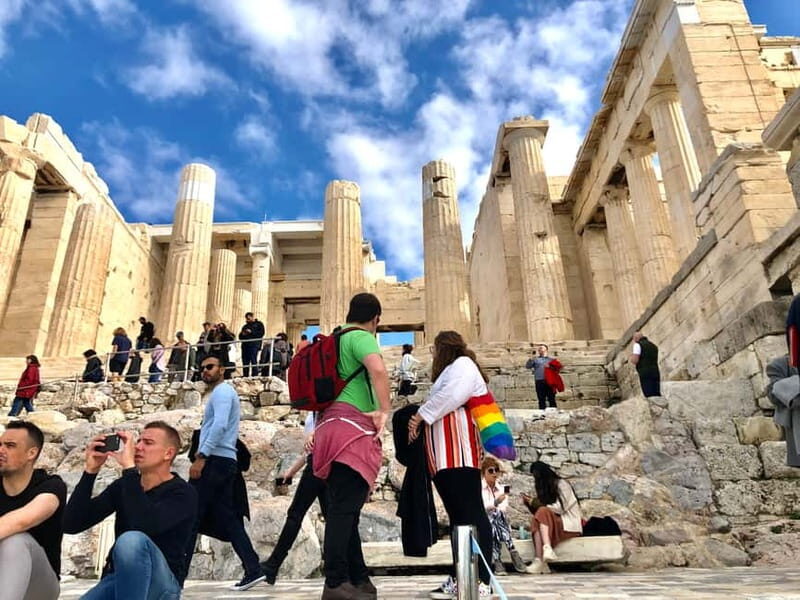
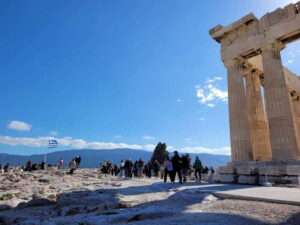
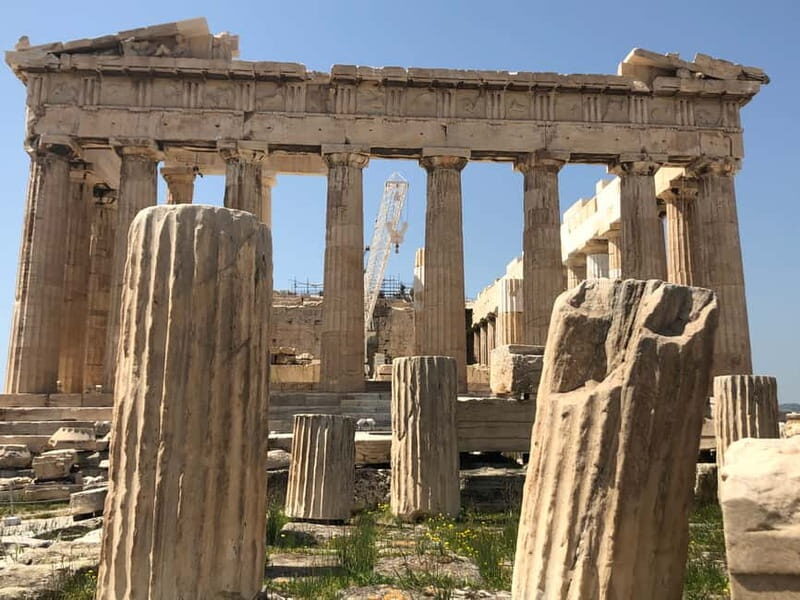
The highlight for most people is the Parthenon, and this tour gives it dedicated time. You’ll have a guided segment focused on the Parthenon area, plus the chance to absorb the view of Athens from up on the hill.
Here’s the practical mindset I recommend: use those minutes for orientation and big-picture understanding. Look at the parts you can identify quickly, then let the guide fill in what they mean. If you try to do everything at once—photos, details, and explanations—you’ll end up feeling rushed. The best approach is to alternate: listen for a minute, look for a minute, then take the photo you actually want.
Erechtheion and the Porch of the Caryatids: where the details earn their keep
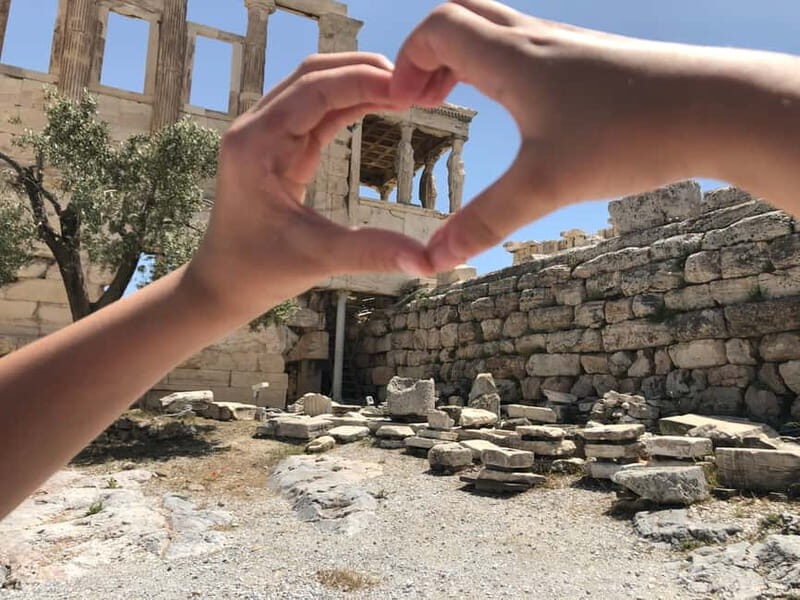
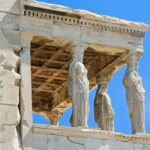
After the Parthenon, the tour continues to the Erechtheion area and then to the Porch of the Caryatids. These stops tend to surprise people who came only for the “big iconic building.”
The reason is simple: the Erechtheion and its accompanying structures bring more variation and more sculptural character to what you see. Caryatids—those carved female figures—are instantly recognizable, but you’ll get more from them when a guide explains why they matter in the overall space and design.
This is also a great part of the tour if you like architecture and sculpture. The time is limited, but the guided explanation can help you notice what you might otherwise miss.
Why the guide quality changes everything
This tour’s strongest selling point isn’t only the route—it’s the person leading it. The guides here are repeatedly praised for passion and for explaining in a way that makes the site feel alive.
If you’re guided by Efi, you can expect explanations with depth and structure—history tied to geography, art, architecture, and a human sense of why people built things the way they did. Her style is described as engaging enough to hold the attention of children as well as adults, which says a lot about pacing and clarity.
Other guides, like Simon, are highlighted for staying sharp and keeping everyone interested throughout the group experience. In other words: you’re not just receiving facts. You’re getting a guided narrative that connects stops so your brain doesn’t dump everything after the tour.
The pace and your photo strategy (so you don’t feel frantic)
Because the tour lasts about two hours, the schedule is tight. Most site stops are guided in short blocks, with more time focused on the Parthenon and a handful of major structures.
If you care about photos, plan them like this:
- Take your first photo early in each stop, before the crowd thickens
- Listen first, then shoot once you know what you’re aiming at
- Accept that you won’t have time to “wander”—that freedom is exactly what would burn your two hours
This is the tradeoff: less lingering, more comprehension. For many first-timers, that’s the right deal.
Practical essentials: shoes, sun, and what you can’t bring
For a comfortable visit, bring comfortable shoes. The paths on the Acropolis can be uneven and busy, and you’ll be walking through different elevations on a hill.
Also bring a sun hat, especially if you’re going in warmer months. Even with shade, the hill can feel exposed.
What you should leave behind (or avoid bringing) includes:
- baby strollers
- food and drinks
- bags
- non-folding wheelchairs
- electric wheelchairs
And it’s important to know the tour is not suitable for people with mobility impairments, based on the tour’s setup and movement.
Where the tour starts and how to find it
Meeting point can vary depending on the option booked, but one stated starting point is the Tourist Information Center Athens at Dionysiou Areopagitou 18.
Because the meeting location may change, make sure you confirm your specific start point before you head out. Give yourself a little buffer time on arrival—Acropolis hill access can feel like a maze if you’re navigating for the first time.
Included value: licensed guide, headphones, and the ticket question
At about $33 per person for a 2-hour Spanish guided visit, the value comes from what’s included:
- a licensed guide
- headphones
- an entrance ticket if that option is chosen
Headphones sound like a small detail, but on the Acropolis they matter. You’re outside, you’re near other groups, and explanations get lost without them. With headphones, you can actually follow the guide instead of doing the classic tourist thing: nodding politely while guessing.
One note to check before you go: if you want the entrance ticket included, make sure you select the option that includes it. Otherwise, you’ll need to handle entrance separately.
Should you book this Spanish Acropolis guided tour?
Book it if you want:
- a Spanish guide with clear structure
- a efficient route that covers the key landmarks in about 2 hours
- explanations that connect the dots—especially beyond the Parthenon
Skip it (or consider another format) if:
- you need extra time to linger at each site
- you rely on accommodations not suitable for this tour’s movement and restrictions
- you’re the type who prefers self-paced wandering and would rather slow down without a timed route
This is a strong choice for first-timers who want meaning, not just images. With the guide doing the heavy lifting, you come away understanding what you saw—and why Athens still points to these stones.
FAQ
How long is the Acropolis guided tour?
The tour duration is 2 hours.
Is the tour offered in Spanish?
Yes, the live tour guide language is Spanish.
Where is the meeting point?
The meeting point may vary depending on the option booked. One listed option is the Tourist Information Center Athens, Dionysiou Areopagitou 18.
Are entrance tickets included?
Entrance tickets are included only if you choose that option.
What is included in the price?
The price includes a licensed guide and headphones. Entrance ticket inclusion depends on the option chosen.
What should I bring?
Bring comfortable shoes and a sun hat.
What items are not allowed on the tour?
Baby strollers, food and drinks, bags, non-folding wheelchairs, and electric wheelchairs are not allowed.
Is this tour suitable for people with mobility impairments?
No, it is listed as not suitable for people with mobility impairments.