REVIEW · ATHENS
Athens: Guided Mythological Walking Tour
Book on GetYourGuide →Operated by Truevoyagers · Bookable on GetYourGuide
Greek gods meet Athens street corners. This is a 2-hour walk where I love the myth stories tied to real places, and I love how you get to read the city through Plaka and other central neighborhoods. One fair warning: it’s not a casual stroll—there’s a lot of information, so if you want only light entertainment, this may feel too detailed.
I’ve read enough accounts to know the magic here is the guide’s delivery. Many departures are led by Penelope, and the stories consistently land with humor, clarity, and plenty of time for questions. If you’re someone who likes facts mixed with folklore, this format works.
And since it’s a walking tour with breaks built around comfort, bring the basics seriously: good shoes, and plan for Athens sun. In warmer months, the guide’s attention to shade and pacing can make a big difference.
In This Review
- Key things to look forward to
- Mythological Athens: why this walk feels different than a museum day
- Meeting at Korai 4 and the 2-hour walking rhythm
- Academy of Athens area: where big ideas start
- Numismatic Museum stop: myths as an everyday vocabulary
- Akadimias: turning a straight line into a story route
- Heading toward Syntagma Square: seeing monuments with myth goggles
- Mitropoleos and Plaka: lovers, jealousy, and the human side of gods
- From Plaka to Monastiraki: finishing with easy options
- Price and value: is $47 for 2 hours a good deal?
- Who should book this guided myth walk in Athens?
- Practical tips for comfort, shade, and getting the most from the stories
- Should you book this Athens mythological walking tour?
- FAQ
- Where is the meeting point for the Athens mythological walking tour?
- How long is the tour?
- Is the tour guided in English?
- Where does the tour start and where does it end?
- Is the price $47 per person?
- Are entrance fees to archaeological sites included?
- Are meals included?
- Is hotel pickup and drop-off included?
- What should I wear?
- What is the cancellation policy and can I pay later?
Key things to look forward to
- Penelope-style storytelling that connects gods and heroes to buildings and streets you’d normally walk past
- Plaka and Monastiraki at the end, so you finish in an easy zone for wandering and dinner
- A route that includes big reference points like Syntagma Square and older lanes in central Athens
- A clear education angle beyond myths: daily life and social customs in Ancient Greece
- A format that can feel personal when the group is small, which helps with questions
- Practical myth-world cast: Zeus, lovers, satyrs, nymphs, deception, and divine consequences
Mythological Athens: why this walk feels different than a museum day
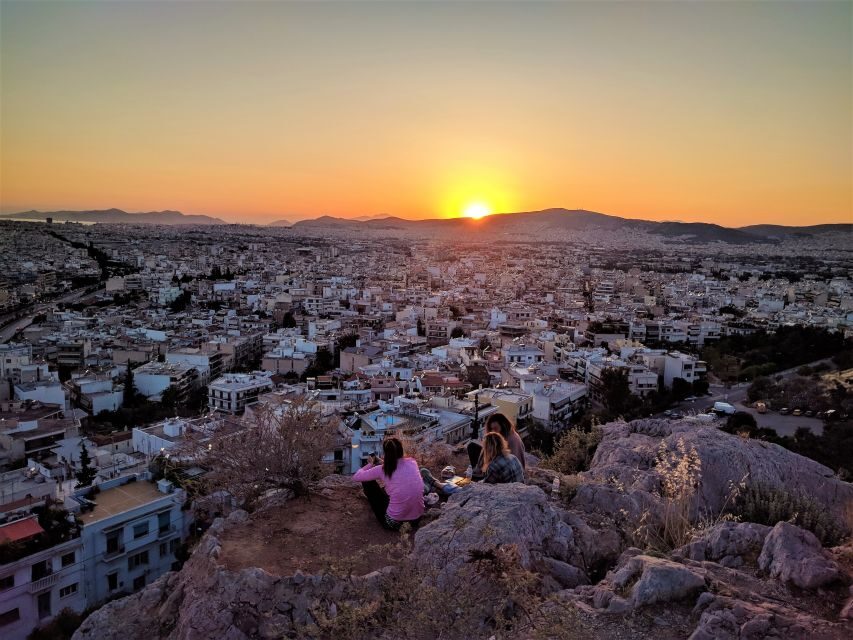
Athens can be overwhelming at first—stone everywhere, streets busy, and a long list of famous sites. What this kind of guided myth walk does well is give you a way to see rather than just check off. When the guide connects a statue, corner, or landmark to a story about Zeus, seduction, jealousy, or punishment, the city turns into a living reference book.
You also get a smoother path through Greek mythology than what you might find online. Instead of separate superhero-style tales, you hear how characters and themes overlap—how gods behave like people, just with bigger consequences. That matters because Greek myths were entertainment, yes, but also a language for thinking about power, morality, and human choices.
The other reason this tour works is pacing. It’s long enough to create momentum (two hours), short enough that you’re not destroyed by walking. It’s also the right length to pair with the rest of your Athens plans without stealing an entire day.
You can also read our reviews of more walking tours in Athens



Meeting at Korai 4 and the 2-hour walking rhythm
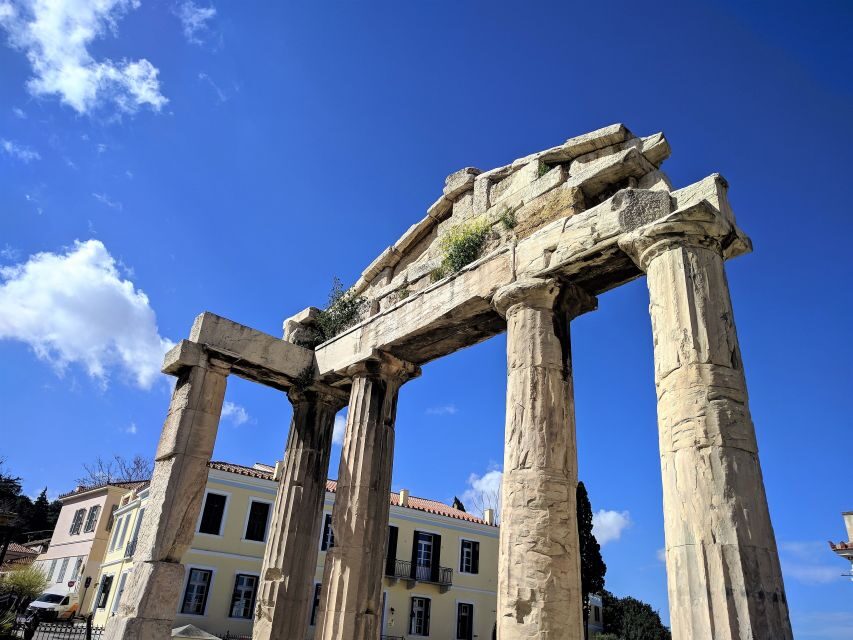
The meeting point is in front of a Starbucks cafe, right by Korai 4. You’re starting centrally, so getting there is usually straightforward by foot or taxi from many hotels. The tour runs for about 2 hours, and the guide leads you on a continuous route with frequent short walks between stops.
This matters because myth stories lose their power when you’re constantly waiting in a line. Here, you keep moving. You get walking segments like about 20 minutes at the Academy of Athens area, shorter transfers between stops, and then a longer stretch through Plaka before finishing near Monastiraki.
You should also expect an English live guide. The format is very story-led, but it’s not just narration. Several guide comments point out that you get real answers to questions, and when the group is small, conversations get even easier.
Academy of Athens area: where big ideas start
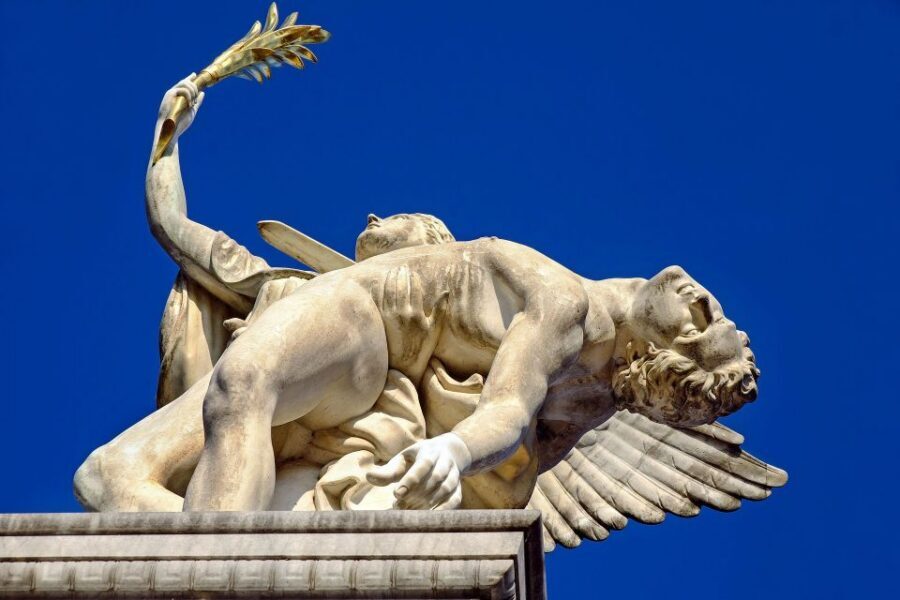
The first major stop is the Academy of Athens zone. This is a smart opening point because it sets the tone: Greek mythology wasn’t kept in a box. It lived alongside philosophy, civic life, and the way Athenians explained the world.
As you walk here, the guide typically threads mythology with how Ancient Greeks thought about humans and gods interacting. That gives you a framework for what you’ll hear next. You’re not just collecting names like Zeus, Athena, and others—you’re learning why the stories mattered and how they shaped attitudes.
A possible downside: because the tour starts with meaning, you’ll want to pay attention early. If you’re tired, it’s still doable, but you’ll get more from it if you arrive ready to listen.
Numismatic Museum stop: myths as an everyday vocabulary

Next comes the Numismatic Museum area. Even if you don’t go inside (entrance tickets aren’t included), the walking stop is useful because it keeps you oriented. It’s one of those locations where the guide can connect art, symbols, and cultural identity—things that link neatly to how myths spread.
This is where the tour’s “myths meet daily life” approach shows up. The stories aren’t only about gods swooping around; you hear how myth characters and themes reflected social customs and everyday thinking. That’s a big reason this tour earns such strong scores: it builds a bridge from legend to culture, not just a list of dramatic plots.
If you’re the type who enjoys short context before big stories, you’ll like this part.
Akadimias: turning a straight line into a story route
You then move along the Akadimias direction for another walking segment. This is the stretch where the guide often turns the route into a narrative thread: the same city, but with different meanings depending on what you notice.
This segment also helps you understand Athens as a connected whole, not separate postcards. When you hear about transformation, deception, and divine punishment along the way, your brain starts matching themes to places you’d otherwise treat as background.
Consideration here: Athens traffic noise and city movement are real. If you’re someone who hates street-level distractions, you might find it harder to stay focused in the middle of the urban flow. Still, the guide’s storytelling keeps you anchored.
You can also read our reviews of more guided tours in Athens


Heading toward Syntagma Square: seeing monuments with myth goggles
A major landmark on the walk is Syntagma Square. This part can feel like a reset button. One minute you’re in a myth frame, and the next you’re in the center of modern Athens. That contrast is useful. It shows how the city’s identity layers over time instead of replacing itself.
The tour uses this area to point out important monuments and explain why they matter. And when gods and legends come into the story again, you start noticing a different kind of symbolism—less about whether a myth is “true,” and more about what people wanted to communicate through art, architecture, and public life.
Also, this is a good time to ask questions if anything has sparked your curiosity. The tone in the accounts I’ve seen suggests the guide encourages it, and when the group is small, you can often go deeper.
Mitropoleos and Plaka: lovers, jealousy, and the human side of gods
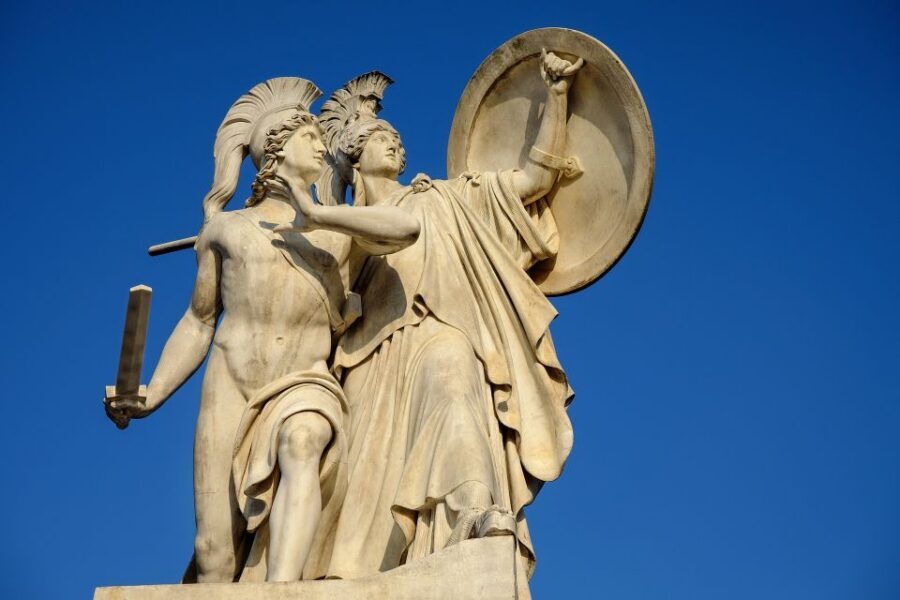
Now you reach Mitropoleos and then the longer walk into Plaka. This is where the tour often feels most alive, because Plaka is made for wandering and for recognizing stories in the details—streets, corners, and the general “you are in the older layer” feeling.
The tour theme here often shifts to the relationship between gods and humans: seduction, deception, and the messy emotions that drive so many Greek myth plots. You’ll hear stories involving satyrs and nymphs chasing one another, along with gods tangled up in affairs and consequences. It’s not fairy-tale chaos for kids; the guide connects these themes to social meaning.
This is also one of the best parts for understanding why Athens myths endure. Even today, people recognize the basic emotional engine in the stories: desire, jealousy, pride, and the fallout.
Practical note: Plaka can be hot in summer. Reviews mention the guide paying attention to staying in shade when possible, which is the kind of detail that can save your afternoon. Still, take your own precautions—comfortable clothes and shoes are a must.
From Plaka to Monastiraki: finishing with easy options
The tour ends at Monastiraki. That’s a smart landing point because you’re finished with the guided storyline, but you’re also in a neighborhood where you can keep wandering without needing a plan immediately.
Finishing near Monastiraki also helps you process what you learned. You can test your new “myth goggles” while walking off the tour—looking back at earlier corners and thinking about what you were just told. It’s the difference between hearing stories and actually carrying them around in your head.
If you’re hoping to match myth themes to modern Athens in your own way, this finish point gives you room to do it.
Price and value: is $47 for 2 hours a good deal?
At $47 per person for about two hours, the value comes from three things: a live English guide, story-led interpretation, and a route that reaches multiple central areas. You’re not paying for museum entry here—entrance to archaeological sites isn’t included—so you’re paying for context and connection.
In practice, that means you should treat this as a “use your time wisely” tour. If you plan to spend a couple of hours walking anyway, this upgrades the walk into something educational and memorable. If you’re already planning major museum visits, the non-included entries can actually be a benefit. You’re getting a guided perspective without adding ticket costs.
So the question isn’t whether the tour includes entrances. The better question is whether you’ll benefit from guided storytelling tied to the streets you’ll pass later on your own. If that sounds like your style, $47 is a reasonable spend.
Who should book this guided myth walk in Athens?
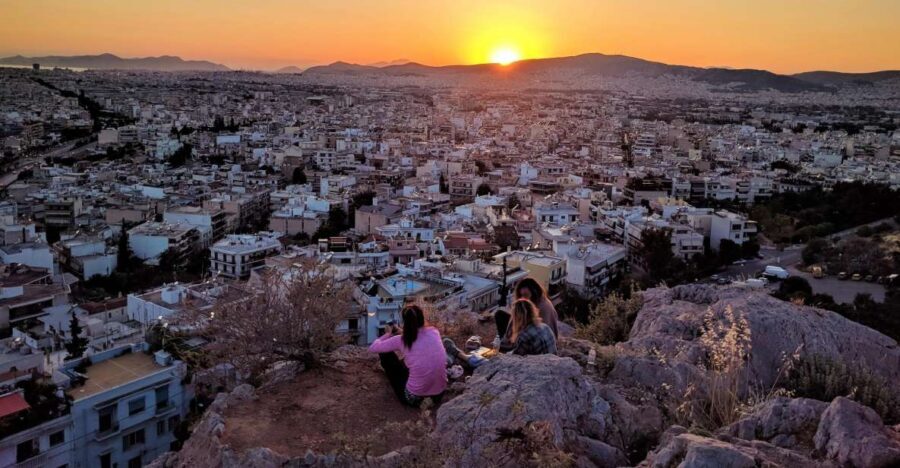
This works best if you like storytelling with structure: gods, lovers, deception, and punishment—plus enough cultural context to understand why these myths mattered. It’s also a good pick if you’re the type who likes hearing how architecture and city details relate to meaning.
It’s also been a hit with families in the past, including kids around 10 years old and teenagers. That doesn’t mean it’s only for kids, though. One theme from strong feedback is that adults often learn new angles even if they already know Greek mythology.
If you want a purely light, no-pressure walk with minimal information, you might find this too detailed. But if you enjoy learning as you go, it’s a strong use of a morning or afternoon.
Practical tips for comfort, shade, and getting the most from the stories
- Wear comfortable shoes you trust for uneven sidewalks and lots of curb-to-curb walking.
- Bring a hat and water, especially outside cooler seasons. Some guides have been praised for managing heat and shade, but you still need your own supplies.
- Arrive a few minutes early so you’re ready to listen from the first minute at Korai 4.
- If you’re particularly interested in Zeus or in the human-versus-god themes, mention it early to the guide.
- Ask questions when something connects to something you’ve already seen in Athens. The guide’s answers tend to sharpen what you notice next.
Should you book this Athens mythological walking tour?
I’d book it if you want Athens to feel like a story you can walk through. The guide-led approach—especially when a guide like Penelope is leading—turns normal streets into meaningful scenes. You also end with Monastiraki, which makes it easy to continue your day without chaos.
Skip it if you’re looking for a casual promenade with minimal talking. Also skip it if you don’t want myth themes mixed with cultural explanations. This tour is built for listeners, not just walkers.
If you’re on the fence, consider booking early in your stay. Getting city context and story links fast can make the rest of your Athens sightseeing feel easier.
FAQ
Where is the meeting point for the Athens mythological walking tour?
The meeting point is in front of a Starbucks cafe near Korai 4.
How long is the tour?
The tour is listed as about 2 hours.
Is the tour guided in English?
Yes, the tour includes a live guide in English.
Where does the tour start and where does it end?
It starts at Korai 4 and finishes at Monastiraki.
Is the price $47 per person?
Yes, the price is listed as $47 per person.
Are entrance fees to archaeological sites included?
No. Entrance to archaeological sites is not included.
Are meals included?
No. Meals are not included.
Is hotel pickup and drop-off included?
No. Hotel pickup and drop-off is not included.
What should I wear?
Wear comfortable clothes and comfortable shoes.
What is the cancellation policy and can I pay later?
You can cancel up to 24 hours in advance for a full refund. The booking option includes reserve now & pay later (you pay nothing today).