REVIEW · ATHENS
Athens: Kerameikos Stone House Cooking Class
Book on GetYourGuide →Operated by Mama's Roots · Bookable on GetYourGuide
Greek cooking classes can turn into watch-and-wait. This one keeps you busy from the first minute in a 1920s stone house in Kerameikos, one of Athens’ coolest neighborhoods. You’ll learn a menu that spans the Crete and Peloponnese flavor world, then sit down in the garden to eat what you made.
I especially like that you cook six dishes hands-on, not just one or two. I also like the way the hosts pace things so everyone gets tasks in the prep, and you leave with digital recipes (usually shared via QR code). One consideration: the exact menu can shift with seasonal ingredients, and at least some sessions run fully vegetarian, so double-check if you’re expecting meat-based dishes.
In This Review
- One more thing before you go
- Key highlights to know before you book
- Kerameikos stone house setup and where Mama’s Roots fits in
- The local market moment: faster than you think, useful for your cooking later
- The core experience: 3 to 3.5 hours of hands-on cooking
- What you’re making: the full 6-dish menu
- What each dish teaches you (and why it’s not just a plate of food)
- Yemista: the stuffing mindset
- Spinach cheese rolls: phyllo confidence
- Cretan Ntakos: learning how Greeks handle crunchy bases
- Kagiana: scrambled eggs with Greek depth
- Tzatziki: the sauce shortcut
- Loukoumades: dessert that doesn’t require baking
- The garden meal, wine, and the stories that make it feel personal
- Cost and value: does $106 make sense for Athens?
- Who this class suits best (and who might want to rethink it)
- Before you go: practical tips that make the experience smoother
- Should you book this Athens cooking class?
- FAQ
- Where is the cooking class located?
- How long is the class?
- How many dishes will I cook?
- Is wine included?
- Are recipes provided to take home?
- What language is the instruction in?
- Can I cancel, and what are the rules for refunds?
- Are there small groups?
One more thing before you go
The experience has a social, home-kitchen feel, even though it’s structured. Expect a friendly group, a lot of aromas, and plenty of conversation as you go from chopping herbs to plating loukoumades.
Key highlights to know before you book
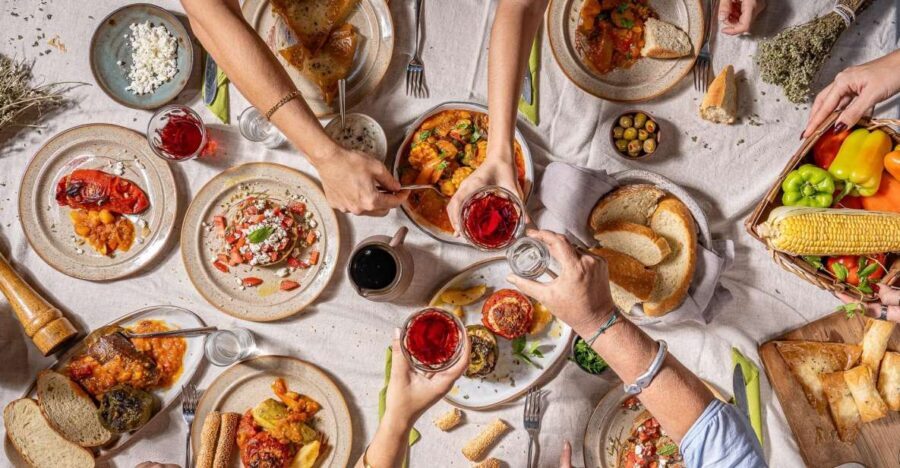
- A 1920s Kerameikos stone house with a real courtyard-garden meal afterward
- Market time right nearby (Tuesdays: the Farmers’ Market is in front, usually about 15 minutes)
- 6 traditional dishes you cook yourself, including yemista, spanakopita-style rolls, and tzatziki
- Small groups so you’re not stuck hovering at the edge of the counter
- Wine is included to go with the meal, plus hosts who share stories while you cook
- Recipes in digital form so you can repeat the dishes at home
You can also read our reviews of more cooking classes in Athens
Kerameikos stone house setup and where Mama’s Roots fits in
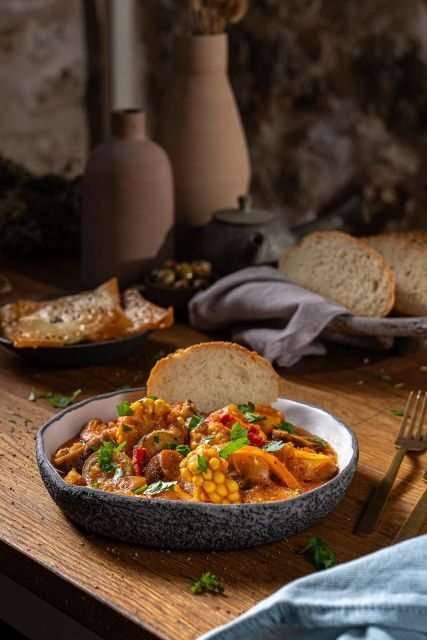
This class starts in the Kerameikos neighborhood at a place called Mama’s Roots. The big draw is the setting: a restored stone house that feels like you stepped into someone’s home rather than a demo kitchen.
Kerameikos matters here. It’s not just a convenient address. It’s known for its bars and restaurants, and you’ll feel that Athens energy once you step outside. But inside, you get a calmer pocket: a kitchen work area plus an outdoor space to eat. Several people note the courtyard is shaded and pleasant, with an old-house feel that makes the meal feel special without turning it into a stiff performance.
The hosts are English-speaking, and you’ll see different names rotating through (people report Kostas, Vasilis also known as Billy, Bill, Elena, and assistants such as Maria and Gianna). Regardless of who’s teaching, the common thread in the experience is clear: you’re assigned tasks, you’re walked through steps, and you’re encouraged to ask questions about ingredients and technique.
If you’re the kind of traveler who wants to do more than take photos, this is a strong fit. Cooking becomes the activity. And the building turns it from a class into a memory.
The local market moment: faster than you think, useful for your cooking later
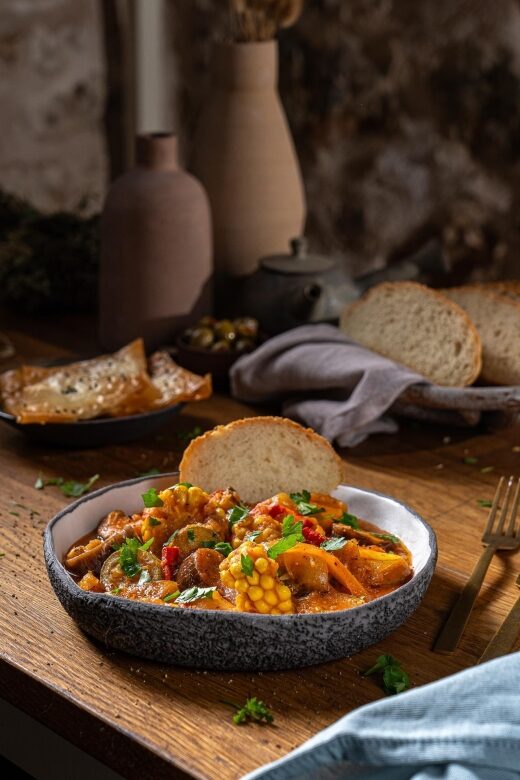
You typically start with ingredient shopping in a local-market style walkthrough. The class notes that on Tuesdays, the Farmers’ Market is right in front of the place, and you usually spend about 15 minutes there to pick up fresh ingredients.
That short market stop is more valuable than it sounds. It gives you context for how Greeks shop for everyday cooking: herbs you can smell, vegetables you can choose by appearance, and staples that match what the dishes require. Even if you don’t buy much, you learn what matters.
In practice, this is also where you get your bearings. A few people mention the location is convenient to explore from, including an easy walk from areas like Monastiraki. So you can think of this as both a food lesson and a neighborhood primer.
One small practical note: plan to arrive with a mindset of active participation. People report they’re not just told what to buy; they’re involved enough that you can remember what you selected and why.
The core experience: 3 to 3.5 hours of hands-on cooking
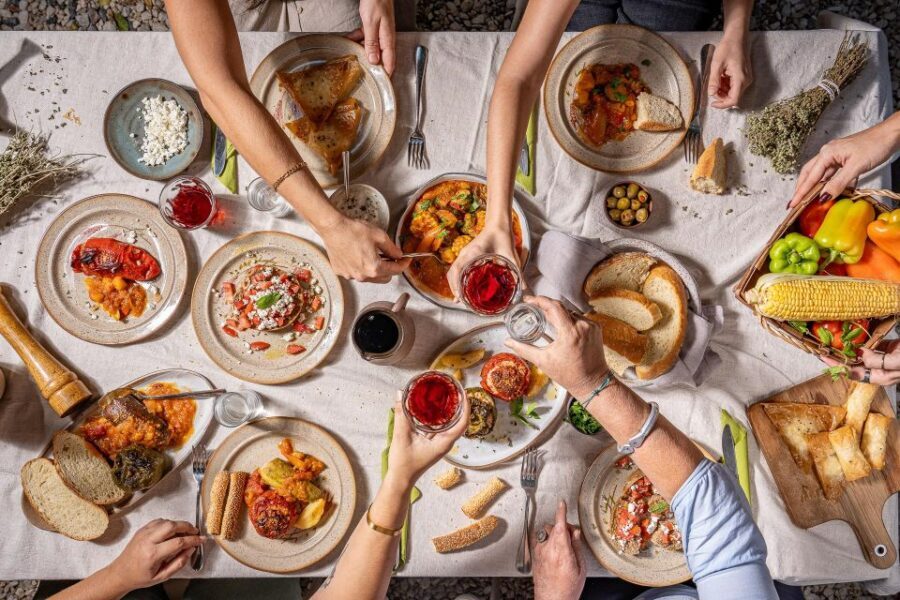
The class runs about 3 to 3.5 hours, which is long enough to feel satisfied but not so long you lose steam. The rhythm stays consistent: introduce ingredients and techniques, then cook in stages while the host keeps everything moving.
Most importantly, you’re not watching someone else cook. You’re doing the prep and parts of assembly. Reviews repeatedly mention that the host involves everyone, assigns tasks, and keeps instruction step-by-step. One person even noted the pace is smooth and doesn’t feel rushed, which matters a lot in hands-on classes.
In warm weather, several people mention they ate indoors with air conditioning at least part of the time. That’s a real advantage in Athens, where afternoon heat can sneak up on you.
What you’re making: the full 6-dish menu
Here’s the menu structure you’ll learn (and yes, you cook these dishes yourself):
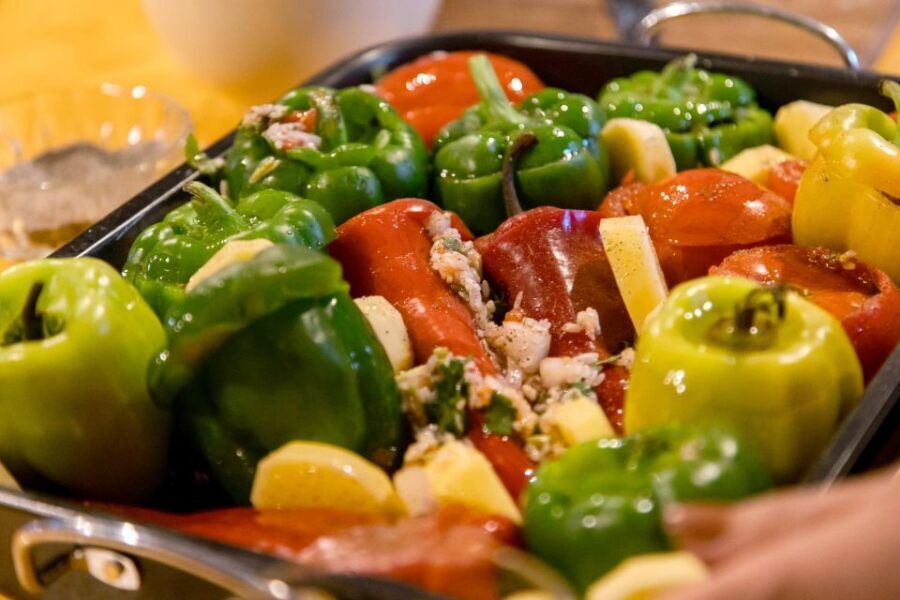
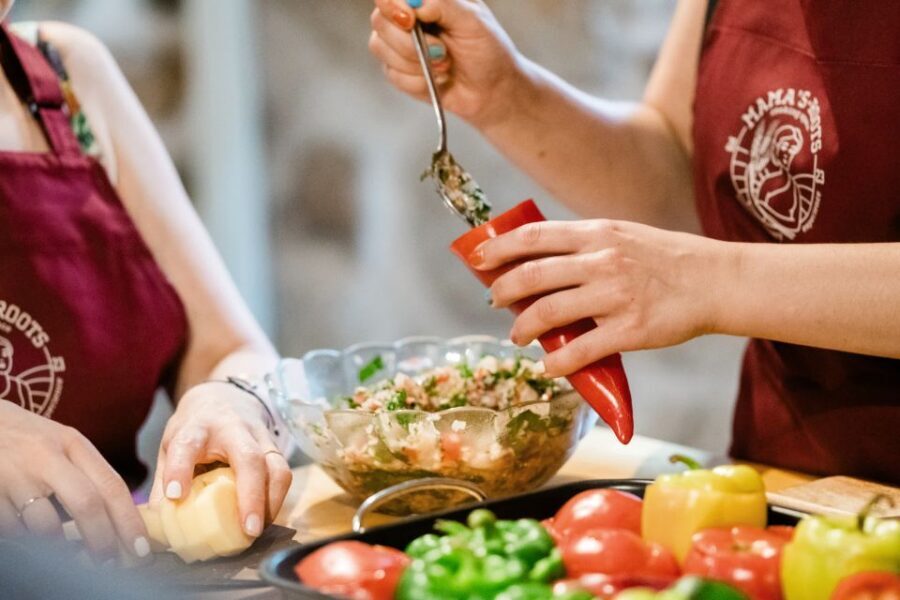
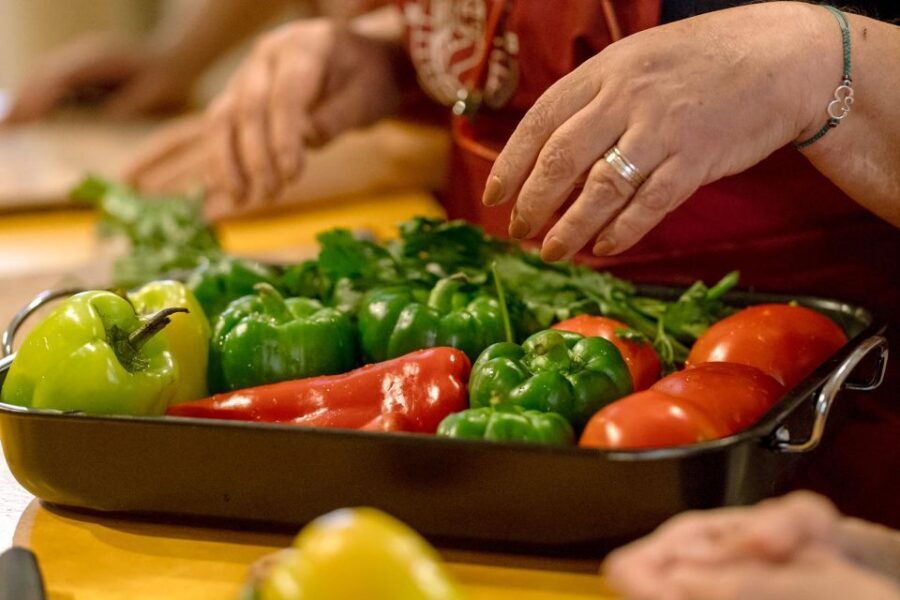
- Yemista – oven-baked tomatoes and peppers stuffed with rice, vegetables, herbs, and extra virgin olive oil
- Spinach Cheese Rolls – mini phyllo pies with feta, spinach, and herbs baked in the oven
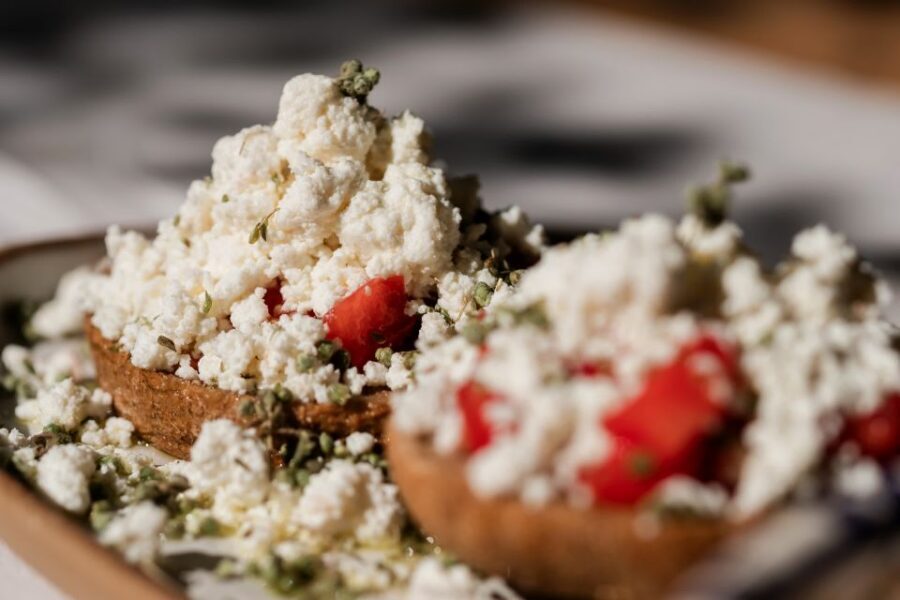
- Cretan Ntakos salad – barley rusks soaked in olive oil with diced tomato, capers, oregano, and sour mizithra cheese
- Kagiana – Greek scrambled eggs with grated tomatoes, peppers, and feta
- Tzatziki sauce – garlic, yogurt, and cucumber sauce
- Loukoumades – small doughnuts with honey and cinnamon
The menu is stated to be seasonal, so the exact details can shift. But the skills you practice stay practical: stuffing and baking, working with phyllo, building an oil-soaked salad, scrambling eggs, making tzatziki fast, and finishing with a honey-cinnamon dessert.
A few more Athens tours and experiences worth a look


What each dish teaches you (and why it’s not just a plate of food)
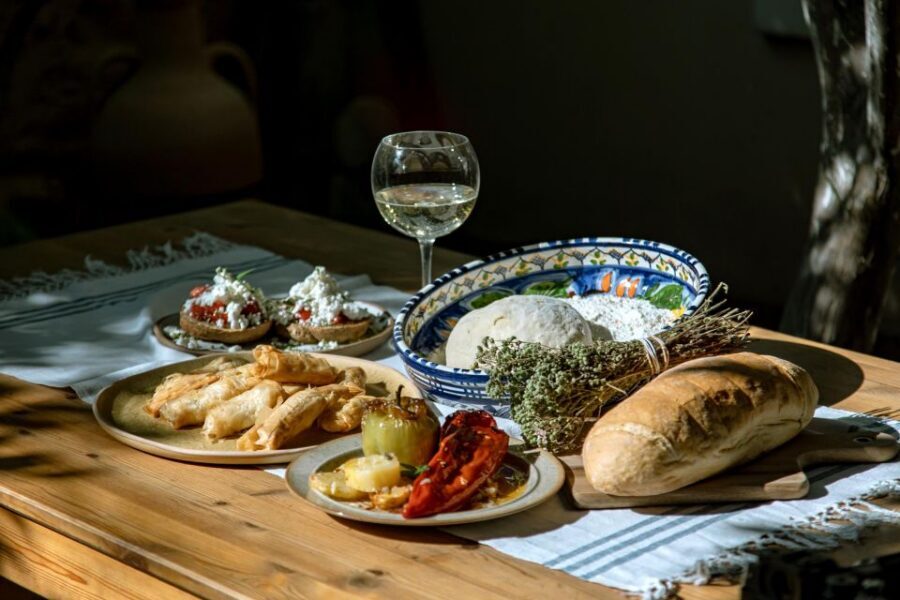
Greek food gets repetitive for some visitors: salad, a grilled thing, repeat. This menu teaches a wider set of techniques and flavors, which is why it tends to score so highly.
Yemista: the stuffing mindset
Yemista is comfort food with structure. You learn to treat vegetables like containers and to season the filling with herbs and olive oil. That matters because most people struggle to get stuffed vegetables right at home. Here, you’re not just eating it; you’re building the logic of it.
Spinach cheese rolls: phyllo confidence
Spinach cheese rolls (mini pies) are a gateway to using phyllo dough without being intimidated. Once you see how the layers and filling work, you understand why it tastes flaky instead of heavy. People often mention these pies as favorites, and I can see why: they’re portable, satisfying, and repeat well.
Cretan Ntakos: learning how Greeks handle crunchy bases
Ntakos is about texture contrast and timing. Barley rusks soaked in olive oil sound simple, but the real point is how you balance crunch and soak so it’s not soggy. You also get a crash course in how capers, oregano, and mizithra-style cheese build sharp, salty flavor.
Kagiana: scrambled eggs with Greek depth
Kagiana takes scrambled eggs beyond butter and salt. Grated tomatoes, peppers, and feta add moisture and tang. If you’ve only cooked basic scrambled eggs at home, you’ll notice how quickly Greek-style eggs become a full meal.
Tzatziki: the sauce shortcut
Tzatziki is one of those dishes people think they already know. In a class like this, you learn how garlic, yogurt, cucumber, and seasoning click together. Several participants specifically mention being impressed that they could make it quickly and replicate it.
Loukoumades: dessert that doesn’t require baking
Loukoumades bring the lesson around full circle: sweet dough, fried or cooked until golden (the class includes them as the final dish), then honey and cinnamon flavor. It’s a nice close because it’s a distinct Greek dessert, not a generic pastry.
The garden meal, wine, and the stories that make it feel personal
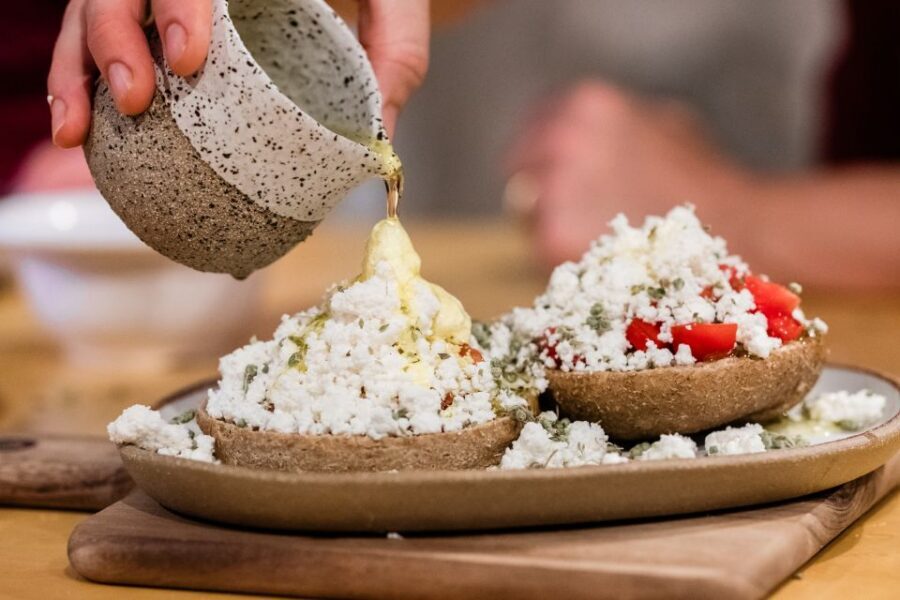
After cooking, you eat in the garden area. That change of pace is a big part of the value. You’re not rushing off right after plating. You sit down, share the meal you made, and soak up the host’s context.
Wine is included to accompany the meal. People describe the vibe as relaxed and social, with clinking glasses and a lot of chatting while food hits the table. The setting is also praised: shaded courtyard space, sometimes described with lemon trees or olive trees, and an overall “someone’s home” feeling.
This part also often includes stories. Hosts like Kostas and Elena are specifically mentioned for warmth and for sharing background on ingredients and meals. That storytelling isn’t fluff. It helps you understand why certain flavors are paired, and it makes the recipes feel like part of a living tradition instead of a cookbook list.
Small bonus: a few people mention that hosts offered leftover packing so they didn’t waste food. If you’re the type who hates turning a great meal into a sad takeout container, that’s a comfort.
Cost and value: does $106 make sense for Athens?
At $106 per person for a 3 to 3.5 hour session, you’re paying for several things that restaurant meals often split apart: time, instruction, ingredients, and the full sit-down meal.
Here’s the practical value math I’d use:
- You cook six dishes, not one main course. That’s a lot of food and a lot of technique coverage.
- You get wine included, plus a meal built from what you make.
- You receive recipes in digital form, which can save you money later because you’re not guessing at home.
- The group stays small, which usually means more hands-on time and less waiting.
Also, the experience is built around real ingredients and real methods. That’s why it tends to feel more worthwhile than a one-dish class or a demo-focused tour.
If your goal is only to snack in Athens, skip it. If your goal is to take home skills and a meal you can recreate, this price starts to look fair fast.
Who this class suits best (and who might want to rethink it)
This is great for:
- People who love Greek food and want to cook it, not just order it
- Travelers who enjoy small-group activities and conversation
- Couples and friends who want a shared activity with a real ending meal
It’s also a strong choice if you’re picky about authenticity. Several reviews highlight that the dishes are traditional and that recipes are written in a way that’s easy to repeat at home. You’re not being taught to plate like a restaurant chef. You’re being taught to cook like a home cook.
A caution for some people:
- If you expect non-vegetarian dishes, be aware that at least one class has been described as fully vegetarian.
- Since the menu is described as seasonal, you may not see every exact dish listed every day.
On the upside, most dishes here are classics that still make sense if a specific ingredient shifts due to season.
Before you go: practical tips that make the experience smoother
A few small things can improve your day:
- Bring cash if you’re tempted by the shop inside. People mention an on-site area selling handmade pottery, jewelry, and art, and they recommend having cash for purchases.
- Plan for active cooking time. You’ll be doing prep, not just watching.
- If you’re sensitive to heat, aim for a class time that matches your stamina. Some people note they ate indoors with air conditioning at least part of the time.
- If you worry about forgetting recipes, set up your phone for QR scanning before you start. The recipes are provided digitally after.
And yes, one detail that surprised people: bug repellent may be available in the courtyard area.
Should you book this Athens cooking class?
I’d book it if you want a hands-on Athens experience with real take-home value. The combination of a stone house setting, a market ingredient moment, six dishes cooked by you, and digital recipes creates a rare mix: fun in the moment and useful later.
You might skip it if:
- You only want a short snack stop
- You’re strictly avoiding vegetarian menus
- You’re looking for a sightseeing tour first and a cooking class second
If you’re on the fence, use this simple question: Do you want to learn how to make Greek dishes you’ll actually cook again? If yes, this class is a solid choice.
FAQ
Where is the cooking class located?
It’s held in the Kerameikos neighborhood of Athens, and you meet at Mama’s Roots in Athens.
How long is the class?
The duration is about 3 to 3.5 hours.
How many dishes will I cook?
You will cook 6 traditional Greek dishes.
Is wine included?
Yes. Wine from local producers is included to accompany the meal.
Are recipes provided to take home?
Yes. You get recipes in digital form.
What language is the instruction in?
The instructor speaks English.
Can I cancel, and what are the rules for refunds?
Free cancellation is available up to 24 hours in advance for a full refund.
Are there small groups?
Yes. Small group size is available.