REVIEW · ATHENS
Athens: Museum of Cycladic Art Entry Ticket
Book on GetYourGuide →Operated by Museum of Cycladic Art · Bookable on GetYourGuide
Marble faces from 2300 BC stop you cold. I love how the Museum of Cycladic Art turns prehistoric Aegean culture into something you can actually follow—by material, by time, and by the stories objects seem to carry.
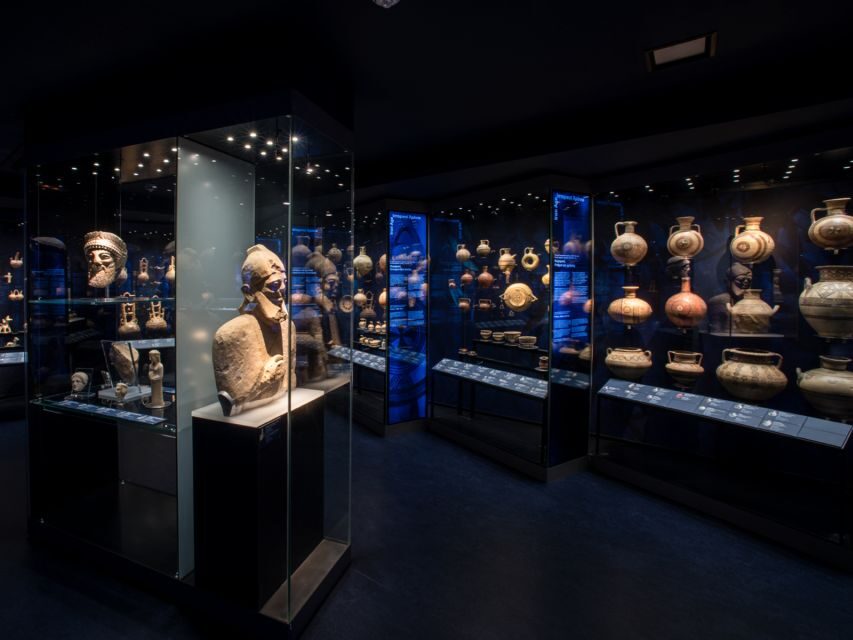
You’re looking at a major private collection, with Cycladic masterpieces plus Ancient Greek and Ancient Cypriot art, all in one visit.
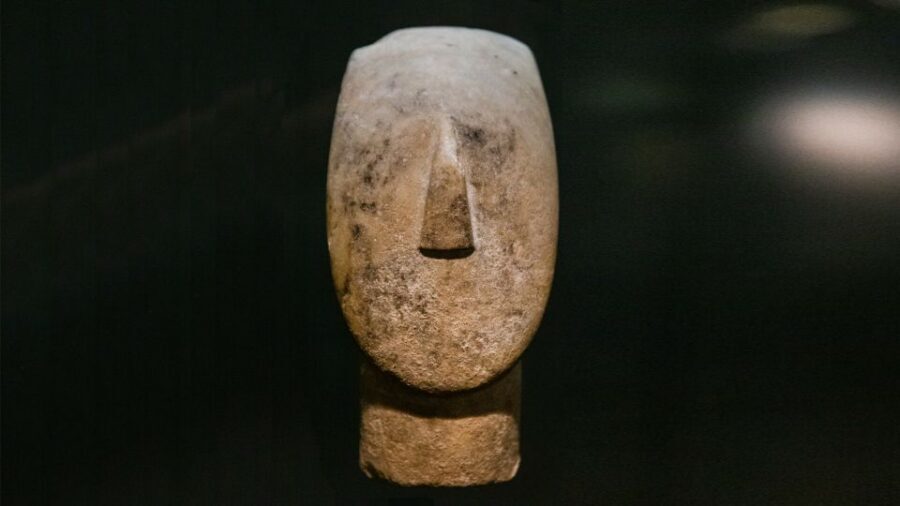
Two things I like a lot: the iconic Cycladic marble figurines (many dated around 2300 BC) and the way the museum uses its floors to guide you through changing eras. You’ll also get clear labels that make you feel oriented fast, so you don’t need to be an archaeology expert.
One possible drawback: depending on when you go, you may run into renovation noise that can make a long, slow visit harder. If you’re sensitive to sound, plan for it.
In This Review
- Key highlights to watch for
- Why this museum ticket is a smart use of one day in Athens
- Getting there from Syntagma: simple logistics that matter
- What you’re really paying for: more than just Cycladic figurines
- Floor-by-floor: how to plan your route without getting lost
- The 2nd floor: a guided view of how Greece evolves
- The 4th floor: everyday life in Classical Athens
- The rest of the permanent collections: Cycladic focus plus cross-culture links
- Cycladic art: what to look for in the marble
- Ancient Greece timeline: from city-states to objects you can almost handle
- Ancient Cyprus in Athens: why it feels different (and how it should)
- Navigation reality: QR tours, apps, and how to keep your energy up
- Cycladic Café and the no outside food rule
- Price and value: is $14 worth it?
- When you should book this ticket
- Should you book this Museum of Cycladic Art entry ticket?
- FAQ
- What does the ticket cost?
- How long is the ticket valid?
- Where do I enter the Museum of Cycladic Art?
- Is the museum wheelchair accessible?
- Can I bring food and drinks into the museum?
- Is a guided tour included with the entry ticket?
Key highlights to watch for
- Cycladic marble figurines dated to around 2300 BC, showing sculpting skill at its best
- A multi-floor walkthrough that connects Aegean prehistory to later Greek city-state life
- Ancient Greek art timeline spanning from the 2nd millennium BC to the 4th c. AD
- Ancient Cypriot art outside Cyprus, including links to Greek, Egyptian, and Near Eastern traditions
- Clio Muse Tours via QR code, plus free Wi-Fi if you want extra help
- Cycladic Café for a break, while still respecting the no outside food/drinks rule
Why this museum ticket is a smart use of one day in Athens
If you’re tired of Athens being only temples and ruins, this is your change of pace. The Museum of Cycladic Art is one of those places where art and archaeology meet without turning into a lecture. You walk through objects—carved marble, painted pottery, bronze vessels, jewelry—and the museum helps you make sense of what you’re looking at.
The value is in the range. You’re not stuck on one narrow slice of time. The museum’s permanent collections cover early Cycladic life and then broaden into Ancient Greek developments and Ancient Cypriot art, including how cultures traded ideas and styles around the Mediterranean.
Also, it’s practical. The museum is designed to be navigable, and it’s realistic to see the permanent exhibitions in a couple of hours—then you can stretch the visit if you want to linger.
A few more Athens tours and experiences worth a look


Getting there from Syntagma: simple logistics that matter
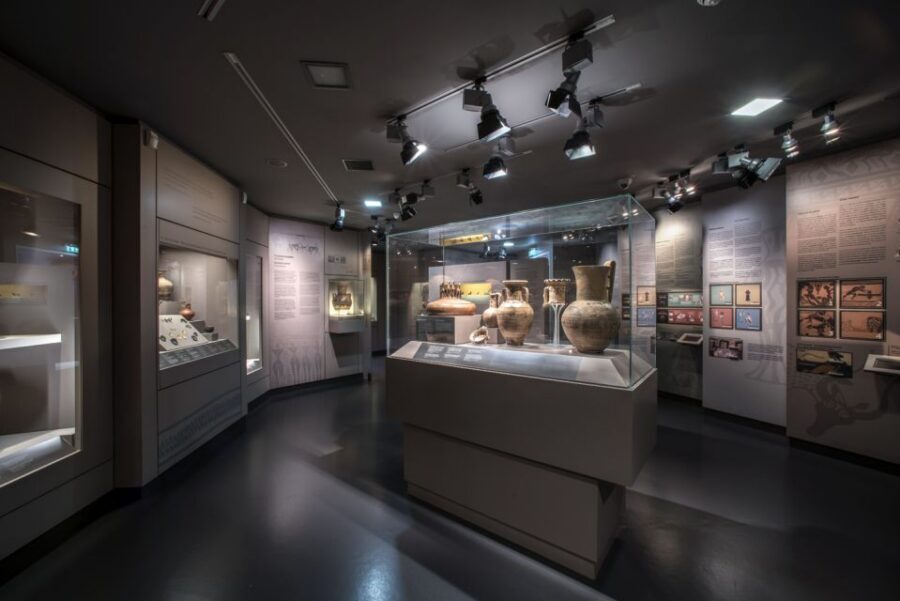
This ticket is straightforward: enter at the main entrance, and you’re about a five-minute walk from Syntagma Square and the Syntagma Metro station. That matters because it keeps your day flexible. You can pair this with a nearby lunch, or you can start the museum early and still have time for the rest of Athens.
You don’t need a hotel transfer, and there’s no guided tour included with the ticket. It’s set up for self-guided wandering, which is ideal if you like setting your own pace.
Two practical perks are built in:
- Free Wi-Fi so you can use the museum’s online support if you want it
- Clio Muse Tours with QR code, included, which can help you go beyond reading labels only
One more note: the museum is wheelchair accessible, so it’s not a “stairs only” situation.
What you’re really paying for: more than just Cycladic figurines
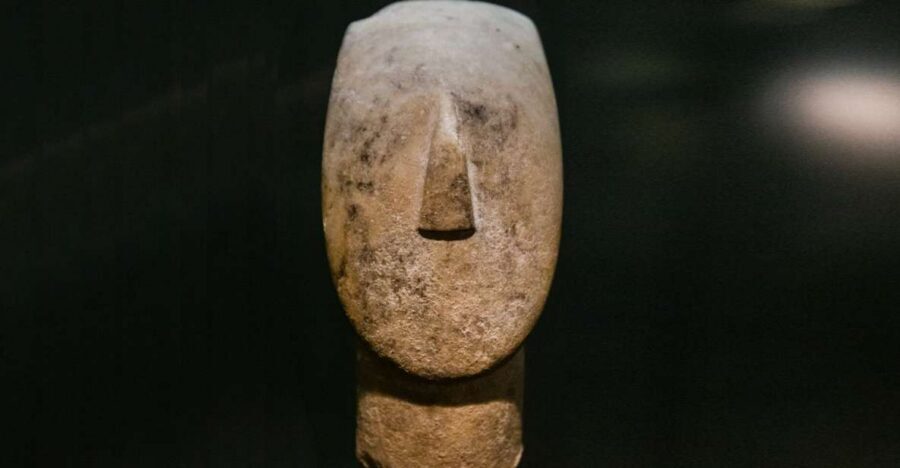
Yes, you’ll see the famous marble work. Many of the Cycladic marble carvings and figurines are dated to roughly 2300 BC. But the museum’s bigger win is how it connects style and everyday life.
Here’s what the permanent collections include, and why it’s useful for your visit:
- Cycladic island culture (Early Bronze Age / third millennium BC): marble carvings, tools, weapons, pottery, and figurines
- Ancient Greek art (about 2nd millennium BC to the 4th c. AD): painted vases, terracotta figurines, bronze vessels, stone sculptures, coins, gold jewelry, and glass items
- Ancient Cypriot art (one of the largest collections outside Cyprus): prehistoric figurines plus Archaic/Classical sculptures, inscriptions, bronzes, coins, gold jewelry, glasswork, and ceramics from the 4th millennium BC through Medieval times
That spread means you can build a sense of “then vs. later.” You’re not just collecting images in your head. You’re watching what changes—materials, themes, and technology—across centuries.
Floor-by-floor: how to plan your route without getting lost
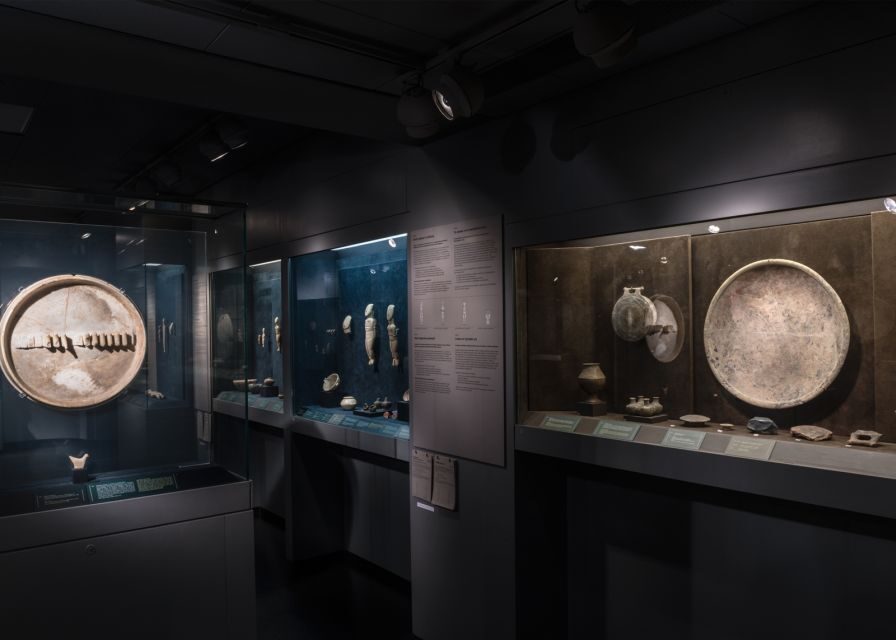
This museum uses its floors to tell different stories, so a little planning pays off. Even if you don’t pick a strict route, you’ll waste less time if you know what each level is for.
The 2nd floor: a guided view of how Greece evolves
The exhibition on the 2nd floor gives you an overview of historical, artistic, and technological developments across ancient Greece. This is where you’ll get the feeling of movement through time.
If you’re the type who wants context before you zoom in on objects, start here. The museum’s labels and presentation style are made to help you understand what you’re seeing, not just identify it.
You can also read our reviews of more museum experiences in Athens




The 4th floor: everyday life in Classical Athens
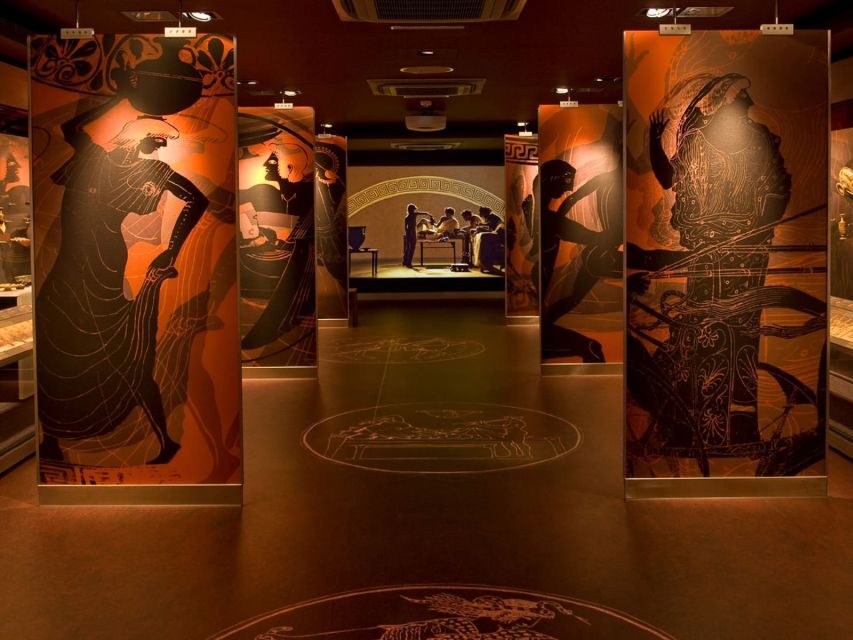
The 4th floor shifts gears. You’ll get a vivid glance at everyday life in Classical Athens. That’s a big deal because it changes the tone from “big historical phases” to “human scale.”
If you’ve been touring Athens’ ruins, this is a good emotional balance. You’re seeing how people lived, not just what rulers built.
The rest of the permanent collections: Cycladic focus plus cross-culture links
Elsewhere in the museum, you’ll see the core Cycladic material: marble figurines and carvings, along with tools, weapons, and pottery from the central Aegean. As you keep moving, you’ll also meet the broader Ancient Greek collection items and the Ancient Cypriot highlights.
When you’re self-guiding, I suggest you don’t rush. Cycladic art rewards slow looking because the forms are so specific. Spend enough time here to notice patterns—repeated shapes, carving styles, and how the museum groups objects to suggest meaning.
Cycladic art: what to look for in the marble
The Cycladic section is the part most people come for, and it earns that attention. Those marble figurines aren’t just pretty. They’re evidence of craft choices—how sculptors worked with a limited material and still created strong personality through pose, proportion, and surface details.
I like the way the museum places these works alongside other artifacts from the same culture: pottery, tools, and weapons. That pairing keeps the art from feeling detached. You start seeing the whole idea of daily life—what mattered enough to make, display, or bury with meaning.
A simple way to get more out of this area:
- Pick one figurine and read every label detail you can
- Then look for something non-figurine nearby (a tool, weapon, or vessel)
- You’ll start connecting art style to practical culture
Ancient Greece timeline: from city-states to objects you can almost handle
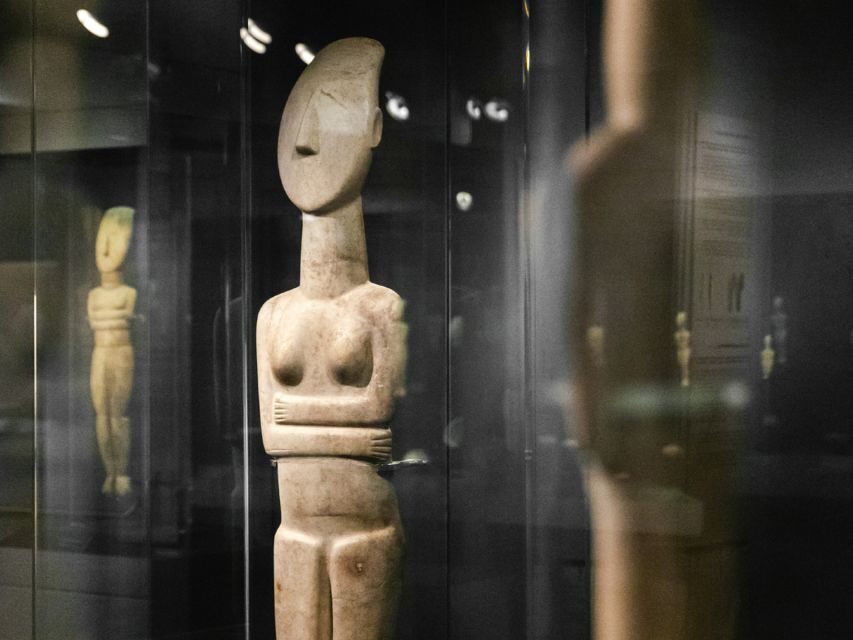
The museum’s Ancient Greek collection covers a long stretch—from the 2nd millennium BC to the 4th century AD—and that span is where the museum earns its keep. You can see how Greek art changes as society changes.
In this part of the museum, you’ll encounter categories that help you “think in materials”:
- Painted vases (you can spot how decoration styles shift)
- Terracotta figurines (small-scale art tied to daily life and belief)
- Bronze vessels and stone sculptures (more durable signals of status and technique)
- Coins and gold jewelry (great for understanding social identity and power)
- Glass items (a reminder that technology and trade mattered)
If your Greek history knowledge is sketchy, don’t worry. The museum presentation is built to show the development of Greek society as you move through the exhibition spaces.
Ancient Cyprus in Athens: why it feels different (and how it should)
The museum’s Ancient Cypriot art collection is one of the biggest outside Cyprus, and it has a distinctive flavor. Instead of isolating Cyprus as an island culture, the museum shows how Cypriot art combined influences from multiple directions.
You’ll see artifacts that reflect a blend of:
- local Cypriot traditions
- Greek influences
- Egyptian and Near Eastern traditions
That mix matters because it explains why certain objects may feel familiar and strange at the same time. It’s not just “Cyprus plus Greece.” It’s interaction. For you as a visitor, it turns museum time into pattern recognition: you start asking what traveled, what changed, and what people adopted because it worked.
Navigation reality: QR tours, apps, and how to keep your energy up
This is a self-guided museum with optional support. You get Clio Muse Tours via QR code and free Wi-Fi, so you can choose how much help you want.
A couple practical tips based on how the museum experience can feel:
- If you want a calmer route and fewer backtracks, consider starting higher in the building and working down.
- Some information sources may not be identical in every room, so don’t assume every exhibit has the same extra layer of audio or digital content.
Plan for around 1.5–2 hours if your goal is a solid pass through the permanent exhibitions without getting stuck. If you’re a slow reader or you like comparing object details, you’ll likely need more time.
Also: the museum can be cool and calm, so it’s a great midday option when Athens heat nudges you indoors.
Cycladic Café and the no outside food rule
You can take a break at the Cycladic Café, described as a small oasis where you can enjoy Cycladic flavors made from natural products and virgin ingredients. That’s the sort of spot that helps your museum day feel like a day, not a marathon.
Just remember: food and drinks are not allowed inside the museum spaces as a general rule. So if you want snacks, plan to get them at the café, not bring them along.
A tip: keep your bag light. You’ll enjoy the museum more when you’re not juggling items every time you stop to read labels.
Price and value: is $14 worth it?
For about $14 per person, this ticket is one of those purchases that can pay back fast if you care about art beyond the usual ancient Greek highlights.
Here’s the value logic I’d use before buying:
- You’re getting access to the museum’s permanent collections, not a short special exhibit.
- The subject range is wide: Cycladic, Ancient Greek, and Ancient Cypriot art across multiple eras.
- You get extra support tools: QR-based Clio Muse Tours and free Wi-Fi.
- The visit fits a real schedule: it’s valid for 1 day, and you can realistically complete it in an afternoon or half-day.
If you’re only interested in one narrow thing—like only marble figurines and nothing else—then you might find it slightly broad. But for most art-curious visitors, the range is the point.
When you should book this ticket
I’d say book this if:
- you want a break from ruins and prefer objects you can study closely
- you like art history that includes everyday life and technology, not just statues
- you’re curious about how cultures overlap around the Aegean and in Cyprus
- you want a museum that works with your pace, not a clock
I’d pause if:
- you want a guided tour format (this ticket doesn’t include one)
- you’re going with very young kids who may have trouble staying focused through multiple floors of artifacts
One more “timing” consideration: if your travel dates overlap with any construction inside or nearby, pack accordingly. You might not be able to control it, but you can control how you handle sound sensitivity.
Should you book this Museum of Cycladic Art entry ticket?
Yes—most likely. For the price, you get a serious collection spread across floors, with support from QR tours and free Wi-Fi. It’s also easy to fit into an Athens plan since it’s close to Syntagma.
If you love prehistoric art, Classical Athens context, or Cyprus and cross-cultural influences, this is a high-match choice. If you only want one kind of ancient art and hate self-guided wandering, then you may want a different kind of experience. But if you’re happy to read, look, and connect details, this ticket gives you a lot of meaningful time in one stop.
FAQ
What does the ticket cost?
The entry ticket is listed at $14 per person.
How long is the ticket valid?
It’s valid for 1 day.
Where do I enter the Museum of Cycladic Art?
Enter at the main entrance. It’s about a five-minute walk from Syntagma Square and the Syntagma Metro station.
Is the museum wheelchair accessible?
Yes, the museum is wheelchair accessible.
Can I bring food and drinks into the museum?
No. Food and drinks are not allowed.
Is a guided tour included with the entry ticket?
No guided tour is included. Clio Muse Tours with QR code are included as an add-on option.