REVIEW · ATHENS
Athens: The Acropolis Guided Walking Tour in German
Book on GetYourGuide →Operated by LITTLE OWL TOURS · Bookable on GetYourGuide
The Acropolis makes sense fast with a guide. This German tour is a smart way to see the big monuments plus the lesser-known stops without feeling rushed, and I especially love the myth-and-architecture explanations and the 360° view finish. One drawback: it’s uphill on uneven, sometimes slippery surfaces, and there’s no elevator, so it’s not a good match for limited mobility.
You start with the theatre area, then work your way up along the sunny side of the hill, ending at the top with time to linger near the Parthenon. In practice, it often runs as a smaller group (some groups around nine), which helps keep everyone together and makes it easier to ask questions.
In This Review
- Key highlights at a glance
- Why this German Acropolis walk is worth your 90 minutes
- Getting in smoothly: tickets, what to bring, and what to expect
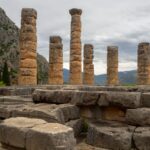
- Theatre of Dionysus: where Greek drama starts
- Odeon of Herodes Atticus and the performance vibe
- The Asklepieion: ancient medicine on the hillside
- Propylaea: the monumental entrance that sets the stage
- The temple cluster: Parthenon, Erechtheion, and Nike Temple
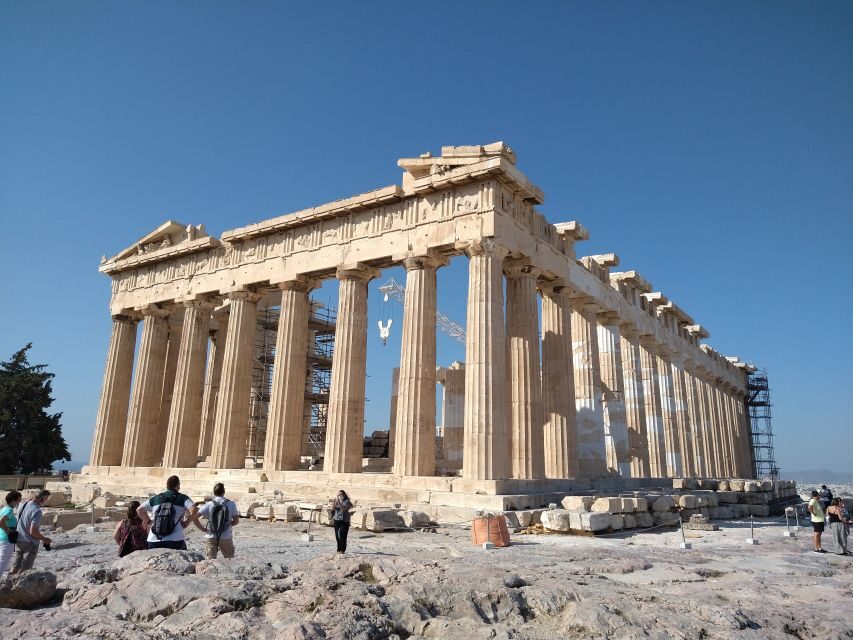
- The Parthenon: the icon with context
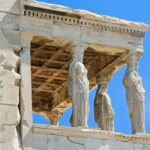
- The Erechtheion: details you’ll actually notice
- Athena Nike: the smaller temple with big symbolism
- Parthenon photo time and free exploration on your own
- The 360° view: Athens laid out
- Price and value: what you’re really paying for
- Who should book this tour (and who should skip it)
- Quick practical notes before you go
- Should you book the German Acropolis Guided Walking Tour?
- FAQ
- FAQ
- Is the tour language German?
- How long is the Acropolis guided walking tour?
- Does the price include the Acropolis entry ticket?
- Is there an option to skip the ticket line?
- What happens after the guided portion?
- Is this tour suitable for limited mobility?
Key highlights at a glance
- Theatre of Dionysus seats first: you actually sit where ancient drama began and hear what you’re looking at.
- Asklepieion hospital stop: a rare chance to see medicine’s early roots on-site.
- Odeon of Herodes Atticus: the music-and-performance link that rounds out the story of Greek culture.
- Propylaea photo and perspective: a monumental entrance that sets up the big temple view.
- Parthenon, Erechtheion, and Nike Temple in one route: the essentials, staged logically for first-timers.
- 360° Athens view plus free time: you get a guided finale and then a chance to wander on your own.
Why this German Acropolis walk is worth your 90 minutes
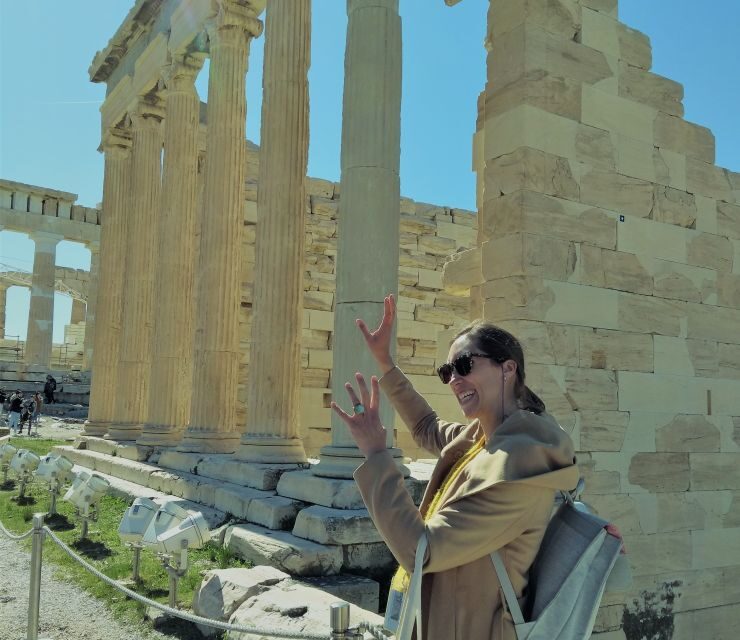
The Acropolis is famous enough that you can easily end up with a stack of photos and not much understanding. This tour fixes that. You get a licensed guide speaking German who ties landmarks together—drama, public life, religion, even early healthcare—so the hill feels like one living story instead of disconnected ruins.
I also like the pace. At 1.5 hours, you don’t have to spend half a day just “getting oriented.” You walk uphill, you stop often enough to absorb what matters, and you finish with a viewpoint that makes the climb feel justified.
The third piece is practical: you skip the ticket line and the guide handles the entry ticket. For a place with crowds, that alone can save time and stress.
You can also read our reviews of more walking tours in Athens



Getting in smoothly: tickets, what to bring, and what to expect
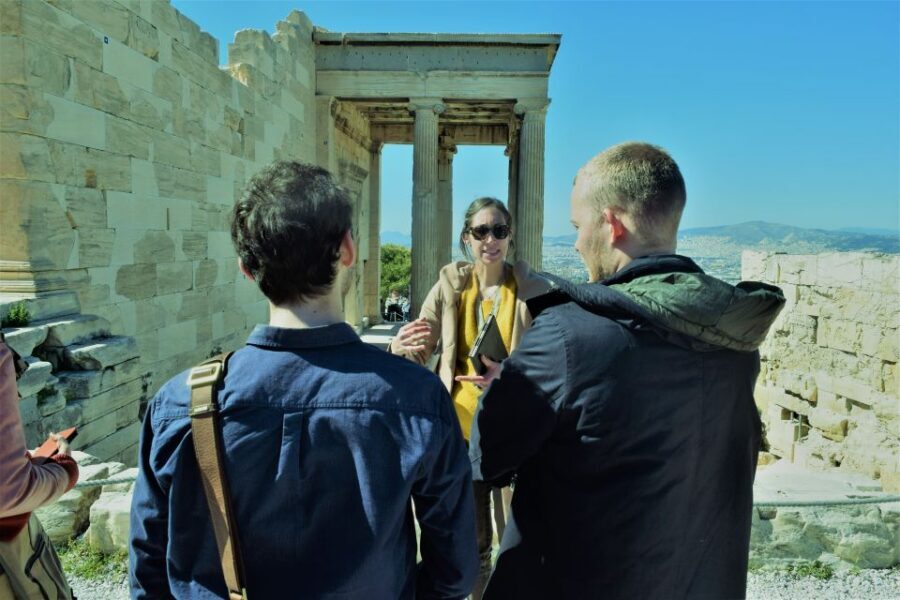
This experience includes your Acropolis entry ticket and a guided walking group tour with a licensed guide. The goal is simple: reduce waiting and keep your attention on the stones you came to see.
Here’s what you should bring so you don’t get slowed down:
- Comfortable shoes (the terrain is uneven and can be slippery at times)
- Water, sunglasses, and a sun hat (it’s Greece and you’ll be walking uphill)
- Passport or ID card (a copy is accepted)
You can also plan around what’s not allowed: no baby strollers, no luggage or large bags, and no food or drinks during the tour. Pets aren’t allowed either (assistance dogs are fine). If you’re traveling light, you’ll find it easier to move with the group.
One more thing to keep in mind: the meeting point can vary depending on the option you book, so confirm the exact spot ahead of time. The tour itself begins at the side entrance of the hill, which is a good way to avoid getting dropped at the top with no warm-up.
Theatre of Dionysus: where Greek drama starts
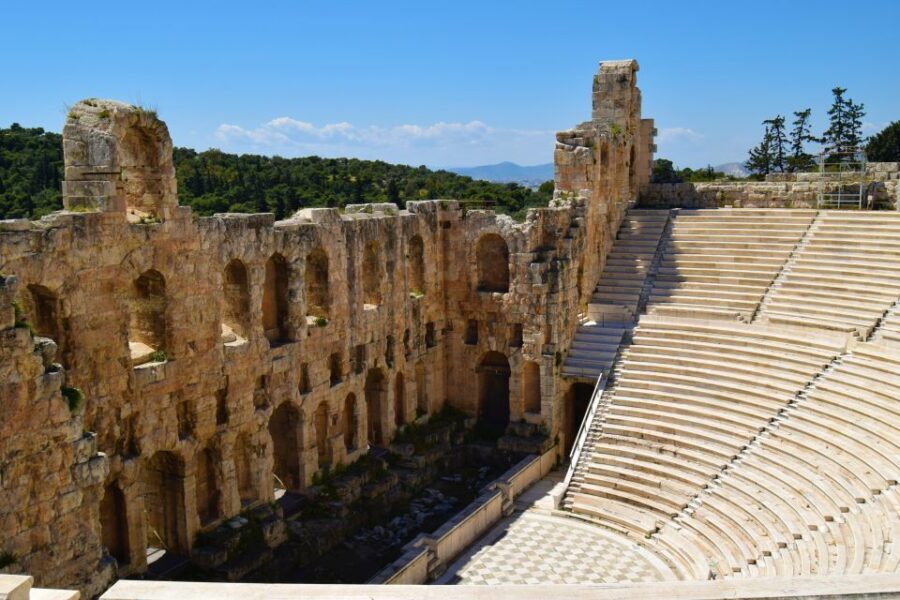
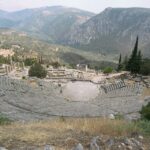
The tour kicks off with the theatre of Dionysus. That choice matters. If you begin with the Parthenon, you’ll miss how Greek culture worked as a whole. Starting here puts you in the mindset of performance and public storytelling.
You’ll be guided to find a spot on the ancient seats. Even if you’re not a theatre expert, you’ll get the idea quickly: these weren’t just monuments—they were venues where communities gathered to watch stories unfold. The guide connects that setting to the bigger picture of ancient Greek life, so your later stops don’t feel random.
Practical tip: treat this as your “first anchor point.” Once you understand what the theatre area represents, the rest of the climb reads clearer—religion, politics, art, and everyday civic identity all start to line up.
Odeon of Herodes Atticus and the performance vibe
After the theatre, the route includes a stop near the Odeon of Herodes Atticus. This is another reminder that Athens didn’t only build temples for gods—it built spaces for gatherings, music, and major events.
The advantage of seeing this on the way up is timing. You get the cultural context before you reach the main temple cluster. By the time you’re staring at the famous architecture, you’ll know what kind of world produced it.
The downside? This portion still involves walking and changing viewpoints on uneven ground. If you’re prone to getting sore on climbs, make sure you pace yourself right from the theatre area.
The Asklepieion: ancient medicine on the hillside
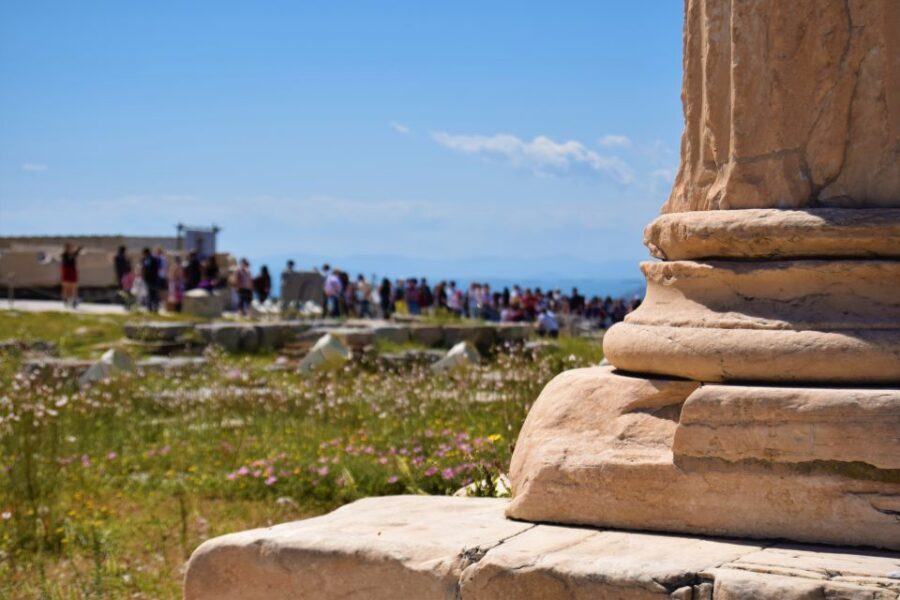
One of my favorite aspects of this tour is that it doesn’t limit itself to the “everyone knows these” checklist. You also see the Asklepieion, described here as one of the first hospitals in ancient Greece.
This is a smart detour. It gives you a different lens on what people valued. Instead of only focusing on religion and politics, you get a glimpse of how ancient Athenians thought about care, recovery, and health. It’s the kind of stop that makes the whole Acropolis feel more human.
If you’re the kind of traveler who enjoys seeing how ancient sites connect to real life, this is a standout moment. It also breaks up the temple-only rhythm so your brain doesn’t go into photo mode.
You can also read our reviews of more guided tours in Athens


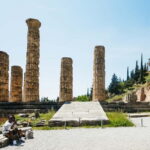

Propylaea: the monumental entrance that sets the stage
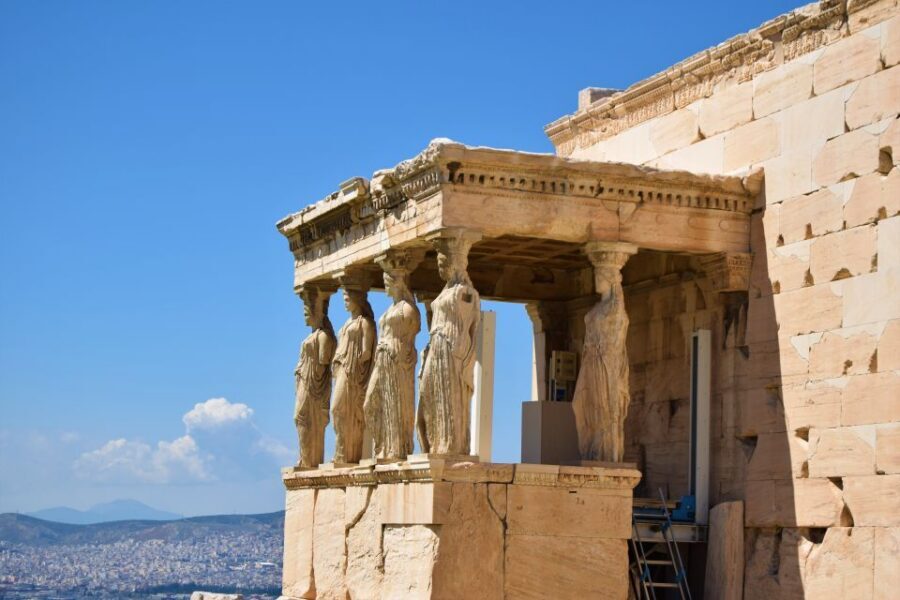
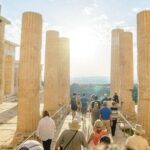
Next comes the Propylaea, the monumental gateway you pass through before reaching the top viewpoints. This stop matters because it’s your transition point—from hillside ruins and side areas into the main temple panorama.
The guide points out architectural details and also shares myths connected to the structures you’re about to see. That combination is useful. Architectural “tricks” are interesting, but the myths give you a reason to remember them. You’ll likely leave this section with a mental map, not just a list of names.
Practical note: once you’re near the gateway and the top area starts opening up, you’ll want to keep your eyes up as well as ahead. It’s easy to focus only on the next step on the uneven ground. Slow down for a few seconds and let the viewpoint land.
The temple cluster: Parthenon, Erechtheion, and Nike Temple
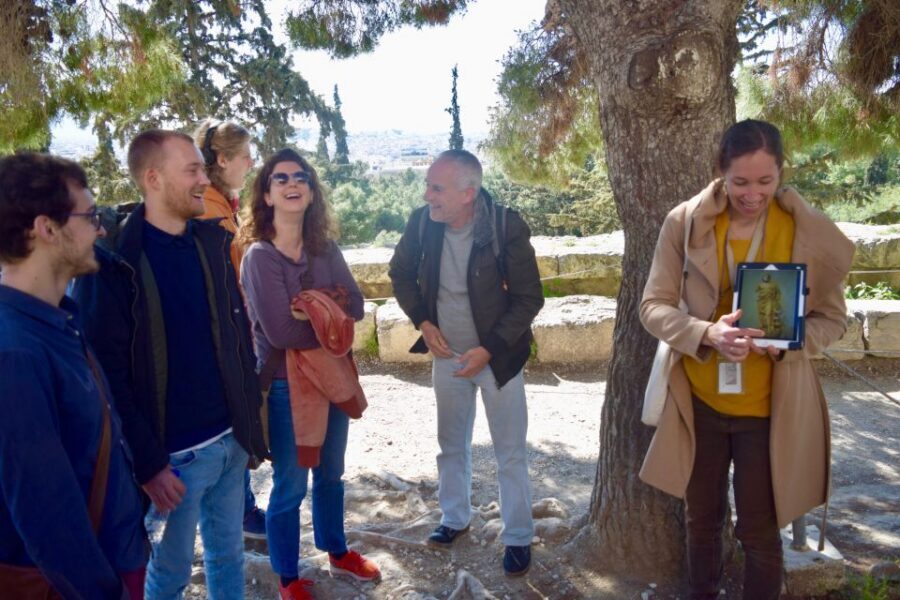
From here, the tour reaches the core: you take in the three temples—the Parthenon, the Erechtheion, and the Temple of Athena Nike—from the top perspective.
Even if you’ve seen pictures before, seeing them staged together is different. The guide helps you understand what each structure contributes, so you don’t just recognize shapes—you recognize purpose.
The Parthenon: the icon with context
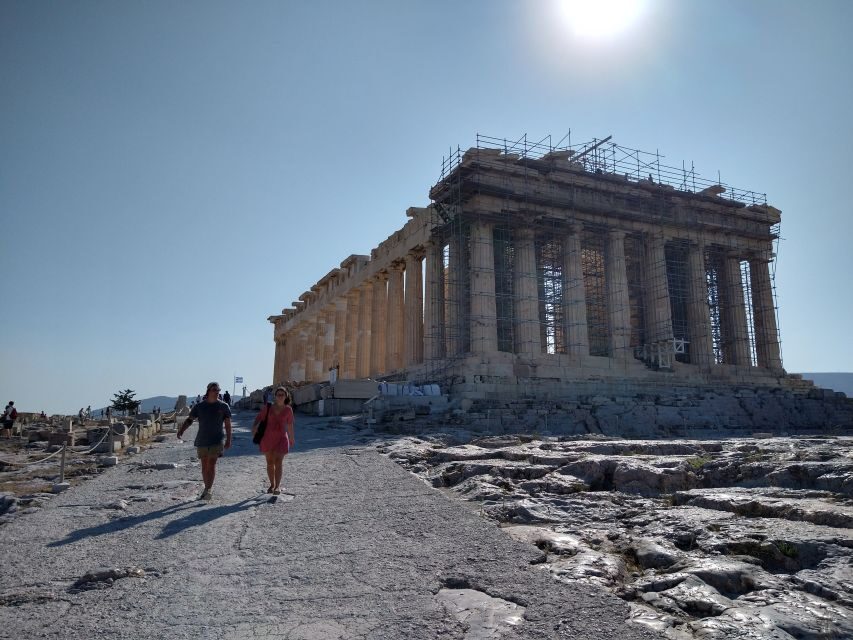
The Parthenon is the headline, so you’ll spend time there for guided viewing and then a photo moment. What makes this tour feel better is that the guide doesn’t treat the Parthenon as a single object. You’ll understand it as part of a larger plan on the hill—how the buildings relate to one another’s placement and what stories were attached to them.
The Erechtheion: details you’ll actually notice
The Erechtheion is one of those sites where details can disappear if you rush. With a guide, you’re more likely to spot what makes it distinct rather than only seeing it from a distance.
Athena Nike: the smaller temple with big symbolism
The Temple of Athena Nike is also part of the guided overview. Even if it feels “less famous,” it adds meaning to the overall lineup. The route helps you see it as part of a coherent religious and civic setting.
Parthenon photo time and free exploration on your own
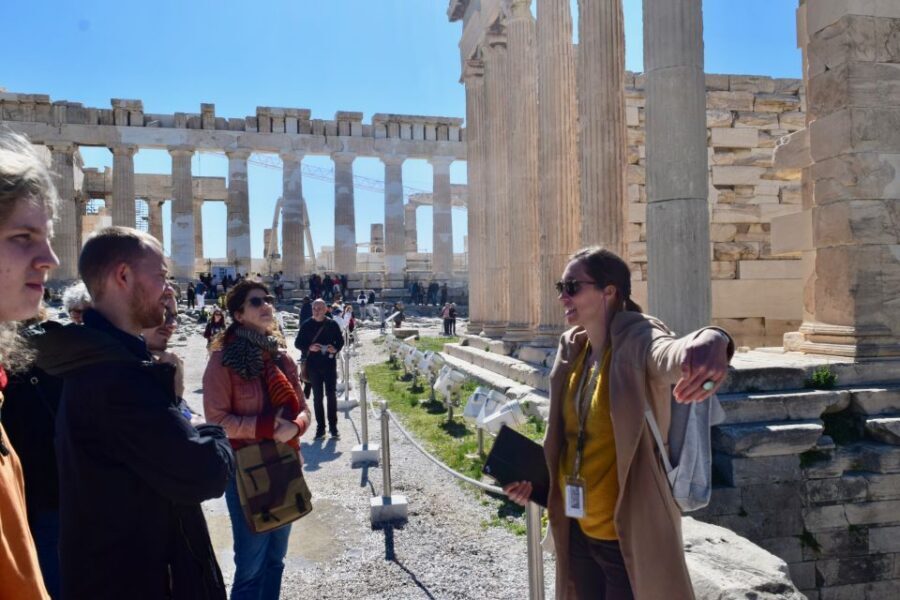
The guided portion ends with time at the top, including a photo stop and then a chance to explore the archaeological site further on your own. This is one of the best parts for practical sightseeing: you get the structure and storytelling from the guide, and then you’re free to linger where your eyes keep returning.
A key value here is flexibility. If you want an extra angle of the Parthenon, or you want to walk slower around a specific temple, this is your window. Your Acropolis ticket is valid for the full day, so you’re not forced to cram everything into the guided time slot.
When the tour is finished, take 10 minutes to decide what you’ll do next based on your energy. Do you want more photos? A longer look at one temple? Or just a relaxed scan of the whole site before heading back down?
The 360° view: Athens laid out
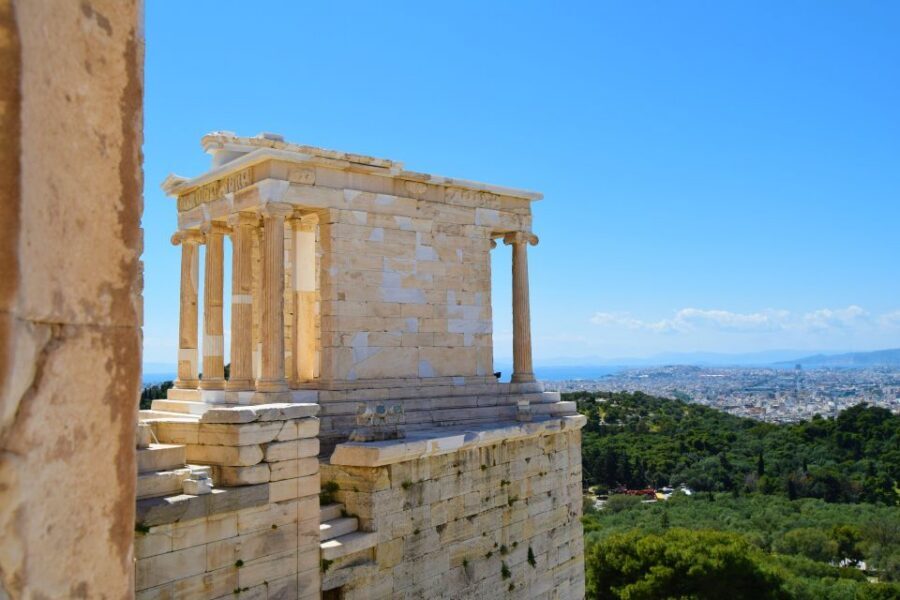
Finishing at the top for a 360° view of Athens is exactly what you want after climbing. The view isn’t just scenery—it’s a “here’s where it all fits” moment.
From up here, you can connect the hill to the wider city and understand how central the Acropolis was in ancient planning. It also helps your photos look better, because you can frame buildings and horizons in a way that a flat, street-level snapshot can’t.
If you’re going in hot season, plan for the sunlight. Bring water, take short breaks, and use the shade when the group pauses.
Price and value: what you’re really paying for
At $95 per person for a 1.5-hour German guided walking tour, the question isn’t just whether it’s “worth it,” but what you get that you can’t easily recreate on your own.
You’re paying for:
- Skip-the-ticket-line entry handled via the guide
- A licensed guide who provides structured explanations in German
- A timed route that hits major monuments plus side highlights like the Asklepieion
- Time-saving, because the tour gives you a sensible order instead of wandering blindly
If you speak German well enough to follow a guided narrative, the price starts to make sense quickly. The biggest value is the way the guide turns names into relationships—how drama, performance spaces, medicine, gateways, and temples connect on the hill.
If you don’t want a guided format, you could do it independently. But for first-timers who want context without reading walls of text, this is a solid use of money.
Who should book this tour (and who should skip it)
You’ll probably love this tour if:
- You want a guided, structured route rather than free-form wandering
- You like stories behind monuments—especially Greek myths and the meaning of architecture
- You’re comfortable walking uphill on uneven surfaces
- You want time on the site after the tour to revisit the best photo angles
You should skip or seriously reconsider if:
- You have limited mobility. The tour is not recommended, there’s no elevator, and you’re dealing with uphill terrain.
- You need to use a stroller or carry large bags (strollers and large luggage aren’t allowed).
- You’re expecting a fully relaxed stroll. It’s short, but it’s still a hillside walk.
Quick practical notes before you go
A few small choices can make the difference between a good day and a tiring one:
- Wear shoes you trust for uneven stone.
- Bring water and don’t assume shade will be constant.
- Have a valid ID or passport ready (a copy is accepted).
- If you book German-language tours, confirm your comfort level with German explanations before showing up.
Should you book the German Acropolis Guided Walking Tour?
Yes—if you want your Acropolis visit to feel organized, meaningful, and efficient. This is one of those experiences where the guide’s job is the whole point: you’ll get major monuments plus smart context stops, then finish with a view and time to explore.
Skip it if mobility is an issue or if you truly prefer self-paced sightseeing with no structured narrative. In that case, the hill itself will still impress—but you’ll want a plan that matches your pace and comfort level.
FAQ
FAQ
Is the tour language German?
Yes. The tour includes a live German-speaking guide.
How long is the Acropolis guided walking tour?
The duration is 1.5 hours.
Does the price include the Acropolis entry ticket?
Yes. The entry ticket to the Acropolis is included.
Is there an option to skip the ticket line?
Yes. The tour includes skipping the ticket line.
What happens after the guided portion?
You get free time to explore the archaeological site after the tour, with time for your own photos and wandering near the main areas.
Is this tour suitable for limited mobility?
No. It’s not recommended for people with limited mobility, and there is no elevator. The route involves walking uphill on uneven surfaces.