REVIEW · THESSALONIKI
From Thessaloniki: Vergina & Veria Half-Day Tour
Book on GetYourGuide →Operated by Key Tours · Bookable on GetYourGuide
Ancient Macedonia comes alive beneath a grassy burial mound at Vergina, where you can enter the royal tomb of Philip II, father of Alexander the Great. The gold grave goods and dark chambers are the heart of this six-hour outing, while Veria adds a religious stop tied to St. Paul’s second missionary journey.
I like the pairing of serious archaeology and living history: the New Museum of Aigai explains daily Macedonian life before you see the tombs, and Veria gives the day a different tone. I also like the practical setup, with air-conditioned transport, a licensed English-speaking guide, and free time for lunch.
The main drawback is pace. You cover Veria, the museum, the tombs, and possibly the Royal Palace in a half day, so this suits you if you want a clear introduction rather than a slow, detailed archaeological visit. The €68 price also excludes the €15 entrance fee and lunch.
In This Review
- Key points to know before you book
- Why this half-day trip matters
- Meeting the group in central Thessaloniki
- Veria and the memory of St. Paul
- The New Museum of Aigai
- Beneath the Vergina tumulus
- The Aristotle and Alexander connection
- Your final hour in Vergina
- Is the $68 price good value?
- Who will enjoy this tour most?
- Should you book the Veria and Vergina tour?
- FAQ
- How long does the tour last?
- Where does the tour start?
- Where does the tour end?
- What language is the guided tour in?
- Is transportation included?
- Are entrance fees included in the price?
- Is lunch included?
- Can I visit the Royal Palace of Aigai?
- Is the tour suitable for wheelchair users?
Key points to know before you book
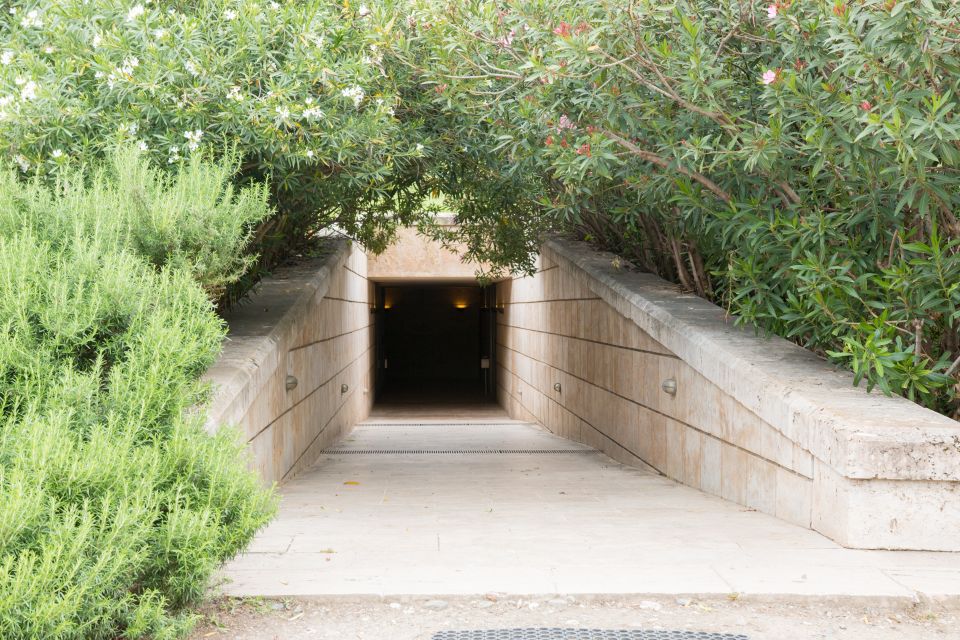
- Enter the royal tomb of Philip II: The burial monument sits beneath the tumulus at Vergina and contains extraordinary fourth-century BC treasures.
- See Aigai before seeing its tombs: The New Museum of Aigai places weapons, pottery, jewelry, sculpture, and architecture in their historical setting.
- Add Veria’s religious story: St. Paul preached in this Macedonian town during his second missionary journey.
- Choose how to use the final hour: You can have lunch in Vergina Village or make an optional visit to the Royal Palace of Aigai.
- Keep the extra cost in mind: The tour price is $68 per person, with a €15 entrance fee and lunch paid separately.
Why this half-day trip matters
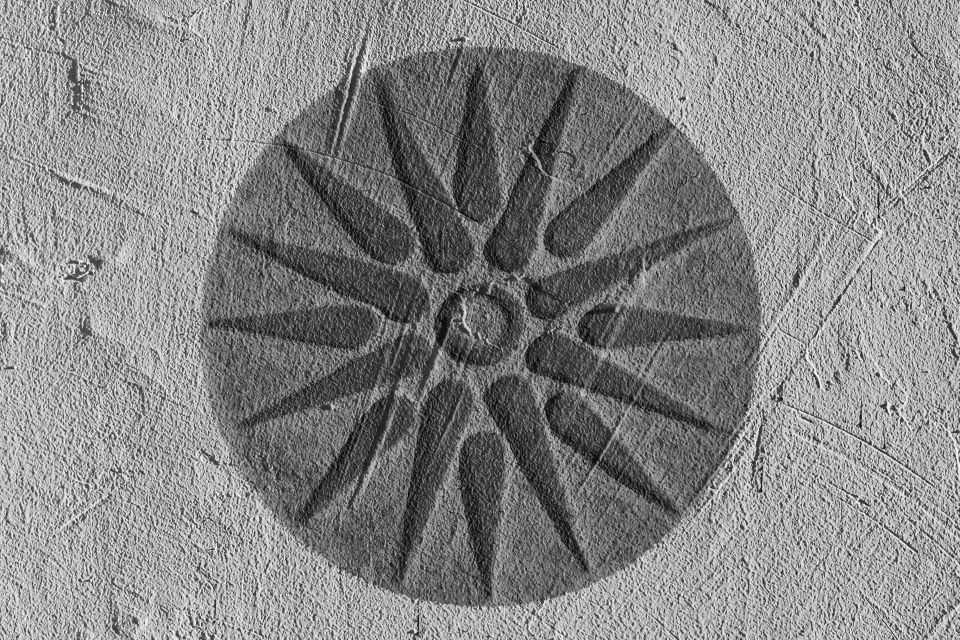
If you are staying in Thessaloniki, it is easy to focus only on the city’s Roman, Byzantine, and Ottoman remains. This excursion takes you into the wider Macedonian story, to places tied to the dynasty that produced Philip II and Alexander the Great.
The connection between Aristotle and Alexander is part of the appeal. Aristotle taught the young Alexander, while Aigai was the first capital of the ancient Kingdom of Macedon. You are not just looking at old stones here. You are seeing the royal setting behind one of the best-known political and military partnerships of the ancient world.
The day also has a useful contrast. Veria is associated with Christian preaching and pilgrimage, while Vergina centers on royal power, burial customs, art, and archaeology. That change in subject helps keep a compact excursion from feeling like one long museum visit.
The tour is priced at $68 per person. Add the €15 entrance fee, plus lunch and personal spending, and the final cost is higher than the headline rate. Still, the price covers transport from Thessaloniki, a licensed guide, guided visits, and the convenience of reaching two important places without arranging your own bus or taxi.
For many visitors, the value is strongest in the guide and transport. Vergina is outside Thessaloniki, and the tomb complex benefits from explanation. A guide can connect the objects in the museum with the people and customs behind them, then help you understand why the tombs matter.
A few more Thessaloniki tours and experiences worth a look
Meeting the group in central Thessaloniki
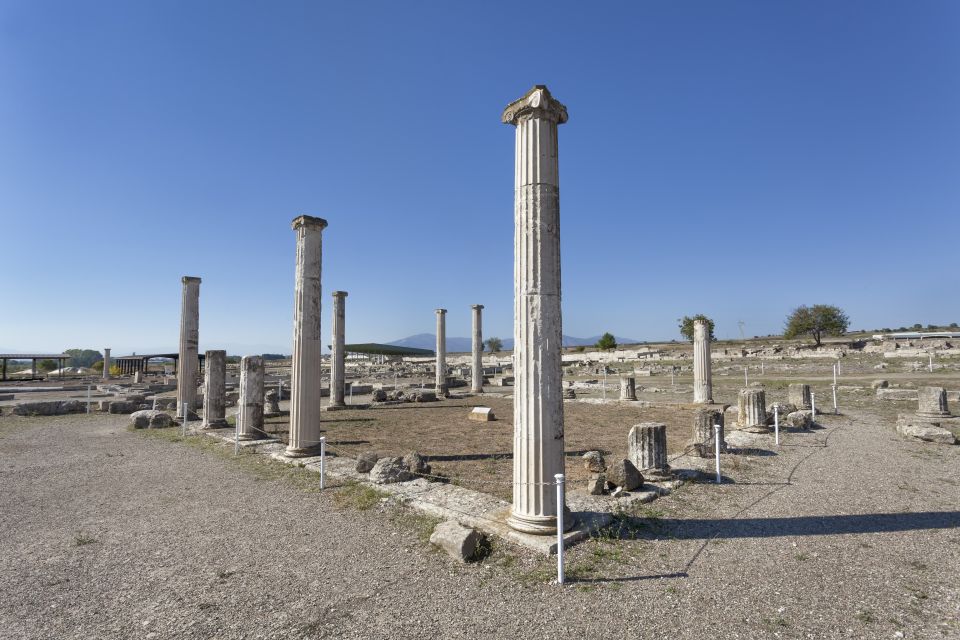
The meeting point is by the statue of Eleftherios Venizelos. Look for a representative holding a list with your name. The tour returns to this same meeting point at the end of the day.
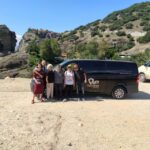
Transportation is provided in an air-conditioned luxury bus. That matters in Central Macedonia, particularly if you are visiting during warm weather. You can sit back between stops instead of working out separate transport to Veria and Vergina.
The trip lasts six hours, and the stated return to Thessaloniki is around 14:30. Check the available start time carefully before booking, since the exact departure time is not fixed in the general description. The schedule is designed as a morning outing with an early afternoon return.
One practical point: the bus and guided format help keep the day on time, but you should not expect unlimited time at each site. The itinerary has several stops, and the last portion includes only about an hour for lunch, free time, or the optional Royal Palace visit.
Veria and the memory of St. Paul
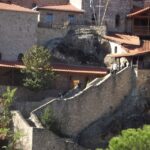
Veria, also written as Veroia, is the first major stop. Its place in Christian history comes from St. Paul, who preached here during his second missionary journey. That gives the visit a clear religious focus and explains why the town is important to pilgrims.
You will not be spending the entire day in Veria. Think of it as a short cultural and religious introduction before the archaeological portion at Vergina. The stop works well if you want more than a single subject on your day out, though visitors most interested in Macedonian archaeology may wish the time were longer.
Your guide provides the context for St. Paul’s connection with the town. The value of this stop lies less in a long list of monuments and more in understanding Veria’s role in the spread of early Christianity in Greece.
This is also where the tour changes mood. After Veria, the focus turns from Christian preaching to Aigai, the former royal center of Macedon. That contrast makes the wider region easier to understand. Macedonia was not defined by one era or one faith. Its story stretches from ancient kings to the Christian world that followed.
The New Museum of Aigai
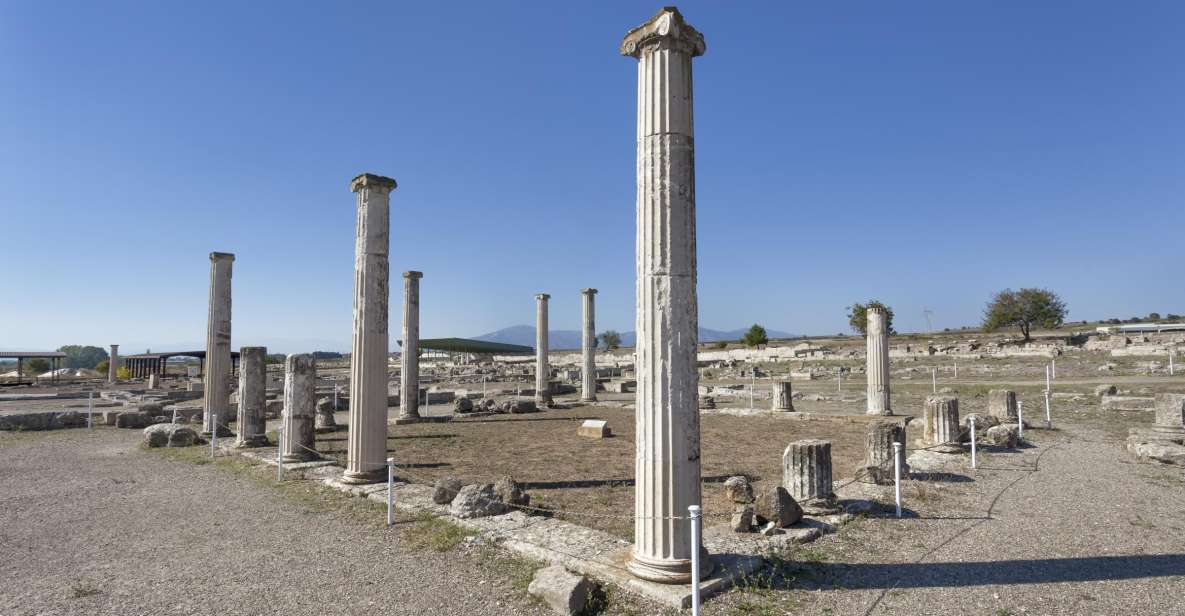
At Vergina, the tour enters the New Museum of Aigai, a recently inaugurated museum described as a gateway to the history of the royal metropolis of Macedon. This is an important first step because it gives you the background needed for the royal tombs.
The displays cover Macedonian culture and daily life, with attention to architecture, sculpture, and grave goods. You can see ancient weapons, pottery, and precious jewelry. These are not random objects pulled from the ground. Together, they show how warfare, craft, ceremony, and social rank shaped the Macedonian world.
I like the order of this visit. You first see objects and learn about the society that made them. Then you go below the tumulus and encounter the burial monuments themselves. Without that museum visit, the tombs could feel dramatic but hard to place. With it, the gold and stonework have a clearer purpose.
The museum is also one of the strongest reasons to take a guided tour. A professional licensed guide can point out links between the displays and the royal burials. Dimitra, one of the guides associated with this experience, is praised for keeping the group together and on schedule while explaining the museum and sites. She has also handled a multilingual group, including three languages, so ask at booking if you need a language other than English.
The English tour is the default language. The guide is live rather than audio-based, which lets you ask questions during the visit. The trade-off is that the pace may follow the group rather than your personal interests. If you want to spend a long time with one vase, weapon, or piece of jewelry, a private visit may suit you better.
Beneath the Vergina tumulus
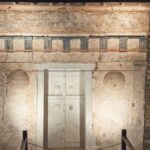
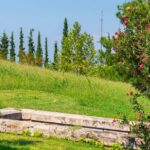
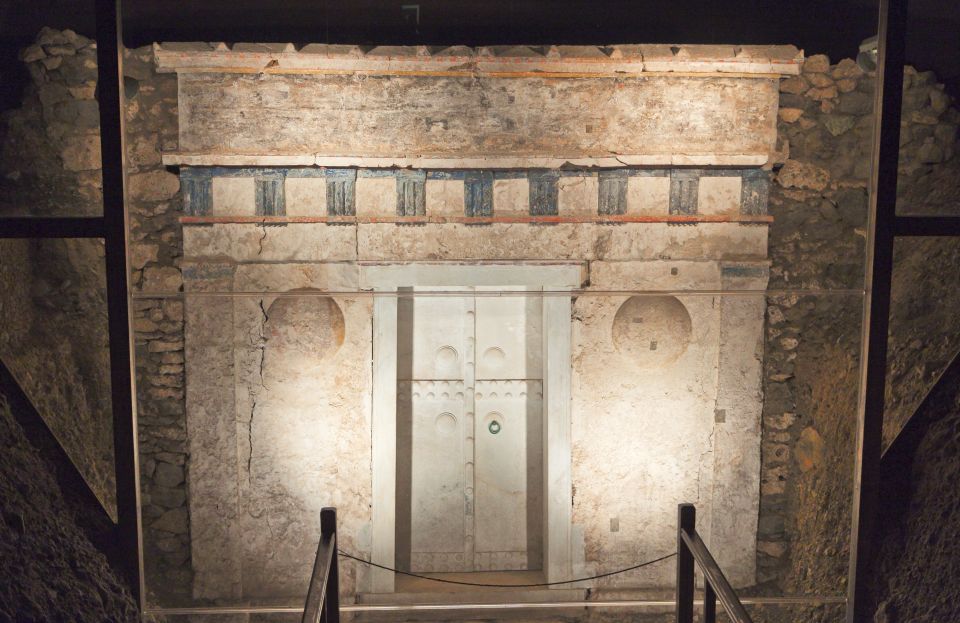
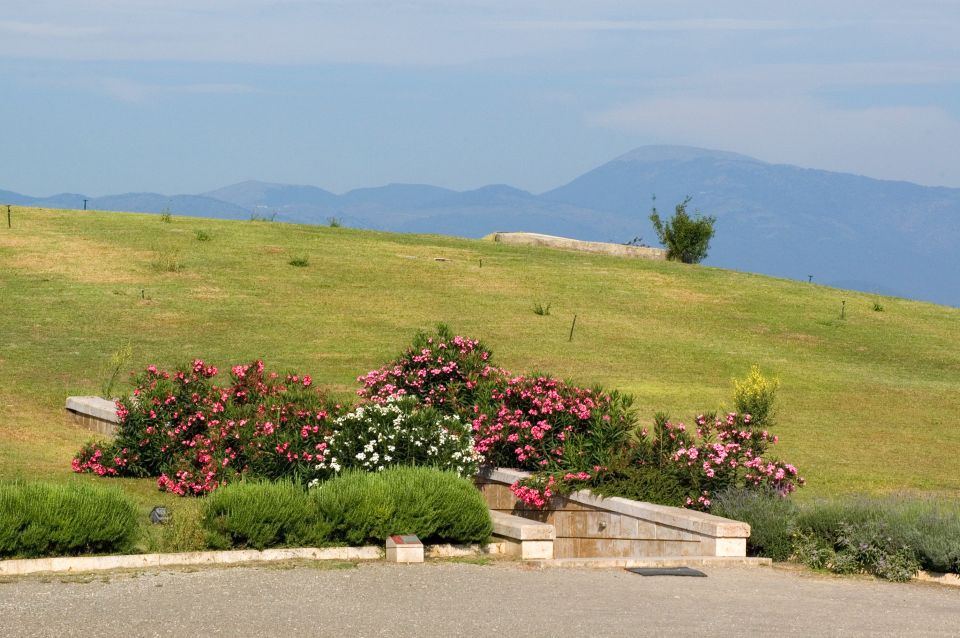
The most memorable part of the day is the visit to the Royal Tombs of Vergina. The tombs are protected by UNESCO, and the complex is built beneath the tumulus that covers the funerary monuments.
Entering the burial area gives you a rare sense of place. You are not viewing a reconstructed tomb in a modern gallery. You go under the mound and see the funerary monuments in the setting designed to protect them. The interior atmosphere is a major part of the experience, so give yourself a moment to take in the scale and quiet before rushing to the display cases.
The royal tomb traditionally identified as that of Philip II is the main draw. Philip was the father of Alexander the Great, and the tomb contains remarkable golden treasures dated to the fourth century BC. The combination of royal identity, age, and craftsmanship makes this more than a standard archaeological stop.
You will also see funerary monuments and grave goods connected to the Macedonian court. Weapons, jewelry, and other objects help show how status was expressed in death as well as life. Your guide’s explanation is especially useful here because the setting can be visually striking but not self-explanatory.
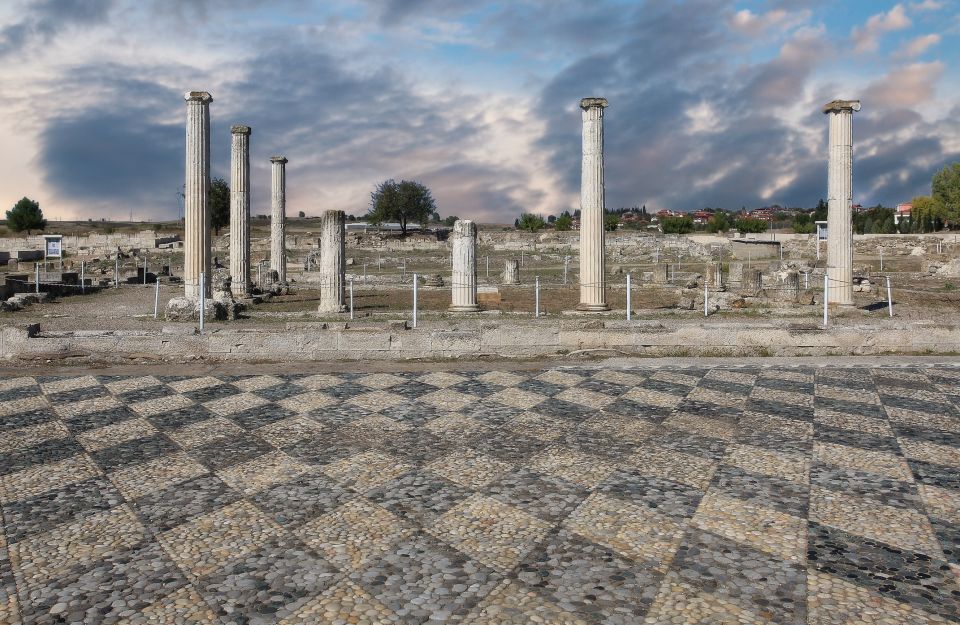
The tomb visit is not a substitute for a full archaeological study of Aigai. It is a concentrated introduction. You get the most famous part of the site, along with the museum context, but the half-day format limits how much time you can spend exploring the broader ancient capital.


The Aristotle and Alexander connection
The tour highlights the relationship between Aristotle and Alexander the Great, a useful link for anyone interested in ancient philosophy, politics, or military history. Aristotle taught Alexander, and Alexander later became one of the most powerful rulers of the ancient world.
The connection helps turn the visit into a human story. Aigai was the first capital of Macedon, and the royal tombs belong to the dynasty that shaped the kingdom before and during Alexander’s rise. When you look at the weapons, luxury goods, and royal monuments, you can better picture the world that formed Alexander.
The tour does not present itself as a dedicated Aristotle study visit, so you should not expect a separate lecture or site devoted only to the philosopher. Instead, the relationship serves as historical context for the Macedonian court and the people buried at Aigai.
Your final hour in Vergina
After the New Museum of Aigai and the Royal Tombs, you get about one hour for lunch and free time in Vergina Village. This is a welcome pause after the guided visits.
Ask your guide for a lunch recommendation. The meal is not included, and personal expenses are your responsibility, so bring enough money for food and any small purchases. Because the stop is limited, avoid planning an elaborate meal that could make you late for the group.
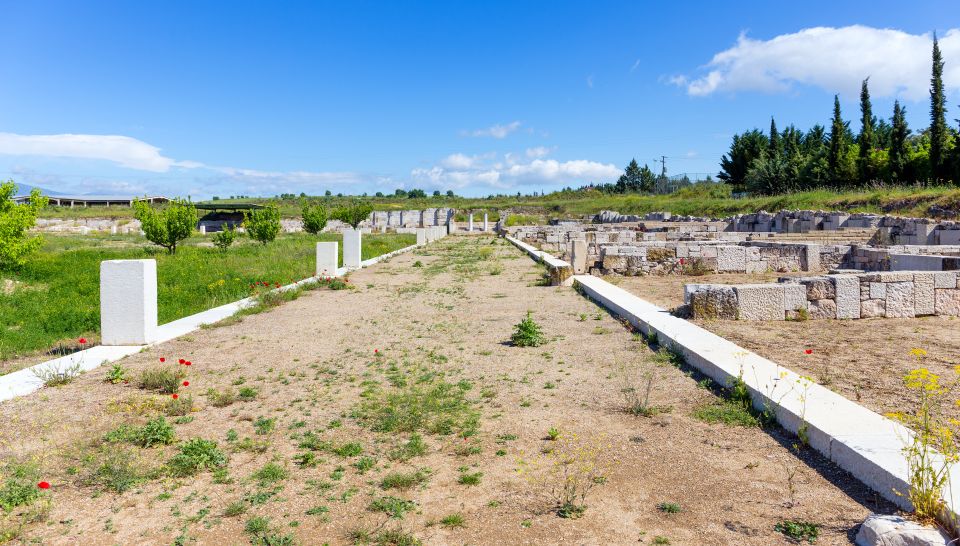
You may also use this time for an optional visit to the Royal Palace of Aigai. The palace offers another look at Macedonian royal life, but the optional wording matters. It may compete with lunch or free time, so decide what matters most to you before arriving.
If the palace is your priority, tell the guide early. If you prefer a relaxed meal after the museum and tombs, keep the final hour simple. The choice makes the ending flexible, but it also means you cannot assume you will have enough time for every possible stop in depth.
Is the $68 price good value?
At $68, the tour is not the cheapest way to leave Thessaloniki, especially after adding the €15 entrance fee and lunch. But the price includes several items that are useful for a one-day visitor:
- Air-conditioned bus transportation
- A professional licensed English-speaking guide
- Guided visits to the New Museum of Aigai and Royal Tombs
- Transportation liability insurance
- Return to the original meeting point
The biggest saving is time. You do not need to arrange separate transport to Veria and Vergina, compare departure schedules, or work out how to connect the two places. You also avoid arriving at the tombs without the historical background that makes the visit meaningful.
The value depends on your priorities. If you want a convenient introduction to Macedonian archaeology, the price is reasonable. If you already know Aigai well and want many hours for independent study, the fixed schedule may feel restrictive.
The €15 entrance fee is separate, so include it in your budget. Lunch is also extra. The tour allows free cancellation up to 24 hours before departure and offers reserve-now, pay-later booking, which can be useful if your Thessaloniki plans are still shifting.
Who will enjoy this tour most?
I would recommend this excursion to you if you want a well-organized introduction to ancient Macedon without renting a car. It is especially suitable for history fans, archaeology students, visitors interested in Alexander the Great, and people drawn to Christian sites connected with St. Paul.
It also works well for a first visit to Northern Greece. The guide gives you a framework for later independent visits, while the bus removes the practical burden of reaching the sites.
You may want another option if you use a wheelchair, since the activity is not suitable for wheelchair users. It may also disappoint you if you prefer a slow pace, long photography stops, or several hours at one archaeological site.
Guide quality matters on a tour like this. Dimitra is specifically associated with clear site explanations, group management, and keeping the schedule on track. A well-run day is important here because the itinerary has little spare time.
Should you book the Veria and Vergina tour?
Book it if you want to see the royal tomb of Philip II, visit one of Greece’s major museums, and add Veria’s St. Paul connection in a single morning-to-afternoon outing. The strongest part is the progression from museum displays to the tombs beneath the tumulus.
Skip it if your main goal is an unhurried archaeological day or if the extra entrance fee and lunch make the total cost too high. You should also confirm the start time and accept that the optional Royal Palace may have to compete with your lunch break.
For most visitors based in Thessaloniki, this is a practical way to reach two important Macedonian sites. Go for the tombs and the historical setting, use the museum to understand what you are seeing, and ask the guide for a sensible lunch plan.
FAQ
How long does the tour last?
The tour lasts six hours. The stated return to Thessaloniki is around 14:30.
Where does the tour start?
It starts by the statue of Eleftherios Venizelos in Thessaloniki. A representative will wait there with a list of participant names.
Where does the tour end?
The activity ends back at the original meeting point.
What language is the guided tour in?
The default live guided tour is in English.
Is transportation included?
Yes. Transportation is provided in an air-conditioned luxury bus.
Are entrance fees included in the price?
No. Entrance fees cost €15 per person and are paid separately.
Is lunch included?
No. Lunch is not included. You receive about one hour for lunch or free time in Vergina Village.
Can I visit the Royal Palace of Aigai?
The Royal Palace is an optional visit during the free-time portion at Vergina. Ask your guide how to fit it into the schedule.
Is the tour suitable for wheelchair users?
No. The activity is listed as not suitable for wheelchair users.