REVIEW · CRETE
Private History, Sights, and Food Walking Tour of Chania City
Book on Viator →Operated by Proper Cretan Guide · Bookable on Viator
Chania’s past is layered right onto its streets. In three to four hours, this private walk moves from the old market to Venetian walls, Ottoman houses, church traditions, World War II photographs, and a pastry shop that has served bougatsa for more than a century. It is a good way to see Chania as more than a pretty harbor.
I like the private format, since your group can ask questions and request small changes along the way. I also like the mix of history and food: Apostolis, a licensed historian guide, connects archaeology and daily life before ending with olive oil, honey, dairy, wine, rusks, and Chania’s famous cheese-filled pastry.
The main drawback is the price, $156.28 per person, which is a serious sum for a walking tour of a few hours. It makes the most sense for couples, families, or small groups who value a personal guide and can share the cost, rather than for anyone seeking a quick, low-cost orientation.
In This Review
- Key points to know before you book
- Why this Chania walk feels different
- Starting at the Municipal Market at 9:00 a.m.
- Venetian lanes, Ottoman homes, and wartime photographs
- The harbor viewpoint and Chania’s earliest settlement
- Trimartiri church and Orthodox Cretan life
- Tasting Cretan staples in the old town
- Bougatsa Iordanis and the final bite
- What the private format is worth at $156.28
- Who will enjoy it most
- Practical details that affect your morning
- Should you book the Chania history, sights, and food walk?
- FAQ
- How long does the Chania walking tour last?
- What time does the tour start?
- Where does the tour meet?
- Where does the tour end?
- Is this a private tour?
- Who guides the tour?
- Is food included?
- Can I cancel for a full refund?
Key points to know before you book
- Apostolis leads a history-first walk: Expect detailed discussion of Venetian, Egyptian, Roman, Ottoman, and World War II Chania.
- The tour is private: Only your group takes part, with possible changes to suit your needs.
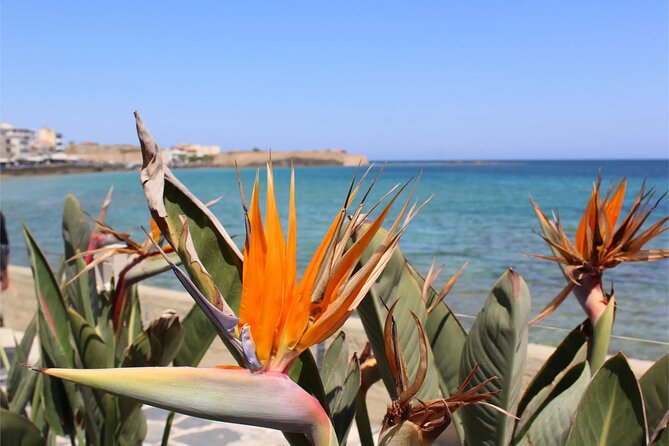
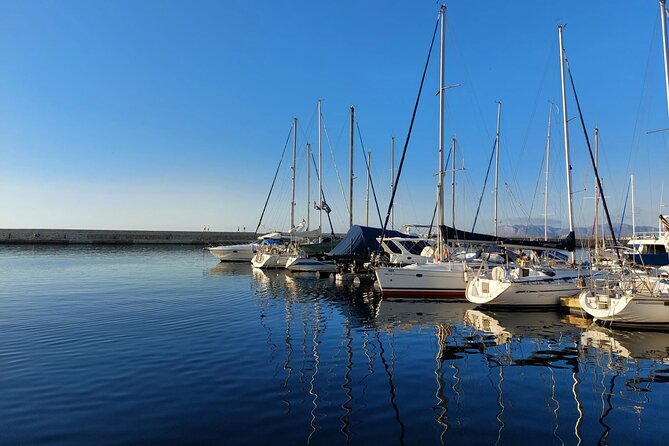
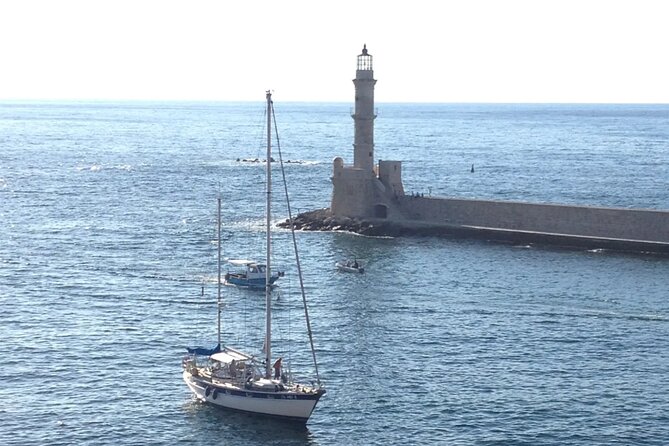
- The old harbor is the visual centerpiece: You’ll see the lighthouse, Aegean views, fortifications, old lanes, and traditional buildings.
- Food is part of the lesson: Olive oil, honey, dairy, wine, and rusks introduce Cretan eating habits.
- Bougatsa finishes the walk: The final tasting features flaky pastry filled with mizythra, a fresh goat’s cheese.
- Plan for a steady walking morning: The meeting point is the old market at 9:00 a.m., and the tour returns there.
Why this Chania walk feels different
Many city walks give you a quick sweep of landmarks and a few dates. This one tries to connect Chania’s buildings with the people and customs that shaped them. You hear about several periods of rule, look at old photographs, visit a major Orthodox church, and then taste foods tied to modern Cretan life.
That combination matters in Chania. The old town is attractive enough to tempt you into taking photographs without asking what you are seeing. A guide can point out how Venetian defenses, Ottoman-era homes, religious traditions, and later events fit together. The historical photographs are especially useful because they let you compare the streets and harbor with earlier versions of the city.
I also like the scale of the experience. This is not a coach tour that leaves you waiting for a large group. It is a walking route through central Chania, with time for questions and possible diversions. The guide is a professional historian and licensed by the Greek Ministry of Tourism, so the focus is meant to go beyond casual sightseeing.
You can also read our reviews of more walking tours in Crete
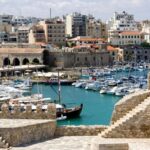
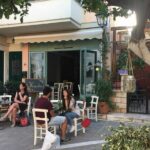
Starting at the Municipal Market at 9:00 a.m.
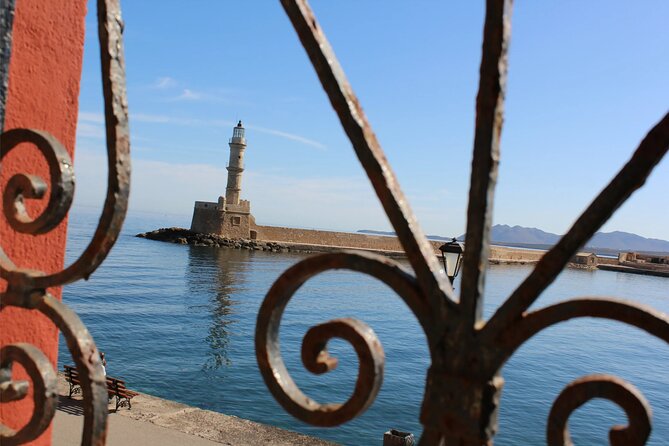
The morning begins at the Old Chania Market, also called the Agora, at 9:00 a.m. The market stop lasts about 15 minutes and is included in the price.
That short visit is not designed as a long shopping session. Instead, Apostolis explains the market’s place in daily Cretan life and its links to the city’s archaeological past. You get an introduction to how food, trade, and different cultures have shaped Chania before setting off into the old town.
The early start has practical advantages. Chania’s streets are easier to explore before the heat of the day, and a morning meeting leaves room for your own lunch or afternoon plans. The tradeoff is simple: if you prefer slow mornings, 9:00 a.m. may feel early, particularly after a late arrival.
The market is also the starting and ending point, which keeps the logistics easy. You do not need to arrange a second pickup point at the end.
Venetian lanes, Ottoman homes, and wartime photographs
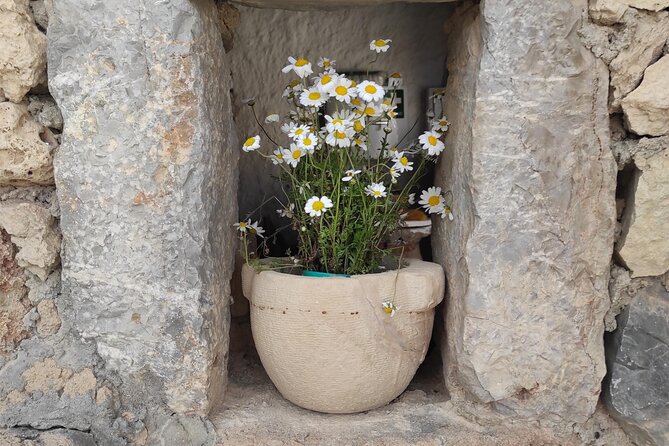
The longest part of the walk takes about an hour around the Old Venetian Harbor and the streets and alleys of Chania. This is where the tour earns its historical focus.
You can expect discussion of Venetian rule, the Egyptian period, Roman influence, Ottoman rule, and World War II. That range is useful because Chania is not a single-period town. Its character comes from layers of occupation and change, often visible within a short walk.
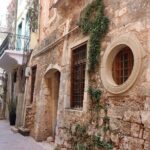
The guide also takes you toward less tourist-focused corners of the old town. That does not mean you avoid the famous harbor. It means you get a chance to see traditional architecture and ordinary local life alongside the postcard views.
The supplied historical photographs add another dimension. Instead of treating the Battle of Crete and World War II as distant textbook subjects, Apostolis uses images to show how Chania looked in earlier decades. One detailed account of the tour gives particular praise to the explanation of the Battle of Crete, so history-minded visitors should find this part especially worthwhile.
Do not expect a museum visit during this section. The history comes through the streets, buildings, photographs, and the guide’s explanations. If you learn best from objects behind glass, this walk may feel less structured than a formal museum tour.
The harbor viewpoint and Chania’s earliest settlement
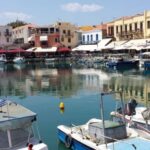
The next harbor stop lasts around 30 minutes and takes you to a higher spot for photographs and a broader view. From here, the lighthouse and the Aegean provide the picture-perfect part of the morning, but the guide keeps the focus on archaeology and settlement.
Apostolis explains the remains of the early settlement that began Chania’s long story. You get a useful link between the place beneath your feet and the city visible today. The view also gives you a chance to pause after walking through narrow lanes.
This is one of the tour’s strongest moments for first-time visitors. The harbor is easy to photograph on your own, but a guide can explain why the fortifications and settlement patterns matter. The stop is long enough for photographs and questions without turning into a long lookout session.
The route is still a walking experience, not a sightseeing bus. Comfortable shoes are a sensible choice, and anyone with limited stamina should remember that the tour includes several old-town stops and changes in elevation. The information provided says most people can participate, but it does not promise a fully step-free route.
Trimartiri church and Orthodox Cretan life
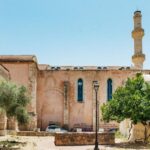
The Holy Metropolitan Church of the Presentation of the Virgin Mary, commonly called Trimartiri, receives about 30 minutes. This is not just a quick exterior photograph.
The guide discusses Christian Orthodox tradition, local customs, ethics, and unwritten social rules. That gives you a closer look at the role of religion in present-day Cretan society. For visitors who want more than architecture, this stop adds cultural context that can be easy to miss when walking alone.
The church also broadens the tour’s historical balance. The harbor section focuses on rulers, defenses, settlement, and war. Trimartiri shifts attention to belief, community, and daily values. You are not simply moving from one old building to another.
As with any church visit, respectful behavior is important. The supplied details do not specify a dress code or whether interior access depends on services, so the guide’s timing and instructions will matter on the day.
You can also read our reviews of more food & drink experiences in Crete

Tasting Cretan staples in the old town
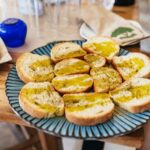
After the major sights, the tour turns to food for about 20 minutes. You visit a traditional Cretan shop and sample products associated with the island: extra virgin olive oil, fresh dairy products, pure honey, wine, and traditional rusks.
This is more than a snack break. The guide explains local food habits and the place of the Mediterranean diet in modern life. You get a practical way to understand Cretan culture through ingredients that appear in ordinary meals, not just restaurant menus.
I like this section because it ties the walking route to something you can continue using after the tour. If you enjoy the olive oil or honey, you will have a better sense of what to look for in markets and food shops during the rest of your stay.
The stop is brief, so do not expect a full meal or an extended cooking lesson. The included food experience is focused on tasting and explanation. Anyone with allergies or dietary limits should ask the provider in advance, since the supplied information does not list substitutions.
Bougatsa Iordanis and the final bite
The tour ends with a 30-minute visit to Bougatsa Iordanis, a Chania shop known locally for more than 100 years. Here you taste the specialty that gives the food portion its most memorable finish.
Chania-style bougatsa uses thin fyllo pastry and a creamy filling made with mizythra, a fresh goat’s cheese. The result is quite different from the sweet custard versions found elsewhere in Greece. The pastry is the final included snack, and the tour ends with a full stomach rather than a rushed goodbye at a landmark.
This stop is particularly useful if you want an easy food recommendation during your stay. You can return to the shop on your own, though the tour details do not state opening hours or whether additional purchases are included.
The food ending also gives the morning a clear rhythm. You begin with trade and daily life at the market, move through the city’s political and religious past, and finish with ingredients and dishes that remain part of Cretan culture.
What the private format is worth at $156.28
At $156.28 per person, this is not a bargain walk. The value depends heavily on the size of your group and how much you want from the guide.
The price includes a professional licensed historian guide, all fees and taxes, the bougatsa tasting, and possible diversions or changes based on your needs. Since only your group participates, you can ask about subjects such as the Battle of Crete, Ottoman architecture, religious traditions, or local food without being limited to a standard script.
For two people, the cost is harder to justify unless personal attention is a priority. For a family or larger private group, the cost may feel more reasonable because the fee buys a tailored experience rather than a seat in a large group. Group discounts are available, though the exact amount is not provided.
The strongest value comes if you are visiting Chania for the first time, care about history, and want a guide who can explain what you are seeing. If you mainly want harbor photographs and one pastry, you can spend far less on your own.
Who will enjoy it most
I would choose this tour for a small group that wants context without committing to a full-day excursion. It suits history fans, families with questions, couples who prefer private guiding, and cruise passengers looking for a shore excursion from Chania or Souda port.
It also works well for people who like food as part of cultural learning. The tasting is not a complete culinary tour, but it gives you a useful introduction to Cretan staples and a specific pastry worth seeking out.
The tour may be less suitable if you dislike walking, want a relaxed late start, or prefer a food tour with many restaurant stops. The food component is short, and most of the morning is devoted to Chania’s past, buildings, views, and religious traditions.
Apostolis is the guide name associated with this experience. His explanations of Chania and Crete’s past, especially World War II, are a central reason to book. He has also accommodated a member of a group who needed extra consideration, which suggests that asking about your group’s needs before arrival is sensible.
Practical details that affect your morning
The meeting point is the Old Chania Market, Chania 731 32, Greece. The start time is 9:00 a.m., and the activity finishes back at the same meeting point.
Confirmation arrives at booking. Service animals are allowed, public transportation is nearby, and most people can take part. The experience is private, so only your own group will join.
Free cancellation is available if you cancel at least 24 hours before the local start time. Cancellations or changes made inside that window are not refunded or accepted. Gratuities are optional and are not included.
Because the route combines streets, alleys, viewpoints, churches, and food shops, wear shoes you can walk in for several hours. The details do not specify hotel pickup, luggage storage, a full meal, or a special-access route, so do not assume those services are part of the booking.
Should you book the Chania history, sights, and food walk?
Book it if you want Chania explained by a licensed historian rather than simply photographed. The strongest reasons are the private setting, the old photographs, the attention to the Battle of Crete and other periods, and the food finish at Bougatsa Iordanis.
Think twice if $156.28 per person feels high for a half-day walk or if you want a meal-sized food tour. This experience is best understood as a history and culture tour with tastings, not a bargain introduction or a restaurant crawl.
For a small group that shares the cost, values flexibility, and wants to connect the Venetian harbor with the living city around it, it is a solid choice. You leave with views, local flavors, and a clearer idea of why Chania looks the way it does.
FAQ
How long does the Chania walking tour last?
The tour lasts approximately three to four hours.
What time does the tour start?
The experience starts at 9:00 a.m.
Where does the tour meet?
It begins at the Old Chania Market, also known as the Agora, at Chania 731 32, Greece.
Where does the tour end?
The activity ends back at the meeting point.
Is this a private tour?
Yes. Only your group participates in the activity.
Who guides the tour?
A professional historian and licensed tourist guide leads the tour. The guide associated with the experience is Apostolis, who is licensed by the Greek Ministry of Tourism.
Is food included?
Yes. The tour includes traditional Cretan food tasting, including bougatsa at Bougatsa Iordanis. The tasting section also covers olive oil, dairy products, honey, wine, and rusks.
Can I cancel for a full refund?
Yes, if you cancel at least 24 hours before the experience start time. Cancellations or changes made less than 24 hours before the start are not refunded or accepted.