REVIEW · HERAKLION
Private tour: Archeological Museum of Heraklion
Book on GetYourGuide →Operated by CretanTours · Bookable on GetYourGuide
The best thing about this private tour is the chance to make sense of Minoan civilization with a licensed guide-archeologist beside you. Instead of walking past pottery, statues, fresco fragments, and mysterious symbols on your own, you can ask why they matter and how they fit together.
I like the private group format, which keeps the visit focused on your interests. I also like the tour’s wider scope: after the museum’s key pieces, you can hear about Crete’s general history and see the remains of Saint Francis Monastery from the museum gardens. The main drawback is price. At $107 per person, plus the €12 museum admission, this makes the most sense for people who value close guidance and questions over a cheaper self-guided visit.
In This Review
- Key points at a glance
- Why the Minoan collection deserves your time
- Meeting your guide at the museum entrance
- Two private hours with Minoan art
- From pottery and statues to symbols and frescoes
- The wider Crete story and Saint Francis Monastery
- Is $107 per person a fair price?
- Who will get the most from this tour?
- Timing, flexibility, and practical details
- Should you book the Heraklion Museum tour?
- FAQ
- Where does the private museum tour begin?
- Where does the activity end?
- How long does the tour last?
- Is museum admission included in the price?
- What is the reduced admission price?
- Who can enter the museum free?
- Is the tour conducted in English?
- Is the activity wheelchair accessible?
Key points at a glance
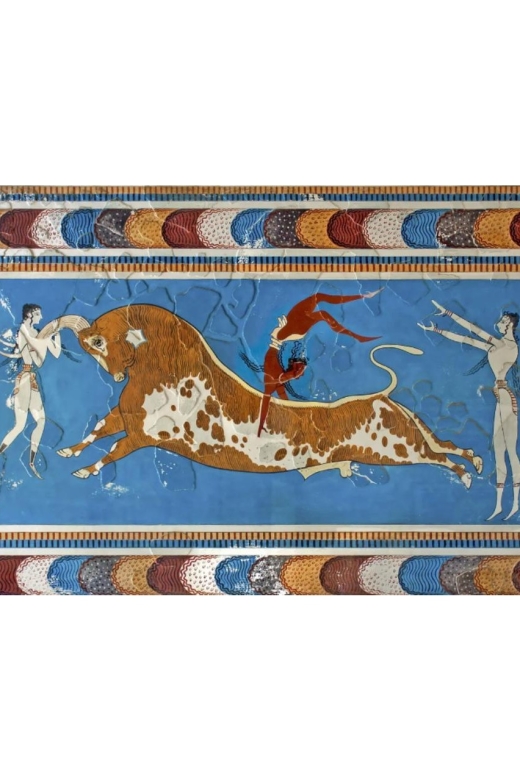
- Minoan masterpieces in one museum: See important pottery, statues, frescoes, and symbols from Crete’s Bronze Age culture.
- A licensed guide-archeologist: Your English-speaking guide explains the objects and answers questions in plain, useful context.
- A genuinely private visit: Your group can set the pace and spend longer on subjects that interest you.
- A two-hour museum focus: The advertised visit gives you enough time for the essential pieces without taking up an entire day.
- More than artifacts: The experience also brings in Crete’s general history and the ruins of Saint Francis Monastery.
- Ticket cost is extra: The guide fee is $107 per person, while standard admission is listed separately at €12.
Why the Minoan collection deserves your time
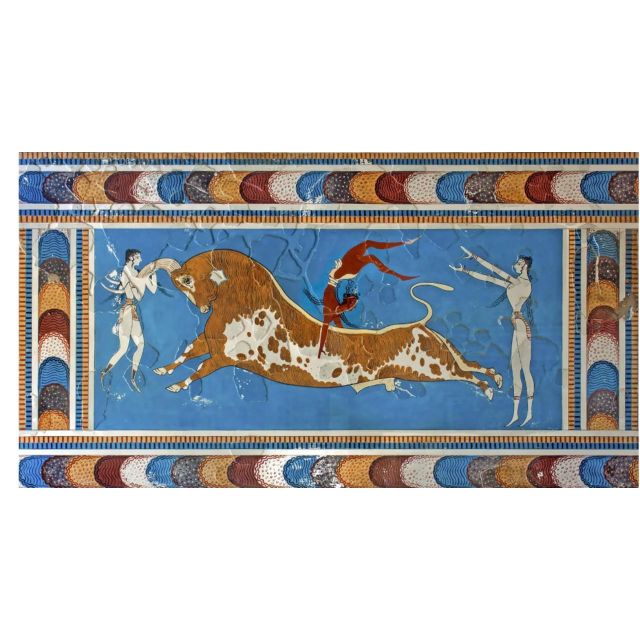
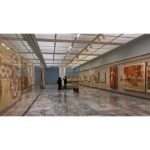
Heraklion Archaeological Museum is the natural place to begin if you want to understand Crete’s Minoan past. The museum holds the world’s most extensive collection of Minoan artifacts, so you are not seeing a random group of ancient objects. You are seeing the material record of a culture that shaped the story of the island.
That can also make the museum a little hard to read on your own. Ancient pottery may look decorative, while a statue may seem small or plain. A guide can explain the purpose, style, symbols, and setting behind each piece, turning a display case into part of a larger story.
You can expect attention on pottery, statues, frescoes, and symbols. These objects show the skill of Minoan makers, but they also raise questions about daily life, belief, trade, art, and power. The tour is designed to help you connect those pieces rather than simply count them.
I would especially recommend this approach if you are curious about archaeology but do not have much background. You do not need to arrive knowing Minoan dates or palace layouts. A good guide can give you enough structure to enjoy the objects without burying you under technical terms.
You can also read our reviews of more private tours in Heraklion



Meeting your guide at the museum entrance
You meet at the entrance of Heraklion Archaeological Museum, near the ticket area. Look for the guide holding a blue envelope. This detail matters because the museum entrance can be a busy place, and having a clear marker makes the meeting less stressful.
Bring your passport or ID card. You may need it for an admission discount or free entry, depending on your age and citizenship. The guide fee includes a licensed tourist guide-archeologist and taxes, but the museum ticket is separate.
The listed standard admission is €12. Reduced admission is €6 for children and young people aged 6 to 25 from non-European Union countries, as well as Greek and European Union citizens over 65, with suitable identification. Children and young people under 25 from the European Union enter free with an ID card or passport. Children aged 5 or under from non-European Union countries also qualify for free entry with identification.
The tour includes skip-the-ticket-line access, but you should still arrive ready to handle the separate admission requirement. The activity ends at the same museum meeting point, so you do not need to arrange a separate pickup or find your way across town afterward.
Two private hours with Minoan art
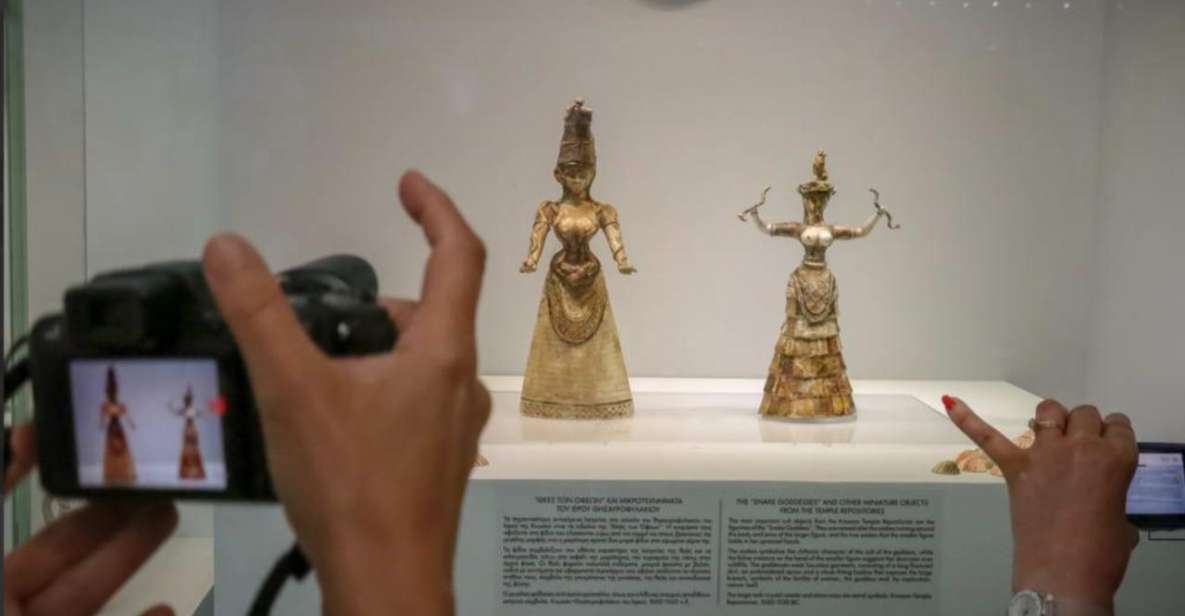
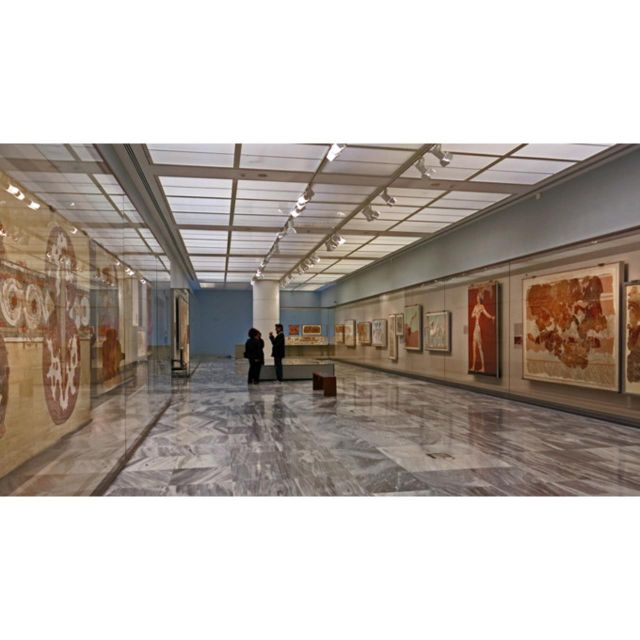
The main portion lasts about two hours. You walk through the museum with your English-speaking guide, stopping for explanations, questions, and photographs where permitted. The exact order can depend on the guide and your interests, but the focus is on the museum’s essential pieces.
This is where the private format earns its keep. In a large group, the guide has to keep moving and aim every explanation at the average listener. In a private group, you can ask about a symbol that catches your eye, spend extra time on a particular type of pottery, or request more context about Minoan culture.
One guide associated with the experience is Mariella, an archeologist who has led particularly detailed visits. If your guide is Mariella, you can expect a strong fit for a group that wants to ask many questions. A four-person group once stretched its visit to almost three hours because of the number of questions, rather than stopping at the planned shorter visit.
That longer visit is not something you should assume will happen automatically. The advertised duration is two hours, and starting times depend on availability. Still, the private setup gives you a better chance of a flexible conversation than a fixed group schedule.
The experience also suits families with older children and teenagers. The objects provide something visual to look at, while the guide can explain difficult ideas in a more lively way. A private guide can also adjust the level of detail, which helps when some people in your group want archaeology and others need a quicker pace.
From pottery and statues to symbols and frescoes
The appeal here is not simply seeing old objects. It is learning how to look at them. Minoan pottery can reveal craft, decoration, and daily use. Statues can raise questions about people, beliefs, and artistic choices. Frescoes bring color and movement into a culture that might otherwise feel distant.
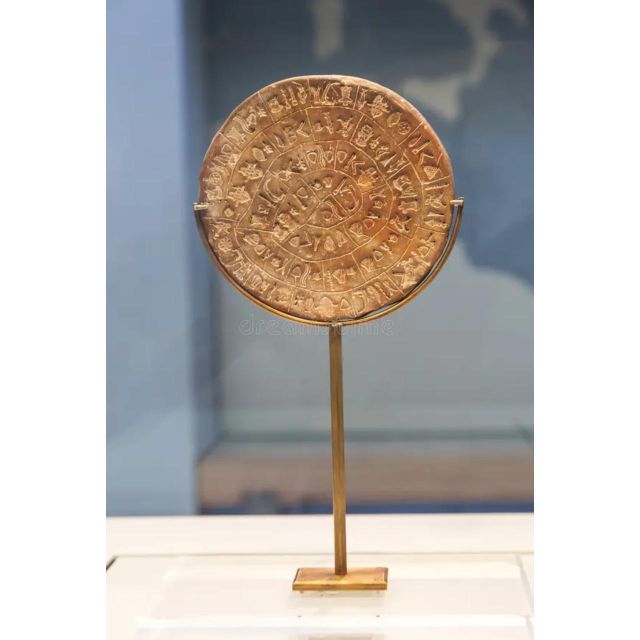
The mysterious symbols are another strong reason to take a guided visit. Written signs and images can be intriguing, but they are easy to misunderstand without context. Your guide can explain what is known, what remains uncertain, and how experts interpret the evidence.
That last point is important. Archaeology does not always provide neat answers. A good guide can separate fact from theory and show you where the evidence is firm and where questions remain open. The result is more satisfying than a string of dramatic claims about a lost world.
You should also expect the guide to connect objects to the wider Minoan civilization. The museum visit is not only about individual display cases. It is about how art, symbols, and craftsmanship reveal a culture’s priorities and its place in Crete’s long story.
The wider Crete story and Saint Francis Monastery
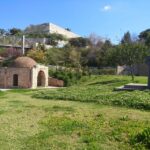
The itinerary includes more than the museum’s main galleries. Your guide can discuss the general history of Crete and point out the ruins of Saint Francis Monastery, still visible from the museum gardens.
This short outdoor element adds useful context. The museum presents ancient Crete through objects, while the monastery ruins remind you that Heraklion has continued to change long after the Minoan period. You get a glimpse of the city’s later layers without needing a separate walking tour.
It is best to view this as a brief addition rather than a full tour of Heraklion. The main experience remains inside the Archaeological Museum. The stop in the city is a chance to broaden the conversation and take photographs, not a replacement for a dedicated city walk.
The route returns to the Archaeological Museum. Since no transportation is included or needed, this works well if you are already visiting central Heraklion or planning to continue sightseeing nearby.
You can also read our reviews of more museum experiences in Heraklion



Is $107 per person a fair price?
At $107 per person, this is a premium museum visit. Add the €12 standard entrance ticket, and the total cost becomes noticeably higher than entering alone with a guidebook or audio material.
The value depends on how you like to travel. If you want a quick look at the main rooms, the price may feel high. You could see the displays independently and spend far less. The two-hour duration also means you are paying for focused interpretation, not a full-day Crete program.
I think the cost is easier to justify for a small group with serious interest in Minoan culture. A private guide can answer your specific questions, avoid explanations you do not need, and adjust the pace. For four people, the private arrangement may also feel more reasonable than it would for one solo visitor.
The price includes the guide and taxes, but not museum admission. Check your eligibility for reduced or free entry before booking, and carry the required identification. That can make a meaningful difference to the final cost for families and older European Union citizens.
The strongest value comes from the quality of the conversation. The experience is not designed to be the cheapest way into the museum. It is designed to make the museum easier to understand and more rewarding for a group that wants personal attention.
Who will get the most from this tour?
I would choose this tour for a couple, family, or small group that wants a clear introduction to Minoan civilization without spending a full day in a classroom. It is also a good fit if you enjoy asking questions and want a guide who can adjust explanations as you go.
Teenagers may respond well because the museum’s objects, symbols, and frescoes give the discussion something concrete. The private setting also makes it easier for a guide to keep younger visitors involved instead of giving one long speech to a large crowd.
The tour works particularly well for people who already know a little about Minoan culture. You can use the guide’s time to ask about details that would be difficult to resolve alone. The very enthusiastic four-person visit, which ran almost three hours because of questions, shows how well the format can serve an engaged group.
You should think twice if you prefer to wander alone, read every label at your own speed, or keep costs low. You may also find two hours too short if you want to inspect every room in detail. The private visit concentrates on essential pieces rather than promising a complete look at every object.
The museum is listed as wheelchair accessible. The experience is conducted in English, so make sure that suits everyone in your group before booking.
Timing, flexibility, and practical details
The advertised duration is two hours, with starting times available according to the date you select. Plan your day around a fixed museum appointment, since the guide will be waiting at the entrance at the agreed time.
You can reserve now and pay later, which helps if you are still arranging your Crete schedule. Free cancellation is available up to 24 hours in advance for a full refund. These terms are useful when ferry plans, flights, or other island activities are still moving around.
The tour is private, but the supplied details do not set a maximum group size. If your party is larger than a small family or friend group, confirm the exact arrangement before you book. The more people you bring, the less intimate the conversation may feel, even within a private booking.
Bring your passport or ID card, especially if anyone in your party may qualify for reduced or free admission. You should also remember that the museum ticket is not included in the $107 price.
Should you book the Heraklion Museum tour?
Book it if you want the Minoan collection to make sense, prefer a private guide, and are willing to pay more for questions and personal attention. The guide-archeologist format is the heart of the experience, and the extra discussion about Crete and Saint Francis Monastery gives the visit a useful wider frame.
I would skip it if you are mainly looking for a low-cost museum entry or a broad sightseeing tour of Heraklion. You will spend most of your time at the Archaeological Museum, and admission costs extra.
For an interested small group, especially one with teenagers or plenty of archaeology questions, this is a strong choice. For a short stop in Heraklion, the two-hour plan gives you a focused introduction without taking over the day.
FAQ
Where does the private museum tour begin?
It begins at the entrance of Heraklion Archaeological Museum, near the ticket area. Your guide will be holding a blue envelope.
Where does the activity end?
The tour ends back at the Heraklion Archaeological Museum meeting point.
How long does the tour last?
The advertised duration is two hours. A visit may run longer when a private group has many questions, but you should plan around the stated two-hour schedule.
Is museum admission included in the price?
No. The guide and taxes are included, but the museum entrance ticket is separate. Standard admission is listed as €12.
What is the reduced admission price?
Reduced admission is €6 for children and young people aged 6 to 25 from non-European Union countries, and for Greek and European Union citizens over 65, with an ID card or passport.
Who can enter the museum free?
Children and young people under 25 from the European Union can enter free with an ID card or passport. Children aged 5 or under from non-European Union countries also qualify for free entry with identification.
Is the tour conducted in English?
Yes. The live tour guide language is English.
Is the activity wheelchair accessible?
Yes. The activity is listed as wheelchair accessible.