REVIEW · ATHENS
“A Day in Ancient Olympia:The Cradle of the Olympics Games”
Book on Viator →Operated by Greece Athens Taxi GAT · Bookable on Viator
The best part of this long day is reaching Ancient Olympia, where the Olympic Games began as a festival for Zeus. You can walk the old stadium, see the Temple of Hera where the modern Olympic flame is lit, and picture athletes racing on the same track more than 2,000 years ago.
I like the door-to-door pickup and the private Mercedes-Benz vehicle. I also like the useful extras: Wi-Fi, bottled water, air-conditioning, child seats, and mobile chargers. The main caution is time. Olympia is far from Athens, so this is an ambitious day with plenty of road time, and your driver cannot guide you inside the ruins or museums.
In This Review
- Key points to know before booking
- Why Olympia is worth the long ride
- Leaving Athens for the Corinth Canal
- Walking through the Ancient Olympia sanctuary
- The stadium and the ancient running track
- The Temple of Zeus
- The Temple of Hera and the Olympic flame
- The Philippeion and the palaestra
- Choosing between Olympia’s two museums
- What the private vehicle adds
- Is $327.43 per person a fair price?
- Small details that make the day easier
- Who should book this Olympia day trip?
- Should you book it?
- FAQ
- Where can the tour pick me up?
- How long does the experience last?
- Is admission to Ancient Olympia included?
- Is the driver a licensed guide?
- Are meals included?
- Can I cancel for a full refund?
Key points to know before booking
- The Corinth Canal is a quick scenic stop: You get about 15 minutes to see the narrow waterway linking the Saronic Gulf and Gulf of Corinth.
- Olympia combines sport, religion, and politics: The stadium, Temple of Zeus, Temple of Hera, Philippeion, and palaestra each show a different side of the ancient sanctuary.
- Your English-speaking driver is not a site guide: A licensed guide may be available for an extra fee, but you should confirm this before departure.
- The private car saves effort, not necessarily time: You avoid buses and transfers, but the Athens to Olympia round trip still makes for an 8 to 10 hour day.
- Museum time needs planning: The schedule lists both the Archaeological Museum and the Museum of the Olympic Games, yet the highlights describe visiting one or the other, so clarify the plan.
- The price reflects private transport: At $327.43 per person, the value is strongest for a small group that wants flexibility and hotel or cruise-port pickup.
Why Olympia is worth the long ride
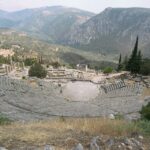
Olympia sits in western Peloponnese, in the valley of the Alpheios River near the Kladeos River and Mount Kronios. Its setting is calmer than Athens, and the trees and open ground help you understand why this was a sanctuary rather than simply a sports arena.
The ancient Games took place every four years in honor of Zeus, from the 8th century BC until the 4th century AD. This was a religious festival as much as an athletic contest. Competitors came to test themselves, but the whole event took place under the protection of the gods and within a major sanctuary.
That mix gives the site its power. You are not just looking at a running track. You are walking through a place where religion, athletics, politics, sculpture, and Greek identity met. The modern Games were restored in 1894, but the older idea of peaceful competition is the reason Olympia still matters.
This day trip works best if you want the major context in one outing and do not want to arrange a rental car. You leave the driving to someone else and can focus on the countryside, the site, and the museums. The tradeoff is that Olympia deserves more time than a rushed stop, while the long return to Athens limits how slowly you can explore.
You can also read our reviews of more tours and experiences in Athens.



Leaving Athens for the Corinth Canal
Pickup is available from your Athens hotel, Airbnb, Port Piraeus, metro or bus station, or another agreed location. At the port, the driver meets you outside your cruise ship with a sign showing your name. For a hotel pickup, the driver waits at reception.
The exact pickup time is flexible, which is useful if you are fitting this around a cruise schedule or an early start from Athens. You receive the driver’s full contact details one day before the tour. If you cannot find the vehicle, the emergency number on your voucher is the backup.
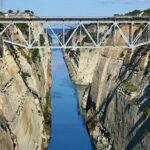
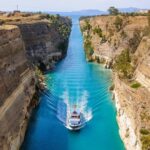
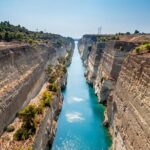
The drive into the Peloponnese takes you through changing scenery and across the Isthmus of Corinth. This narrow strip of land connects central Greece with the Peloponnese. The canal cuts through the isthmus for about 6 kilometers, linking the Saronic Gulf with the Gulf of Corinth.
The canal itself is a modern engineering project, opened between 1880 and 1893, but the location mattered long before that. Ancient defenses were built here, including the Hexamilion wall, because this was the main land route into the Peloponnese. Your stop is short, around 15 minutes, so treat it as a chance to stretch your legs, take in the canal, and get a quick sense of the region’s geography.
Do not expect a full Corinth tour here. The itinerary does not include the Ancient Corinth archaeological site, the Temple of Apollo, or extended time at the canal. If those are high on your list, you would need a different outing or a paid extension.
Walking through the Ancient Olympia sanctuary
The main archaeological visit is scheduled for about one hour, with admission not included. The site ticket is listed at €20 per person, though prices can vary by season. The company can help you buy skip-the-line tickets, but you pay the ticket cost yourself.
One hour gives you a brisk look at the central remains. You will want comfortable shoes and a little water, even though bottled water is supplied in the car. The open site includes several important buildings spread through the ancient sanctuary, so the pace matters.
The stadium and the ancient running track
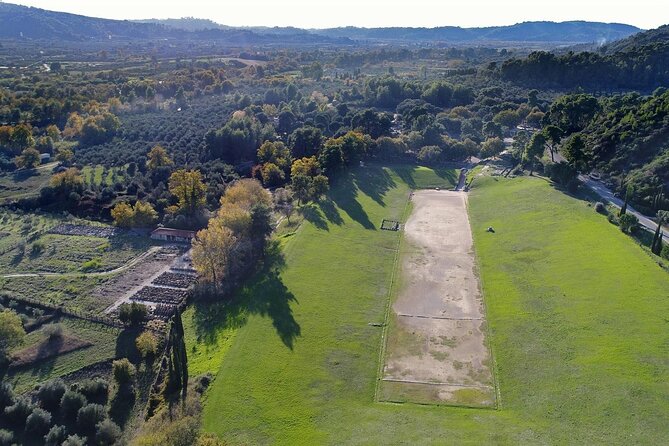
The stadium is the emotional center of the visit. Its track is more than 200 meters long and about 30 to 34 meters wide. Stand at the edge and the scale becomes clearer than it does in a photograph. This was not a small local field. It was a major venue for a Panhellenic festival watched by people from across the Greek world.
The track also helps explain the original meaning of the Games. Ancient competition was about physical excellence, honor, and devotion to Zeus. The stadium is a place where you can picture the athletic side of Olympia without needing a reconstructed building.
The Temple of Zeus
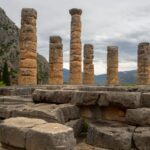
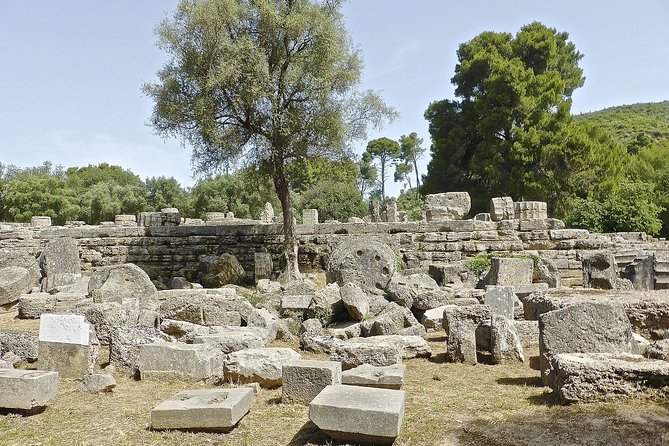
The Temple of Zeus was built in the 5th century BC by a local architect. It was made from limestone and marble and was the largest temple in the Peloponnese. The structure is damaged, but its scale still gives you a sense of the sanctuary’s importance.
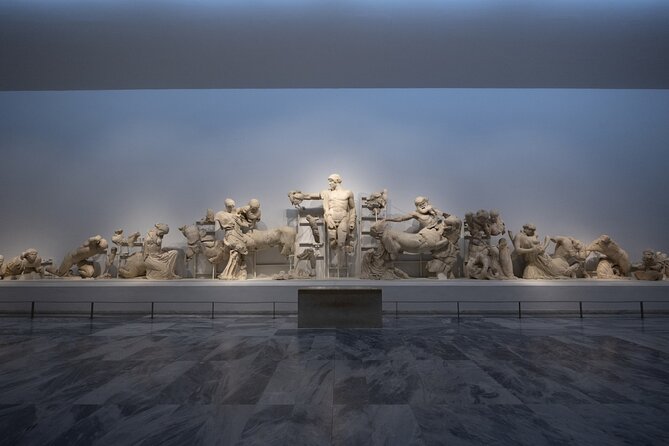
Ancient accounts describe a huge gold statue of Zeus inside the temple. The statue is gone, so the remains require imagination. That is one reason the museum stop matters: it gives you sculpture and archaeological finds that help fill in what the open ruins cannot show.
- All Day Cruise -3 Islands to Agistri,Moni, Aegina with lunch and drinks included
★ 5.0 · 4,958 reviews




The Temple of Hera and the Olympic flame
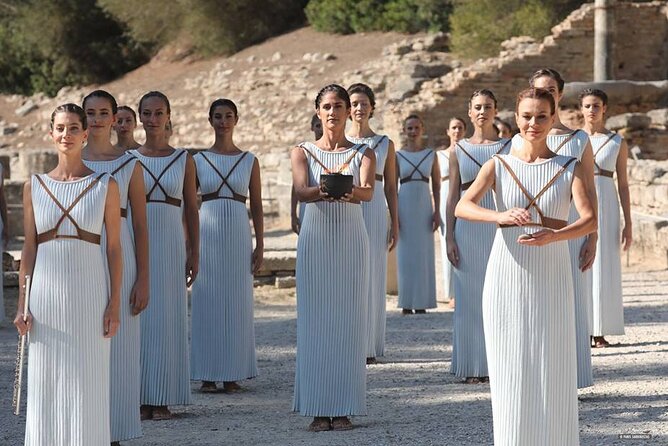
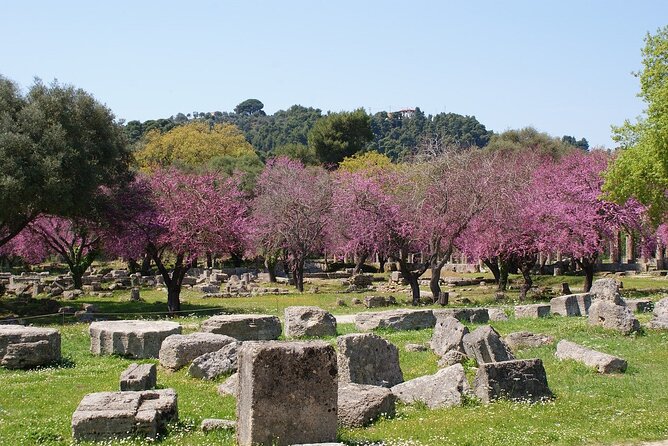
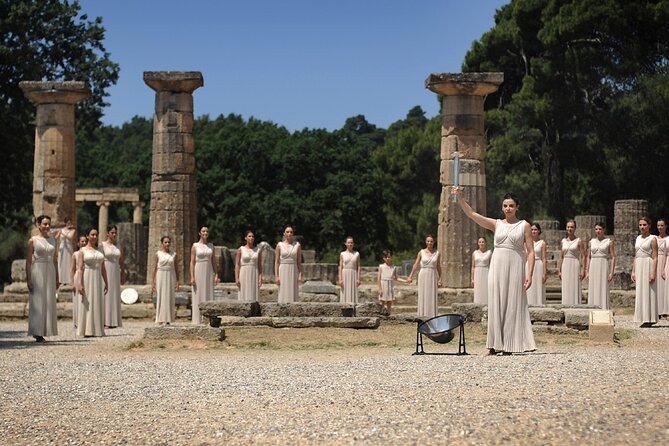
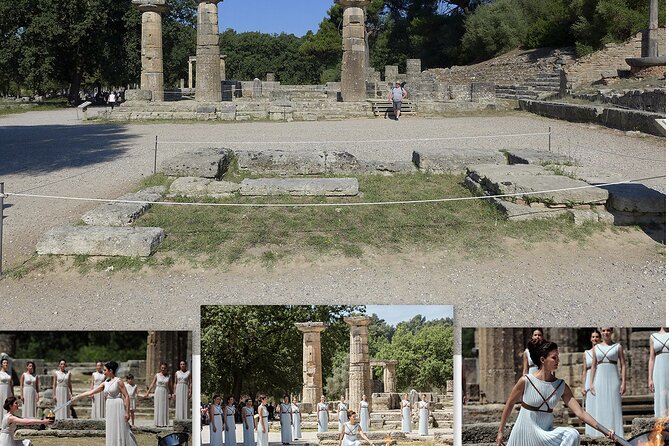
The Temple of Hera is one of the oldest temples in Greece, dating to the 7th century BC and built in the Dorian style. Today, its altar is used for the lighting of the Olympic flame before the modern Games.
This is a small but meaningful connection between ancient Olympia and the present. The ceremony does not make the ancient and modern events identical, but it keeps the site active in the public imagination. If you have seen the flame ceremony on television, this is where its story begins.
The Philippeion and the palaestra
The Philippeion is the only circular building within the Altis, the sanctuary’s sacred central area. Philip II of Macedon dedicated it to Zeus, making it a reminder that Olympia was also tied to powerful political figures.
The palaestra lies west of the Altis near the Kladeos River. Built in the 3rd century BC as part of the gymnasium complex, it was used for boxing, wrestling, and jumping practice. It shows the daily preparation behind the public contests. The stadium was the stage, but athletes needed places to train, exercise, and prepare their bodies.
Because the driver is not licensed to accompany you inside, you will explore these remains independently unless you arrange a licensed guide. That can be a drawback if you want detailed explanations at each building. On the other hand, independent walking lets you set your own pace within the available time.
Choosing between Olympia’s two museums
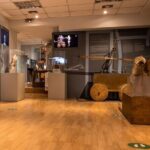
The Archaeological Museum of Olympia is considered one of Greece’s best museums and displays finds from the sanctuary and nearby excavations. It is well labeled and arranged in several rooms, so it is the natural follow-up to the outdoor ruins.
The two major works named for this visit are the Hermes of Praxiteles and the Nike of Paionios. Seeing them after the site helps you understand the artistic quality that once filled the temples and sacred buildings. The museum also gives you a break from the sun and uneven ground.
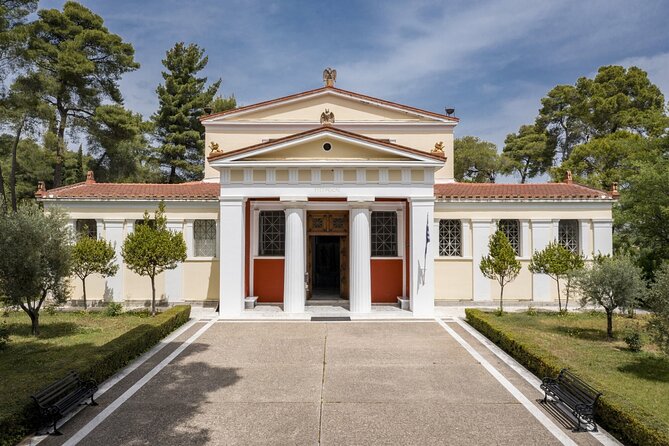
The Museum of the History of the Olympic Games occupies the old archaeological museum in Ancient Olympia. Its displays focus on finds connected with the ancient Games. This is the better choice if your main interest is athletic competition, equipment, ceremonies, and the development of the event.
The schedule describes about one hour for the Archaeological Museum and 45 minutes for the Olympic Games museum. Yet the tour highlights refer to visiting the Archaeological Museum or the Museum of the Olympic Games. Ask the provider before departure if both museums are included, or if you need to choose one. Admission fees are not included, and the supplied details do not state the separate museum prices.
If you have only one hour after the ruins, I would choose based on your interests. Pick the Archaeological Museum for sculpture and sanctuary art. Pick the Olympic Games museum for a more focused look at the contests themselves.
What the private vehicle adds
The vehicle is air-conditioned and equipped with Wi-Fi, water, and chargers. Those details matter on a full day. You can keep your phone working for maps and photos, stay comfortable between stops, and avoid searching for food or drinks at every pause.
Mercedes-Benz vehicles and child seats are listed, making the setup useful for families. The private format also means only your group participates. You are not tied to the pace of a large coach or to pickup stops across many hotels.
The driver speaks English and has knowledge of the area’s history, but the driver is not a licensed guide permitted to accompany you inside sites or museums. This distinction is important. You get transport and general assistance, not a formal guided tour through the sanctuary.
A licensed guide can be requested, depending on availability. If detailed interpretation is central to your plans, arrange this in advance rather than assuming it will be added on the day. A guide would be especially useful at Olympia, where many foundations are easier to understand with explanation.
The company also offers hourly extensions for an added fee. This may help if you want longer museum time, a slower visit, or a different ending point. Additional fees apply if the tour ends somewhere other than the designated meeting point, so confirm the final drop-off before you set your plans.
Is $327.43 per person a fair price?
The listed cost is $327.43 per person. That is a serious price for a day trip, but this is private transportation from Athens or Port Piraeus, not a basic shared bus ride. The value improves when several people share the vehicle and when you place a high value on direct pickup, schedule flexibility, and avoiding a rental car.
The price does not include the €20 archaeological-site admission, museum tickets, lunch, or a licensed guide. Airport pickup and drop-off are also excluded. Build those costs into your budget before booking.
I would not choose this trip only because it is cheap. It is not. I would choose it because you want Olympia and have limited time in Greece, or because your group wants a private ride with a flexible pickup. Group discounts may improve the calculation for larger parties.
The biggest value is convenience. You can leave from your accommodation or cruise port, travel directly, and return without changing buses. The biggest cost is time spent on the road. If you are staying in Athens for several days, a longer Peloponnese stay could give Olympia the attention it deserves, but it would require more planning.
Small details that make the day easier
Wear shoes suitable for walking over archaeological ground. The site includes a stadium, temples, and the palaestra, and the hour allocated for the ruins can pass quickly.
Bring sun protection and keep your phone charged, even though the car has chargers and Wi-Fi. You will likely want photos at the canal, stadium, temples, and museums.
Lunch is not included. The supplied details do not specify a restaurant or meal stop, so ask how lunch fits into the day. An 8 to 10 hour schedule leaves room for a meal, but the exact timing depends on your pickup and return plan.
The tour offers free cancellation up to 24 hours before the start time. Changes made within 24 hours are not accepted, and late cancellations are not refunded. Confirmation arrives at booking, and service animals are allowed.
The experience is marked as suitable for most people and is near public transportation, but that does not remove the need to consider the outdoor archaeological setting. If you have mobility concerns, ask the provider what route and vehicle arrangements are possible before paying.
Who should book this Olympia day trip?
I would recommend it to a small group staying in Athens, a cruise passenger arriving at Port Piraeus, or a family that wants private transport and a flexible departure. It is also a good fit if Olympia is a priority but you do not want to rent a car or organize several public-transport connections.
It suits you if you enjoy combining a major site with a museum and do not mind a long day. The Corinth Canal adds a quick geographic and engineering stop, while Olympia supplies the main historical weight.
I would hesitate if you want a slow, lecture-style archaeological visit. The driver cannot guide you inside, the site time is short, and both museums may not fit comfortably unless the schedule is confirmed. I would also think twice if you are trying to minimize cost or if you have only a short stay in Athens and would rather focus on the city itself.
The one available rating is 5 out of 5 from seven reviews. One customer praised the friendly, professional driver and excellent car, while also noting an electronics problem that the driver handled well without spoiling the trip. That is a useful detail: the service appears prepared to deal with a vehicle problem calmly, but no road trip is entirely free of surprises.
Should you book it?
Book this tour if you want private door-to-door transport to Olympia and understand that the day includes substantial driving. The car comforts, flexible pickup, and freedom from bus schedules make the price easier to justify for a group.
Before booking, confirm three points: the exact pickup time, whether both museums or only one is planned, and the cost and availability of a licensed guide. If those details suit your priorities, this is a practical way to reach one of Greece’s most important ancient sites in a single day.
FAQ
Where can the tour pick me up?
Pickup is available from an Athens hotel, Airbnb, Port Piraeus, metro station, bus station, or another agreed location. Cruise passengers are met outside the ship with a sign showing their name.
How long does the experience last?
The tour lasts approximately 8 to 10 hours. Pickup times can be customized, and hourly extensions are available for an additional fee.
Is admission to Ancient Olympia included?
No. Admission to the archaeological site is listed at €20 per person, though prices can vary by season. The tour can assist with purchasing skip-the-line tickets, but you pay the ticket cost.
Is the driver a licensed guide?
No. The English-speaking driver has historical knowledge but is not licensed to accompany you inside the archaeological site or museums. A licensed guide can be requested, depending on availability.
Are meals included?
No. Lunch is not included in the tour price.
Can I cancel for a full refund?
Yes, if you cancel at least 24 hours before the experience start time. Cancellations or changes made less than 24 hours in advance are not accepted for a refund.