REVIEW · ATHENS
Athens: Cooking Class, Market Visit & Lunch at Local Tavern
Book on GetYourGuide →Operated by Active Athens Holidays · Bookable on GetYourGuide
Greek cooking starts at the market. This Athens class pairs shopping like locals do with hands-on cooking in a real taverna setting. I love that it’s a small group (max 12) and that you get to cook, not just watch. I also like the take-home value: a recipe book you can use after your trip.
The experience builds in a simple flow. You’ll walk about 15 minutes through the old town to Athens Central Market, then come back to cook and eat where locals gather. One consideration: you’ll do active prep, and if you’re bringing kids, they need to be comfortable using utensils (including knives) since participation is part of the deal.
In This Review
- Key moments you’ll care about
- Greek Market to Taverna Cooking Class: the real point of it
- Where to meet: Str. Tziraion 12 by the Acropolis Metro
- Walking to Athens Central Market: a short route through old-town Athens
- Market shopping with your facilitator: buy ingredients like locals
- Cooking in a traditional taverna: your kitchen is where locals eat
- What you’ll cook (and what it tastes like in real life)
- Lunch included: you eat what you made, in a local rhythm
- Recipes you can take home: the souvenir is the skill
- The small-group setup: why max 12 matters
- Price and value: what $105 really covers
- Who should book this Athens cooking class
- Who might want a different Athens plan
- FAQ
- FAQ
- How long is the Athens cooking class experience?
- How big is the group?
- What will I cook during the class?
- Is lunch included, and what does it include?
- Do I get a recipe book to take home?
- What’s the meeting point?
- Is the class taught in English?
- Is the activity wheelchair accessible?
- Should you book this Athens market and cooking class?
Key moments you’ll care about

- Central Market shopping first: you buy ingredients with a host, not from a pre-made list
- A reserved taverna spot: the cooking happens in the heart of Athens’ historical center
- Hands-on Greek classics: tzatziki, dolmadakia, Greek salad, stuffed vegetables, and chocolate salami
- Recipe book included: you leave with a souvenir copy of all recipes from the class
- English support even when the chef doesn’t: guides like Anastasia have translated so nothing gets lost
Greek Market to Taverna Cooking Class: the real point of it
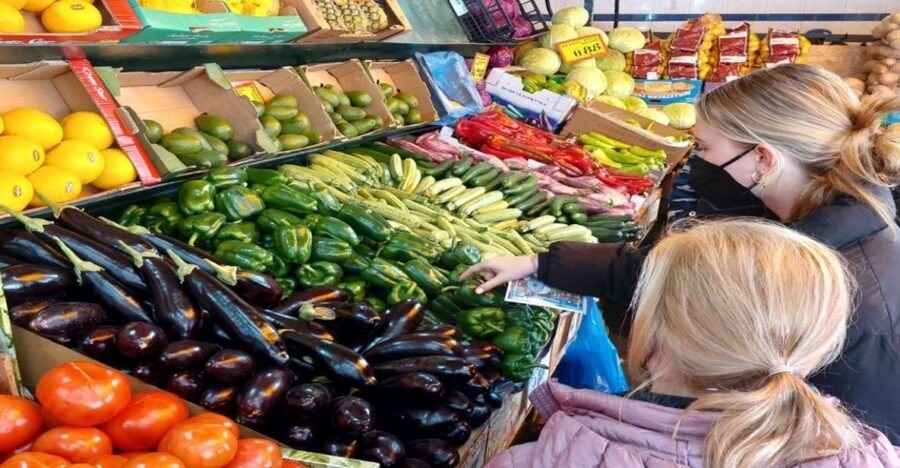
This is the kind of Athens experience that makes Greek food click. You start with ingredients and aromas in the market, then you move into a working taverna kitchen where you actually make the dishes. That connection is the difference between a cooking class and a memorable food day.
I also like that it’s built for real conversation, not museum silence. With a max group size of 12, you get time to ask questions and get help when you’re chopping, mixing, rolling, or stuffing.
And yes, you’ll eat well. Lunch is included, and it’s not just a snack plate. The class also comes with wine—one glass per person—so the meal feels like part of the Athens day, not an add-on.
You can also read our reviews of more shopping tours in Athens


Where to meet: Str. Tziraion 12 by the Acropolis Metro
The meeting point is straightforward: Str. Tziraion 12, right next to the Acropolis Metro Station. You’ll look for Active Athens Holidays at the office.
That location matters because it keeps the start simple. No long bus rides to the countryside, no major transfers. You’re already close to the neighborhoods people associate with classic Athens strolling.
Tip: wear comfortable shoes. You’ll walk about 15 minutes through the old town as part of the market shopping segment.
Walking to Athens Central Market: a short route through old-town Athens
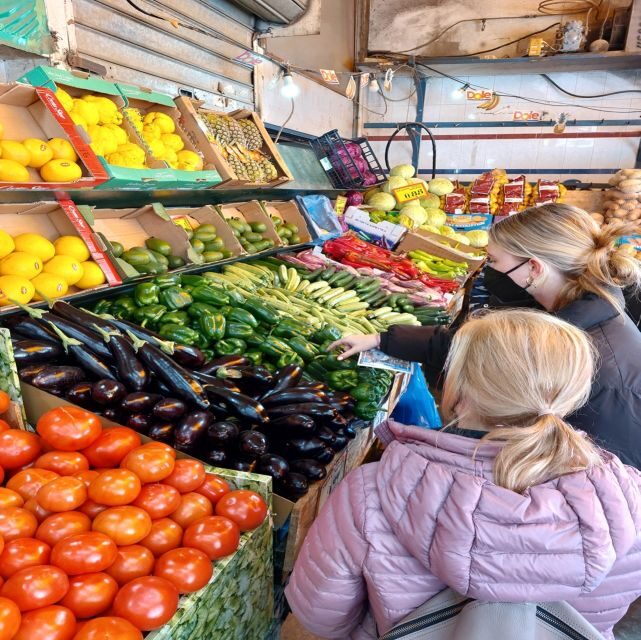
After you meet, you head to the Athens Central Market. Expect a roughly 15-minute walk through the old town with your facilitator.
This is one of those small time blocks that pays off. You’re not stuck in transit, so the day stays efficient. Plus, walking gives you quick context for where your ingredients are coming from—market to kitchen to lunch, all in one storyline.
On some days, the walking route can connect through areas like Plaka and Monastiraki, which helps the market feel like part of Athens life rather than a stop-and-go errand.
Market shopping with your facilitator: buy ingredients like locals
This is where the tour earns its keep. You shop at the Athens Central Market with your host/facilitator, who guides you through the ingredients for the recipes you’ll cook.
The best part is the perspective shift. Instead of thinking, I need to buy supplies for a class, you’re learning how locals choose items. That might be cheese choices, fresh produce, or pantry items needed for Greek staples.
You’ll also get little moments along the way—extra samples can happen as you move through the market. It’s not just shopping; it’s learning what to buy and why it matters for taste.
Small detail, big payoff: your facilitator buys the ingredients for the group. So you’re not left managing ingredient lists while everyone else is cooking.
Cooking in a traditional taverna: your kitchen is where locals eat
After the market, the cooking happens in a traditional taverna in the heart of Athens’ historical center. The space is reserved for the workshop, so you’re not sharing a random restaurant table with tourists who came for dinner.
This matters because the taverna setting helps you understand Greek food culture. It’s casual, busy, and lived-in—more like a working food room than a staged classroom.
You’ll be guided by a professional cook plus an experienced facilitator. The facilitator handles English support and can translate when needed. One example from the experience notes: Anastasia has translated for the chef when the chef didn’t speak English, and the team worked smoothly.
A few more Athens tours and experiences worth a look


What you’ll cook (and what it tastes like in real life)
The dish list is classic and very practical—Greek comfort food you can reproduce at home. You’ll be making:
Tzatziki sauce
Usually a yogurt, cucumber, and garlic dip. This is the kind of recipe where technique and balance matter, not just the ingredients.
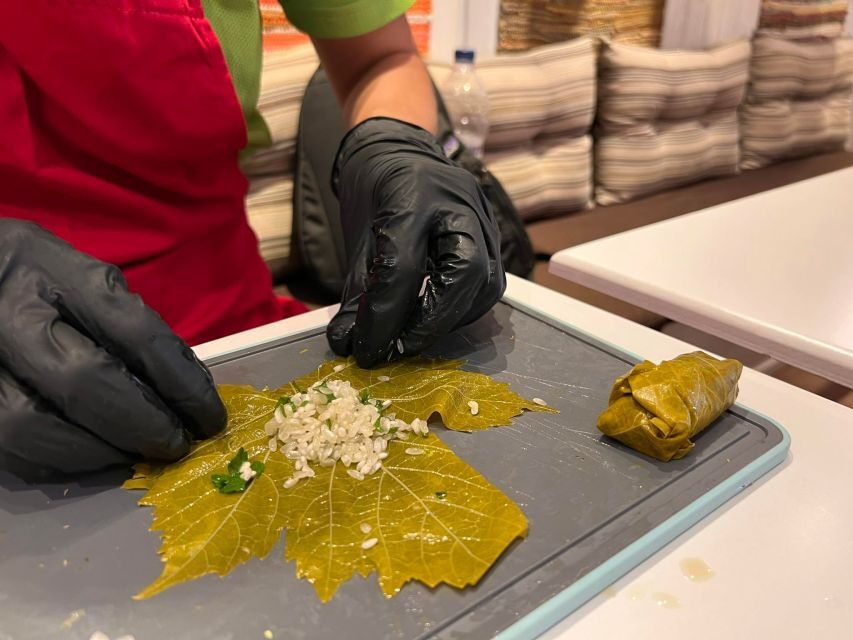
Stuffed vine leaves (dolmadakia)
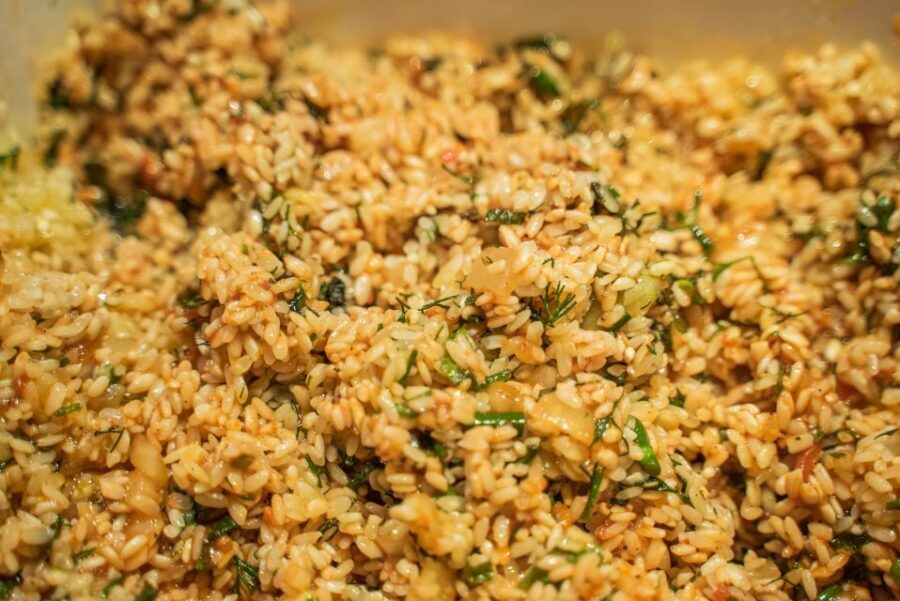
Tiny bundles that taste like a whole meal in one bite. Rolling and stuffing are the skills here, and you’ll get to do the work.
Greek salad
A fresh, straightforward plate that reminds you why Greek cooking leans so hard on good produce.
Stuffed vegetables (peppers and tomatoes)
Another hands-on component. Expect prep, stuffing, and assembly that feels very doable once you’re in the flow.
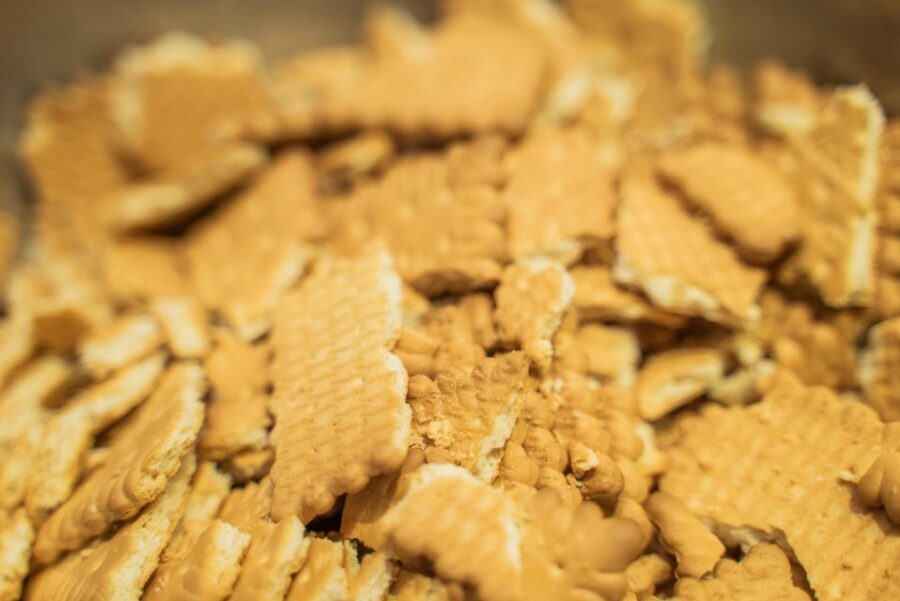
Dessert: chocolate salami
Yes, dessert can be shaped like salami. It’s fun, it looks cool, and it’s a crowd-pleaser at home.
After cooking, the plates you prepared become the lunch. That’s part of the motivation: you’re not cooking one thing for the class and eating something else.
Lunch included: you eat what you made, in a local rhythm
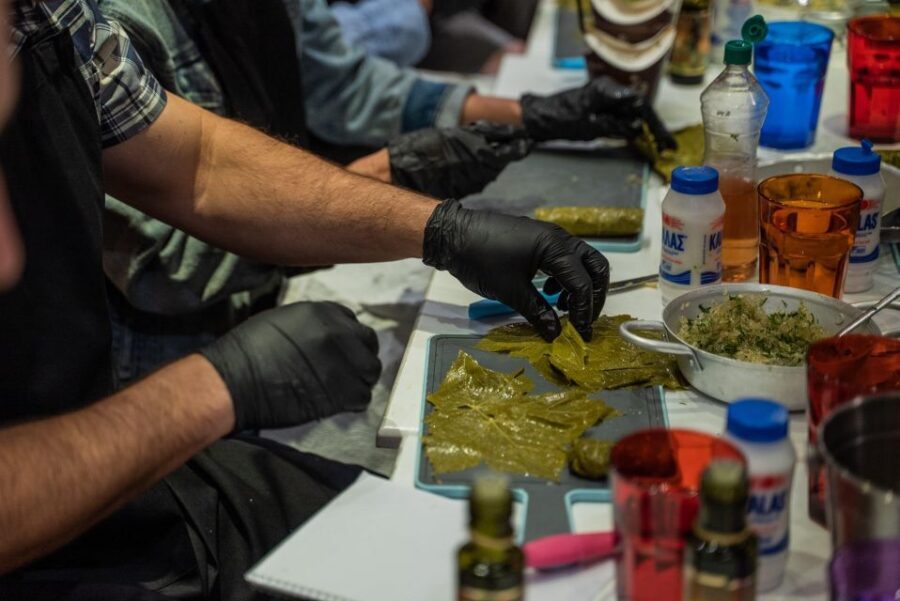
Lunch is built into the experience and served in the taverna. You’ll get a main dish plus two appetizers, a salad, and dessert. You’ll also have a glass of wine per person and mineral water.
This is better value than many paid add-on lunches you’ll find in Athens. Here, lunch is the final step of the skills you practiced in the kitchen.
If you’re picky about food, this setup helps. You’re tasting the dishes you helped make. And if you want to learn what goes with what, you’ll see how Greek meals are structured: starters, salad, mains, then something sweet.
Recipes you can take home: the souvenir is the skill
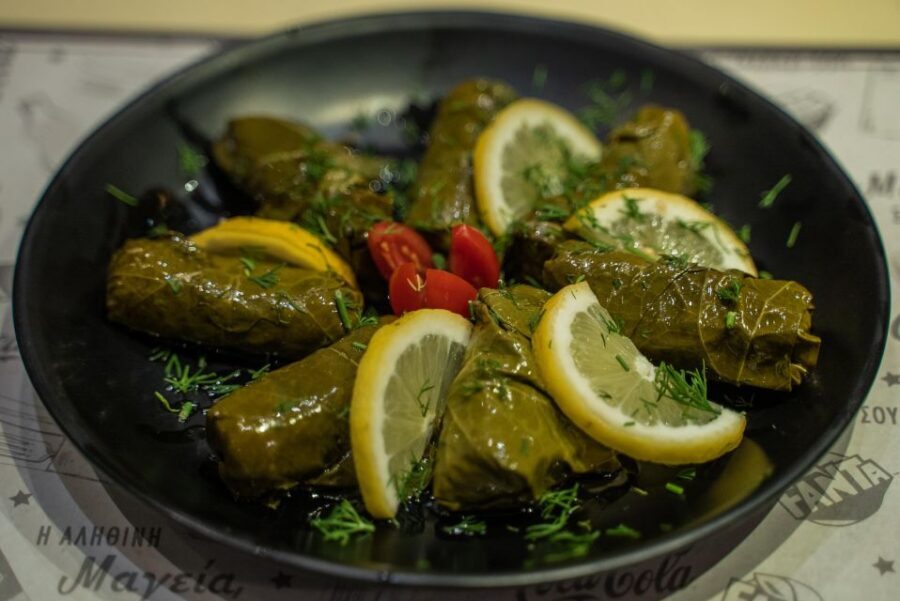
You receive a souvenir copy of all recipes after the class ends. That’s a big deal because Greek food is often about proportions and small technique cues.
You don’t need to guess later. The book is your memory lane when you’re back home buying cucumbers, yogurt, vine leaves, or chocolate ingredients for chocolate salami.
In addition, the class provides aprons and gloves, plus all supplies for the workshop. So you’re not showing up worried about what tools you’ll need.
The small-group setup: why max 12 matters
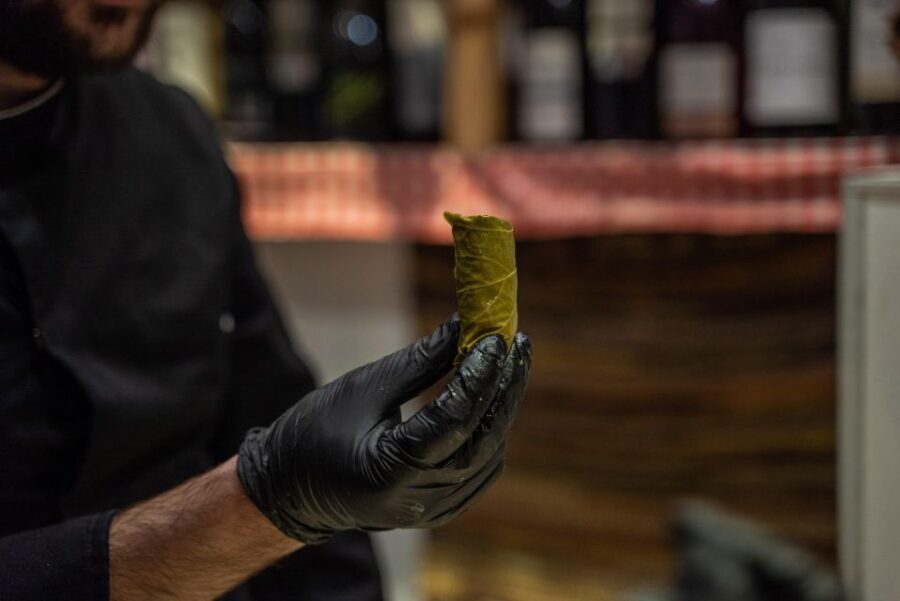
A max group size of 12 keeps the experience personal. In practical terms, it means you’re more likely to get help while you’re cooking—especially if something feels unclear.
It also keeps the vibe social. You’ll be working close to your group, sharing the same kitchen stations, and eating together right after. That’s why people often remember this as a fun Athens activity, not just a task-filled tour.
If you’re traveling with teens or older kids, you’ll likely find it engaging because you’re actually cooking, not watching. That said, the knives comment is real: for kids, plan on them being able to handle utensils safely and actively participate.
Price and value: what $105 really covers
At $105 per person for a 4-hour experience, the price is fair if you look at what’s included. You’re paying for:
- Market shopping support and the ingredients purchased for the class
- A reserved taverna cooking space
- Professional cook guidance and facilitator help in English
- Workshop supplies (aprons, gloves, cookware, and more)
- Lunch with multiple courses
- One glass of wine per person
- A souvenir recipe book
When you add those pieces up, it becomes less like a standalone class and more like a guided food day. You’d likely spend similar money just on lunch plus a market or food guide separately, and you wouldn’t get the cooking skills and recipe handoff.
This one also gets points for efficiency: 4 hours is a reasonable block in Athens, especially if you want your time outside too.
Who should book this Athens cooking class
This class is a good fit if you:
- Want a hands-on Greek food experience in a real taverna setting
- Like learning by doing, including mixing, stuffing, rolling, and plating
- Prefer small groups so questions don’t get swallowed
- Want a recipe book you’ll actually use later
It’s also great for couples or small families, as long as kids can participate with utensils. People also mention it works well when a second language barrier exists, because the facilitator can translate for the chef when needed.
Who might want a different Athens plan
If you hate getting your hands dirty, this may not be your style. This is not a sit-and-watch demonstration. You’re in the cooking flow for multiple dishes.
If your main goal is nightlife, long museum time, or a slow-paced sightseeing day, you may want a lighter plan. The day is food-focused and structured, with market and lunch as the anchors.
Also, if you’re sensitive to being in a lively restaurant environment, keep in mind that a taverna can be energetic while you work and eat.
FAQ
FAQ
How long is the Athens cooking class experience?
It lasts 4 hours.
How big is the group?
It’s a small group with a maximum of 12 participants.
What will I cook during the class?
You’ll prepare tzatziki, dolmadakia (stuffed vine leaves), Greek salad, stuffed vegetables (peppers and tomatoes), and chocolate salami for dessert.
Is lunch included, and what does it include?
Yes. Lunch includes a main dish, two appetizers, salad, dessert, plus a glass of wine per person and mineral water.
Do I get a recipe book to take home?
Yes. You receive a souvenir copy of the recipes after the cooking class ends.
What’s the meeting point?
Meet at Str. Tziraion 12, next to the Acropolis Metro Station. You should look for Active Athens Holidays.
Is the class taught in English?
Yes. The instructor is English, and an English facilitator accompanies you to help you during the experience.
Is the activity wheelchair accessible?
Yes, it’s wheelchair accessible.
Should you book this Athens market and cooking class?
If you want a smart Athens food day—market shopping, hands-on cooking, then eating what you made—this is a strong choice. The combination of Central Market shopping, a reserved taverna setting, included wine-lunch, and a take-home recipe book makes it good value for 4 hours.
I’d book it especially if you like practical learning and want real Greek staples you can recreate. Skip it only if you’re looking for a passive sightseeing experience or you can’t participate in hands-on prep.