REVIEW · ATHENS
Athens: Greek Food Tasting and Market Walking Tour
Book on GetYourGuide →Operated by Αthens Food on Foot · Bookable on GetYourGuide
The best part of this Athens food walk is its range. In four hours, you move from a Greek coffee and koulouri in Psyrri to the meat and fish counters of Varvakios Market, then finish with Greek spirits and meze in a traditional restaurant. It gives you a useful first look at how everyday Greek food is bought, prepared, and shared.
I like the 18-plus tastings, which turn the tour into a proper meal rather than a few token samples. I also like the market stop, since you see raw ingredients before tasting the cooked dishes. The main caution is reliability: one verified booking from September 2025 records that the guide did not arrive, so I would confirm the meeting details shortly before setting out.
- More than 18 tastings: Try coffee, koulouri, pies, cooked dishes, cheeses, olives, cured meats, nuts, fruit, olive oil, and meze.
- Psyrri at an easy pace: Begin in one of central Athens’ popular neighborhoods rather than rushing straight to a restaurant.
- Varvakios Market: See the city’s main central food market, with meat, fish, and poultry counters.
- A real Greek meal: Sample stuffed vegetables, sardines, and moussaka at an eatery inside the market.
- Mastic and meze: Visit a small mastic shop, then settle in at a traditional restaurant for a Greek spirit and appetizers.
- Flexible booking: The tour lasts four hours, is wheelchair accessible, and allows cancellation up to 24 hours before departure for a full refund.
In This Review
- Start with Coffee and Koulouri in Psyrri
- Greek Pies and Specialty Shops
- Inside Varvakios Market
- Cooked Food at the Market Eatery
- Cheese, Olives, Oil, and Greek Pantry Foods
- Mastic Products and a Traditional Restaurant
- What Four Hours and $93 Really Buy You
- Guides, Languages, and Group Comfort
- The Best Fit for This Athens Food Walk
- Should You Book It?
- FAQ
- How long does the Athens food tasting tour last?
- How many Greek foods will I taste?
- What languages are available?
- Is hotel pickup included?
- Can the meeting point change?
- Is the tour wheelchair accessible?
- Can I cancel for a full refund?
Start with Coffee and Koulouri in Psyrri
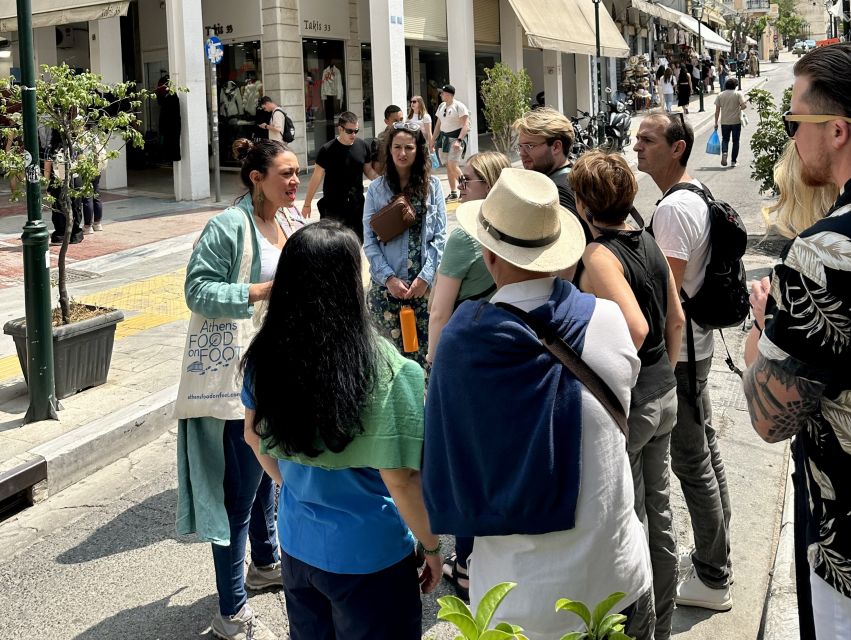
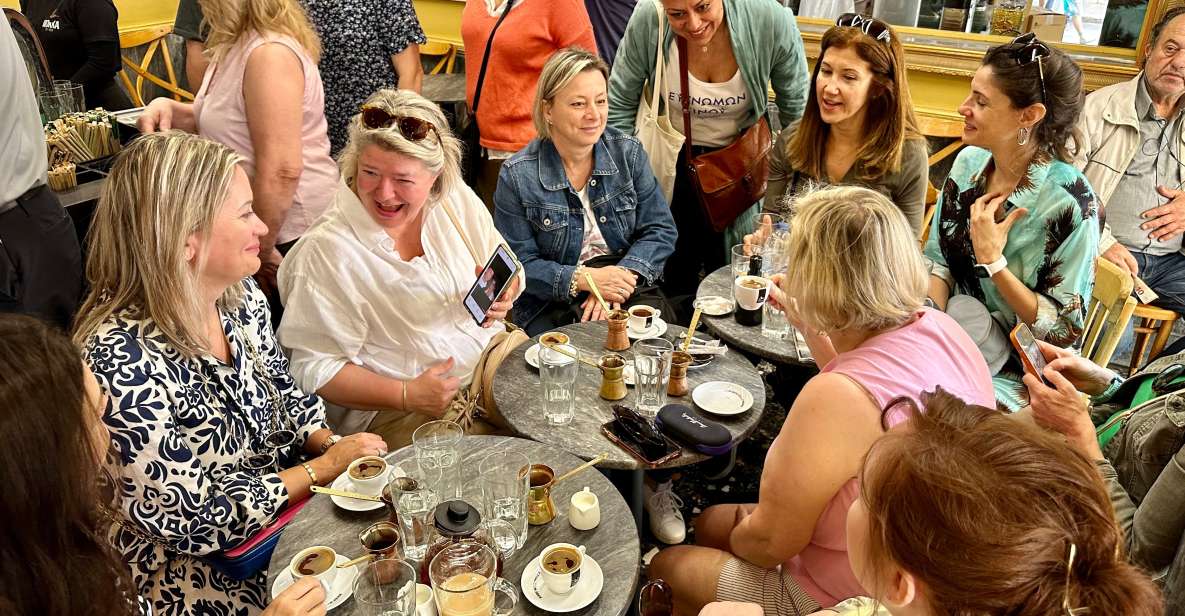
This tour opens with a gentle walk through Psyrri, one of the central areas included in the route. The first tasting is simple but telling: Greek coffee with koulouri, the ring-shaped bread snack found across Greece.
That opening works well because it sets the tone. You are not beginning with an elaborate restaurant plate. You are starting with the sort of coffee and snack that help make up the daily food rhythm of Athens.
Greek coffee is served in a small cup, and koulouri gives you something plain and satisfying to eat alongside it. The tour uses this first stop to introduce traditional food and local habits before moving into specialty shops.
I like the slower start. Four hours is enough time for the food to settle between stops, and a leisurely walk makes the experience easier than a rapid sequence of tastings. Still, you should arrive ready to eat lightly beforehand. Eighteen or more samples can add up quickly.
Psyrri is also a useful setting for a food walk because the route begins in a neighborhood rather than at an isolated attraction. You get a sense of central Athens as you move between shops, streets, and eating places.
Greek Pies and Specialty Shops
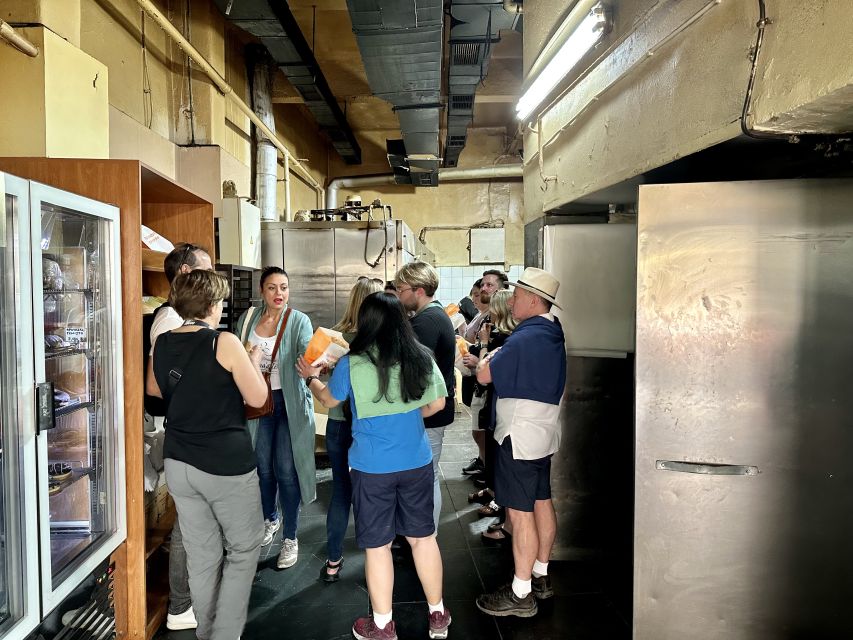
After coffee and koulouri, the food changes from snack to pastry. You visit Greek delis and specialty pie shops, where the guide introduces local products and traditional edibles.
The clear star here is spanakopita. This savory pie uses flaky phyllo pastry filled with spinach and feta cheese. It is one of the most familiar Greek dishes outside the country, but tasting it fresh from a pie shop gives you a better idea of why it remains so popular.
The phyllo is light and crisp, while the spinach and feta give the filling a salty, soft center. You can also expect the guide to explain the foods as you go, rather than simply handing you samples without context. The value lies partly in learning what you are eating and how it fits into Greek cooking.
The deli stops broaden the picture. Greek cuisine is not only grilled meat and salads. It also includes baked pies, preserved foods, cheeses, cured meats, olives, dried fruit, and mixtures of nuts. This part of the route should appeal to you if you like comparing small producers and everyday pantry foods.
One practical point: the information does not give a fixed menu for every departure. The named dishes and product categories provide a clear guide, but individual samples can vary. If you have a food allergy or strict dietary requirement, ask before booking or at the start of the walk.
You can also read our reviews of more walking tours in Athens

Inside Varvakios Market
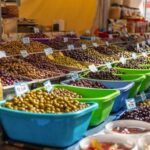
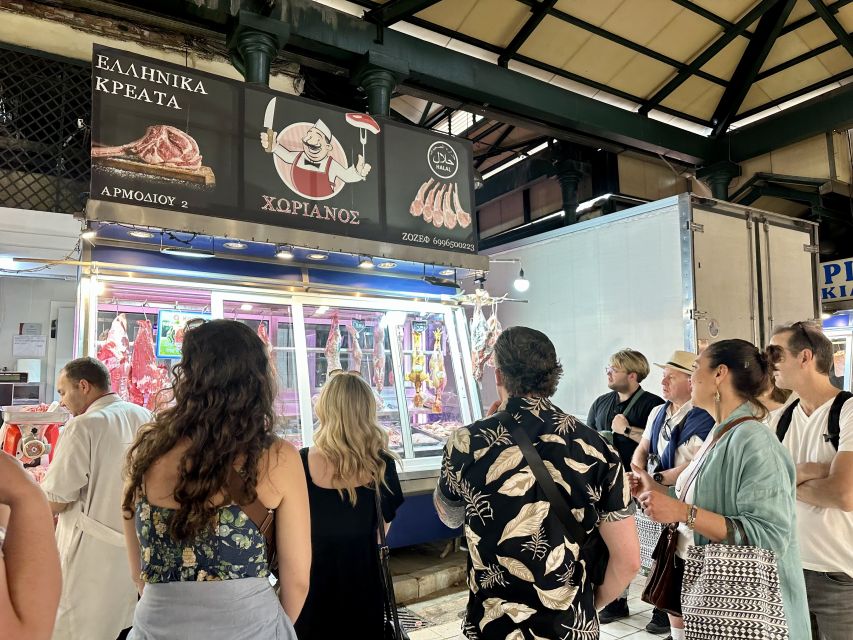
The route then reaches Varvakios Market, Athens’ historic central market. This is the most visually distinctive part of the experience. You walk through an active food market with counters selling meat, fish, and poultry.
A market visit is useful because it shows ingredients in their working setting. You see what Greek cooking starts with before you taste the finished dishes. It is a sharper picture of food culture than visiting only polished cafés or tourist restaurants.
The market may not be for everyone. Meat and fish displays can feel direct and crowded, and this is a working market rather than a quiet museum. If you prefer a tidy, calm food hall, prepare yourself for a more practical atmosphere.
For me, that is part of the point. The market connects the cooked dishes later in the tour with the raw produce and proteins that supply Athens’ kitchens. Your guide can also help you read the scene, explain products, and point out the parts a first-time visitor might miss.
The route is described as a walking tour, so comfortable shoes matter. You should also bring a hat, sunscreen, and comfortable clothes. The tour takes place in rain, so a light rain layer is a sensible addition when the forecast is poor.
Cooked Food at the Market Eatery
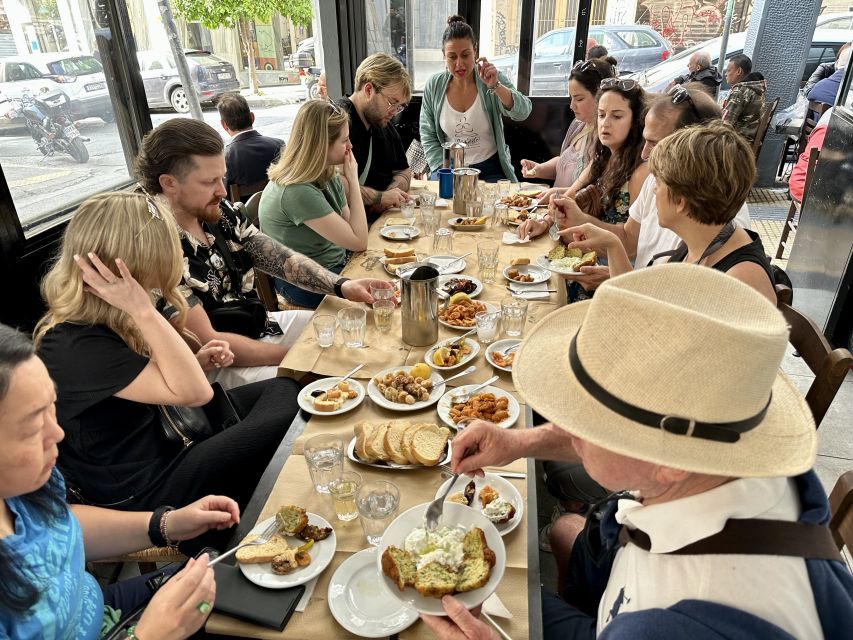
Inside Varvakios Market, you stop at an eatery for homemade Greek dishes. The named samples include stuffed tomatoes and peppers, fresh sardines, and moussaka.
These three dishes show different sides of Greek cooking. Stuffed tomatoes and peppers point to vegetable-based home cooking. Sardines bring in the seafood that you have just seen at the market. Moussaka offers the familiar baked combination of layered ingredients that many people associate with a Greek meal.
The attraction here is contrast. You are not tasting one narrow style of food. You move from a flaky spinach pie to cooked vegetables, fish, and a substantial baked dish. That range helps you understand that Greek food can be light, hearty, salty, fresh, baked, or preserved within the same meal.
The portion size is not stated, so think of these as tasting portions rather than guaranteed full restaurant servings. Even so, the number of stops means the whole walk functions much like a long grazing lunch.
Fresh sardines may appeal to seafood lovers, but they are not an ideal choice for every palate. The tour includes several other food categories, yet the exact substitutions are not provided. If seafood is a concern, check what alternatives are possible before you commit.
Cheese, Olives, Oil, and Greek Pantry Foods
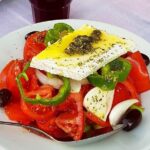
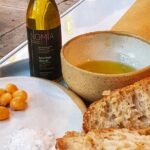
The next group of samples focuses on foods that Greeks use to build a meal. You can taste cheeses, cured meats, olives, natural olive oil, dried fruit, and nut mixtures.
This is one of the more useful parts of the tour for anyone planning to buy food in Athens. A guide can help you compare flavors and point out products worth seeking later, instead of leaving you to guess among unfamiliar labels.
The tasting also shows why Greek meals are often assembled from many small elements. Cheese, olives, cured meat, nuts, and dried fruit can appear as snacks, appetizers, or additions to a larger table. Olive oil is treated as a food in its own right here, not simply as something used in a frying pan.
You may find this stop especially valuable if you want edible souvenirs. The tour does not include shopping or hotel delivery, and it does not promise specific brands. Still, tasting before buying gives you a better chance of choosing something you will actually use at home.
Keep your appetite in reserve. By this stage, you have already had coffee, bread, pastry, and cooked food. The sheer quantity is a major selling point, but it also means you should not plan another large lunch immediately afterward.
Mastic Products and a Traditional Restaurant
The route includes a small mastic shop, where you learn about organic products made with mastic. The information provided does not specify every product available, so expect an introduction to the ingredient and its uses rather than a guaranteed list of samples.
This stop adds a different note to the tour. Most of the route centers on familiar savory food, while mastic introduces a specialty product with a distinct place in Greek food culture. It breaks up the market and deli visits without taking you far from the main food theme.
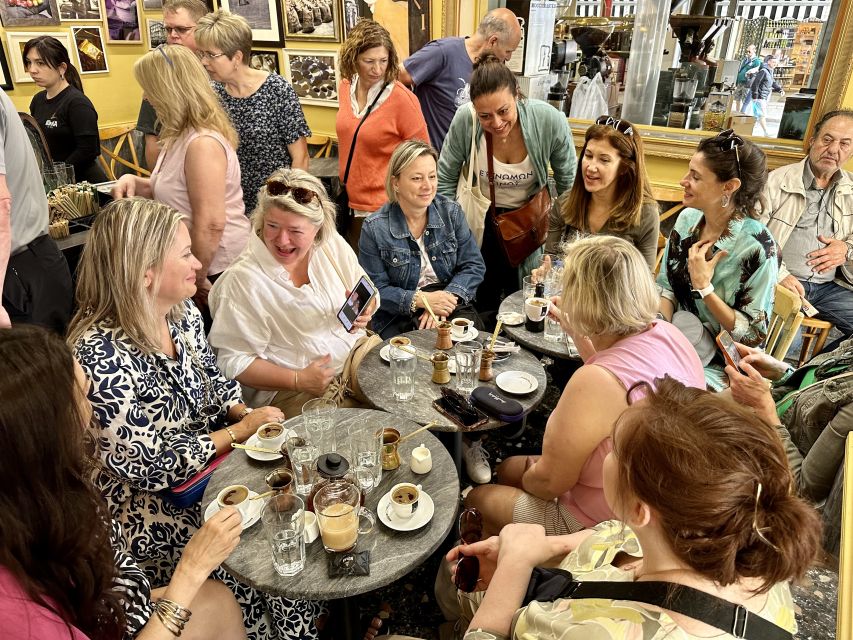
The final stop is a quiet, traditional Greek restaurant. Here, you enjoy one of Greece’s popular spirits with meze, the small appetizers served for sharing.
Meze is a fitting finish because it changes the pace. Earlier stops are about tasting as you walk. The restaurant lets you sit down, talk, and enjoy food in a more social way. If you like the idea of a food tour ending at a table rather than with one last pastry, this is a strong feature.
The spirit is not named, so do not book this expecting a particular drink. The important point is the pairing of a Greek spirit with appetizer-style food. If you do not drink alcohol, ask whether a nonalcoholic alternative is available, since that detail is not stated.
You can also read our reviews of more food & drink experiences in Athens



What Four Hours and $93 Really Buy You
The price is $93 per person for four hours. That is not a bargain-priced snack walk, but the value depends on how you use it.
You are paying for a guide, a walking route, and more than 18 food tastings across several types of stops. The experience also covers a substantial part of a day’s eating. If the samples are generous, you may need only a light meal later.
The tour gives you more than a standard restaurant lunch. You see Psyrri, visit Varvakios Market, enter food shops, sample local products, and finish with meze. That mix can save you from spending your first day in Athens guessing which places and foods are worth your time.
I would call the price reasonable for a food-focused introduction, especially if you are new to Greek cuisine and want both context and variety. It is less attractive if you mainly want one large sit-down meal, if you do not eat many different foods, or if you plan to explore Athens entirely on your own.
There is no hotel pickup or drop-off. You need to reach the meeting point yourself, and the meeting point can vary by the option you book. On a bank holiday, it may change to Acropolis metro station, so check the final instructions rather than assuming the usual location.
Guides, Languages, and Group Comfort
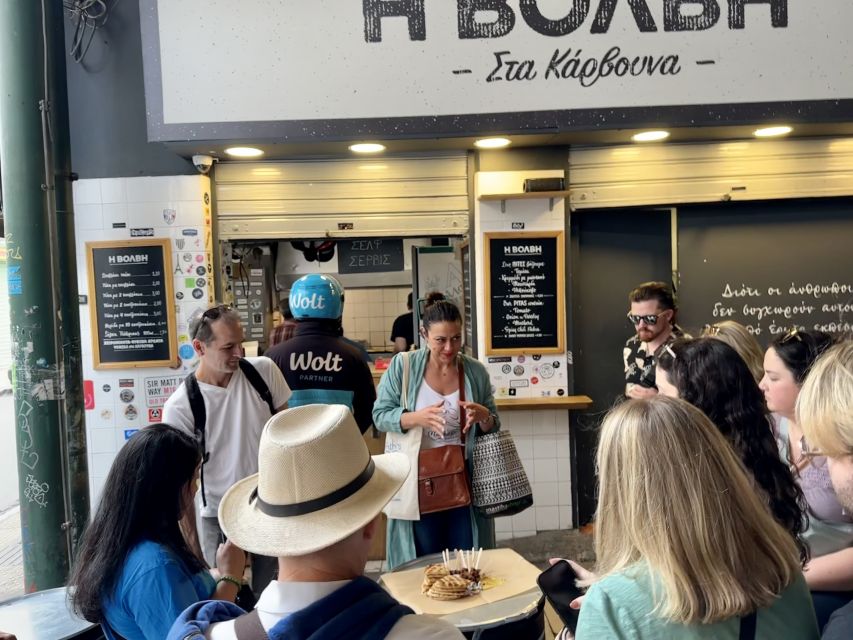
The tour is offered in English and German. A live guide leads the walk, which matters because the route depends on explanation as much as on tasting.
One verified booking praised a guide named Anna, specifically noting her good personality and ability to make the outing enjoyable. That is worth highlighting because a food walk can feel stiff if the guide simply lists ingredients. A warm, engaging guide makes it easier to ask questions and try unfamiliar foods.
At the same time, the overall score is 4.1 from seven reviews, with a wide spread in the available feedback. One verified booking from Germany, dated September 19, 2025, states that the guide did not arrive. That is a serious service failure, even though the sample of feedback is small.
I would confirm the meeting point and start time shortly before the tour. Keep the booking contact details available on the day. This advice does not erase the positive experience reported with Anna, but it is sensible given the isolated no-show report.
The tour is listed as wheelchair accessible. Since the route includes a market, food stores, and walking through central Athens, you should still confirm the exact meeting point and route details if you have specific mobility needs. Accessibility is useful, but the available information does not describe every surface or restroom arrangement.
The Best Fit for This Athens Food Walk
I would recommend this tour to you if you want a broad introduction to Greek food in one morning or afternoon. It suits first-time visitors, curious eaters, and anyone who wants help identifying local foods before exploring Athens independently.
It is also a good match for people who like variety. You will encounter bread, pastry, vegetables, fish, baked dishes, dairy, preserved foods, nuts, oil, specialty products, spirits, and meze. That is far more useful than a tour built around one restaurant and one fixed plate.
Families and mixed groups may also appreciate the range, though the food itself may not suit every person. Picky eaters, people with serious allergies, and those who avoid seafood, alcohol, or dairy should ask about alternatives before booking.
I would be more cautious if your main goal is sightseeing. The tour does explore central Athens, but its purpose is food. You will see the city through delis, markets, and eateries rather than through a long list of major monuments.
The four-hour length is a good middle ground. It is long enough to cover several neighborhoods and food styles, but not so long that the walking becomes an all-day commitment. If you are visiting Athens in hot weather, use the hat and sunscreen advice seriously.
Should You Book It?
Book this Athens food walk if you want a full introduction to Greek eating habits, enjoy trying many small portions, and value a guide who can connect the dishes to daily life. The combination of Psyrri, Varvakios Market, specialty shops, cooked food, mastic products, and meze gives you a wider view than a simple tasting menu.
At $93, it is best viewed as a food lesson, market visit, and substantial grazing meal in one. The main reasons to hesitate are the mixed service record, the possibility of a changing meeting point, and the lack of a fixed menu for dietary needs.
I would choose it early in an Athens stay, then use the food tips to guide later meals. Confirm the meeting details, wear comfortable shoes, and arrive hungry but not starved. If you do those things, this should give you a useful and flavorful first map of Greek cuisine.
FAQ
How long does the Athens food tasting tour last?
The tour lasts four hours. Starting times depend on availability when you book.
How many Greek foods will I taste?
The experience includes more than 18 Greek dishes and food samples. Named examples include Greek coffee, koulouri, spanakopita, stuffed tomatoes and peppers, sardines, moussaka, cheeses, cured meats, olives, olive oil, dried fruit, nuts, and meze.
What languages are available?
A live guide is available in English or German.
Is hotel pickup included?
No. Hotel pickup and drop-off are not included. You must make your own way to the meeting point.
Can the meeting point change?
Yes. The meeting point may vary depending on the option booked. In case of a bank holiday, it may change to Acropolis metro station.
Is the tour wheelchair accessible?
Yes. The activity is listed as wheelchair accessible.
Can I cancel for a full refund?
Yes. You can cancel up to 24 hours in advance for a full refund. A reserve-now, pay-later option is also available.