REVIEW · ATHENS
Athens: Learn the Greek Dances with Sweet Treat
Book on GetYourGuide →Operated by La Yumba dance house · Bookable on GetYourGuide
A good Greek lesson beats a museum any day. In this Athens dance class, you learn famous steps, hear the stories behind the music, and finish with photos, a playlist, and a traditional sweet.
What I like most is how practical it feels: you start with basic moves and then put them together into a full dance without needing a dance background. I also love the atmosphere at La Yumba dance house—wooden floors, big windows with sea views, and a friendly studio vibe that makes it easy to relax and follow along. One consideration: it’s not suitable for children under 7 and it isn’t set up for wheelchair users or mobility impairments.
In This Review
- Key things that make this class worth your time
- Finding La Yumba: a short walk from Alimos, with sea views
- What you’ll learn: from Greek dance basics to a full routine
- The part that surprises people: origins, attire, and the stories behind the music
- Who teaches it: friendly, patient instruction in your language
- The studio moment: photos, a take-home playlist, and a reason to practice
- The sweet treat and why it works as a finale
- Timing and value: $35 for instruction, culture, dessert, and music
- Who should book this (and who should skip it)
- Practical tips so you actually enjoy the class
- Should you book Athens: Learn the Greek Dances with Sweet Treat?
- FAQ
- How long is the dance class?
- Where is the meeting point?
- What language is the instruction in?
- What’s included in the price?
- What should I bring?
- Is it suitable for all ages?
- Is it accessible for wheelchair users or people with mobility impairments?
Key things that make this class worth your time
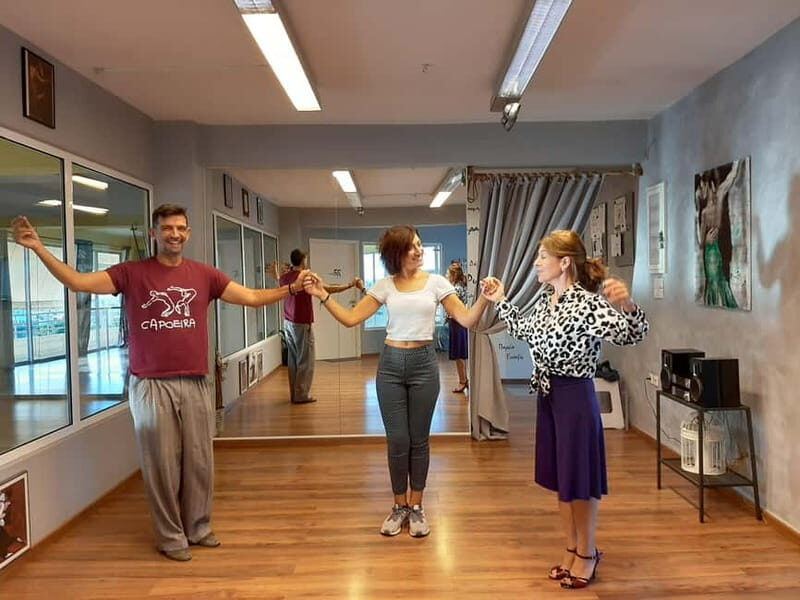
- You learn recognizable dances like Syrtaki, Hasaposerviko/Chasaposerviko, and Karsilamas with simple starting points
- Origins and music stories are part of the lesson, not just step-by-step instructions
- A cozy, non-touristy studio (La Yumba) near the Alimos metro stop
- A sweet finale plus water, so you leave fed and happy
- Photos and a take-home playlist so you can practice after you’re back in your hotel
- Patient coaching shows up again and again, even for people with two left feet
Finding La Yumba: a short walk from Alimos, with sea views
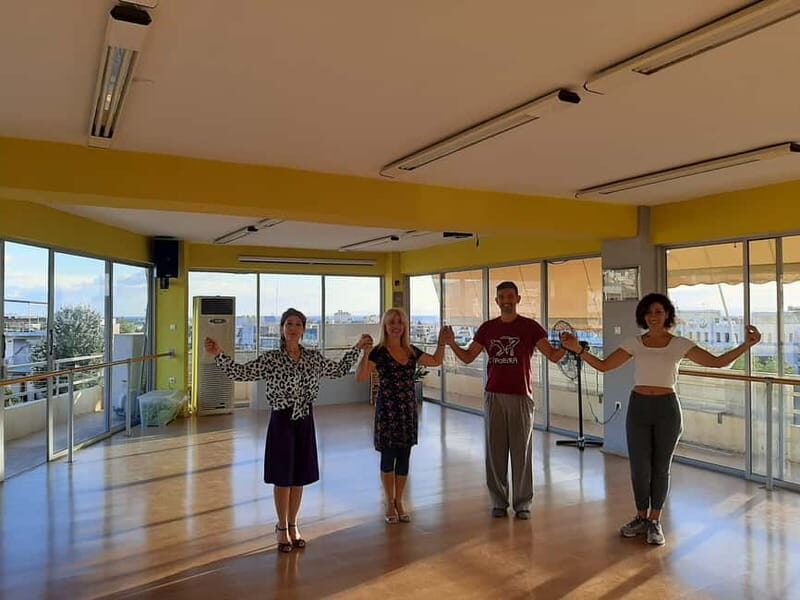
The class takes place at La Yumba dance house, and getting there is simple. You’re looking at about a 5-minute walk from the Alimos metro station on Line 2. That matters because you won’t spend your precious evening wrestling with transit or trying to read complicated directions.
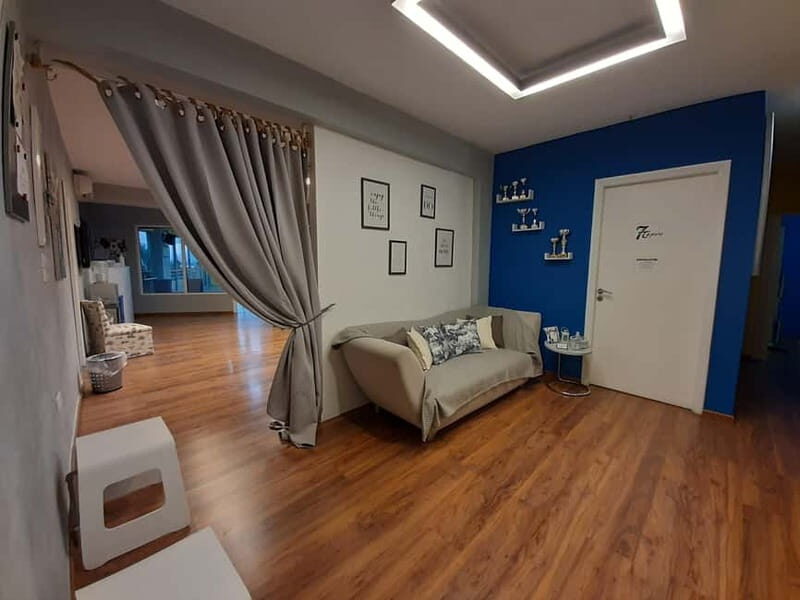
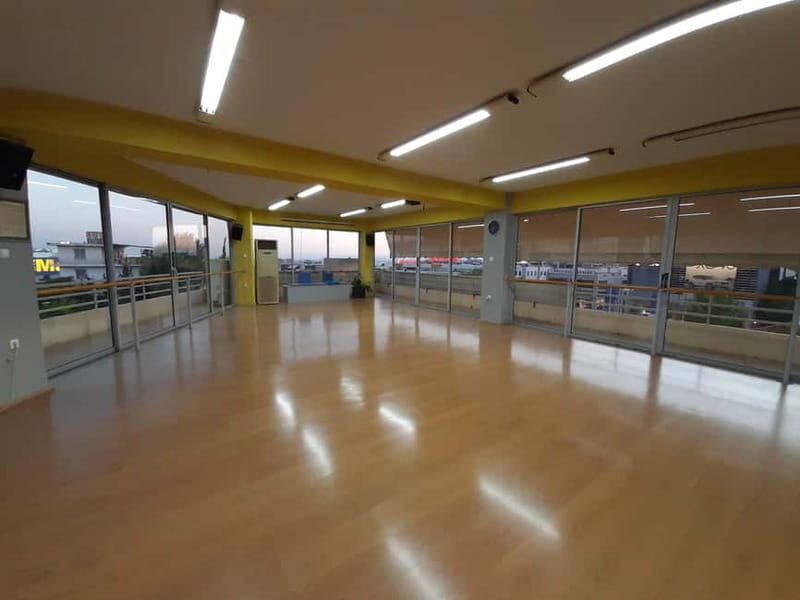
Inside, the room feels like it’s built for learning. There’s a wooden floor (good for moving safely and comfortably), large windows, and a view toward the sea. Even if you’re arriving with travel-stress still on your shoulders, the light and space help you switch into class mode quickly.
The studio also has a cozy waiting area. The best part? It’s set up so you’re not just hanging around. You get served a dessert at the end, which turns the whole thing into a mini evening plan rather than a quick activity you rush through.
You can also read our reviews of more tours and experiences in Athens.


What you’ll learn: from Greek dance basics to a full routine
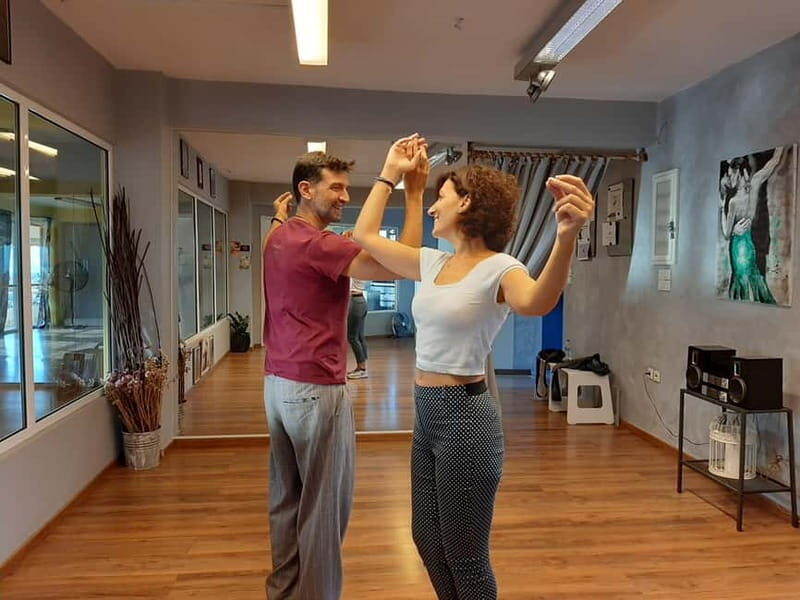
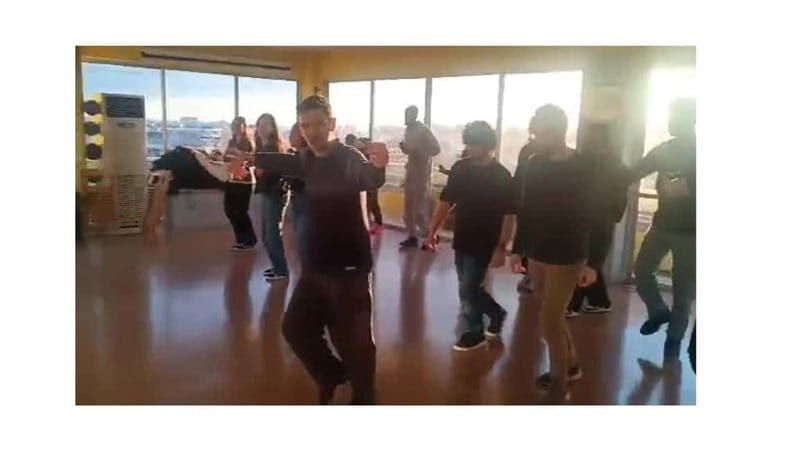
This is a “learn by doing” style class, and you can feel it in the flow. You start with context, then you move into technique, then you put it all together.
First, you’ll get oriented on what you’re learning: famous Greek dances such as Syrtaki, Chasaposerviko (also written as Hasaposerviko), and Karsilamas. Then the teacher focuses on basic moves, the kind you can pick up fast even if your rhythm comes from standing in line rather than dancing.
After that, you practice how the steps connect—how to change from one move to the next, how to keep the rhythm consistent, and how to follow the pattern as a group. If your session has enough time, you may even learn more than one dance. One reason people rate this so highly is that the lesson isn’t just theory. You finish feeling like you accomplished something tangible.
A small but important detail: you’ll be combining moves into a full dance, not just doing isolated step drills. That’s what makes it fun. It stops being exercise and starts being performance—low pressure, but still satisfying.
The part that surprises people: origins, attire, and the stories behind the music
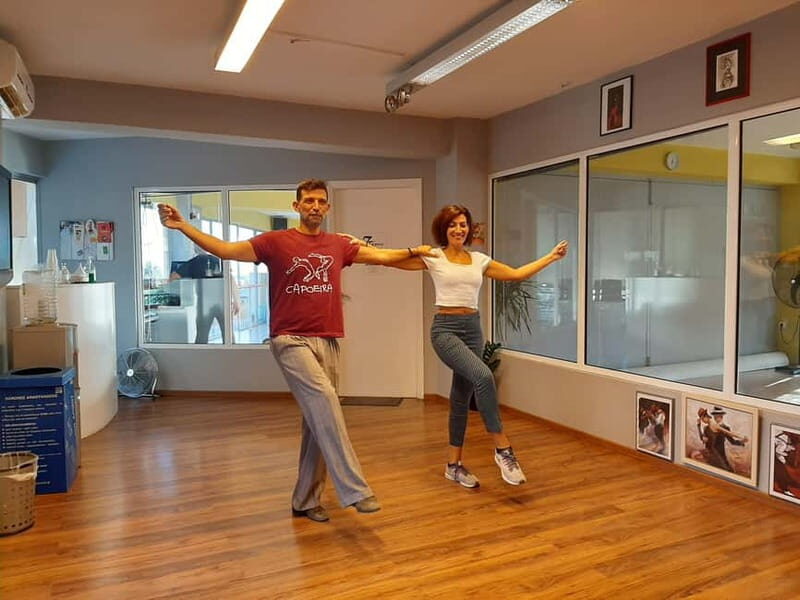
Greek dancing isn’t only about legs and timing. This class treats it like culture you can feel in your body.
You begin with discussion about the origins of the dances, plus stories behind the music. You’ll also hear about traditional attire and the kind of expressions that go with the movement. Even if you’re only halfway paying attention at the start, it helps you understand what you’re doing. You’re no longer thinking, Why am I stepping left? You start thinking, This is the vibe of the dance.
That cultural context is also what makes the class more than a generic dance workshop. It gives meaning to the rhythm. And meaning is what helps beginners stick with it—especially when a move feels awkward at first.
Who teaches it: friendly, patient instruction in your language
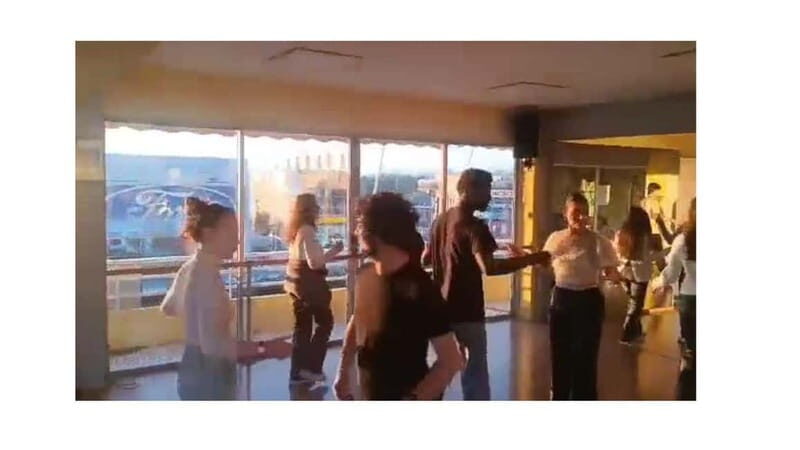
The teacher experience seems to be the real headline here. People consistently talk about friendly and patient coaching, and that shows up in the way instruction is described: clear guidance, a relaxed pace, and adjustments for different skill levels.
You might work with an instructor such as Ms Elena, who’s specifically praised for being patient and helpful, including with kids. Another name that comes up is Costas, highlighted for being fun and good at explaining the dances.
Language support is also solid. Instruction is available in English, Spanish, and Greek, so you’re not stuck guessing what comes next. If you’ve ever joined a class where the teacher is speaking faster than you can process, you’ll appreciate how smoothly this is set up.
And yes, it’s taught for all dance levels. That’s not marketing fluff here; it’s reinforced by how the class is structured—start with basics, then build.
The studio moment: photos, a take-home playlist, and a reason to practice
After the steps come together, you get a chance to capture what you’ve done. The class includes photos, which is a big deal for most people. It turns your effort into something you can actually remember, share, and laugh at later—without the pressure of staging a perfect performance.
Then you receive a playlist of Greek music to keep practicing at home. This is a smart touch. Dance lessons often end with a sweaty goodbye and then nothing at home. Here, you get the soundtrack so you can keep the rhythm going during the rest of your trip—or back at your desk a week later.
You’re also provided water, so you’re not scrambling to hydrate between takes of the dance. Small comforts add up, especially when you’re moving.
- All Day Cruise -3 Islands to Agistri,Moni, Aegina with lunch and drinks included
★ 5.0 · 4,958 reviews




The sweet treat and why it works as a finale
You’ll end the class with a traditional sweet. It’s served in that cozy waiting area, so it feels like a reward, not an afterthought.
Across the feedback, the dessert shows up as a genuinely enjoyable part of the experience—something people mention right alongside the dancing. It’s the kind of finish that makes the whole evening feel complete. You learn something, you do something, and then you taste something you can’t get in a grocery store back home.
If you’re bringing kids (and you’re within the age guidelines), the sweet can also make the lesson easier to enjoy. It gives them a clear endpoint: dance now, dessert later.
Timing and value: $35 for instruction, culture, dessert, and music
Price is listed at $35 per person, with sessions running 1 hour to 90 minutes. That time window matters, because dance classes can either be short and sketchy or long and useful.
Here, the value comes from what’s included:
- Dance lesson with the teacher
- Traditional sweet
- Water
- And extra practical items like photos and a playlist
So you’re not paying only for movement. You’re paying for coaching, cultural context (origins, attire, stories behind the music), and a finish that makes the class feel like a full experience.
Also, the location is a practical factor. Being near the metro line means you’re spending less time getting there and more time enjoying Athens. For a $35 activity, that logistics simplicity is part of the value.
Who should book this (and who should skip it)
This class is a strong match if you want something hands-on while you’re in Athens. It’s good for:
- Couples looking for an activity that feels different from sightseeing
- Solo travelers who want an easy way to connect through an organized group activity
- Families—as long as everyone meets the minimum age
- Groups of friends who want a shared story and photos at the end
It’s also a good fit for beginners. You’ll start with basic moves and build step-by-step, so you’re not expected to already know the dances.
Who should skip it:
- Children under 7
- Wheelchair users
- People with mobility impairments, since the class isn’t listed as suitable for mobility needs
If you’re unsure, the safest move is to check your group’s needs before you book.
Practical tips so you actually enjoy the class
This is a dance class, so your comfort matters.
Bring and wear:
- Comfortable clothes that let you move
- Shoes that feel stable on a wooden floor environment
A smart mindset helps too. If you arrive thinking you have to be perfect, you’ll tense up and slow yourself down. Instead, treat it like learning a new language: you’ll repeat, you’ll adjust, and then one minute you’ll realize your body is doing the rhythm without you forcing it.
If you’re camera-ready, remember you’ll get photos at the end. It’s worth wearing something you’ll feel good in for a quick group picture.
Should you book Athens: Learn the Greek Dances with Sweet Treat?
Book it if you want a Greek experience you can do with your own two feet. For $35, you get actual instruction, cultural context, and a fun wrap-up with dessert, water, photos, and a playlist to keep the music going. It’s also one of the better options when you’re traveling with mixed skill levels, since the lesson is built for beginners.
Skip it if mobility access is a concern for your group or if you’re traveling with kids below the minimum age. Also, if you hate structured activities and prefer to wander freely, this may feel a bit more planned than your style.
If you want a relaxed, cheerful way to understand Greek dance—without needing to be a dancer already—this is the kind of class that turns into a real memory.
FAQ
How long is the dance class?
The experience lasts 1 hour to 90 minutes. Starting times depend on availability.
Where is the meeting point?
The class is held at La Yumba dance house, a 5-minute walk from Alimos metro station (Line 2).
What language is the instruction in?
The instructor teaches in English, Spanish, and Greek.
What’s included in the price?
It includes the dance lesson, a traditional sweet, and water.
What should I bring?
You should wear comfortable clothes.
Is it suitable for all ages?
It’s suitable for all ages and dance levels, but it is not suitable for children under 7.
Is it accessible for wheelchair users or people with mobility impairments?
No. It is listed as not suitable for wheelchair users or people with mobility impairments.