REVIEW · ATHENS
Athens: Percy Family Treasure Hunt & Tour
Book on GetYourGuide →Operated by Narratologies · Bookable on GetYourGuide
That first clue feels like a secret handshake. This Percy and Medusa family hunt turns the Plaka and Acropolis foothills into a story-led walk, with smartphone riddles that keep kids engaged and parents interested. I also love the built-in food stop for Lukumades, so energy stays up. The main drawback to plan for is that the route includes some stairs and mild uphills, so comfortable shoes and a steady pace matter.
What makes it work is the mix of real landmarks and playful problem-solving. You get a guide who leads the timing, explains the myth in plain language, and helps you use the digital tools as you go. For many families, it is the kind of activity that makes Athens feel more like an adventure than a checklist, especially around the photo spots near Areopagus and Anafiotika.
In This Review
- Key highlights at a glance
- Why Percy & Medusa fits families in Athens
- The 2-hour route: from Hadrian’s Gate to Lysicrates’ monument
- Smartphone riddles and the gem reward system
- The snack break: Lukumades for real energy
- Plaka lanes, Areopagus views, and Anafiotika charm
- Guide quality is the secret ingredient
- Price and value: why $59 can make sense
- Who should book this treasure hunt (and who might skip it)
- What to bring so the hunt runs smoothly
- Should you book Percy & Medusa in Athens?
- FAQ
- How long is the Percy Family Treasure Hunt & Tour in Athens?
- Where do we meet for the tour?
- What do I need to bring?
- What food is included?
- Are drinks besides water included?
- What landmarks or areas does the route include?
- Does the tour include Greek mythology stories?
- What happens at the end of the tour?
- Is there a cancellation option?
- What languages are the tours offered in?
Key highlights at a glance
- Smartphone treasure hunt with kid-friendly digital tools and riddle-solving
- Lukumades with honey and cinnamon plus water as the included snack break
- Plaka wandering through lanes and viewpoints tied to Greek mythology
- Photo stops with classic Acropolis views, including Areopagus and Anafiotika
- Collected gems redeemed for prizes in local shops and museums, plus online reward mechanics
- Guides that tailor the experience for families, including Catherine, Sophia, and Jo
Why Percy & Medusa fits families in Athens
Athens can be a lot for kids. Big stones, long lectures, and the feeling that you’re always trying to keep up. This tour avoids that by turning the walk into a game: you’re not just looking at monuments, you’re working through clues that connect the places to mythology.
You also get structure. In a short 2 hours, you move through a tight loop near the Acropolis and down toward Plaka. That matters because it reduces the usual “where do we start?” stress. The guide sets the rhythm, hands out the tools, and keeps the group pointed in the right direction—without making you feel like you’re stuck in a rigid museum line.
My favorite part for families is the pacing plus the reward loop. You’ll solve riddles, collect gems, take photos at the viewpoints, and then finish with a winners-style ceremony. Kids leave with something tangible from the story, not just a few photos and tired feet.
You can also read our reviews of more tours and experiences in Athens.
The 2-hour route: from Hadrian’s Gate to Lysicrates’ monument
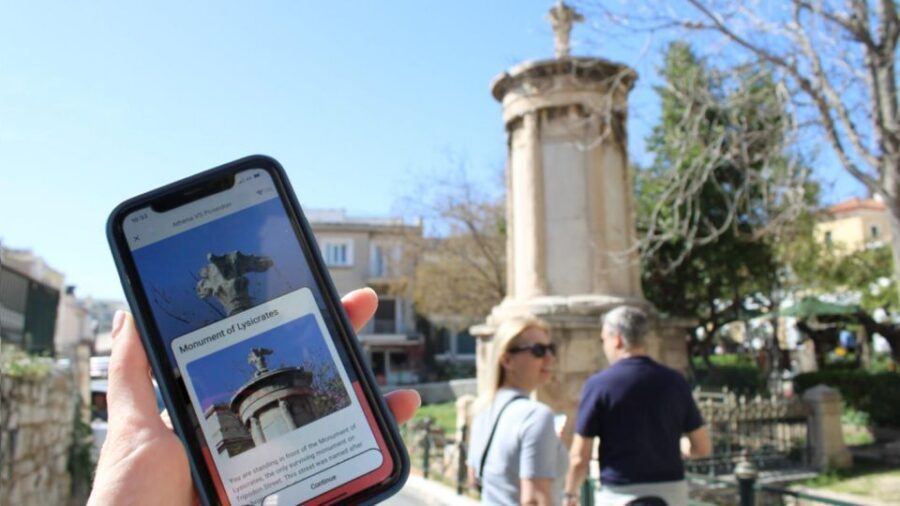
This is a walk-first experience. You start at Arch of Hadrian (Hadrian’s Gate), then the route threads through key stops around the Acropolis foothills and into the Plaka lanes. Expect short segments of sightseeing plus frequent moments to pause, solve a clue, or get your bearings for a view.
Here’s how the flow feels, stop by stop:
Arch of Hadrian (Hadrian’s Gate)
This is a good starting point because it gives you an instant Athens vibe: monumental, historic, and easy to orient around. Your facilitator meets you here and you’ll spot them wearing a Narratologies T-Shirt.
Temple of Olympian Zeus
You’ll spend only a few minutes here, mostly sightseeing and walking past. Even with a brief stop, the scale helps kids understand why people built these places in the first place. If your family likes quick wins, this short timing is a plus.
Melina Mercouri Monument
Another quick pass, but it adds a modern layer to the ancient setting. For families, it helps the story feel less like you’re traveling only through the distant past and more like Athens is still a living city.
LUKUMAΔΕΣ food stop
Then you hit the snack break: Greek donuts known as Lukumades, served with honey and cinnamon, plus water. It’s set up as a guided, short food break so nobody gets hungry and cranky during the next stretch.
Dionysiou Areopagitou
This is part of the walking thread toward the bigger performance spaces around the Acropolis area. The point here is momentum: you keep moving while the guide ties the route into the myth theme.
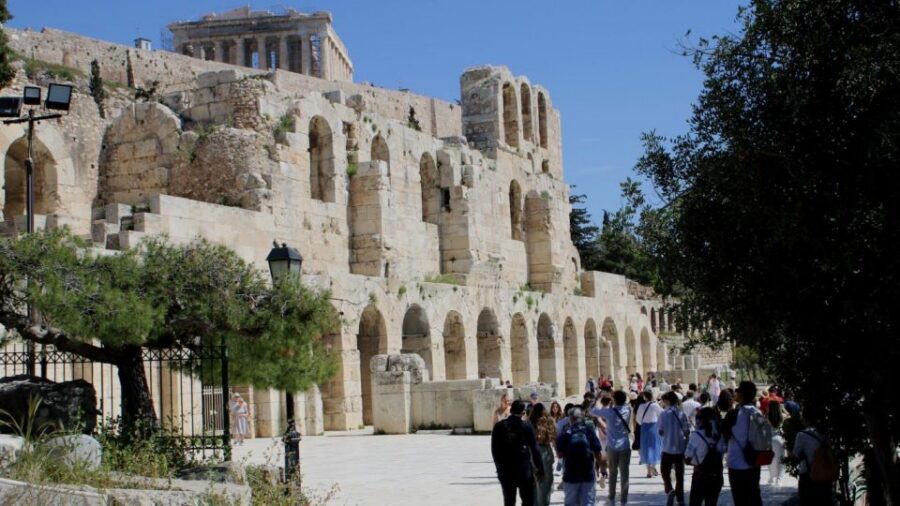
Odeon of Herodes Atticus
You’ll get a visit and guided time here for a few minutes. Even a short stop can feel special, because this kind of ancient venue connects myth and culture to how people once gathered for music, storytelling, and spectacle.
Areopagus (photo stop)
This is one of the best moments for families who care about photos. You’ll have a photo stop and scenic viewpoints, including timing that leans into sunset-like light depending on the day. Plan to slow down and actually look, not just snap shots—kids often remember views more than details.
Anafiotika (photo stop)
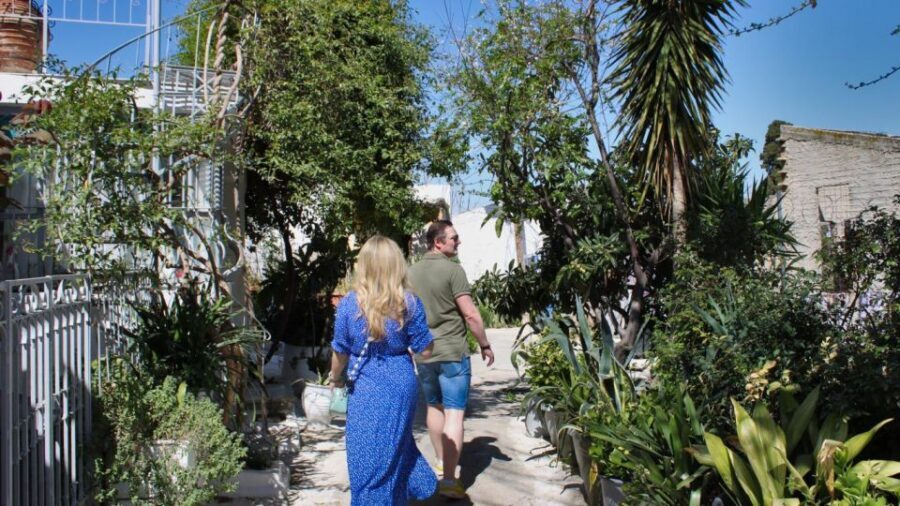
Next comes the maze-like charm of Anafiotika, with another photo moment. This area is perfect for families because it’s visually playful: small lanes, classic stone texture, and that “how do we even find our way here?” feeling—without being too far from your guide.
A lesser-known stop
The route includes another short sightseeing point along the way. It’s usually quick, but that’s part of the game format: you’re stacking small story beats rather than trying to absorb everything at once.
Plaka
Once you reach Plaka, the mood shifts into neighborhood wandering. You’ll move through scenic lanes and viewpoints while continuing the mythology connection. For families, Plaka often feels like the Athens you imagined from photos, but this time it’s tied to the hunt.
Tower of the Winds
Another short visit and pass-by moment. This stop works well in a treasure hunt because it’s another “spot where the clue makes sense” kind of location rather than a long stop you have to power through.
Finish: Choragic Monument of Lysicrates
You end at the Choragic Monument of Lysicrates, a strong final landmark that gives the story a clean landing point. The tour then wraps with a ceremony and memorable family photos tied to the hunt.
Smartphone riddles and the gem reward system
The core idea is simple: you’re a team, and the myth story guides the clues. You’ll receive digital tools from your guide, and you solve riddles on your charged smartphone. If you have a spare battery, bring it. Not because you’ll be online constantly, but because you want zero stress when the clues start.
As you solve, you collect gems. Those gems aren’t just for fun—they connect to rewards. The tour includes a system where you can redeem collected gems for family-friendly rewards in local shops and museums. There’s also an online redemption component tied to gifts supporting sustainability, women’s empowerment, and innovation.
That two-layer approach is smart. In-person rewards give kids a souvenir right away. The online reward concept means the hunt ties into bigger themes without adding extra lecturing.
The snack break: Lukumades for real energy
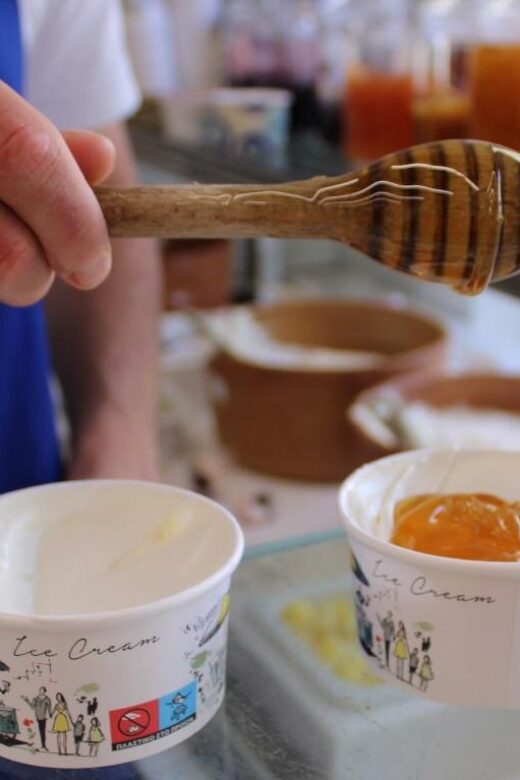
A lot of Athens walking activities forget the basic rule: kids need food, and adults appreciate it too. Here, the included stop at LUKUMAΔΕΣ is timed for energy. You’ll get Greek donuts with honey and cinnamon and water.
Two practical notes:
- If you have dietary restrictions, you should tell the guide ahead of time so they can make the food stop enjoyable for everyone.
- Drinks besides water aren’t included, so if your family usually wants juice or soda, plan for that cost separately.
In practice, this break also functions like a reset. You stop, eat, and then jump back into the hunt with better focus. It’s one of the reasons this kind of 2-hour activity doesn’t spiral into meltdowns.
Plaka lanes, Areopagus views, and Anafiotika charm
This tour doesn’t just pass by sights; it uses them for storytelling and photos. Two areas deserve special attention for families:
Areopagus viewpoint
You get a photo stop and scenic views. The setup encourages you to pause. Kids might still be solving riddles on the phone, but they’ll also get that moment of looking out over Athens. That visual payoff is part of why the hunt feels like more than a scavenger list.
Anafiotika alleys
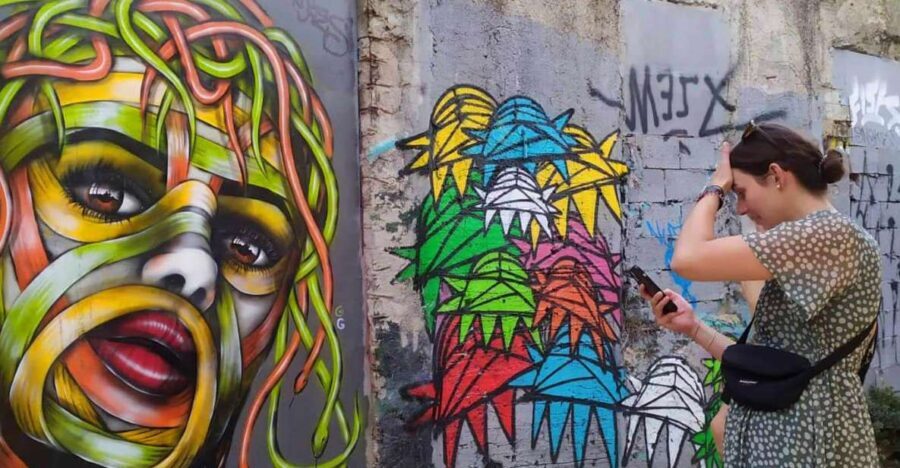
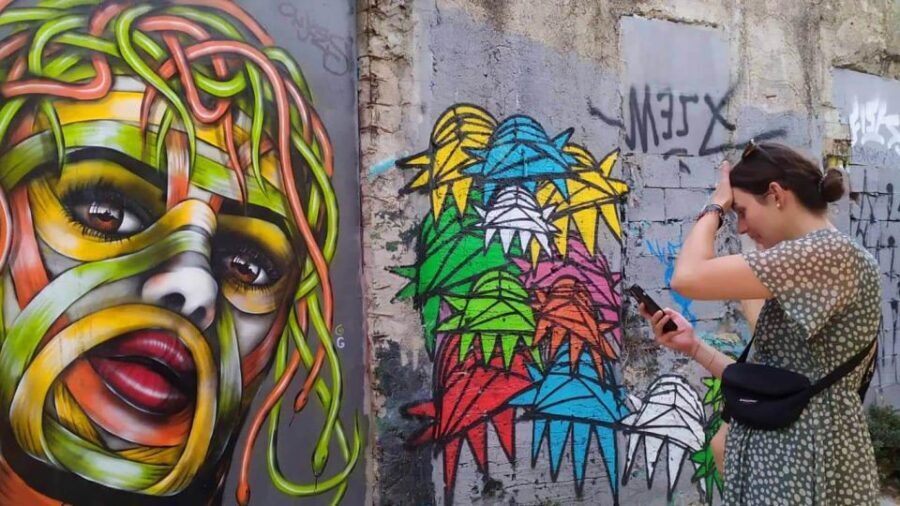
Anafiotika’s tight streets and classic look make the myth feel grounded in place. You’ll have a photo stop here too, and you’ll see plenty of details along the way, including areas with colorful graffiti. For families, the combination of lanes plus photo moments often becomes the best memory, because you can look back later and identify exactly where the story point happened.
And Plaka itself is where you get the full neighborhood feeling. It’s lively enough to feel alive, but this tour keeps it organized so you’re not left wandering without a plan. You’re there for the hunt and the viewpoints, not just to shop or get lost.
- All Day Cruise -3 Islands to Agistri,Moni, Aegina with lunch and drinks included
★ 5.0 · 4,958 reviews




Guide quality is the secret ingredient
The strongest pattern from the experience is the human factor: the facilitator is what makes the myth feel right for your group. Across the different guides, the praised style has a clear theme—engagement, friendliness, and adjusting the level of detail to who’s in front of them.
Names that have come up include Catherine, Sophia, and Jo. The common thread is that they don’t just recite facts. They guide the pace, answer questions, and keep the storytelling matched to the kids’ attention span while still giving adults real context about the places you’re seeing.
If you’ve ever had a tour where the guide talks over kids, this is the opposite. The digital tools plus the guide’s pacing help everyone stay involved.
Price and value: why $59 can make sense
At $59 per person for a 2-hour family treasure hunt, it’s not a “cheap and cheerful” activity. But it can be good value if you factor in what’s included and what you avoid.
What you’re paying for:
- A guide for the full 2 hours
- The structured smartphone hunt and kid-friendly digital tools
- The included food stop: Lukumades with honey and cinnamon plus water
- The in-person prize pathway using collected gems
- A winners-style wrap-up with family photos
Compared with piecing together separate paid tickets, snacks, and a guided experience for only the parts you care about, this package approach can feel efficient. Also, you’re buying time that keeps kids busy while you still learn something meaningful.
The biggest value lever for you: if your family likes puzzles and you want a playful way to experience the Acropolis area without turning it into a long, grown-up museum day, this price is easier to justify.
Who should book this treasure hunt (and who might skip it)
This tour is built for families, especially those with kids who do better with active tasks than passive listening. If your group includes an 8–12 range kid who enjoys solving clues, your chances of having a great time go up.
It’s also a good fit if you want:
- a short, manageable Athens walking plan
- a guided route that hits key areas near the Acropolis and Plaka
- a photo-friendly experience with planned viewpoints
You might consider skipping if your group has limited tolerance for stairs and uphill stretches. The route includes some staircases and mild uphills, so if that’s a major constraint, you’ll want to think carefully.
What to bring so the hunt runs smoothly
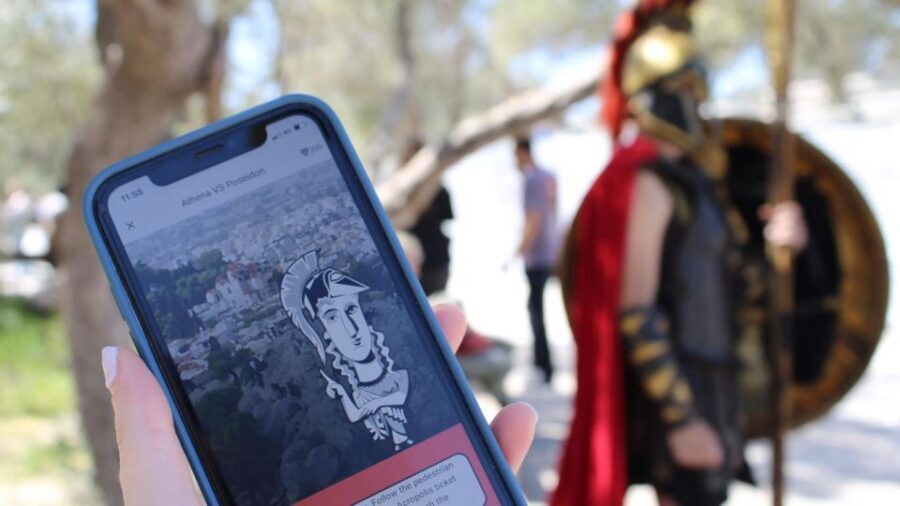
The essentials are straightforward:
- A charged smartphone (bring the one you’ll use for the riddles)
- Any dietary needs you want the guide to account for
- A mindset for short stops, photos, and active problem-solving
The guide provides the materials and tools for the hunt, so you’re not stuck trying to figure out an app at the last minute.
Should you book Percy & Medusa in Athens?
If you’re aiming for an Athens day that feels like an experience rather than a checklist, this one earns a strong yes. The mix of smartphone riddles, landmark walking, Lukumades, and planned photo moments makes it easier for families to stay together and keep energy up.
My main caution is the physical reality: there are stairs and mild uphills. If you can handle that with a slower pace and breaks as needed, the rest of the setup is solid—especially if you value a guide who actively adjusts to your kids and answers questions as you go.
If you want an Acropolis-area visit that kids actually look forward to, this is a smart choice.
FAQ
How long is the Percy Family Treasure Hunt & Tour in Athens?
It lasts about 2 hours.
Where do we meet for the tour?
Meet your facilitator at Hadrian’s Arch (Hadrian’s Gate).
What do I need to bring?
You’ll need a charged smartphone.
What food is included?
The tour includes a food stop with Greek donuts (Lukumades) with honey and cinnamon and water.
Are drinks besides water included?
No. Drinks besides water aren’t included.
What landmarks or areas does the route include?
You’ll walk through areas such as Plaka and the Acropolis foothills, with stops and photo moments near Areopagus and Anafiotika, plus other key monuments along the way.
Does the tour include Greek mythology stories?
Yes. The hunt is based on Greek mythology and uses riddles tied to the story.
What happens at the end of the tour?
It concludes with a winners’ ceremony and memorable family photos tied to the hunt.
Is there a cancellation option?
Yes. You can cancel up to 24 hours in advance for a full refund.
What languages are the tours offered in?
The tour is offered in English and Greek.