REVIEW · ATHENS
Athens: Small Group Tour with Acropolis Tickets Included
Book on GetYourGuide →Operated by GETAWAYS GREECE · Bookable on GetYourGuide
Athens can feel like a sprint if you start with the lines. This tour is built to help you hit the big sights fast, then slow down for neighborhood wandering. I like how the itinerary mixes famous monuments with the daily Athens vibe of Plaka and Monastiraki, so you get more than photos.
Two things I’d call out right away: the Acropolis skip-the-line tickets (real time-saver) and the chance to see the marble Panathenaic Stadium and the Changing of the Guards without trying to coordinate it all yourself. One potential drawback: it’s a lot of walking in heat and crowded areas, so you’ll want to go in feeling physically up for it.
In This Review
- Key highlights worth caring about
- The best part: skipping the Acropolis line with tickets included
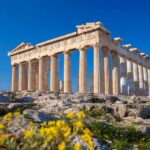
- Acropolis and Parthenon: how you’ll actually experience the views
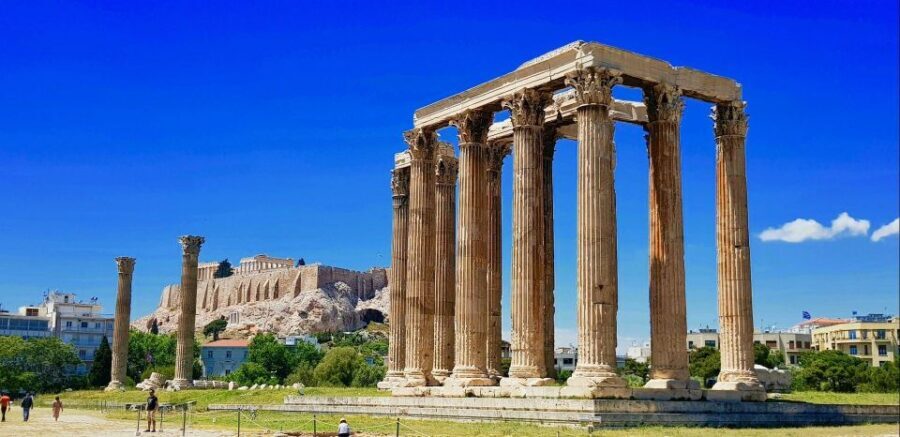
- Temple of Olympian Zeus and Hadrian’s Arch: the scale that surprises people
- Panathenaic Stadium: marble, Olympics, and a different kind of awe
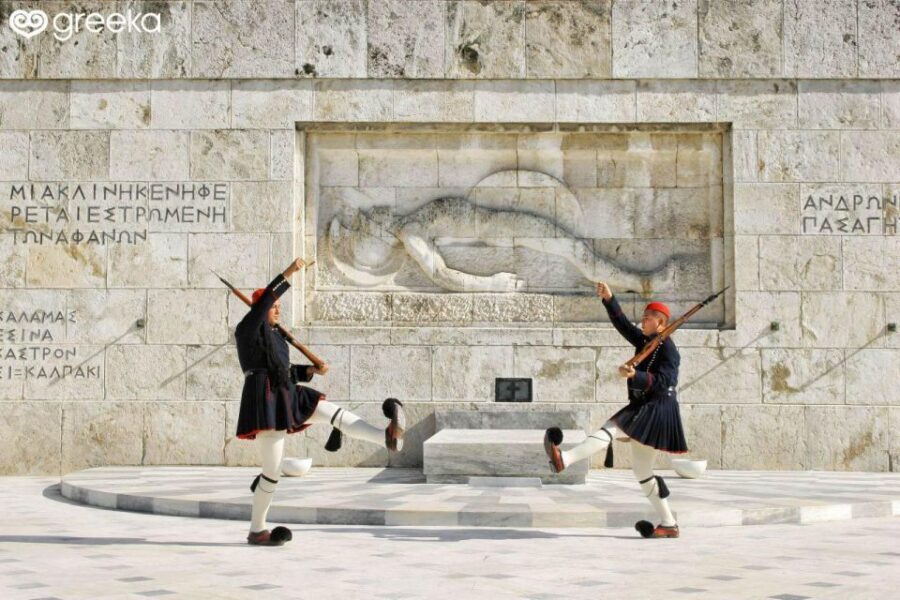
- Tomb of the Unknown Soldier and the changing of the guards
- Ancient Agora and the Roman layers: what you’ll notice with a guide
- Walking Athens the way locals do: Plaka, Monastiraki, and Anafiotika vibes
- What the guide experience can feel like (Lydia, Theodore, Athina as examples)
- Timing and logistics: the part that decides if you’ll love it
- Price and value: why $141 can make sense
- Who should book this tour?
- Should you book Athens: Small Group Tour with Acropolis Tickets Included?
- FAQ
- What’s included in the tour price?
- Do I get to skip the long lines at the Acropolis and Parthenon?
- How long is the tour?
- Where do we meet if there’s no pickup?
- Is food included?
- What language is the tour guide?
- Is this tour suitable for wheelchair users?
Key highlights worth caring about
- Skip-the-line Acropolis access: less waiting, more time on the rock
- Olympian Zeus + Hadrian’s Arch pairing: big scale, easy context from your guide
- Panathenaic Stadium on the route: built entirely of marble, tied to early Olympic history
- Royal Palace ceremony stop: the Changing of the Guards moment is simple to catch
- Plaka and Monastiraki time: you finish with streets, shops, and atmospheric corners to explore
The best part: skipping the Acropolis line with tickets included
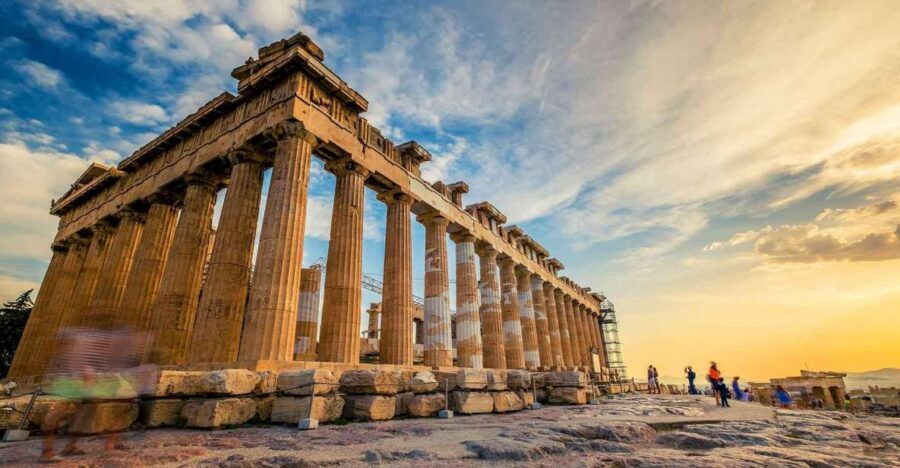
If you’ve ever done Athens in peak season, you already know the problem: you can spend your best morning standing in line. Here, the Acropolis skip-the-line entrance tickets are included, and that changes your day. Instead of burning time before you even start seeing, you get guided access so you can move through the site with a plan.
The tour also keeps things structured without feeling like a rush. There’s a clear sequence through the Acropolis and Parthenon area, then a transition down into other major stops. That matters because the Acropolis views are only one piece of Athens. Once you’re done up high, the rest of the day helps you connect the dots back at street level.
One more practical win: you’ll be in a group with an official guide and a driver-host, so you’re not trying to figure out timing between scattered neighborhoods. It’s also bottled water included, which sounds small until the summer heat hits.
A few more Athens tours and experiences worth a look

Acropolis and Parthenon: how you’ll actually experience the views
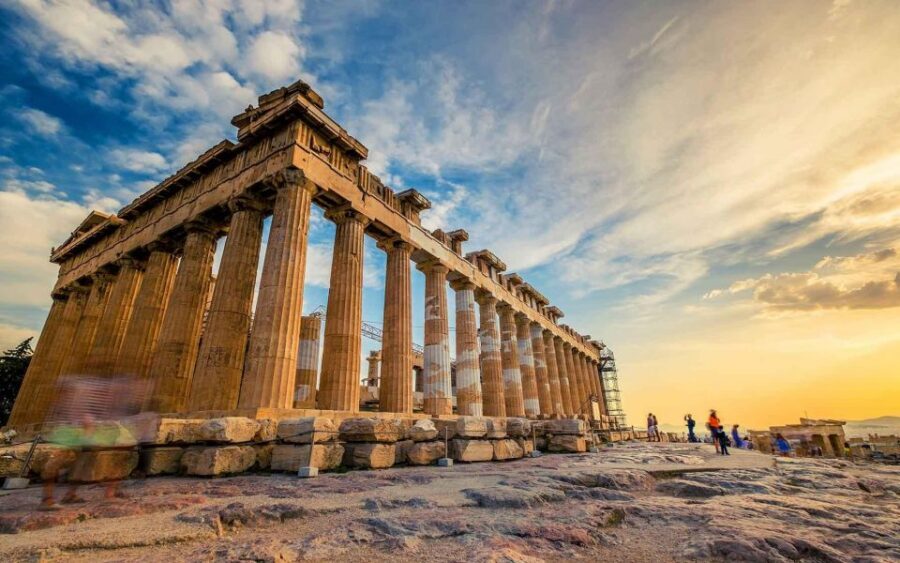
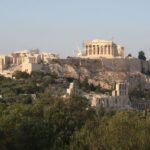
The tour guides you through the Acropolis of Athens with a guided segment of about an hour, then follows with time for the Parthenon that’s guided and sightseeing for about an hour. The goal is simple: get you inside efficiently, explain what you’re looking at, and give you time to slow down for views.
What I like about this approach is how it doesn’t stop at the usual talking points. You also get photo opportunities along the way, and the pacing gives you a realistic chance to notice details instead of treating it like a checklist. If you care about symbolism and layout, the guidance tends to make the place feel less like a set of ruins and more like a designed space.
A quick reality check: the Acropolis area can be steep and crowded. Even if you’re comfortable walking at a slow pace, you should plan to move carefully on uneven ground. Bring sun protection and take breaks as needed.
Temple of Olympian Zeus and Hadrian’s Arch: the scale that surprises people
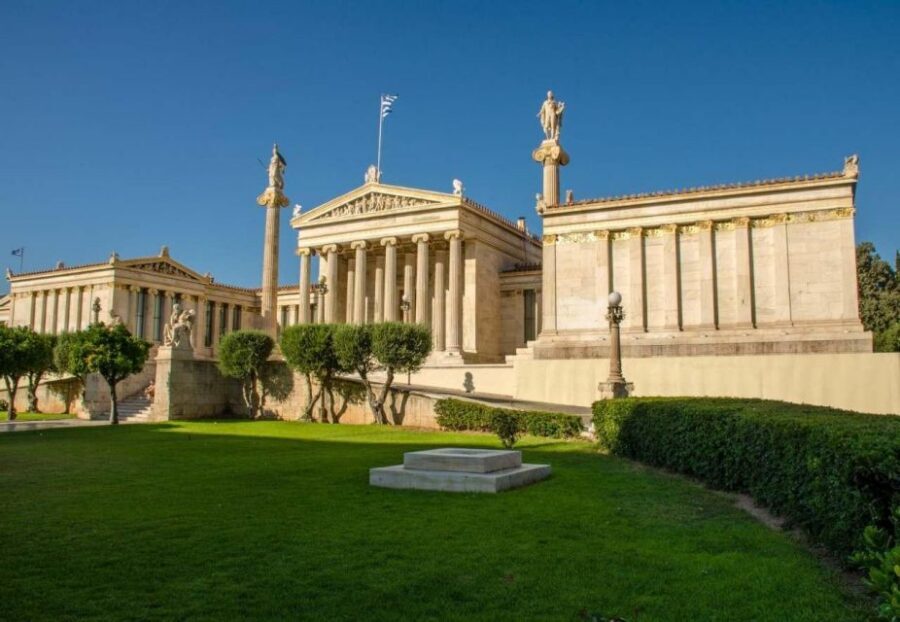
After the Acropolis, the day shifts to the Temple of Olympian Zeus and Hadrian’s Arch, with a short guided sightseeing stop (about 15 minutes listed for Zeus). This is the part of Athens that often catches people off guard, because the temple site shows you just how massive Greek ambitions were.
Even in a shorter stop, the guide’s job is to give you the meaning behind the ruins. You’ll likely walk away with a clearer sense of what this place was intended to be, and why it connects to later Roman-era power in the city. If you love when architecture tells a political story, this stop delivers.
The main consideration here is time. Fifteen minutes is enough to understand the big picture and take photos, but not enough to linger for hours. If you want a long, quiet temple-side experience, you’ll still get it later in other sites covered on the route.
Panathenaic Stadium: marble, Olympics, and a different kind of awe
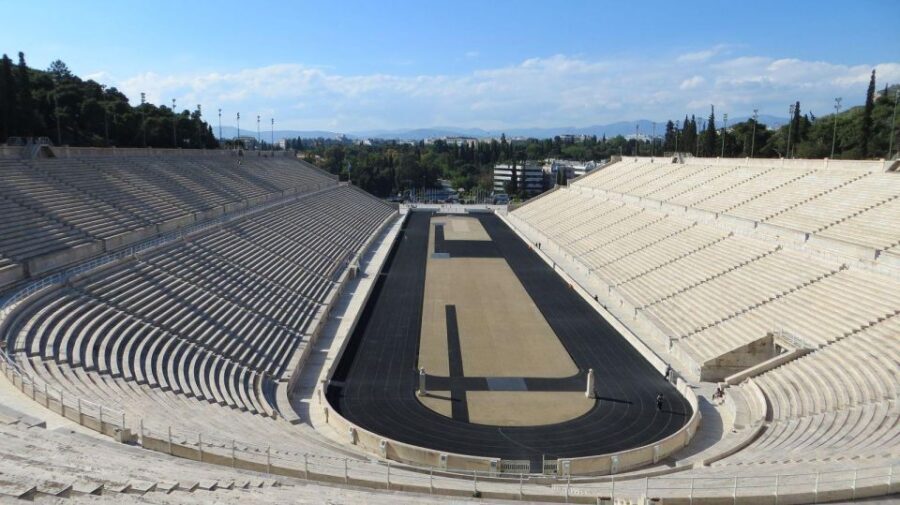
Next comes the Panathenaic Stadium, with guided and sightseeing time listed around 15 minutes. What makes this stop special is the contrast. The Acropolis is ancient religion and myth. The stadium is athletic spectacle, built into a marble setting that feels almost unreal.
The stadium was the venue tied to the first modern Olympics, and it’s built entirely of marble. That detail matters. It’s not just an old arena; it’s a statement about heritage and a very visible link between ancient athletics and modern celebration. You can see how Athens likes to keep its past in view, even when the world changes.
If you’re someone who tends to get museum fatigue, this is a nice break. It’s outdoor, photo-friendly, and visually straightforward compared to ruins that can take a while to decode.
Tomb of the Unknown Soldier and the changing of the guards
A major highlight on this route is witnessing the Changing of the Guards at the Tomb of the Unknown Soldier. The tour includes a guided sightseeing stop of about 30 minutes here.
This part is worth your time because it’s not only historical theater. It’s a living ritual that happens right in the city center, and it’s easy to understand once you see it in context. You’ll also get a sense of the role official Athens symbols play in modern daily life.
One practical tip: this is a ceremony moment that draws attention and crowds. If you want the best sightlines for photos, you’ll be grateful the tour places you with the group rather than letting you arrive randomly and scramble.
- All Day Cruise -3 Islands to Agistri,Moni, Aegina with lunch and drinks included
★ 5.0 · 4,958 reviews


Ancient Agora and the Roman layers: what you’ll notice with a guide

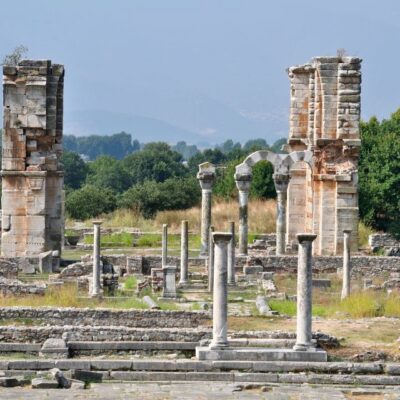
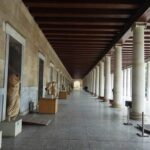
The tour doesn’t just stop at the well-known headline sites. You also walk outside Ancient Agora, plus visits that include the Temple of Hephaestus, the Roman Agora, the Roman Library, and the Tower of Winds.
Here’s why that combination works: it gives you layers of Athens rather than one time period. The Ancient Agora area helps you think about civic life in Greece. Then the Roman Agora, Roman Library, and Tower of Winds show the later architectural mindset that shaped the city’s public spaces.
The Tower of Winds is especially fun if you like unusual structures. It’s one of those Athens landmarks that feels like it belongs in a puzzle: you can learn what it was for and why it mattered. Even with limited time at each stop, you’ll likely come away with a stronger mental map of where these places fit together.
A potential drawback with sites like this is pacing. The route moves on, so you may not get long stretches of silence. Still, for most visitors, that’s a fair trade for seeing more than one major zone in a single day.
Walking Athens the way locals do: Plaka, Monastiraki, and Anafiotika vibes
After the monuments, the tour leans into neighborhood time. You’ll get about 30 minutes in Monastiraki and 30 minutes in Plaka, plus the route includes spots connected to the Anafiotika atmosphere, described as island-like.
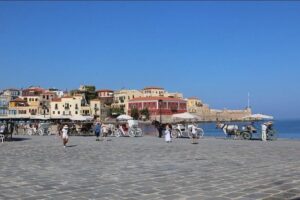
This is where the tour feels most like travel and least like a formal tour. Monastiraki is the market-energy zone—shops, stalls, and the kind of street life that makes Athens feel like a real city, not a set of ruins. Plaka is the softer side, with charming lanes and classic views that you can wander through with fewer stress points.
The guide adds value here by pointing out what’s worth noticing and helping you connect landmarks to stories you heard earlier. For example, when you’ve just seen the Agora area and then walk nearby neighborhoods, you get a stronger sense of how ancient spaces influenced the way people build and move today.
If you’re the type who likes to end a day on foot, this final neighborhood sequence is a smart way to wrap up. And because food isn’t included, it also leaves you free to follow the guide’s restaurant suggestions based on what you personally feel like eating.
What the guide experience can feel like (Lydia, Theodore, Athina as examples)
The difference between an okay tour and a great one is often the guide. This tour uses an official private guide, and some guides on the route have stood out for making details stick.
I like the way guides such as Lydia are described as lively and eager to share history with lots of names, dates, and place connections. That kind of explaining helps the sites feel organized, even when Athens itself is layered and confusing.
Other examples include guides like Theodore, known for being exceptionally knowledgeable, and Athina, praised for delivering an excellent experience. The common thread in how these guides are described is clear: you’re not only seeing landmarks; you’re getting a guided thread that ties them together.
If you care about accuracy and clarity, that’s the real value here. It turns your time from look-around time into learn-and-retain time.
Timing and logistics: the part that decides if you’ll love it
This is a 4 to 8 hour tour, and exact timing depends on the start time you select. The meeting point is central: the corner between Fillelinon and Navarchou Nikodimou.
Two logistics points matter most:
- There are no pickups in the usual sense, so plan your own way to the meeting point. The meeting point is about 45 to 50 minutes by taxi from Piraeus Port or Athens Airport.
- The vans leave promptly, so you should arrive at least 10 minutes early. If you’re late, you’ll miss the start.
Also keep in mind the tour is not for wheelchair users. And while the route supports a slow walking pace, it still involves walking in heat and crowded areas. Bring water, wear comfortable shoes, and don’t count on this being a low-effort afternoon.
When it comes to food, it’s not included. That’s actually helpful: you can choose what fits your cravings and dietary needs. Just remember the guidance to avoid heavy meals beforehand so your body isn’t working overtime during the walk-heavy segments.
Price and value: why $141 can make sense
At $141 per person, this tour isn’t a bargain-basement option. But it’s also not pricing you like a luxury day. The value calculation works because several major costs are bundled into the price, including Acropolis skip-the-line tickets, an official private guide, a driver-host, and bottled water.
The biggest value driver is the skip-the-line access. If you’re visiting during peak hours, that single benefit can easily be worth more than a lower-cost tour that still makes you wait. Then there’s the rest of the day: Olympian Zeus, the Panathenaic Stadium, the Tomb of the Unknown Soldier, neighborhood walking in Plaka and Monastiraki, and the Roman and Agora-area stops.
You’re paying for the fact that someone else handles routing and explanation while you enjoy the pacing. If you tried to DIY this, you’d spend time figuring out transport, buying tickets separately, and piecing together an order that minimizes backtracking.
Who should book this tour?
I think this tour is a strong fit if you want:
- A guided day that covers multiple Athens “musts” without you doing heavy planning
- Skip-the-line access to the Acropolis and Parthenon
- A balance between big landmarks and street-level neighborhood atmosphere in Plaka and Monastiraki
- A guide-led experience where names and context help you make sense of what you’re seeing
It’s less ideal if you need step-free access or if walking in heat and crowds is a problem for your health. Also, if your dream is a slow, museum-style day with long unbroken downtime at each site, you might find the itinerary moves too quickly.
Should you book Athens: Small Group Tour with Acropolis Tickets Included?
Yes, if you want to maximize one day in Athens and you’re especially focused on the Acropolis, the Parthenon, and the ability to get there without wasting hours in line. The route feels built for real sightseeing: monuments, ceremonies, and neighborhoods that let you keep exploring after the big headline stops.
If you’re on the fence, ask yourself this: do you want a guided thread connecting Athens’s eras, or do you want freedom to wander without structure? For most first-time visitors who want less stress and more see-and-learn time, this is a smart booking.
FAQ
What’s included in the tour price?
The tour includes Acropolis skip-the-line entrance tickets, an official private guide, a driver-host, and bottled water. Food and drinks are not included.
Do I get to skip the long lines at the Acropolis and Parthenon?
Yes. Skip-the-line entrance tickets are included for the Acropolis and Parthenon.
How long is the tour?
The duration is listed as 4 to 8 hours, depending on the selected starting time.
Where do we meet if there’s no pickup?
You meet at the corner between Fillelinon and Navarchou Nikodimou. Pickups are not available, and this meeting point is about 45 to 50 minutes by taxi from Piraeus Port or Athens Airport.
Is food included?
No. Food and drinks are not included, so you’ll want to plan a meal on your own later. The guide may recommend local restaurants.
What language is the tour guide?
The live tour guide is available in English.
Is this tour suitable for wheelchair users?
No. It is not suitable for wheelchair users.