REVIEW · ATHENS
Athens: The Acropolis and Acropolis Museum Tour in Dutch
Book on GetYourGuide →Operated by LITTLE OWL TOURS · Bookable on GetYourGuide
The clever part of this Athens tour is that it pairs the Acropolis monuments with the original sculptures displayed below at the Acropolis Museum. You first see the temples in their dramatic hilltop setting, then examine the statues and Parthenon carvings that make those ruins easier to understand.
I like the myth-and-story approach, which gives the ancient stones a human voice instead of turning the visit into a list of dates. I also like the compact three-hour route, especially the stop at the Theatre of Dionysus and the 20 minutes of free time near the Parthenon. The main drawback is the climb: uneven, sunny ground and no elevator make this a poor choice if you have limited mobility.
In This Review
- Key points at a glance
- Why this Acropolis tour works in three hours
- Meeting at Acropoli Metro station
- Beginning at the Theatre of Dionysus
- The southern slope, clinic ruins, and Herodion
- Passing through the Propylaea
- The Temple of Athena Nike
- The Erechtheion and its Caryatids
- The Parthenon and the 20-minute photo stop
- Walking down to the Acropolis Museum
- What the Dutch guide adds
- Who should book this experience?
- Should you book the Acropolis and Museum tour?
- FAQ
- Where does the Acropolis tour meet?
- How long does the tour last?
- What language is the tour in?
- Does the price include Acropolis admission?
- Does the price include Acropolis Museum admission?
- Is a licensed guide included?
- Is there free time for photographs?
- Does the tour include hotel pickup?
- Is the tour suitable for wheelchair users?
- What should I bring?
Key points at a glance
- Starts at the Theatre of Dionysus: You enter through the Acropolis south side and see where ancient Greek theater began.
- Covers the major monuments: The route includes the Parthenon, Erechtheion, Propylaea, Temple of Athena Nike, and Odeon of Herodes Atticus.
- Pairs ruins with original art: The Acropolis Museum adds the authentic Caryatids, sculptures, and Parthenon pieces missing from the hilltop.
- Dutch-speaking guidance: The tour is designed for Dutch speakers, with guides such as Jessica leading some departures.
- Includes both tickets: Acropolis and museum admission, along with ticket pre-booking fees, are covered in the $152 price.
- Allows photo time: You get about 20 minutes of free time near the Parthenon before walking down to the museum.
Why this Acropolis tour works in three hours
Athens offers enough ancient sites to fill several days, but many visitors want a clear first look at the two most important ones. This tour handles that neatly. You spend the first part on the Acropolis hill, then move to the museum while the monuments are still fresh in your mind.
The three-hour length is useful if you are fitting Athens between other plans. It is long enough for a proper guided visit, but short enough to leave time for lunch, another museum, or a walk through the Plaka area. You should not expect a slow archaeological study, though. The route keeps moving, and the Acropolis itself requires effort.
The Dutch language is the real reason to choose this particular departure. A guide can explain the myths, architecture, and political history in Dutch, which matters when you want to ask questions and catch small details without translating in your head. Guide Jessica has been praised for explaining clearly and making the subject interesting, particularly for younger listeners and school projects.
At $152 per person, this is not a budget visit. The price includes both entry tickets, a licensed guide, and the administrative cost of reserving the tickets in advance. I see the value mainly in the Dutch guidance and the two-part format. If you only want to walk around the Acropolis on your own, the cost will feel high. If you want the hill and museum tied together by stories, it is easier to justify.
You can also read our reviews of more museum experiences in Athens



Meeting at Acropoli Metro station
The meeting point is outside Acropoli Metro station, using the Makriyianni and Dionysiou Areopagitou exit. This is a practical starting place because it puts you close to the Acropolis south entrance and the pedestrian route around the archaeological site.
Give yourself enough time to find the correct exit. Metro stations can have several street openings, and the meeting instructions are specific. Look for the guide outside the station rather than heading directly to the ticket gates at the Acropolis.
There is no hotel pickup or drop-off. You need to reach the meeting point yourself, and the activity ends at the Acropolis Museum. That ending is convenient if you want to continue looking at the exhibits, but it means you are responsible for arranging your next stop.
Beginning at the Theatre of Dionysus
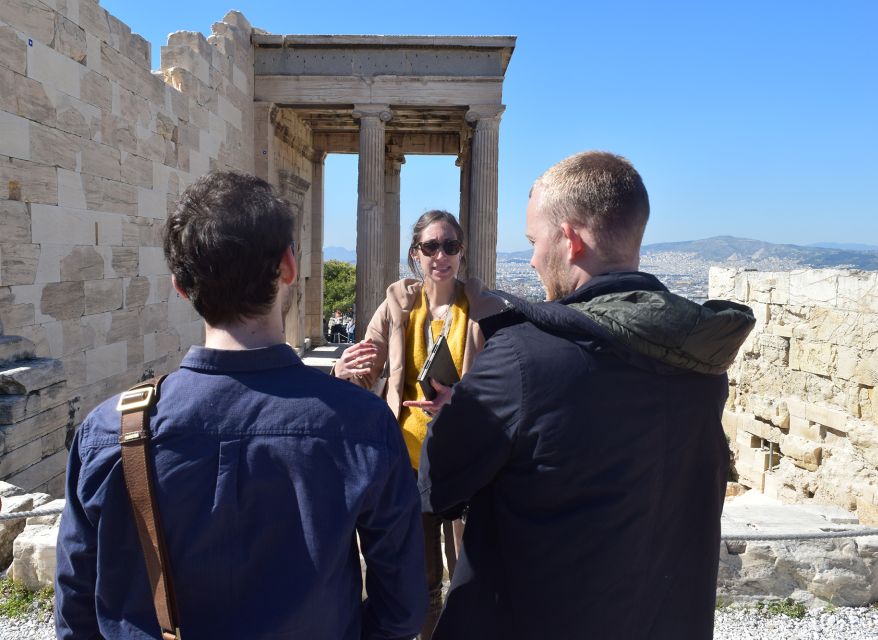
The tour walks from the meeting point to the Acropolis and starts at the Theatre of Dionysus. This is one of the best choices on the route because it gives you a cultural starting point before the grand temples appear above you.
Here, you learn about the ancient Greek theater and the setting where drama took shape. The stop helps explain that the Acropolis was not just a collection of temples. It was part of a wider religious and civic center tied to festivals, public life, performance, and the worship of Athena and Dionysus.
I like beginning here because the theater gives the climb a sense of sequence. You are not simply rushing uphill to take a picture of the Parthenon. You start with the public life of ancient Athens, then move toward the sacred buildings on the summit.
The approach is uphill and exposed to the sun. Wear shoes with a firm grip, bring water, and use a hat if the weather is hot. Food and drinks are not allowed inside the site, but you should hydrate before entering and after leaving.
The southern slope, clinic ruins, and Herodion
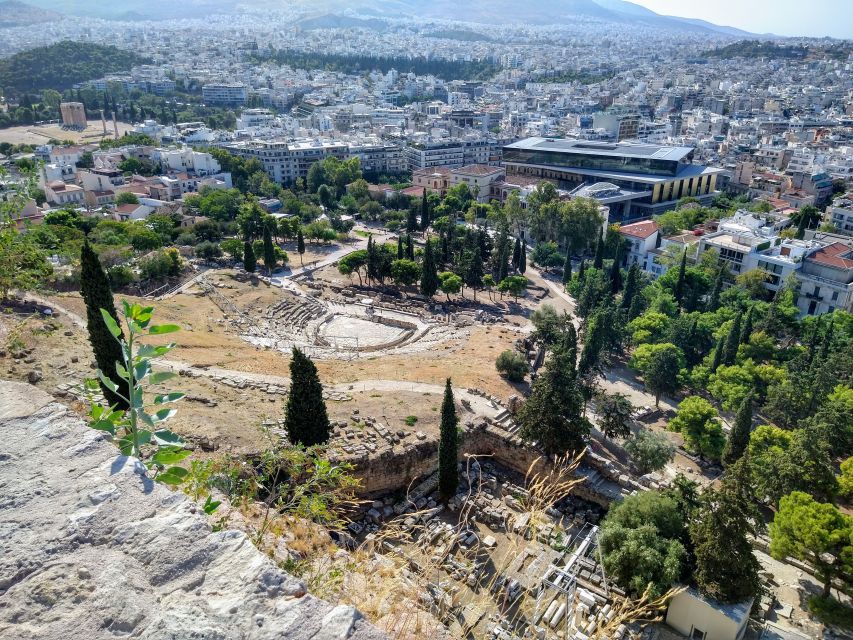
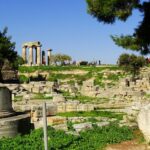
From the theater, the group follows the southern slope of the Acropolis. The walk passes the ruins of Athens’ first clinic and the Odeon of Herodes Atticus, often called the Herodion.
The clinic ruins are easy to pass without noticing, which is exactly why a guide helps. You can hear how the site served more than one purpose over time and how smaller remains fit into the larger story of ancient Athens. This is the sort of detail you are unlikely to pick up from a quick photograph.
The Herodion adds another layer. Its large stone theater sits below the Acropolis and remains one of the most memorable structures on the approach. The guided stop helps you place it in relation to the hilltop temples and understand why the southern side is such an important route.
This section is not a flat stroll. The ground can be uneven and, on occasion, slippery. If you have balance problems, take the climb seriously. The tour is specifically not suitable for wheelchair users, people with mobility impairments, or pregnant women, and there is no elevator to the Acropolis.
Passing through the Propylaea
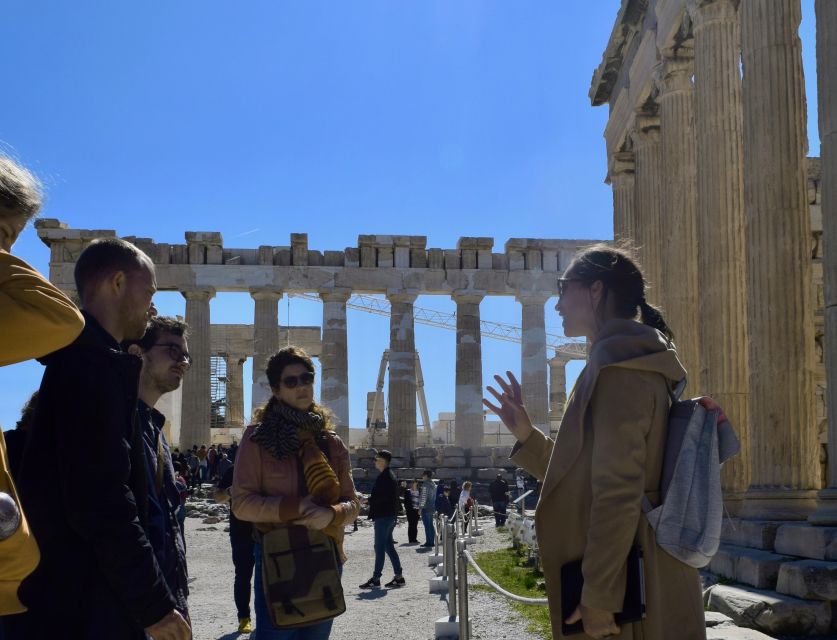
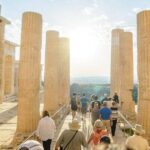
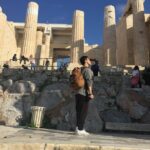
Near the summit, you pass through the Propylaea, the monumental gateway to the Acropolis. This is the moment when the visit changes from a climb through scattered ruins to an arrival at the main sanctuary.
The gateway is impressive because it frames what comes next. From here, you can see the Parthenon, the Erechtheion, and the Temple of Athena Nike. Your guide explains why these buildings were placed where they are and how ancient architects handled the demands of the hill.
I find this part especially useful because it turns architecture into a problem that people had to solve. The builders were working with steep ground, huge blocks, and a site meant to impress anyone approaching it. Listening to the reasoning behind the design makes the stones feel less remote.
The Propylaea can also be crowded, and the open hilltop offers little shade. Your guide may need to find a workable place for the group to pause while still allowing other visitors to move through. Bring patience along with your camera.
- All Day Cruise -3 Islands to Agistri,Moni, Aegina with lunch and drinks included
★ 5.0 · 4,958 reviews





The Temple of Athena Nike
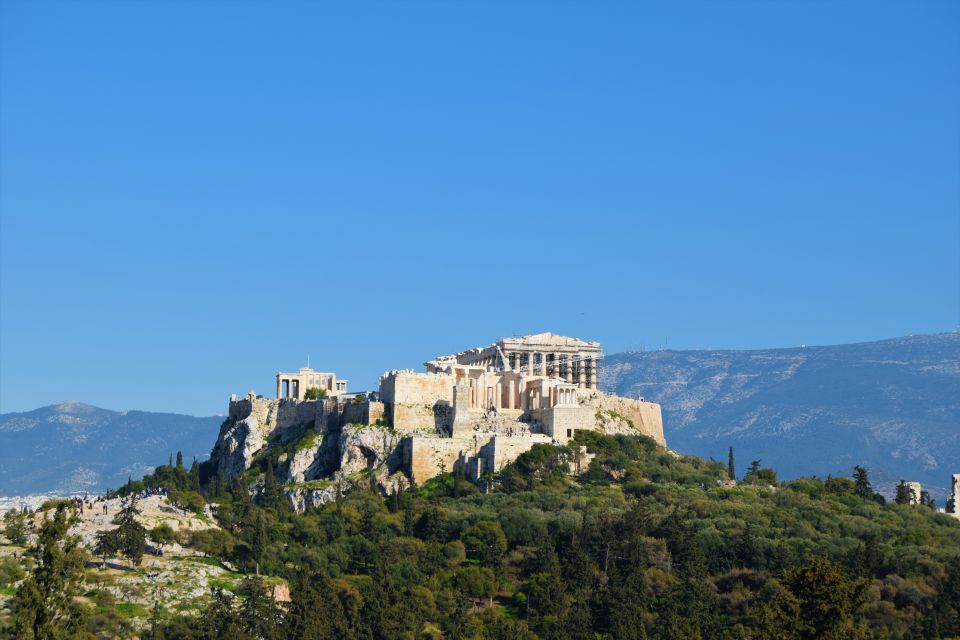
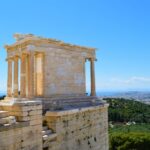
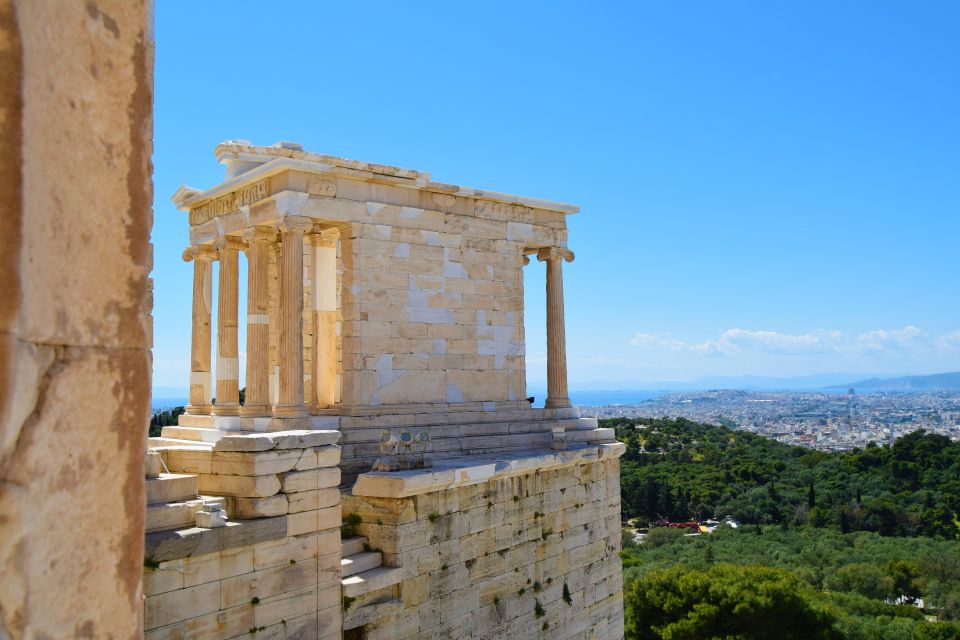
The small Temple of Athena Nike sits near the entrance and is easy to overlook beside the Parthenon. This tour gives it proper attention.
The temple was dedicated to Athena in her role as Nike, or victory. Hearing the mythological and political stories attached to the goddess helps you understand why this small building mattered so much to Athens. Its position near the gateway gave visitors an early glimpse of the city’s religious message.
This is a good example of the tour’s strength. The guide does not only point at a monument and name it. You get the story behind the building, which makes it easier to remember later.
The Erechtheion and its Caryatids
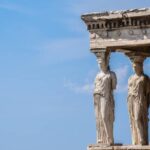
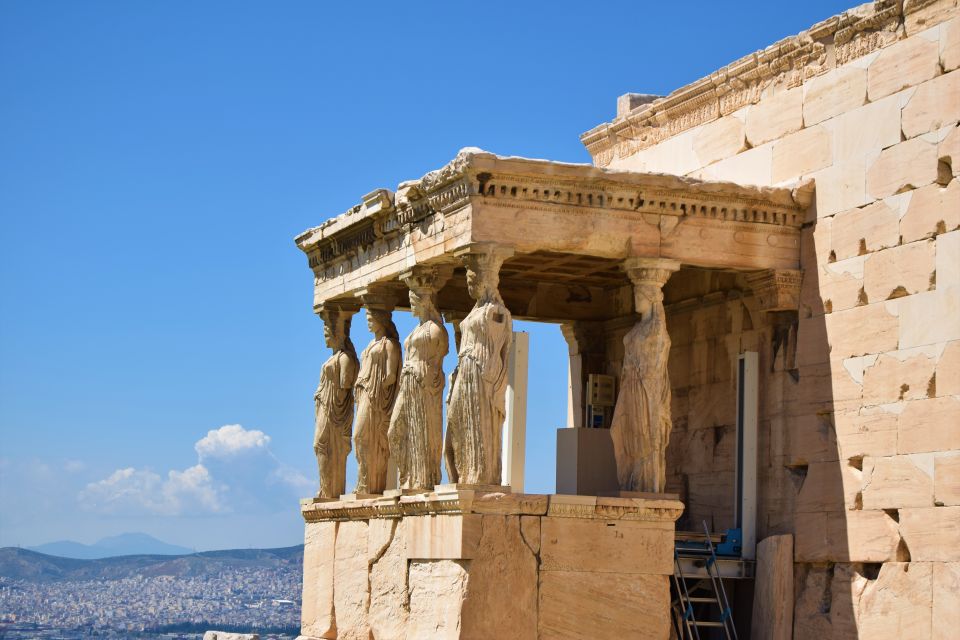
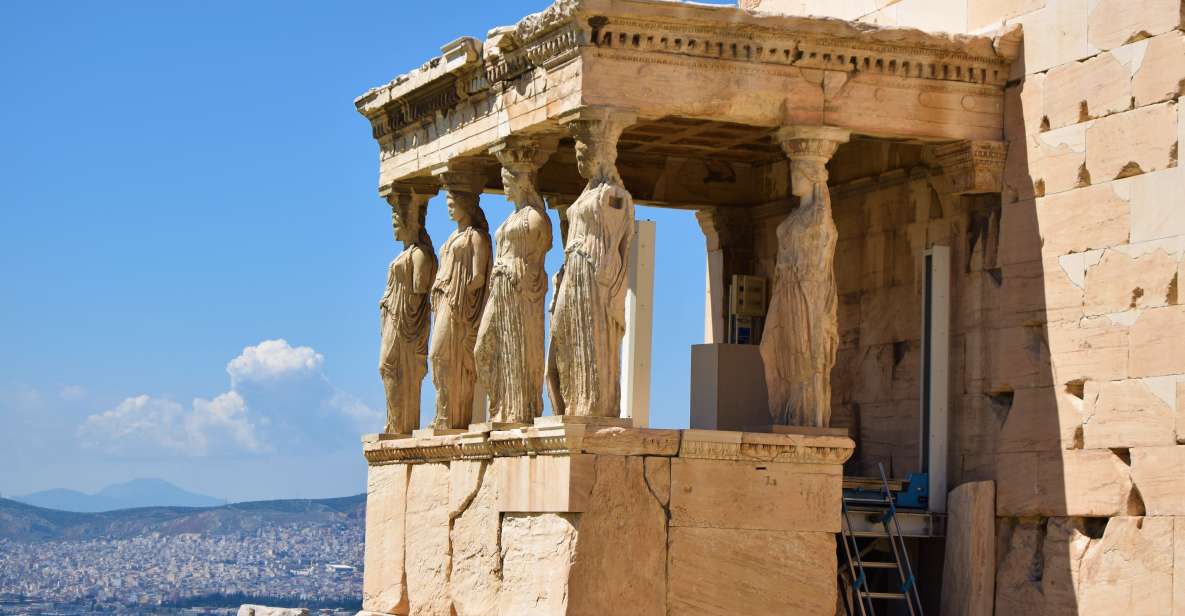
The Erechtheion is one of the most unusual buildings on the Acropolis. Its uneven plan reflects the complicated sacred traditions connected to the site, and its porch with the famous Caryatids draws nearly every camera.
Your guide explains the myths surrounding Athens’ patronage and the contest for control of the city. These stories help you see why several sacred traditions could exist in one place, rather than treating the Erechtheion as an odd-looking temple with no clear purpose.
The Caryatids you see outside are copies. The original statues are protected in the Acropolis Museum, which is why the second half of this tour matters so much. Seeing the porch first and the authentic figures later gives you a useful before-and-after comparison.
You should allow time for photographs, but remember that the best view can also be the busiest. Listen first, then step aside for pictures when the guide releases you for free time.
The Parthenon and the 20-minute photo stop
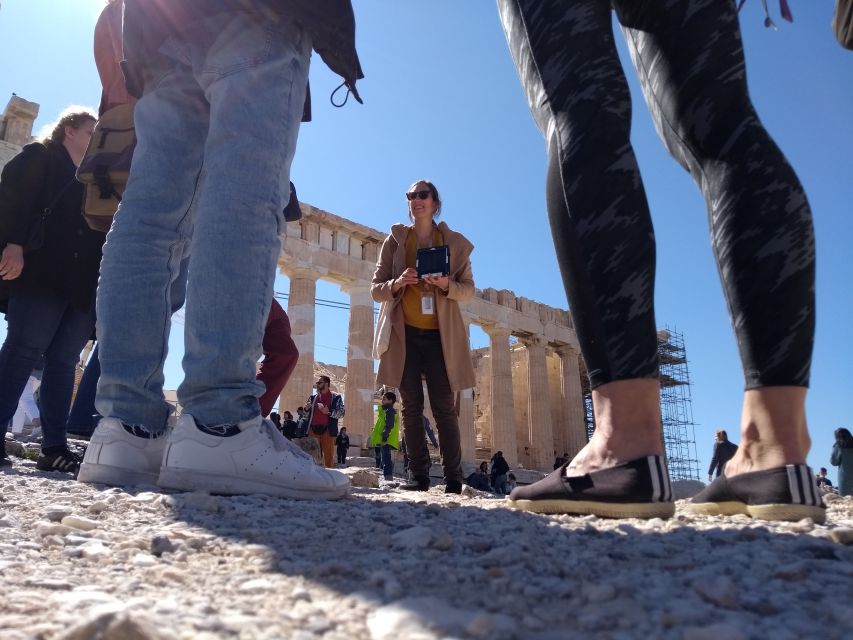
The Parthenon is the main event, and the tour gives it the attention you would expect. You learn about the temple’s purpose, its design, and the methods used to create a building that still commands the hill after centuries of damage and change.
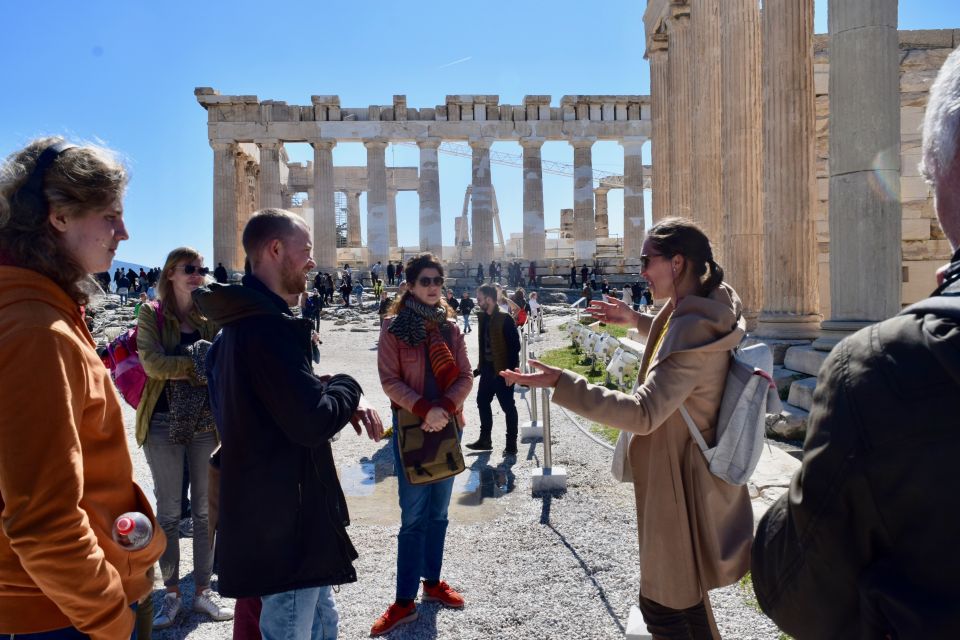
The guide’s storytelling approach is valuable here. The Parthenon is easy to reduce to a famous photograph, but the myths about Athena, the rise of Athenian democracy, and the city’s classical heyday add meaning to the columns and battered sculptures.
The guided portion ends on the Acropolis, followed by roughly 20 minutes of free time near the Parthenon. That is enough for photographs and a look around at your own pace, though it is not enough for an unhurried exploration of every corner.
The light can be strong, especially on the exposed southern slope. Comfortable shoes, a sun hat, and water are not optional extras for most people. Sharp objects, weapons, smoking, food, drinks, and drones are not permitted.
Walking down to the Acropolis Museum
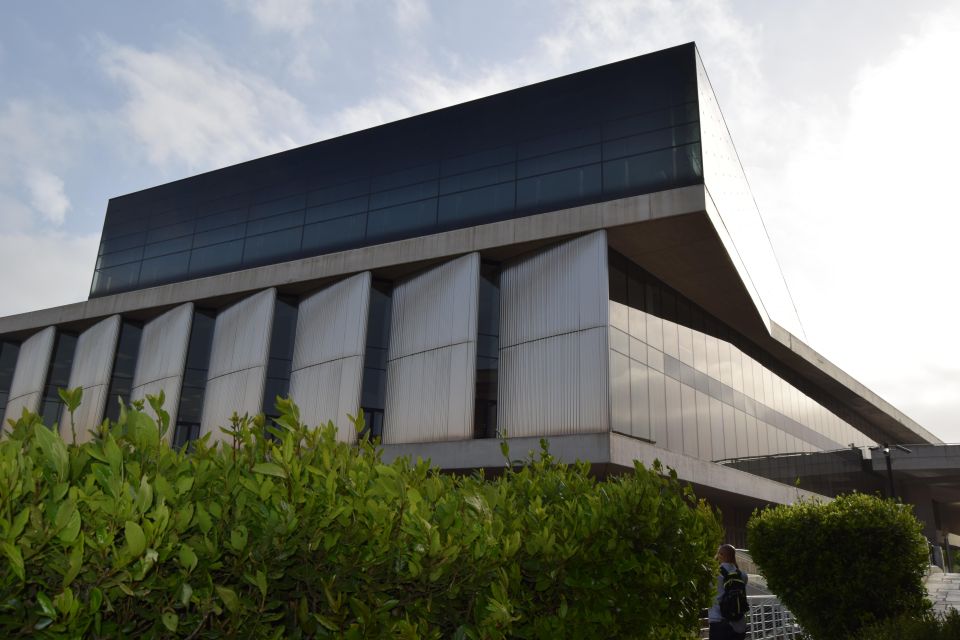
After the hilltop visit, you walk about two minutes to the Acropolis Museum. The short transfer keeps the experience focused and avoids wasting time on transport.
The museum gives you something the hill cannot: original sculpture in a protected setting. You can examine details that are hard to see outdoors, compare fragments, and view the authentic Caryatids rather than only their replacements on the Erechtheion.
The Parthenon sculptures are especially important at this point. On the Acropolis, you see the temple in its setting, but the museum helps you understand the decorative program and the skill behind the carved figures. The two visits work best together, like looking at a historic building first and its original plans afterward.
I would not treat the museum as a quick add-on. It is the part that gives the Acropolis visit greater depth. Without it, you see magnificent ruins. With it, you get a clearer sense of the statues, decoration, and human work that once filled the sanctuary.
The activity ends at the museum, and the guided portion takes place there after the walk from the hill. If you want extra museum time, check how much of the three-hour schedule remains at the end, then decide if you want to stay on your own.
What the Dutch guide adds
A Dutch-speaking guide changes the feel of the visit, particularly if you want history told as a connected story. The tour covers the mythological struggle for Athens, the growth of democracy, the first theater, and the temples, linking each stop rather than presenting isolated facts.
The strongest guide style for this site is one that points out details you would miss. Jessica has been singled out for being friendly, clear, and interesting, with explanations that helped a family member prepare a school presentation. That suggests this tour can work well for families and younger visitors who need more than a string of dates.
You should still ask questions. The tour format leaves room for explanations, and a licensed guide is included in the price. The exact guide can vary by departure, so do not book on the assumption that Jessica will lead your date.
Who should book this experience?
I would choose this tour if you want the essential Acropolis sights explained in Dutch and you also want the museum included. It suits first-time visitors, families, and anyone who prefers stories and myths to a dry list of archaeological terms.
It also works well if your Athens schedule is tight. The route covers the major hilltop monuments and the museum in three hours, with tickets already arranged and no need to plan a second visit.
I would choose something else if you want a very slow visit, extended time for photography, or independent exploration. The climb is real, the sun can be intense, and the fixed route leaves less freedom than visiting alone. The $152 price also deserves careful thought if you are traveling on a tight budget.
Free cancellation up to 24 hours before the activity and the option to reserve now and pay later make the booking less rigid. Still, the physical demands do not change, so flexibility with payment is not a substitute for comfortable walking ability.
Should you book the Acropolis and Museum tour?
Book it if Dutch guidance is important and you want the Acropolis and its original sculpture collection presented as one story. The Theatre of Dionysus, the Propylaea, the Erechtheion, and the Parthenon give you the setting, while the museum supplies the details and authentic works.
Skip it if you cannot manage an uphill walk over uneven surfaces, need elevator access, or mainly want a cheap ticket and free time. For everyone else, this is a focused way to cover Athens’ top ancient sight without leaving the museum for another day.
FAQ
Where does the Acropolis tour meet?
Meet outside Acropoli Metro station, using the Makriyianni and Dionysiou Areopagitou exit.
How long does the tour last?
The activity lasts three hours.
What language is the tour in?
The live guide speaks Dutch.
Does the price include Acropolis admission?
Yes. Entry to the Acropolis is included.
Does the price include Acropolis Museum admission?
Yes. Entry to the Acropolis Museum is included.
Is a licensed guide included?
Yes, a licensed guide is included.
Is there free time for photographs?
Yes. You receive about 20 minutes of free time near the Parthenon for photographs.
Does the tour include hotel pickup?
No. Hotel pickup and drop-off are not included.
Is the tour suitable for wheelchair users?
No. The tour is not suitable for wheelchair users or people with mobility impairments, and there is no elevator.
What should I bring?
Bring comfortable shoes, a sun hat, and water. You should be ready for an uphill walk on uneven surfaces, which may sometimes be slippery.