REVIEW · ATHENS
Athens: Traditional Greek Cooking Class with Full Meal
Book on GetYourGuide →Operated by CookinAthens · Bookable on GetYourGuide
The best part of this Athens cooking class is that the meal is not decided in advance and handed to you on a plate. You discuss the menu with your host, then help make a five-course Greek spread from fresh ingredients, including pita dough, a Greek pie, salad, a main course, and dessert. The meal ends with wine and views toward the Acropolis.
I like the tailored menu, which gives you a better chance of enjoying the food if you have dietary needs or strong dislikes. I also like the friendly, home-style setting, especially when Marilena is leading the class. The main thing to consider is that the amount of hands-on work can vary. One participant wanted more time doing the cooking rather than watching demonstrations.
In This Review
- Key points to know before booking
- Cooking Greek food in a fifth-floor Athens kitchen
- Starting with Greek wine and local snacks
- Making five Greek dishes from scratch
- Eating the meal with an Acropolis view
- What the $107 price really covers
- The role of the instructor
- Who will get the most from this class
- Planning the timing and booking
- Should you book CookinAthens?
- FAQ
- How long does the Athens cooking class last?
- Where does the class meet?
- Is hotel pickup included?
- What food will I prepare?
- Is wine included?
- Will I receive the recipes afterward?
Key points to know before booking
- Five dishes from start to finish: Prepare appetizers, Greek pie, salad, a main course, and dessert, with guidance on making pita dough.
- Menu planned with your host: Discuss your preferences before class so the meal can suit your needs where possible.
- Acropolis views from the kitchen: The fifth-floor location near Monastiraki has full-length glass windows and a view toward the city.
- Wine and local nibbles included: Begin with Greek snacks and wine, then sit down to eat what you helped prepare.
- Recipes sent after class: You receive the recipes by email, so the experience can continue in your own kitchen.
- Central but not hotel-to-hotel: The class is near Monastiraki, but you must make your own way to Evripidou 90.
Cooking Greek food in a fifth-floor Athens kitchen
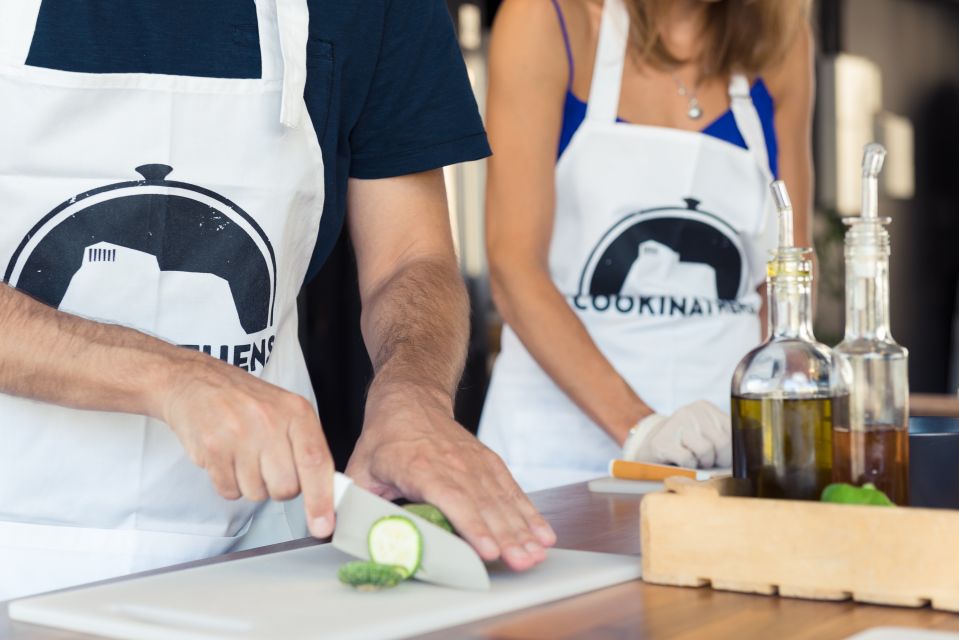
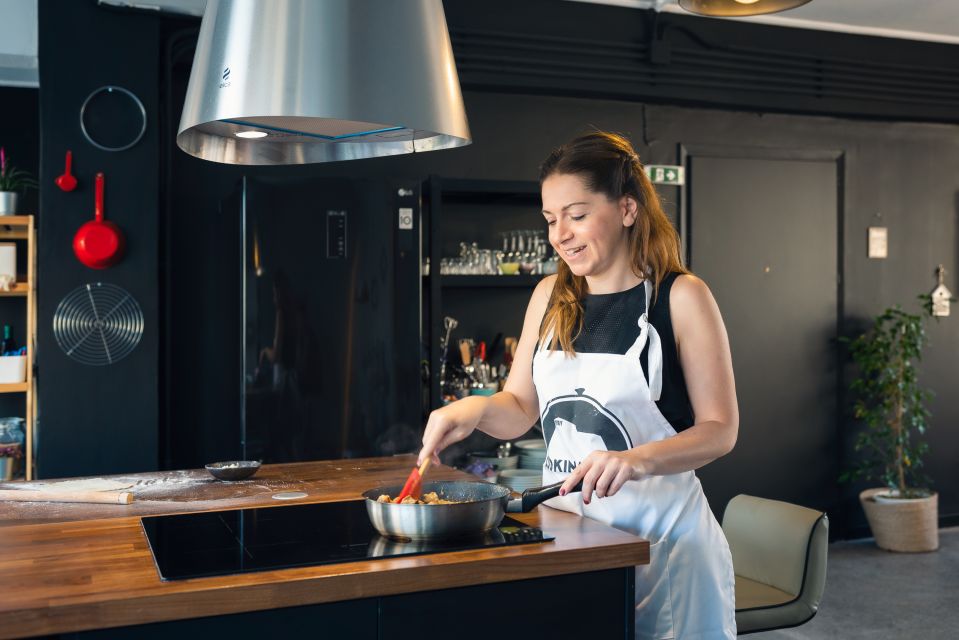
This is a three-hour cooking class in central Athens, close to Monastiraki. You meet at Evripidou 90, on the fifth floor, in a large working kitchen with full-length windows and views toward the Acropolis.
The setting matters. A cooking class in a functioning kitchen feels more useful than a polished demonstration where you sit and watch. You can see the appliances, ingredients, and work surfaces in use, and you leave with recipes that are meant to be repeated at home.
The room also gives the class a social feel. You cook alongside the other people booked for the session, then share the finished meal together. The class is conducted in English, and the atmosphere is designed to feel relaxed rather than formal.
You will not be picked up from your hotel. From Monastiraki Metro Station, follow the signs for the Themidos exit, then walk southwest toward Miaouli Street. Turn left at Iroon Square, continue along Agios Anargiron and Sachtouri, and turn right onto Evripidou. The entrance is opposite number 90, on the fifth floor.
Allow a little extra time for finding the entrance. The directions are clear once you are in the right streets, but this is not a tour bus stop with a large sign waiting at the curb.
You can also read our reviews of more cooking classes in Athens

Starting with Greek wine and local snacks
The class begins with a glass of Greek wine and small local snacks. This is a welcome touch, since you can settle in and talk through the menu before handling the food.
You discuss your preferences with the host before the cooking starts. That gives you a chance to raise dietary restrictions early. The class has received particularly strong praise for handling those needs, but you should still explain them clearly before the menu is set.
The food plan is not simply a fixed list of five dishes. Traditional family recipes form the base, sometimes with a small change. That balance is useful: you get a recognizable Greek meal, but the class can respond to the people in front of the instructor.
I like this opening because it gives the activity a local, shared-table feeling. You are not rushed straight into chopping vegetables. You have time to meet the instructor, taste a few local items, and understand what you will be preparing.
Making five Greek dishes from scratch
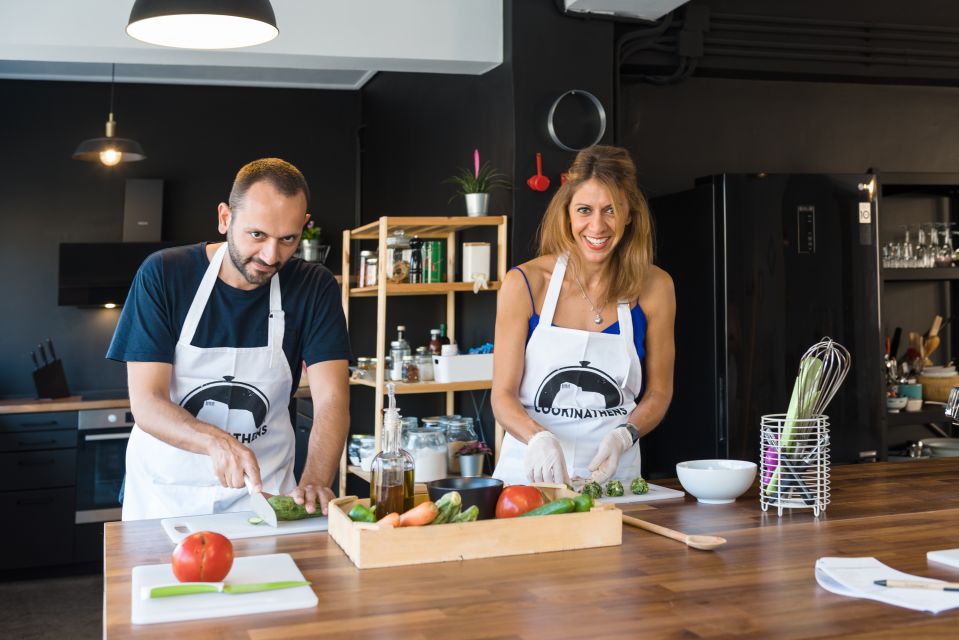
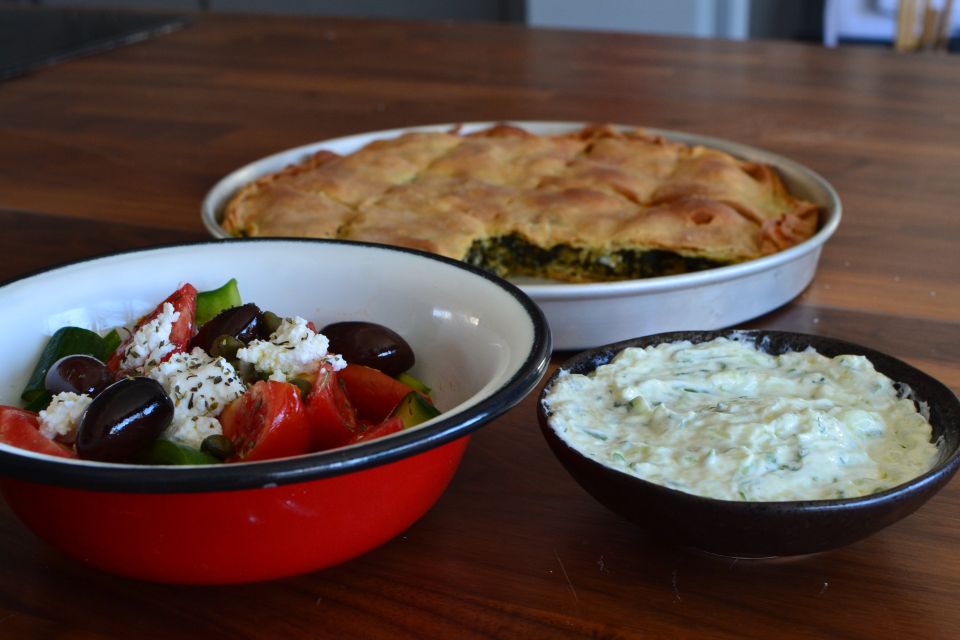
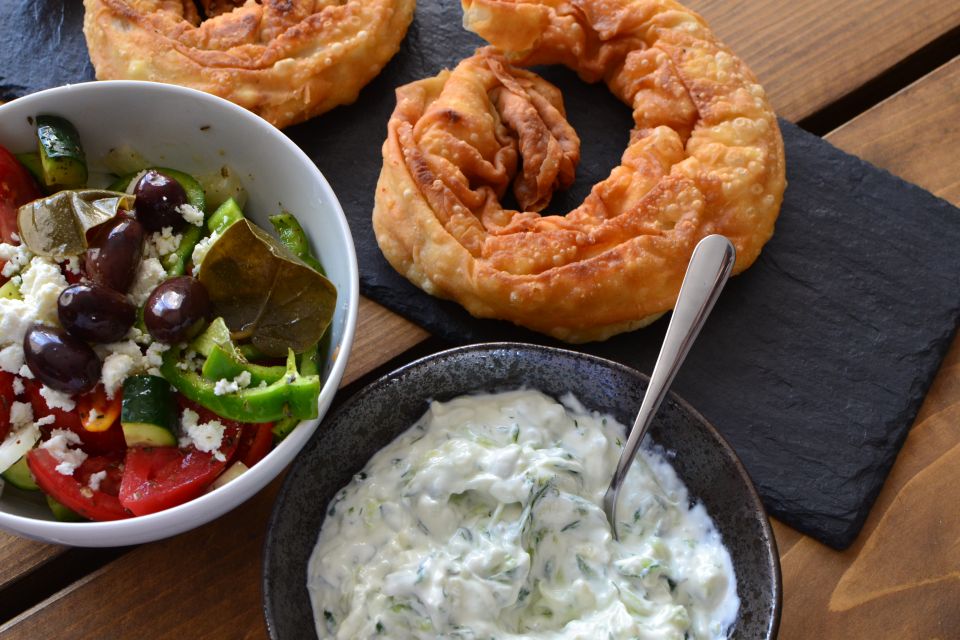
The menu includes appetizers, a Greek pie, Greek salad, a main course, and dessert. Together, these courses give you a broad look at Greek home cooking rather than focusing on one famous dish.
The class includes step-by-step instruction, and you learn techniques for making pita dough. That is one of the more useful parts for a home cook. Dough can seem simple, but the feel, handling, and preparation matter more than a short list of ingredients.
The Greek pie gives the class another practical skill. You get to see how a prepared dish comes together rather than only assembling something ready-made. The salad and appetizers provide lighter tasks alongside the more involved preparation, while the main course and dessert make the final meal feel like a proper family spread.
Your exact dishes are agreed with the host, so the menu can change. That is good for flexibility, but it means you should not book expecting one specific named recipe unless it has been confirmed before the class.
The food is made with fresh ingredients, and the cooking is done from scratch. That makes the three hours useful for learning methods, not just sampling dishes. At the same time, keep your expectations realistic: this is a social cooking experience, not a professional chef course.
One point deserves attention. The class is described as hands-on, but the balance between doing and watching may depend on the group and the instructor. Most of the feedback is very positive, yet one participant would have preferred more direct work. If you want constant knife work, stove time, and individual correction, ask how the session is organized before booking.
Eating the meal with an Acropolis view
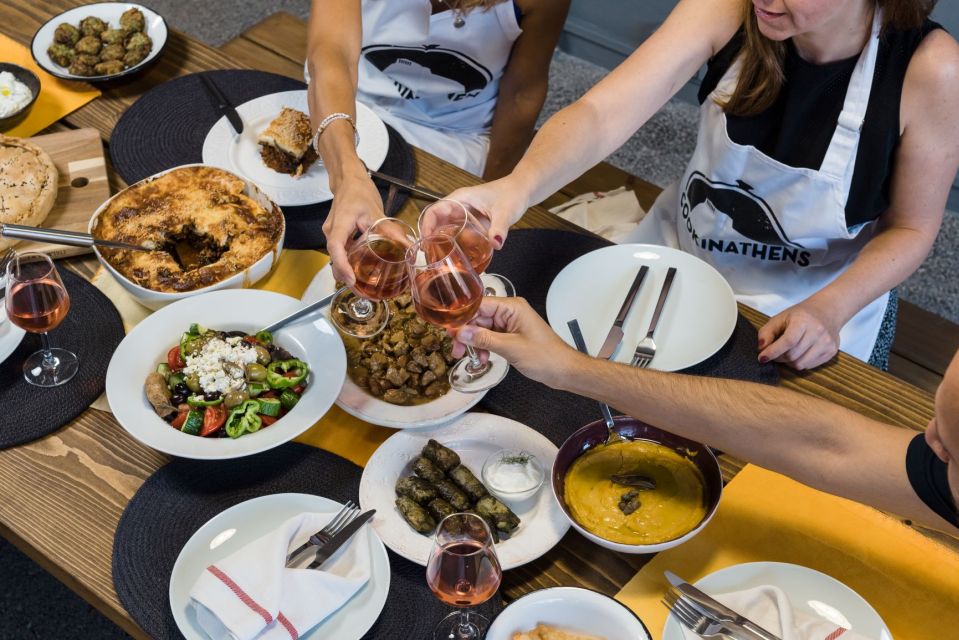
After the cooking is finished, you sit down to eat the meal with your host. Greek wine, water, and refreshments are included, so the $107 price covers more than the instruction itself.
The shared meal is a major part of the value. You are not just leaving with a few recipes and a quick taste. You prepare several courses, then have time to enjoy the food in the same kitchen where it was made.
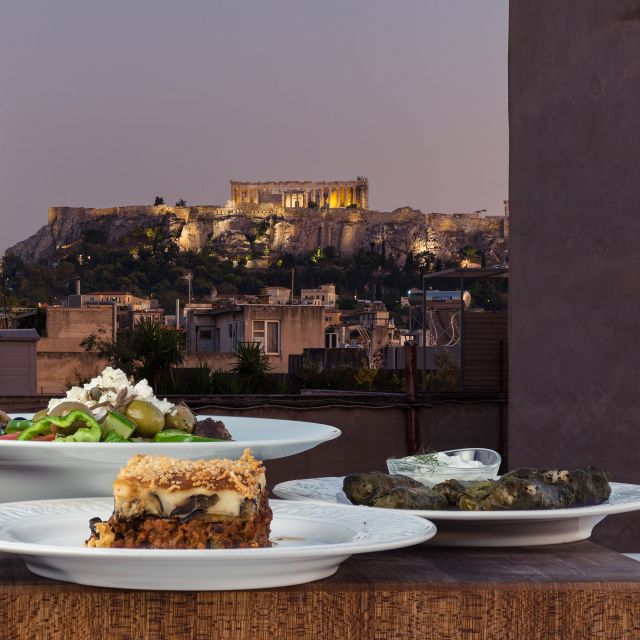
The full-length windows add something special to the meal. You can look over Athens and toward the Acropolis while eating. It is a simple detail, but it gives the class a clear sense of place. You are cooking in the middle of the city, not in an anonymous classroom.
The social side can be just as important as the view. You eat with the instructor and the other participants, which makes this a good choice for solo visitors, couples, and small groups who enjoy conversation with their food.
The meal may also be generous. One participant reported leaving very full and with food to go. That will depend on the menu and the amount prepared, so do not treat leftovers as a guaranteed extra. Still, the class is clearly intended to feed you properly, not just provide small tasting portions.
What the $107 price really covers
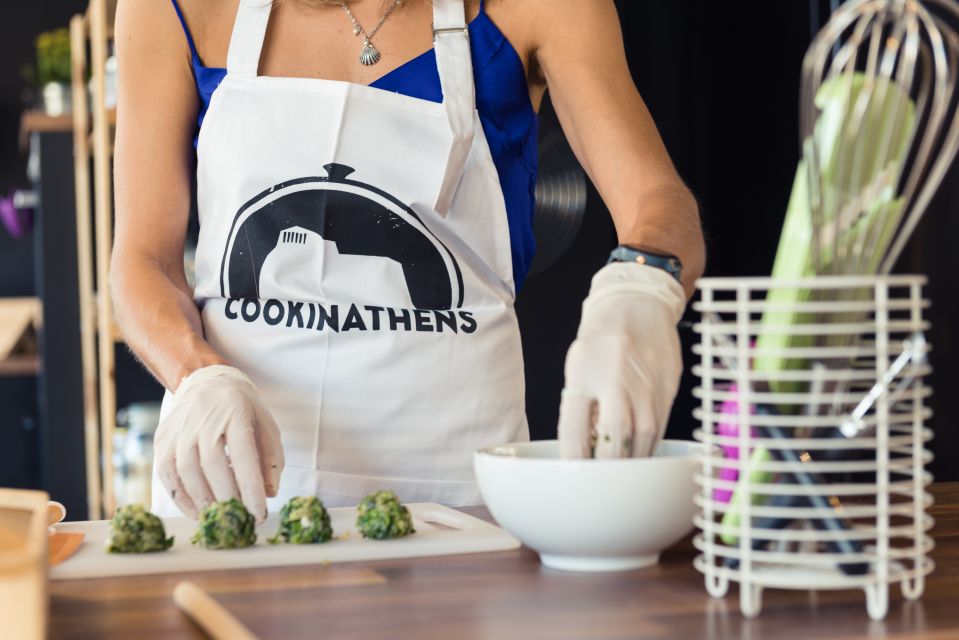
At $107 per person, this is not the cheapest way to eat in Athens. You can find a less expensive restaurant meal, and a market visit costs far less. The price makes more sense when you count the instruction, ingredients, wine, refreshments, full meal, city view, and recipes sent afterward.
You are paying for an activity that combines a meal with a practical lesson. If you enjoy cooking, the recipes can give the experience value long after your stay. You can use them for a Greek dinner at home and share the result with family or friends.
The menu is also tailored with your host, which adds value for people with dietary restrictions. A fixed cooking demonstration may not give you that flexibility.
The price is less compelling if you mainly want to eat Greek food. In that case, a good taverna will be simpler and cheaper. This class works best when you want to spend an afternoon making the meal, meeting people, and taking something practical home.
There is no hotel pickup or drop-off, but the location is central and reachable by Metro. Since you are responsible for getting there, include the walk and the time needed to find the fifth-floor entrance when planning your day.
A few more Athens tours and experiences worth a look


The role of the instructor
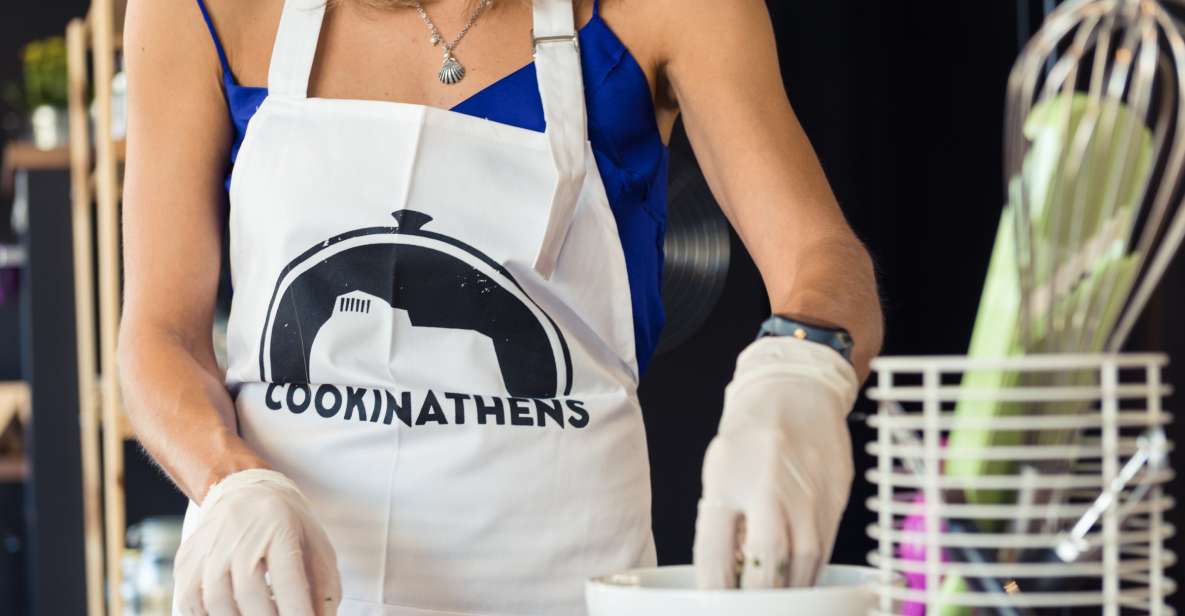
The instructor shapes the class more than the written menu does. Marilena is specifically praised for being relaxed, approachable, and fun, while also guiding the cooking clearly. Her style appears to suit people who want a comfortable introduction rather than a strict culinary lesson.
That relaxed approach is helpful if you are not confident in the kitchen. You can ask questions, work through unfamiliar techniques, and learn without feeling as if you are being tested.
The class is in English. The recipes and instructions are intended to be clear enough to use later, and the recipes are emailed after the session. That follow-up is particularly useful because cooking classes move quickly. You may remember the general method but forget the exact quantities once you are back home.
Do not expect a private lesson unless your booking specifically says so. The experience includes fellow participants, and the shared kitchen means attention may be divided. That can make the class more social, but it may also explain why some people get more direct cooking time than others.
Who will get the most from this class
I would recommend this experience to you if you enjoy food as a way to understand local life. The recipes are traditional, the setting is informal, and you eat the meal with the person who helped teach you.
It is also a good fit for:
- Couples looking for an activity beyond museums and ancient sites
- Solo visitors who like meeting people over a shared meal
- Families and friends who want a practical group experience
- Home cooks interested in Greek pies, pita dough, and family-style menus
- People who need to discuss dietary preferences before cooking
It may not suit you if you want a quiet, private meal, a short demonstration, or a highly technical chef-led course. It also may not be ideal if standing and working in a kitchen for three hours is uncomfortable. Comfortable shoes are recommended.
The class has a strong food and social focus, so plan it for a day when you can take your time. It ends back at the meeting point, making it easy to continue in central Athens afterward.
Planning the timing and booking
The activity lasts three hours, but starting times depend on availability. Check the available sessions before arranging other plans. A cooking class can run directly into dinner or an evening performance, so leave room after the scheduled end rather than cutting things close.
You can cancel up to 24 hours in advance for a full refund. The reserve-now, pay-later option also helps if your Athens schedule is still moving around.
Before booking, think about the menu you want and tell the host about dietary restrictions as early as possible. Since the menu is discussed before class, this is one of the few details you can help shape.
Wear comfortable shoes. You will be working in a kitchen, and the activity is more than a seated tasting.
Should you book CookinAthens?
Book this class if you want a full Greek meal, not just a cooking demonstration. The combination of five dishes, wine, fresh ingredients, an Acropolis view, and recipes for home gives the experience lasting value.
I especially like it for people who want a personal side of Athens. You learn family-style recipes, eat with the host, and spend time in a working kitchen near Monastiraki. The dietary flexibility is another strong reason to choose it.
Go in knowing that the hands-on time may not be perfectly equal for everyone. If you want a serious culinary workshop with constant individual instruction, confirm the format first. For most people seeking an enjoyable, useful food activity, the three-hour class is a well-rounded choice at $107.
FAQ
How long does the Athens cooking class last?
The cooking class lasts three hours. Starting times vary, so check availability when booking.
Where does the class meet?
The class meets at Evripidou 90, on the fifth floor, near Monastiraki. The meeting point is in central Athens.
Is hotel pickup included?
No. Hotel pickup and drop-off are not included. You must make your own way to the meeting point.
What food will I prepare?
The menu includes appetizers, a Greek pie, Greek salad, a main course, and dessert. You discuss the menu with your host before the class.
Is wine included?
Yes. Greek wine, water, and refreshments are included, along with local snacks at the start and the full meal you prepare.
Will I receive the recipes afterward?
Yes. The recipes used during the class are emailed to you after the activity.