REVIEW · ATHENS
Food Tour
Book on GetYourGuide →Operated by GOGO ELECTRIC · Bookable on GetYourGuide
Athens makes a fine eating city because its best food is often found in ordinary places: a coffee shop, a souvlaki counter, a traditional tavern, or a market stall. This 3.5-hour food walk links those stops with a visit to Varvakeio Central Market, giving you both Greek staples and a look at the city’s everyday food culture.
I like the wide range, from sweet yogurt and loukoumades to cured meats, olives, souvlaki, and a proper sit-down meal. I also like the personal touch from guides such as Maria and Konstantinos, who can adjust the pace and explain what you are eating. The main drawback is the route’s setting around Omonia and the market, which may feel gritty rather than postcard-pretty, and the tour is not suitable for wheelchair users.
In This Review
- Key points at a glance
- Why this Athens food tour works
- Starting with Greek sweets and yogurt in Omonia
- Greek coffee prepared on the embers
- Walking through Athens’s central food neighborhoods
- Inside Varvakeio Central Market
- Souvlaki and the traditional meal in Metaxourgeio
- How much food and drink you get for $100
- What the guide adds to the experience
- Who should book this food walk
- Final call: book it if you want to eat your way through Athens
- FAQ
- How long does the Athens food tour last?
- How much does the food tour cost?
- Where does the tour meet?
- What food is included?
- Are drinks included?
- Does the tour visit Varvakeio Central Market?
- What languages are available?
- Can I join if I have allergies or dietary requirements?
Key points at a glance
- Varvakeio Central Market: See Athens’s famous fresh-produce market and taste local cheeses, cured meats, and olives.
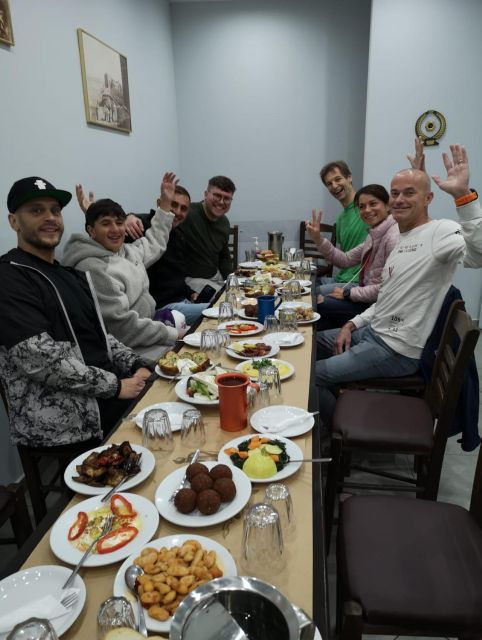
- A full Greek tasting: Expect yogurt, loukoumades, bougatsa, Greek coffee, souvlaki, a traditional meal, and drinks.
- Food-focused guiding: Maria and Konstantinos bring practical knowledge of Greek food and can offer ideas for your own Athens exploring.
- A walk through central Athens: The route connects Omonia, central food stops, Varvakeio, and Metaxourgeio.
- Good value for hungry diners: At $100 per person, the price includes many tastings, drinks, and lunch over three and a half hours.
- Plan for a substantial meal: Arrive hungry, since the food comes in several stages rather than as a few token samples.
Why this Athens food tour works
The appeal here is simple: you eat your way through central Athens while moving between places that locals use for daily food. Instead of spending three hours at one restaurant, you get small tastes, market browsing, coffee, sweets, street food, and lunch.
That variety matters in Greece. A plate of souvlaki tells you one thing about the country’s food habits. A spoonful of yogurt, a flaky bougatsa, an olive, or a piece of cured meat tells you something else. Put them together and you get a broader picture of Greek eating.
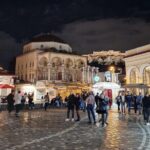
The route begins at Platia Omonias, outside the entrance to Hondos Center at Pl. Omonias 4. Omonia is a practical central meeting point, but it is not the polished Athens of the Acropolis slopes. Expect a city neighborhood with plenty of movement, shops, traffic, and urban rough edges. That is part of the point, though you should come ready for a real city walk rather than a quiet old-town stroll.
The tour is offered in English and German, with private and small-group options available. That choice can make a real difference. A private group gives your guide more room to shape the food stops around your questions and pace, while a small group keeps the social feel without the size of a large coach outing.
You can also read our reviews of more food & drink experiences in Athens


Starting with Greek sweets and yogurt in Omonia
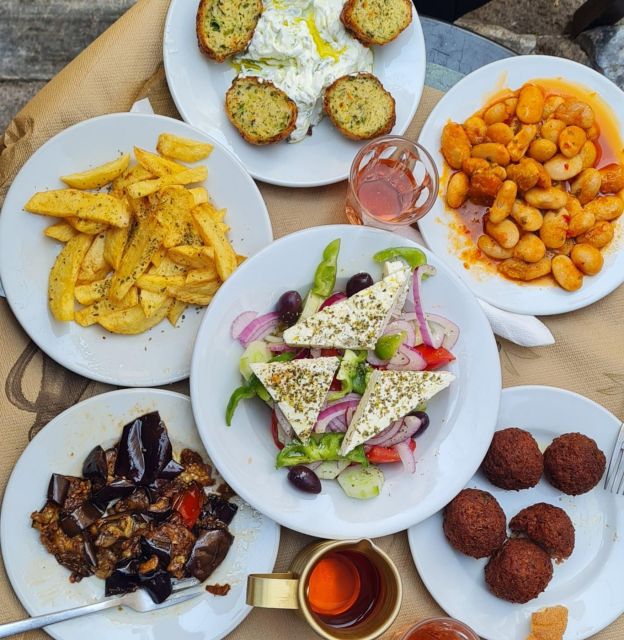
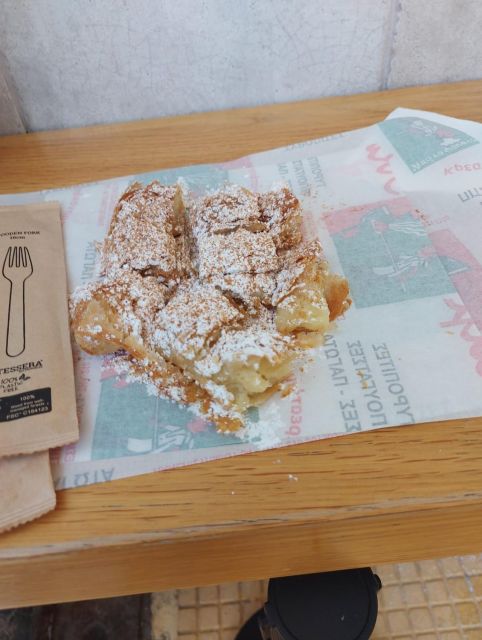
The early tastings set the tone. Greek traditional yogurt gives you a creamy, familiar starting point, but the tour is not built around only famous dishes. You also get loukoumades, the small Greek donuts, and bougatsa, a puff pastry filled with sweet cream.
Loukoumades are a good reminder that Greek food is not only grilled meat, salad, and feta. They are a sweet bite, often enjoyed as a snack or dessert, and they help make the opening section feel relaxed rather than overly formal.
Bougatsa brings a different texture: crisp pastry with a soft, sweet center. It is the sort of food that is best understood by eating it fresh, and it gives you a useful comparison with the savory pastries found around Greece.
The guide’s role matters here. You are not simply handed food and sent along. A food-focused guide can explain how each item fits into Greek daily life, point out what to notice, and help you avoid treating every dish as just another sample. Maria, one of the available guides, is fluent in several languages and can also discuss what to see and do in Athens beyond the food stops.
Greek coffee prepared on the embers
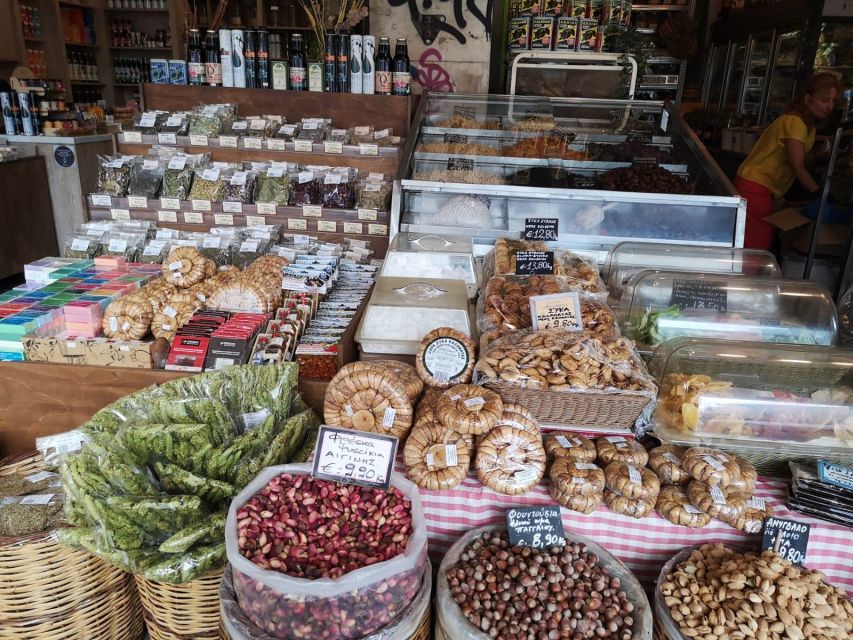
The coffee stop adds a bit of theater without turning the tour into a staged show. Greek coffee is prepared on the embers, an old-style method that gives you a chance to see how the drink is made before tasting it.
This is not the same experience as ordering a quick modern coffee. Greek coffee is strong, unfiltered, and served with grounds left in the bottom of the cup. It is meant to be enjoyed slowly. If you normally drink coffee with milk or a large amount of sugar, ask your guide how locals commonly take it.
The coffee break also offers a useful pause during the walk. Athens can be hot, and one of the strongest details from the tour’s feedback is that Maria adjusted the route to suit a particularly hot day. That is worth keeping in mind if you visit in summer. A flexible guide and a sensible pace are more useful than rushing from one food stop to the next.
Walking through Athens’s central food neighborhoods
Between tastings, you walk through central Athens, moving from Omonia toward other food stops and eventually Metaxourgeio. The tour description does not promise a sightseeing route packed with major monuments, so you should book it for food and local street atmosphere first.
That is not a weakness. The walk gives you a look at central neighborhoods full of shops, cafés, food businesses, and ordinary city life. You may also receive suggestions for places to visit later in your stay. Konstantinos, another guide on this experience, is specifically praised for showing interesting places and offering useful ideas for further exploring Athens.
I find this kind of information especially valuable at the start of a visit. A guide can help you place the central market and surrounding food streets on your mental map. You may leave with a better sense of where to return for a coffee, meal, or snack, even though the precise recommendations can vary by guide and day.
Wear comfortable shoes and leave room for a warm day. The walk is not described as wheelchair accessible, and the activity is not suitable for wheelchair users. Anyone with limited mobility should ask the provider for current route details before booking.
Inside Varvakeio Central Market
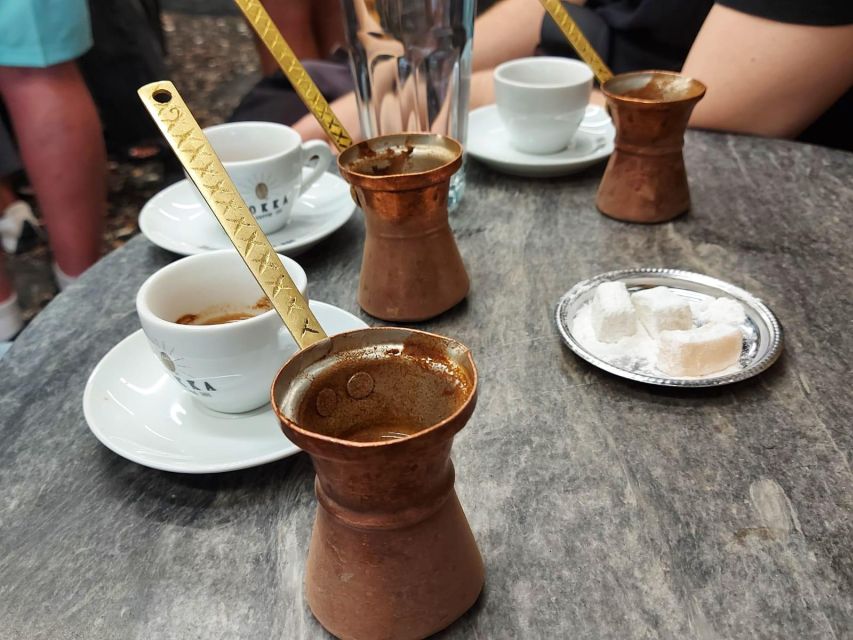
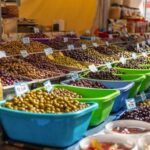
Varvakeio Central Market is the visual center of the tour. Athens’s famous central municipal market is a working fresh-products market, not a quiet museum display. You go there to see food being sold as part of daily city life.
The market visit is valuable because it adds context to the dishes you taste elsewhere. Greek cheeses, cured meats, and olives are not abstract items on a tasting plate. At Varvakeio, you see the kinds of products that support Greek home cooking, tavern meals, and quick snacks.
This is also where the route may feel most direct and unpolished. Markets can be noisy, crowded, and full of strong smells. That is part of the experience, but it may not suit you if you want a calm, carefully arranged food tour.
The tastings of cheese, cured meat, and olives give you a chance to compare flavors rather than simply eat one prepared dish after another. Ask your guide what makes the local products different and which items are worth seeking out later. Since the exact selection can change, treat the market as a chance to taste what is available rather than a fixed menu.
A few more Athens tours and experiences worth a look

Souvlaki and the traditional meal in Metaxourgeio
Souvlaki brings the familiar Greek street-food element. It is a useful stop because you can see how a simple combination of grilled meat, bread, and accompaniments becomes one of Greece’s most widely loved quick meals.
The tour then moves toward Metaxourgeio for lunch. This is where the separate tastings become a proper traditional meal, accompanied by Greek drinks, beer, or soft refreshments. You should not expect lunch to be an afterthought. The day is designed to leave you genuinely full.
That is why the advice to arrive with an empty stomach is practical, not decorative. You will be eating across several stops, and the meal comes after yogurt, sweets, coffee, market products, and souvlaki. A large breakfast could make the final section uncomfortable.
The meal is also the best chance to ask about Greek dining customs. If you are used to ordering one main course per person, a traditional meal may feel different, with several dishes shared around the table. The supplied details do not specify the exact lunch menu, so the dishes may depend on the tavern and the day.
How much food and drink you get for $100
The $100 price is easier to judge when you count the experience as a guided meal spread over three and a half hours. Your cost includes yogurt, loukoumades, bougatsa, ember-prepared Greek coffee, souvlaki, market tastings of cheese, cured meat, and olives, a traditional meal, and Greek drinks, beer, or refreshments.
That is a substantial package. If you sampled each item independently and paid for a full lunch and drinks, the total could add up quickly. You are also paying for the guide’s time, explanations, route planning, and help choosing what to notice.
The value is strongest for people who want a food-centered introduction to Athens and would otherwise spend time guessing where to eat. It is less compelling if you prefer to choose every restaurant yourself, eat lightly, or focus mainly on major sights.
A private option can be worth considering for families or small groups who want a more personal pace. A small group should offer a good middle ground, but the exact group size is not provided, so check the option you select before paying.
What the guide adds to the experience
The guide can make or break a food tour. Here, the strongest praise centers on the people leading it. Konstantinos is noted for giving a good view of Greek food culture, pointing out interesting places, and offering ideas for further exploration. Maria is praised for making the outing feel personal, explaining the plentiful food clearly, and adapting the route in very hot weather.
Those details suggest the tour is at its best when you treat the guide as a local food companion rather than a walking microphone. Ask questions. Tell the guide what you usually eat. If you want more detail on coffee, pastries, meat, or market products, say so.
The available languages are English and German. German service is not available from August 7 through the end of August, so German-speaking visitors should check the language before booking during that period.
You must report allergies and dietary requirements at booking. This is particularly important here because the tour includes dairy, pastry, meat, and several shared or prepared foods. The supplied information does not promise a specific vegetarian, vegan, gluten-free, or dairy-free menu, so do not assume every restriction can be handled without prior confirmation.
Who should book this food walk
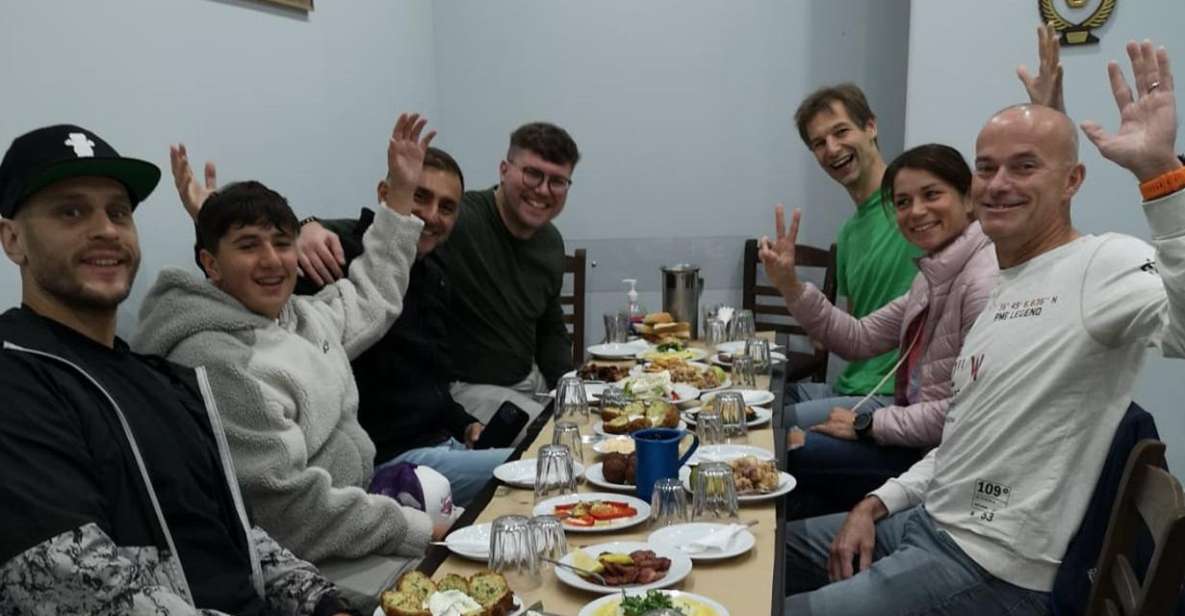
I would recommend this tour to first-time visitors who want a strong introduction to Greek flavors without spending days researching restaurants. It also suits people who enjoy trying many small portions, asking questions, and seeing a working market.
It is a good fit for couples, families, and small groups who want a meal with a guided neighborhood walk attached. The private and small-group choices make it more adaptable than a large scheduled outing.
You may want to skip it if you dislike market environments, cannot manage a long series of tastings, or want a tour built around monuments and classic views. The route is about food culture in central Athens, not a greatest-hits sightseeing circuit.
The meeting point is outside the Hondos Center entrance at Plateia Omonias, though the exact meeting point can vary with the option booked. Confirm it carefully, especially if you are choosing a private arrangement.
Final call: book it if you want to eat your way through Athens
Book this tour if you want a filling, guided introduction to Greek food that includes both familiar dishes and less obvious stops. The mix of Varvakeio Market, sweets, coffee, souvlaki, local products, drinks, and lunch gives you far more range than a single restaurant meal.
At $100, it is a fair buy for a three-and-a-half-hour experience with substantial food and a live guide, especially if you value practical advice for the rest of your Athens stay. Go hungry, wear comfortable shoes, disclose dietary needs early, and expect central Athens to feel authentic rather than polished.
FAQ
How long does the Athens food tour last?
The tour lasts approximately 3.5 hours.
How much does the food tour cost?
The price is $100 per person.
Where does the tour meet?
The stated meeting point is outside the Hondos Center entrance at Plateia Omonias, Pl. Omonias 4. The meeting point may vary depending on the option booked.
What food is included?
The included foods are Greek traditional yogurt, loukoumades, bougatsa, Greek coffee prepared on the embers, souvlaki, Greek cheeses, cured meats, olives, and a traditional meal.
Are drinks included?
Yes. The experience includes Greek drinks, beer, or refreshments.
Does the tour visit Varvakeio Central Market?
Yes. The route includes Athens’s Central Municipal Market, where you can see fresh products and taste items such as Greek cheeses, cured meats, and olives.
What languages are available?
The live guide is available in English and German. German service is not available from August 7 through the end of August.
Can I join if I have allergies or dietary requirements?
You should advise the provider of any allergies or specific dietary requirements when booking. The tour is not suitable for wheelchair users.