REVIEW · ATHENS
Mycenae, and ancient Olympia – Olympic games
Book on Viator →Operated by EASYEXPERIENCES · Bookable on Viator
Mycenae and Ancient Olympia make an unusually ambitious day from Athens. You begin with the Corinth Canal, walk through the legendary kingdom of Agamemnon, eat beside the sea at Kakovatos Beach, then reach the birthplace of the Olympic Games. It is a long road day, but the route connects myth, archaeology, food, and the Greek coast in one sweep.
I like the private group of up to seven, which gives you more room than a large coach and makes the 13-hour schedule easier to manage. I also like the relaxed beach lunch stop, a welcome change after ancient stones and museum displays. The drawback is simple: this is a lot of driving and sightseeing in one day, and lunch plus entrance fees are extra.
In This Review
- Key points to know before booking
- One long day from Athens to the Peloponnese
- Corinth Canal and the ancient Diolkos
- Mycenae, the stone kingdom of Agamemnon
- Kakovatos Beach and a proper pause by the sea
- Ancient Olympia and the first Olympic Games
- What the private format changes
- Price, admission, and what you really pay
- Who should book this experience
- Timing, comfort, and useful preparation
- Should you book Mycenae and Olympia in one day?
- FAQ
- How long does the tour last?
- What time does the tour begin?
- Where does the tour start and finish?
- Is this a private tour?
- Is lunch included?
- Are archaeological entrance fees included?
- What is included in the tour price?
Key points to know before booking
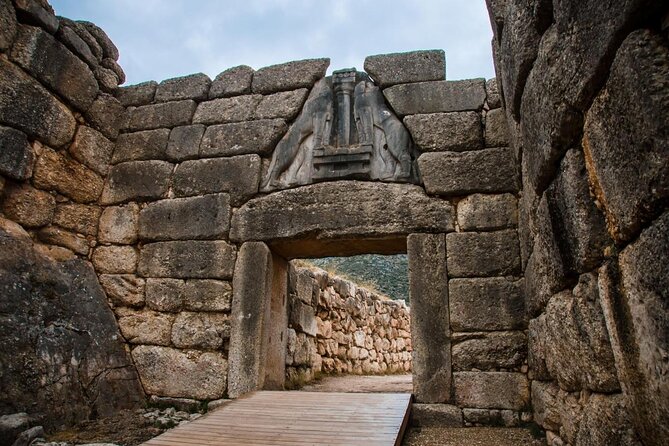
- Corinth Canal photo stop: You get about 30 minutes to see the dramatic waterway and the ancient Diolkos area.
- Mycenae in two hours: Explore the Bronze Age center linked with Agamemnon, including its famous monumental stonework.
- Kakovatos Beach break: Plan on roughly two hours for a seaside restaurant lunch, with the meal paid separately.
- Olympia’s athletic past: Visit the sacred site where the Olympic Games took place from 776 BC to 393 AD.
- Private comfort: Your group alone travels in an air-conditioned vehicle, with koulouri, soft drinks, and pickup offered.
- Budget beyond the tour price: The $698.14 group price covers up to seven people, but archaeological admission and lunch are not included.
One long day from Athens to the Peloponnese
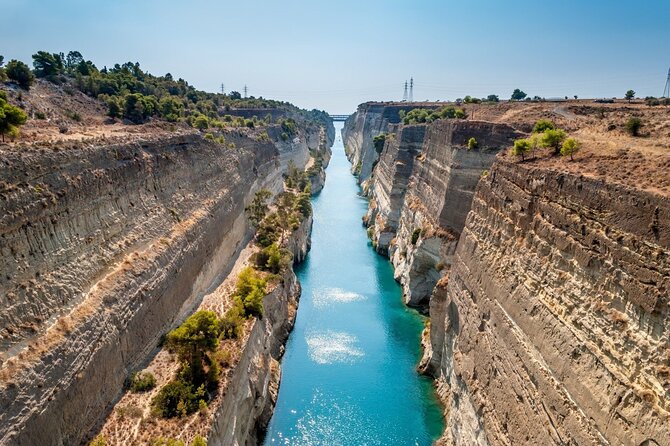
This is not a quick side trip. With a 7:30 am start and about 13 hours on the road, you are signing up for a full day across the Peloponnese. That length is the price of fitting Mycenae and Olympia into one outing from Athens.
The route works because each stop has a different character. Corinth Canal is a short engineering and photography stop. Mycenae brings Bronze Age walls and heroic legend. Kakovatos gives you sea air and lunch. Olympia finishes the day with one of Greece’s most important ancient religious and sporting sites.
I would choose this format if you have limited time in Greece but want more than Athens and the usual nearby ruins. You see several parts of the country in one day, though you should not expect a slow, detailed archaeological study of every site.
The experience is private, so only your own group participates. For two people, the price is substantial. For a group of six or seven, the per-person cost becomes much more reasonable, especially compared with arranging a private vehicle and driver for the same route.
You can also read our reviews of more tours and experiences in Athens.



Corinth Canal and the ancient Diolkos
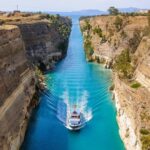
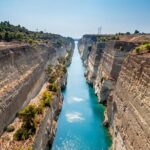
The first stop is the Corinth Canal, about 30 minutes for photographs. The modern canal cuts through the narrow Isthmus of Corinth, linking the Gulf of Corinth with the Saronic Gulf. Its steep sides create the visual punch, even during a short visit.
The ancient Diolkos adds an older layer to the stop. The Diolkos was a route dating to about 450 BC, used to move boats or cargo across the isthmus before the modern canal existed. You do not spend hours here, but the contrast is useful: ancient Greeks were already solving the problem of moving goods across this narrow strip of land.
Keep your expectations in check. This is a photo stop, not a full guided archaeological visit. Thirty minutes is enough to stretch your legs and take in the canal, but not enough for a long walk or detailed study.
Mycenae, the stone kingdom of Agamemnon
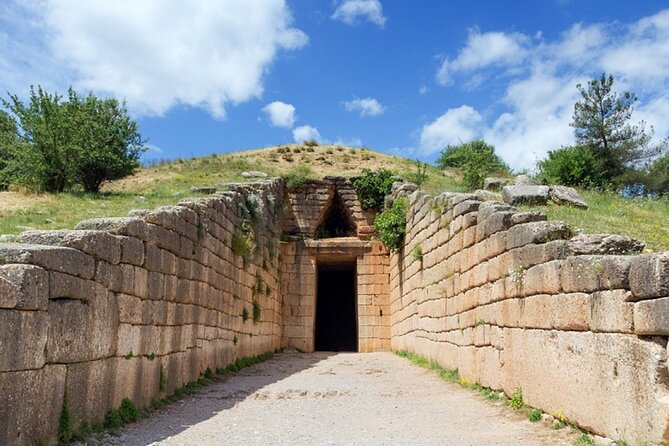
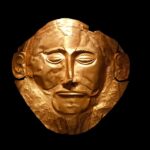
Mycenae is the first major archaeological stop, with about two hours on site. The ancient center is associated with the Late Bronze Age and is described as rich in gold, the kingdom of the mythical Agamemnon celebrated in Homer’s epics.
The site’s origins remain uncertain, which makes it especially interesting. Greek mythology says Perseus, son of Zeus, ordered the Cyclopes to build the massive walls because ordinary people could not lift the stones. Those walls gave rise to the phrase Cyclopean masonry, a fitting name when you see the huge blocks in person.
Mycenae is not polished into a single grand monument. You move among remains spread across a hill, with stone gateways, walls, and traces of a royal center. The setting helps you understand why the place became so powerful in Greek storytelling. The physical remains are ancient, stark, and easy to connect with the legends.
Two hours is a useful amount of time for a first visit. You can see the main parts without turning the stop into an all-day excavation tour. Still, wear practical shoes and be ready for uneven ground. The supplied information does not specify the exact walking conditions, but ancient sites of this kind require attention underfoot.
Admission is not included. The stated entrance cost is 12 euros, or 6 euros in winter. Since the wording refers to the archaeological sites, check the current arrangement when booking so you know how the fee applies to Mycenae and Olympia.
Kakovatos Beach and a proper pause by the sea
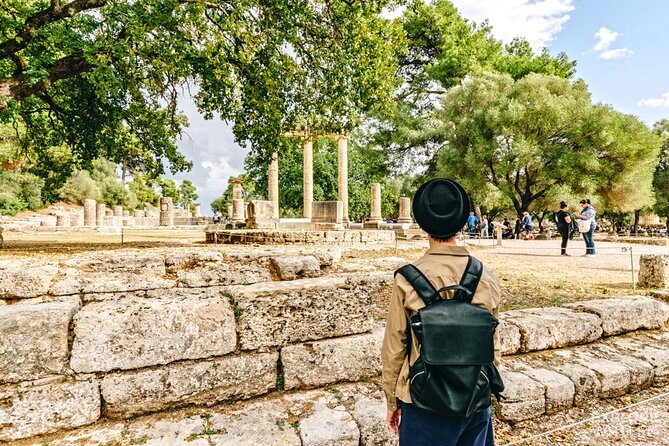
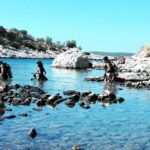
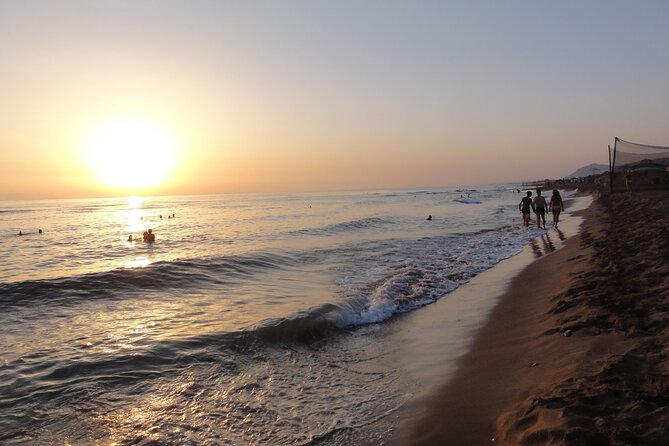
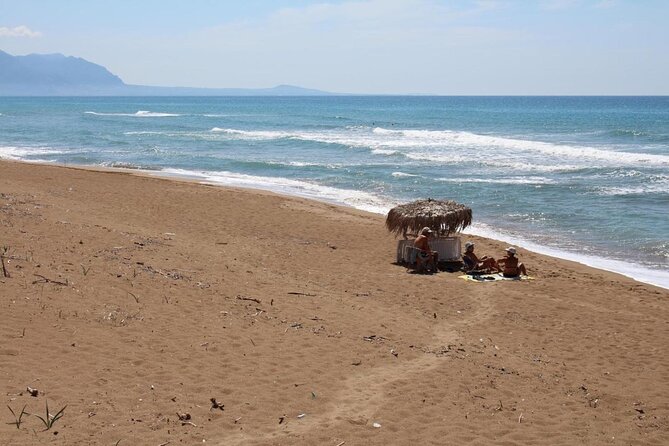
After Mycenae, the tour pauses at Kakovatos Beach for about two hours. Lunch is arranged at a seaside local restaurant, but you pay for the meal yourself.
This stop matters more than it might appear on paper. Mycenae and Olympia demand attention, and the long drive can make an ancient-site-heavy day feel relentless. A meal near the water gives you time to sit down, eat, and reset before the final archaeological visit.
The food was singled out as a highlight in the available feedback, so this is not merely a rushed roadside sandwich break. Still, the actual menu, meal cost, and restaurant name are not provided. If you have dietary needs or a strict budget, ask before departure.
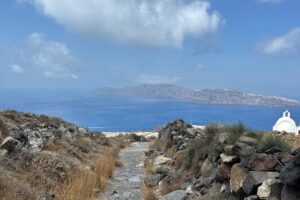
Kakovatos is also the tour’s chance to experience the Greek coast rather than simply view ruins from a vehicle. You may have time to look toward the water and enjoy the setting, but the stop is described as a lunch break, not a dedicated beach excursion. Do not book this expecting organized swimming or a long period on the sand.
Snacks and drinks are included during the day. The provision of koulouri, a Greek sesame bread ring, plus soda or pop is a small but useful touch. It helps with the early start and the long stretches between meals, though it does not replace lunch.
Ancient Olympia and the first Olympic Games
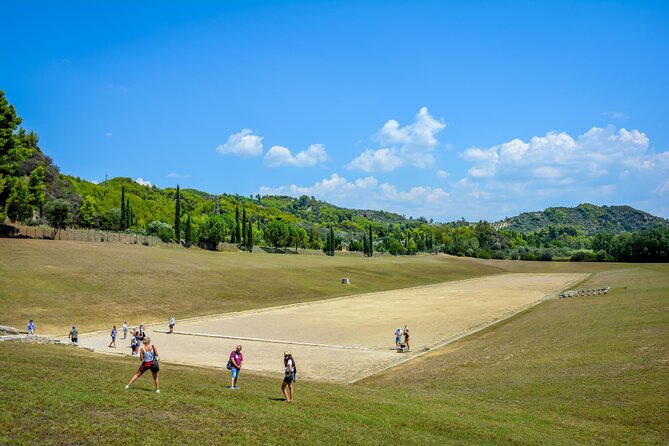
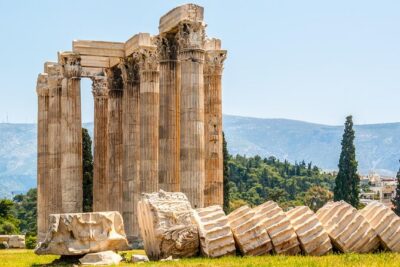
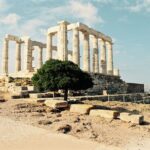
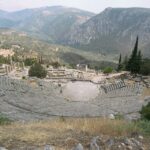
Olympia is the day’s grand finale. You have about two hours at the archaeological site, which was both a sanctuary dedicated to Zeus and the birthplace of the ancient Olympic Games.
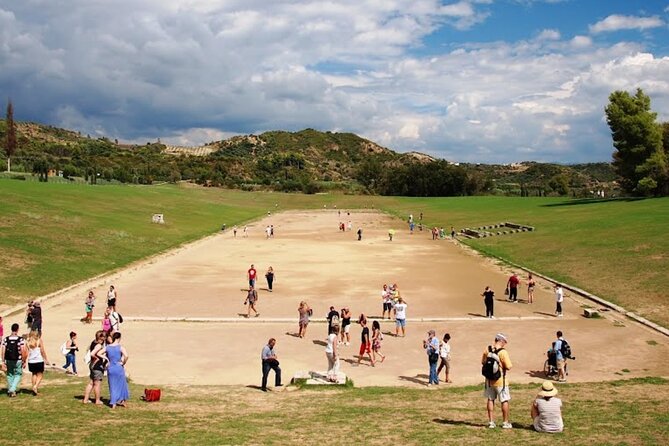
The Games began in 776 BC and continued every four years until 393 AD. That timeline gives the site unusual power. Olympia was not just an old sports ground. It was a major religious center where athletic competition, worship, politics, and prestige met.
As you walk through the remains, you can picture the importance of the site without needing a modern stadium experience. The Olympic Games were the most celebrated sporting events of the ancient Greek world, and the sanctuary drew attention from across Greece.
The site also contains notable sculpture. The decoration from the Temple of Zeus, Hermes of Praxiteles, and the Nike of Paionios are specifically associated with Olympia. Some works may be presented in the archaeological museum rather than outdoors, so the exact viewing arrangement matters. The tour information confirms the sculptures as part of Olympia’s attractions, but does not spell out how much museum time is included.
Two hours is enough for a meaningful first look, especially if your guide helps you connect the ruins with the events held here. It is not enough for every corner, every inscription, and a slow museum visit. If ancient art is your main reason for coming, you may want a separate, longer visit rather than trying to fit Olympia into a return journey to Athens.
- All Day Cruise -3 Islands to Agistri,Moni, Aegina with lunch and drinks included
★ 5.0 · 4,958 reviews




What the private format changes
The private setup is one of the strongest reasons to consider this experience. Only your group travels together, and the vehicle is air-conditioned. For a long summer day, that comfort is not a minor detail.
A small group also helps with the practical rhythm of the day. You can ask questions, keep track of your own belongings, and avoid waiting for a large crowd to reboard. The description promises an accommodating guide, and that quality matters on a route with several stops and a long return to Athens.
No guide’s name is provided, so you cannot choose the experience based on a particular historian or language specialist. The wording also suggests a conversational approach rather than a chain of formal monologues. If you prefer lively discussion and local stories, that should suit you. If you want a highly academic lecture at every ruin, ask how the guiding is handled before booking.
The air-conditioned vehicle is another practical plus. You will spend many hours moving between sites, so vehicle comfort can shape your impression of the entire day. The available feedback describes the bus as very comfortable, but no exact vehicle model or seating layout is given.
Price, admission, and what you really pay
The listed price is $698.14 per group of up to seven people. This is not a per-person fare. A full group of seven pays about $100 per person before lunch and archaeological admission, while a couple pays the full group rate between two people.
That makes the tour best suited to families, friends, or a small party that can share the cost. For a solo visitor or couple, the price is harder to justify unless the private format and the chance to reach both Mycenae and Olympia are especially important to you.
Included are the air-conditioned vehicle, snacks, soda or pop, and pickup offered from the stated meeting arrangement. Lunch is not included. Entrance to the archaeological sites is also separate, listed at 12 euros or 6 euros in winter.
The value comes from the route, not from a long list of included extras. You are paying for a private full-day vehicle, a driver and guide, and the ability to connect four very different stops without planning the transport yourself. Compare that with the time and effort of organizing the same journey independently.
The activity starts at 7:30 am at Ermou 80 in central Athens, with the day ending back at the same meeting point. Pickup is offered, but the supplied details do not define the exact pickup zone or whether every hotel qualifies. Confirm that point before paying if you are staying outside central Athens.
Who should book this experience
I would recommend this day to someone who wants breadth. You see ancient engineering at Corinth, the Bronze Age world at Mycenae, the coast at Kakovatos, and Greek athletic and religious culture at Olympia.
It also suits people who prefer a private conversation over a fixed large-group tour. The maximum group size of seven keeps the outing personal, while the air-conditioned vehicle makes the long route more manageable.
Families may appreciate the variety. Children who lose interest in ruins may welcome the beach and food stop, while the Olympic connection gives Olympia an easy theme to understand. The day is still long, so younger children may find the early start and return tiring.
History-focused visitors should decide how much depth they need. Mycenae and Olympia each receive about two hours, which is enough to see the principal sights but not enough for exhaustive study. The experience is about connecting major places in one day, not examining every stone.
I would not choose it if you want a leisurely beach day, a short excursion, or long stretches of free time. The route covers a lot of ground, and the final return to Athens can feel demanding after Olympia.
Timing, comfort, and useful preparation
Start with breakfast before meeting the group, since the day begins early. The included koulouri is handy, but it is described as a snack, not a full morning meal.
Bring water, sun protection, and comfortable shoes. These suggestions are sensible for outdoor archaeological sites, although the tour does not provide a detailed packing list. You should also leave room in your budget for lunch and admission.
The tour runs in a particular order: Corinth Canal, Mycenae, Kakovatos Beach, then Olympia. That sequence builds from a short stop to the largest archaeological visits, with the coastal meal placed between the two major sites.
Book well ahead if your dates are fixed. The experience is booked, on average, 44 days in advance, which suggests that demand can matter even though no exact availability calendar is provided. Free cancellation is available if you cancel at least 24 hours before the start time. Changes or cancellations inside that window are not accepted for a refund.
Should you book Mycenae and Olympia in one day?
Book it if you want to cover major Peloponnese sights from Athens without handling a complicated private road journey yourself. The best parts are the small group, comfortable vehicle, memorable mix of ruins and coast, and the rare chance to see both Mycenae and Olympia in one day.
Think twice if you dislike long drives or want unhurried time at ancient sites. The $698.14 group price works best when shared by several people, and you must add lunch and site entry.
For a full group of friends or family, I see solid value here. For two people, I would book only if reaching Olympia is a priority and the convenience of a private tour outweighs the higher cost.
FAQ
How long does the tour last?
The experience lasts approximately 13 hours.
What time does the tour begin?
The stated start time is 7:30 am.
Where does the tour start and finish?
It starts at Ermou 80, Athina 105 54, Greece, and ends back at the meeting point.
Is this a private tour?
Yes. Only your group participates, with a maximum of seven people.
Is lunch included?
No. Lunch at a seaside restaurant in Kakovatos Beach is not included in the tour price.
Are archaeological entrance fees included?
No. Entrance is paid separately. The stated cost is 12 euros, or 6 euros in winter.
What is included in the tour price?
The tour includes an air-conditioned vehicle, Greek sesame ring koulouri, and soda or pop.