REVIEW · ATHENS
Small Group Tour: 7 Balkan Countries Athens to Dubrovnik / Split
Book on Viator →Operated by Choose Balkans · Bookable on Viator
The most remarkable thing here is the range: in 14 days, you move from Delphi and Meteora to Lake Ohrid, Kosovo’s Ottoman towns, Montenegro’s coast, Mostar, Sarajevo, and Croatia. Seven countries make this a serious geography lesson, but the old bazaars, monasteries, vineyards, and family farms keep it human.
I like the small maximum of 10 people, which should make border crossings and guided walks easier than on a large coach tour. I also like the local flavor: Albanian byrek and coffee in Tirana, raki and qofte at New Bazaar, and time at Mrizi i Zanave farm. The main drawback is pace. You change scenery almost daily, and long road stretches plus many borders can leave you wishing for an extra night in several towns.
In This Review
- Key points at a glance
- What this Balkan route is really trying to do
- Delphi and Meteora make a powerful first day
- Ioannina leads into Gjirokaster’s stone streets
- Berat offers one of the tour’s strongest stops
- Lake Ohrid brings water, monasteries, and quiet
- Tirana combines food with Albania’s difficult past
- Kruja and Prizren show two sides of mountain history
- Gjakova, Decan, and Rahovec add depth to Kosovo
- Mrizi i Zanave puts local food on the plate
- Montenegro’s coast is compact but beautiful
- Mostar and Blagaj carry the weight of memory
- Sarajevo finishes with layered history
- What the $5,116.01 price buys
- Who should book, and who should skip it
- FAQ
- How many countries does the tour visit?
- Where does the tour begin and end?
- How long is the experience?
- What type of accommodation is included?
- Is transportation included?
- Are meals included?
- How large is the group?
Key points at a glance
- Seven countries in 14 days: Greece, Albania, North Macedonia, Kosovo, Montenegro, Bosnia and Herzegovina, and Croatia.
- A small group of up to 10: Private transport and a tour leader keep the route personal and flexible in feel.
- UNESCO sites from Delphi to Mostar: The route links major archaeological, religious, and historic places.
- Strong food stops: Try byrek, Albanian coffee, qofte, raki, local produce, and traditional dishes in Sarajevo.
- A choice of Croatian finishes: The tour ends with a transfer to your hotel in either Dubrovnik or Split.
- Three-star lodging and breakfast: The price includes shared double, twin, triple, or quadruple rooms, not all meals.
What this Balkan route is really trying to do
This is not a slow holiday in one country. It is a grand sweep through the western Balkans, designed for you to see how Greek, Roman, Byzantine, Ottoman, Austro-Hungarian, Communist, and modern European influences overlap.
You start in Athens, but the organized route begins with hotel pickup at 8:00 a.m. The first day reaches Delphi and Meteora, then the journey moves through Albania before crossing into North Macedonia and Kosovo. Montenegro and Bosnia and Herzegovina follow, with Croatia as the final handoff.
The route has an appealing mix of famous sights and ordinary places. Delphi, Kotor, Mostar, and Sarajevo are headline stops. Drilon, Tushemisht, Rahovec, and the Gjakova bazaar give you a better sense of daily life, farming, wine, and local trade.
A maximum of 10 people is a real advantage here. You are not trying to gather 45 people after every border crossing or squeeze a large bus into a medieval town. Private transportation is included, along with road taxes, fuel, international car insurance, tourist taxes, and hotel transfers.
The tradeoff is that the tour covers a lot of ground. Some visits last only 30 minutes or an hour. You will see many places, but you will not have the kind of free time available on a city-based holiday.
You can also read our reviews of more tours and experiences in Athens.



Delphi and Meteora make a powerful first day
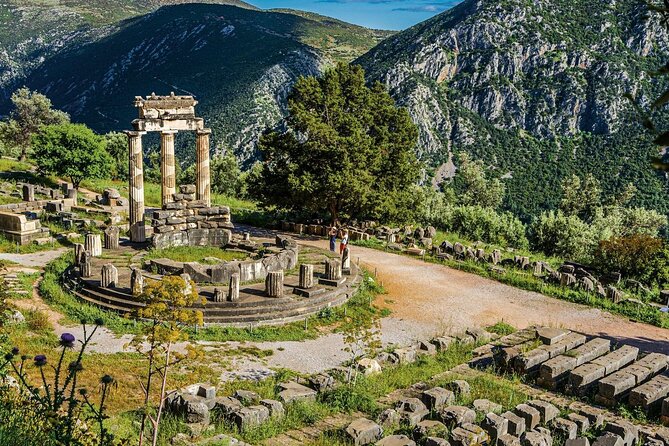
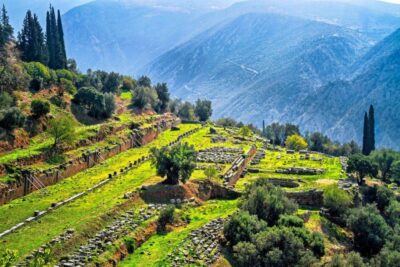
After pickup in Athens, you drive to Delphi, the ancient sanctuary once regarded as the center of the Greek world. The visit includes the Temple of Apollo, the Castalian Fountain, the Treasury of the Athenians, the theater, the stadium, and the museum.
The museum’s highlights include the bronze Charioteer, dated to 475 B.C., and a statue of Antinoos. Even with about an hour listed for the stop, Delphi rewards focused attention. You will need to keep moving and listen carefully, since the site has several separate monuments spread along a hillside.
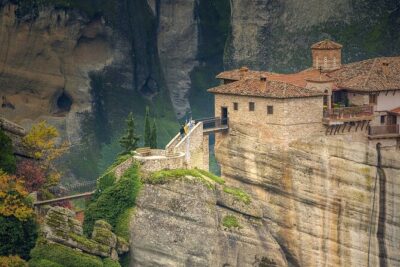
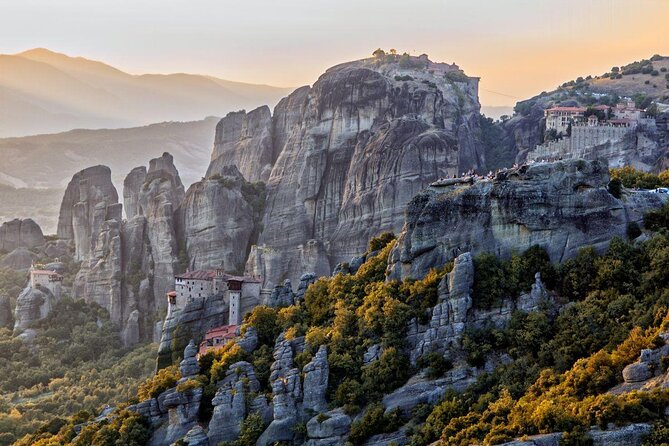
Meteora brings a dramatic change. Monasteries from the 14th and 15th centuries sit above towering rock formations, and the sunset is the main event. The timing gives you a memorable opening to the trip, though the first day is long and contains two major sights.
This first day shows the general pattern: big historical places, striking scenery, and limited time. If you prefer leisurely mornings and long museum visits, the pace may test you.
Ioannina leads into Gjirokaster’s stone streets
Day two begins in Ioannina, a Greek city shaped by Byzantine and Ottoman periods. You have about three hours to walk through the old town, visit Ioannina Castle, and pause at a cafe for local food.
The castle contains narrow streets and historic buildings, while the old town gives you a softer introduction to the region than the monumental sites of Delphi and Meteora. This is a useful stop for simply wandering and getting your bearings.
In the afternoon, the road continues to Gjirokaster, Albania’s Stone City. The transfer is part of the experience, but you should expect road time. Border procedures and mountain routes can affect the schedule.
Gjirokaster receives a fuller visit on day three. Its slate-colored houses look like small fortresses, and the castle is the city’s anchor. The medieval bazaar leads toward the castle through narrow stone streets lined with handmade crafts.
The tour also visits one of the best-preserved houses in the city, with original features. That kind of house visit is valuable because it shows how people lived, rather than presenting only grand monuments.
Berat offers one of the tour’s strongest stops
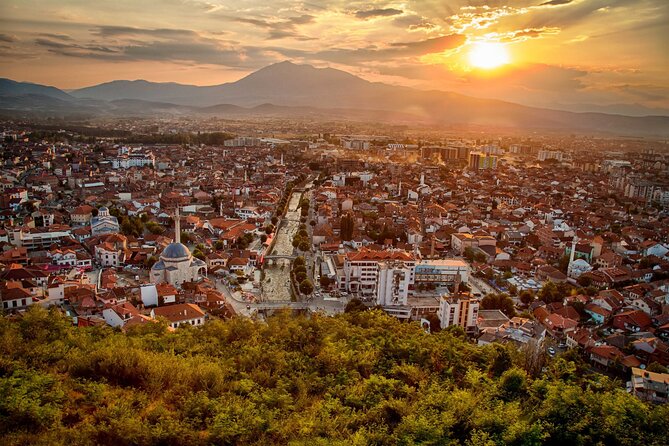
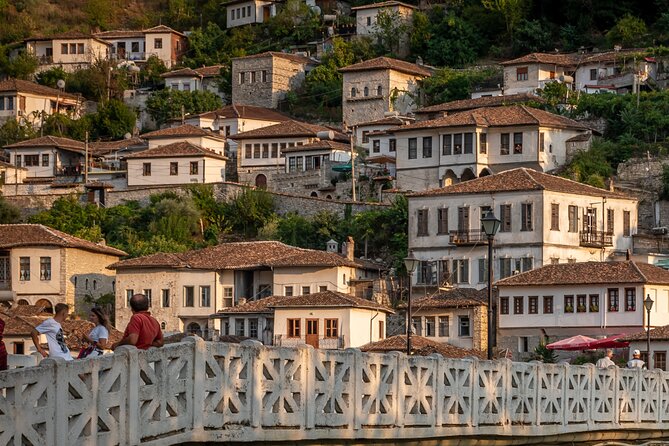
Berat is often the place that stays with people after the trip. Its hillside houses appear stacked one above another, earning it the name town of 1001 windows. People still live inside the castle walls, which gives the old fortress a sense of daily life rather than making it a sealed museum.
You will visit Berat Castle, ancient churches and mosques, and the National Iconographic Museum Onufri. The museum honors the church painter Onufri, known for a distinctive red color that remains difficult to reproduce.
The Gorica Bridge and Gorica neighborhood add a short but worthwhile walk. Together, the castle, museum, old houses, and bridge make Berat a balanced stop, with architecture, art, religion, and living neighborhoods.
The listed visits are fairly short, so use your time well. Berat’s narrow stone streets can be uneven, and the castle sits above the lower town. Comfortable shoes matter throughout this trip, especially at castles and old quarters.
Lake Ohrid brings water, monasteries, and quiet
Before crossing into North Macedonia, the route stops at Drilon National Park and Tushemisht. Drilon is known for spring-fed water, a small lake, greenery, and weeping willows. It is a calm pause after several historic towns.
Tushemisht is another short stop, offering natural surroundings, local character, and hospitality. Neither stop is built around a long guided visit, so they work best as breathing spaces.
At St. Naum, the monastery sits by the source of the Crni Drim River, which flows through Lake Ohrid. The site is part of Galicica National Park, and its spring water reflects the surrounding trees and mountains.
Ohrid follows on day six, with about three hours to see the city and lake area. Ohrid has been a UNESCO World Heritage site since 1980 and is one of Europe’s oldest inhabited areas. The route includes viewpoints near St. John’s Church, St. Nicholas Church, and the Halveti Hayati Tekke.
Ohrid’s religious story is central. It became an important Orthodox center under the Byzantine Empire, and local tradition speaks of 365 churches, one for each day of the year. The city also grew under Ottoman rule, spreading up the hills around the lake.
This is one of the more appealing parts of the trip, but the schedule is unusual: after Ohrid, you drive toward Tirana, Albania’s capital. You see North Macedonia, yet sleep in Albania. That is efficient for the full route, not ideal if you want a slow Lake Ohrid stay.
- All Day Cruise -3 Islands to Agistri,Moni, Aegina with lunch and drinks included
★ 5.0 · 4,958 reviews




Tirana combines food with Albania’s difficult past
Tirana’s day is built around eating and local neighborhoods rather than a checklist of grand buildings. You begin with byrek, the flaky pastry filled with cheese, meat, or spinach, at a small local place.
At Tregu Çam, you can browse clothes, kitchen items, and other goods while bargaining with sellers. The route then continues through side streets, produce markets, pastry shops, and cafes.
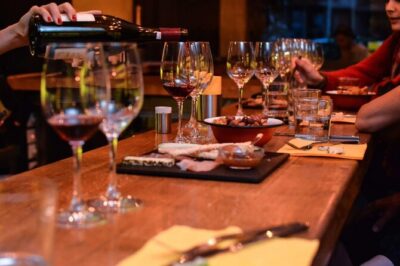
You will try an Albanian dessert, traditional coffee, qofte with bread, and Albanian raki at New Bazaar. Vegetarians are offered bread with gjize, a local cottage cheese. This food focus is one of the tour’s best ideas because it connects you with ordinary routines and regional tastes.
Bunk’Art 2 adds a more serious note. The former Cold War nuclear bunker now presents the history of Albania’s Communist army and the daily lives of people under the regime. The museum helps explain a period that still shapes the country’s identity.
The food walk is listed in several very short segments, so exact timing may feel flexible. Give yourself room for a full meal and do not assume the listed minute-by-minute schedule is literal.
Kruja and Prizren show two sides of mountain history
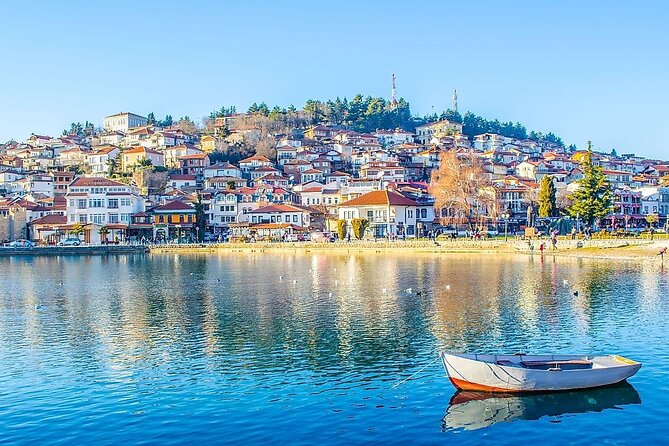
Kruja was a center of Albanian resistance against Ottoman expansion in the 15th century. Its old bazaar, with wooden houses and narrow lanes, is one of the best places on the route for handmade souvenirs such as carpets and jewelry.
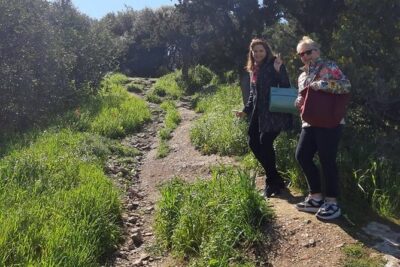
The castle sits on a rocky hill. Your tour leader takes you along less obvious paths connected with local escape routes. The visit includes a little walking uphill, so expect uneven ground and some effort.
After crossing into Kosovo, you reach Prizren, a city shaped by Illyrian, Byzantine, and Ottoman connections. The river runs through the old center, under bridges and beside traditional houses. Filigree metalwork is a local craft, and the bazaar is a good place to look for it.
The Sinan Pasha Mosque is the main religious visit, with colorful arabesque decoration. Kalaja Fortress gives you a wide view over the town, followed by free time in Prizren.
This is a pleasant place to slow down for an afternoon, though only after a morning in Kruja and a border crossing. The route gives you an introduction, not a long stay.
Gjakova, Decan, and Rahovec add depth to Kosovo
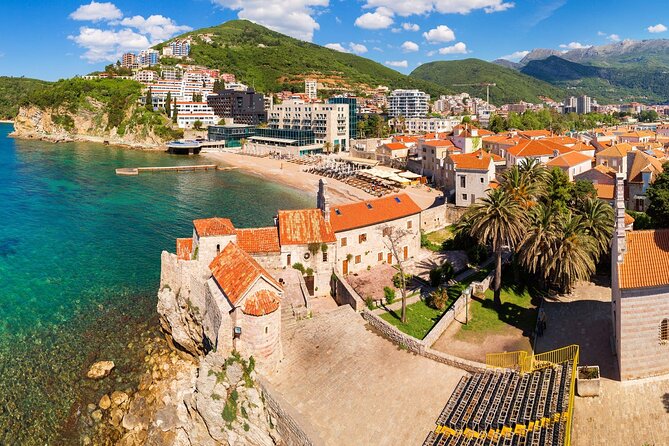
Gjakova has Kosovo’s oldest and largest bazaar. It was destroyed and rebuilt several times, including after the Kosovo War. Today, its shops and craft sellers offer a useful look at how old commercial quarters recover and continue to serve local life.
The Monastery of Decan provides a different experience. Orthodox monks still live there and produce food such as cheese. The monastery is known for 14th-century frescoes and is part of UNESCO.
Expect security or entry arrangements at religious sites to affect timing, though no specific procedure is provided. Dress respectfully and follow local instructions.
Rahovec Valley brings wine into the story. Grapes have been grown here since Illyrian times, and the hills support vineyards at elevations of about 350 to 520 meters. A wine festival takes place each September.
This day has a good balance of commerce, religion, and agriculture. It also reinforces a practical point: the Balkans are not one culture. Customs, faiths, food, and historical memories change from valley to valley.
Mrizi i Zanave puts local food on the plate
Mrizi i Zanave is an agro-tourism farm and slow-food restaurant in northern Albania. You tour the farm, learn how the family business adapted old Communist buildings for storage, and see how local products are collected, prepared, and preserved.
The farm’s work has created jobs for more than 400 people in surrounding communities. You have free time for lunch or for buying fresh products, but the meal is not included in the tour price.
This is exactly the kind of stop that gives a long road trip purpose. Instead of looking only at castles, you see how regional food and small businesses support people today.
Shkoder follows in the afternoon. The city has more than a thousand years of settlement, and Rozafa Castle offers views toward Lake Shkoder and the rivers flowing toward the Adriatic.
Shkoder also has Venetian architectural influence and a tradition of making Venetian masks by hand. The city’s carnival takes place in February, so seasonal timing could add another layer if your dates match.
Montenegro’s coast is compact but beautiful
The first Montenegrin stop is a viewpoint near Sveti Stefan. The former fishing village occupies a small island, now an exclusive residential resort that cannot be visited. You can still photograph it from the coast.
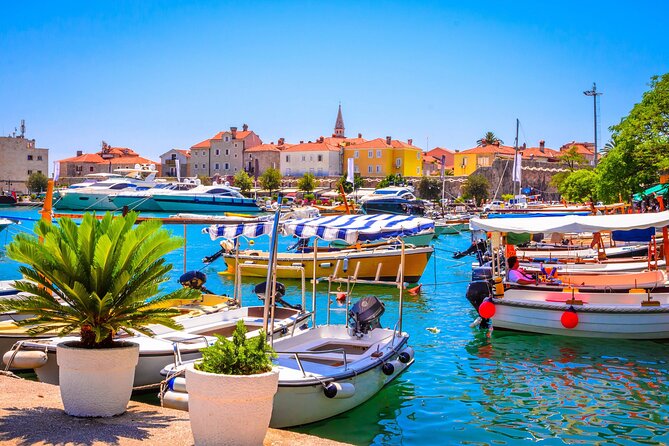
Budva combines a modern resort area with an older walled center. The tour focuses on Old Budva, including churches and medieval buildings. The visit is only about an hour, so use free time wisely if you want more than a quick walk.
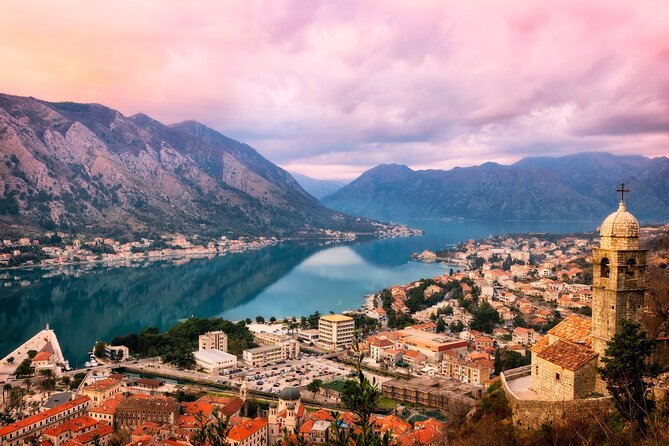
Kotor is the stronger historic stop. Its old town is a maze of cobblestone streets, designed in part to confuse intruders. Small plaques on buildings explain their original use and construction dates.
The route includes St. Luke’s Church, which represents unity for local people. Kotor is compact, but the stone streets and uneven surfaces require steady walking.
Mostar and Blagaj carry the weight of memory
Crossing into Bosnia and Herzegovina, you reach Mostar and the famous Stari Most, the Old Bridge. Built in the 16th century in an Islamic architectural style, it is the city’s defining sight and part of UNESCO.
The old bazaar has stone lanes, mosques, shops, and cafes. Around town, the words Don’t Forget recall the city’s wartime destruction. Mostar is not just a pretty bridge stop. Its rebuilt center sits beside painful reminders of the 1990s conflict.
Blagaj Tekija, outside Mostar, sits below a cliff beside the spring of the Buna River. The blue water and Ottoman-era setting create a quieter contrast with the crowds and shops of Mostar.
You receive free time in Mostar in the afternoon. That matters, since the city rewards an unhurried walk, a meal, or a closer look at the old quarter.
Sarajevo finishes with layered history
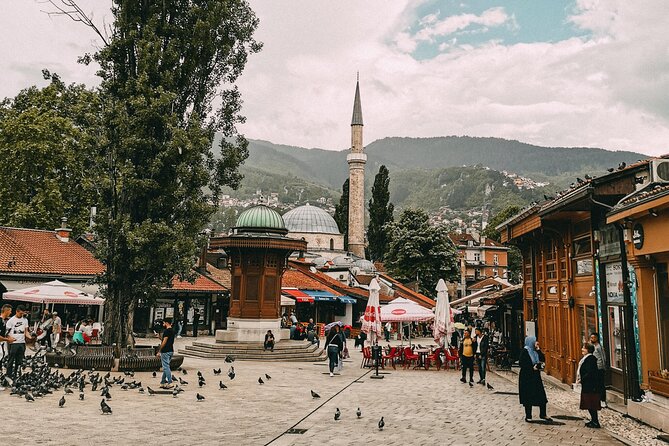
Sarajevo brings together Ottoman markets, Austro-Hungarian streets, mosques, churches, and synagogues. The route presents the city as a meeting point of faiths and empires, then moves into the difficult modern story of the Yugoslav War.
You will walk across uneven ground and see bullet holes and cannon marks. This is not a polished old-town tour only. The physical remains ask you to pay attention to what happened here.
At Latin Bridge, you learn how the assassination connected with the start of World War I. The bridge links to the former Catholic quarter known in Ottoman times as Latinluk.
There is free time for Bosnian food and dessert in the old town. Sarajevo is a fitting final major stop because it brings together so many themes from the route: Ottoman food, religious variety, imperial architecture, war, and everyday resilience.
On day 14, the tour leader takes you to the Croatian border. A local driver then transfers you to your hotel in Dubrovnik or Split. The tour does not include a Croatian sightseeing program, so plan extra time if you want to explore your final city.
What the $5,116.01 price buys
At $5,116.01 per person, this is not a cheap independent road trip. But the price includes 13 nights of three-star accommodation, breakfast, private transportation, fuel, road taxes, international car insurance, tourist taxes, a professional tour leader, hotel pickup, hotel drop-off, and entry tickets for listed sites.
The room price is calculated for double, twin, triple, or quadruple occupancy. Solo visitors should confirm the single-room arrangement and any supplement before paying, since the published price is based on shared occupancy.
You still pay for lunches, dinners, drinks, snacks, souvenirs, and personal spending. Food costs can vary widely, especially in resort areas such as Budva and Kotor.
The value is strongest if you want one company handling transport, borders, hotels, and guides across seven countries. It is weaker if you enjoy arranging your own buses, choosing boutique hotels, and staying several nights in each city.
Past departures included guides named Elton and Eri Veseli. Eri was praised for historical explanations, a caring approach, and a good taste in music, while Elton was noted for helpful service and clear accounts of events from Illyrian times onward. Your assigned leader may differ, but these details show the importance of the guide on a route with this much history.
Who should book, and who should skip it
Book this trip if you want a broad first look at the Balkans and do not want to manage seven countries on your own. It suits active adults, families, and curious first-time visitors who are comfortable with early starts, border crossings, uneven streets, and changing hotels.
It is especially good for people who care about history but also want food, markets, farms, lakes, and local neighborhoods. The small group helps, and the strongest praise has focused on organization, punctuality, clean rooms, friendly hotel staff, and helpful tour leaders.
Skip it if you want a beach holiday, long museum sessions, or several free days in Dubrovnik, Sarajevo, or Lake Ohrid. The non-refundable booking policy also calls for care: arrange your health and travel insurance first, then confirm your dates, room occupancy, and final city.
My call is simple. Choose this for breadth and convenience, not for leisurely depth. If seeing the Balkans in one carefully connected journey matters more than lingering, the route offers unusually strong coverage and plenty of memorable stops.
FAQ
How many countries does the tour visit?
The route visits Greece, Albania, North Macedonia, Kosovo, Montenegro, Bosnia and Herzegovina, and Croatia.
Where does the tour begin and end?
It begins in Athens, Greece. It ends with a hotel transfer in either Dubrovnik or Split, Croatia.
How long is the experience?
The tour lasts approximately 14 days and begins at 8:00 a.m.
What type of accommodation is included?
Accommodation and breakfast are included in three-star hotels. Prices are calculated for double, twin, triple, or quadruple room occupancy.
Is transportation included?
Yes. Private transportation, petrol, road taxes, international car insurance, tourist taxes, hotel pickup in Athens, and hotel drop-off in Dubrovnik or Split are included.
Are meals included?
Fourteen breakfasts are included. Lunches, dinners, drinks, snacks, and personal purchases are not included.
How large is the group?
The tour has a maximum of 10 participants.